
Question 10
What is the product when benzene reacts with fuming sulfuric acid?
□ A
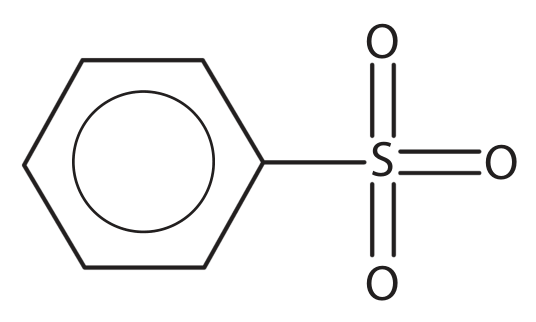
□ B
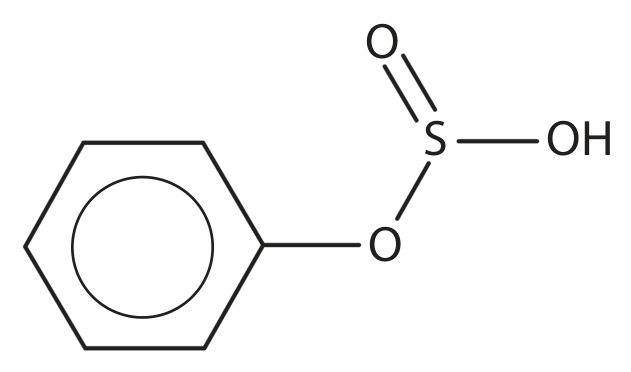
□ C
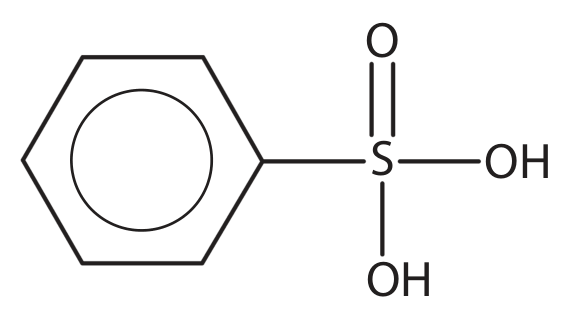
□ D
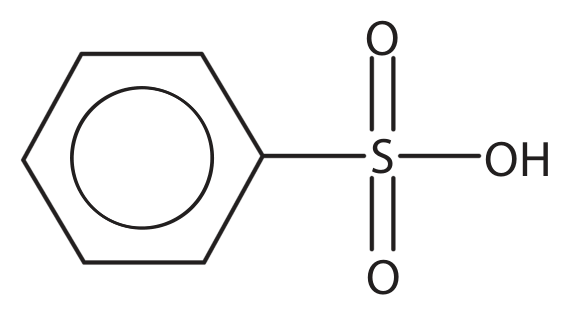
Use this space for any rough working. Anything you write in this space will gain no credit.
 EduNinja
Topic 18 questions connect benzene stability evidence with delocalised bonding, then test bromination, nitration, sulfonation, Friedel-Crafts reactions and phenol behaviour.
What is the product when benzene reacts with fuming sulfuric acid?
□ A
□ B
□ C
□ D
Use this space for any rough working. Anything you write in this space will gain no credit.
The delocalised electrons in benzene result from the overlap of
s orbitals to form bonds
s orbitals to form bonds
p orbitals to form bonds
p orbitals to form bonds
What is the molar mass, in , of the organic product when phenol reacts with excess bromine water?
156.9
172.9
330.7
488.5
Methylbenzene reacts with a mixture of concentrated nitric acid and concentrated sulfuric acid to form 2,4,6-trinitromethylbenzene.
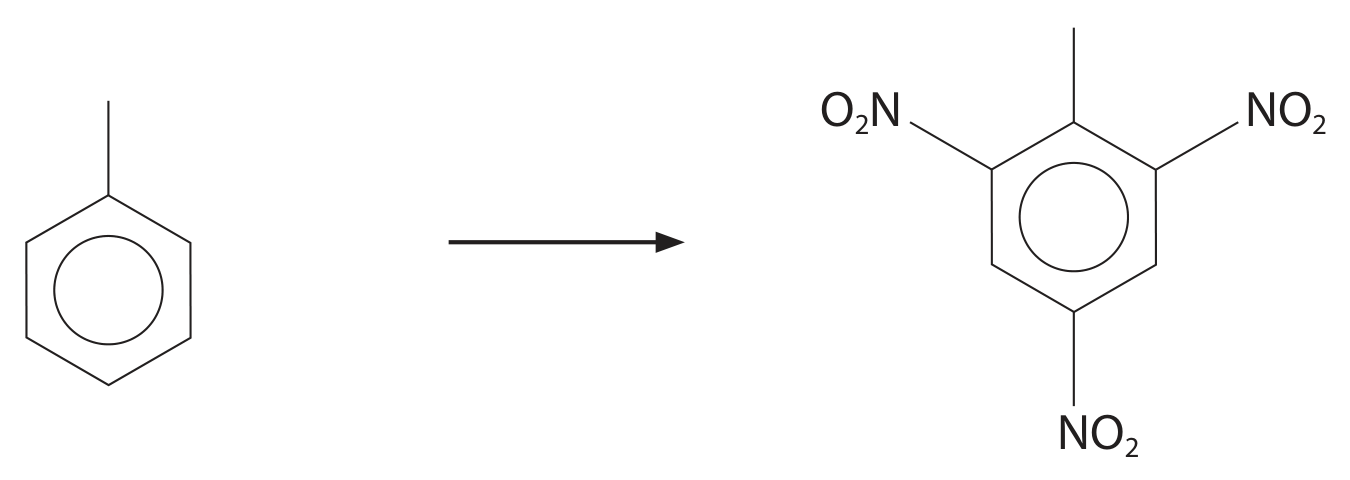
What type of reaction takes place?
nucleophilic addition
nucleophilic substitution
electrophilic addition
electrophilic substitution
This question is about benzene, , a colourless liquid first isolated in 1825, and some related compounds.
Three structures proposed in the 1860 s are shown.
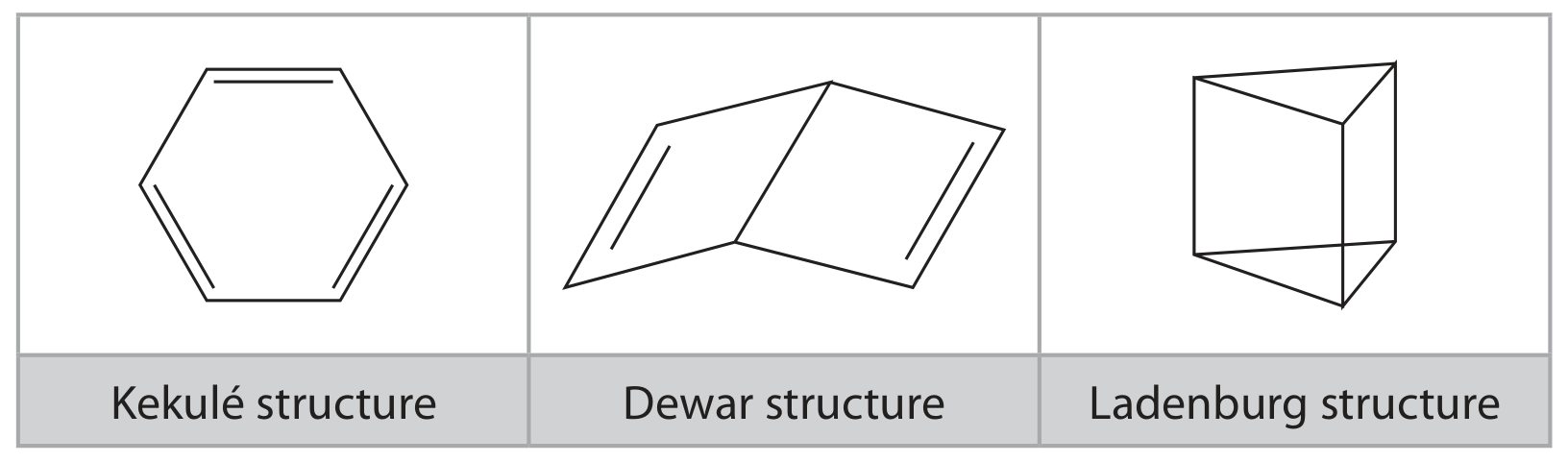
The delocalised model for the structure of benzene has been accepted since the 1930s following the study of its X-ray diffraction pattern and the understanding of electron delocalisation in bonding theory.
The Dewar and Ladenburg structures have since been isolated as stable compounds but there is no compound with the Kekulé structure.
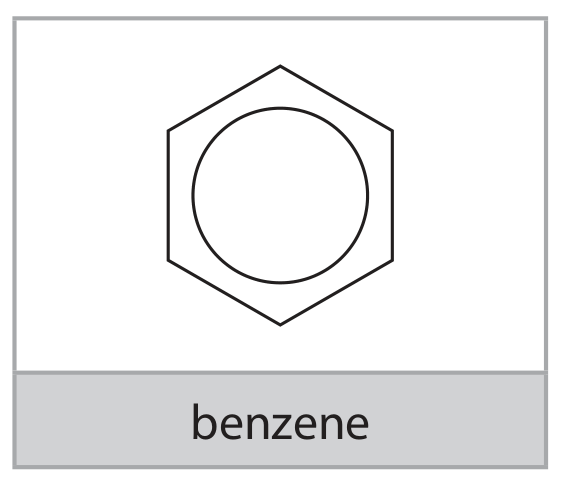
Describe a chemical test, including the result, that could distinguish the Dewar structure from benzene.
Explain how X-ray diffraction shows that benzene has a delocalised structure and not a Kekulé structure.
(2)
The Ladenburg and Dewar structures both isomerise to benzene.
The enthalpy changes are and respectively.
Draw a labelled enthalpy level diagram showing the relative thermodynamic stability of the Ladenburg structure, the Dewar structure and benzene.
Include the enthalpy change values in .
Your diagram does not need to be to scale.
The enthalpy change of hydrogenation of hex-3-ene is .

The table shows the enthalpy changes of hydrogenation of two further alkenes containing six carbon atoms.
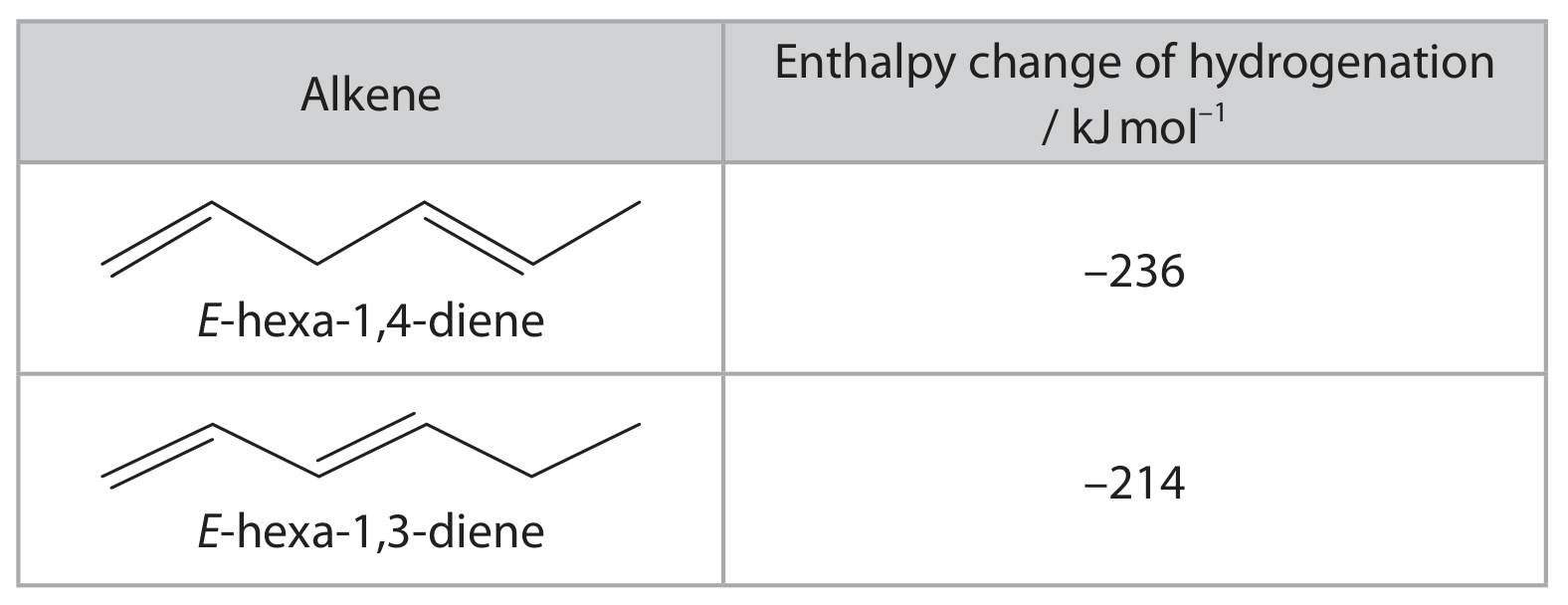
Use your knowledge of benzene thermochemistry to suggest explanations for both of these enthalpy changes of hydrogenation in relation to the value for hex-3-ene.
Methylbenzene, , reacts with ethanoyl chloride, , in the presence of the catalyst aluminium chloride, , to form a mixture of organic products with the formula .
Complete the diagram, including curly arrows, to show the mechanism for the formation of compound X in this reaction.
Include an equation for the regeneration of the catalyst.
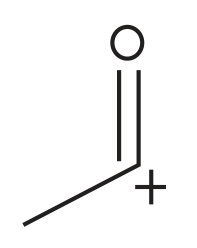
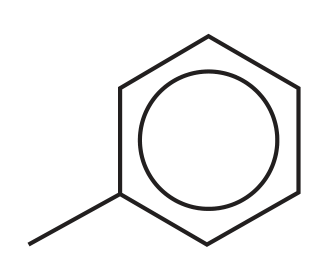
This question is about benzene and some related compounds.
Some standard enthalpies of combustion are shown.
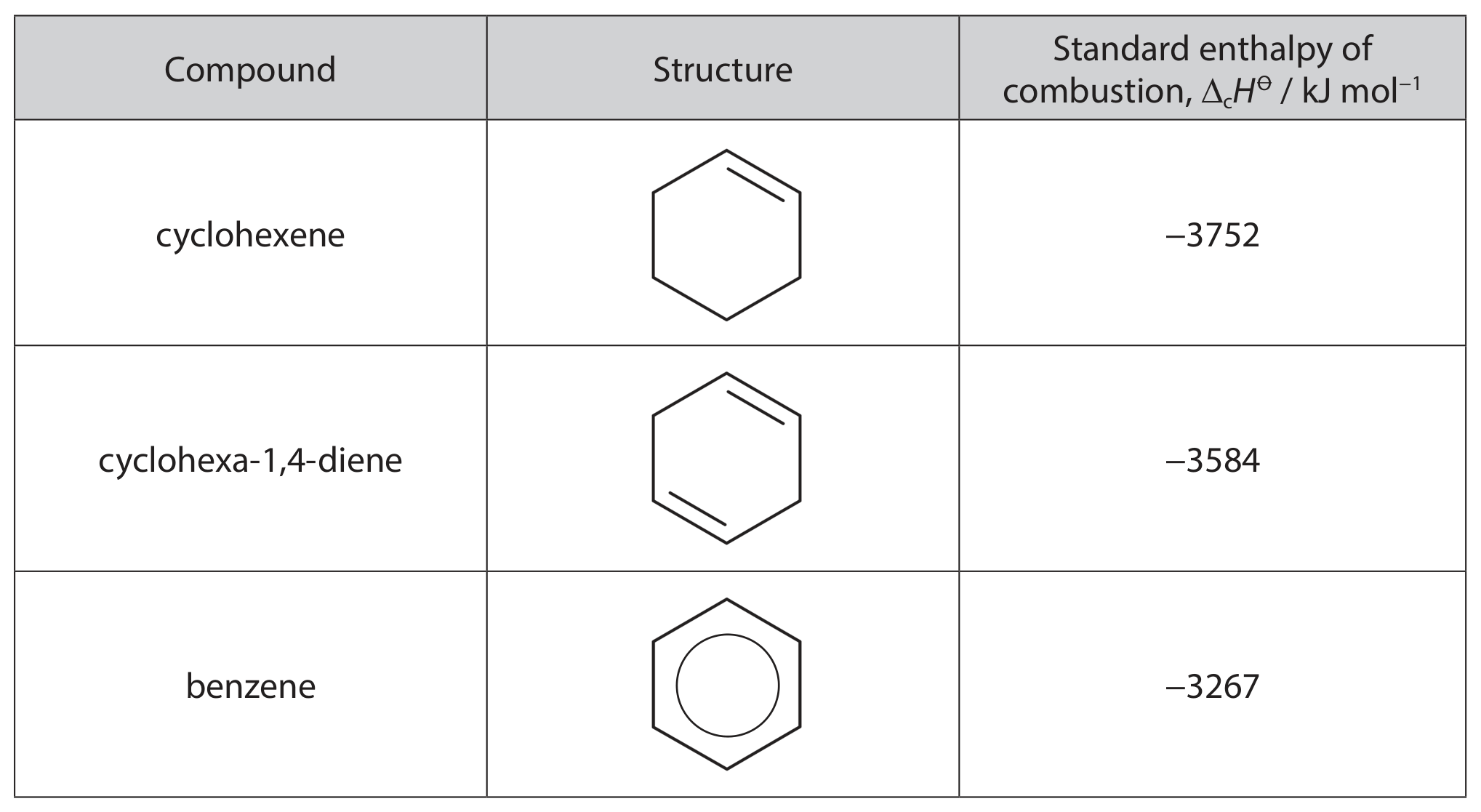
Using the standard enthalpies of combustion of cyclohexene and cyclohexa-1,4-diene, calculate a value for the enthalpy of combustion of the theoretical compound 'cyclohexa-1,3,5-triene'.
(2)
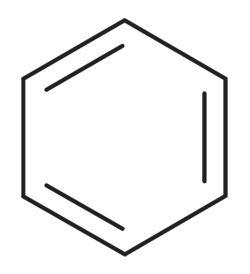
cyclohexa-1,3,5-triene
Explain the difference between the enthalpy of combustion of 'cyclohexa-1,3,5-triene' calculated in (a)(i) and the enthalpy of combustion of benzene given in the table.
(3)
Bromine reacts with cyclohexene to form 1,2-dibromocyclohexane, and with benzene to form bromobenzene.
Compare and contrast these reactions, considering the type and mechanism of each reaction and the conditions required.
You are not required to draw the mechanisms of the reactions.
Bromine also reacts with phenol.
Identify, by name or formula, the organic product when phenol reacts with excess bromine.
Explain why bromine reacts much faster with phenol than with benzene.
SECTION C
Answer ALL the questions. Write your answers in the spaces provided.
Iron Chemistry
Iron is a typical transition metal. Due to the similar energies of the 3d and 4s electrons, iron forms compounds in a number of oxidation states. Iron(II) and iron(III) are the most common oxidation states, and iron(III) is the most stable.
Iron ions form many complexes, including that in haemoglobin which is responsible for oxygen transport in the blood of most vertebrates. The haemoglobin-iron complex with oxygen is responsible for the red colour of blood.
Iron(III) ions may be detected in solution by the addition of thioglycolic acid . All the water ligands of the iron(III) ion are replaced giving a complex with an intense red colour which can be detected in very low concentrations.
The complexes of iron(II) and iron(III) usually have a coordination number of six and are octahedral but the chloro complexes have a coordination number of four and are tetrahedral.
Iron and its compounds can act as catalysts. The element catalyses the Haber process, acting as a typical heterogeneous catalyst. However, the compounds and complexes of iron are usually homogeneous catalysts.
Benzoic acid is a white crystalline solid with the structure shown.
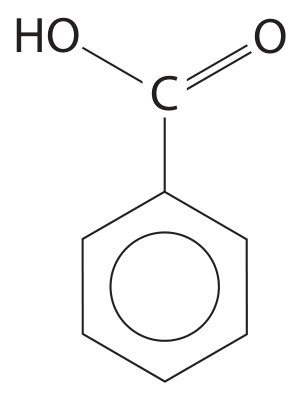
It is found in many plants as it is an important building block for the biosynthesis of a variety of compounds, such as plant hormones and attractants for pollinators.
The role of benzoic acid in the chemical industry is also widespread and approximately 500000 tonnes are produced annually. It is used in the synthesis of many compounds, including medicines, dyes and insect repellents.
Such synthetic dyes are often classified as aryl azo dyes. These dyes have a range of vivid colours and a wide range of uses in many industries, including food and textiles. Their synthesis involves the formation of a diazonium ion. This ion then reacts with a phenol in a coupling reaction, to form the dye. The relative simplicity of the reactions involved and ready availability of starting materials make azo dyes cheap to produce.
Salts of benzoic acid, such as calcium benzoate and sodium benzoate, are used in the food industry as preservatives.
Benzoic acid can be used in the synthesis of azo dyes.
In Step 1, benzoic acid reacts with concentrated nitric acid to form 3-nitrobenzoic acid.
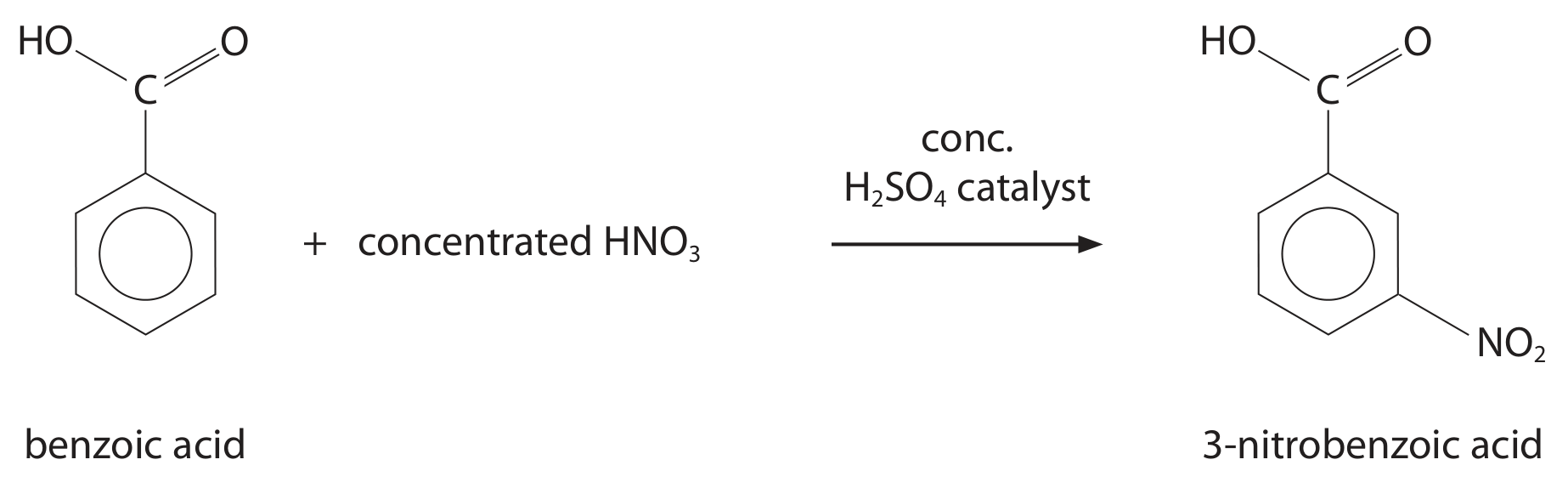
Draw the mechanism for the reaction, using appropriate curly arrows.
Include equations showing the role of the catalyst and how it is regenerated.