Question 1(c)(iii)
Substances can be classified as elements, compounds or mixtures.
A student suggested that the apparatus shown could be used to separate the mixture of alcohols.
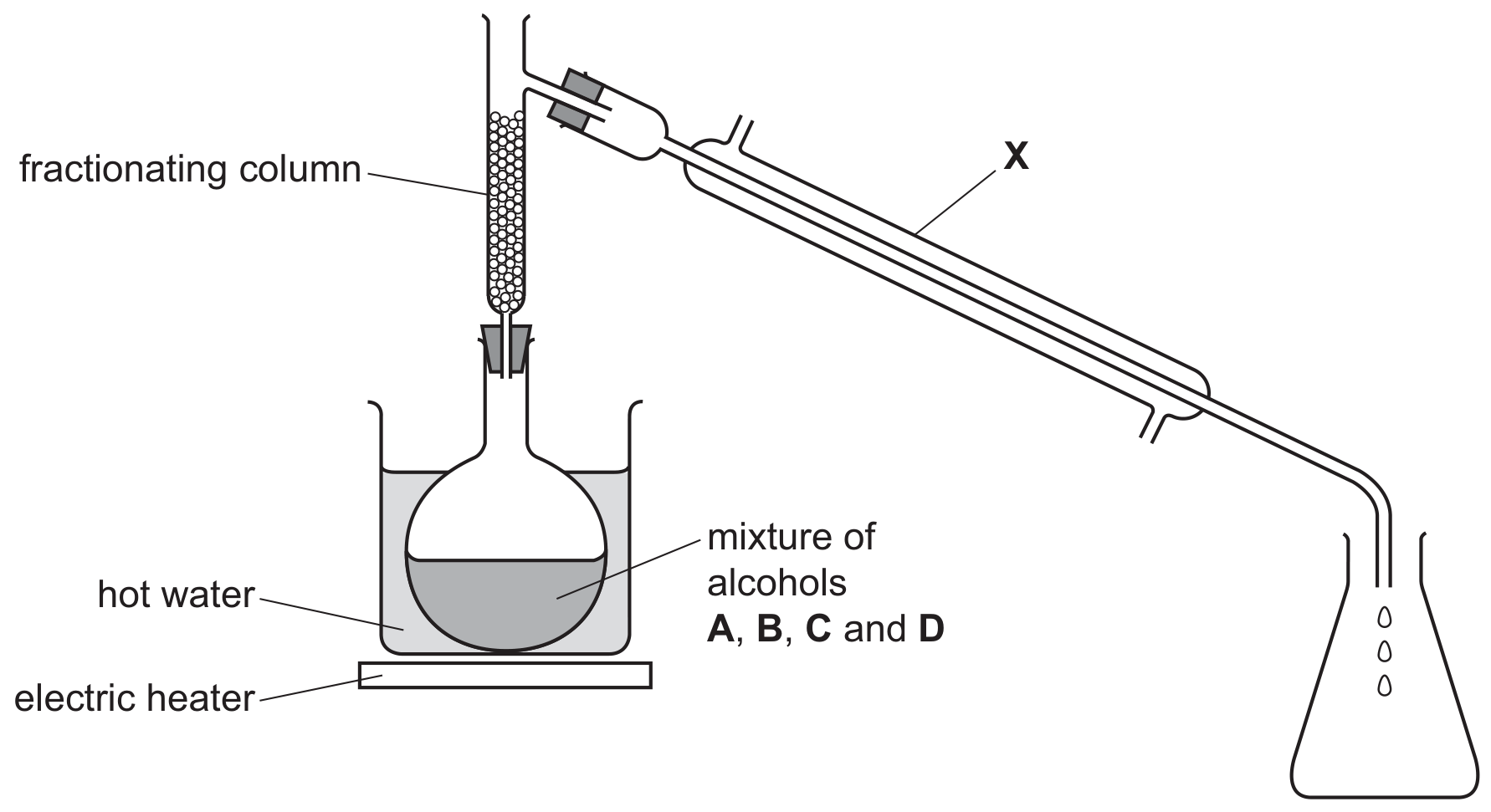
Suggest why a Bunsen burner is not used to heat the flask.
CAIE IGCSE Chemistry Extended 12.1 Experimental design question practice helps you revise this syllabus point with the course map in view. Use this page to focus on one topic, check the style of questions available, and connect each attempt back to the knowledge area it is testing.
EduNinja keeps Chemistry practice aligned to CAIE at Extended level, so you can move from topic review into exam-style question bank work without losing the syllabus structure. Start with a small set, mark the weak steps, then return to nearby topic links when a definition, graph, calculation, or explanation needs repair.
Substances can be classified as elements, compounds or mixtures.
A student suggested that the apparatus shown could be used to separate the mixture of alcohols.

Suggest why a Bunsen burner is not used to heat the flask.
This question is about states of matter.
A solution is a mixture of a solute and a solvent.
Name the process when a solid substance mixes with a solvent to form a solution.
A student mixes 25 cm3 samples of dilute hydrochloric acid with different volumes of aqueous sodium hydroxide.
In each case, the student measures the change in temperature to test if the reaction is exothermic.
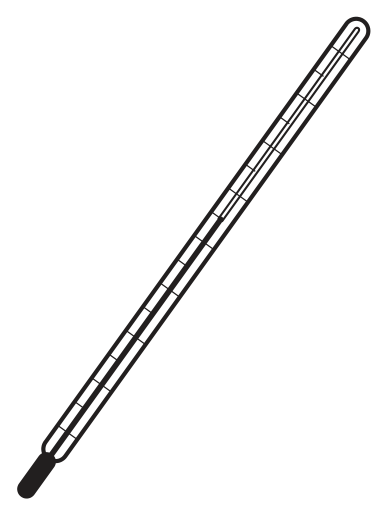
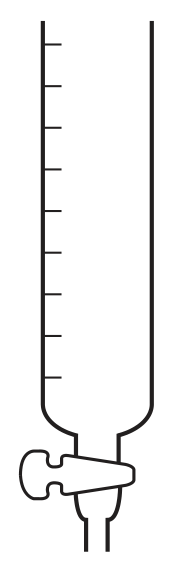
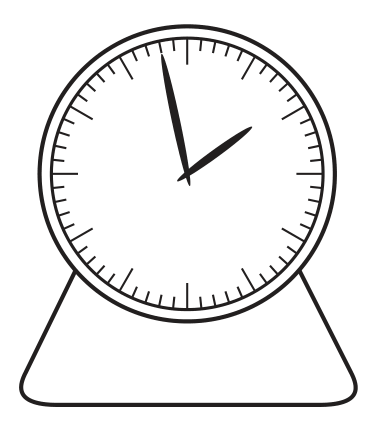
Which piece of apparatus is not needed?
A
C
D

burette
B
B

clock

pipette

thermometer
During an experiment a measurement is recorded in cm3.
Which apparatus is used?
balance
measuring cylinder
stopclock
thermometer
A student measures the time taken for 2.0 g of magnesium to dissolve in 50 cm3 of dilute sulfuric acid.
Which apparatus is essential to complete the experiment?
1 stop-clock
2 measuring cylinder
3 thermometer
4 balance
1, 2 and 4
1 and 2 only
1 and 4 only
2, 3 and 4
A student put exactly 25.00 cm3 of dilute hydrochloric acid into a conical flask.
The student added 2.5 g of solid sodium carbonate and measured the change in temperature of the mixture.
Which apparatus does the student need to use?
balance, measuring cylinder, thermometer
balance, pipette, stopwatch
balance, pipette, thermometer
burette, pipette, thermometer
A student put exactly 25.00 cm3 of dilute hydrochloric acid into a conical flask.
The student added 2.5 g of solid sodium carbonate and measured the change in temperature of the mixture.
Which apparatus does the student need to use?
balance, measuring cylinder, thermometer
balance, pipette, stopwatch
balance, pipette, thermometer
burette, pipette, thermometer
Which piece of apparatus is used to measure 13.7 cm3 of dilute hydrochloric acid?
balance
burette
conical flask
pipette
225 cm3 of an alkali are added to 20 cm3 of an acid. The temperature change is measured. Which apparatus is not needed in the experiment?
25 cm3 measuring cylinder
100 cm3 beaker
balance
thermometer
A student measures 25.00 cm3 of dilute hydrochloric acid accurately.
Which apparatus is most suitable?
beaker
measuring cylinder
burette
dropping pipette