
EduNinja

5.2 Operations methods Topic Practice

5.2 Operations methods Topic Practice
IB Business Management syllabusBusiness Management SL/HLFirst assessment 2025

Students practise comparing production methods—including job, batch, flow, and cellular—by evaluating impacts on cost, flexibility, speed, and stakeholder outcomes.

Exam points

  • explain how switching from job to batch production affects time-to-market, volume, and customisation
  • evaluate a change in method by weighing impacts on staff roles, training needs, and cross-functional coordination

Question 1(a)

[Maximum number: 2]

1. Lusanka Company (LC)
Lusanka Company (LC) manufactures ceiling fans using a mass production process. Selected financial information for L C is shown in Table 1.
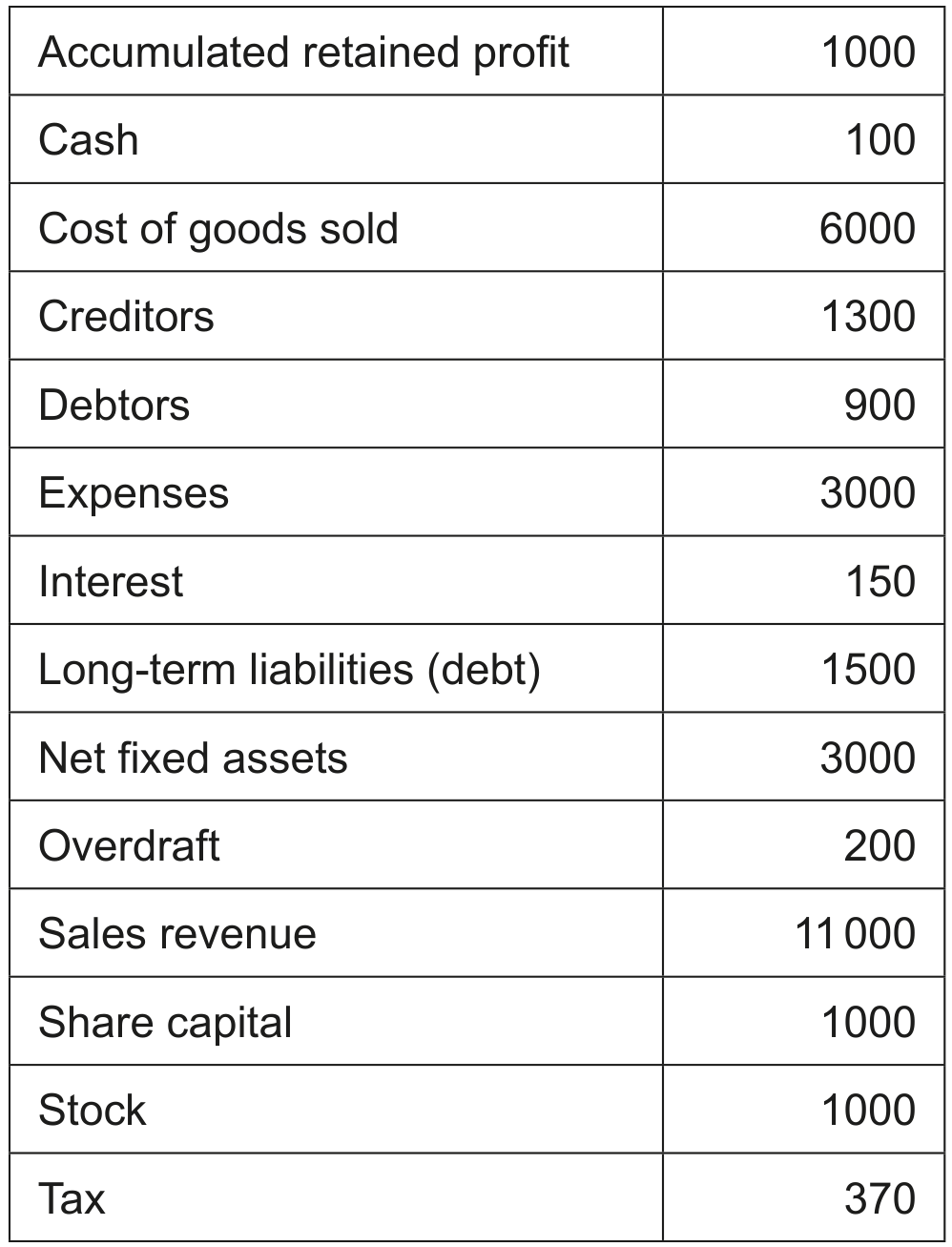
Table 1: Selected financial information for LC for the year ended 31 December 2022 and as of 31 December 2022 (figures in \$000s)

Table 1: Selected financial information for LC for the year ended 31 December 2022 and as of 31 December 2022 (figures in \$000s)

Currently, LC manufactures ceiling fans in a building that is financed by long-term debt. LC is considering selling the building to pay off the long-term debt and moving production to a new building, which L C would lease.

State two features of a mass production process.
Question 1(a)

[Maximum number: 2]

Tipin (TI)

Tipin (TI) manufactures shirts using a batch production method.
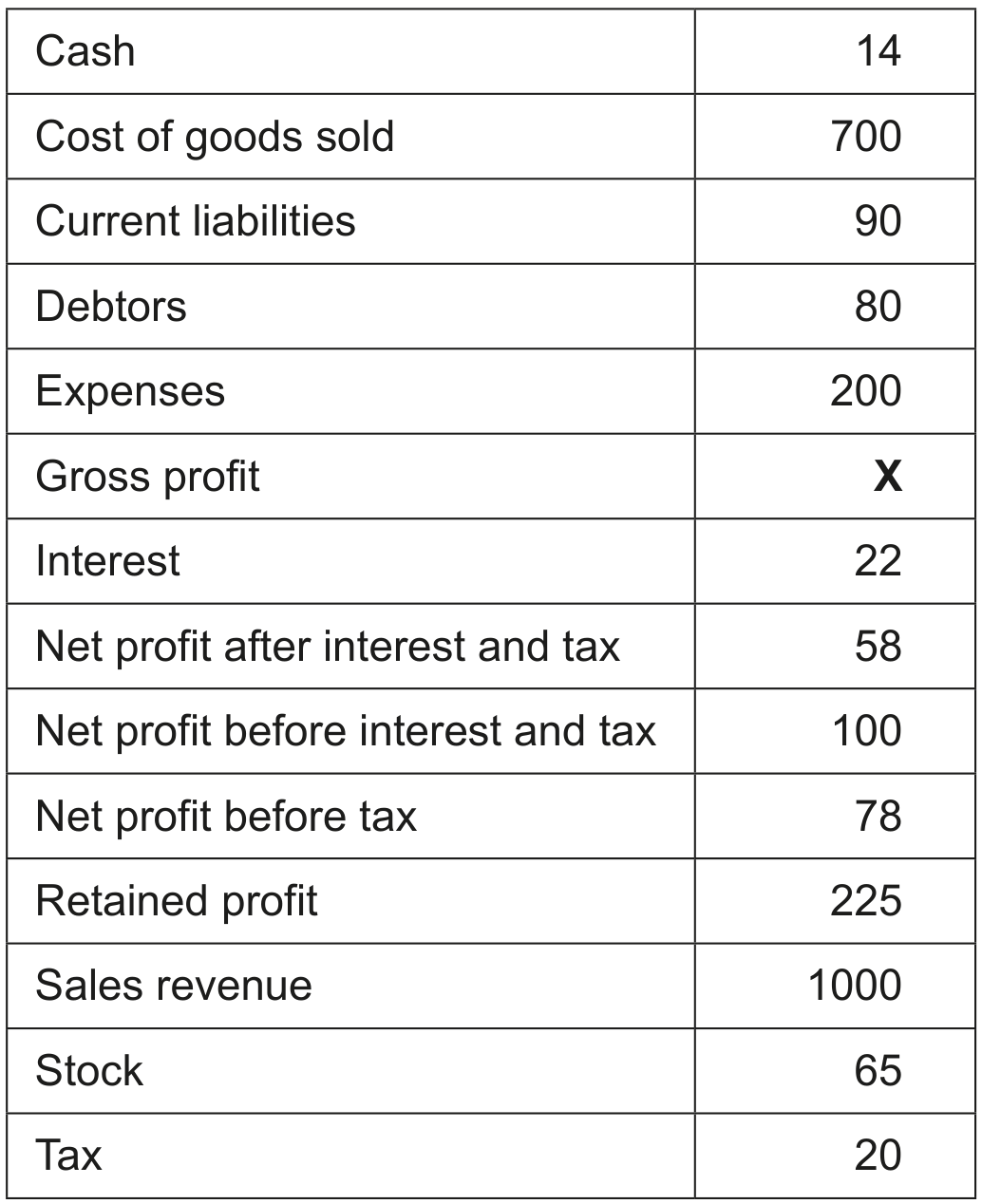
Table 1 provides selected financial information for TI from:
- its profit and loss account for the year ending 31 May 2022
- its balance sheet at 31 December 2021.

Table 1: Selected financial information for TI (all figures in \$000s)

Table 1: Selected financial information for TI (all figures in \$000s)

At the end of 2021, Tl's current ratio was 2.1. Its net profit margin declined from 14.8 % in 2021 to 10.0 \% in 2022.

State two features of batch production.

Question 3(d)

[Maximum number: 10]

Alexa's Apparel Ltd. (AA)

Question image

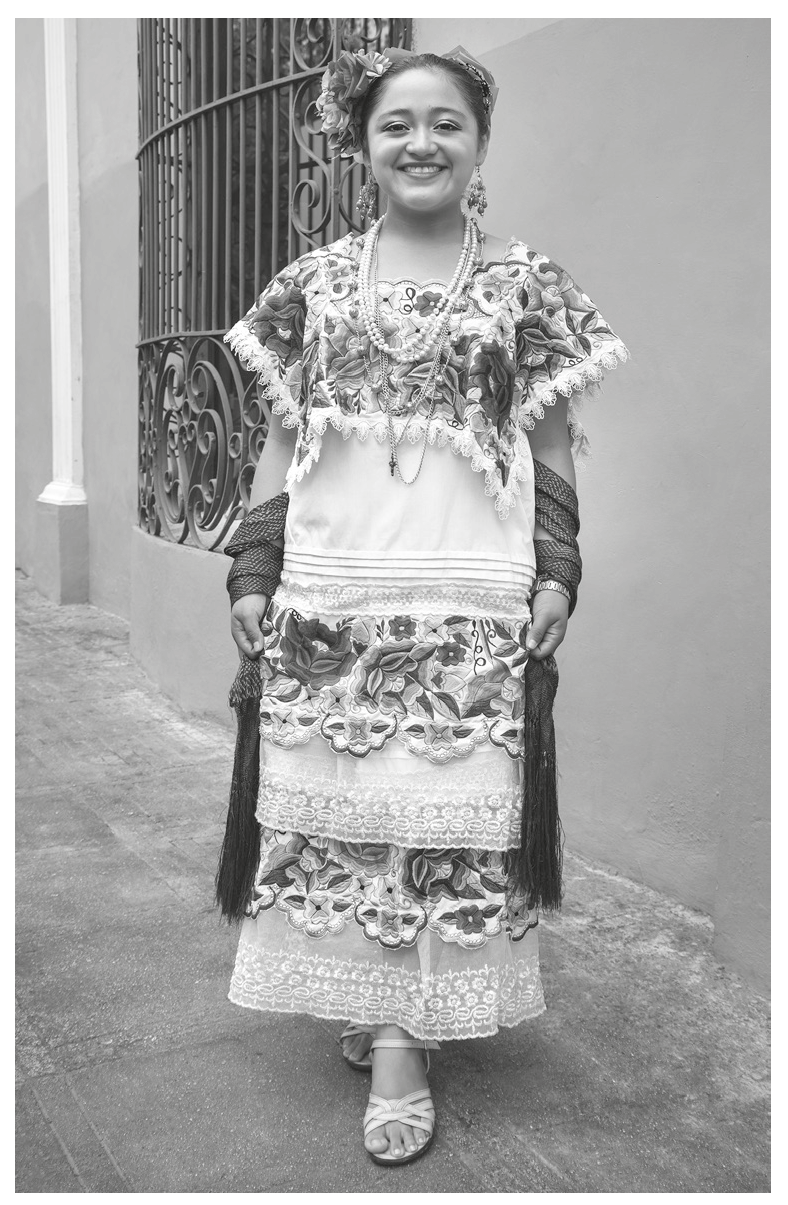
Alexa and Antonio Pérez founded Alexa's Apparel Ltd. (AA) in 2020. AA is located in Arizona, United States (USA). Alexa designs traditional Mexican dresses and offshores the manufacturing to women in indigenous communities in Mexico. The dresses are individually handmade by artisans working at home, who hand-cut, hand-sew, and hand-embroider (decoratively sew) the dresses. Customers order these custom-made dresses at designer markets throughout Arizona. On average, a dress takes 10 days to complete, and artisans typically make two dresses per month.

Using the information in the stimulus, evaluate Rogelio's idea to switch from job production to batch production.

Question 4(a)

[Maximum number: 2]

4. Easy Ride Ltd. (ER)
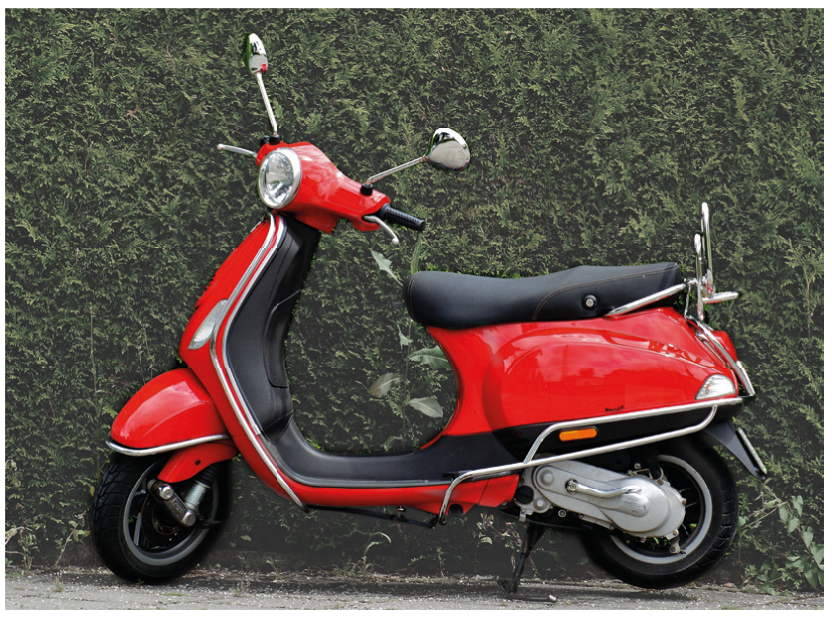
Easy Ride Ltd. (ER) is a medium-sized private limited company that manufactures gasoline (petrol)-powered scooters that are sold worldwide. Customers think that ER's scooters are good value for money. However, increased global competition in both the gasoline-powered and electric scooter markets, and a shift in customers' demands, has resulted in a significant drop in sales.
ER commissioned market research in the Middle East using focus groups. This research revealed that consumers:

Question image

- perceive competitors as medium-price/medium-quality providers
- have highly innovative products as their top priority
- want products and production methods to be environmentally friendly.
E R 's employees have expressed dissatisfaction with the use of flow production. E R is no longer profitable and is highly geared.
Given the pace of change in the scooter industry, ER's management wants to react quickly and is considering two options for research and development.
Option 1: Adaptive creativity
ER would design and produce different models of electric scooters only. Lacking finance and expertise in the electric scooter industry, ER would subcontract the production of batteries to a well-known designer and producer of environmentally friendly batteries. Cellular production would be used for each scooter model. Employees would need training.
Option 2: Innovative creativity
ER would gain a new competitive advantage by developing cutting-edge gasoline-powered scooters. ER would create its own research and development department and recruit highly skilled and innovative product designers. It would reposition the scooters into the high-
price/high-quality market, and flow production would be used. This option would be more expensive than Option 1 and would take longer to implement.
Loan capital from a bank with low interest rates, aimed at helping small to medium enterprises (SMEs), is being considered for financing either option.

State two characteristics of flow production.

Question 5(b)

[Maximum number: 4]

5. Justin Price Clothing Ltd. (JP)
Justin Price Clothing Ltd. (JP) is a private limited company that manufactures clothing. Its unique selling point/proposition (USP) is its innovative process. Customers send images of themselves and some measurements to J P via the internet, which J P uses to determine the customer's exact measurements. Then, a style consultant contacts the customer via video conference to discuss the customer's fashion preferences. After this, the style consultant designs clothing for that customer. Using job/customized production, JP manufactures and ships the clothing to the customer. Most materials (stock) are ordered when a customer agrees to the designs. A total of 84 % of JP's customers have purchased items from JP more than five times.

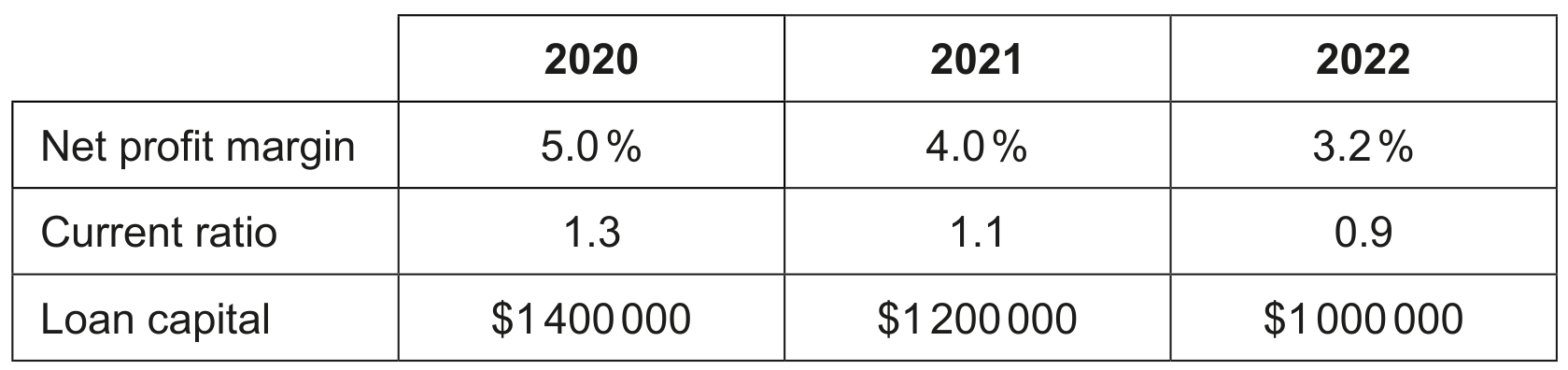
Table 3: Selected financial information for the year or at year's end 2020, 2021 and 2022

Table 3: Selected financial information for the year or at year's end 2020, 2021 and 2022

Justin Price, JP's owner, asked his management team to consider two options and decide which would best increase profitability:
- Option 1: Change JP's design and production model. Consultants, when working with customers online, would recommend from a series of pre-made options. The company would shift to batch production and have the stock (inventory) available. Style consultants would still be central to the process, but the clothing would no longer be custom made.
- Option 2: Increase JP's customer base. JP's customers have high brand loyalty. However, the brand is not very well known. JP would open several strategically located retail stores in a few major cities to increase brand awareness. In the store, customers could get their measurements taken and receive in-person fashion advice from a fashion consultant, after which they could purchase unique clothing. JP would continue its online services.

With reference to J P, explain the differences between job/customized production and batch production.

Question 5(b)

[Maximum number: 4]

5. Justin Price Clothing Ltd. (JP)
Justin Price Clothing Ltd. (JP) is a private limited company that manufactures clothing. Its unique selling point/proposition (USP) is its innovative process. Customers sends images of themselves and some measurements to J P via the internet, which J P uses to determine the customer's exact measurements. Then, a style consultant contacts the customer via video conference to discuss the customer's fashion preferences. After this, the style consultant designs clothing for that customer. Using job/customized production, JP manufactures and ships the clothing to the customer. Most materials (stock) are ordered when a customer agrees to the designs. A total of 84 % of JP's customers have purchased items from JP more than five times.

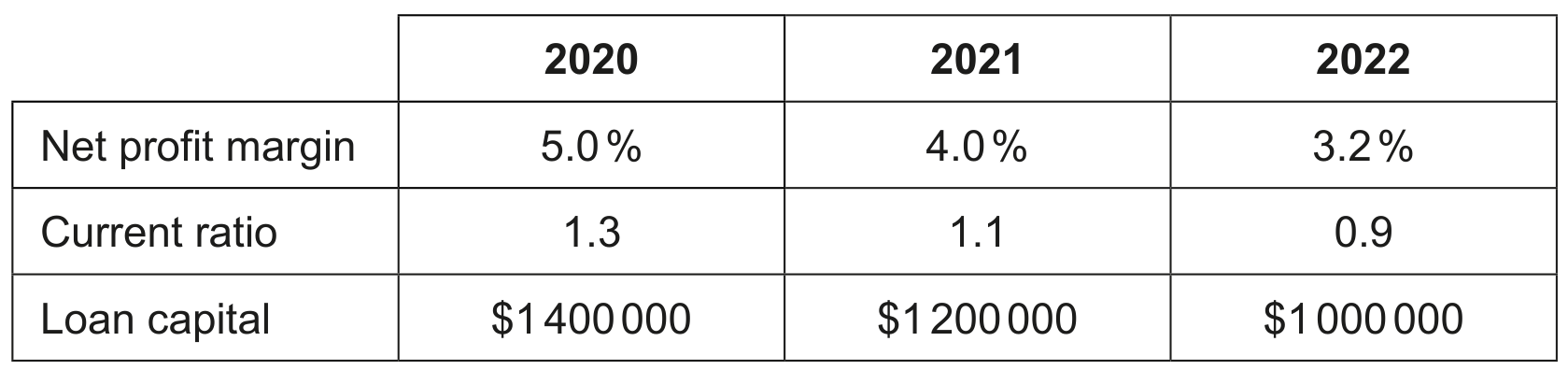
Table 3: Selected financial information for the year or at year's end 2020, 2021 and 2022

Table 3: Selected financial information for the year or at year's end 2020, 2021 and 2022

Justin Price, JP's owner, asked his management team to consider two options and decide which would best increase profitability:
- Option 1: Change JP's design and production model. Consultants, when working with customers online, would recommend from a series of pre-made options. The company would shift to batch production and have the stock (inventory) available. Style consultants would still be central to the process, but the clothing would no longer be custom made.
- Option 2: Increase JP's customer base. JP's customers have high brand loyalty. However, the brand is not very well known. JP would open several strategically located retail stores in a few major cities to increase brand awareness. In the store, customers could get their measurements taken and receive in-person fashion advice from a fashion consultant, after which they could purchase unique clothing. JP would continue its online services.

With reference to J P, explain the differences between job/customized production and batch production.

Question 5(c)

[Maximum number: 4]

5. Musical Musings (MM)
Musical Musings (MM) manufactures musical keyboards, using batch production to produce a limited range.
MM's products are designed for use in schools and homes. M M sells directly to schools, and, for the home market, sells through shops specializing in technology. MM's costs are kept low by:
- limiting its product range

Question image

- focusing on a small target market, which enables M M to limit the features on its keyboards and keep the appearance functional.
M M provides free online "Teach yourself to play the keyboard" training courses for all customers.
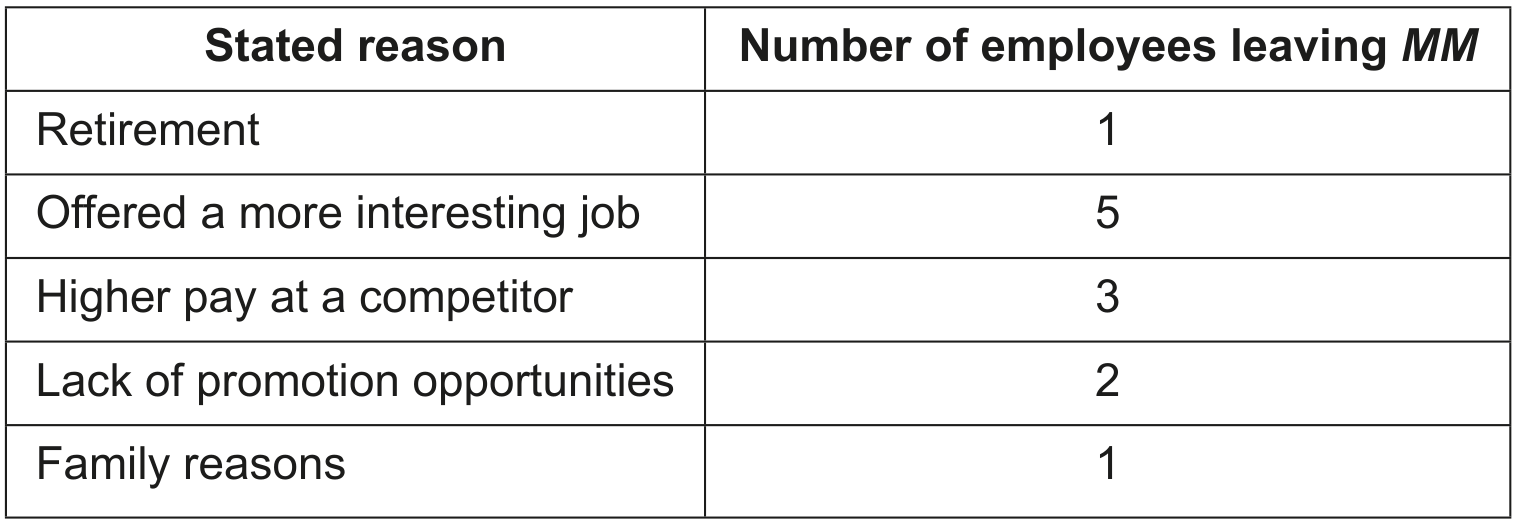
In 2021, MM employed an average of 50 people. During that year, however, 12 people left the company. Their reasons for leaving are shown in Table 5.

Table 5: Stated reasons for employees leaving \(\boldsymbol{M

Table 5: Stated reasons for employees leaving \(\boldsymbol{M

MM's labour turnover rate for 2021 was 24 %. The manufacturing industry average was 15 %.
In 2021, MM's sales declined. MM is now considering targeting the niche market of professional musicians. MM would change its product design by adding a range of different sound features and improving the appearance of its keyboards. To achieve this change, M M would eventually stop supplying its existing market. Professional musicians would pay a higher negotiated price for improved keyboards made to their individual specifications. Changing its production process to job/customized production would be expensive for MM, however, and it would have to invest in a new marketing strategy.

Explain two ways in which MM's profits could be affected by changing from batch production to job/customized production.

0 selected