C3.2.4—Innate vs. adaptive immune system

Innate and adaptive immune responses differ in speed, specificity and memory, giving the body both broad immediate protection and targeted long-term defence.

Syllabus
First assessment 2025
Objective
C3.2.4
Level
SL

Exam analysis

Chance of appearing3%of analysed past papers
Latest appearanceMay 2025
Most common paperPaper1
Typical marks1

Common command terms

  • Identify
  • Distinguish

Scoring notes

Common mistake
Calling phagocytosis specific immunity instead of a broad innate response.

Recent exam appearances

May 2025Paper1A ["SL"] · TZ118[ 1 ]C3.2.4—Innate vs. adaptive immune system
November 2023Paper1 ["SL"] · TZ227[ 1 ]C3.2.4—Innate vs. adaptive immune system
November 2023Paper1 ["SL"] · TZ127[ 1 ]C3.2.4—Innate vs. adaptive immune system
November 2019Paper1 ["SL"] · TZ027[ 1 ]C3.2.4—Innate vs. adaptive immune system
Practice this objective

Coverage 2019–2025 · Updated 16 Jul 2026

Innate and adaptive immunity solve different problems

Innate immunity responds to broad pathogen categories and remains essentially unchanged during life; adaptive immunity targets particular antigens and forms memory.

Feature Innate immune system Adaptive immune system
Recognition Broad pathogen categories Specific antigen
First response Rapid Slower while specific cells activate
Change during life No antigen-specific improvement Builds memory after exposure
Re-exposure Similar response Faster and more effective response
Required cell example Phagocyte Lymphocyte

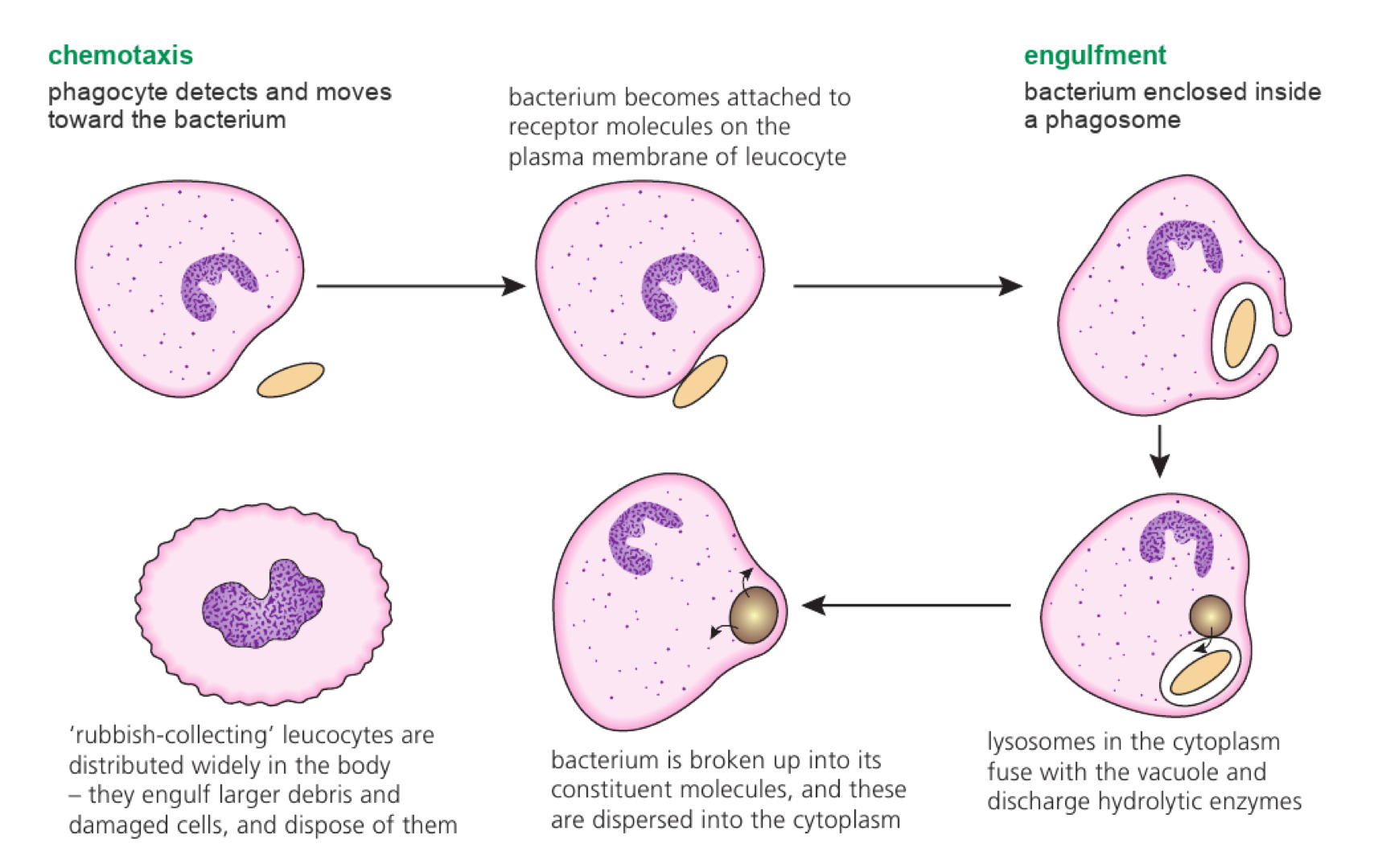
Phagocytes can engulf unfamiliar bacteria immediately, while a later exposure to the same antigen triggers a faster antibody response from retained adaptive memory cells.
Innate does not mean weak, and adaptive does not mean immediate. For this objective, no innate component other than phagocytes needs to be named.

Innate vs. adaptive immune system
Assessment in practice

1 marks
How it is assessed

This objective is assessed through structured response, commonly using Identify / Distinguish.
Command terms

Identify / Distinguish

What earns marks

Mark schemes repeatedly reward named details, correct sequence and clear distinctions between similar processes.

Watch for

Calling phagocytosis specific immunity instead of a broad innate response.

Representative question

Question 1

[Maximum number: 1]

Distinguish between innate and adaptive immune response.

The graph shows the magnitude of the immune response after infection or after vaccination over time.

Defence Against Disease

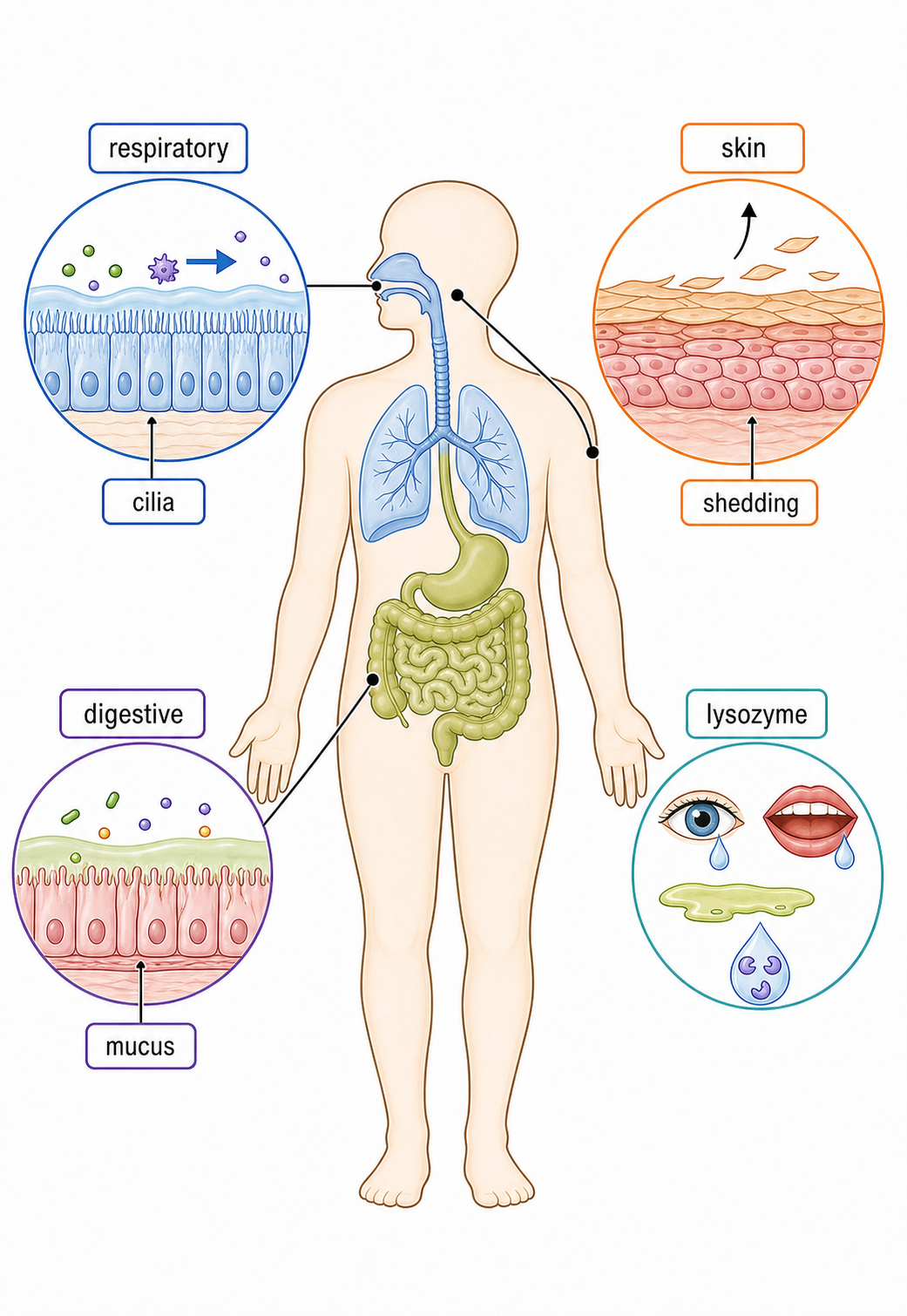
  • Skin, mucus, cilia, lysozyme and clotting form primary barriers against pathogens.
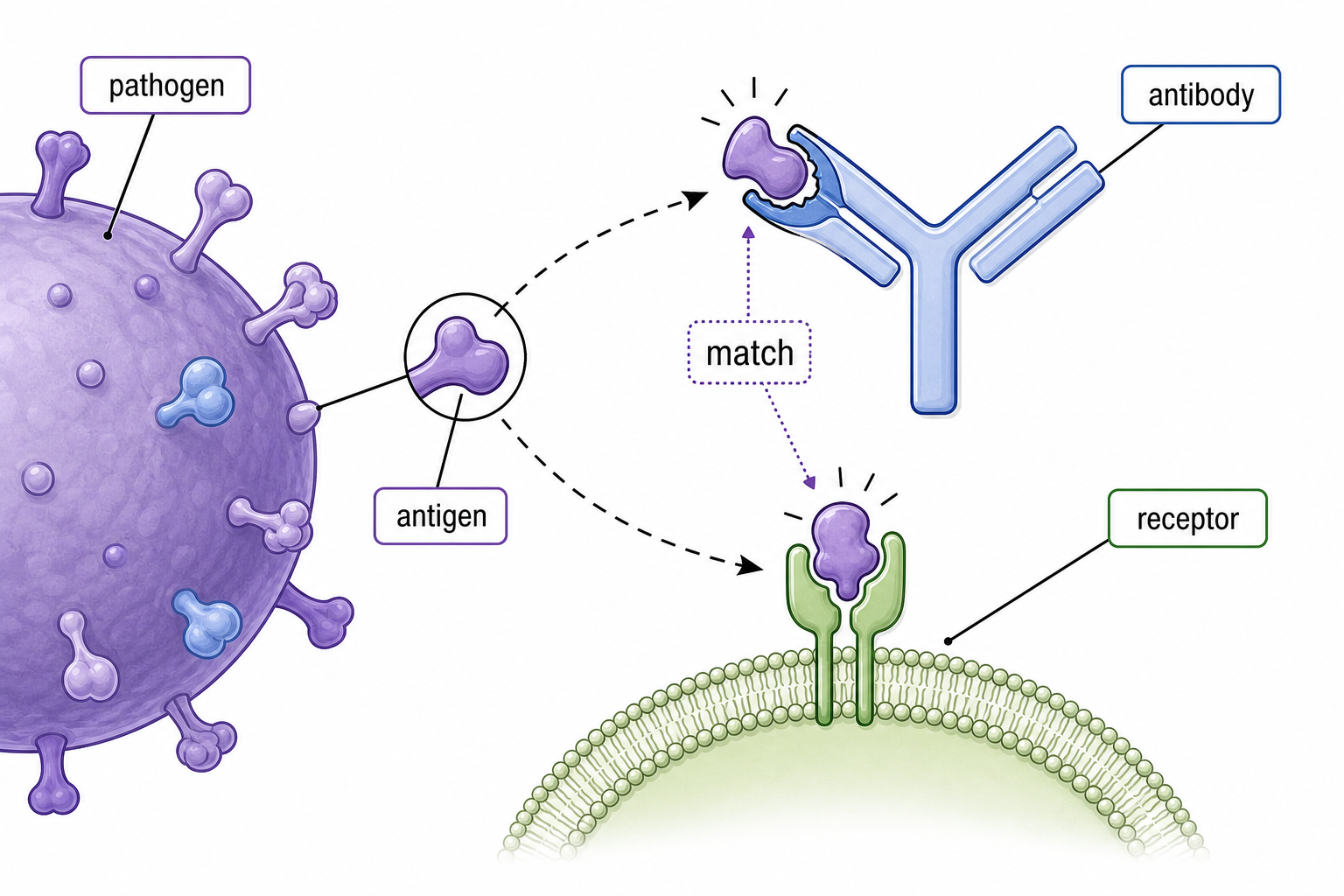
  • Innate immunity is rapid and broad: phagocytes recognize, engulf and digest pathogens. Adaptive immunity is antigen-specific and forms memory.
  • Helper T-cells coordinate responses; activated B-cells undergo clonal selection, producing antibody-secreting plasma cells and memory cells. A second exposure therefore triggers a faster, stronger response.
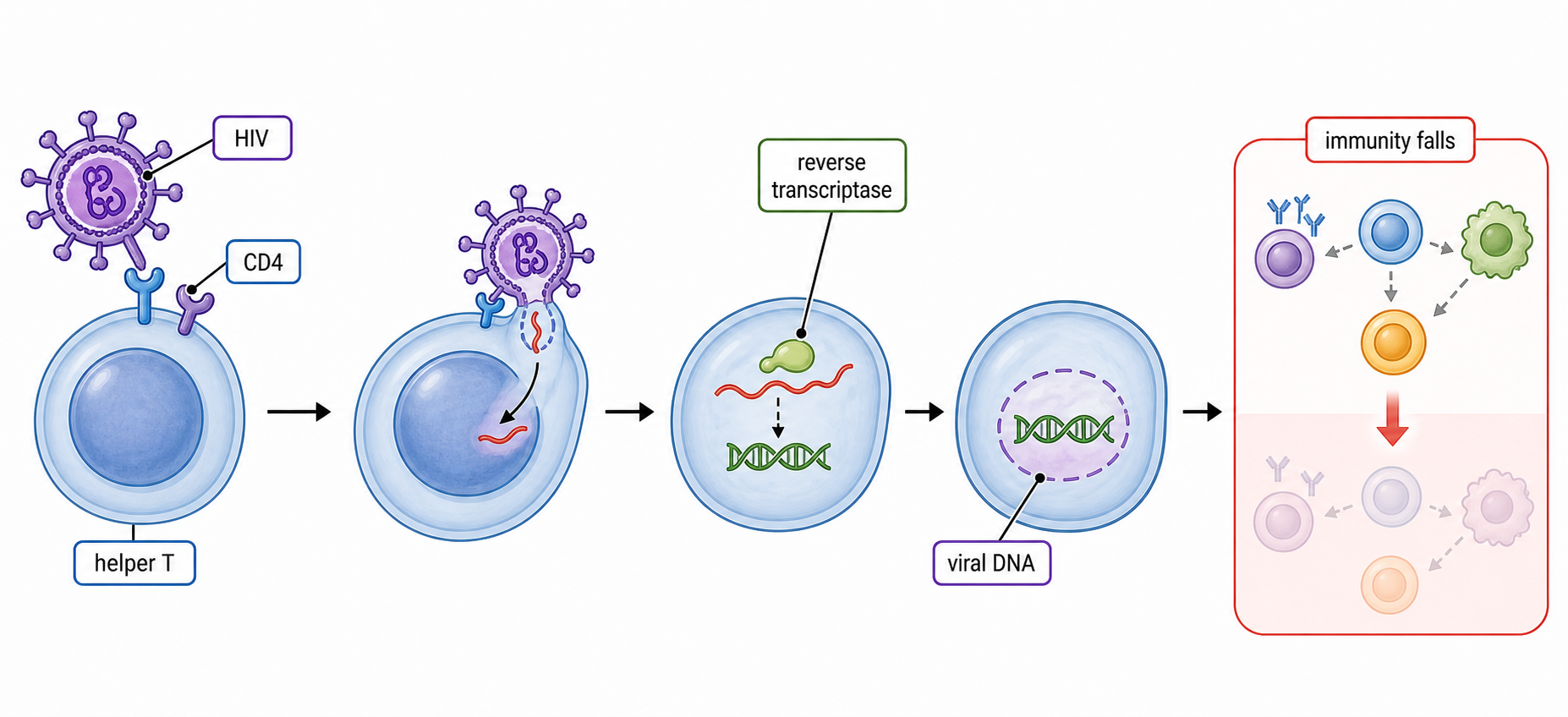
  • HIV infects CD4 helper T-cells; their loss weakens immune coordination and can lead to AIDS.
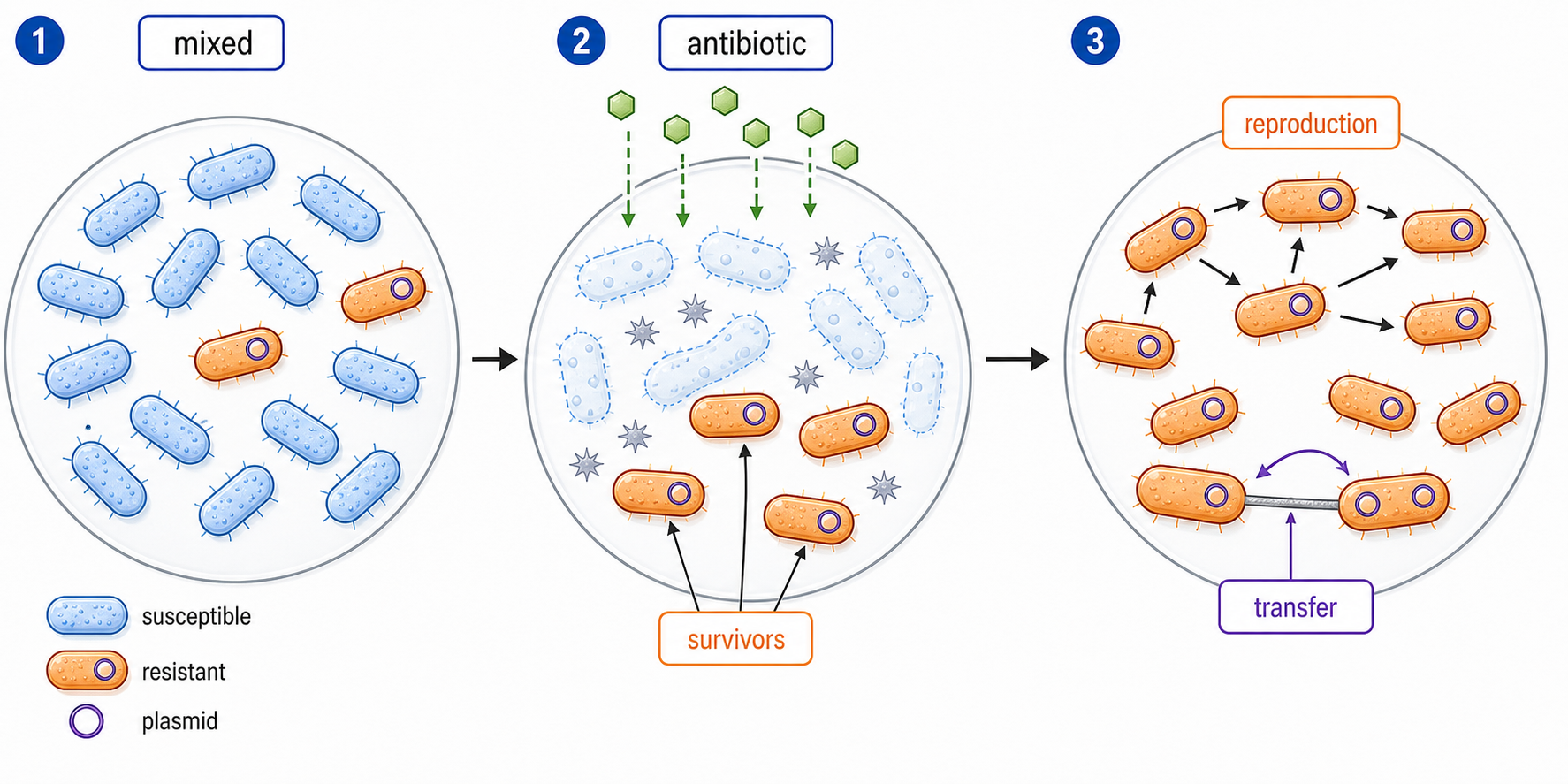
  • Antibiotics target bacterial processes, not viruses. Antibiotic exposure selects resistant variants, which can spread by reproduction or plasmid transfer.
  • Vaccination creates active artificial immunity; high population immunity can indirectly protect susceptible people.
  • Evaluate disease and vaccine claims using reliable sources, trends, controlled comparisons, incidence and efficacy—not raw totals alone.

Concept essentials

  • Innate vs. adaptive immune system has to be linked to the exact pathogen, cell, molecule or population process involved.
  • The biological effect of innate vs. adaptive immune system depends on the sequence from trigger to protective outcome.
  • Clear distinctions within innate vs. adaptive immune system prevent confusion with neighbouring immune responses.
  • Evidence for innate vs. adaptive immune system is strongest when mechanism and consequence are explained together.