C3.2.18—COVID-19 pandemic data evaluation

COVID-19 pandemic data evaluation explains how a specific barrier, pathogen interaction, immune mechanism or treatment response contributes to protection against infectious disease.

Syllabus
First assessment 2025
Objective
C3.2.18
Level
SL

Pandemic data need denominators and context

COVID-19 data must be compared using consistent definitions, time windows and denominators, with percentage change and percentage difference chosen for different questions.

Percentagechange=((newvalueoriginalvalue)÷originalvalue)×100%.Percentagedifference=(valueAvalueB÷((valueA+valueB)÷2))×100%.Percentage change = ((new value − original value) ÷ original value) × 100\%. Percentage difference = (|value A − value B| ÷ ((value A + value B) ÷ 2)) × 100\%.

Use percentage change for movement from an earlier baseline to a later value. Use percentage difference to compare two values when neither is designated as the original baseline. Check whether counts, rates or proportions are being compared.

Cases rising from 100 to 130 gives percentage change = (30 ÷ 100) × 100 = 30%. Comparing rates 40 and 50 gives percentage difference = (10 ÷ 45) × 100 = 22.2% (3 s.f.).

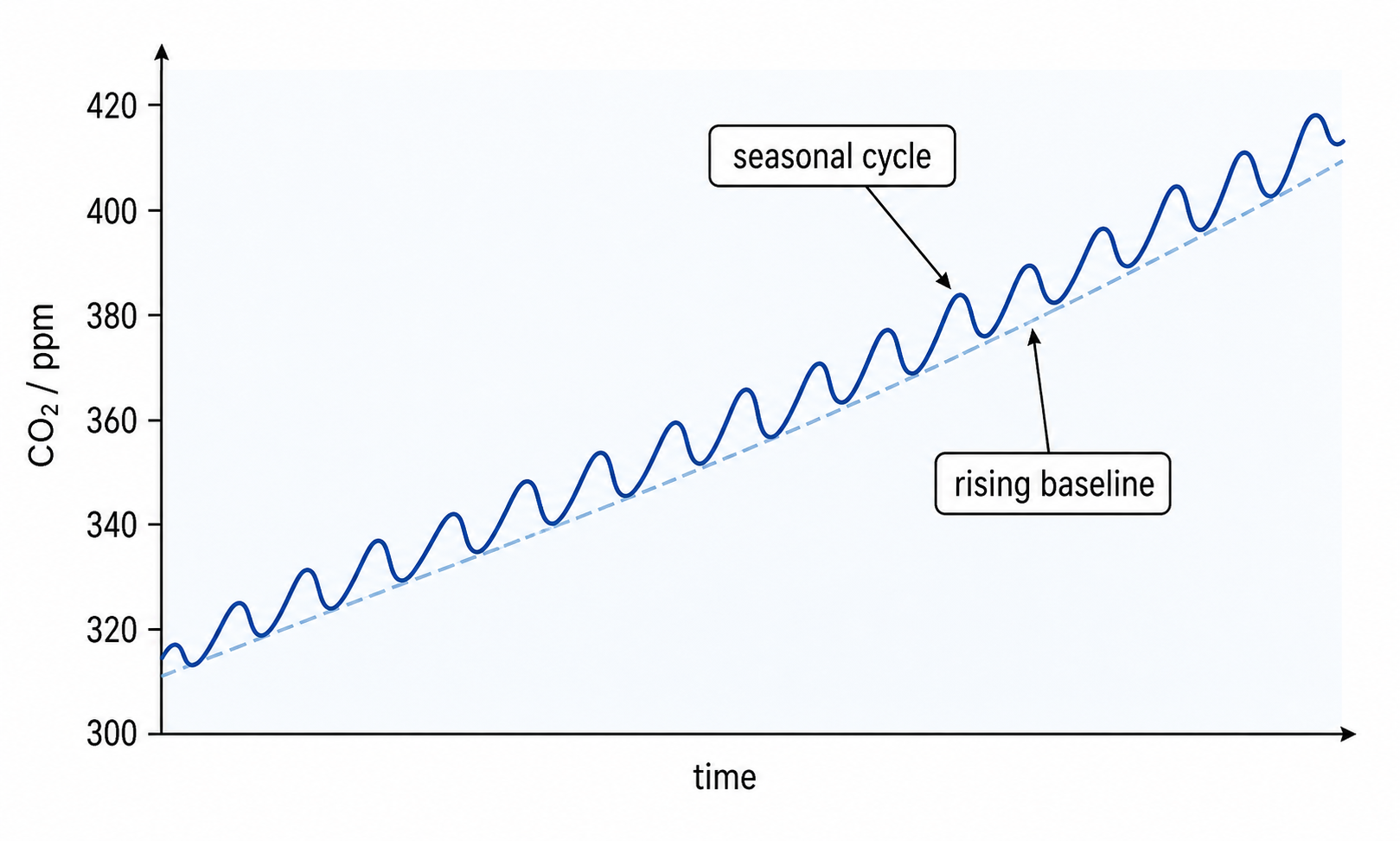
A percentage is only interpretable with its denominator and context. Testing effort, case definitions, reporting delays, population size and time window can change apparent trends; association alone does not establish cause.

Defence Against Disease

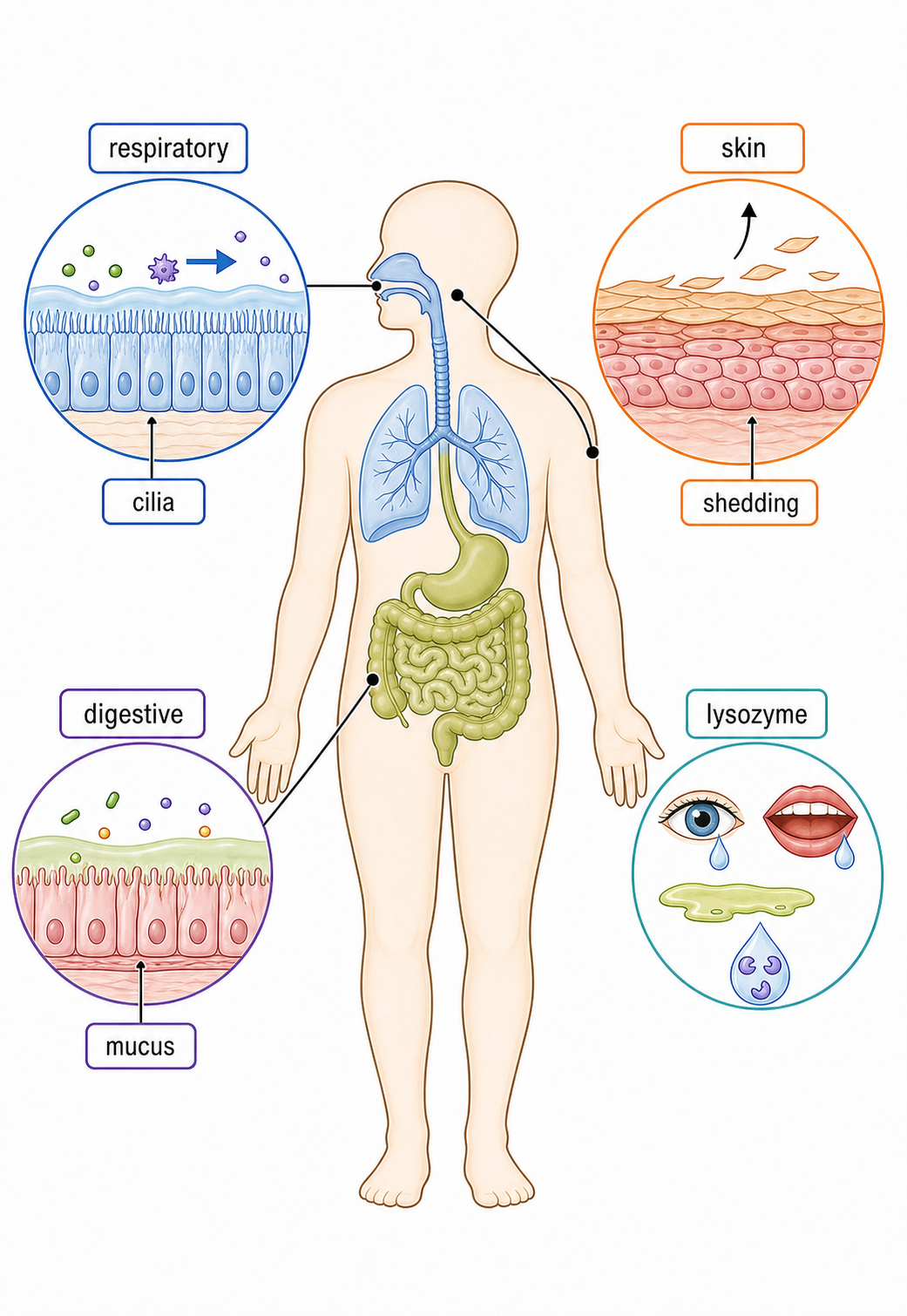
  • Skin, mucus, cilia, lysozyme and clotting form primary barriers against pathogens.
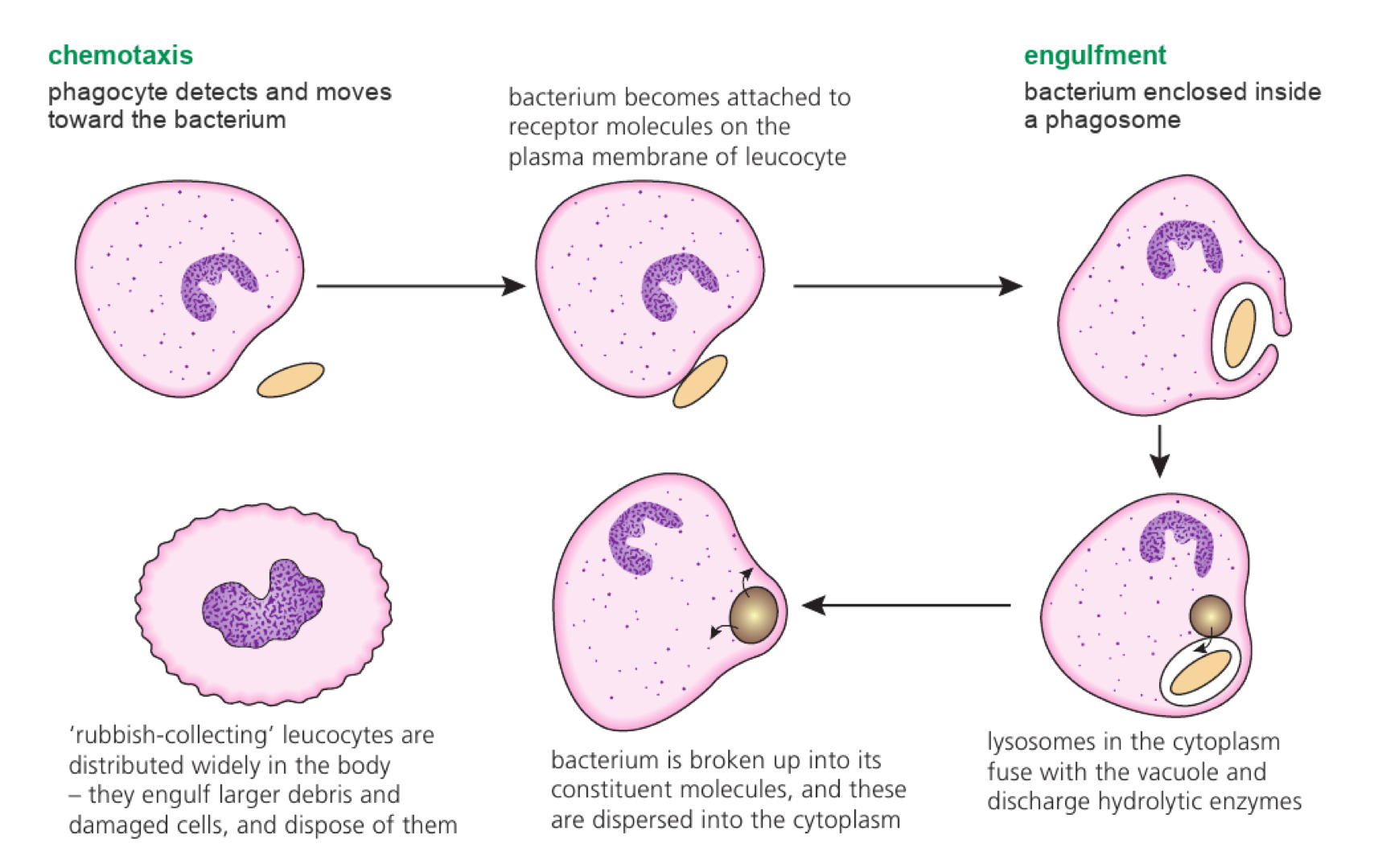
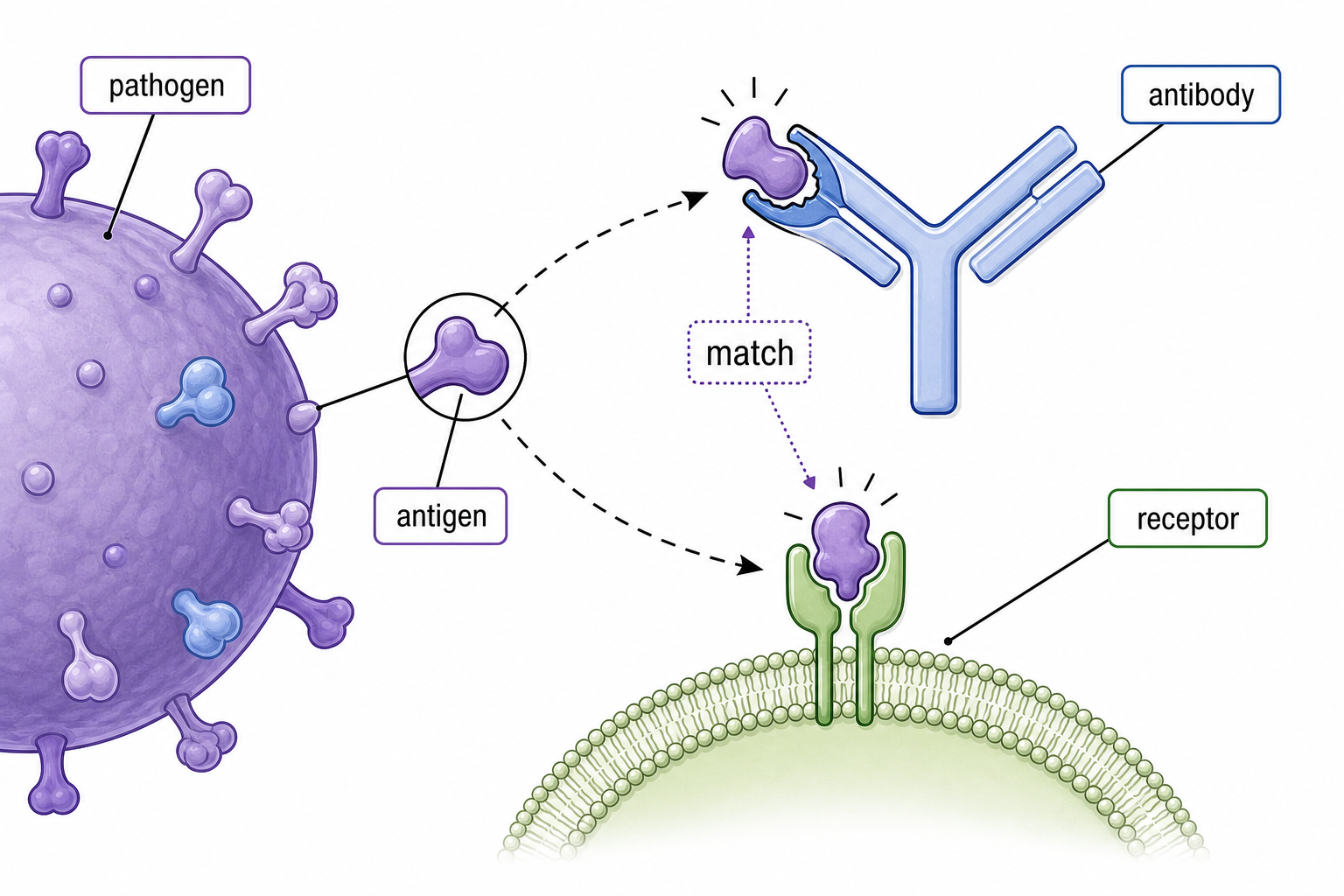
  • Innate immunity is rapid and broad: phagocytes recognize, engulf and digest pathogens. Adaptive immunity is antigen-specific and forms memory.
  • Helper T-cells coordinate responses; activated B-cells undergo clonal selection, producing antibody-secreting plasma cells and memory cells. A second exposure therefore triggers a faster, stronger response.
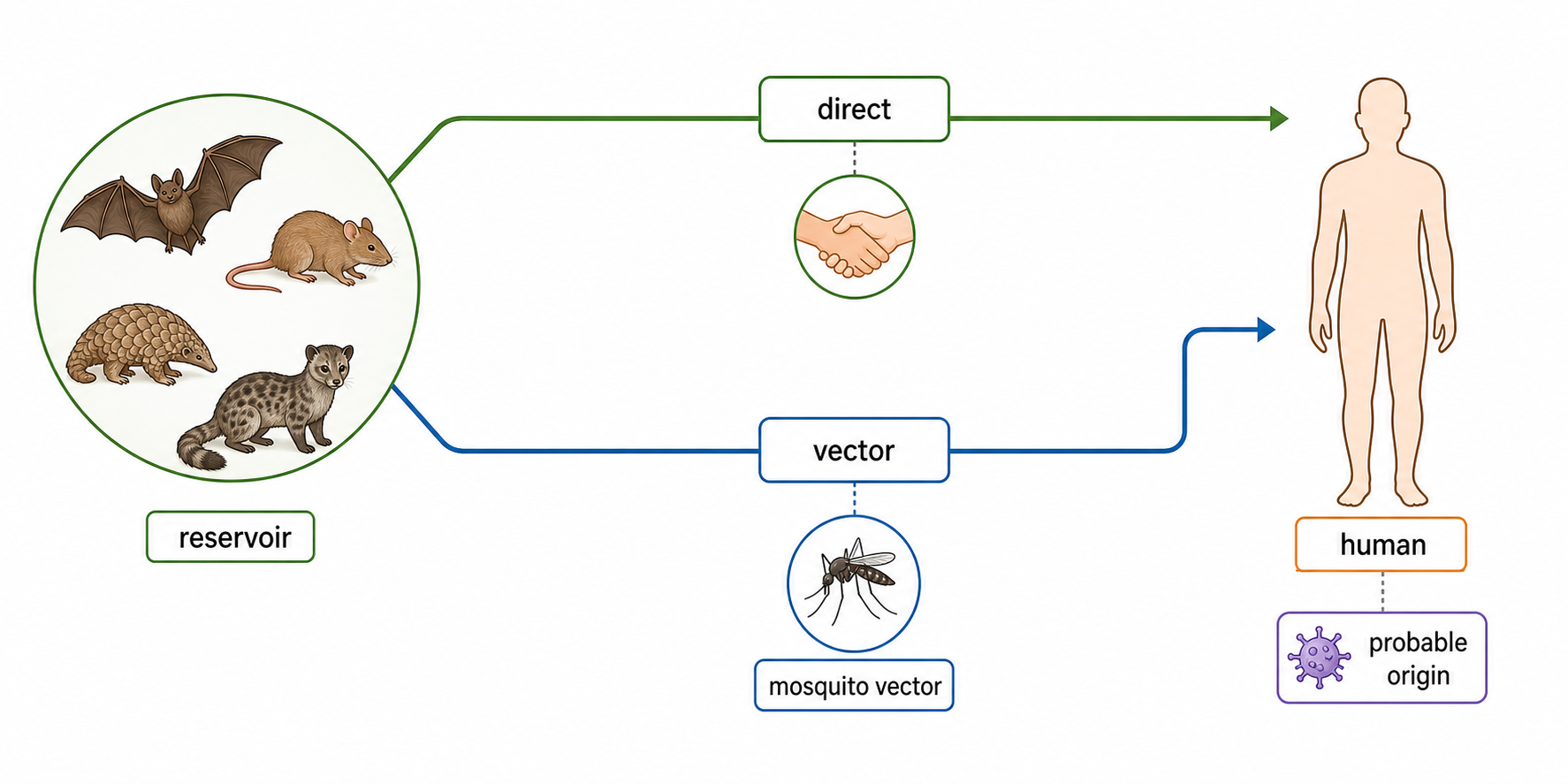
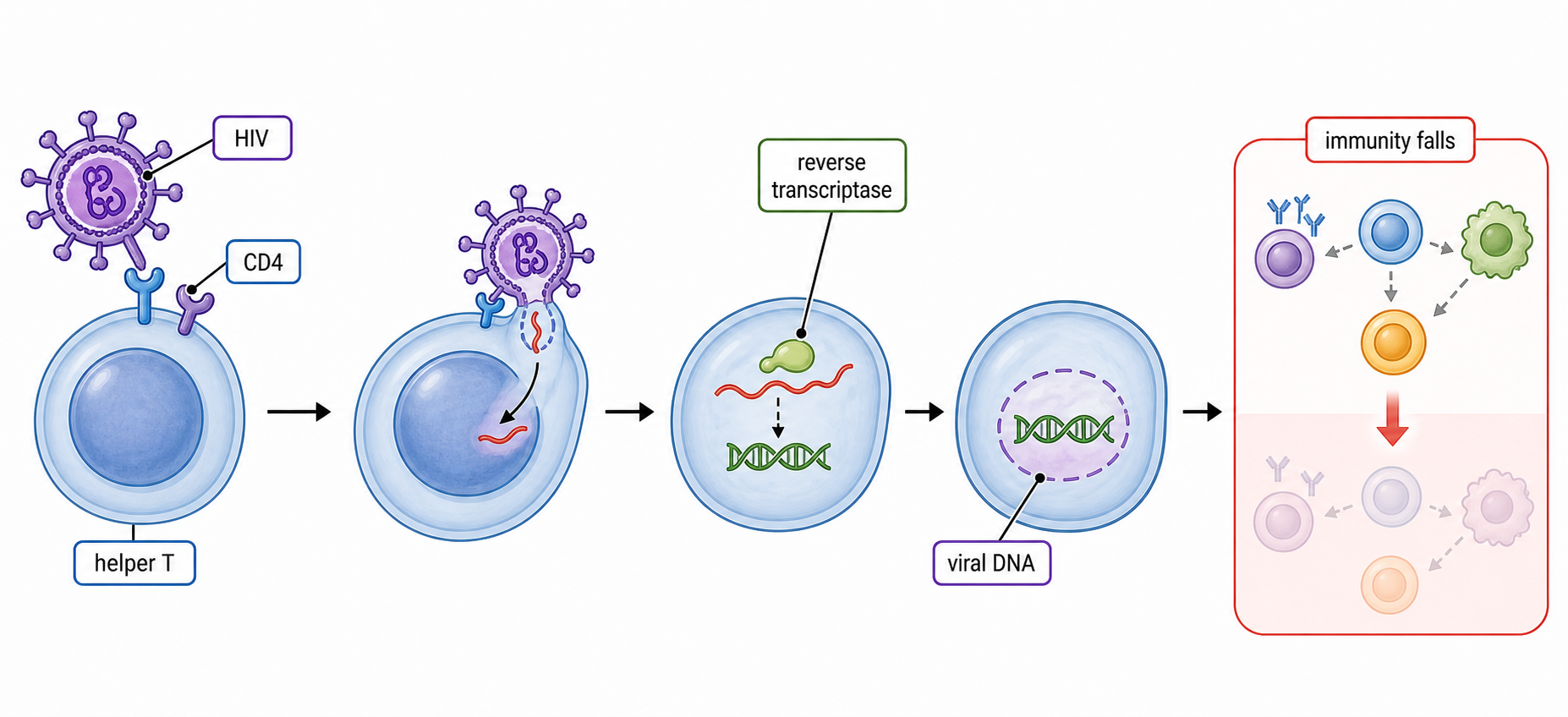
  • HIV infects CD4 helper T-cells; their loss weakens immune coordination and can lead to AIDS.
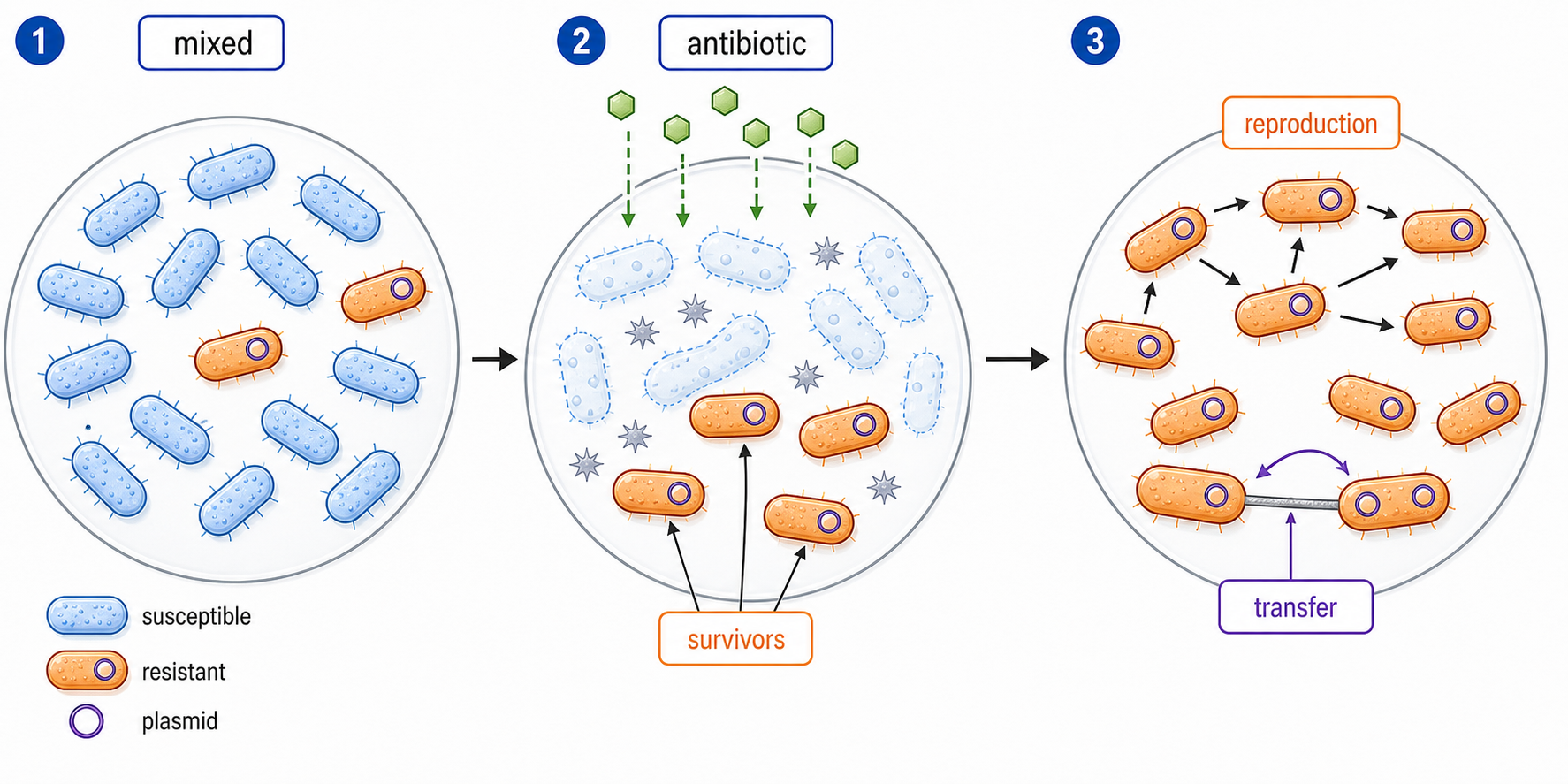
  • Antibiotics target bacterial processes, not viruses. Antibiotic exposure selects resistant variants, which can spread by reproduction or plasmid transfer.
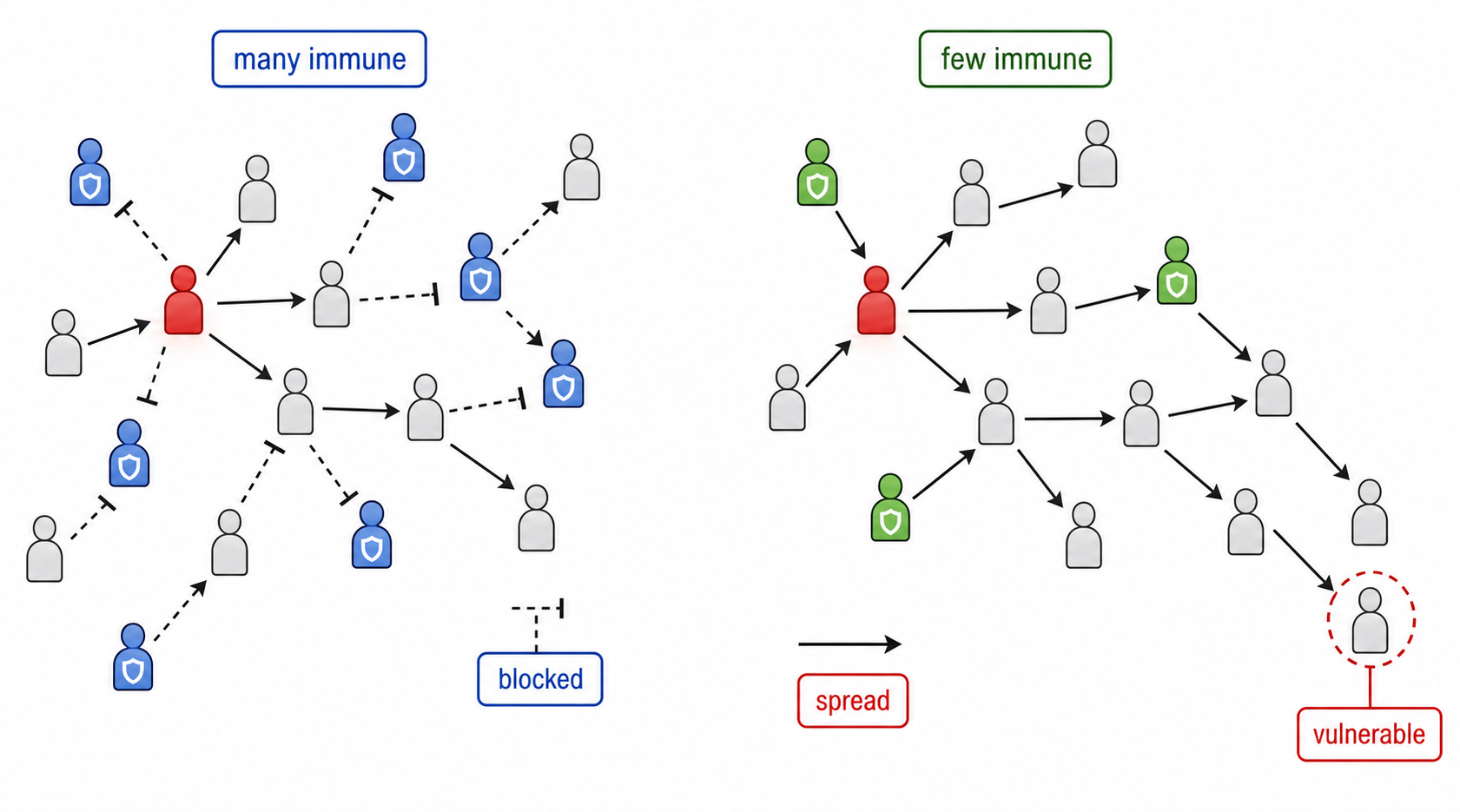
  • Vaccination creates active artificial immunity; high population immunity can indirectly protect susceptible people.
  • Evaluate disease and vaccine claims using reliable sources, trends, controlled comparisons, incidence and efficacy—not raw totals alone.

Concept essentials

  • COVID-19 pandemic data evaluation has to be linked to the exact pathogen, cell, molecule or population process involved.
  • The biological effect of covid-19 pandemic data evaluation depends on the sequence from trigger to protective outcome.
  • Clear distinctions within covid-19 pandemic data evaluation prevent confusion with neighbouring immune responses.
  • Evidence for covid-19 pandemic data evaluation is strongest when mechanism and consequence are explained together.