Q BankQuestion BankDocsDocuments

C3.2.14—Antibiotic resistance evolution

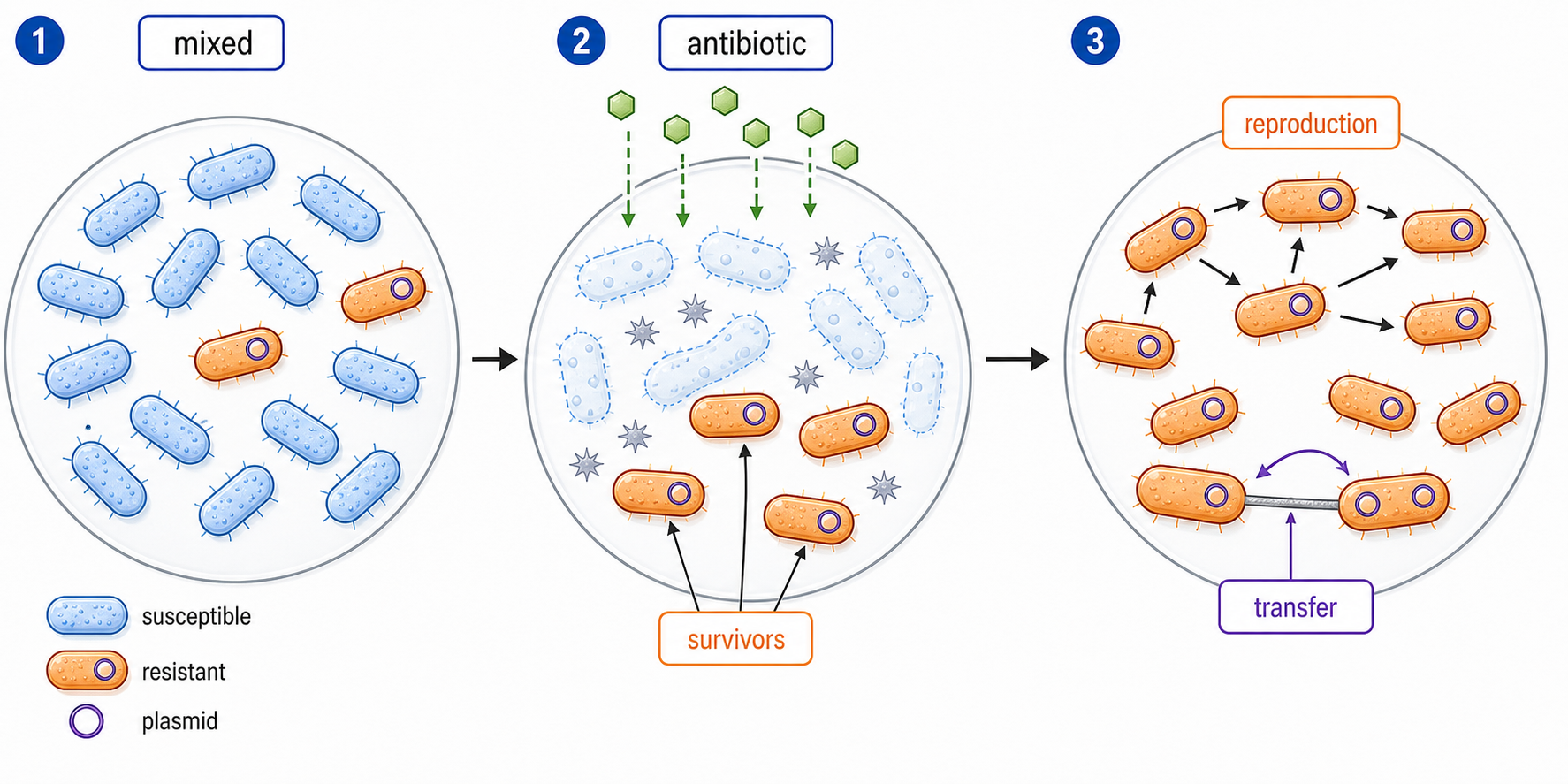
Antibiotic resistance evolution explains how a specific barrier, pathogen interaction, immune mechanism or treatment response contributes to protection against infectious disease.

Syllabus
First assessment 2025
Objective
C3.2.14
Level
SL

Exam analysis

Chance of appearing12%of analysed past papers
Latest appearanceMay 2025
Most common paperPaper2
Typical marks1–5

Common command terms

  • Explain
  • Compare
  • Discuss
  • Suggest
  • Identify
  • Describe
  • State
  • Outline

Scoring notes

Common mistake
Saying antibiotics cause directed mutations instead of selecting pre-existing or transferred resistance.

Recent exam appearances

May 2025Paper1A ["SL"] · TZ217[ 1 ]C3.2.14—Antibiotic resistance evolution
November 2024Paper2 ["SL"] · TZ17(c)[ 5 ]C3.2.14—Antibiotic resistance evolution
November 2024Paper3 ["SL"] · TZ22(c)[ 1 ]C3.2.14—Antibiotic resistance evolution
May 2024Paper2 ["SL"] · TZ23(b)(ii)[ 3 ]C3.2.14—Antibiotic resistance evolution
November 2022Paper1 ["SL"] · TZ027[ 1 ]C3.2.14—Antibiotic resistance evolution
Practice this objective

Coverage 2010–2025 · Updated 16 Jul 2026

Concept essentials

  • Antibiotic resistance evolution has to be linked to the exact pathogen, cell, molecule or population process involved.
  • The biological effect of antibiotic resistance evolution depends on the sequence from trigger to protective outcome.
  • Clear distinctions within antibiotic resistance evolution prevent confusion with neighbouring immune responses.
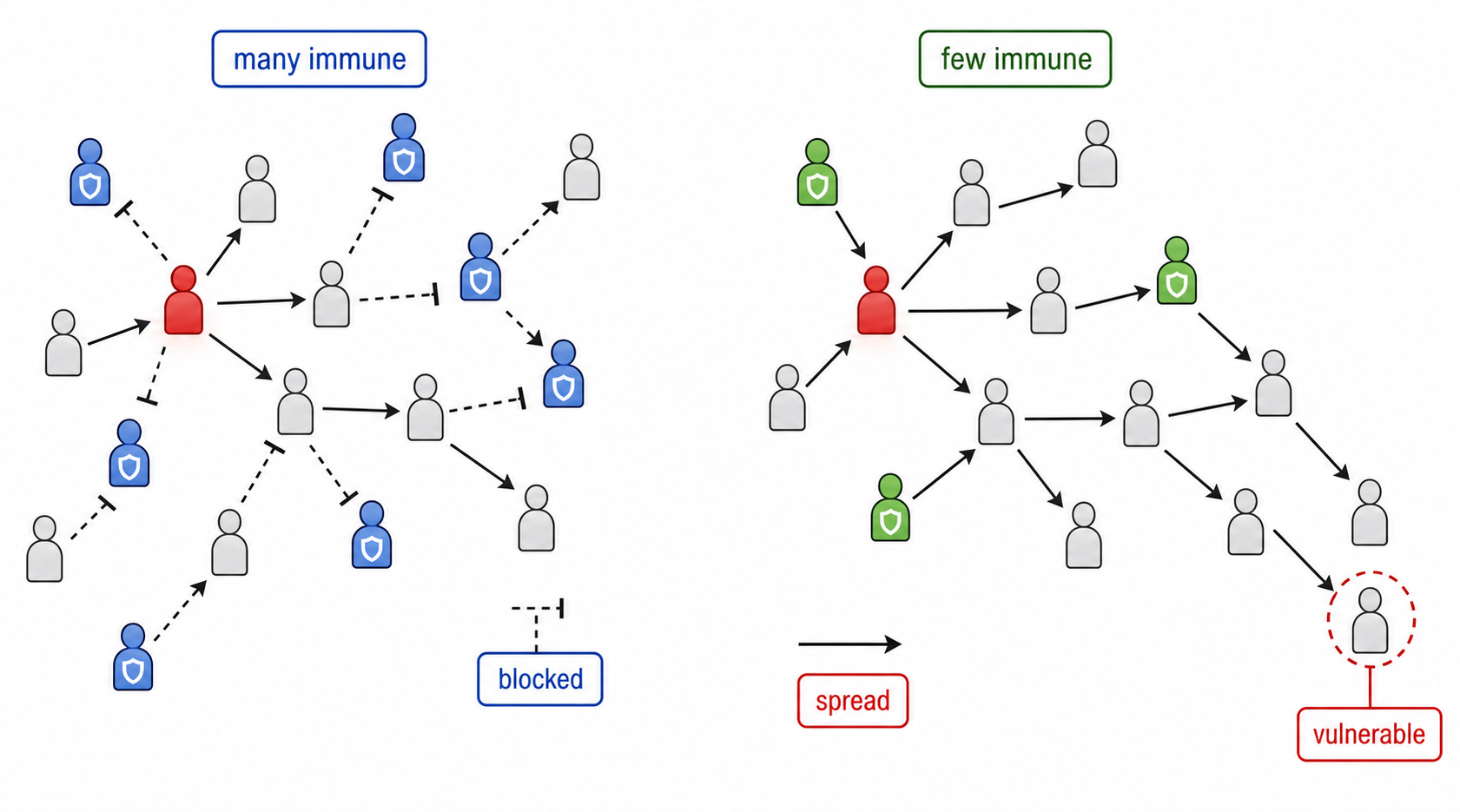
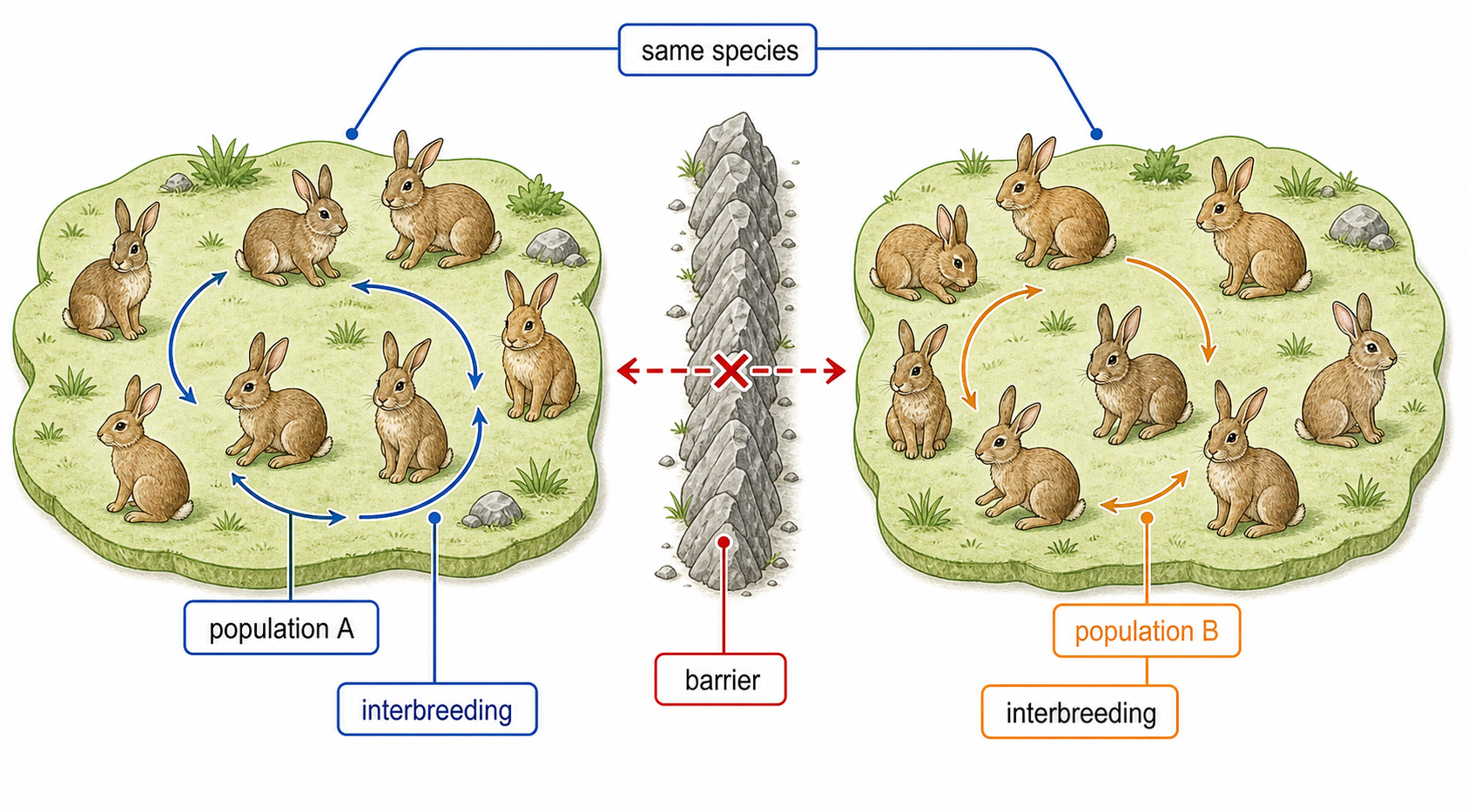
  • Evidence for antibiotic resistance evolution is strongest when mechanism and consequence are explained together.
ConceptIB Biology SL