Q BankQuestion BankDocsDocuments

B4.1.2—Adaptations to abiotic environment

Adaptations to abiotic environments improve survival under water scarcity, salinity, oxygen limitation, temperature stress and other physical pressures in habitats.

Syllabus
First assessment 2025
Objective
B4.1.2
Level
SL

Exam analysis

Chance of appearing2%of analysed past papers
Latest appearanceNovember 2025
Most common paperPaper2
Typical marks1–2

Common command terms

  • Outline
  • Identify
  • Suggest
  • Explain
  • Describe
  • Compare

Scoring notes

Common mistake
Giving an adaptation without explaining how it reduces water loss, salt stress or heat stress.

Recent exam appearances

November 2025Paper1A ["SL"] · TZ324[ 1 ]B4.1.2—Adaptations to abiotic environment
May 2025Paper1B ["SL"] · TZ11(d)[ 2 ]B4.1.2—Adaptations to abiotic environment
May 2022Paper2 ["SL"] · TZ11(h)[ 1 ]B4.1.2—Adaptations to abiotic environment
May 2022Paper2 ["SL"] · TZ11(b)(ii)[ 2 ]B4.1.2—Adaptations to abiotic environment
Practice this objective

Coverage 2022–2025 · Updated 15 Jul 2026

Concept essentials

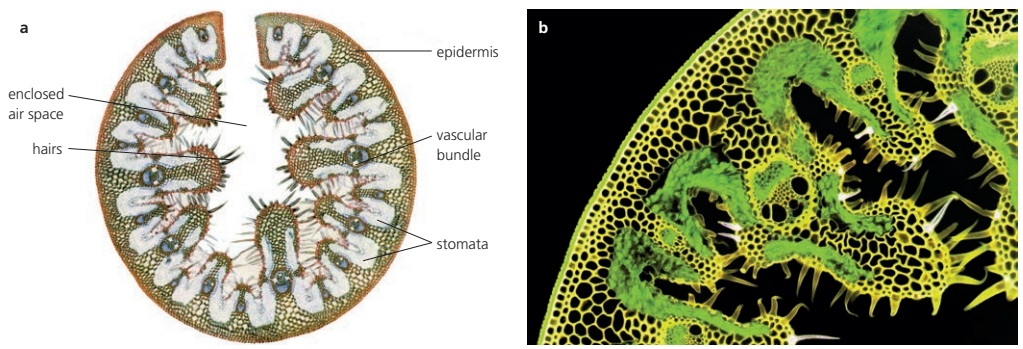
  • Xerophyte leaves reduce transpiration by lowering exposed surface area or trapping humid air.
  • Desert mammals can conserve water with concentrated urine, nocturnal behaviour or reduced sweating.
  • Mangroves use root and salt-management adaptations in saline, low-oxygen habitats.
  • Abiotic adaptations must be linked to the environmental pressure they address.
ConceptIB Biology SL