C4.1.5—Carrying capacity

Carrying capacity explains how ecological evidence links organisms, resources and interactions to population size, distribution or community structure in a habitat.

Syllabus
First assessment 2025
Objective
C4.1.5
Level
HL

Exam analysis

Chance of appearing4%of analysed past papers
Latest appearanceNovember 2025
Most common paperPaper2
Typical marks2

Common command terms

  • Identify
  • Describe
  • Explain
  • Outline
  • State

Scoring notes

Common mistake
Confusing a population with a community or with all organisms in an ecosystem.

Recent exam appearances

November 2025Paper2 ["HL"] · TZ15(a)[ 2 ]C4.1.5—Carrying capacity
November 2023Paper3 ["HL"] · TZ218(c)[ 2 ]C4.1.5—Carrying capacity
May 2019Paper3 ["HL"] · TZ216(b)[ 2 ]C4.1.5—Carrying capacity
May 2014Paper1 ["HL"] · TZ217[ 1 ]C4.1.5—Carrying capacity
May 2012Paper2 ["HL"] · TZ27(c)[ 6 ]C4.1.5—Carrying capacity
Practice this objective

Coverage 2012–2025 · Updated 16 Jul 2026

Carrying capacity is a resource-limited population size

Carrying capacity is a resource-limited population size.

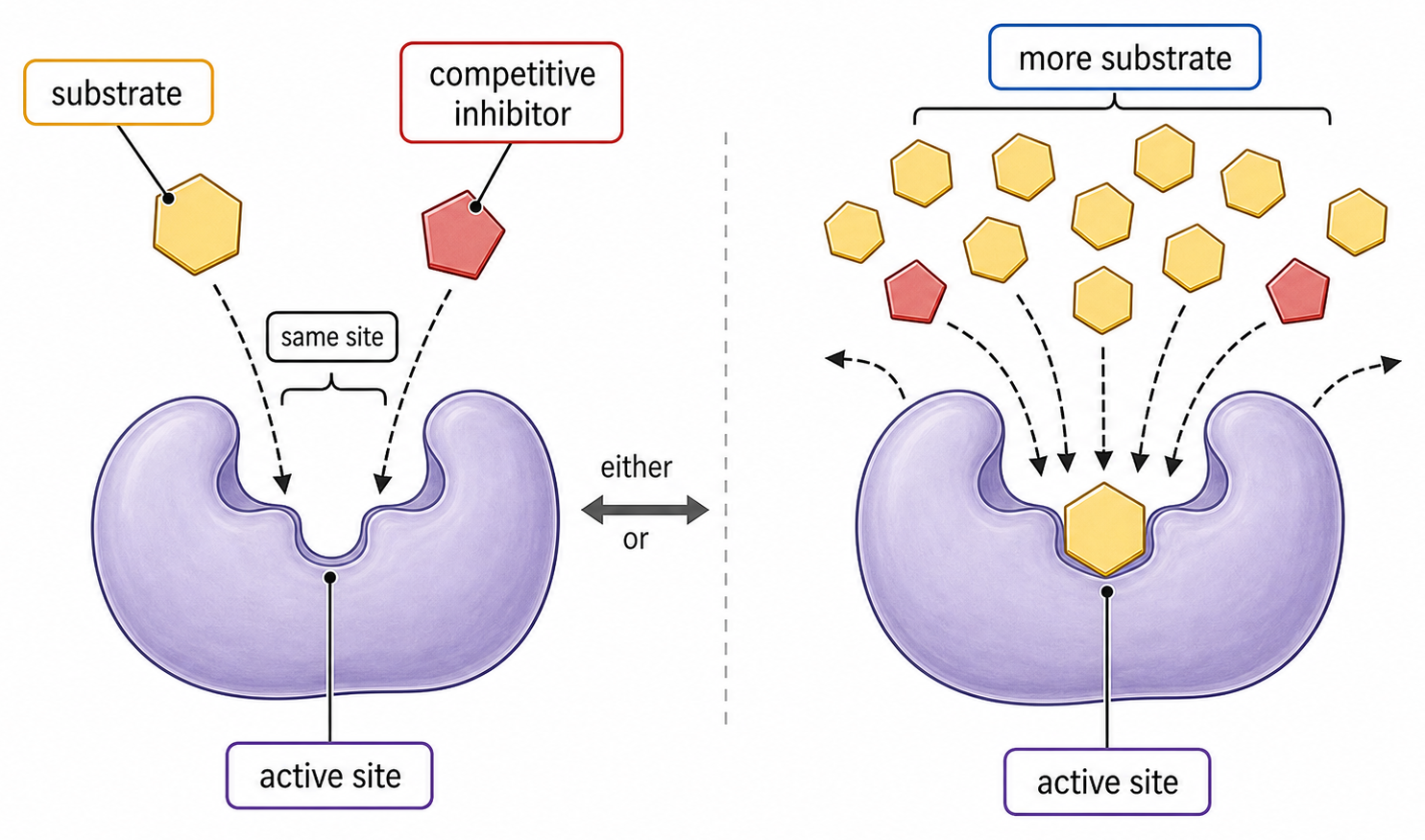
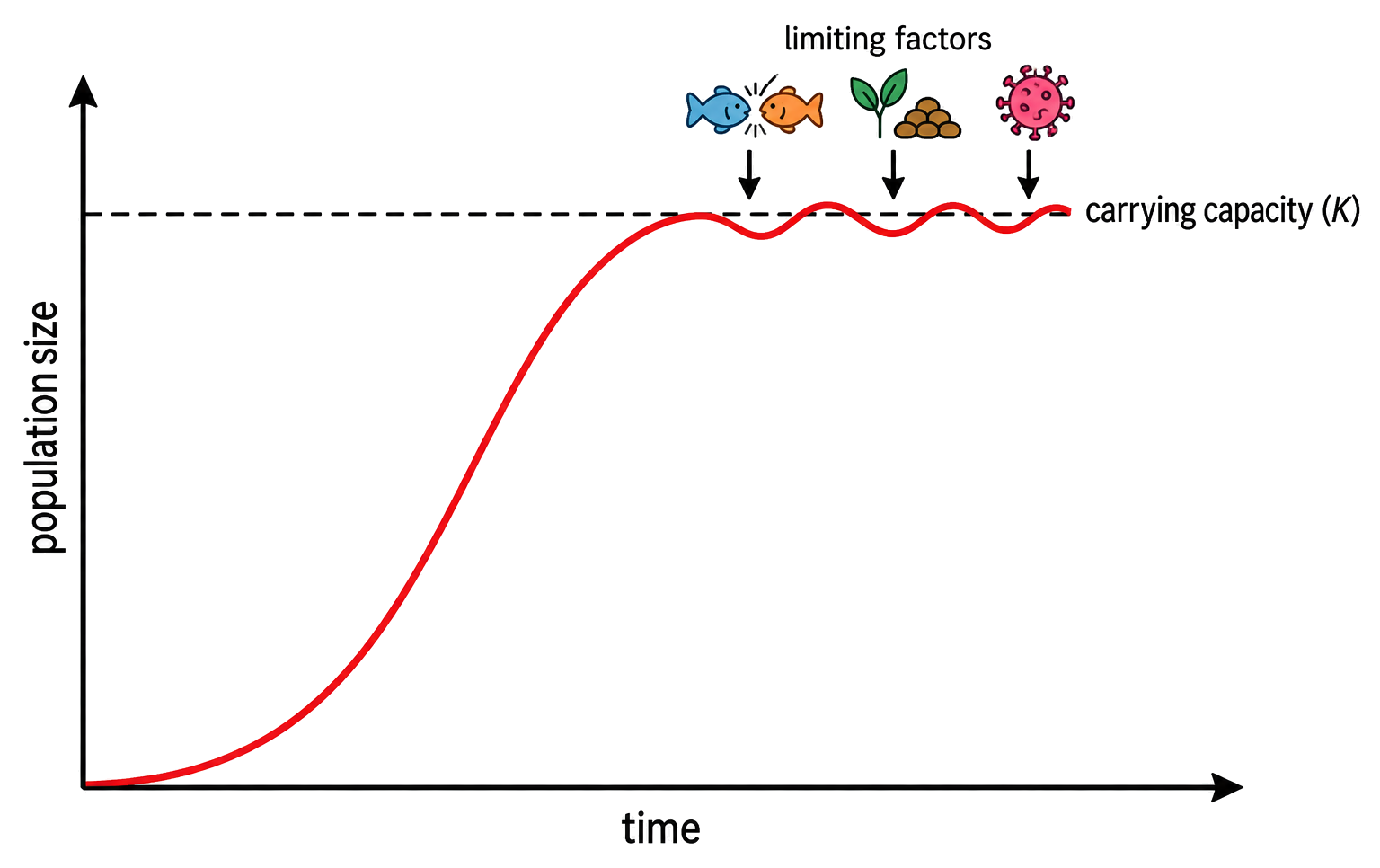
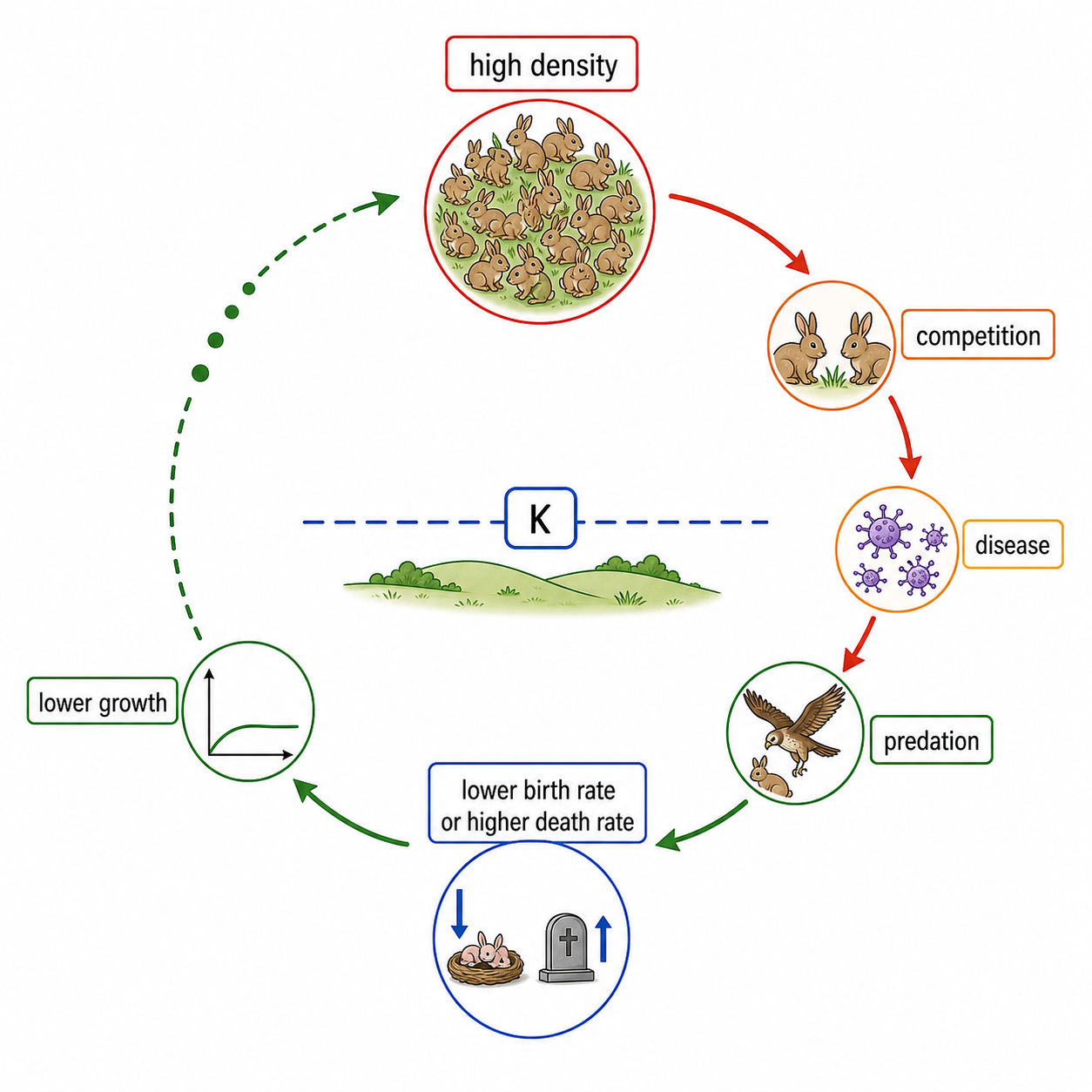
Carrying capacity is the population size an environment can support over time under specified conditions. Resource limits and feedback make growth slow as the population approaches it.
identify limiting resource; link density to birth/death rate; state that capacity can change.

A drought lowers available food, so the carrying capacity for grazing animals falls even if the species is unchanged.

Carrying capacity is not a fixed species constant; it depends on environment and timescale.

Carrying capacity

Assessment in practice

1–6 marks
How it is assessed

This objective is assessed through structured response, commonly using Identify / Describe / Explain.

Command terms

Identify / Describe / Explain / Outline / State

What earns marks

Build the answer around this relationship: Carrying capacity must be linked to the correct ecological unit, method or species interaction.

Watch for

Confusing a population with a community or with all organisms in an ecosystem.

Representative question

Question 1

[Maximum number: 7]

Explain why populations that have grown exponentially reach a maximum size, rather than continue to grow.

Populations and Communities

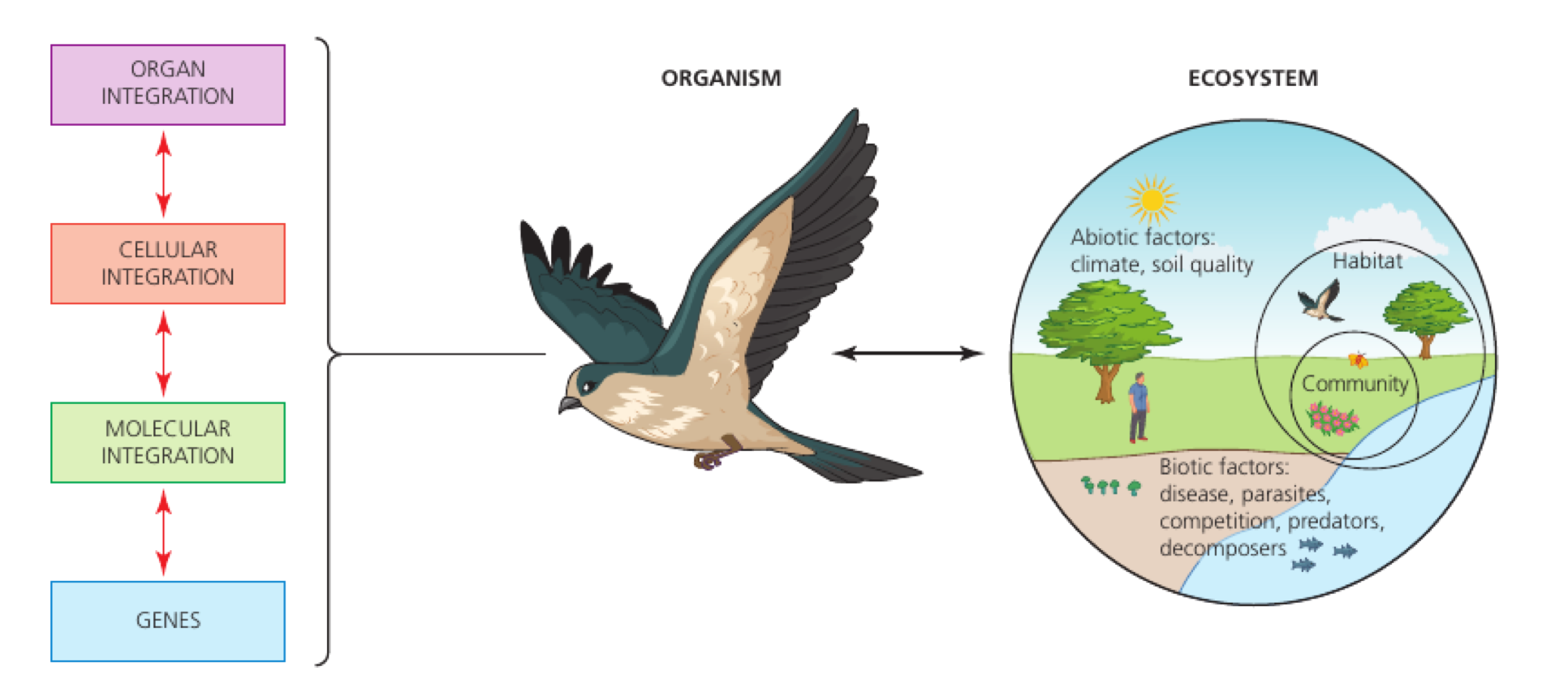
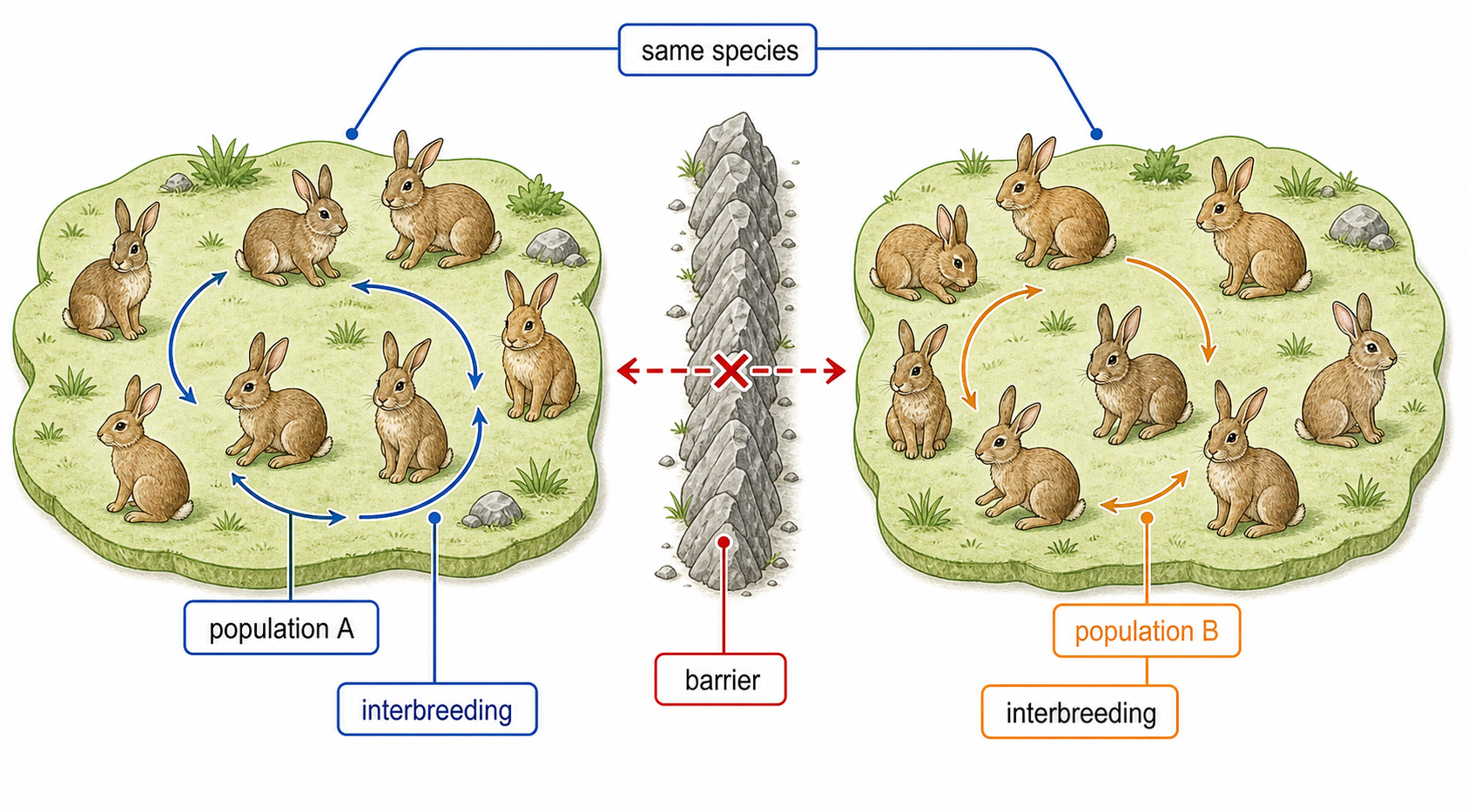
  • A population is one species in an area; a community is all interacting populations there.
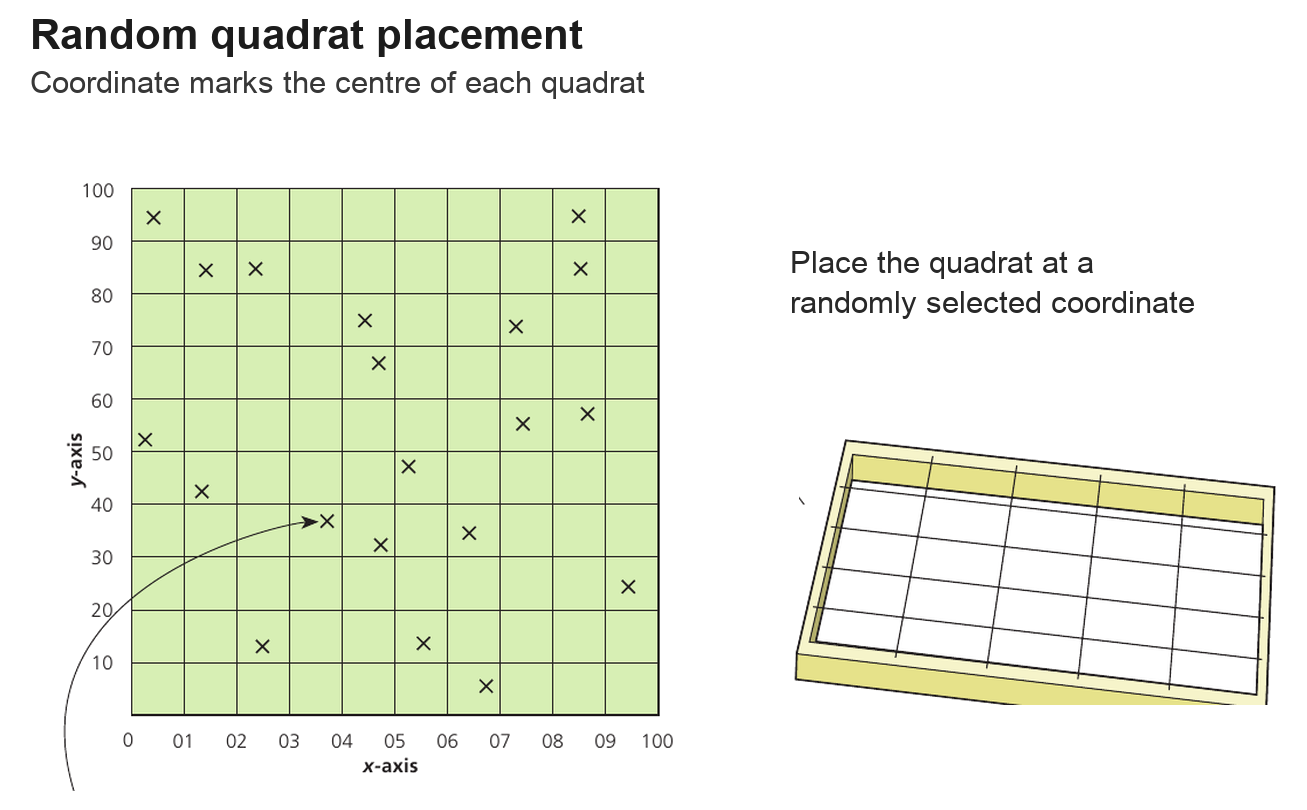
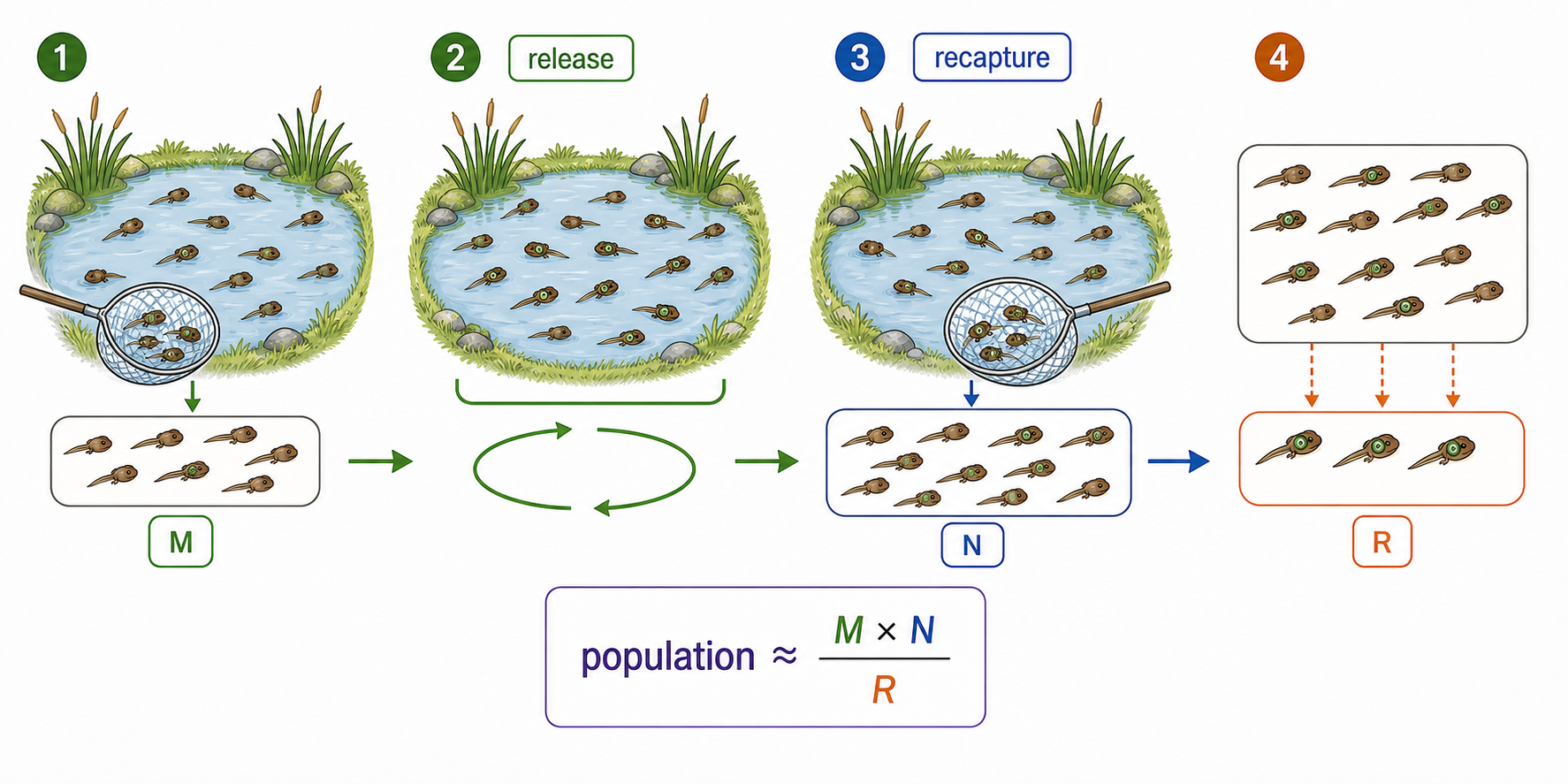
  • Estimate abundance with unbiased sampling: quadrats for sessile organisms and capture–mark–release–recapture for mobile animals, checking each method’s assumptions.
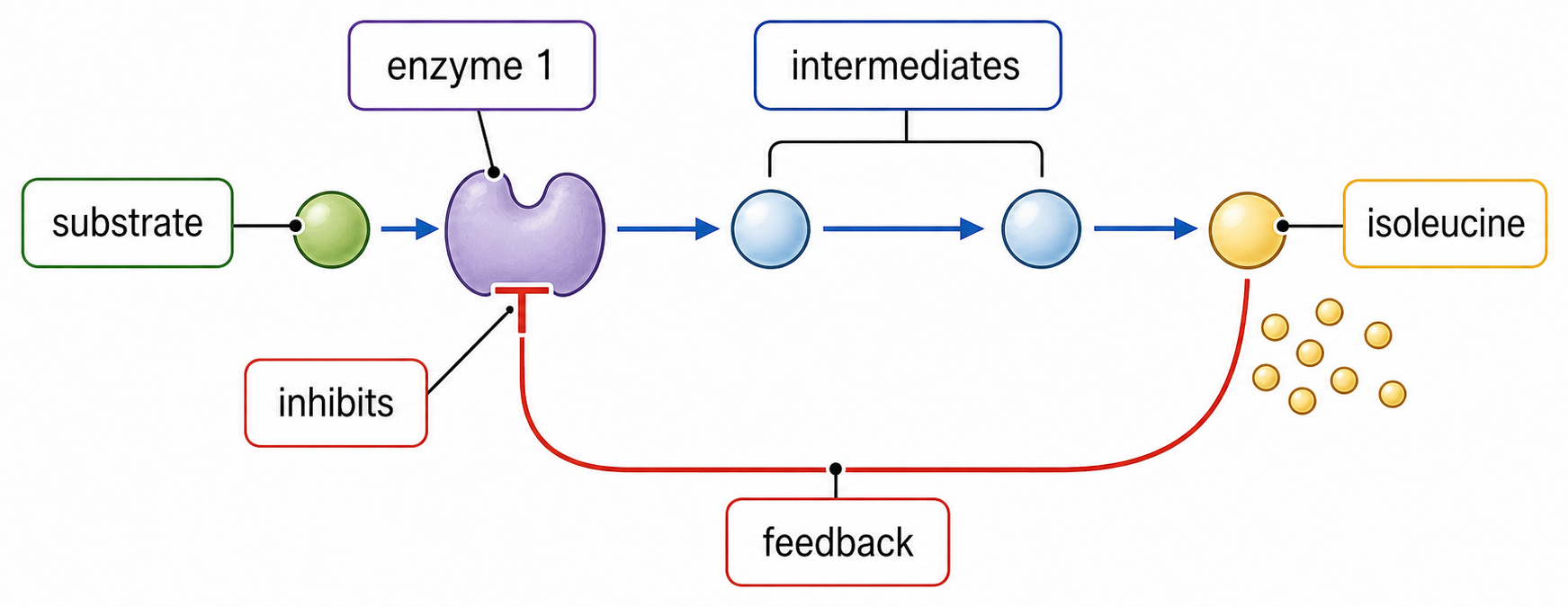
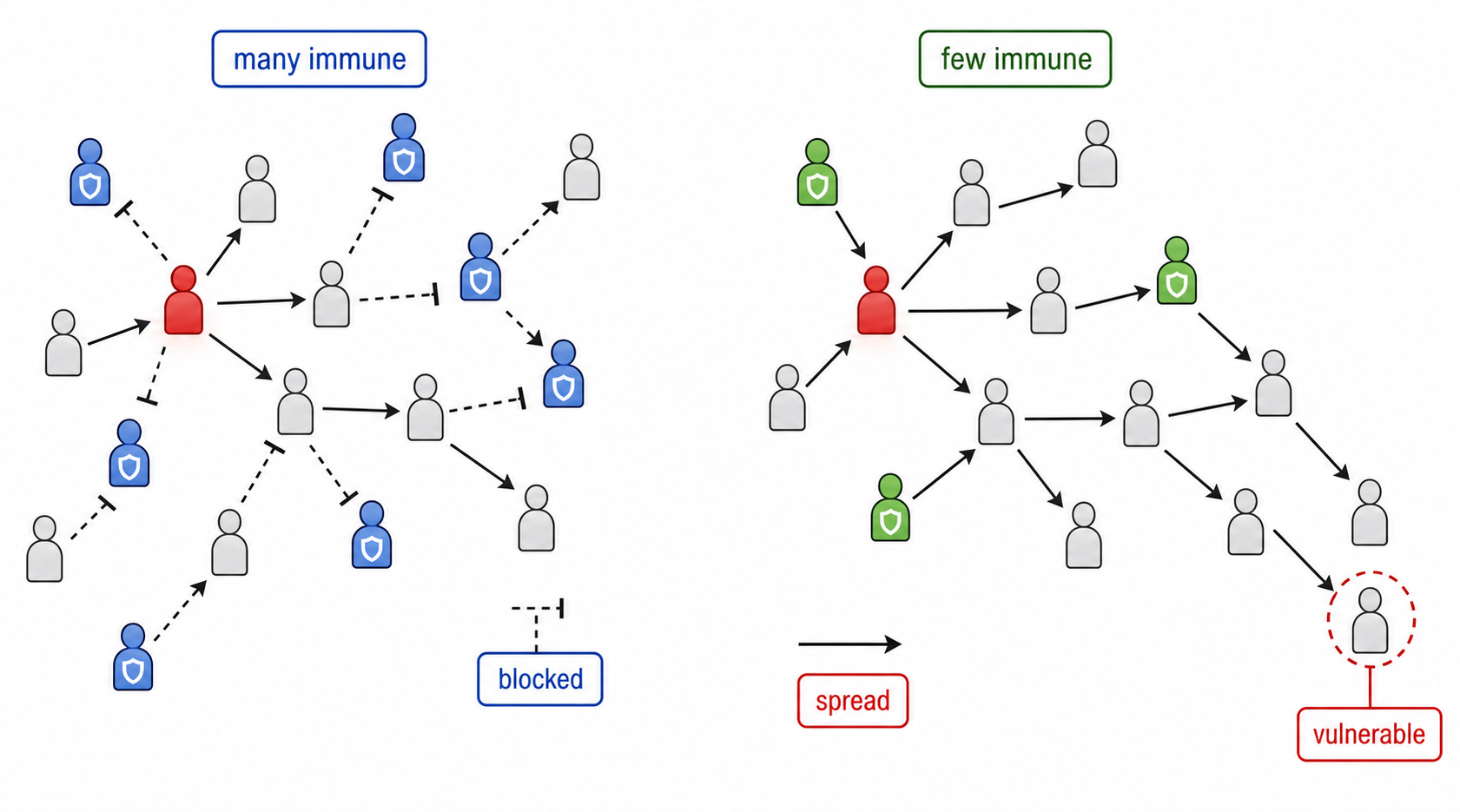
  • Density-dependent competition, predation, disease and waste create negative feedback around carrying capacity; exponential growth slows into a sigmoid curve as limits strengthen.
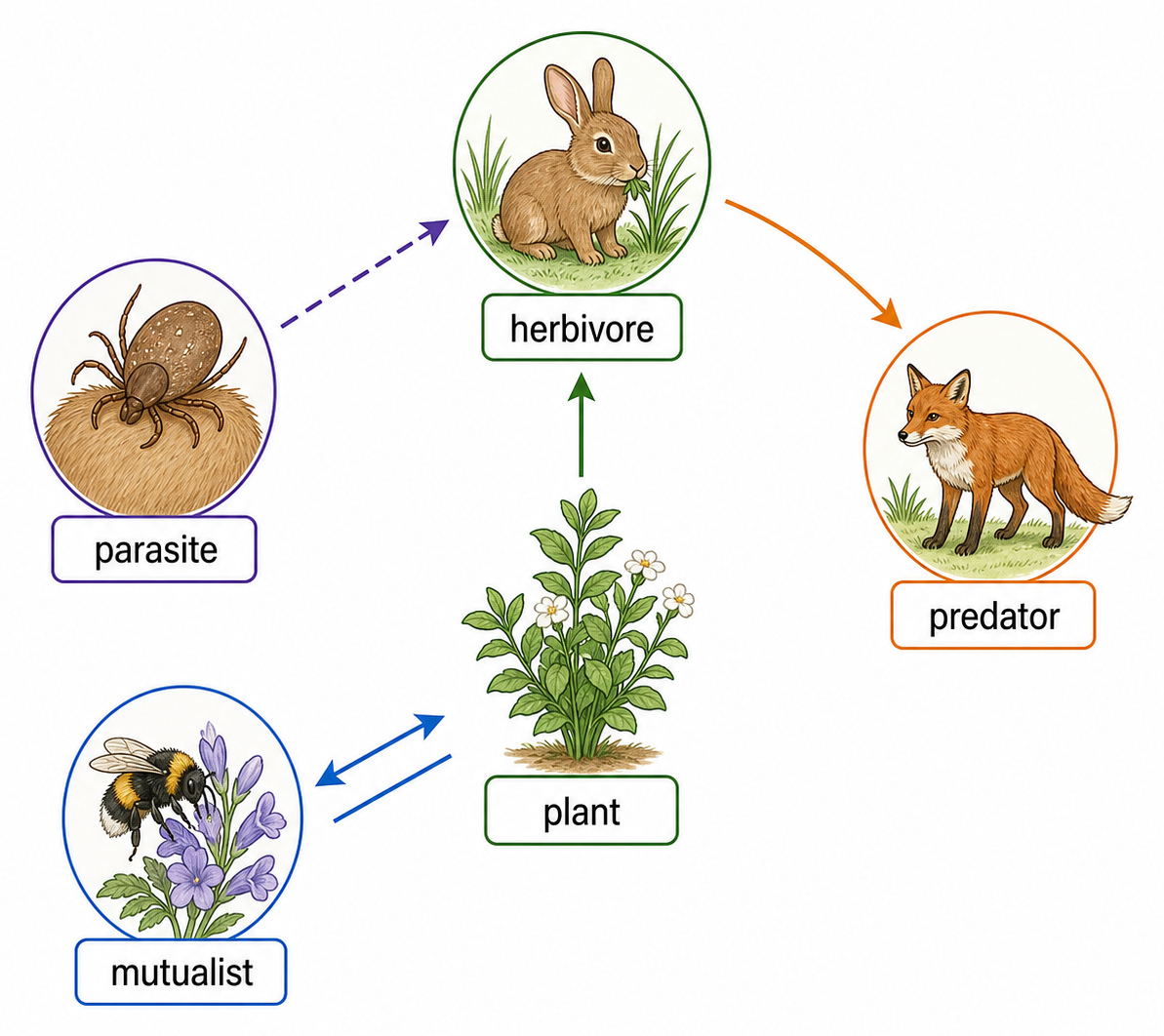
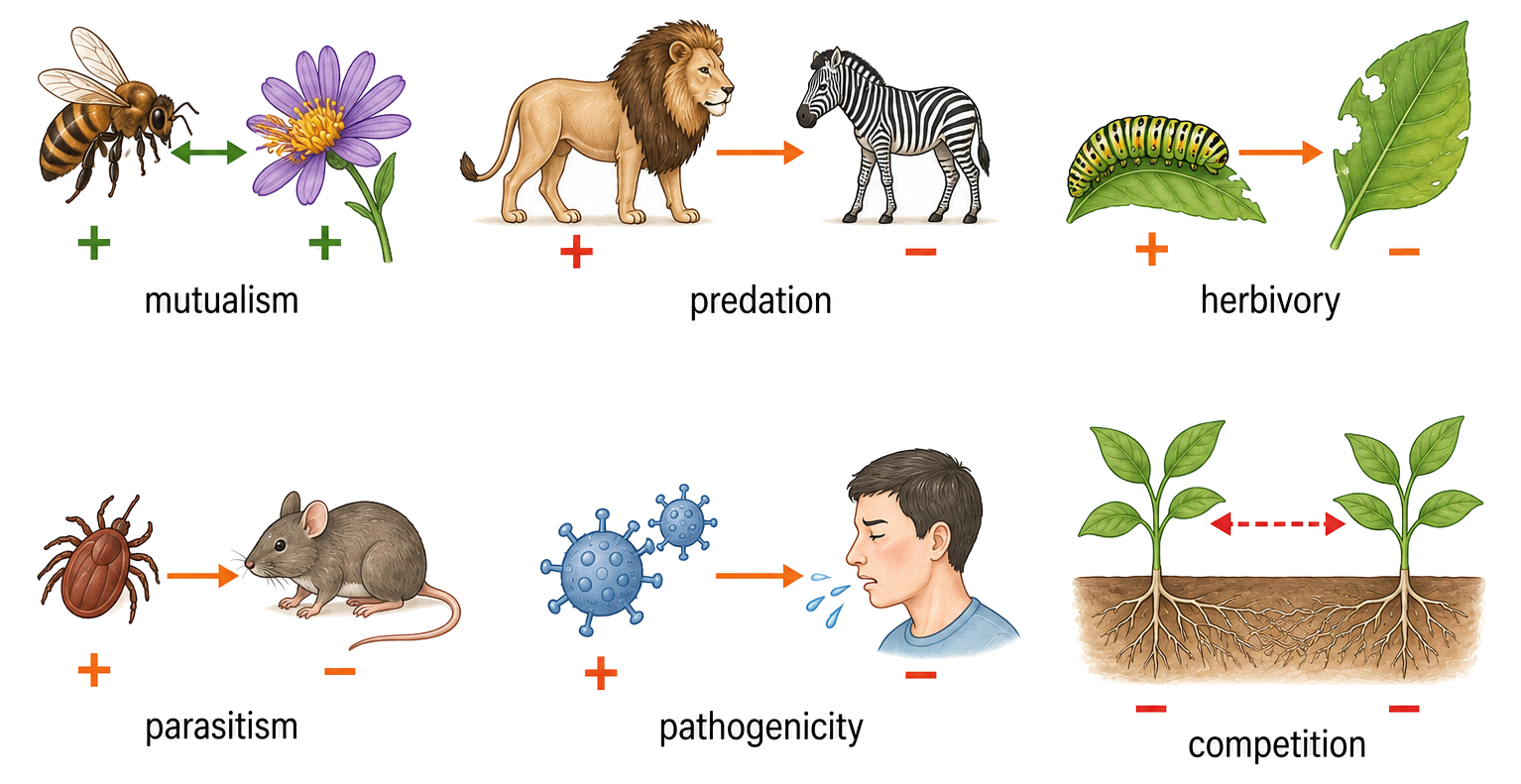
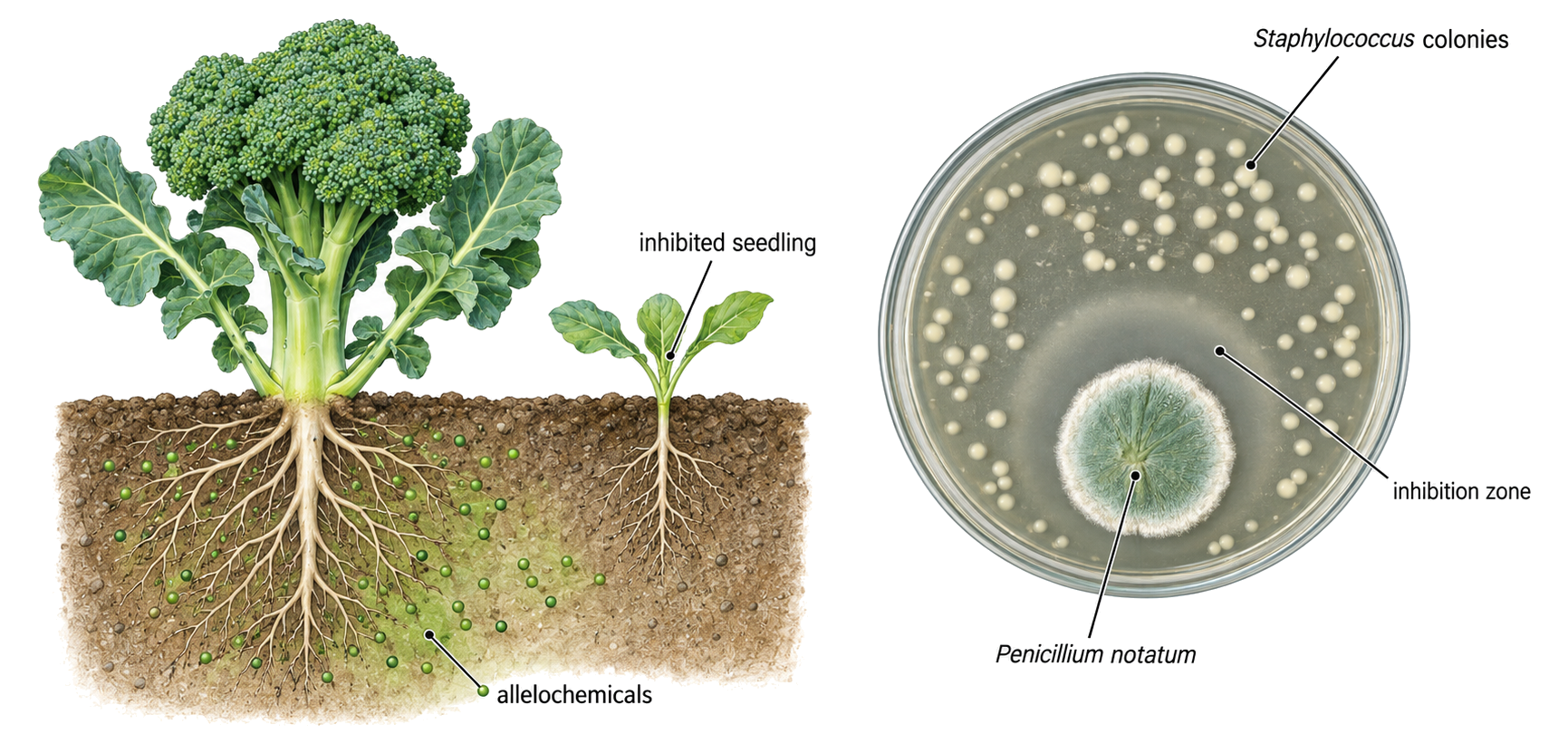
  • Classify interspecific relationships by costs and benefits: predation, herbivory, competition, mutualism, parasitism and pathogenicity.
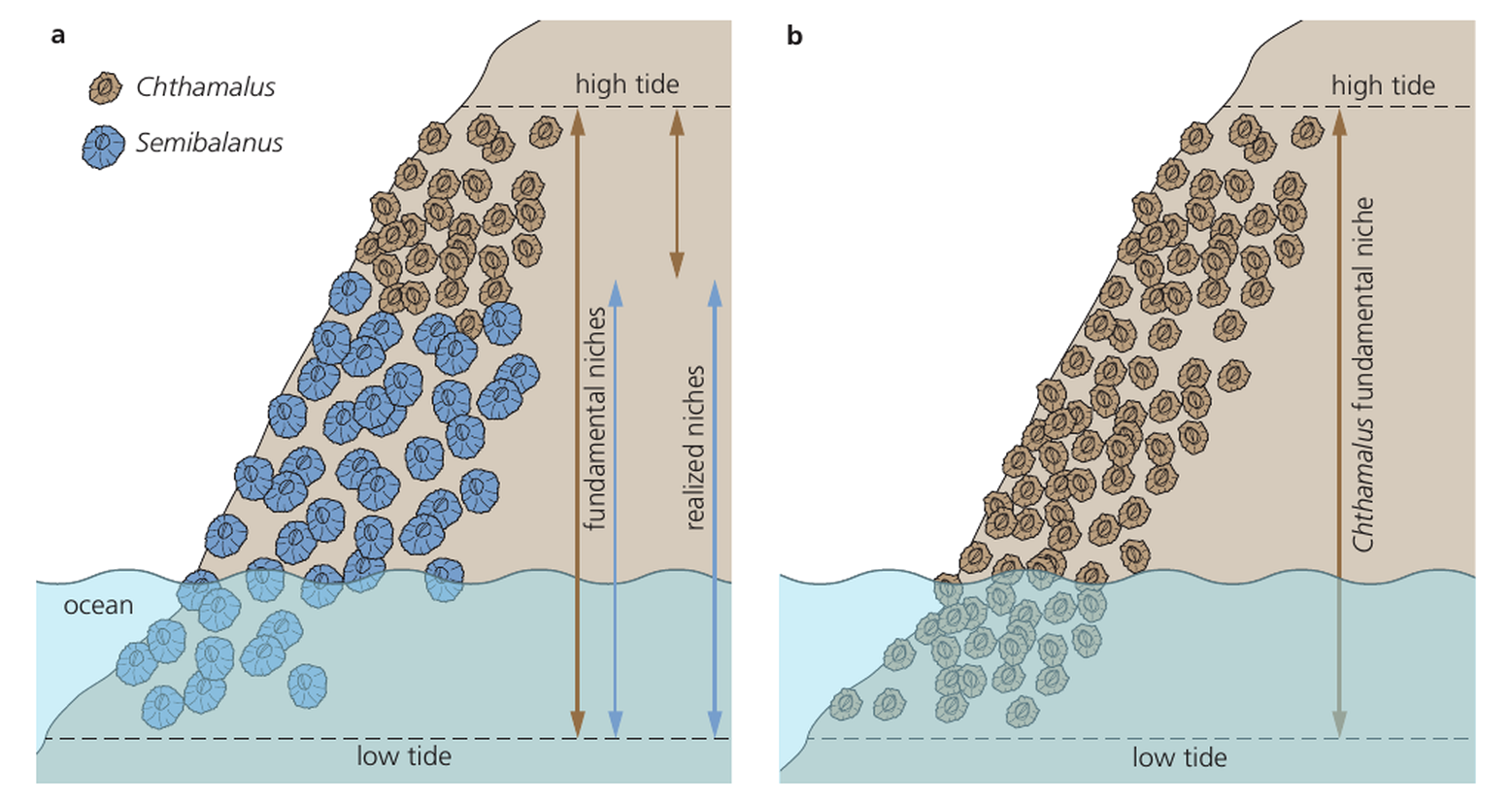
  • Invasive species may escape controls and displace endemic species. Removal experiments can reveal competition and fundamental versus realized niches.
  • Chi-squared tests assess species association from observed and expected quadrat counts.
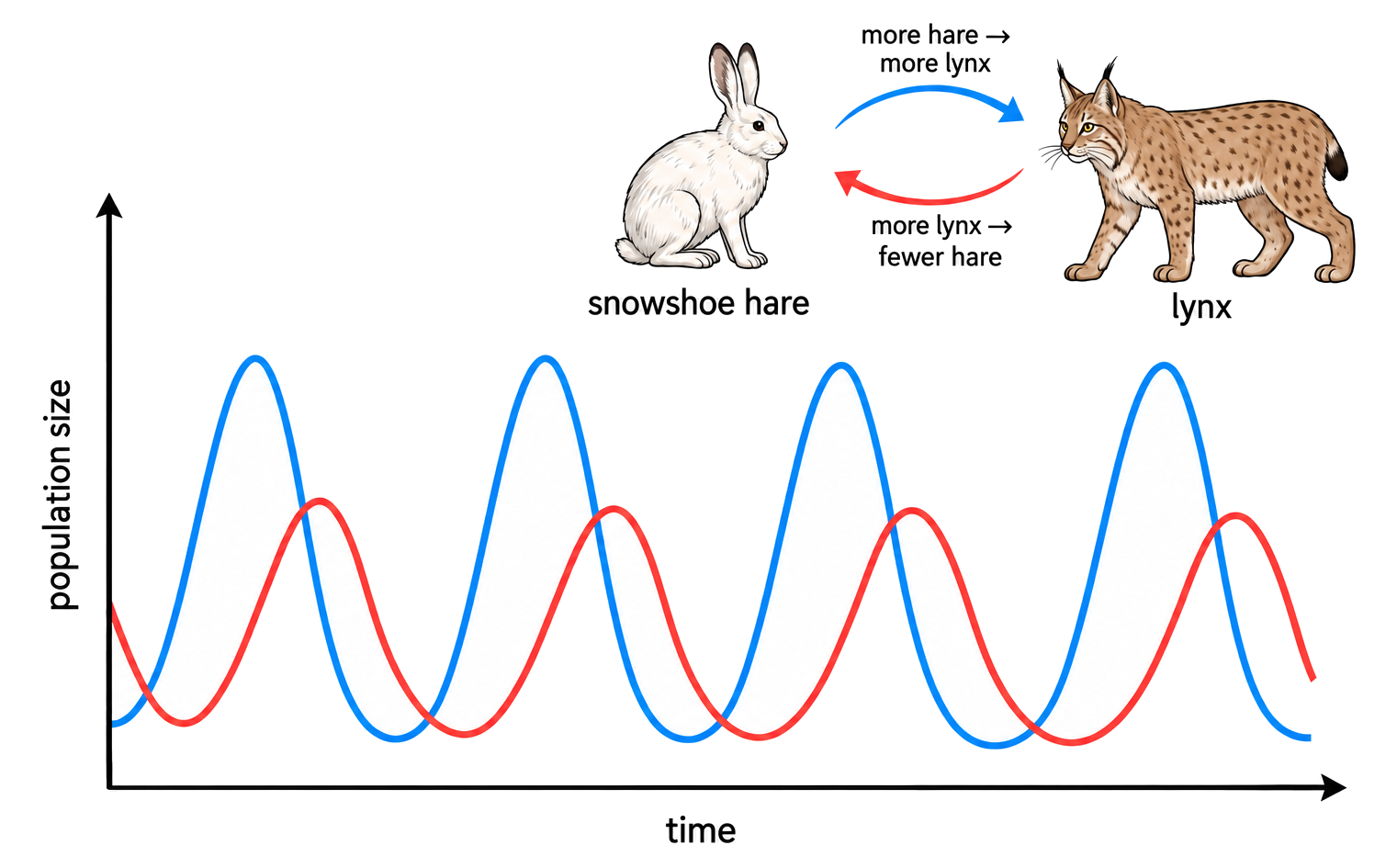
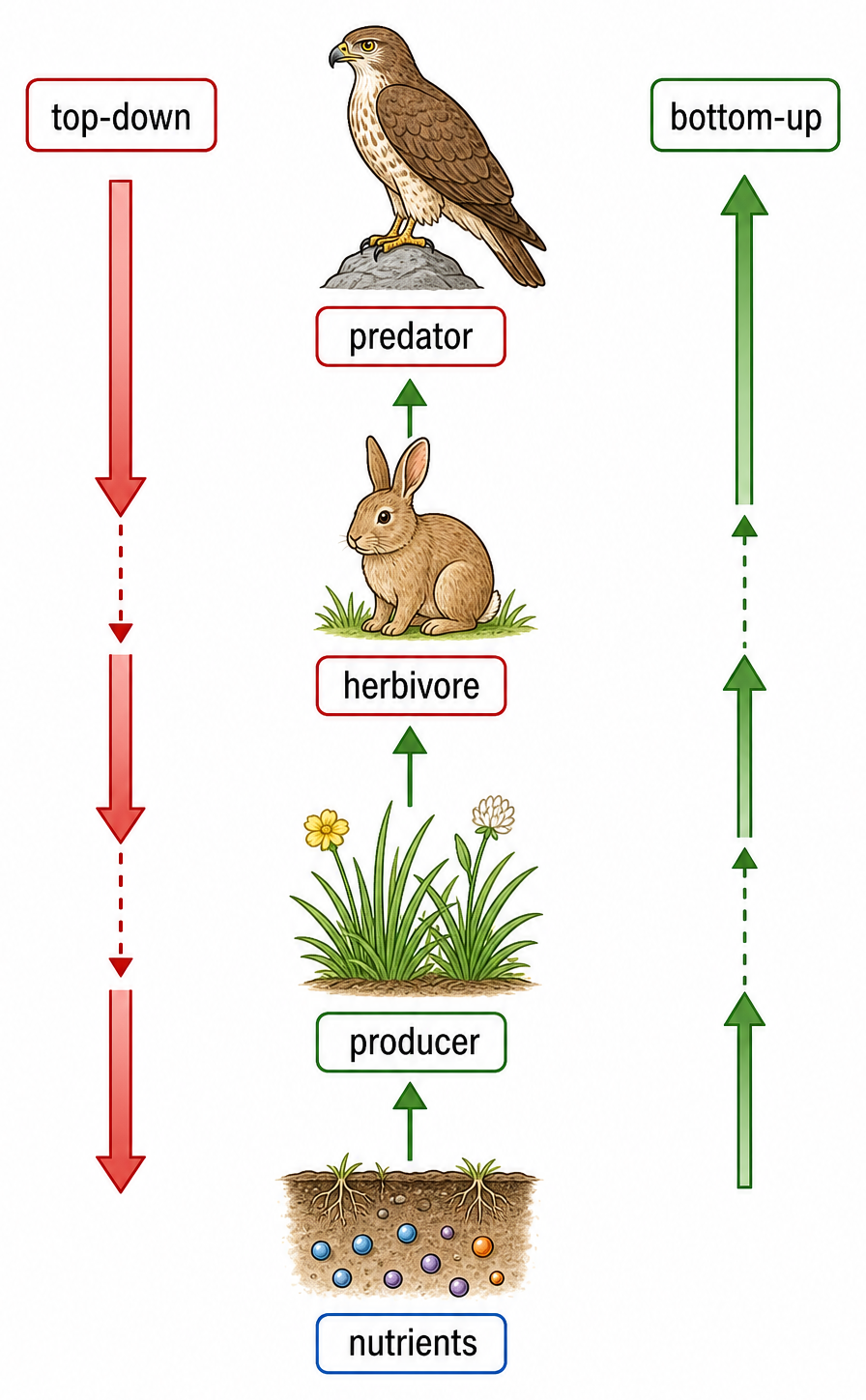
  • Predator peaks usually lag prey peaks; top-down control begins with consumers, while bottom-up control begins with resources or producers.

Concept essentials

  • Carrying capacity must be linked to the correct ecological unit, method or species interaction.
  • The evidence for carrying capacity depends on measurable abundance, distribution, survival or resource patterns.
  • Carrying capacity is clearest when cause, ecological process and population outcome are kept distinct.
  • Field or graph evidence for carrying capacity needs biological interpretation, not values alone.