C4.1.14—Tests for interspecific competition

Tests for interspecific competition explains how ecological evidence links organisms, resources and interactions to population size, distribution or community structure in a habitat.

Syllabus
First assessment 2025
Objective
C4.1.14
Level
HL

Exam analysis

Chance of appearing3%of analysed past papers
Latest appearanceMay 2024
Most common paperPaper3
Typical marks1–3

Common command terms

  • Outline
  • Suggest
  • Explain
  • State
  • Predict

Scoring notes

Common mistake
Describing overlapping niches without explaining that one competitor is displaced or restricted.

Recent exam appearances

May 2024Paper3 ["HL"] · TZ116(c)[ 2 ]C4.1.14—Tests for interspecific competition
May 2022Paper2 ["HL"] · TZ23(a)[ 1 ]C4.1.14—Tests for interspecific competition
May 2019Paper3 ["HL"] · TZ117(b)[ 3 ]C4.1.14—Tests for interspecific competition
Practice this objective

Coverage 2019–2024 · Updated 16 Jul 2026

Competition tests need a manipulated comparison

Interspecific competition is indicated—but not proved—when one species performs better in the absence of another.

Approach What is compared Strength/limit
Laboratory experiment Species alone versus together under controlled conditions Strong control but artificial setting
Field observation with random sampling Abundance or performance where species co-occur versus do not Realistic but confounding variables remain
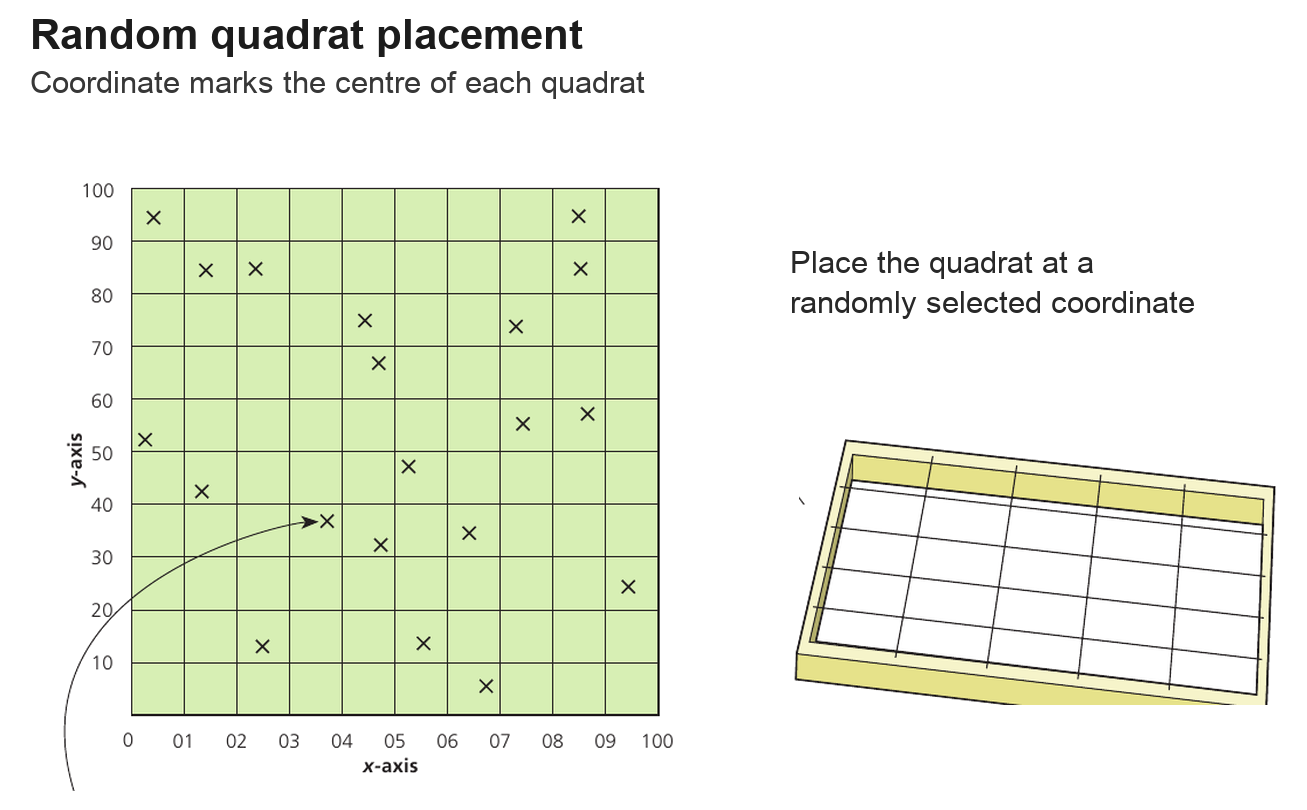
Field removal manipulation Remove one species from random plots and compare with control plots Stronger causal evidence but disturbance may have side effects

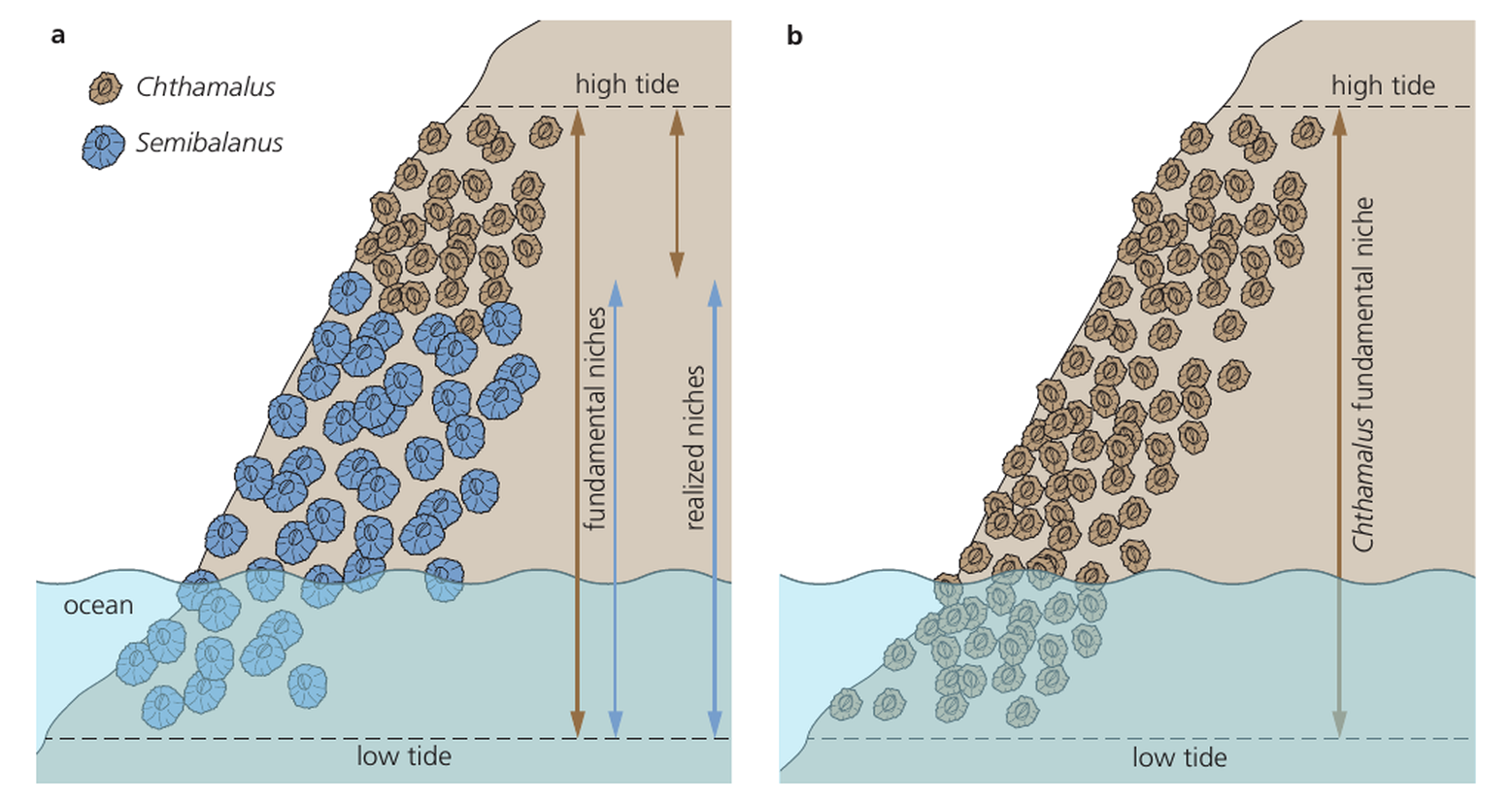
In a barnacle removal study, greater occupation of lower shore by one species after its competitor is removed supports competition as the restriction on its realized distribution.

Experiments manipulate a variable; observations do not. Better performance without a second species is evidence for competition, but alternative environmental differences must still be excluded.

Tests for interspecific competition

Assessment in practice

1–3 marks
How it is assessed

This objective is assessed through structured response, commonly using Outline / Suggest / Explain.

Command terms

Outline / Suggest / Explain / State / Predict

What earns marks

Build the answer around this relationship: Tests for interspecific competition must be linked to the correct ecological unit, method or species interaction.

Watch for

Describing overlapping niches without explaining that one competitor is displaced or restricted.

Representative question

Question 1

[Maximum number: 3]

Explain the results shown in this experiment.

Populations and Communities

  • A population is one species in an area; a community is all interacting populations there.
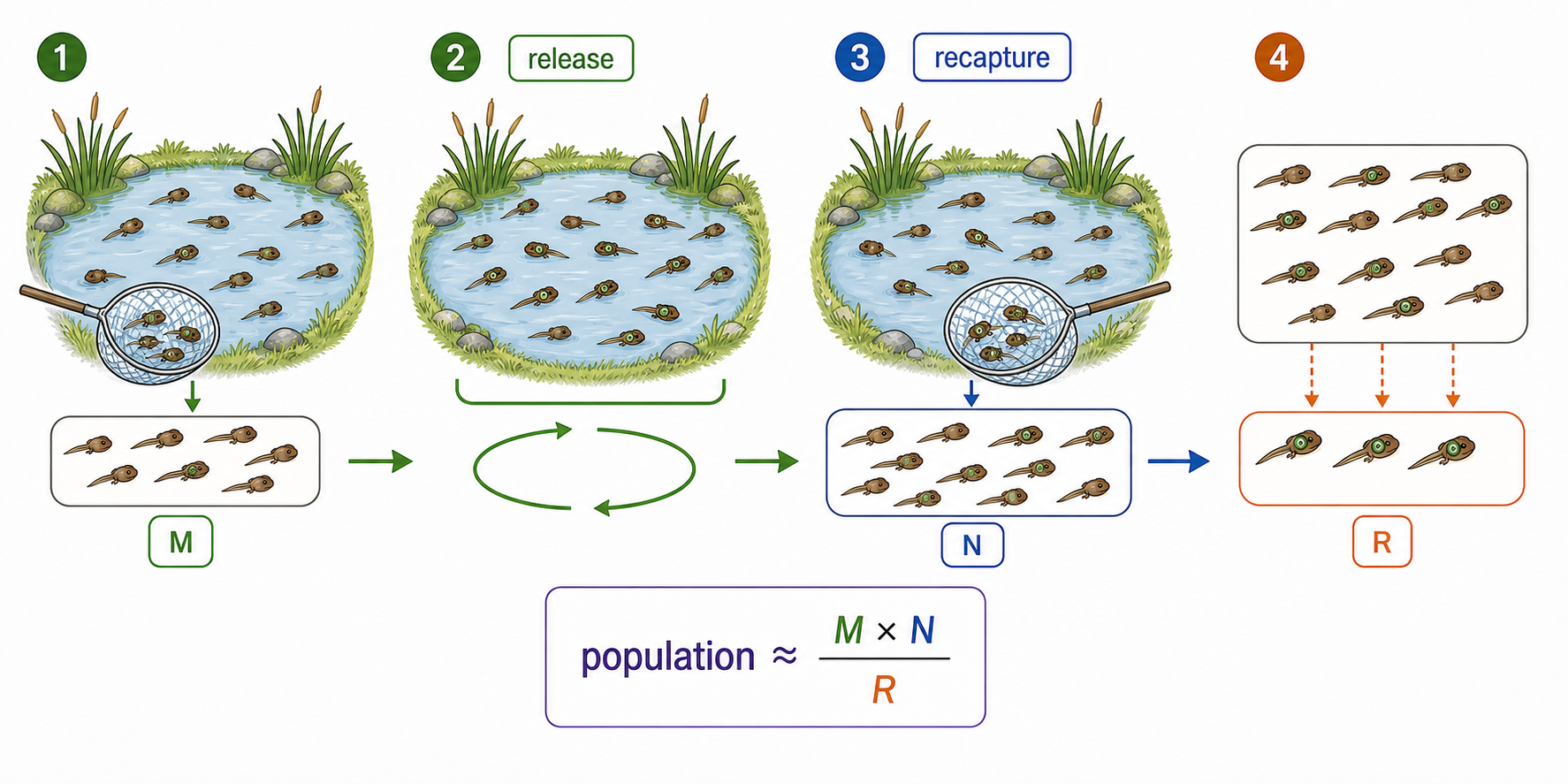
  • Estimate abundance with unbiased sampling: quadrats for sessile organisms and capture–mark–release–recapture for mobile animals, checking each method’s assumptions.
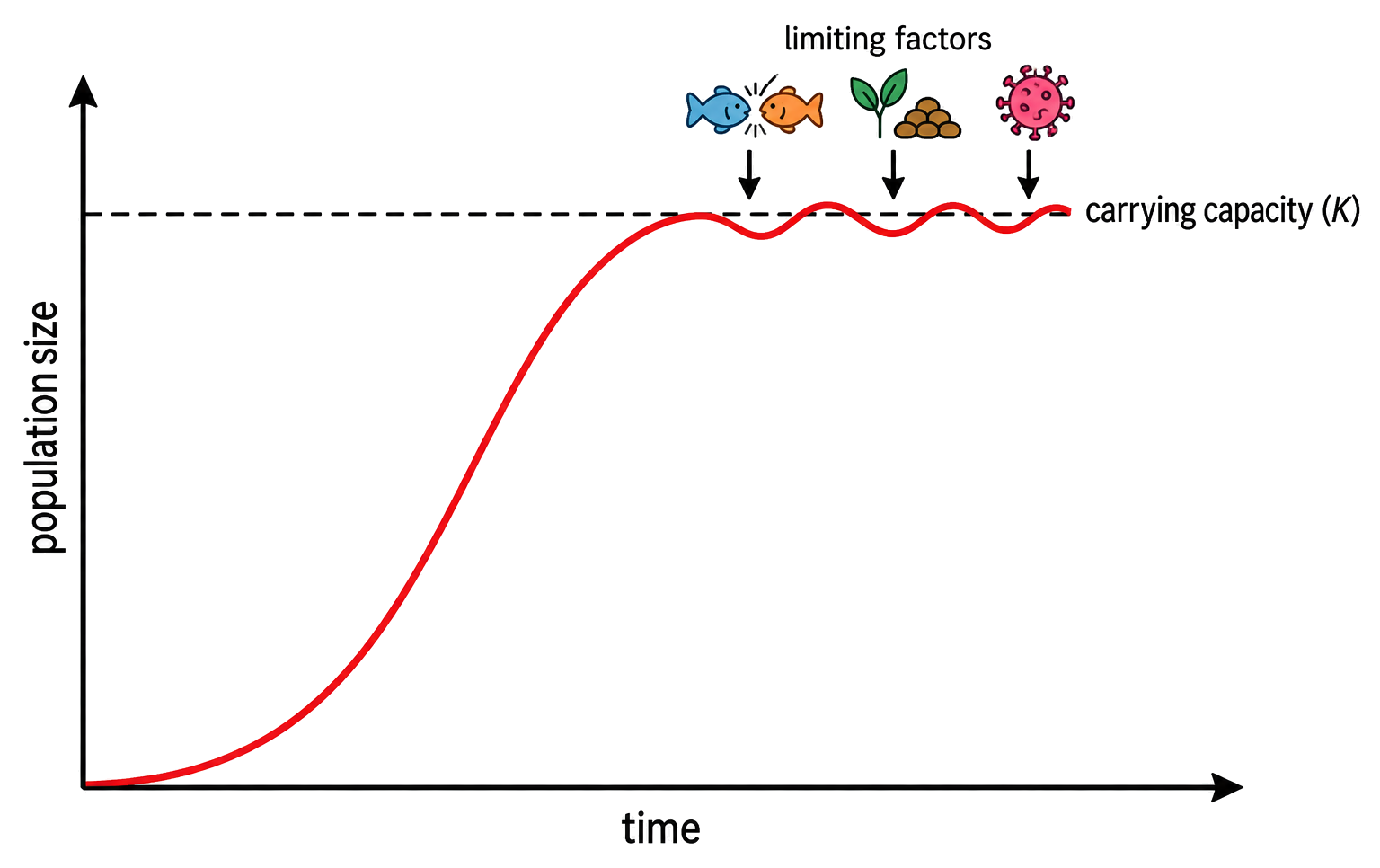
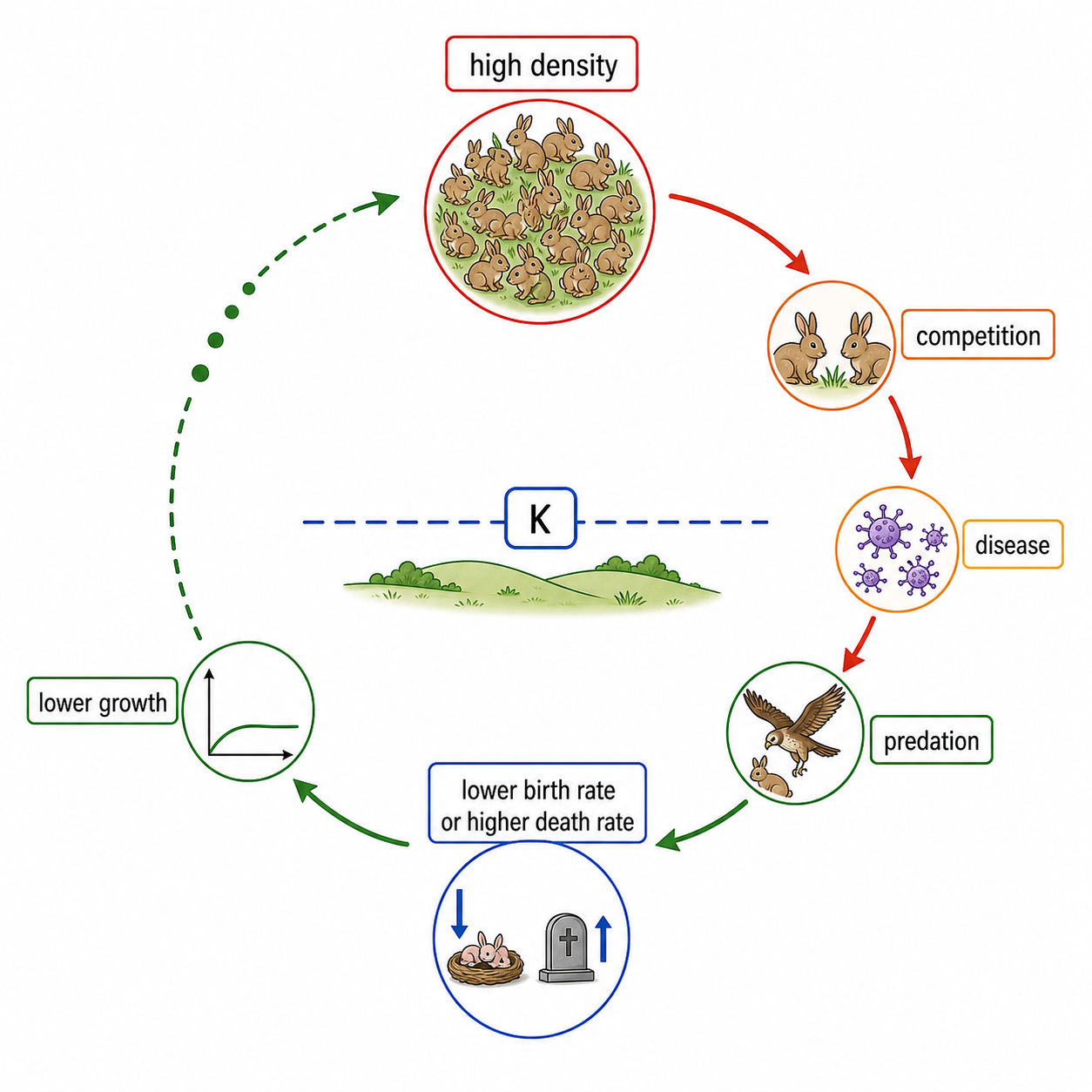
  • Density-dependent competition, predation, disease and waste create negative feedback around carrying capacity; exponential growth slows into a sigmoid curve as limits strengthen.
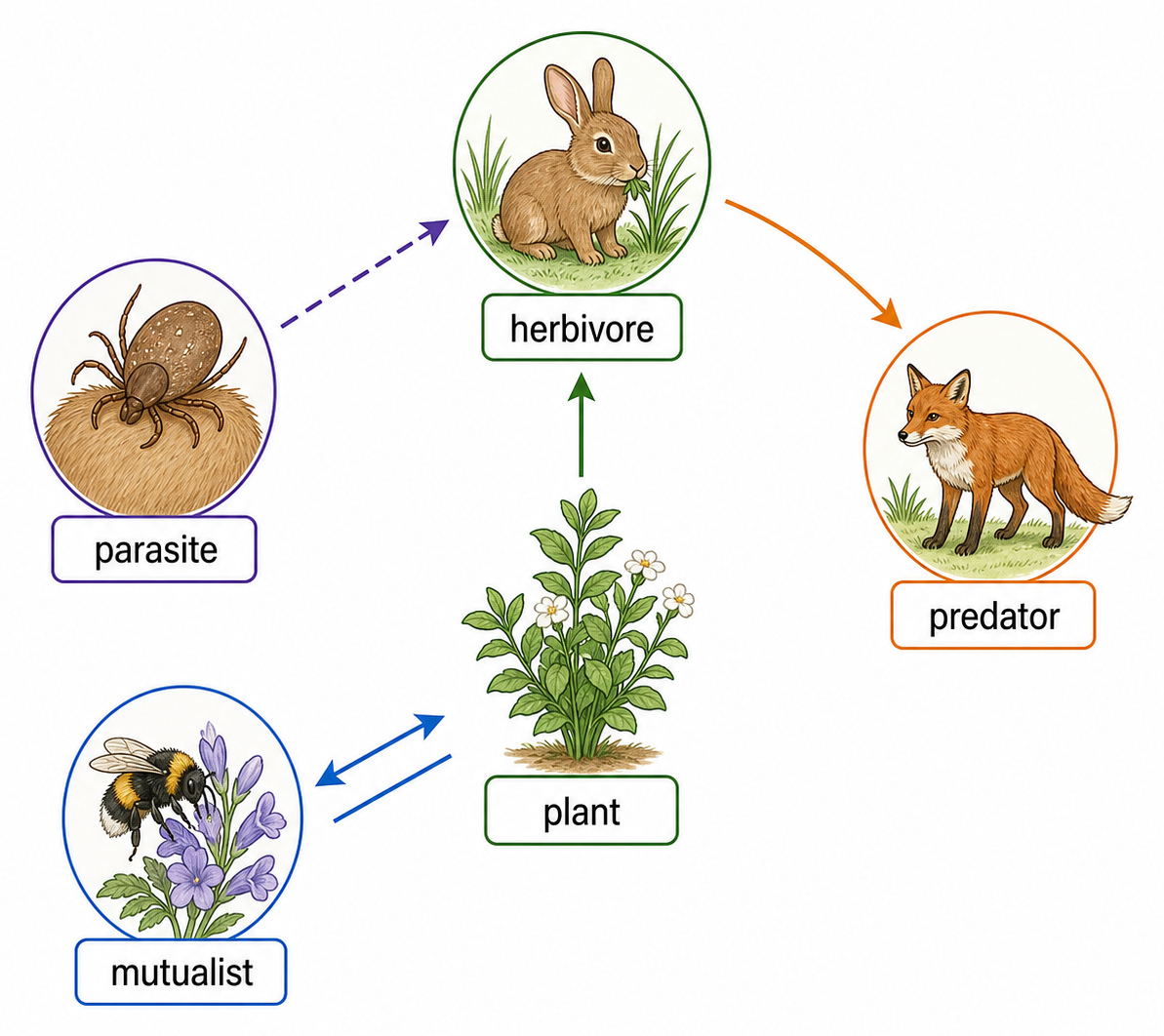
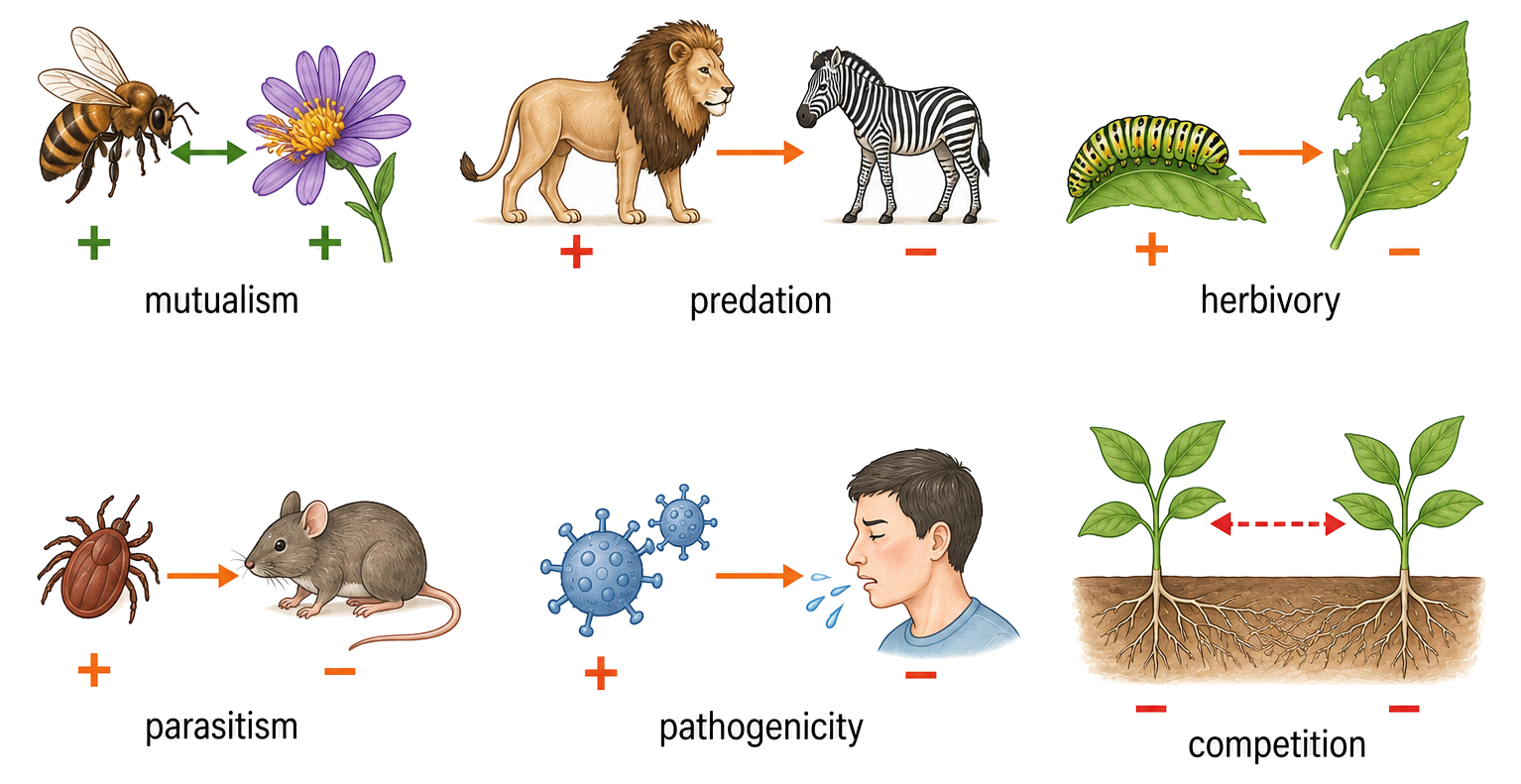
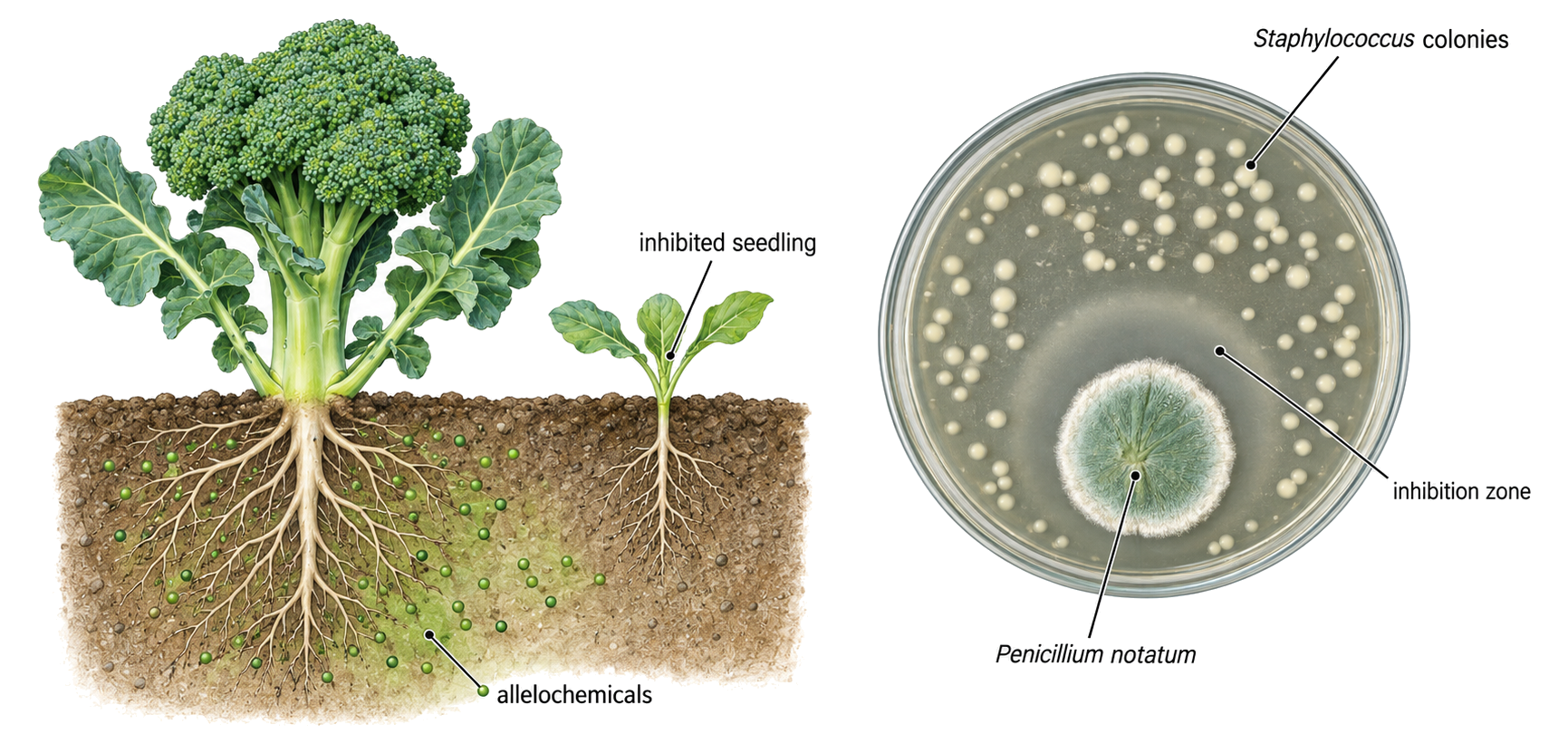
  • Classify interspecific relationships by costs and benefits: predation, herbivory, competition, mutualism, parasitism and pathogenicity.
  • Invasive species may escape controls and displace endemic species. Removal experiments can reveal competition and fundamental versus realized niches.
  • Chi-squared tests assess species association from observed and expected quadrat counts.
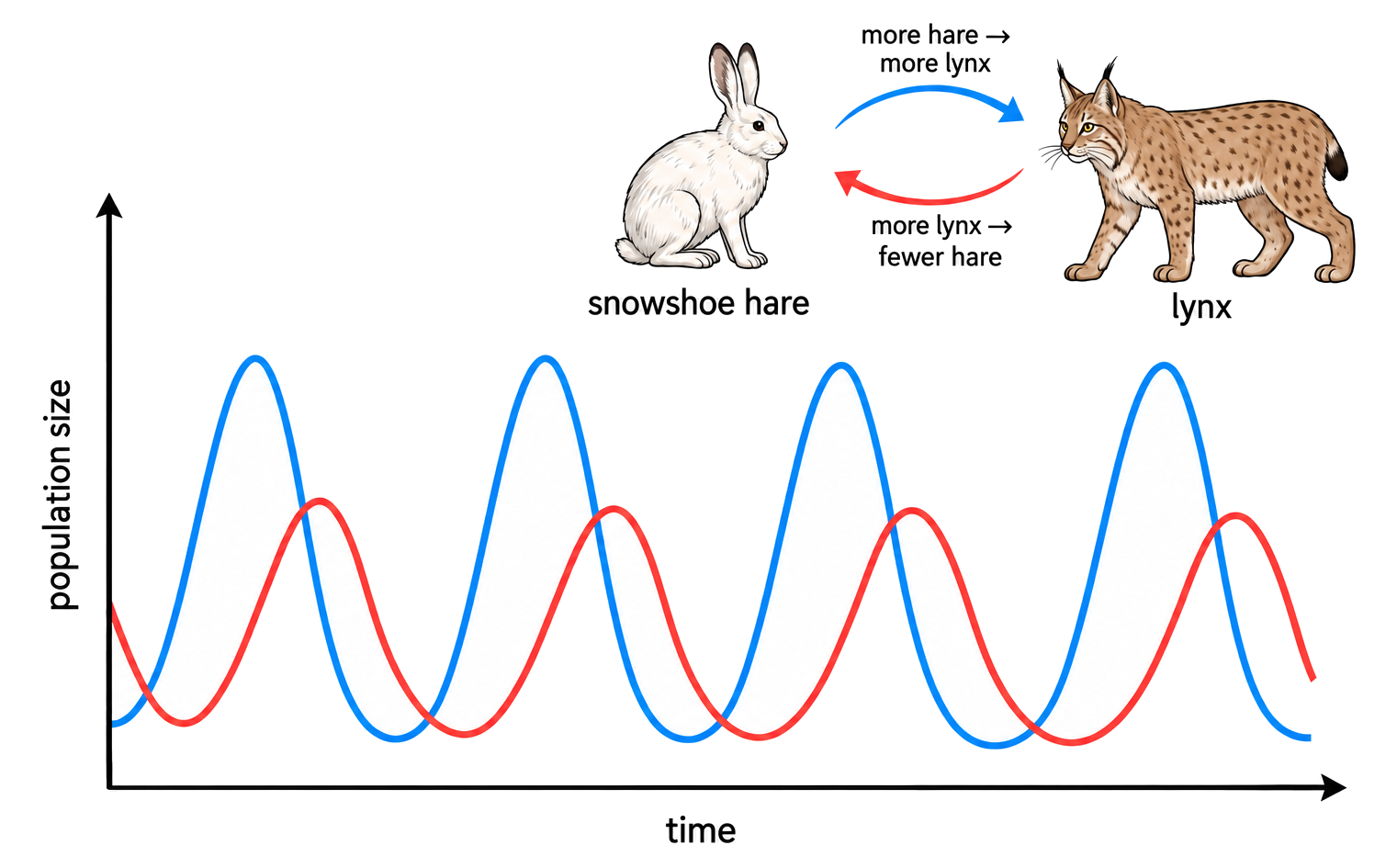
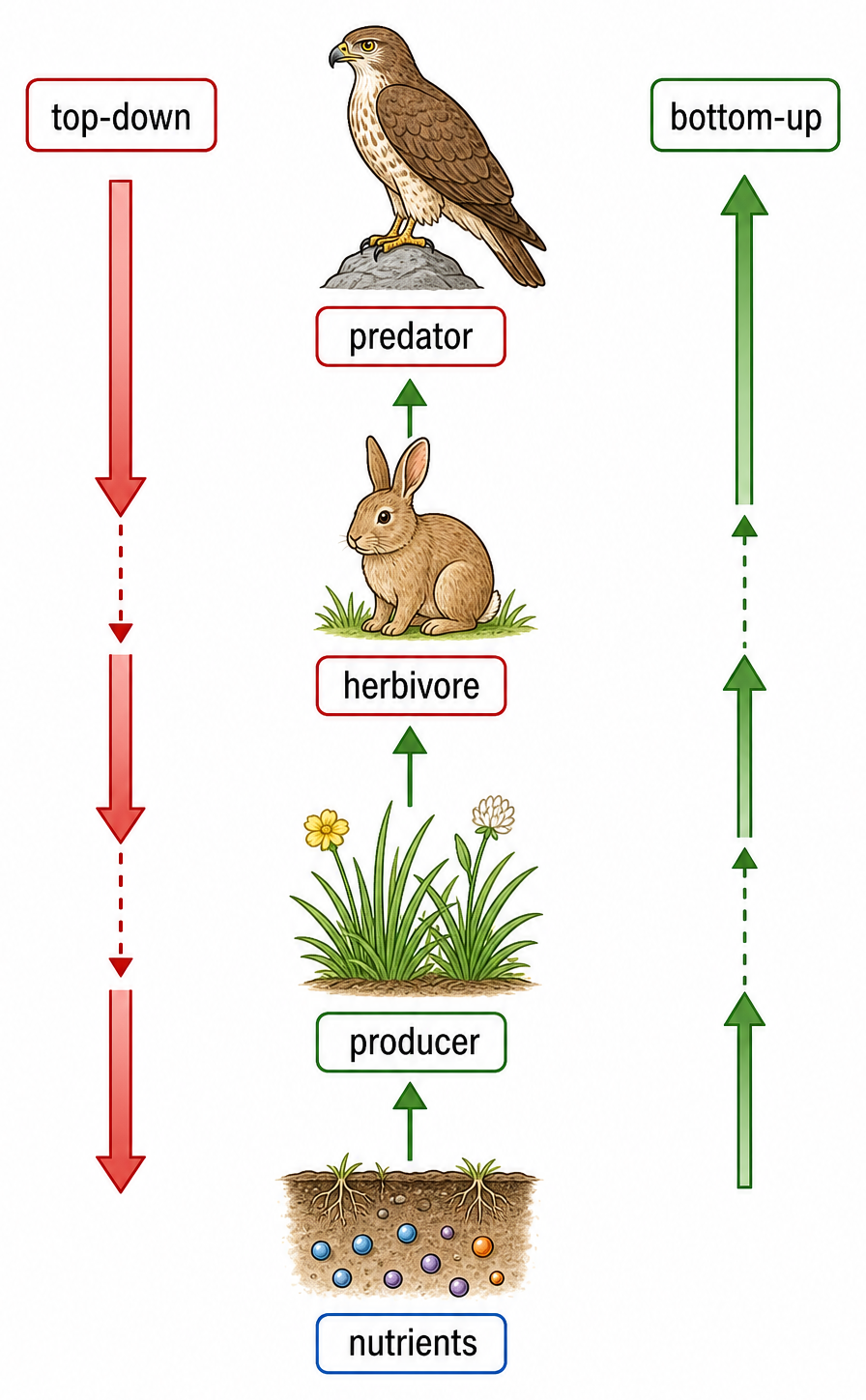
  • Predator peaks usually lag prey peaks; top-down control begins with consumers, while bottom-up control begins with resources or producers.

Concept essentials

  • Tests for interspecific competition must be linked to the correct ecological unit, method or species interaction.
  • The evidence for tests for interspecific competition depends on measurable abundance, distribution, survival or resource patterns.
  • Tests for interspecific competition is clearest when cause, ecological process and population outcome are kept distinct.
  • Field or graph evidence for tests for interspecific competition needs biological interpretation, not values alone.