Question 1(c)
Resources in Brazil
Between 2000 and 2020, Brazilian GDP, measured in US dollars ($), rose from $1.19 trillion to trillion at constant prices (2015). In the same period GDP per head rose from to at constant prices (2015).
The strength of the Brazilian economy lies in the variety and quantity of its natural resources. For example, Brazil is one of the world's largest exporters of agricultural commodities, mainly soya and beef. There are also significant exports of minerals. Brazil is the second largest iron ore producer in the world and extracts of the world's crude oil.
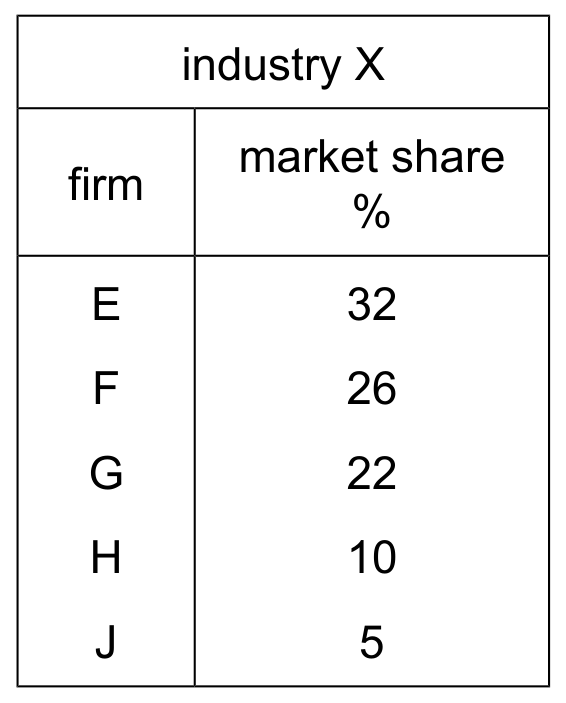
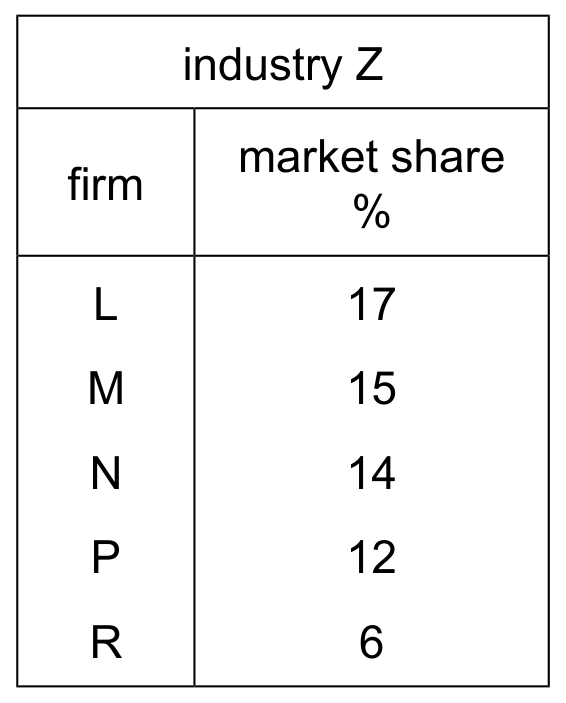
World agricultural markets are dominated by four large commodity traders that buy and sell products such as grain and soya. They have grown through both horizontal integration and vertical integration. These traders own many large farms, they process farm produce and transport it to trade on international markets. In addition to buying and selling, the traders provide seed and fertiliser to farmers and supply storage for their products. They use agricultural by-products to produce items like biofuel. These traders also provide financial services to these markets.
Commodity traders are very important to the development of complex global food markets. Food prices, access to scarce resources such as land and water, climate change and food security are all affected by the activities of traders. In Brazil, the output of 15000 farmers is purchased by a single trader.
In Brazil the development of agriculture, mining and oil extraction all contribute to environmental degradation. Both agriculture and mining have been accompanied by deforestation of the Amazon rainforest. Access roads to mining areas also lead to deforestation. Waste water from mining activity is frequently stored in reservoirs behind dams. On two occasions in the last 10 years these dams failed to hold back the water. This led to widespread flooding, the discharge of pollutants such as mercury into rivers, and deaths.
Sources: The Guardian, 23 August 2022
Cereal Secrets, Oxfam Research Report, August 2012
oec.world/en/profile, August 2023
Describe how the market structure in which individual farmers operate is likely to differ from the market structure in which the commodity traders operate.