Q BankQuestion BankDocsDocuments

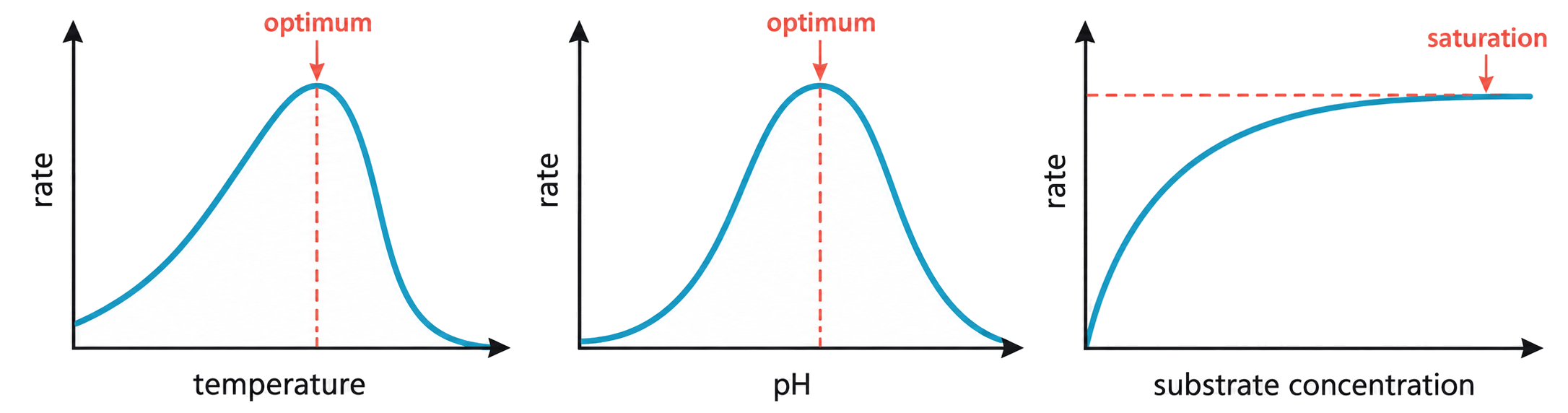
C1.2.6—Variables affecting rate

Respiration rate changes with metabolic demand, temperature, substrate, body size and oxygen availability, and can be measured experimentally, supporting usable cellular work and measurable biological activity.
Syllabus
First assessment 2025
Objective
C1.2.6
Level
SL

Exam analysis

Chance of appearing7%of analysed past papers
Latest appearanceNovember 2025
Most common paperPaper3
Typical marks1–2

Common command terms

  • Suggest
  • Explain
  • State
  • Describe
  • Identify
  • Outline
  • Calculate

Recent exam appearances

November 2025Paper1B ["SL"] · TZ33(d)[ 2 ]C1.2.6—Variables affecting rate
November 2025Paper1B ["SL"] · TZ33(c)[ 1 ]C1.2.6—Variables affecting rate
November 2025Paper1B ["SL"] · TZ33(b)[ 1 ]C1.2.6—Variables affecting rate
November 2025Paper1B ["SL"] · TZ33(a)[ 1 ]C1.2.6—Variables affecting rate
November 2024Paper3 ["SL"] · TZ21(e)[ 2 ]C1.2.6—Variables affecting rate
Practice this objective

Coverage 2011–2025 · Updated 15 Jul 2026

Concept essentials

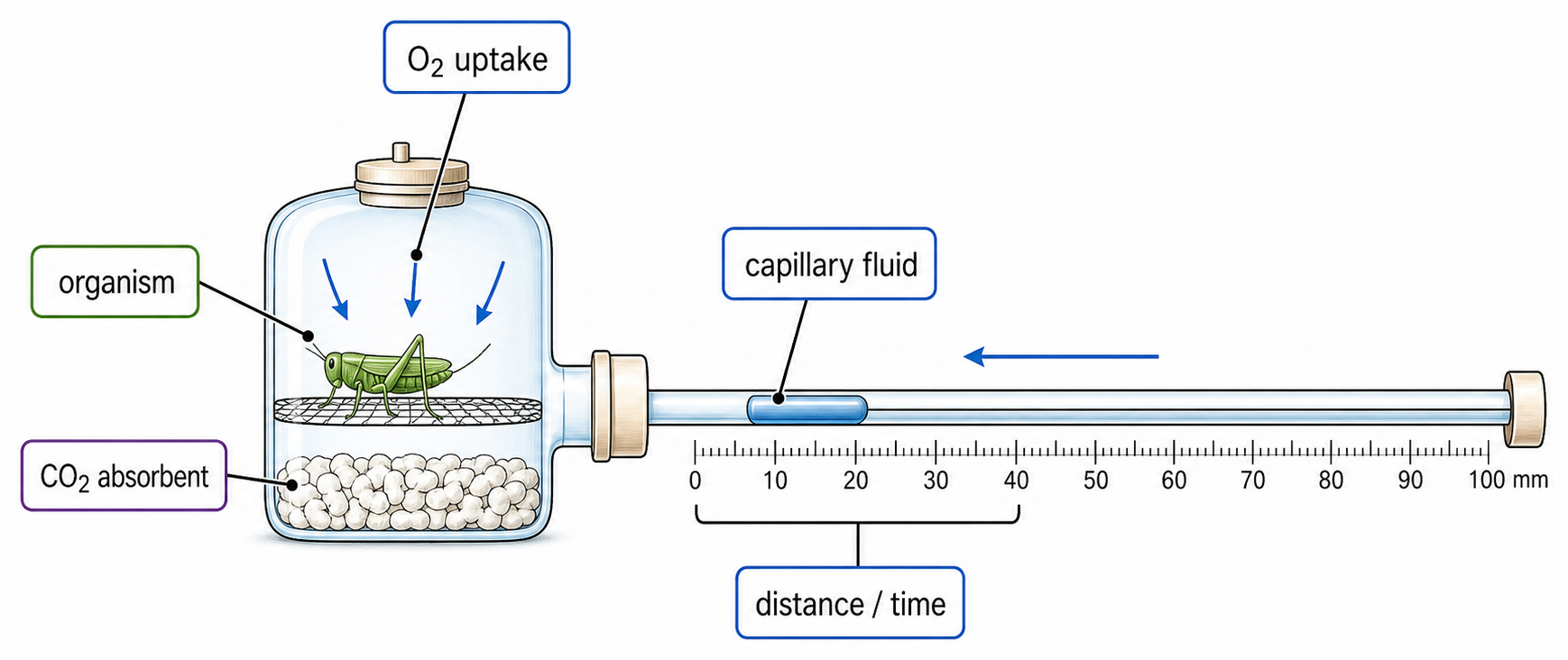
  • Respiration rate can be measured from oxygen uptake or carbon dioxide production over time.
  • Soda lime absorbs carbon dioxide so volume change reflects oxygen consumption.
  • Temperature must be controlled because gas volume and respiration rate both depend on it.
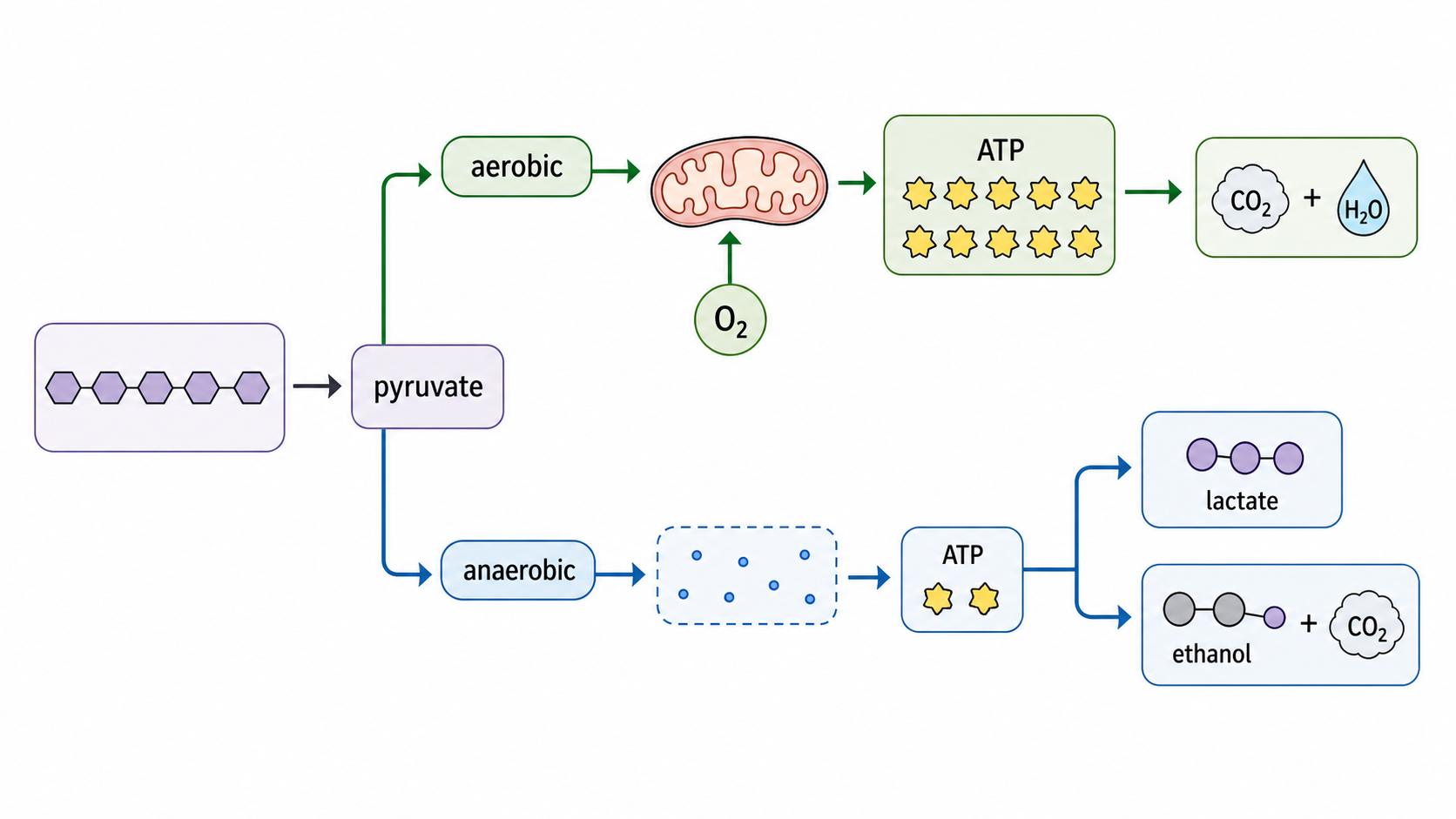
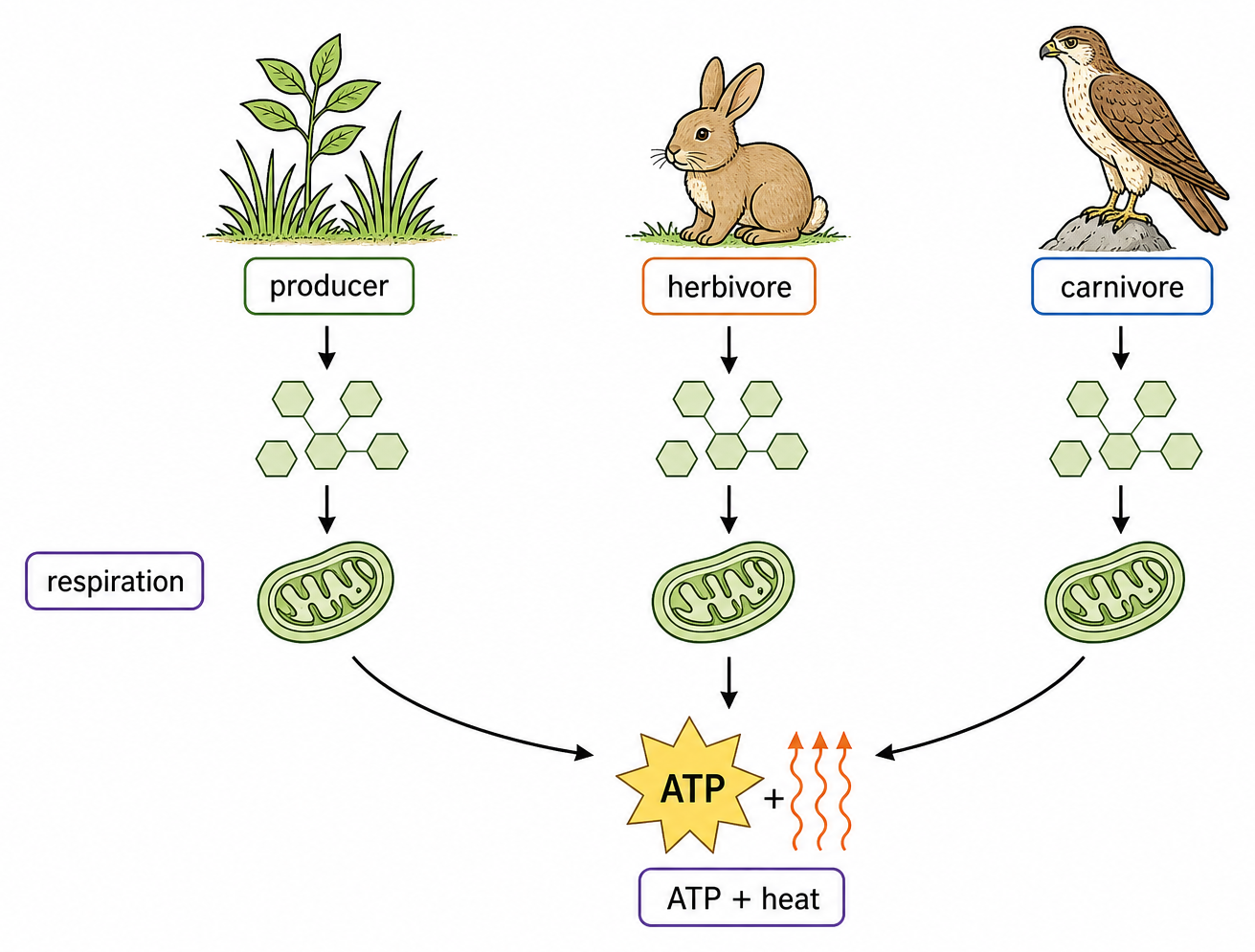
  • Higher metabolic demand usually increases oxygen use and ATP production.
ConceptIB Biology SL