C1.2.3—ATP ↔ ADP interconversions

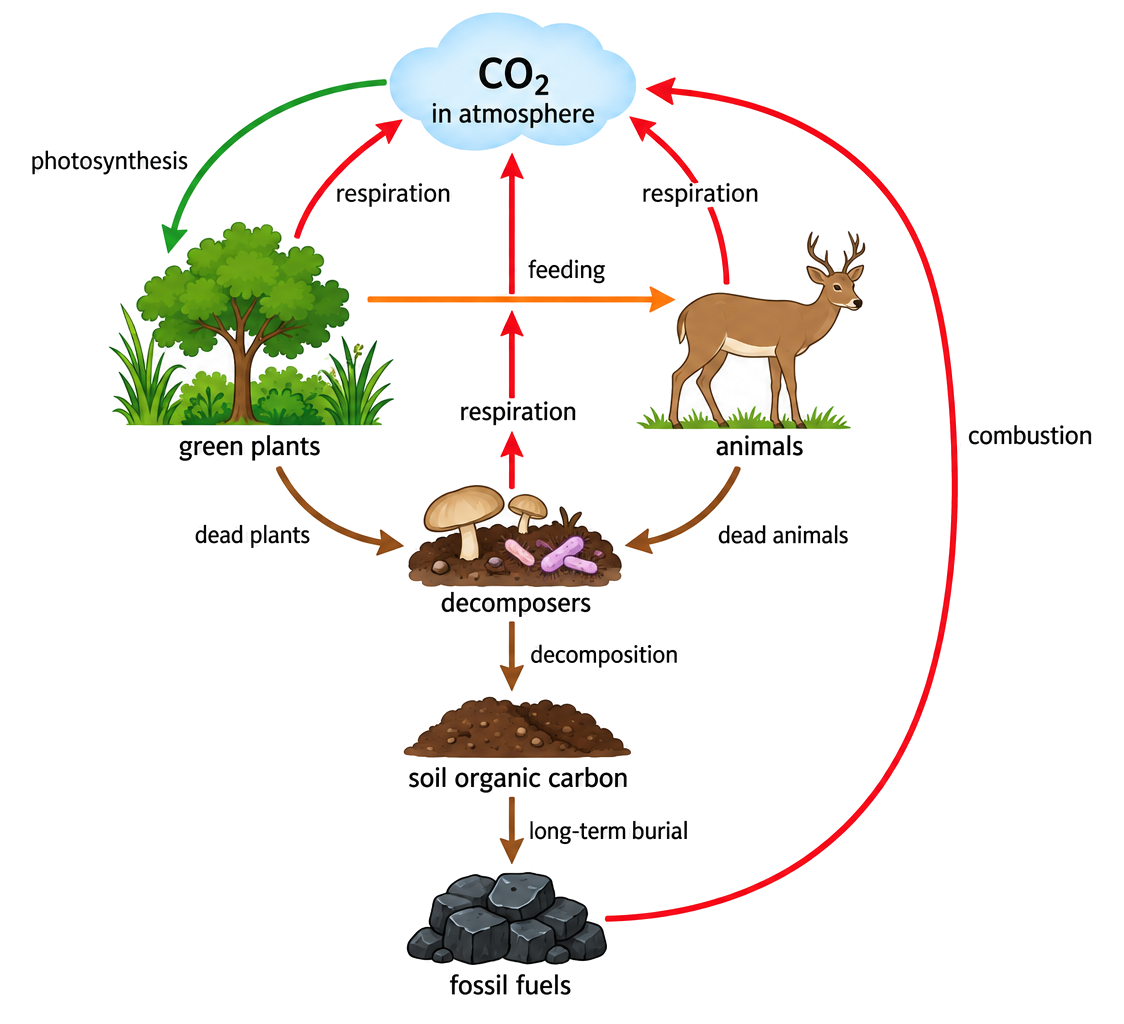
ATP and ADP interconvert as ATP hydrolysis releases energy, while respiration and photosynthesis regenerate ATP from ADP and phosphate, supporting usable cellular work and measurable biological activity.

Syllabus
First assessment 2025
Objective
C1.2.3
Level
SL

Exam analysis

Chance of appearing2%of analysed past papers
Latest appearanceMay 2025
Most common paperPaper1
Typical marks1–3

Common command terms

  • Identify
  • State

Recent exam appearances

May 2025Paper1B ["SL"] · TZ13(c)[ 3 ]C1.2.3—ATP ↔ ADP interconversions
November 2021Paper2 ["SL"] · TZ04(b)(i)[ 1 ]C1.2.3—ATP ↔ ADP interconversions
November 2017Paper1 ["SL"] · TZ012[ 1 ]C1.2.3—ATP ↔ ADP interconversions
Practice this objective

Coverage 2017–2025 · Updated 15 Jul 2026

Use And Recycle ATP

ATP hydrolysis/phosphorylation cycle with examples of cell work.

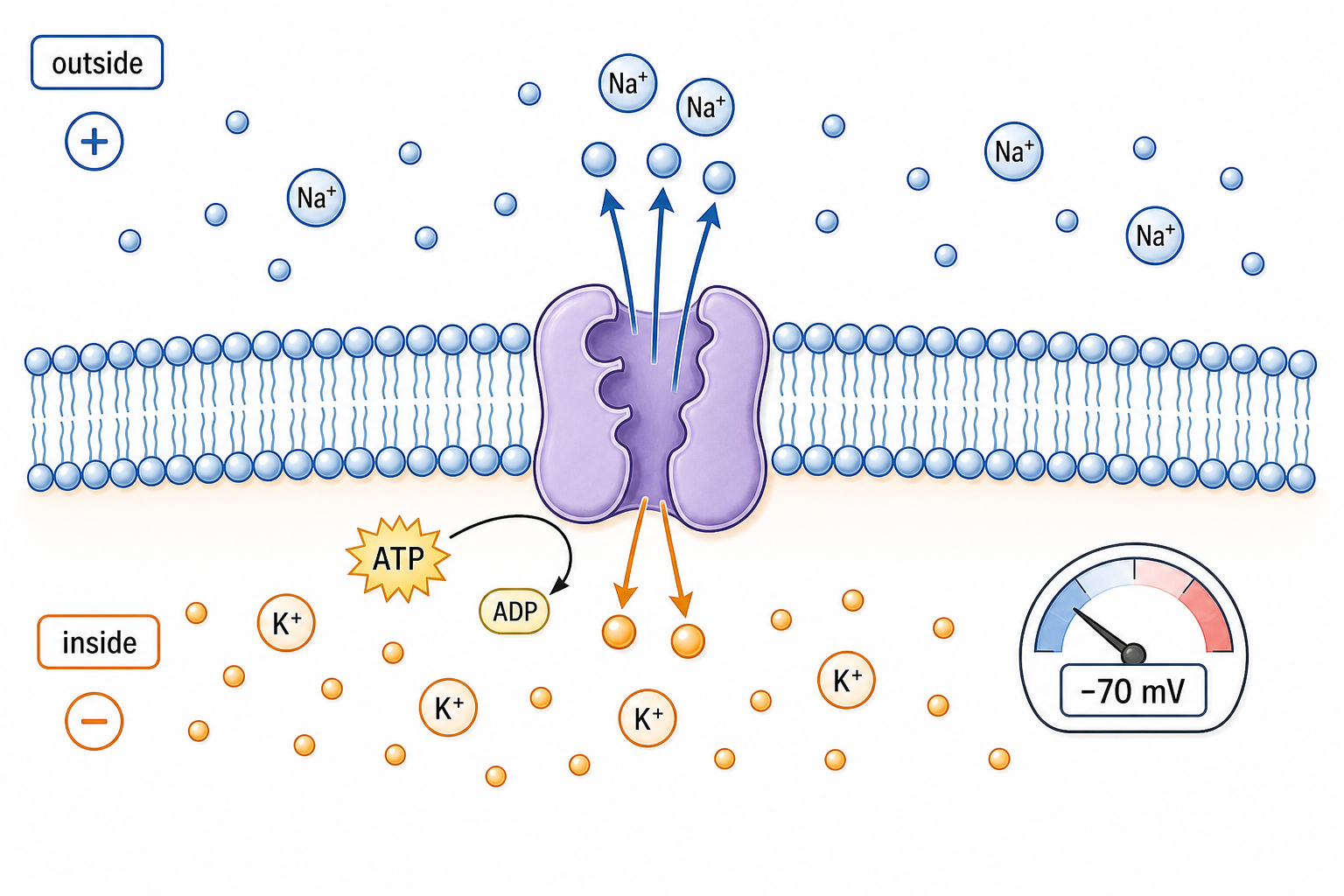
Hydrolysis of adenosine triphosphate (ATP) to adenosine diphosphate (ADP) and inorganic phosphate releases energy that can be coupled to cell work.

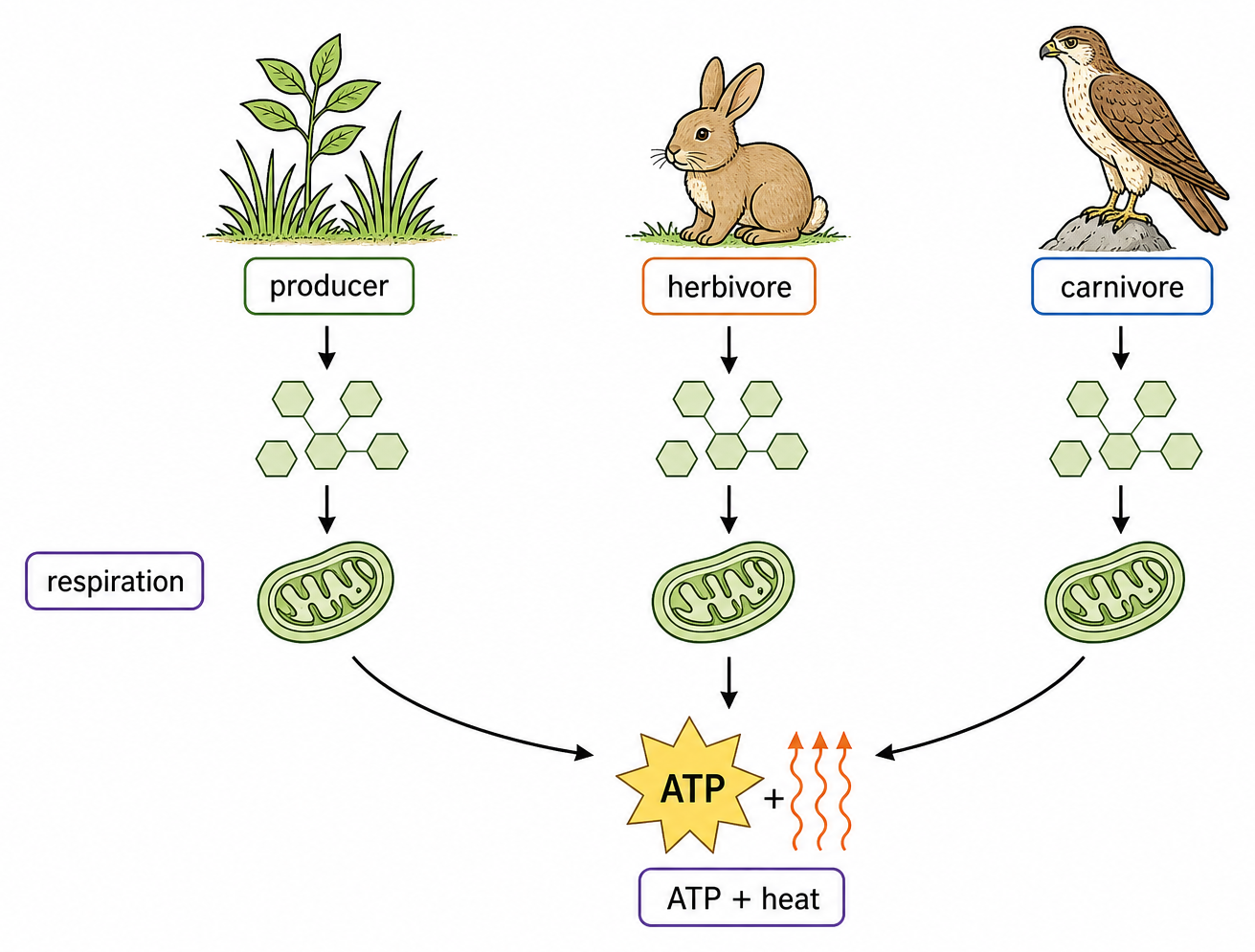
Energy from respiration is required to phosphorylate ADP + phosphate back to ATP. Rapid ATP ↔ ADP cycling links energy-yielding reactions to energy-requiring processes without requiring a large ATP store.

ATP supplies active transport across membranes, anabolic synthesis of macromolecules, movement of whole cells and movement of components such as chromosomes or motor proteins.
ATP hydrolysis powers a membrane pump; respiration then provides energy for ADP + Pi → ATP, allowing the same carrier system to support another round of transport.
ATP hydrolysis releases sufficient energy for many cell tasks, but a numerical kilojoule value is not required. ATP is recycled rather than used once.

ATP ↔ ADP interconversions

Assessment in practice

1–3 marks
How it is assessed

This objective is assessed through multiple choice, commonly using Identify / State.

Command terms

Identify / State

What earns marks

Build the answer around this relationship: ATP hydrolysis releases energy for cellular work.

Representative question

Question 1

[Maximum number: 1]

Which reaction does not cause a net release of energy?

A

ADP combines with inorganic phosphate to form ATP

B

ATP releases inorganic phosphate to form ADP

C

Loss of hydrogen from reduced NAD

D

Oxidation of reduced FAD

SL Transfer: Explain Core Respiration

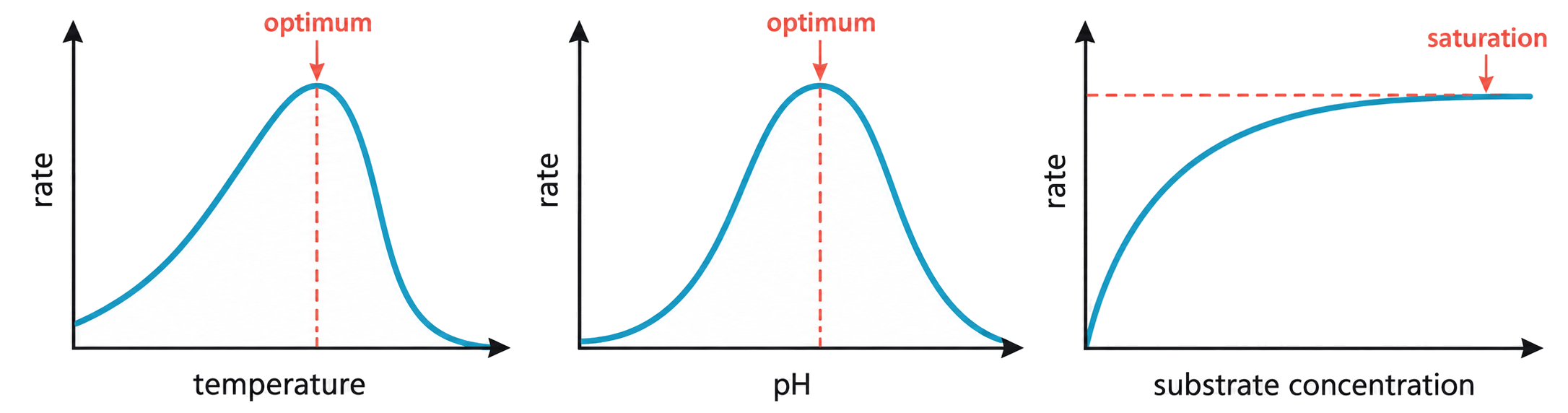
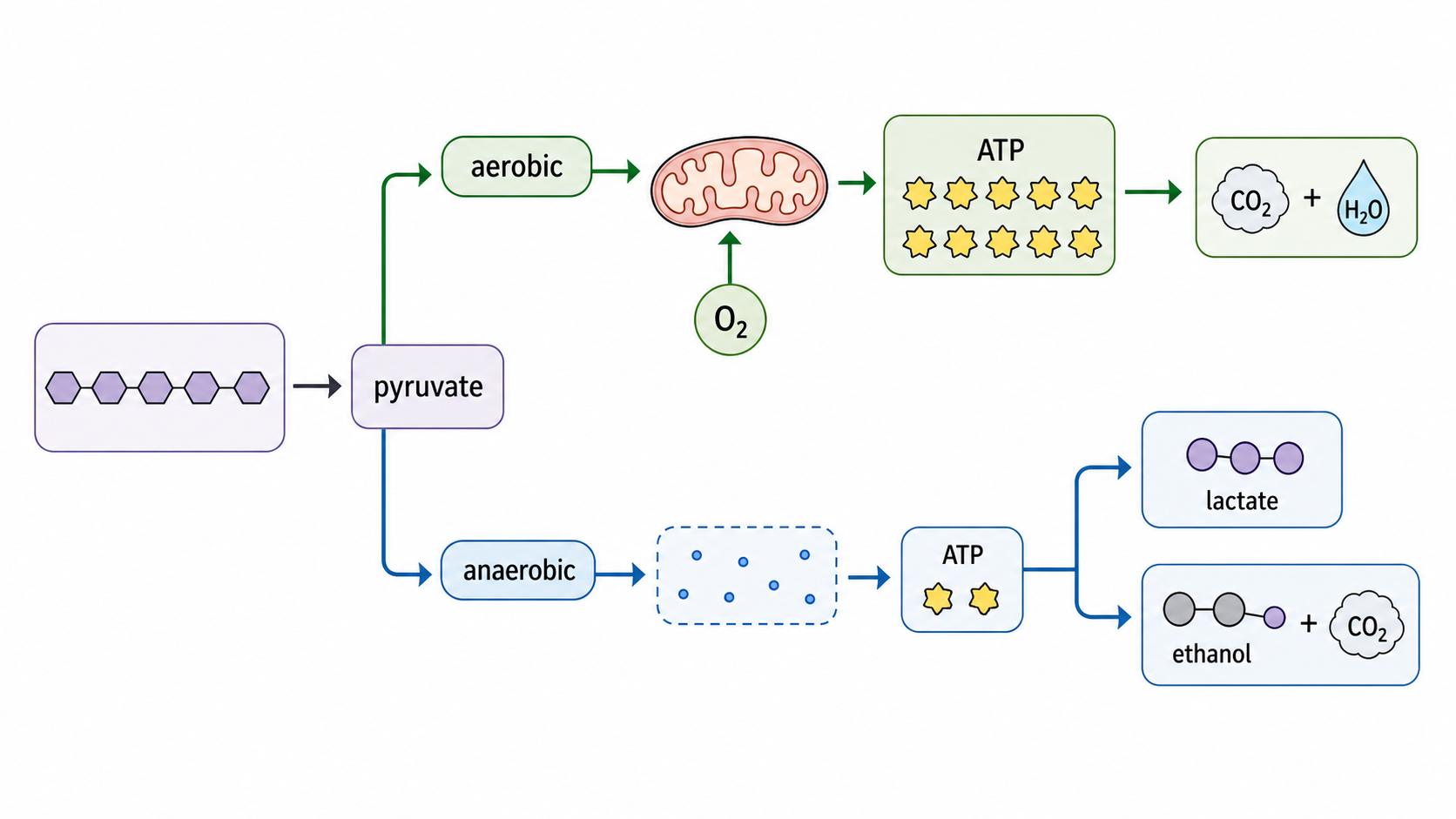
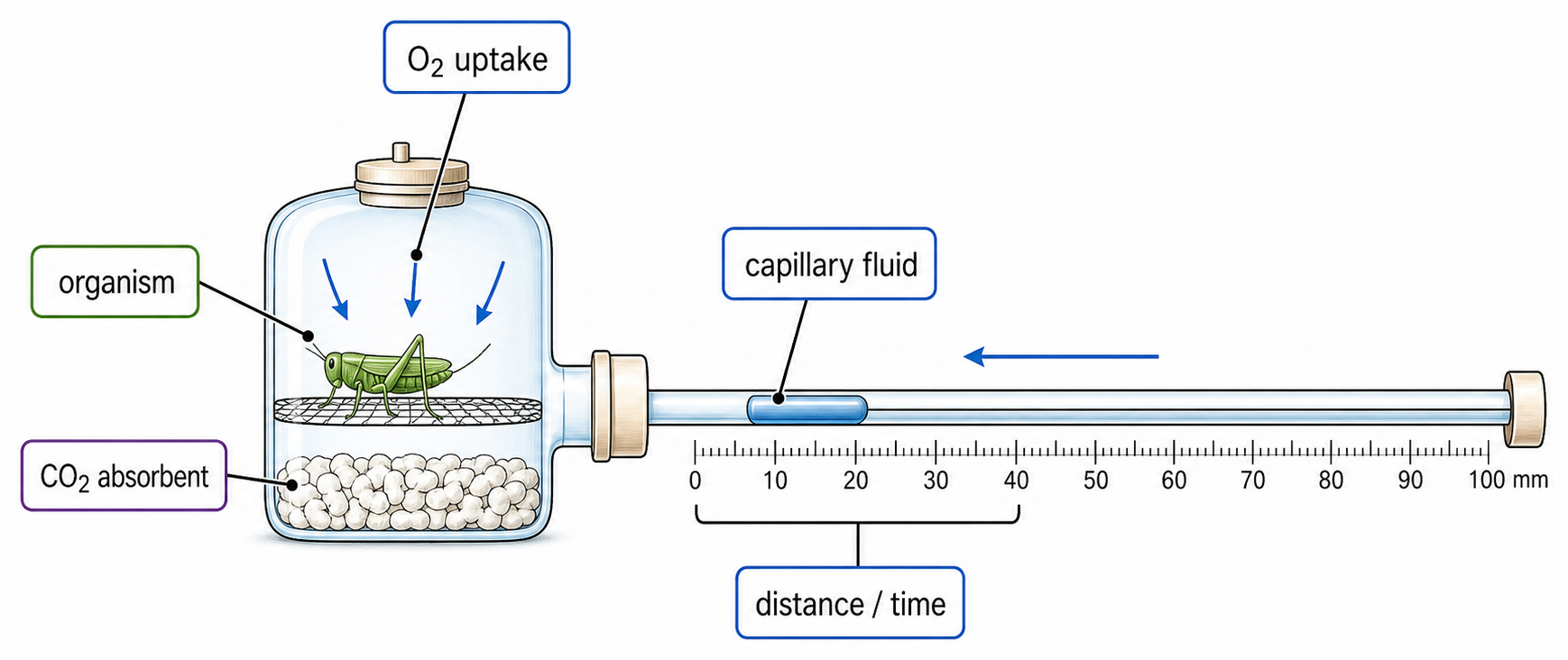
ATP is the immediate energy carrier; hydrolysis powers cell work and phosphorylation reloads ATP. Cell respiration transfers energy from carbon compounds into ATP in controlled steps. Aerobic respiration in humans uses oxygen and mitochondria for high ATP yield, while anaerobic respiration in cytoplasm produces lactate and low ATP. Rate evidence comes from oxygen uptake or carbon dioxide production per unit time. Examples include membrane pumps, macromolecule synthesis, and chromosome movement. Rate depends on metabolic demand, organism size, oxygen, substrate, temperature, and pH.

  • Use ATP as the link between respiration and life processes such as active transport, biosynthesis, movement, and homeostasis.
  • Compare aerobic and anaerobic respiration by oxygen use, location, ATP yield, and product in humans.
  • For rate questions, name the variable, measurement per unit time, and controlled variables.

Concept essentials

  • ATP hydrolysis releases energy for cellular work.
  • ADP plus inorganic phosphate can be phosphorylated to form ATP.
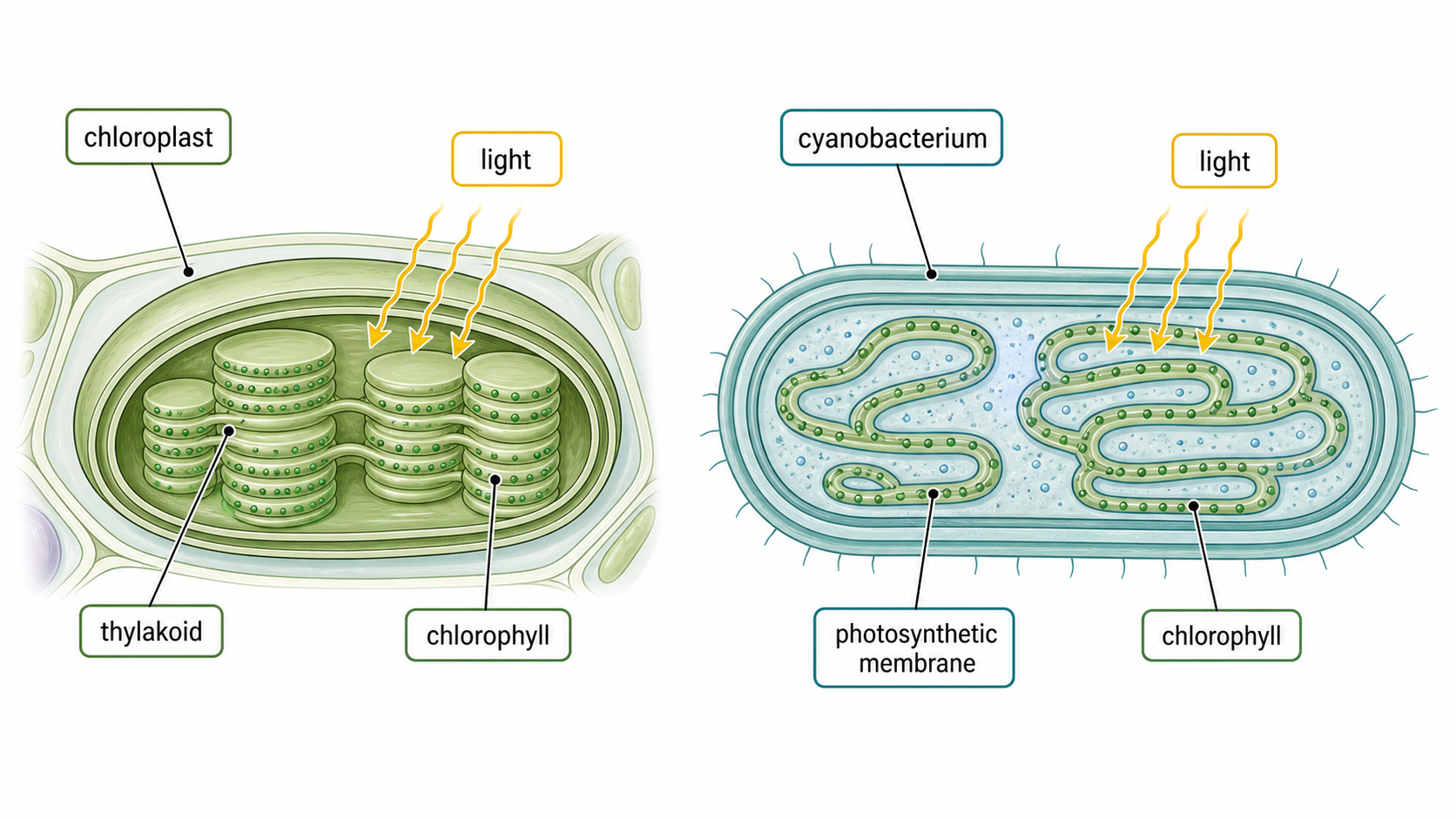
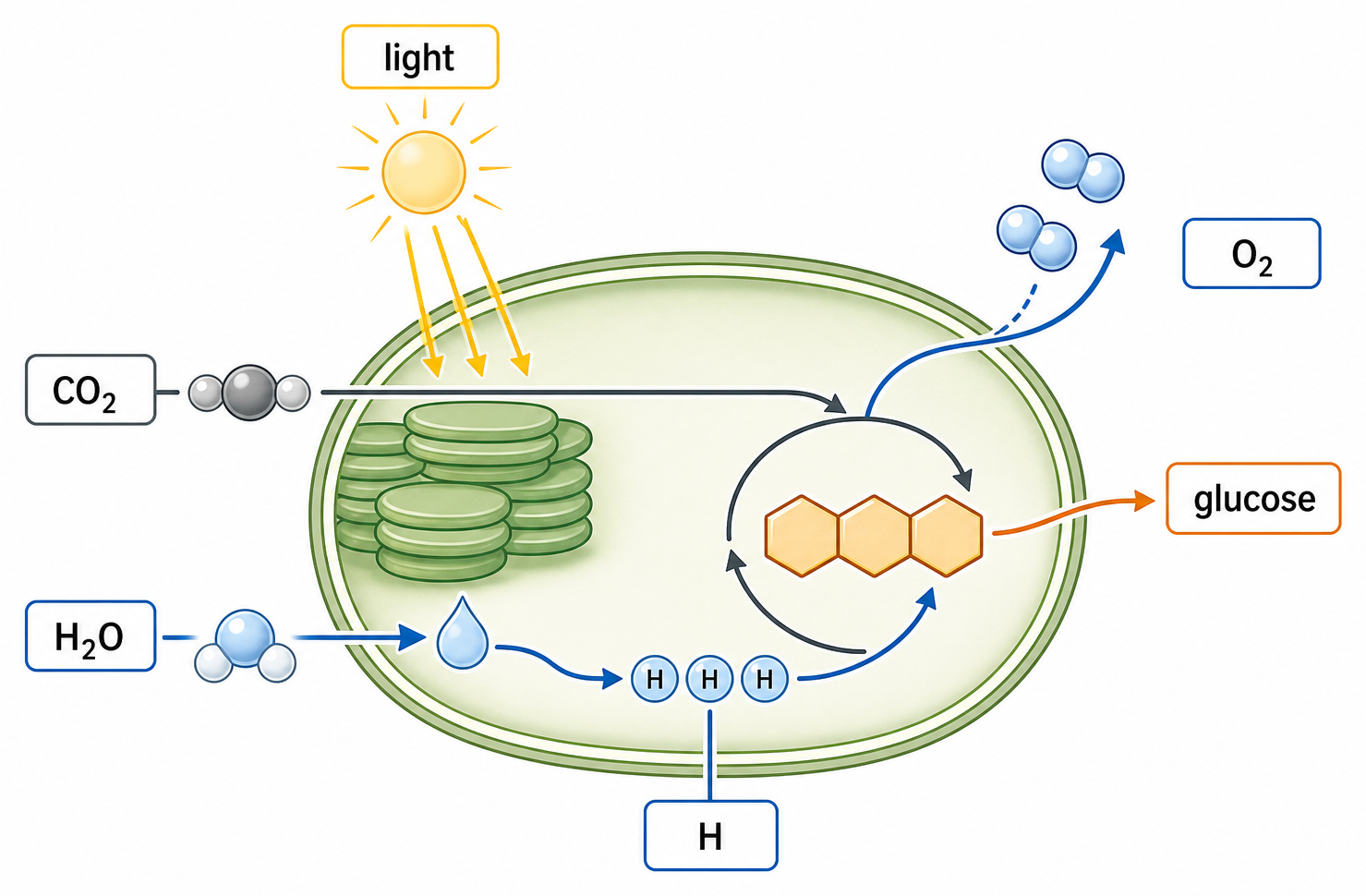
  • Respiration and photosynthesis can produce ATP.
  • ATP is rapidly regenerated rather than permanently stored.