IB Physics SL E.1.6 Spectra & composition
Practise explaining how astronomers use stellar spectra, especially line positions, to infer which elements are present in stars.
- Syllabus
- First assessment 2025
- Objective
- —
- Level
- SL
Practise explaining how astronomers use stellar spectra, especially line positions, to infer which elements are present in stars.
The diagram shows a simplified energy-balance model for the Earth surface–atmosphere system.
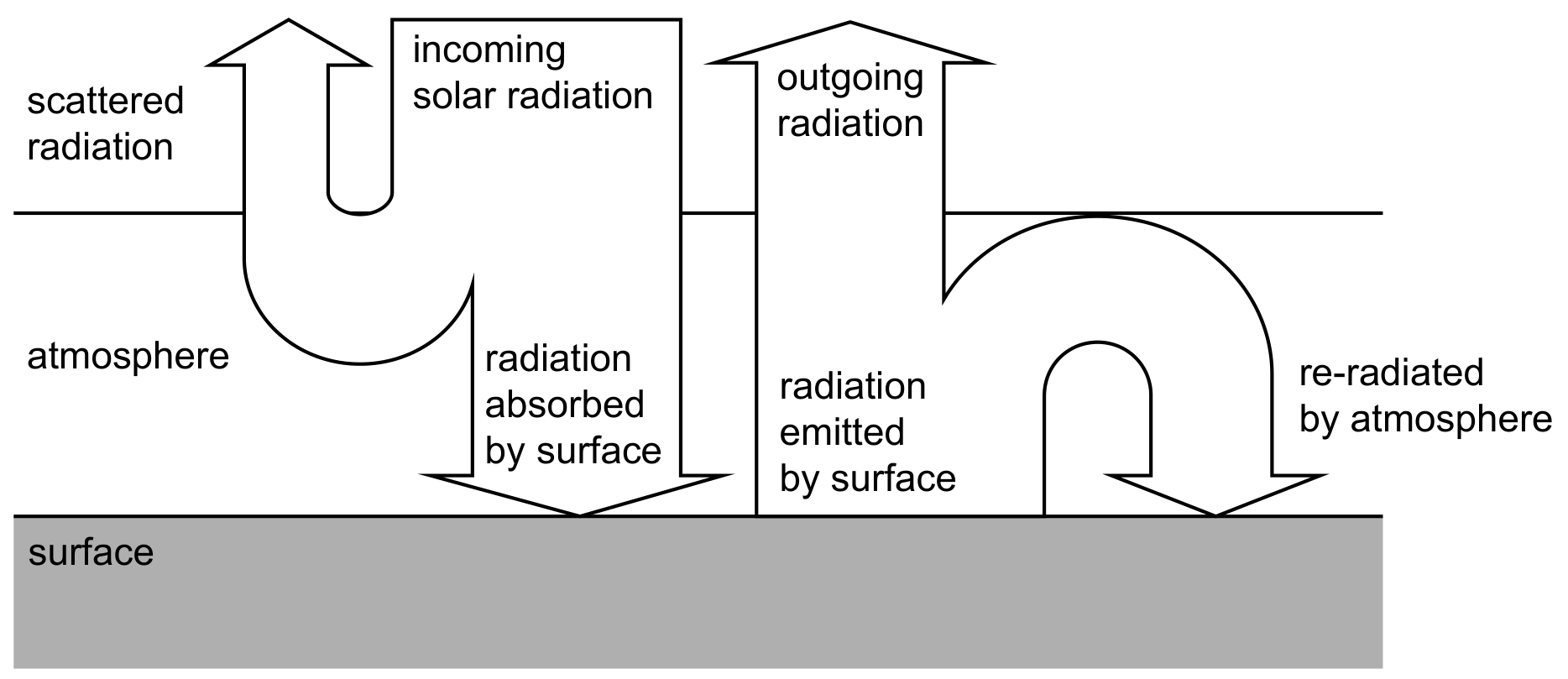
The following data are given:
The primary energy source of the Sun is the proton-proton (p-p) chain of fusion reactions. Four protons and two electrons produce a helium nucleus together with neutrinos and gamma photons. The overall reaction is:
Outline how the presence of helium in the Sun can be confirmed empirically.