EduNinja

IGCSE Biology Extended20.4.9—Risks to a species if its populationTopic Practice

20.4.9—Risks to a species if its population

• Explain the risks to a species if its population size decreases, reducing genetic variation (knowledge of genetic drift is not required)

Question 5(c)

[Maximum number: 3]

The giant quiver tree, Aloe pillansii, shown in Fig. 5.1, is an endangered species.
These long-lived trees grow in harsh environments. Some populations of A. pillansii are found within the Richtersveld National Park, but one population is found just outside on a mountain called Cornell's Kop in southern Africa.
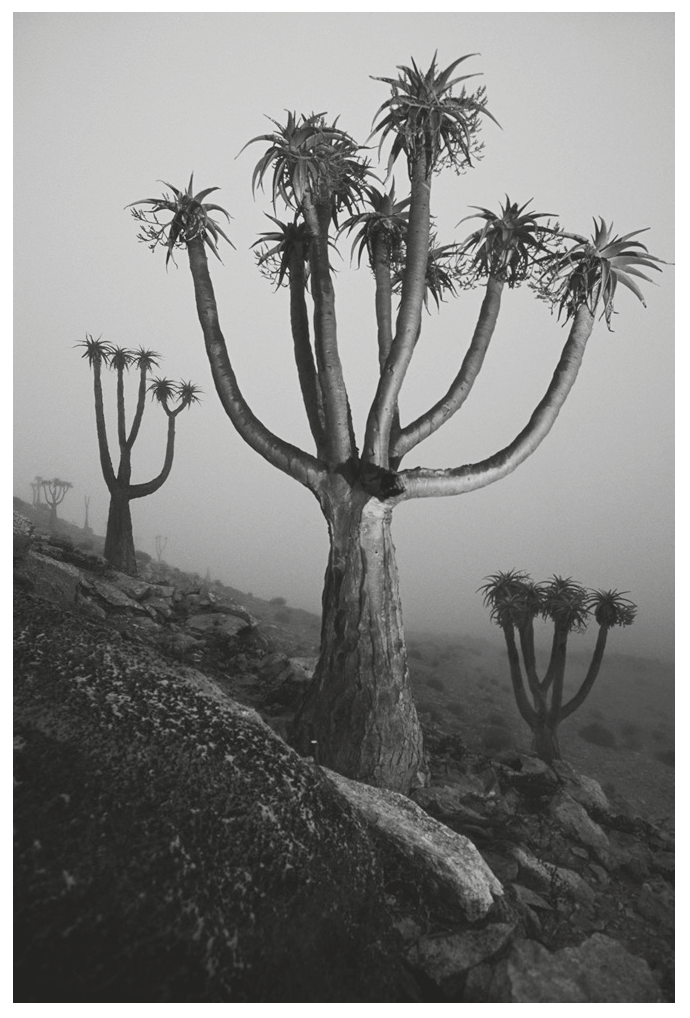
Fig. 5.1

Fig. 5.1

It was estimated in 2005 that the total number of giant quiver trees in the wild was less than 3000 , which is considered to be very low compared with other tree species.

Explain the risks to a plant species of having very small numbers.
Question 4(d)

[Maximum number: 3]

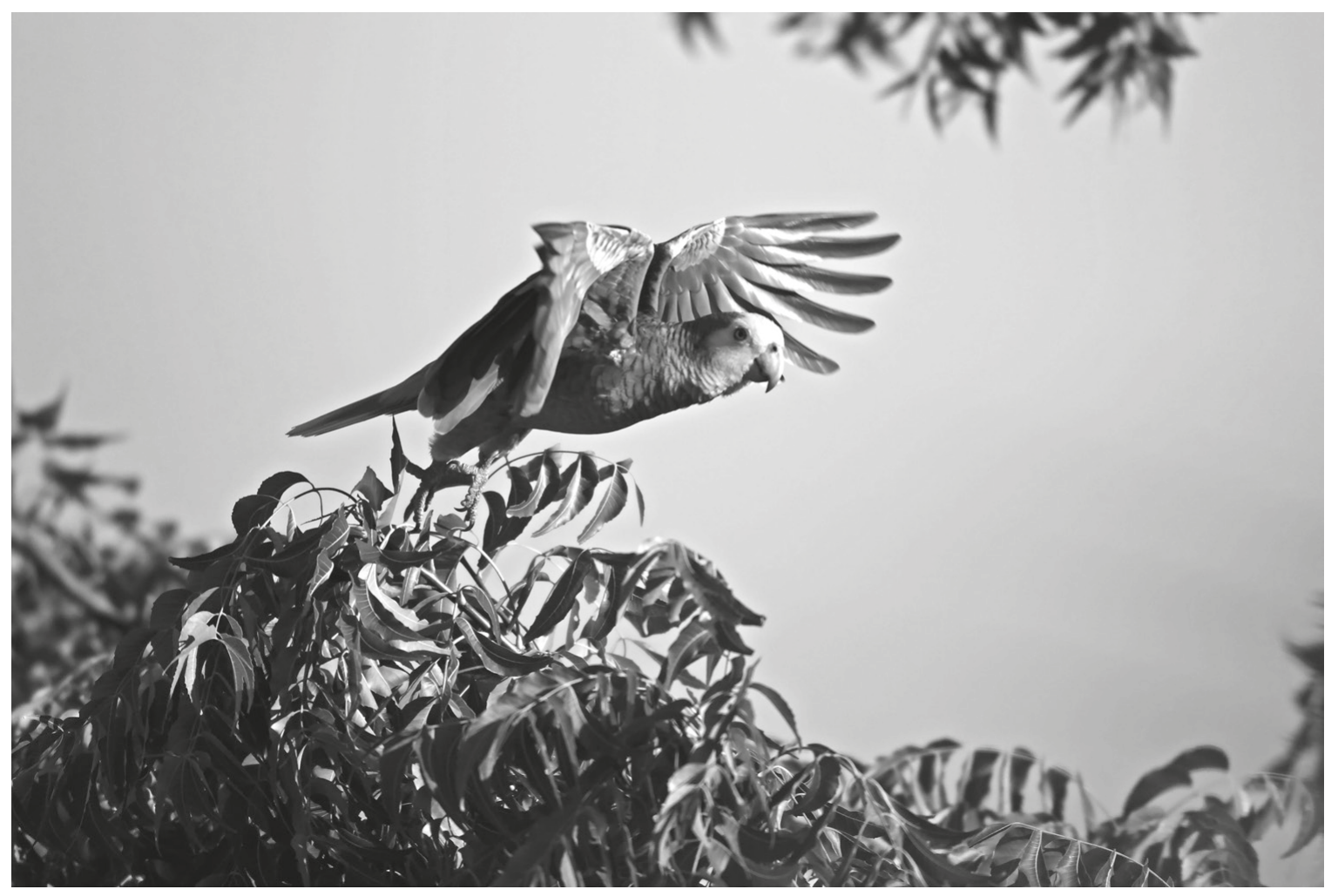
Fig. 4.1 is a photograph of a yellow-shouldered Amazon, Amazona barbadensis, a species of parrot found along the Venezuelan coast of the Caribbean.

Fig. 4.1

Fig. 4.1

Some captive breeding programmes involve very small numbers of animals.

Outline the disadvantages of such programmes.

Question 5(d)

[Maximum number: 3]

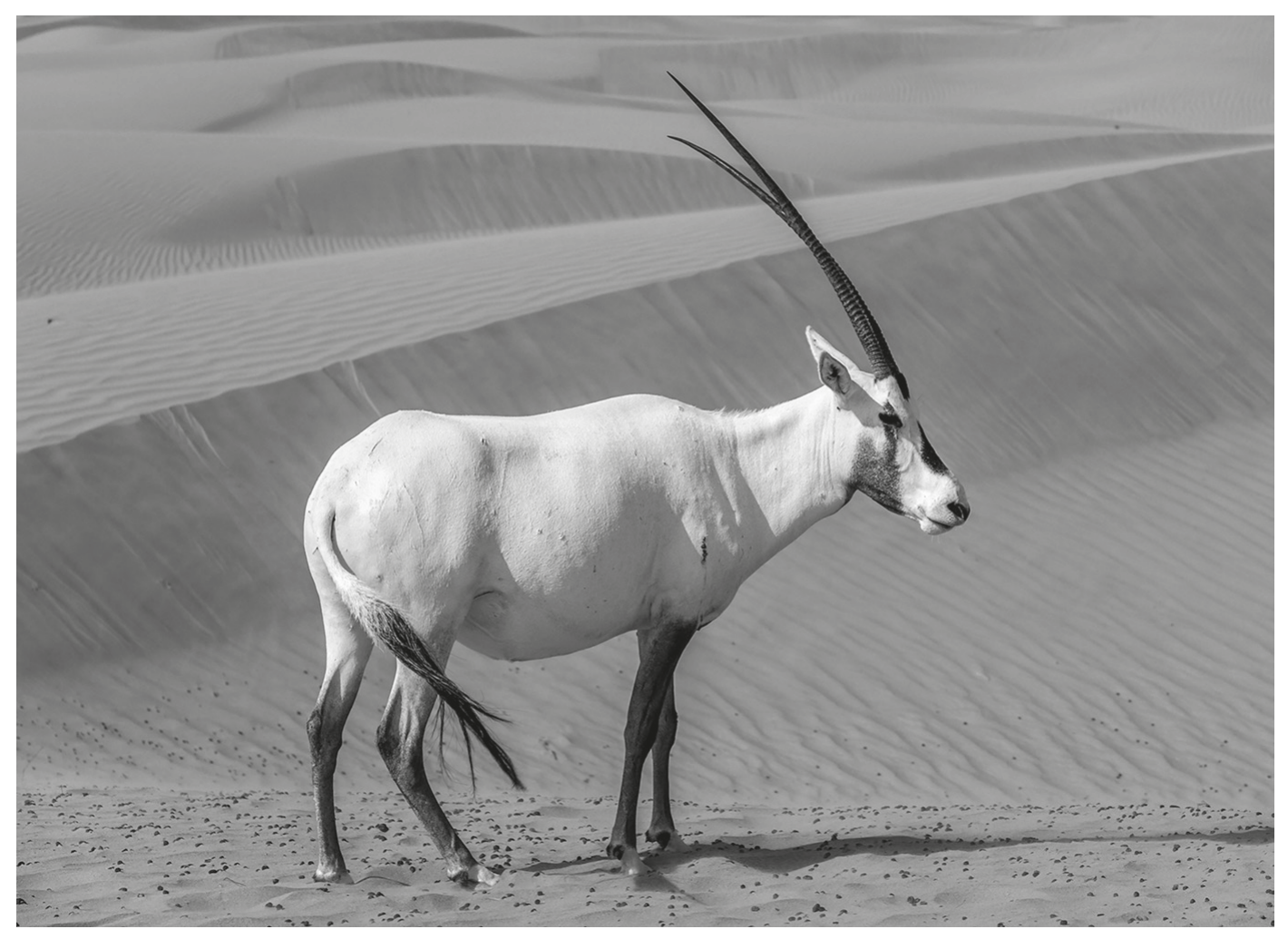
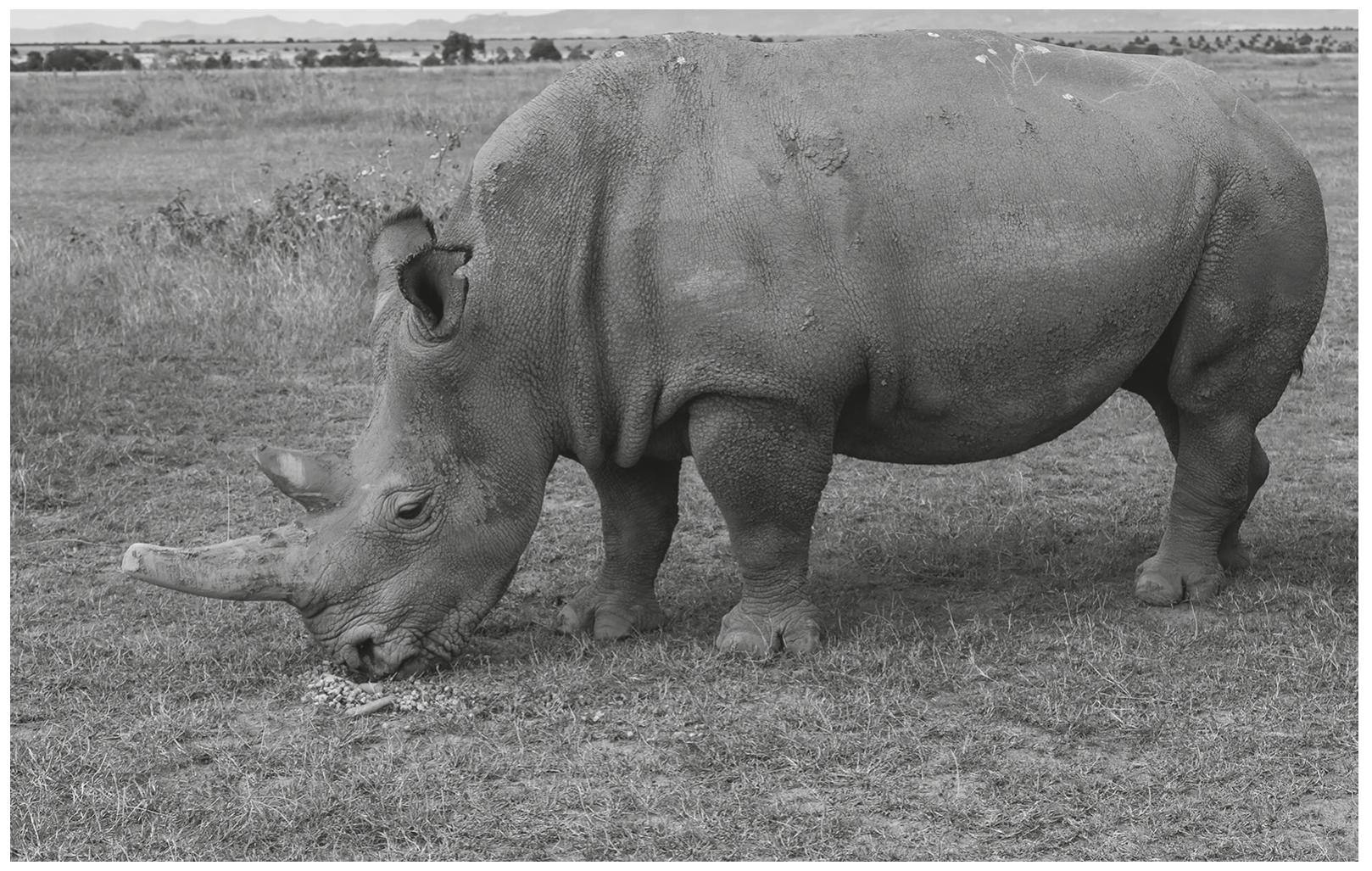
The Arabian oryx and the northern white rhinoceros are both mammals.
Fig. 5.1 is a photograph of an Arabian oryx. Fig. 5.2 is a photograph of a northern white rhinoceros.

Fig. 5.1

Fig. 5.1

Fig. 5.2

Fig. 5.2

Explain the risks to the northern white rhinoceros species as a result of its population size.

Question 5(b)

[Maximum number: 3]

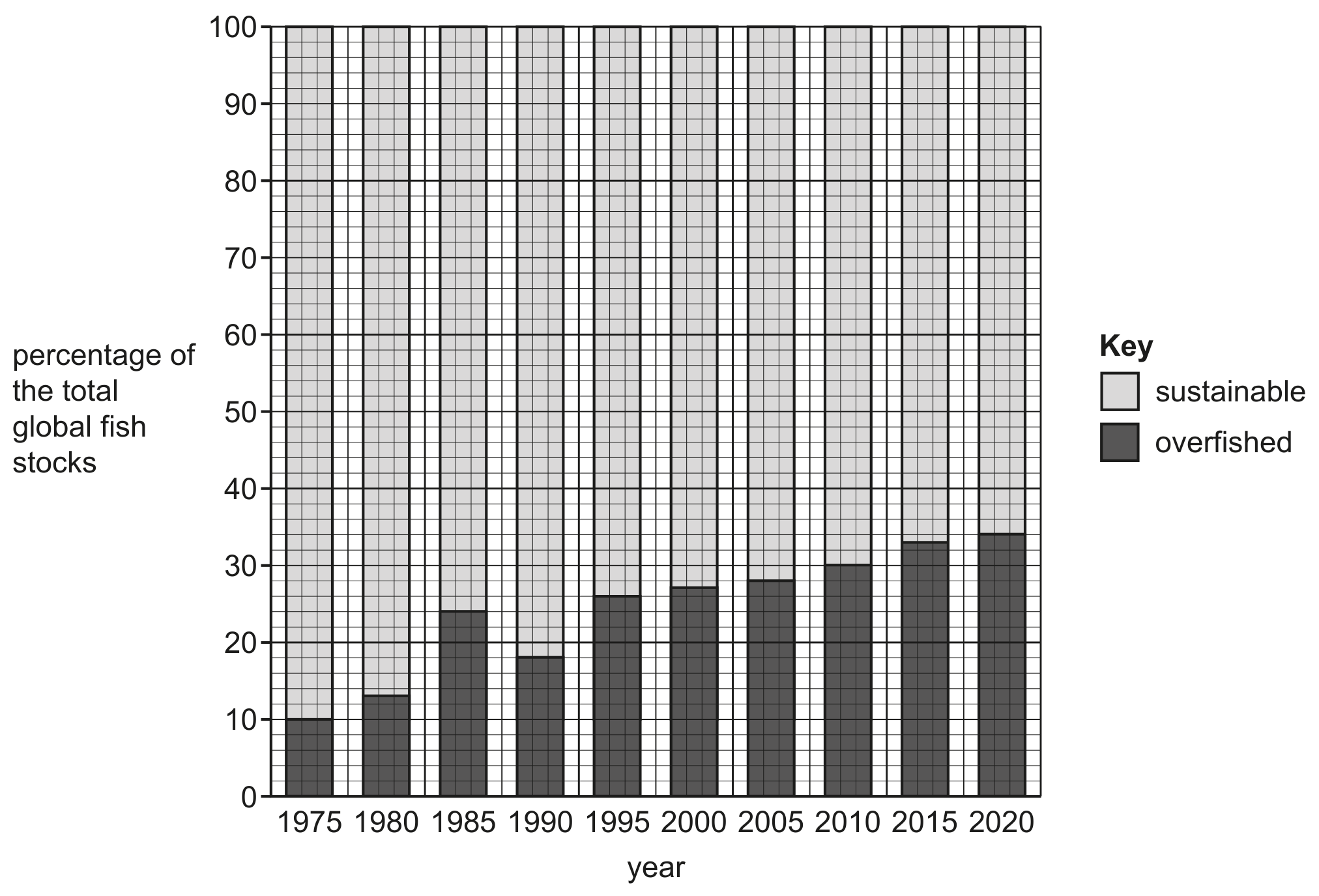
Fig. 5.1 shows the changes in the percentage of the total global fish stocks that are overfished and those that are sustainable.

Fig. 5.1

Fig. 5.1

Overfishing is one reason why populations of fish decline.

Explain the risks to a species if its population size decreases.

0 selected