EduNinja

IGCSE Biology Extended4.1 Biological moleculesTopic Practice

4.1 Biological molecules

CAIE IGCSE Biology Extended 4.1 Biological molecules question practice helps you revise this syllabus point with the course map in view. Use this page to focus on one topic, check the style of questions available, and connect each attempt back to the knowledge area it is testing.

EduNinja keeps Biology practice aligned to CAIE at Extended level, so you can move from topic review into exam-style question bank work without losing the syllabus structure. Start with a small set, mark the weak steps, then return to nearby topic links when a definition, graph, calculation, or explanation needs repair.

Question 1(d)(iii)

[Maximum number: 2]

Fig. 1.1 and Fig. 1.2 show two images of villi.
Fig. 1.1 shows a surface view of many villi viewed through a scanning electron microscope.
Fig. 1.2 shows a section of one villus viewed through a light microscope.
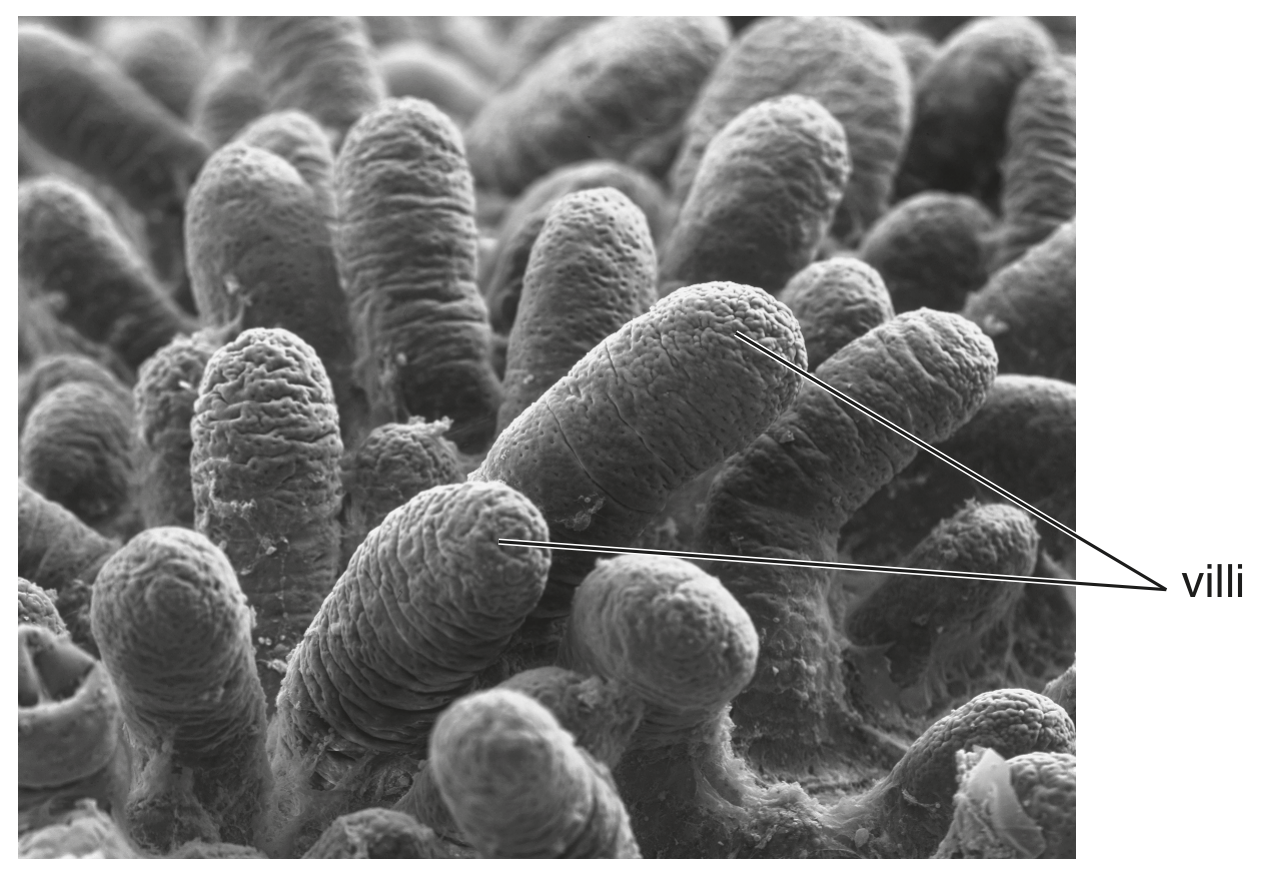
Fig. 1.1
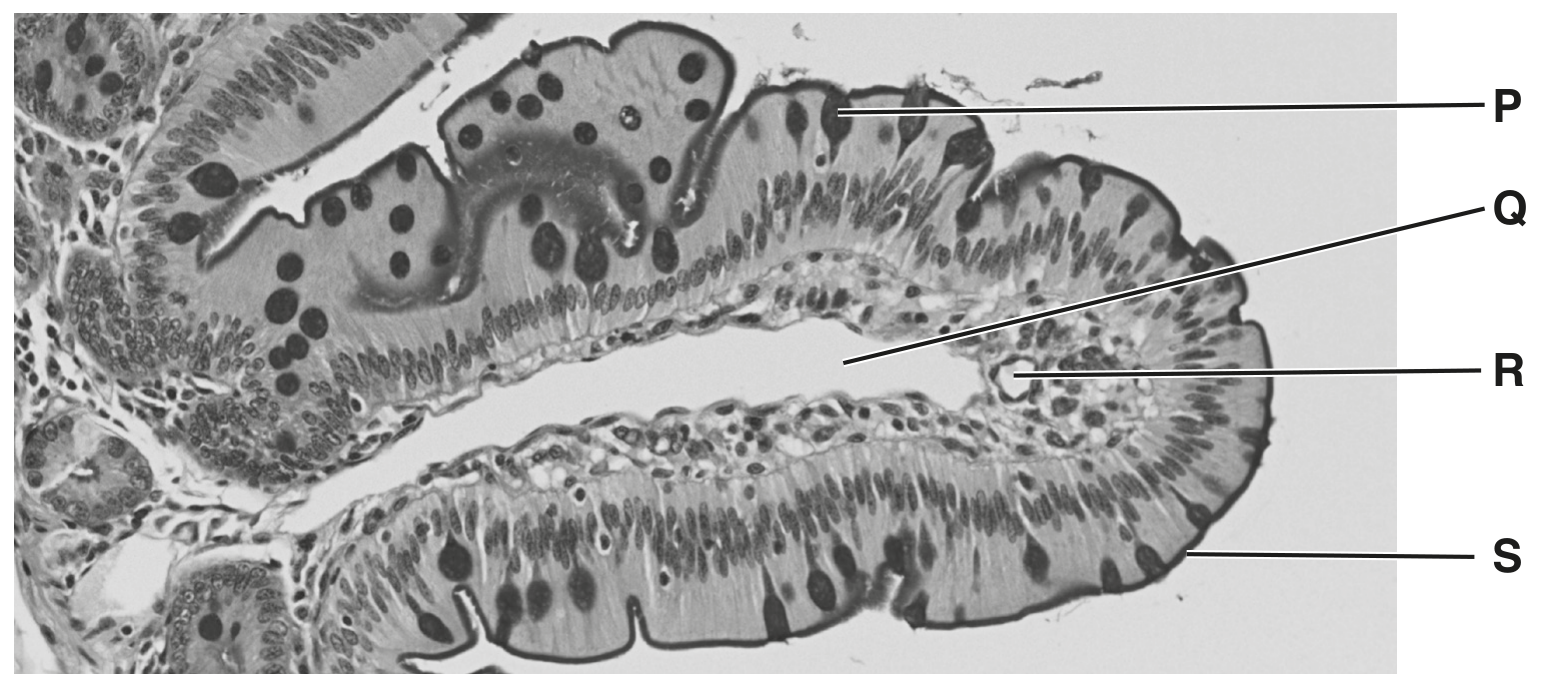
Fig. 1.1

Fig. 1.2

Fig. 1.2

Villi are found in the small intestine.

Amino acids are an example of a type of nutrient transported in the blood.

State two examples of larger molecules found in cells that are made from amino acids.
1
2

Question 1(c)(i)

[Maximum number: 1]

Two functions of the alimentary canal are mechanical digestion and chemical digestion.

Substances that are absorbed from the alimentary canal may enter cells and become part of the cells.

State the storage carbohydrate made from glucose in liver cells.

Question 1(a)(i)

[Maximum number: 1]

The main component of milk is a liquid that is an important solvent in the body.
State the name of this solvent.

Question 1(b)(i)

[Maximum number: 1]

Enzymes are used in genetic engineering.

The process of genetic engineering often starts with the steps shown in Fig. 1.1.

Question image
Question image
Fig. 1.1

Fig. 1.1

State the sequence of bases on the lower strand of the DNA molecule in step 1.

Table

Question 1(a)(ii)

[Maximum number: 2]

Enzymes are catalysts.

Enzymes are proteins.

State the names of the chemical elements found in all proteins.

Question 6

[Maximum number: 1]

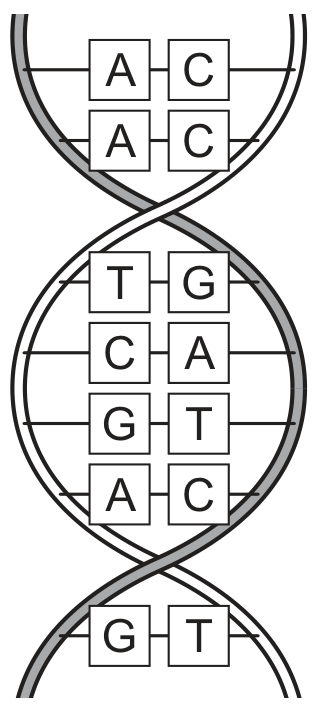
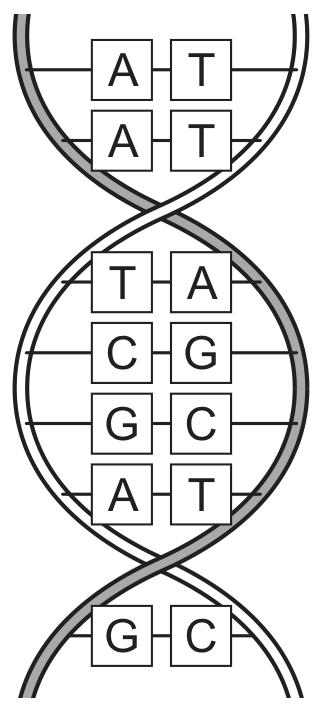
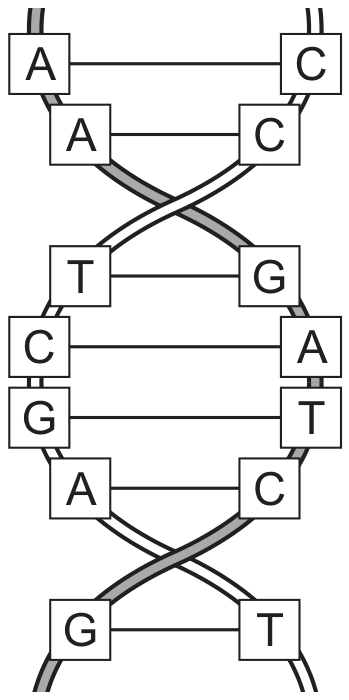
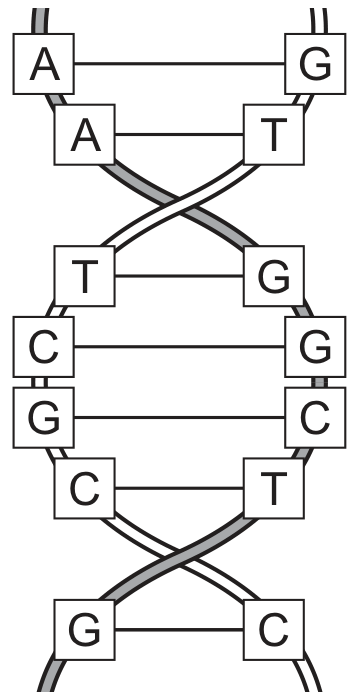
Which diagram shows the structure of DNA?

A
Question image
B
Question image
C
Question image
D
Question image

Question 6

[Maximum number: 1]

The bases on one of the strands of a DNA molecule have the sequence shown.

A-A-T-C-T-G

What is the corresponding sequence of bases on the other strand?

A

A-A-T-C-T-G

B

C-C-G-A-G-T

C

G-G-C-T-C-A

D

T-T-A-G-A-C

Question 7

[Maximum number: 1]

The diagram shows the order of bases along part of one strand of DNA.

ACTTAGAT\mathrm{A}-\mathrm{C}-\mathrm{T}-\mathrm{T}-\mathrm{A}-\mathrm{G}-\mathrm{A}-\mathrm{T}

What is the order of bases on the corresponding part of the other strand?

A

A-C-T-T-A-G-A-T

B

C-A-G-G-C-T-C-G

C

T-A-G-A-T-T-C-A

D

T-G-A-A-T-C-T-A

Question 7

[Maximum number: 1]

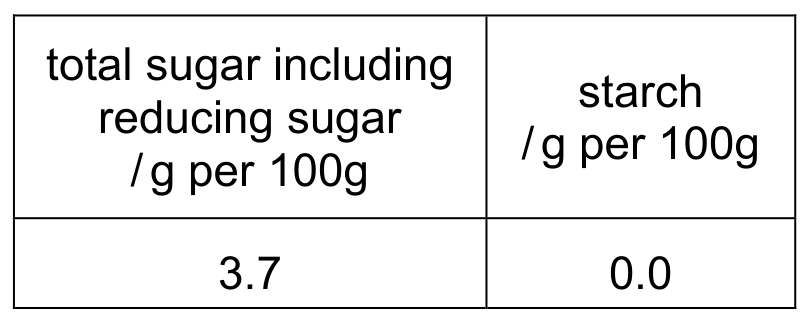
The data show the concentrations of sugar and starch in an onion.

Table

The onion is tested with Benedict's solution and iodine solution.

Which set of results is correct?

Benedict's

solution

iodine

solution

blue

blue-black

blue

brown

brick red

blue-black

brick red

brown

Question 7

[Maximum number: 1]

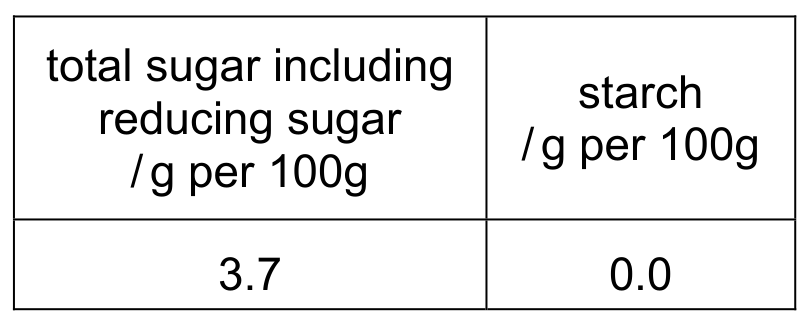
The data show the concentrations of sugar and starch in an onion.

Table

The onion is tested with Benedict's solution and iodine solution.

Which set of results is correct?

Benedict's

solution

iodine

solution

blue

blue-black

blue

brown

brick red

blue-black

brick red

brown

0 selected