EduNinja

IGCSE Biology Extended7.3 Physical digestionTopic Practice

7.3 Physical digestion

CAIE IGCSE Biology Extended 7.3 Physical digestion question practice helps you revise this syllabus point with the course map in view. Use this page to focus on one topic, check the style of questions available, and connect each attempt back to the knowledge area it is testing.

EduNinja keeps Biology practice aligned to CAIE at Extended level, so you can move from topic review into exam-style question bank work without losing the syllabus structure. Start with a small set, mark the weak steps, then return to nearby topic links when a definition, graph, calculation, or explanation needs repair.

Question 1

[Maximum number: 3]

Fat is a necessary component of the human diet.

Question 1(b)

(a)

The arrows in Fig. 1.1 show the pathway of fat in part of the alimentary canal.
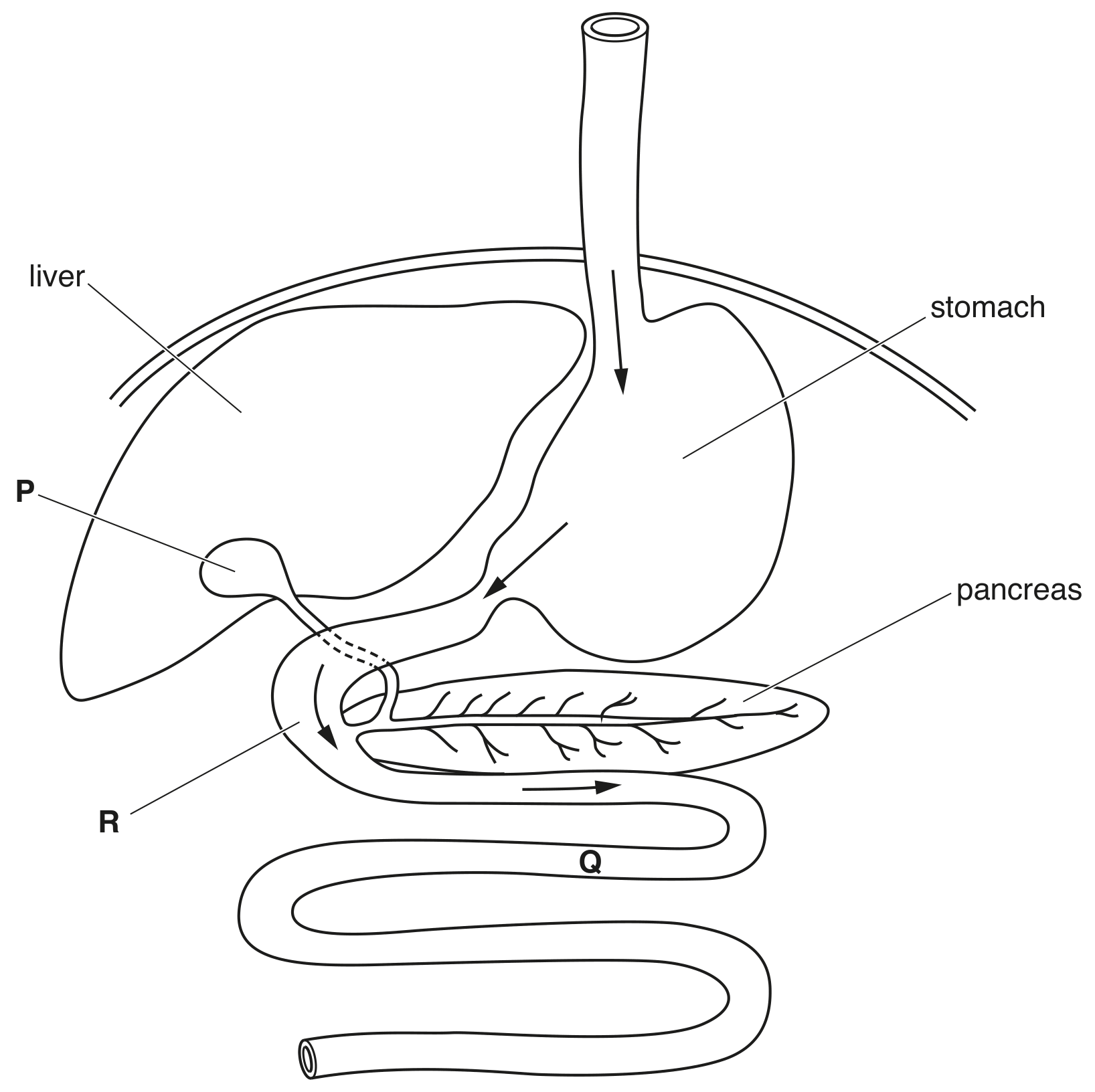
Fig. 1.1

Fig. 1.1

State the name of

[ 1 ]

Question 1(b)(iii)

(i)

the liquid that is produced by the liver and stored by organ P in Fig. 1.1

[ 1 ]

Question 1(c)

(b)

Explain what happens to ingested fat at R in Fig. 1.1 before chemical digestion occurs.

[ 2 ]
Question 1

Question 1(a)

(a)

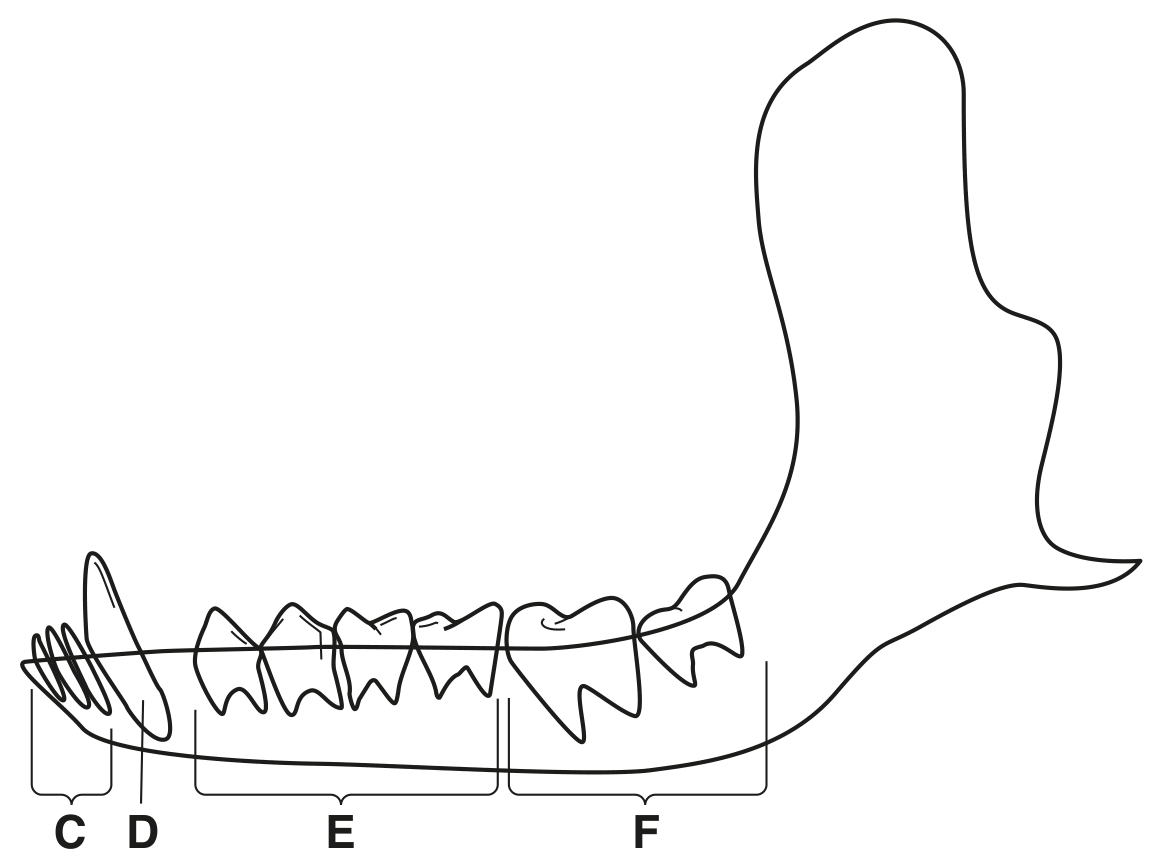
Red pandas, Ailurus fulgens, and humans have a similar arrangement of teeth.
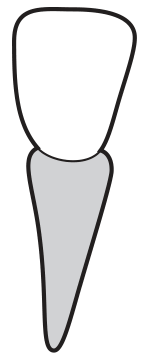
Fig. 1.1 shows a section through one tooth of a red panda. Fig. 1.2 shows the side view of the lower jaw of a red panda.

Fig. 1.1

Fig. 1.1

Fig. 1.2

Fig. 1.2

[ 1 ]

Question 1(a)(ii)

(i)

State the type of digestion that breaks down large pieces of food.

[ 1 ]

Question 1(b)

(b)

Food that sticks to the teeth can be used by bacteria for anaerobic respiration.

This type of respiration releases a substance that can cause tooth decay.

[ 2 ]

Question 1(b)(ii)

(i)

State the names of the two parts of a tooth that are dissolved by the substance released by bacterial respiration.

1
2

[ 2 ]

Question 1(a)

[Maximum number: 4]

Two functions of the alimentary canal are mechanical digestion and chemical digestion.

Outline where and how mechanical digestion occurs in the alimentary canal.

Question 1

Question 1(a)

(a)

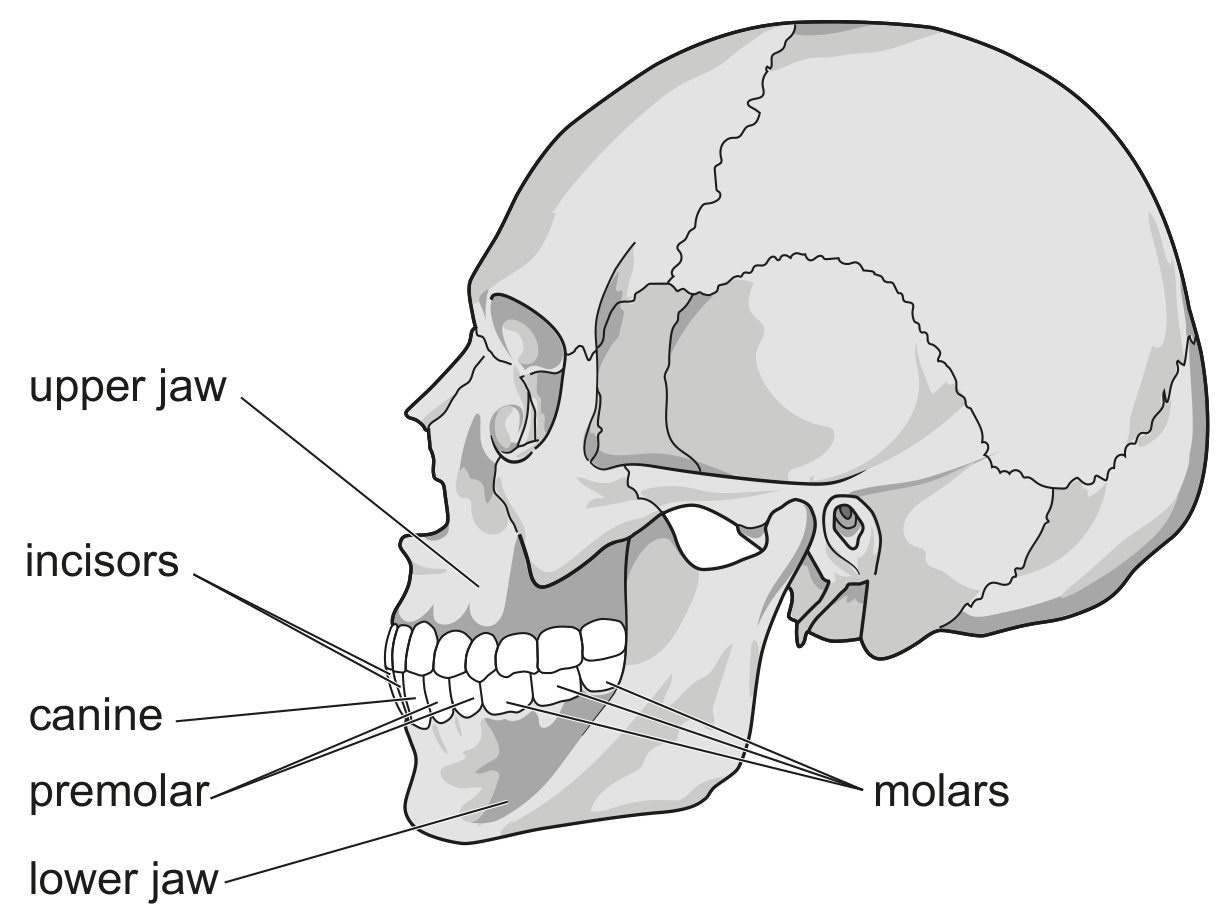
Fig. 1.1 is a side view of a human skull indicating the four types of teeth and the jaws.

Fig. 1.1

Fig. 1.1

[ 5 ]

Question 1(a)(i)

(i)

State the function of human teeth.

[ 1 ]

Question 1(a)(ii)

(ii)

State the name of the visible outer layer of the teeth.

[ 1 ]

Question 1(a)(iii)

(iii)

Explain the process of tooth decay in humans.

[ 3 ]

Question 2(d)

[Maximum number: 6]

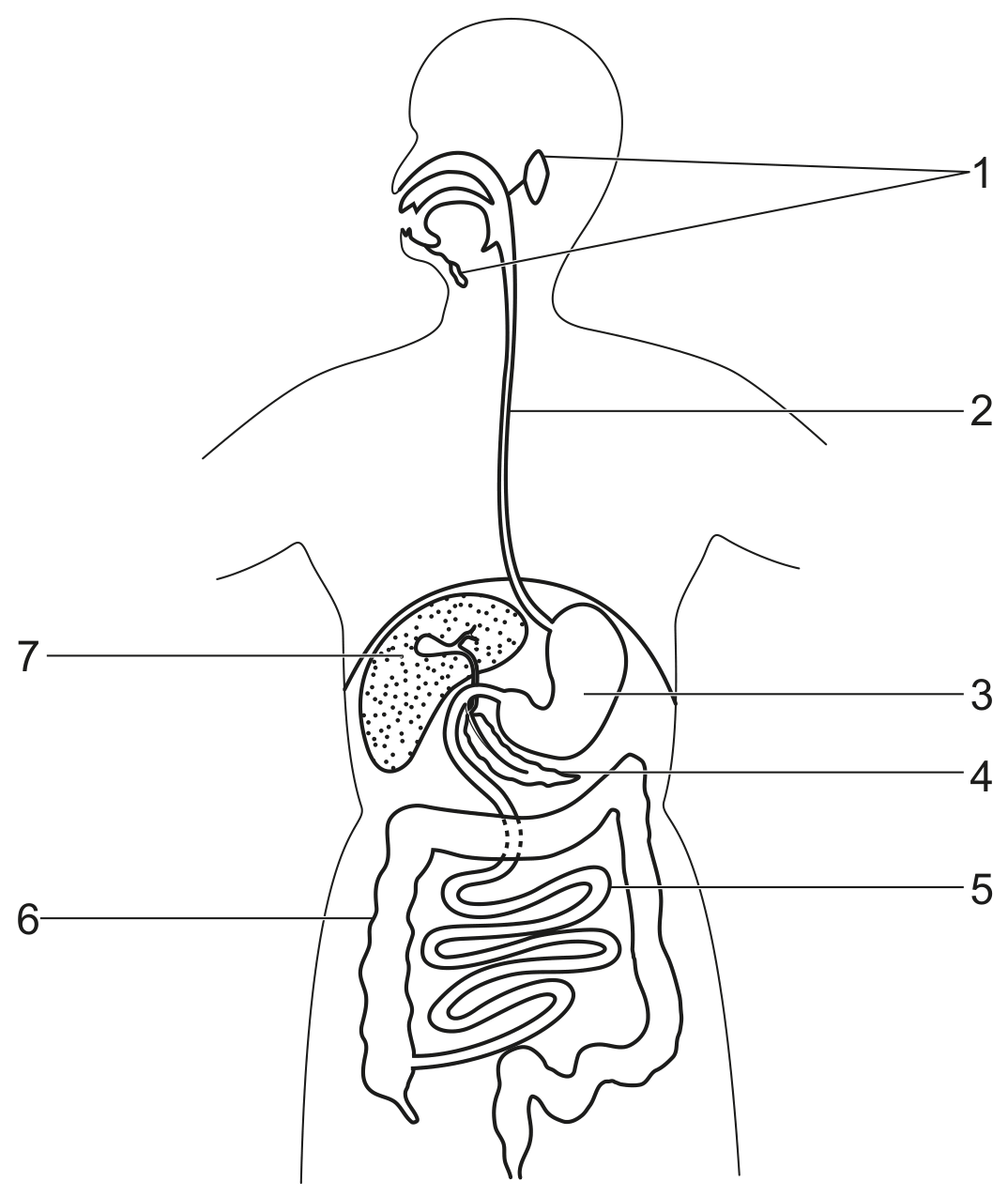
Fig. 2.1 is a diagram of the human alimentary canal and associated organs.

Fig. 2.1

Fig. 2.1

Describe how food eaten by humans is reduced to smaller pieces and explain how this makes chemical digestion more efficient.

You may refer to Fig. 2.1 in your answer.

Question 9

[Maximum number: 1]

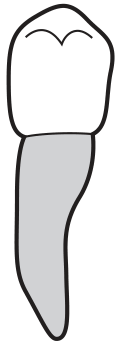
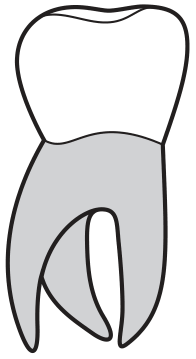
The diagram shows the four types of human tooth.

incisor

incisor

2

2

3

3

molar

molar

Which teeth are used for grinding food?

A

1 and 2

B

2 and 3

C

3 and 4

D

4 and 1

Question 2

Question 2(b)

(a)

The stomach lining contains cells that secrete proteins.

[ 1 ]

Question 2(b)(iii)

(i)

There are goblet cells in many parts of the alimentary canal.

State the substance that goblet cells secrete.

[ 1 ]

Question 2(c)

(b)

Emulsification of fats occurs in the alimentary canal.

[ 3 ]

Question 2(c)(i)

(i)

Describe the process of emulsification of fats.

[ 2 ]

Question 2(c)(ii)

(ii)

State the name of the organ in the alimentary canal where fats are emulsified.

[ 1 ]

Question 11

[Maximum number: 1]

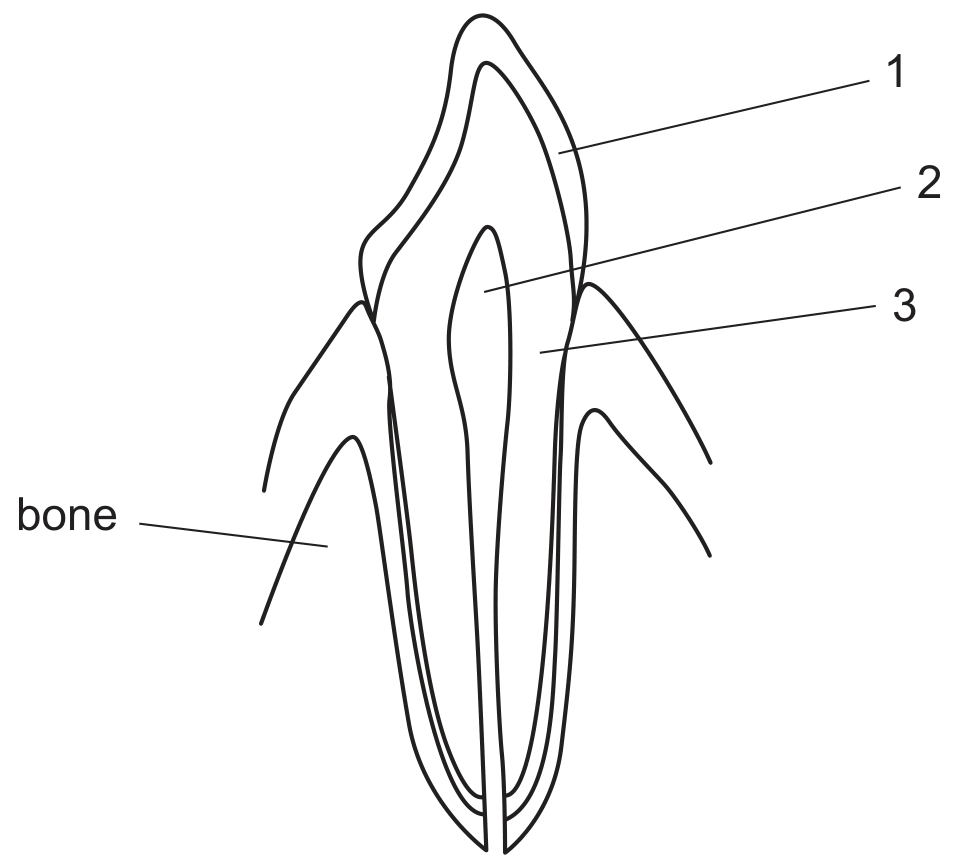
The diagram shows a tooth.

Question image

What are the parts labelled 1,2 and 3 ?

1

2

3

dentine

enamel

pulp

enamel

dentine

pulp

enamel

pulp

dentine

pulp

dentine

enamel

Question 2

Question 2(a)

(a)

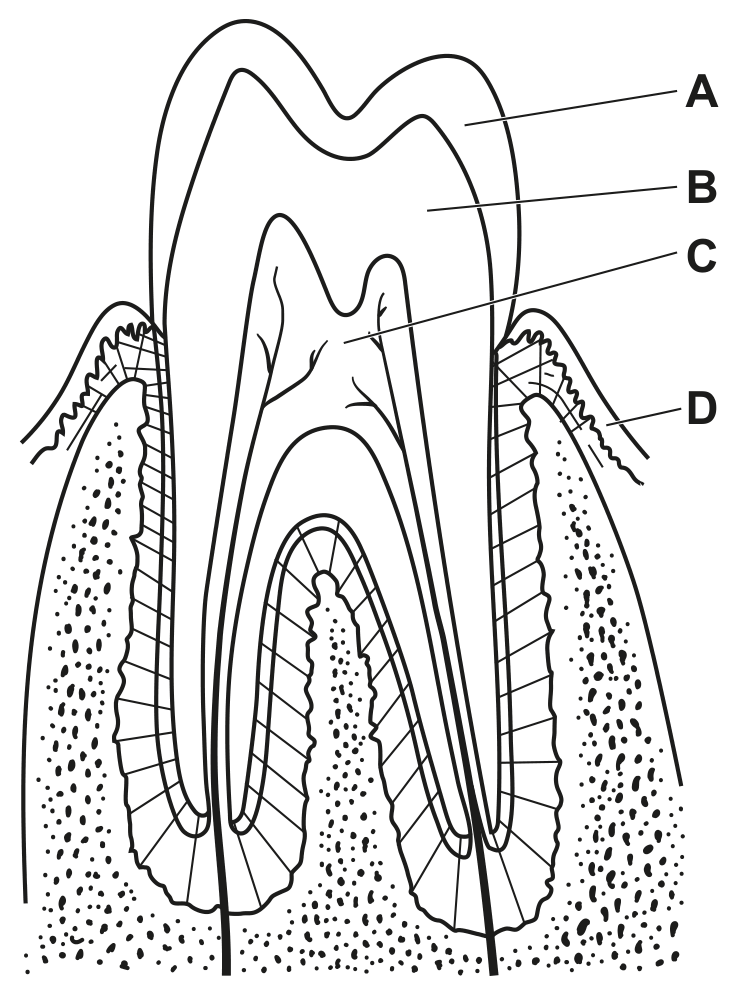
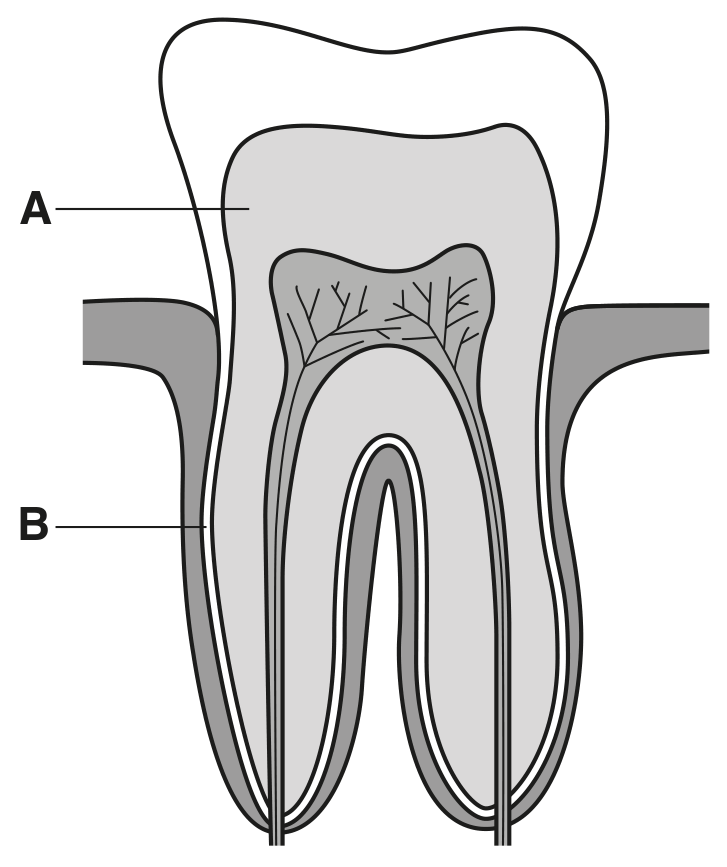
Fig. 2.1 is a vertical section of a human molar tooth and surrounding structures.

Fig. 2.1

Fig. 2.1

State the names of the parts labelled A to D on Fig. 2.1.

A

B
C

D

[ 4 ]

Question 2(b)

(b)

Describe and explain the function of molar teeth.

[ 3 ]

Question 2(c)

(c)

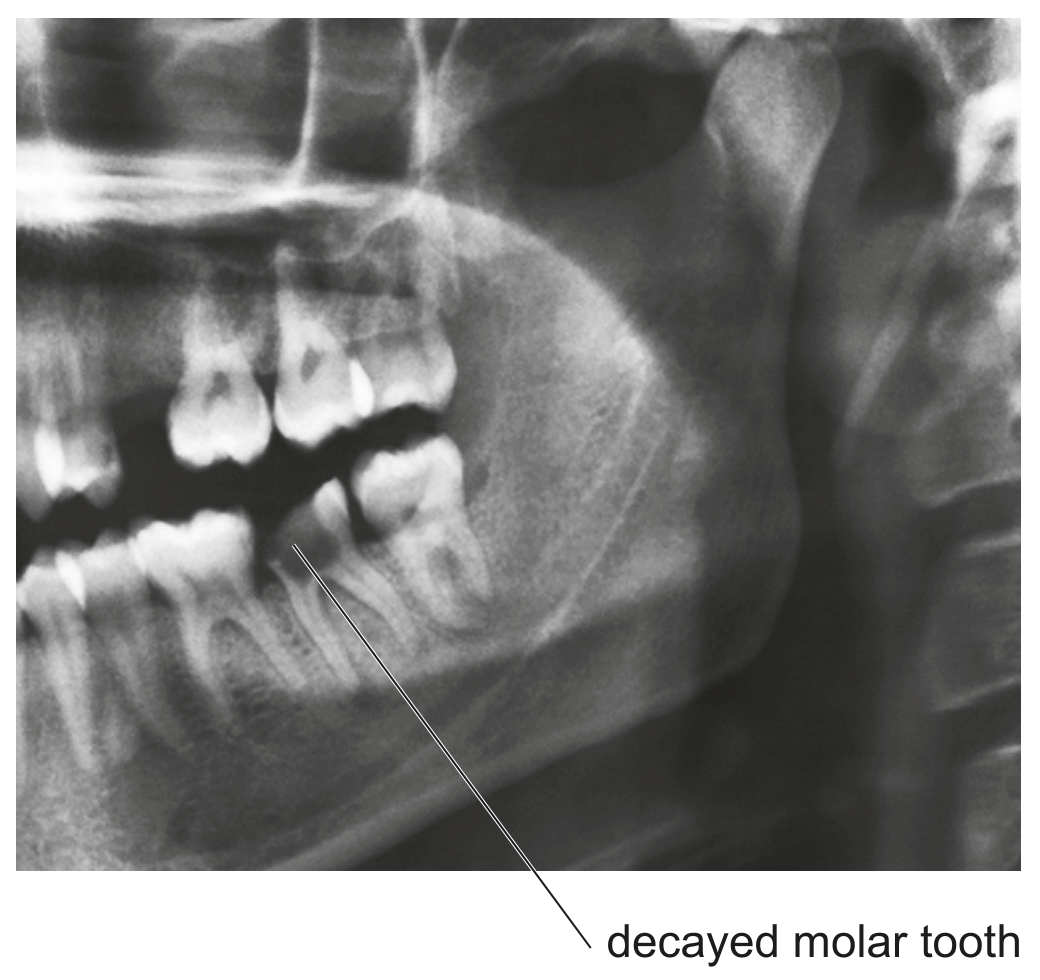
Fig. 2.2 is an X-ray of decay in a molar tooth.

Fig. 2.2

Fig. 2.2

Explain how tooth decay occurs.

[ 4 ]

Question 12

[Maximum number: 1]

In which part of the body of a mammal does mechanical digestion occur?

A

gall bladder

B

liver

C

mouth

D

pancreas

0 selected