EduNinja

IGCSE Biology Extended20.4.7—Reasons for conservation programmesTopic Practice

20.4.7—Reasons for conservation programmes

• Describe the reasons for conservation programmes, limited to: (a) maintaining or increasing biodiversity (b) reducing extinction (c) protecting vulnerable ecosystems (d) maintaining ecosystem functions, limited to nutrient cycling and resource provision, including food, drugs, fuel and genes

Question 4(e)

[Maximum number: 3]

Fig. 4.1 is a photograph of a yellow-shouldered Amazon, Amazona barbadensis, a species of parrot found along the Venezuelan coast of the Caribbean.
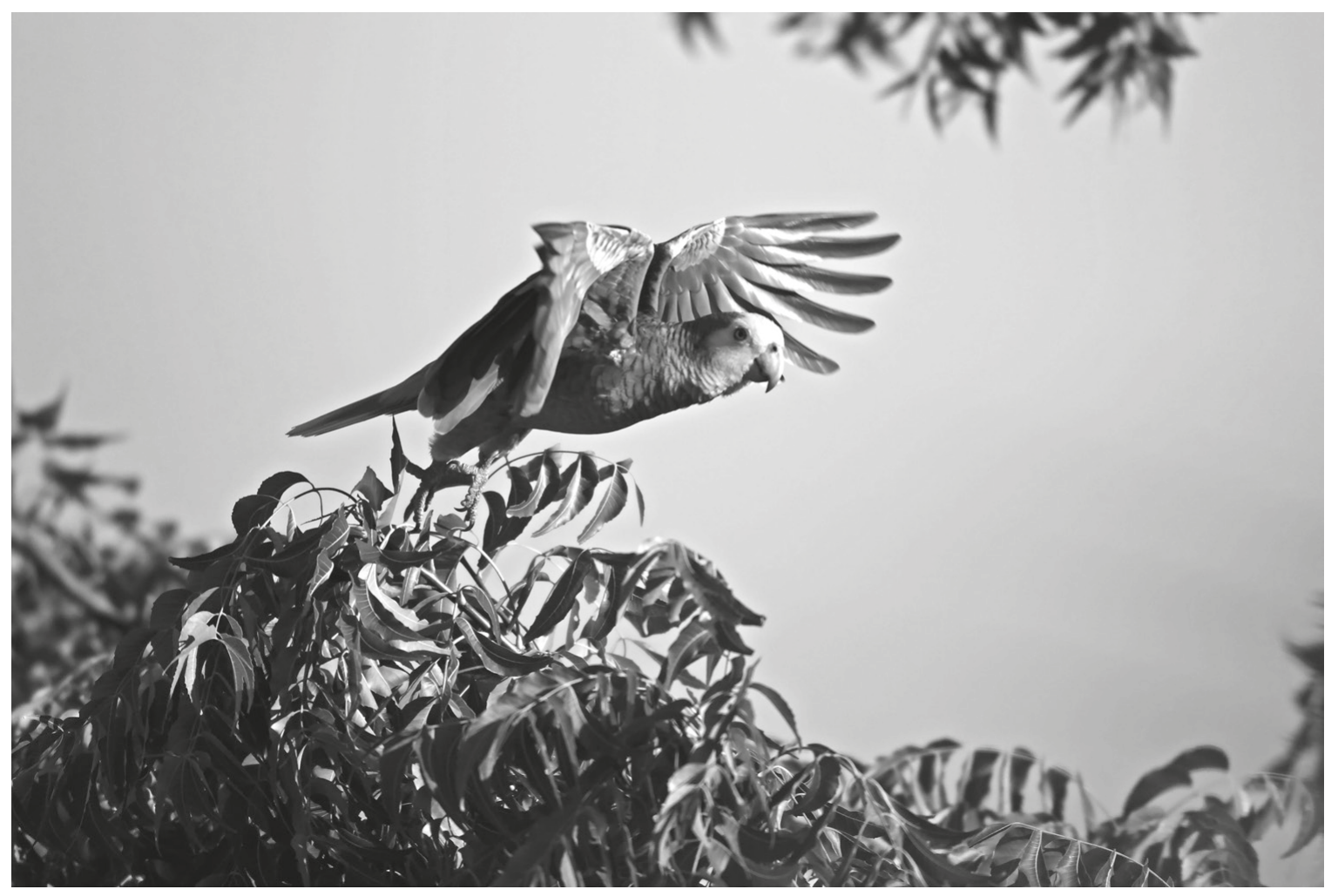
Fig. 4.1

Fig. 4.1

Many biologists think that it is better to conserve ecosystems rather than individual species, such as parrots.

Explain the advantages of conserving ecosystems.
Question 5(c)

[Maximum number: 2]

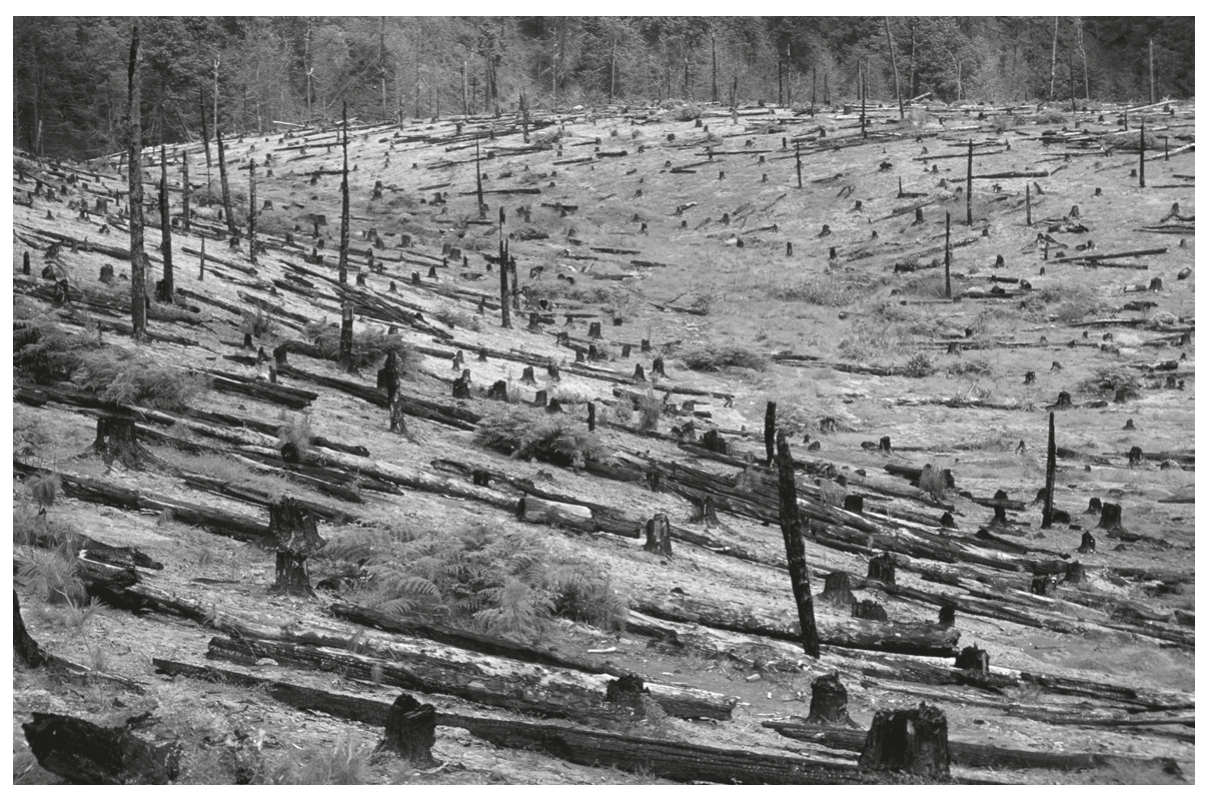
The Mulanje cedar, Widdringtonia whytei, is the national tree of Malawi. This species of tree grows naturally only on Mount Mulanje in Malawi. Many of the trees have been overharvested or destroyed by wildfires, resulting in deforestation, as shown in Fig. 5.1.

Fig. 5.1

Fig. 5.1

Scientists in Malawi are working to prevent the extinction of the Mulanje cedar tree in its natural habitat.

Explain the benefits to other organisms on Mount Mulanje of conserving the Mulanje cedar tree in its natural habitat.

Question 6(b)(iii)

[Maximum number: 5]

It is estimated that 40 % of plant species are at risk of extinction.

Seed banks can store seeds from many species for a long time.
Table 6.1 shows some information about one plant species that is stored in a seed bank.

Table 6.1

Table 6.1

Describe why conservation projects such as seed banks are important.

Question 6(d)

[Maximum number: 3]

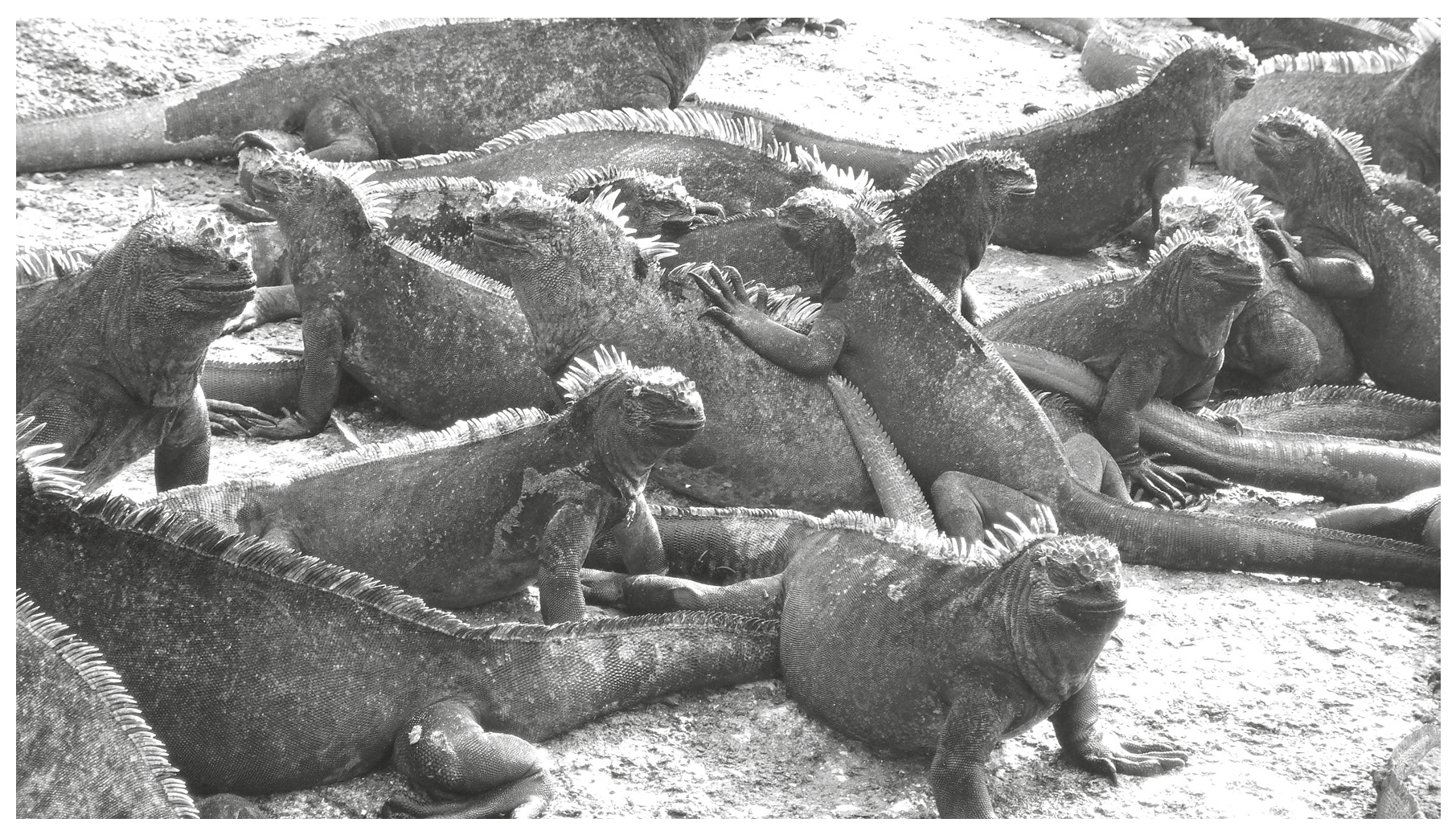
Fig. 6.1 shows the Galapagos iguana, Amblyrhynchus cristatus.

Fig. 6.1

Fig. 6.1

One aim of conservation is to maintain resources in natural ecosystems.

State three resources that natural ecosystems provide for humans.

1

2

3

Question 39

[Maximum number: 1]

What is not a reason for conservation programmes?

A

to introduce new species

B

to maintain nutrient cycles

C

to maintain resources

D

to protect vulnerable environments

Question 6(d)(i)

[Maximum number: 3]

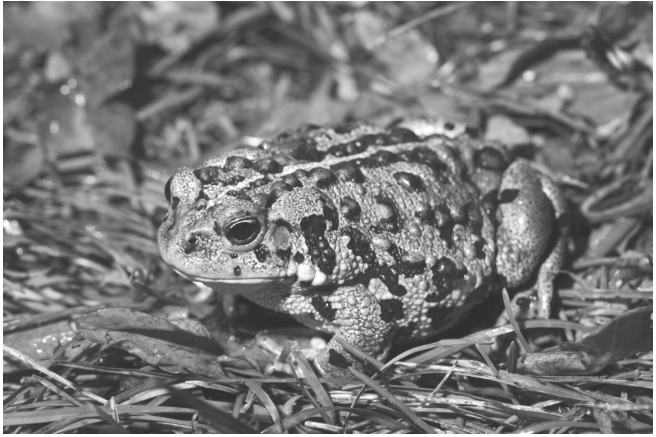
Fig. 6.1 shows a boreal toad, Anaxyrus boreas. This toad is listed as an endangered species.

Fig. 6.1

Fig. 6.1

There are conservation programmes to reintroduce boreal toads into their natural habitat.

Describe why conservation programmes are set up for animals like the boreal toad.

Question 6(b)

[Maximum number: 5]

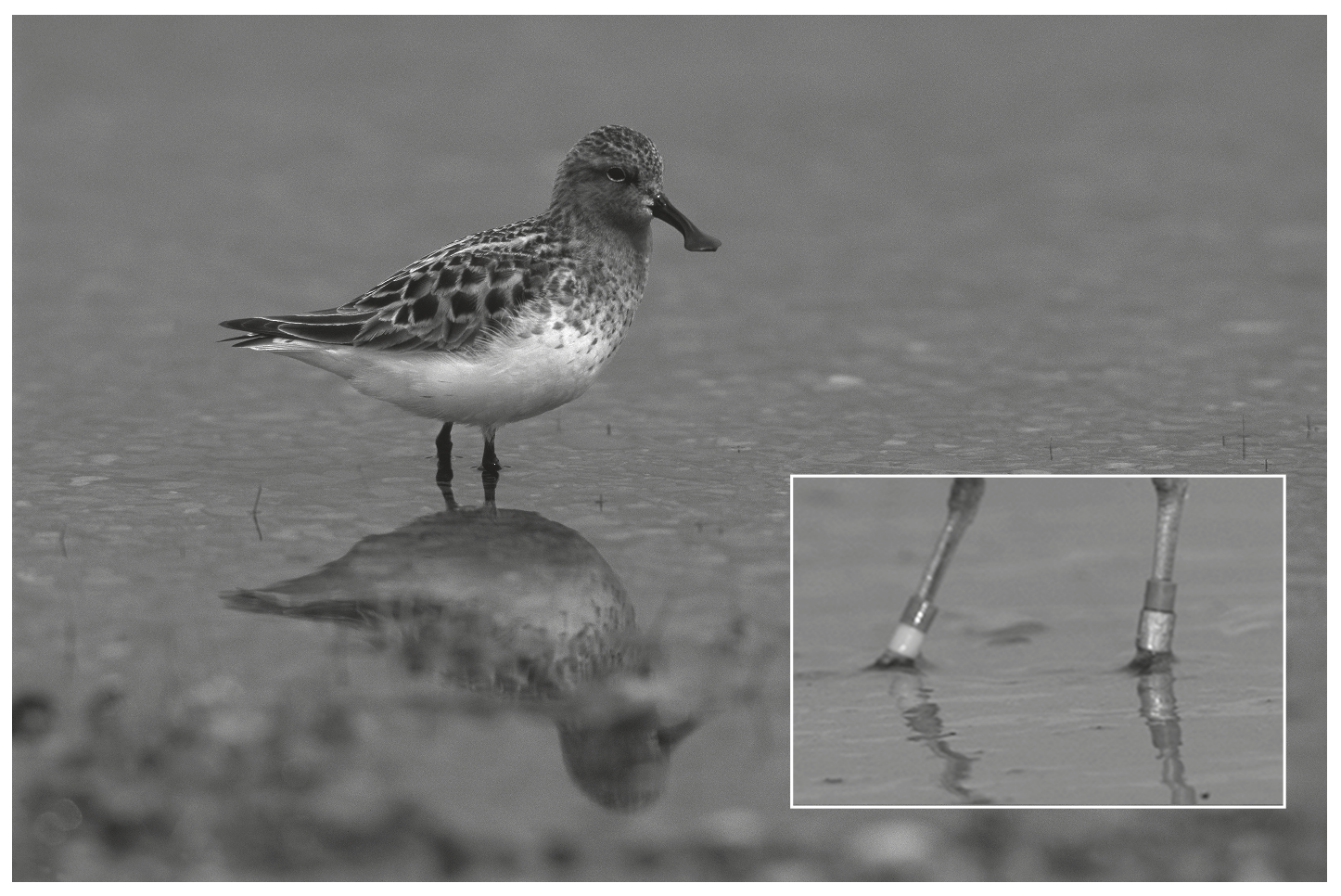
Wetlands are internationally important ecosystems. The spoon-billed sandpiper, Calidris pygmaea, is an endangered species.

Fig. 6.1 shows a spoon-billed sandpiper feeding in a wetland ecosystem. The wetland is a stopover on the bird's long migration from north-east Russia to south-east Asia.

The smaller photograph is a close-up of the bird's legs to show that it has been ringed.

Fig. 6.1

Fig. 6.1

Spoon-billed sandpipers stop to feed at the Rudong mudflats near Shanghai, China.
Putting one or more rings on a bird's leg is a common way to identify individual birds. Spoon-billed sandpipers ringed in Russia have been seen at the Rudong mudflats.

Explain why it is important to conserve ecosystems, such as wetlands.

0 selected