EduNinja

IGCSE Biology Extended14.1 Coordination and responseTopic Practice

14.1 Coordination and response

CAIE IGCSE Biology Extended 14.1 Coordination and response question practice helps you revise this syllabus point with the course map in view. Use this page to focus on one topic, check the style of questions available, and connect each attempt back to the knowledge area it is testing.

EduNinja keeps Biology practice aligned to CAIE at Extended level, so you can move from topic review into exam-style question bank work without losing the syllabus structure. Start with a small set, mark the weak steps, then return to nearby topic links when a definition, graph, calculation, or explanation needs repair.

Question 1(a)(ii)

[Maximum number: 1]

Homeostasis is the maintenance of a constant internal environment.

Human skin is involved in the maintenance of a constant internal body temperature.

State the name of the organ that coordinates the control of body temperature.

Fig. 1.1 shows a diagram of a section through human skin.
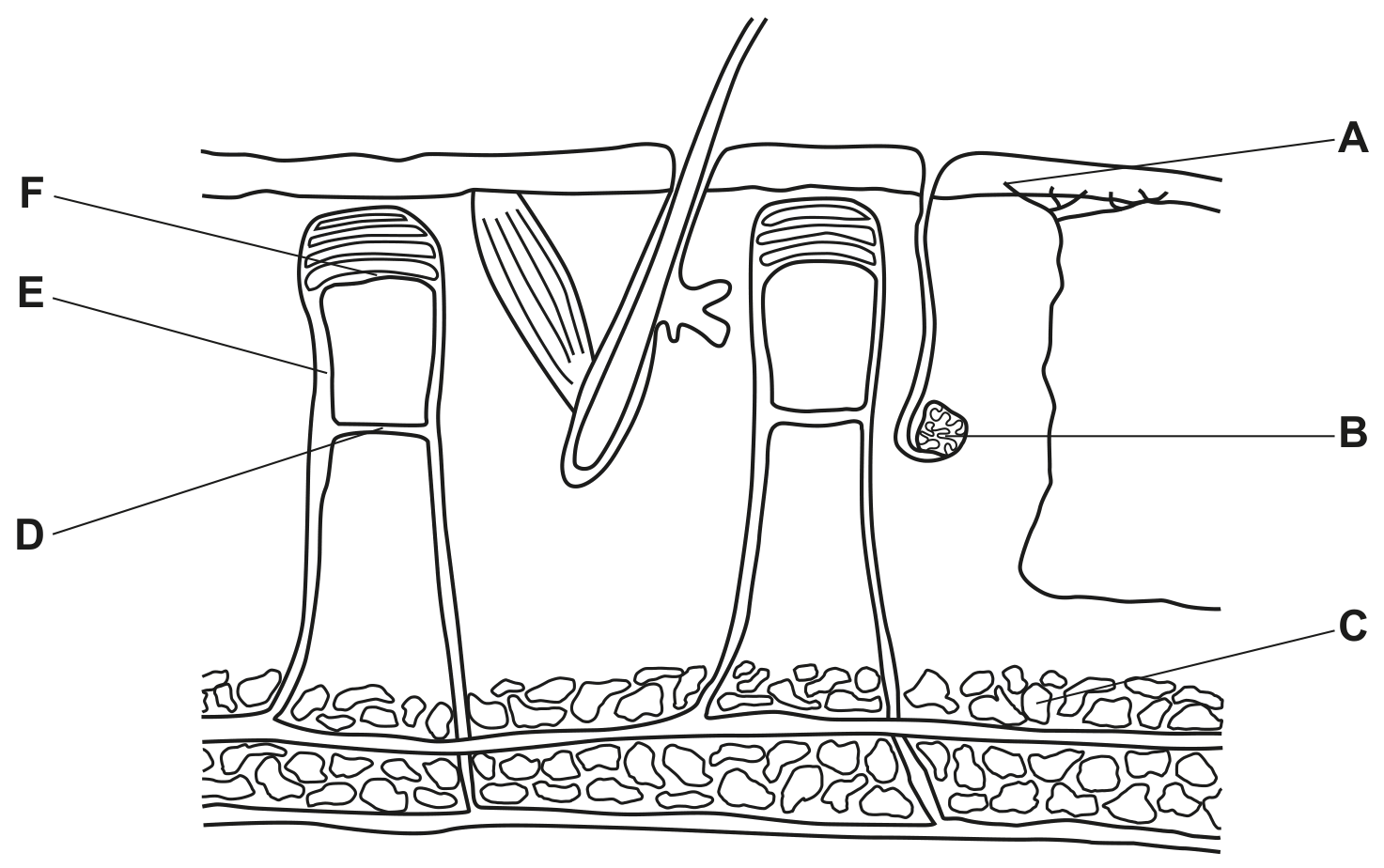
Fig. 1.1
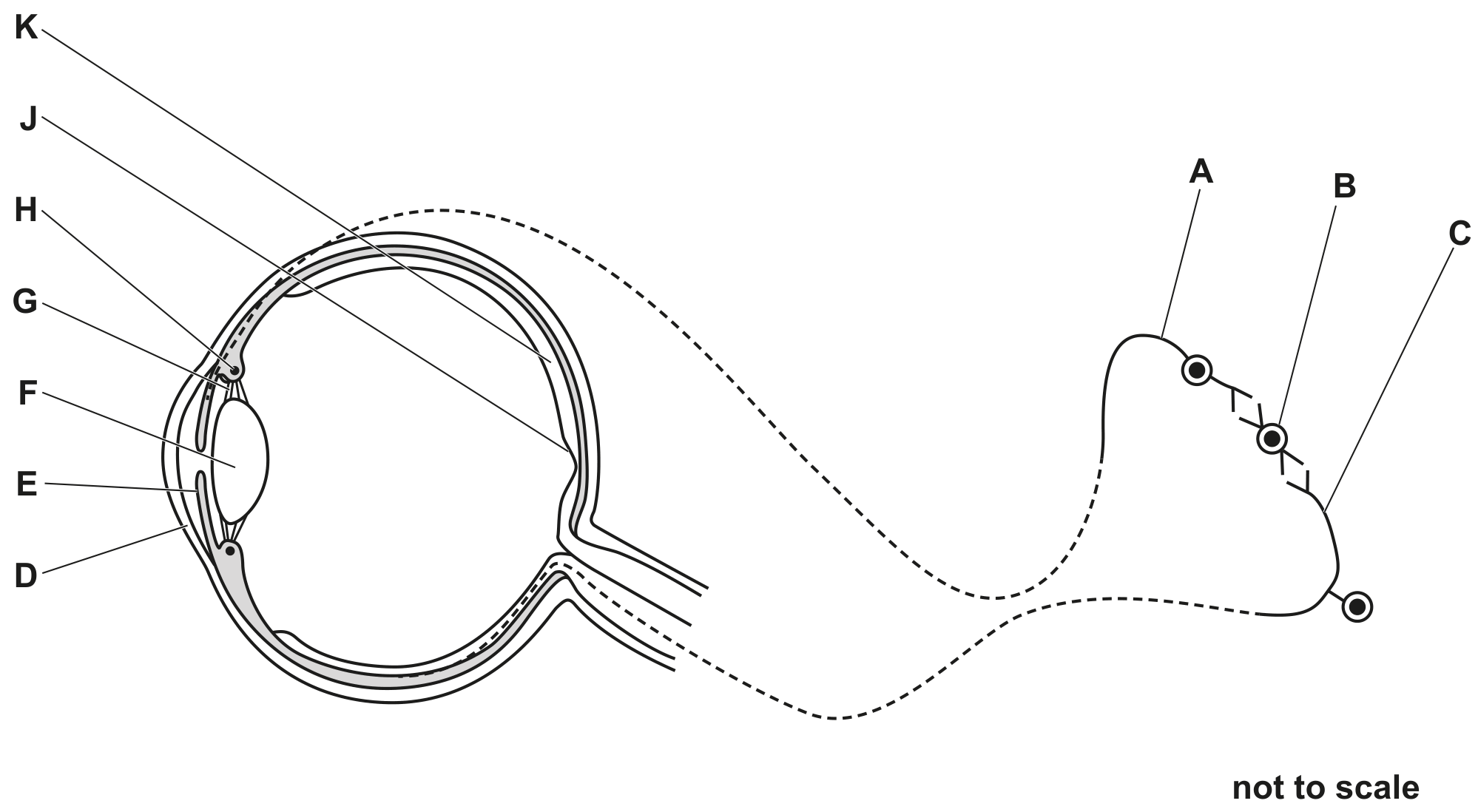
Fig. 1.1

Question 1(d)

[Maximum number: 1]

The change shown in Fig. 1.3 occurs automatically without thought.

State the name given to this type of action.

Question 1(c)(i)

[Maximum number: 2]

Plants are sensitive to light.

Reflexes in animals are also an example of sensitivity.

Describe how reflexes in animals differ from sensitivity in plants.

Question 1

Question 1(a)

(a)

Complete the sentence about the nervous system.
The brain and spinal cord form the ...................... nervous system and the nerves coming into and out of the spinal cord are part of the ...........................nervous system.

[ 1 ]

Question 1(b)

(b)

Fig. 1.1 shows part of a human eye and three neurones that conduct electrical impulses between the eye and the brain. These neurones are involved in the pupil reflex.

Fig. 1.1

Fig. 1.1

[ 1 ]

Question 1(b)(i)

(i)

State the type of neurone identified as A in Fig. 1.1.

[ 1 ]

Question 1

Question 1(a)

(a)

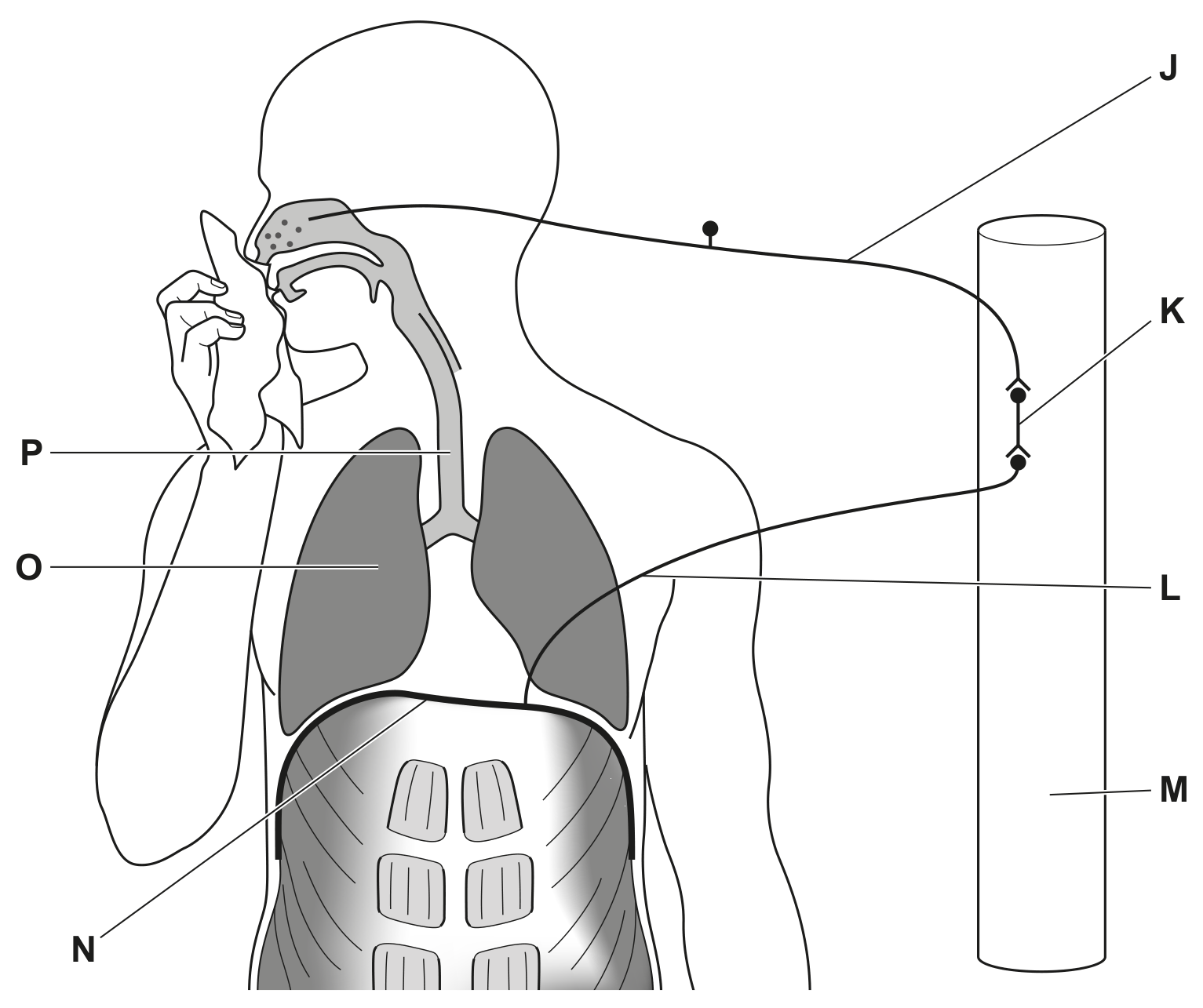
Fig. 1.1 is a diagram showing parts of two organ systems that are active when a person sneezes.

Fig. 1.1

Fig. 1.1

view of part of the gas exchange system view of part of the nervous system

[ 6 ]

Question 1(a)(i)

(i)

Sneezing is an automatic action that occurs in response to a stimulus in the nose.

State the name of this type of automatic action.

[ 1 ]

Question 1(a)(ii)

(ii)

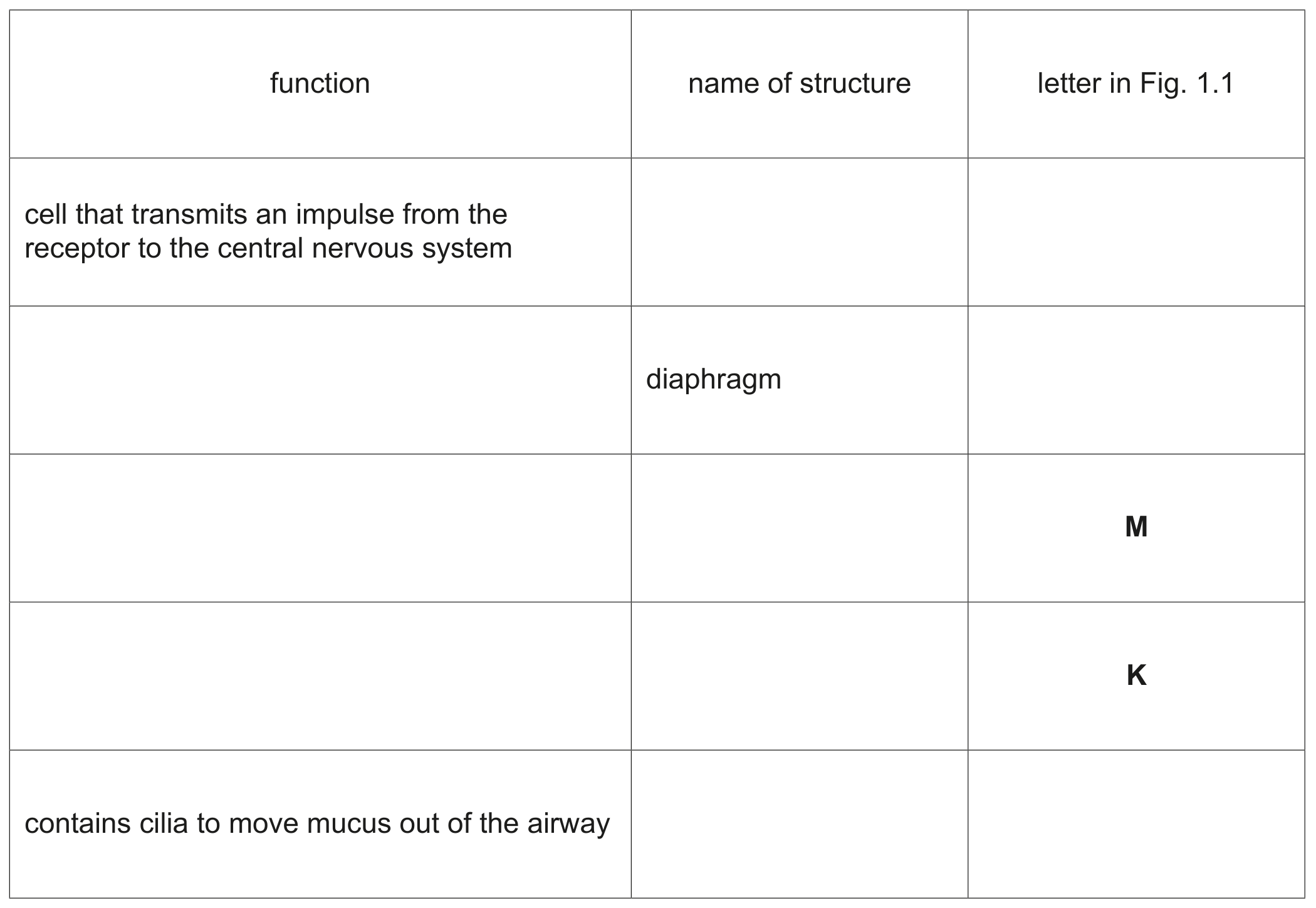
Table 1.1 shows the names and functions of some of the parts of the human body that are involved when a person sneezes, and the letters in Fig. 1.1 that identify these parts.

Complete Table 1.1.

Table 1.1

Table 1.1

[ 5 ]

Question 1(b)

(b)

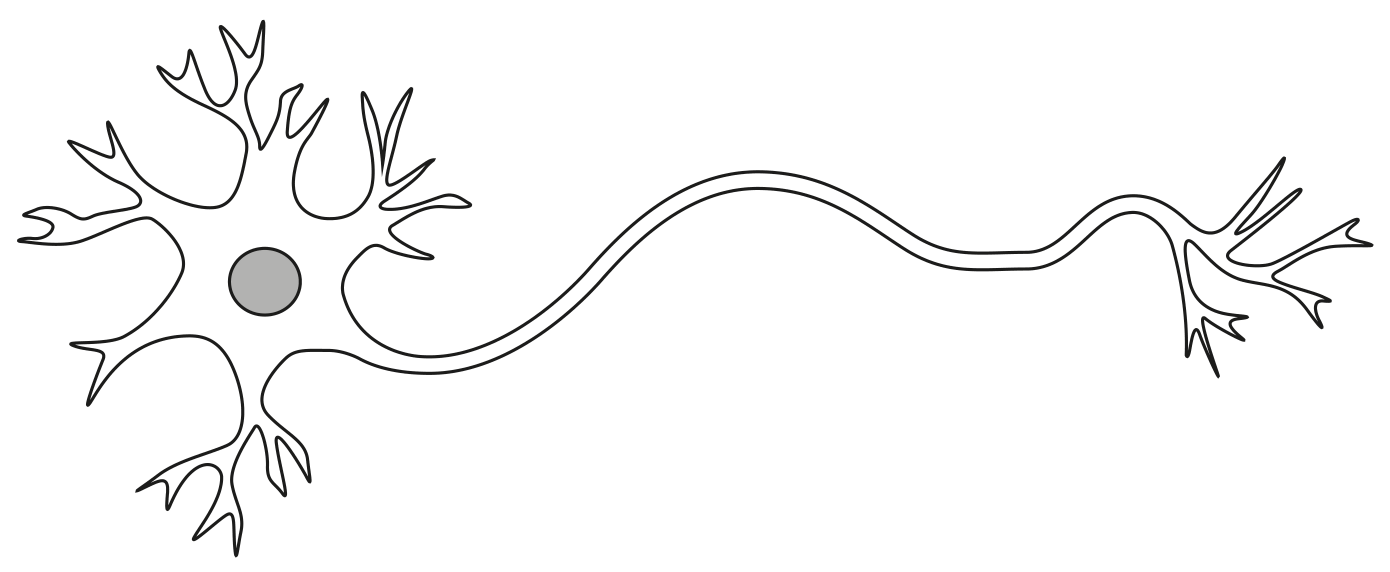
Fig. 1.2 is a diagram of a cell from the human nervous system.

Fig. 1.2

Fig. 1.2

[ 1 ]

Question 1(b)(ii)

(i)

Draw an X on the cell in Fig. 1.2 to show where a receptor molecule for a neurotransmitter would be found.

[ 1 ]

Question 2

[Maximum number: 7]

The nervous system coordinates the responses of animals to changes in their environment.

Question 2(a)

(a)

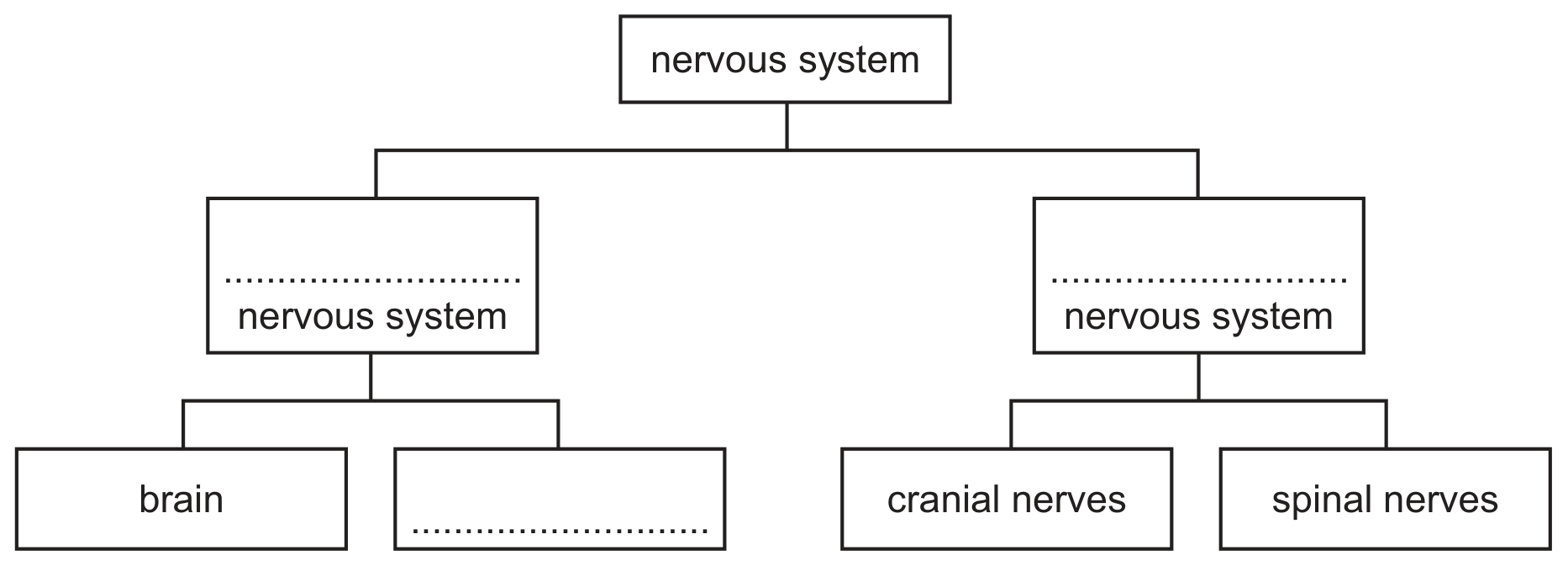
Fig. 2.1 shows the arrangement of the nervous system in a mammal.

Complete Fig. 2.1 by writing the names of the missing parts of the mammalian nervous system in the boxes.

Fig. 2.1

Fig. 2.1

[ 3 ]

Question 2(b)

(b)

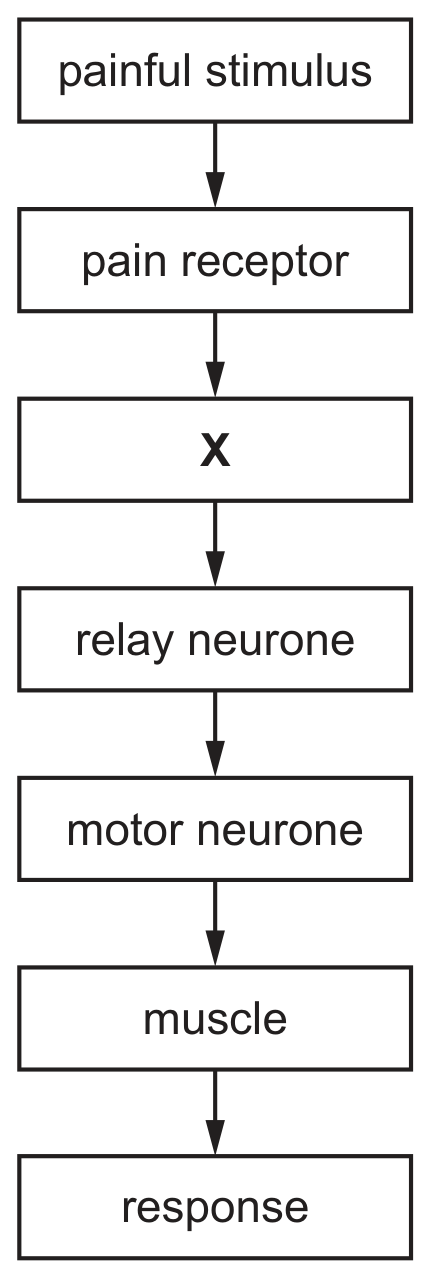
Fig. 2.2 is a flow chart that shows how an involuntary action is controlled.

Fig. 2.2

Fig. 2.2

[ 4 ]

Question 2(b)(i)

(i)

State the structure found at X.

[ 1 ]

Question 2(b)(ii)

(ii)

State the type of involuntary action shown by the flow chart.

[ 1 ]

Question 2(b)(iii)

(iii)

State two ways in which a voluntary action differs from an involuntary action.

1
2

[ 2 ]

Question 2

[Maximum number: 4]

Reflexes are simple responses that protect the body. The pathway that nerve impulses travel along during a reflex is called a reflex arc.

Question 2(a)

(a)

Letters A to G show the components of a reflex arc.

A stimulus

B motor neurone

C sensory neurone

D receptor cell E response F relay neurone G effector Put the components into the correct sequence. Two have been done for you.

Table
[ 1 ]

Question 2(b)

(b)

Impulses travel between neurones across a synapse.

Describe how impulses travel across the synapse from one neurone to another.

[ 3 ]

Question 2

[Maximum number: 7]

Pregnancy can occur after the fusion of a male gamete and a female gamete.

Question 2(f)

(a)

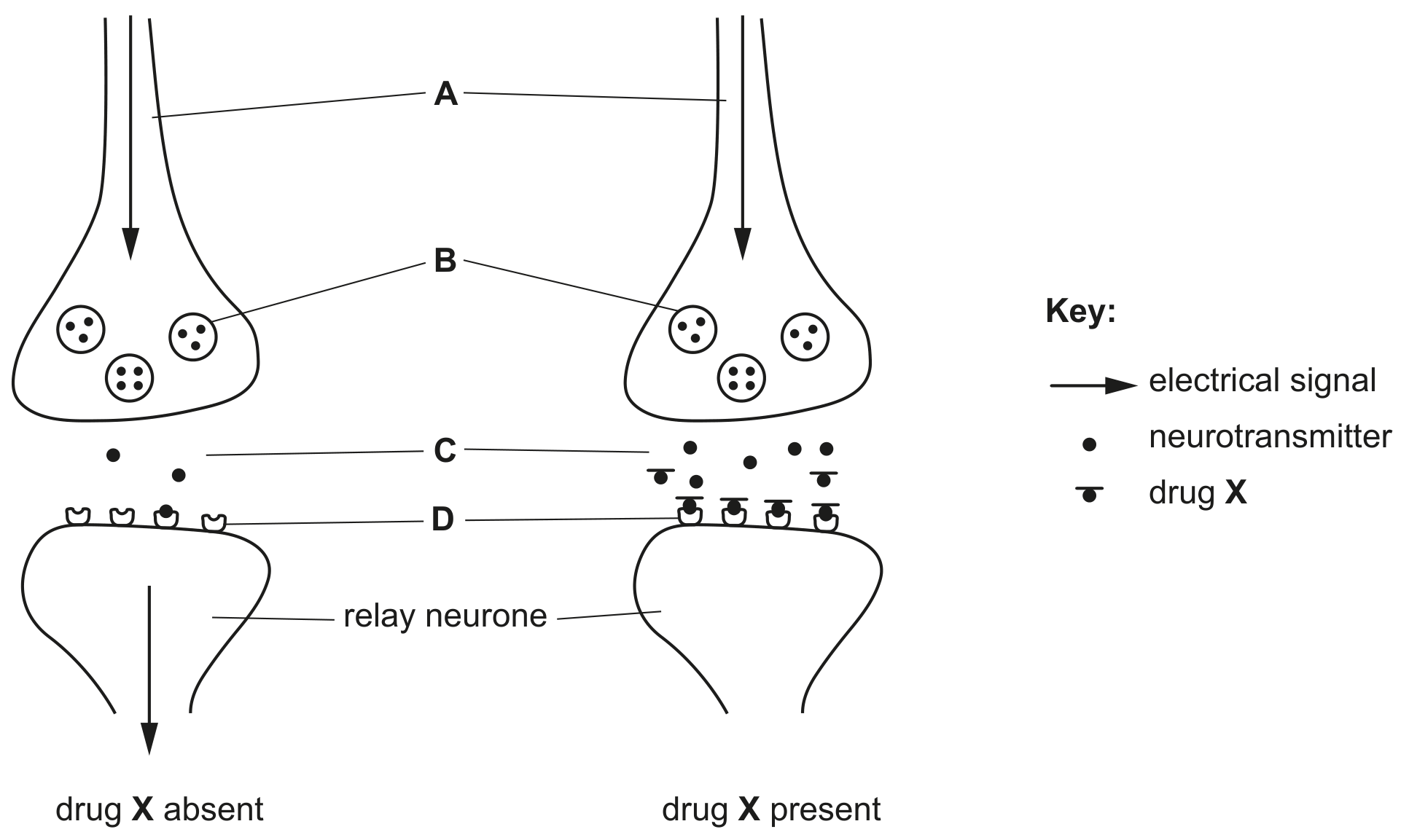
Fig. 2.2 shows the junction between two neurones with drug X absent and two neurones with drug X present, immediately after a painful stimulus.

Fig. 2.2

Fig. 2.2

[ 7 ]

Question 2(f)(i)

(i)

State the names of A, B, C and D in Fig. 2.2.

A

B

C

D

[ 4 ]

Question 2(f)(ii)

(ii)

Describe and explain how drug X affects the function of the relay neurone shown in Fig. 2.2.

[ 3 ]

Question 2(a)(iii)

[Maximum number: 1]

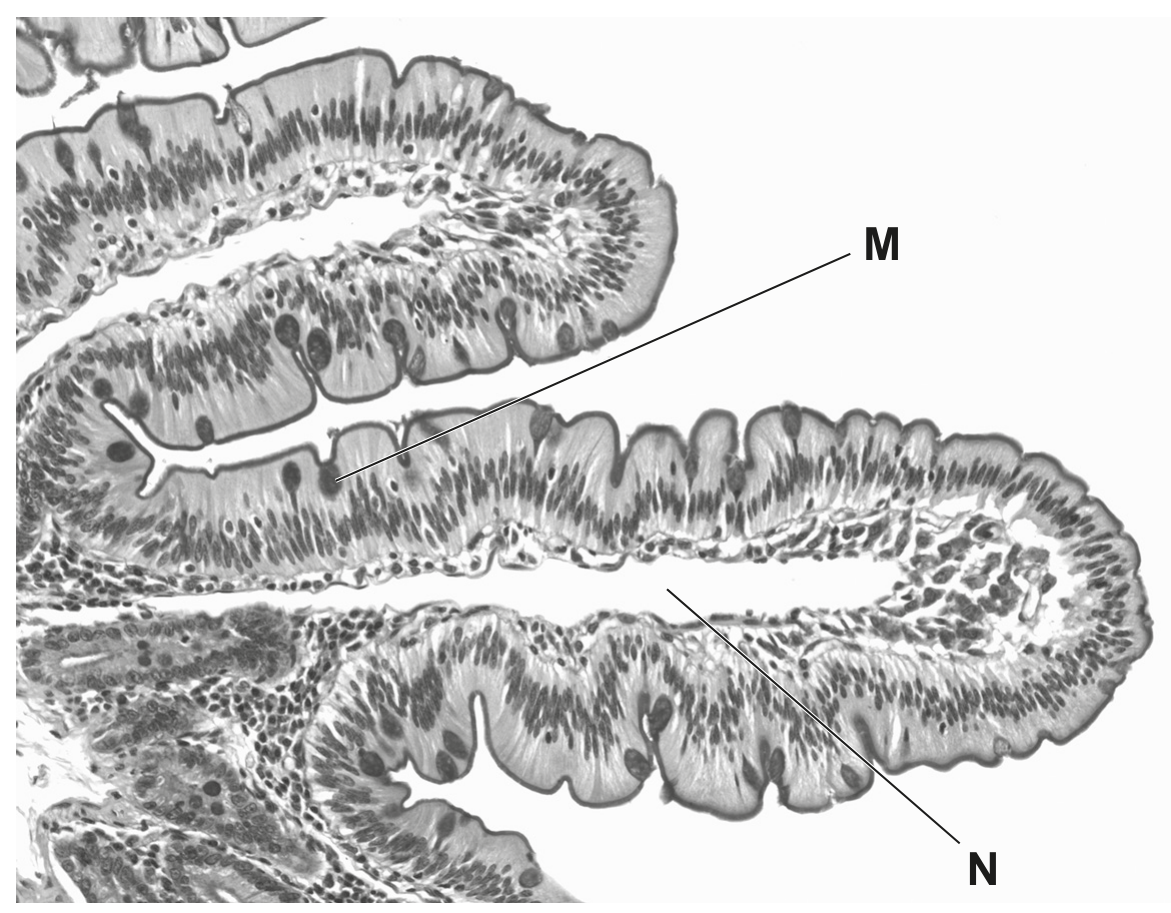
The small intestine is lined with many villi and is adapted to absorb glucose.
Fig. 2.1 shows two villi from the lining of the small intestine.

Fig. 2.1

Fig. 2.1

State one other place in the body where mucus secreting cells are found.

Question 2

Question 2(b)

(a)

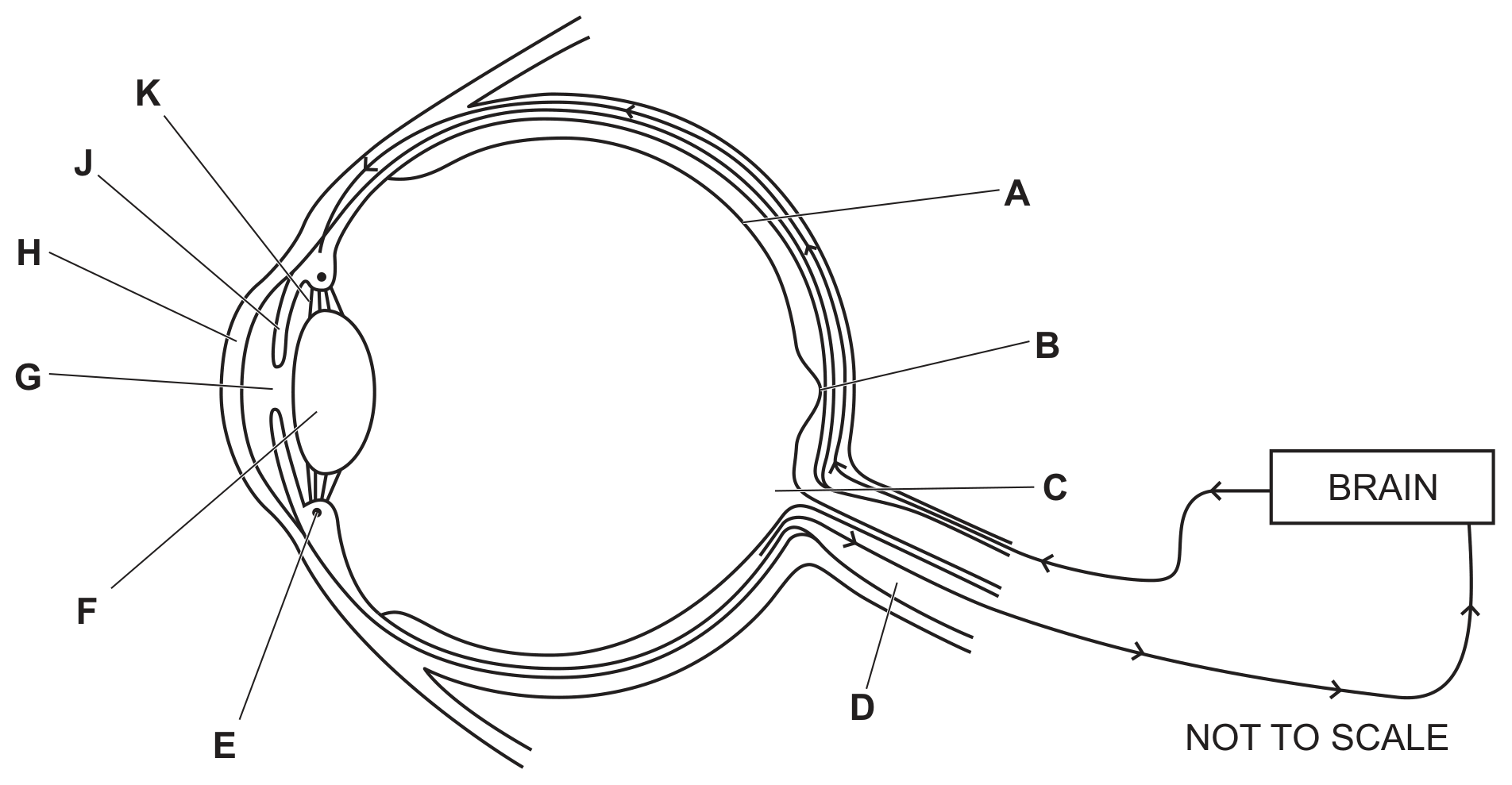
Fig. 2.1 shows the structure of the eye. It also shows the pathway taken by nerve impulses which help bring about changes in the eye in order to bring light to a focus.

Fig. 2.1

Fig. 2.1

[ 4 ]

Question 2(b)(i)

(i)

Draw a label line and a letter X on Fig. 2.1 to identify a motor neurone.

[ 1 ]

Question 2(b)(ii)

(ii)

Describe how the events that occur at a synapse generate an impulse in the next neurone.

[ 3 ]
0 selected