EduNinja

IGCSE Biology Extended20.4.4—Endangered species can be conservedTopic Practice

20.4.4—Endangered species can be conserved

• Describe how endangered species can be conserved, limited to: (a) monitoring and protecting species and habitats (b) education (c) captive breeding programmes (d) seed banks

Question 2(b)(iii)

[Maximum number: 2]

Large quantities of plastic waste are polluting the oceans.

The green turtle, Chelonia mydas, is a species of marine animal that is harmed by plastic waste.

Fig. 2.2 shows a green turtle swimming past a plastic bag in the Pacific Ocean.
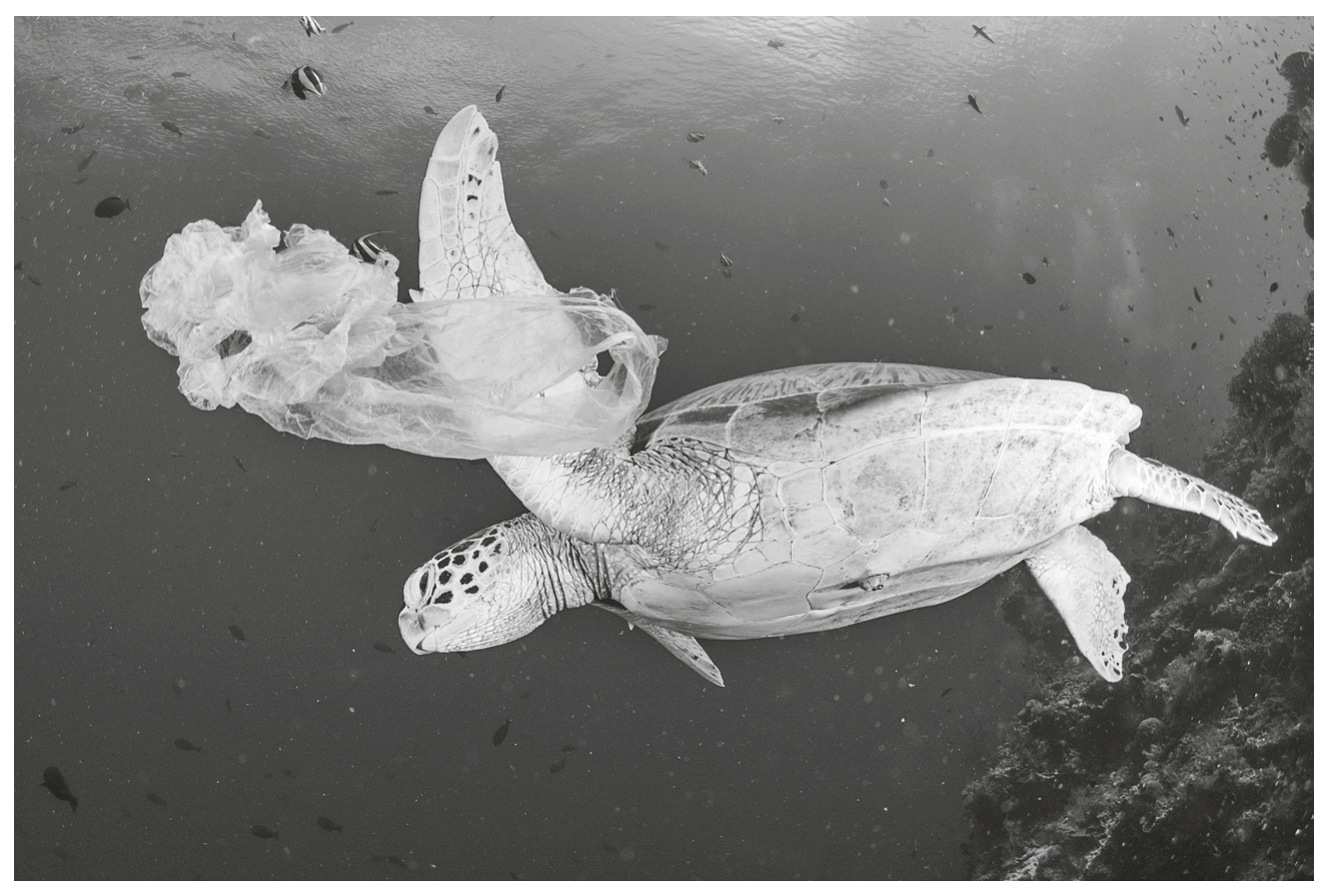
Fig. 2.2

Fig. 2.2

Suggest ways to reduce the quantity of plastic waste.
[Total: 11]
Question 2(b)(iii)

[Maximum number: 4]

People can use artificial insemination (AI) or in vitro fertilisation (IVF) to increase their chance of becoming pregnant.

Describe the social implications of fertility treatments.

Question 3(d)

[Maximum number: 3]

The woodland is a conservation area.

Outline the possible benefits of conserving this specific area of woodland.

Question 3(c)(ii)

[Maximum number: 3]

Cheetahs, Acinonyx jubatus, are carnivores found in the dry grasslands and woodlands of southern Africa. Cheetahs hunt for food during the day. They eat deer and antelope.

The cheetah is the fastest mammal on land but can only run at high speed (sprint) over a short distance. Its hunting strategy is to creep up on prey and then sprint to catch them.

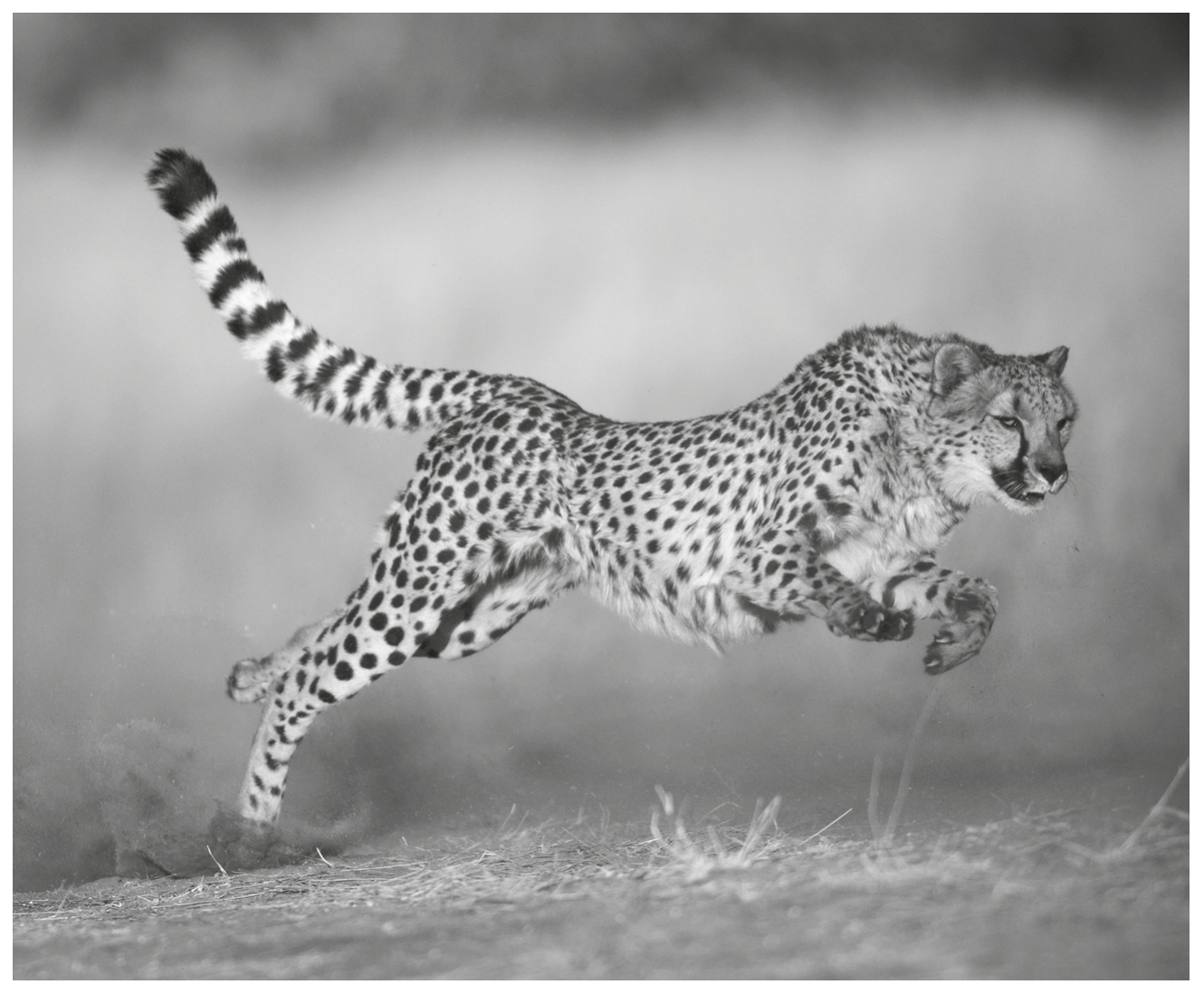
Fig. 3.1 is a photograph of a cheetah in its natural habitat.

Fig. 3.1

Fig. 3.1

Cheetahs are at risk of becoming endangered.

Describe how species like the cheetah can be conserved.

Question 4(b)(i)

[Maximum number: 3]

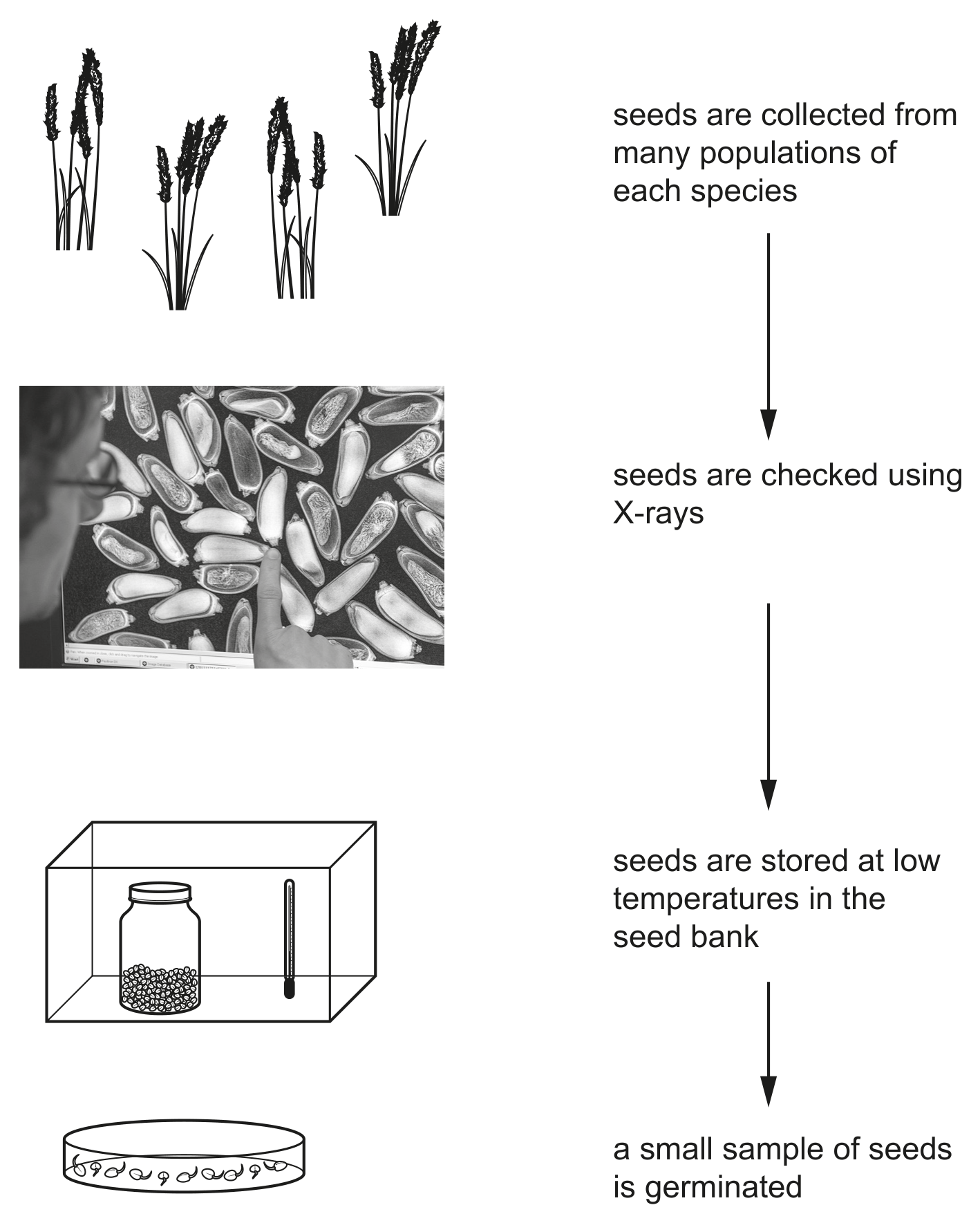
Seed banks are used to conserve endangered plant species.

Fig. 4.1 shows some of the steps involved in managing a seed bank.

Fig. 4.1

Fig. 4.1

Explain why seeds from one species are collected from many populations to store in a seed bank.

Question 28

[Maximum number: 1]

The table shows some features of artificial insemination and in-vitro fertilisation.
Which row shows the features that are correct for both artificial insemination and in-vitro fertilisation?

fertilisation happens
outside the female
reproductive system

implantation happens
outside the female
reproductive system

involves
sexual
intercourse

pregnancy
develops naturally
after implantation

χ\chi

×

χ\chi

χ\chi

χ\chi

χ\chi

χ\chi

χ\chi

χ\chi

χ\chi

Question 4(c)

[Maximum number: 2]

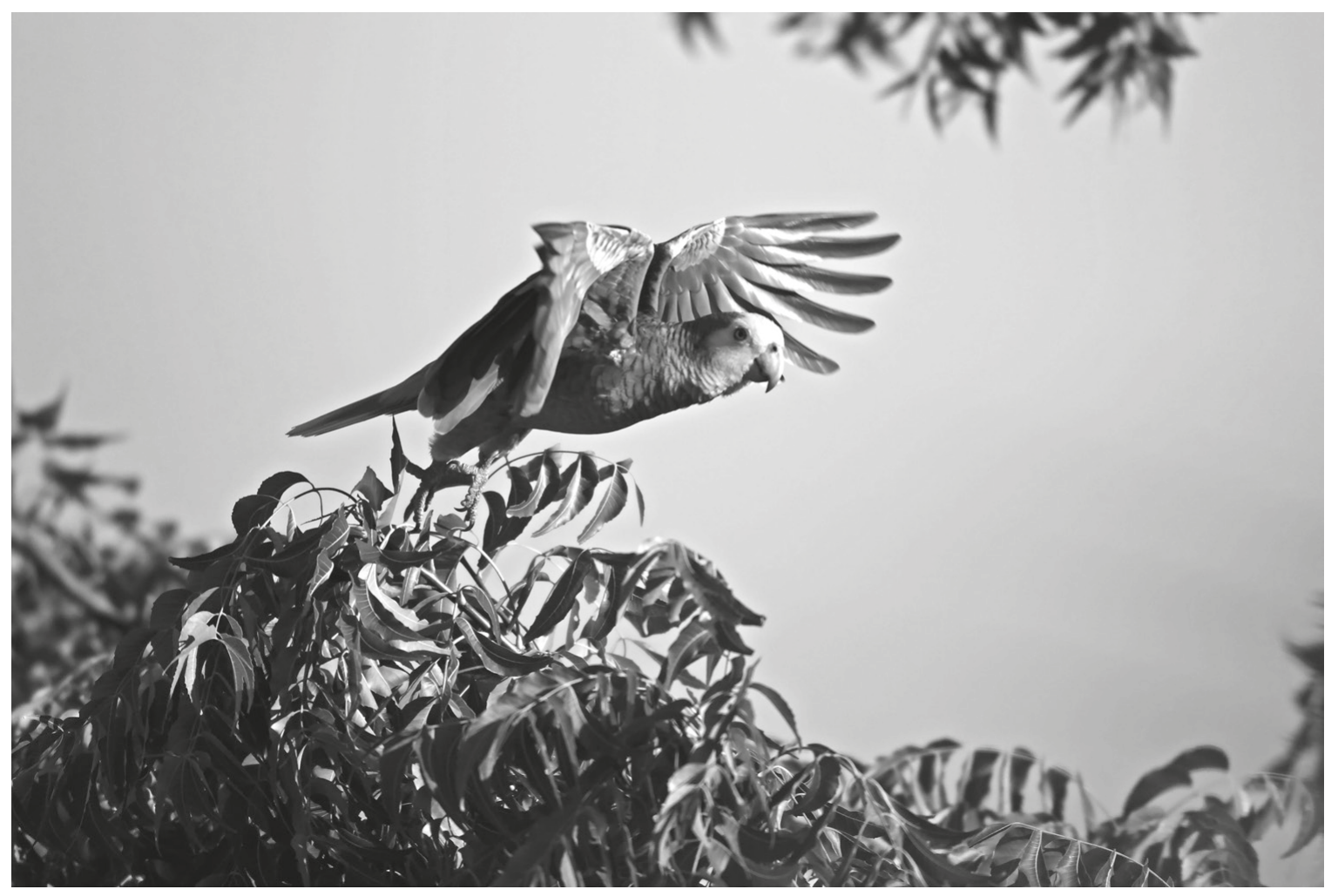
Fig. 4.1 is a photograph of a yellow-shouldered Amazon, Amazona barbadensis, a species of parrot found along the Venezuelan coast of the Caribbean.

Fig. 4.1

Fig. 4.1

The number of yellow-shouldered Amazons on Margarita Island had decreased to 700 parrots by 1989 . The population then increased to 1600 parrots by 2009.

Part of this increase was due to the release of captive-bred parrots on the island. This is one of the few successful release programmes of parrots. A similar release programme in Arizona in the 1980s of a different species of parrot was not successful.

Suggest why release programmes for captive-bred parrots were not successful.

Question 4(b)(i)

[Maximum number: 2]

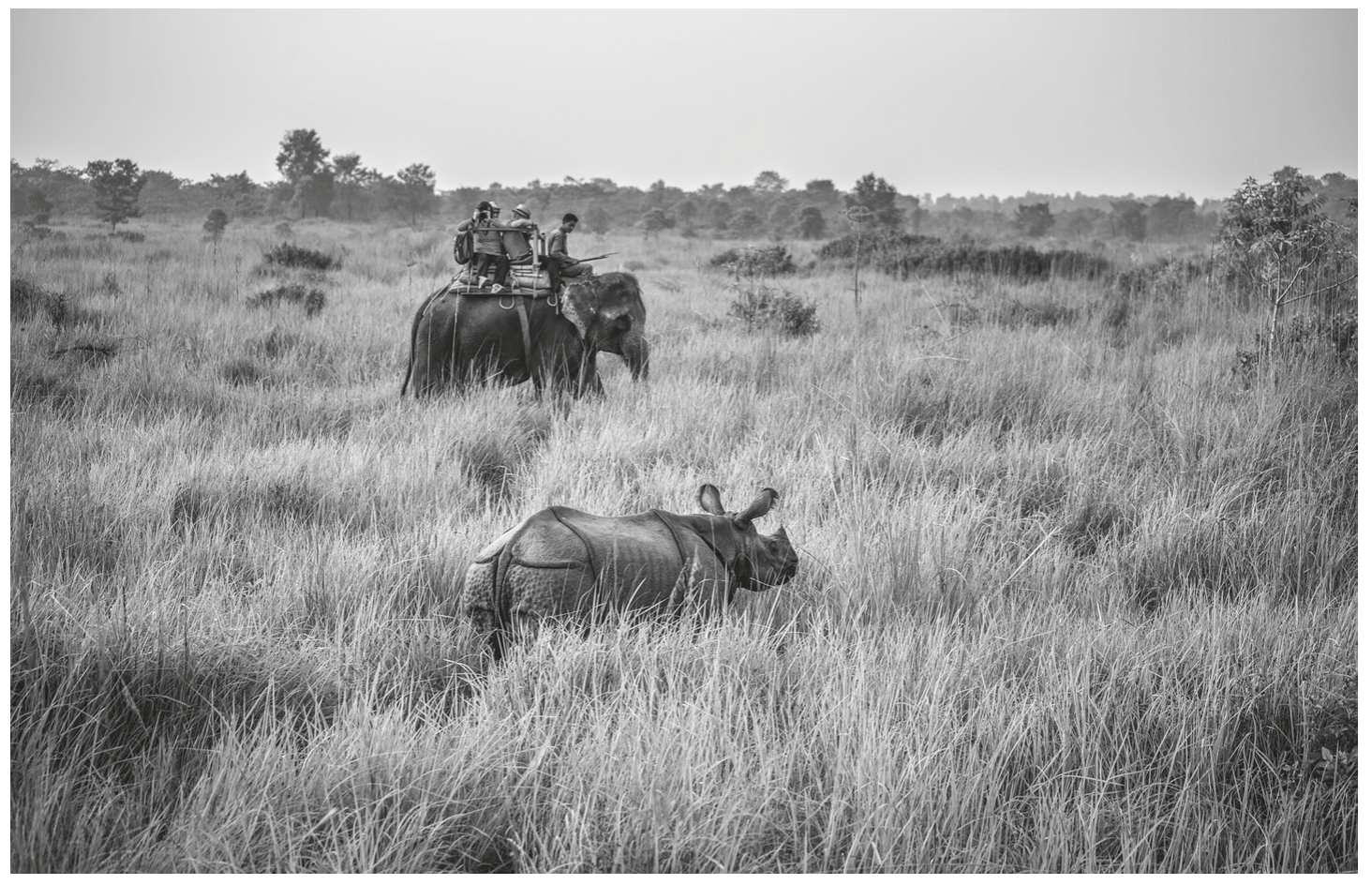
There are three species of rhinoceros in Asia. Fig. 4.1 shows an Indian rhinoceros, Rhinoceros unicornis, in a national park being observed by tourists who are riding on an elephant.

Fig. 4.1

Fig. 4.1

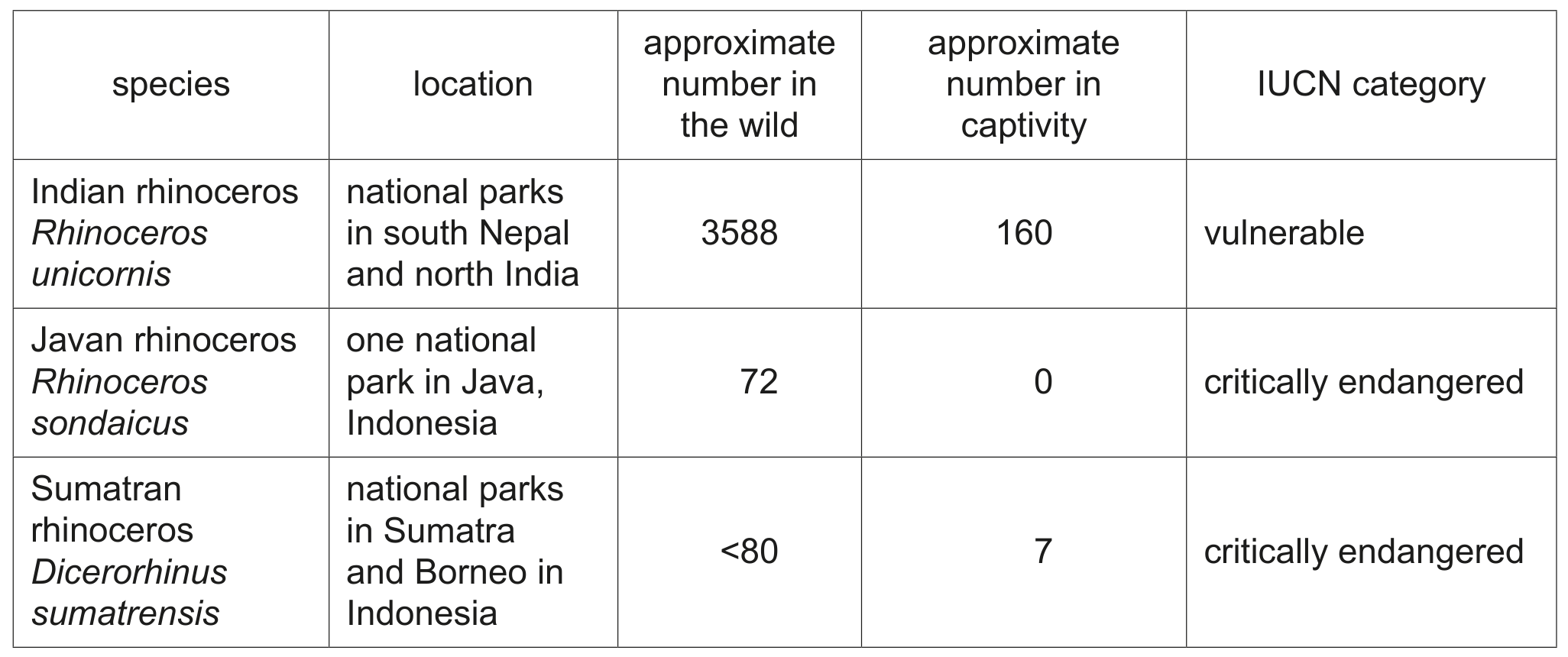
The International Union for Conservation of Nature (IUCN) collects data on animal species and places them into categories based on estimated numbers.

Table 4.1 summarises the conservation status of the three species of rhinoceros, as available in 2020.

Table 4.1

Table 4.1

In 2013, Cincinnati Zoo in the USA announced that they were hoping to breed together rhinoceros that were brother and sister as part of their captive breeding programme.

Discuss the problems that using such closely related animals might have for the conservation of rhinoceros.

Question 5(d)

[Maximum number: 2]

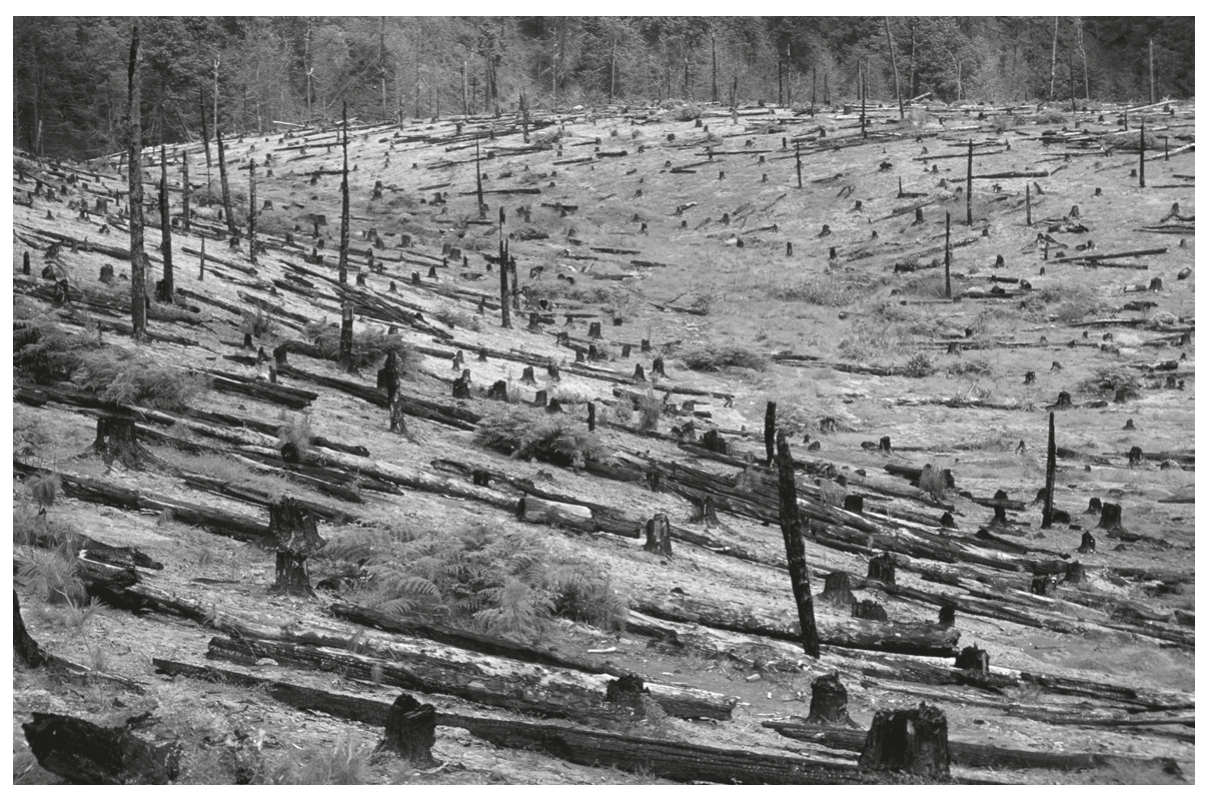
The Mulanje cedar, Widdringtonia whytei, is the national tree of Malawi. This species of tree grows naturally only on Mount Mulanje in Malawi. Many of the trees have been overharvested or destroyed by wildfires, resulting in deforestation, as shown in Fig. 5.1.

Fig. 5.1

Fig. 5.1

The seeds of many endangered tree species are kept in seed banks.

Suggest why it is important to collect seeds from many individual trees of each species rather than just one tree.

Question 5(c)

[Maximum number: 5]

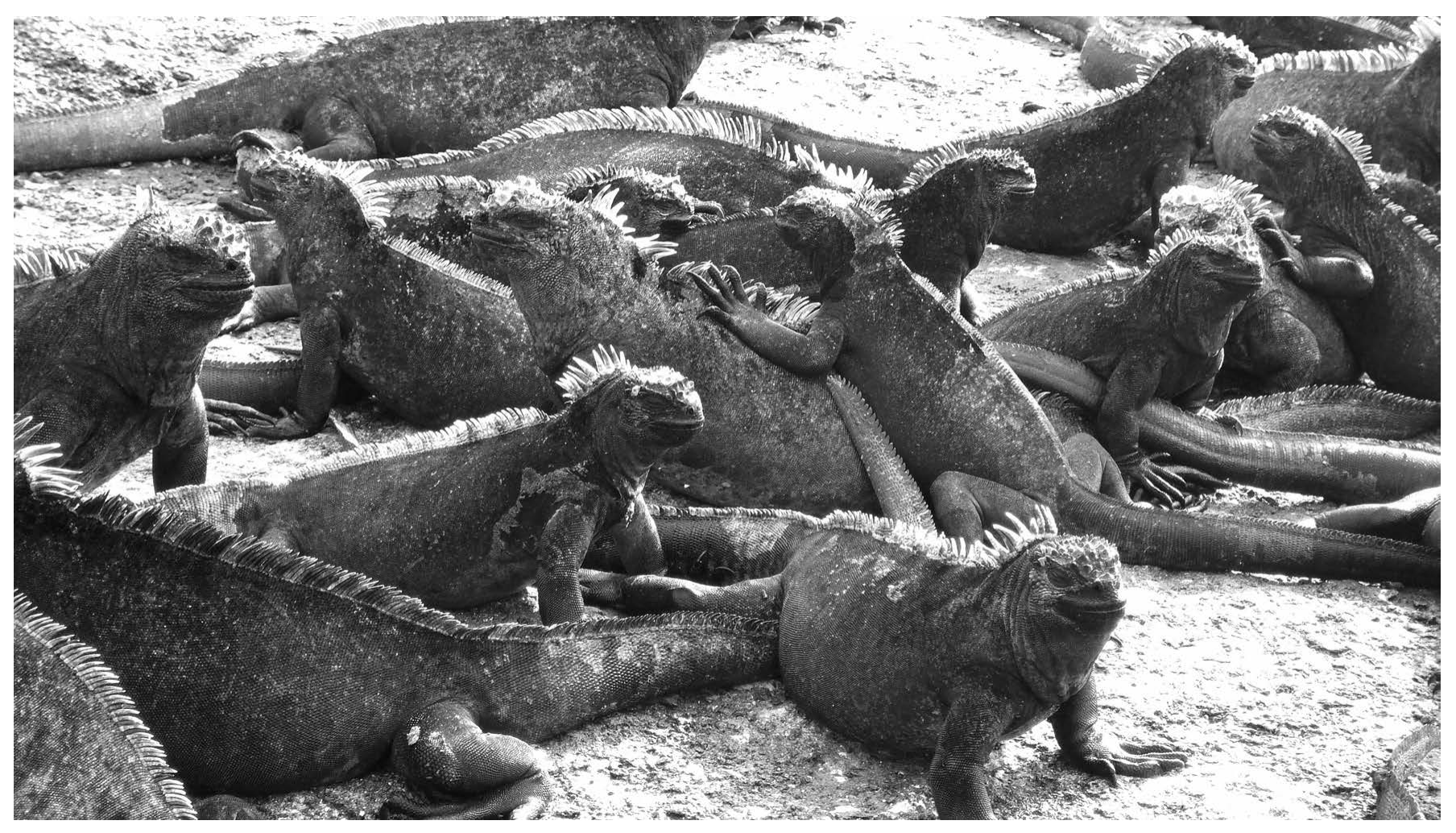
Fig. 5.1 shows the marine iguana, Amblyrhynchus cristatus.

Fig. 5.1

Fig. 5.1

There are many threats to species such as the marine iguana.

Describe ways endangered plant and animal species can be conserved.

0 selected