EduNinja

IGCSE Biology Extended14.1.9—Events at a synapseTopic Practice

14.1.9—Events at a synapse

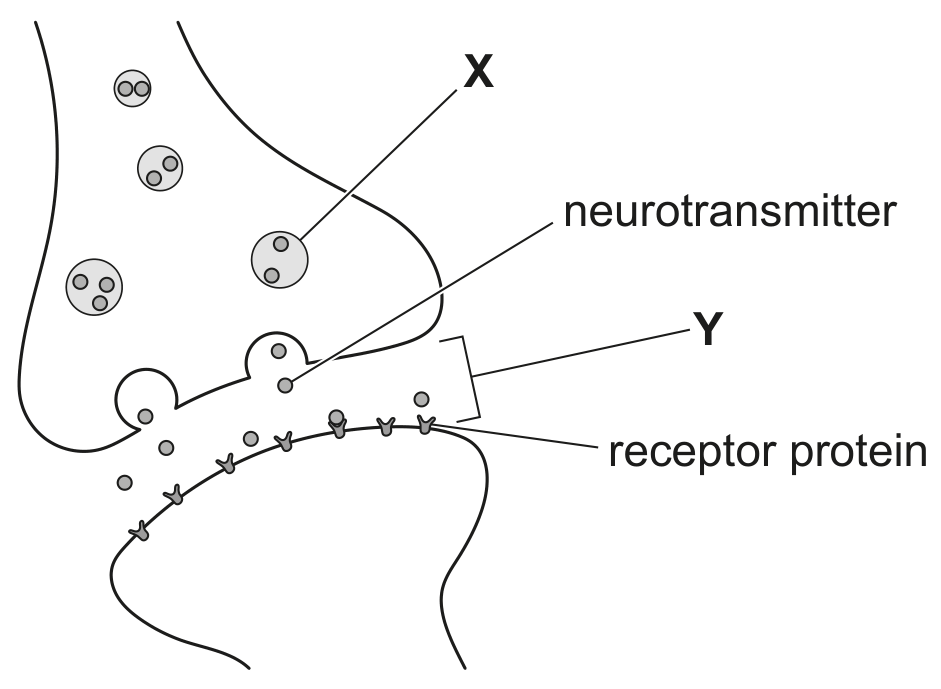
• Describe the events at a synapse as: (a) an impulse stimulates the release of neurotransmitter molecules from vesicles into the synaptic gap (b) the neurotransmitter molecules diffuse across the gap (c) neurotransmitter molecules bind with receptor proteins on the next neurone (d) an impulse is then stimulated in the next neurone

Question 2(b)

[Maximum number: 3]

Reflexes are simple responses that protect the body. The pathway that nerve impulses travel along during a reflex is called a reflex arc.

Impulses travel between neurones across a synapse.

Describe how impulses travel across the synapse from one neurone to another.
Question 2(f)(ii)

[Maximum number: 3]

Pregnancy can occur after the fusion of a male gamete and a female gamete.

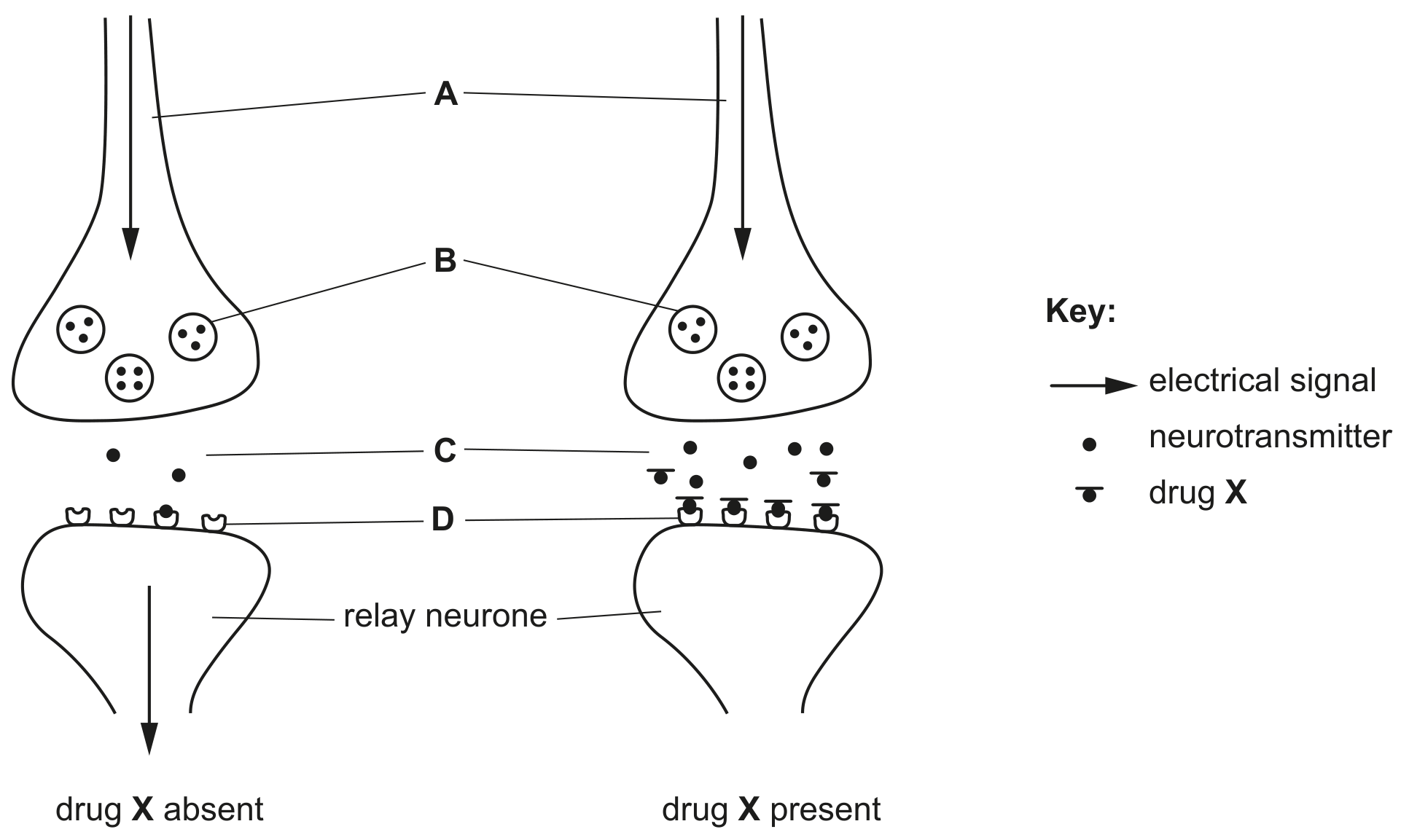
Fig. 2.2 shows the junction between two neurones with drug X absent and two neurones with drug X present, immediately after a painful stimulus.

Fig. 2.2

Fig. 2.2

Describe and explain how drug X affects the function of the relay neurone shown in Fig. 2.2.

Question 2(b)(ii)

[Maximum number: 3]

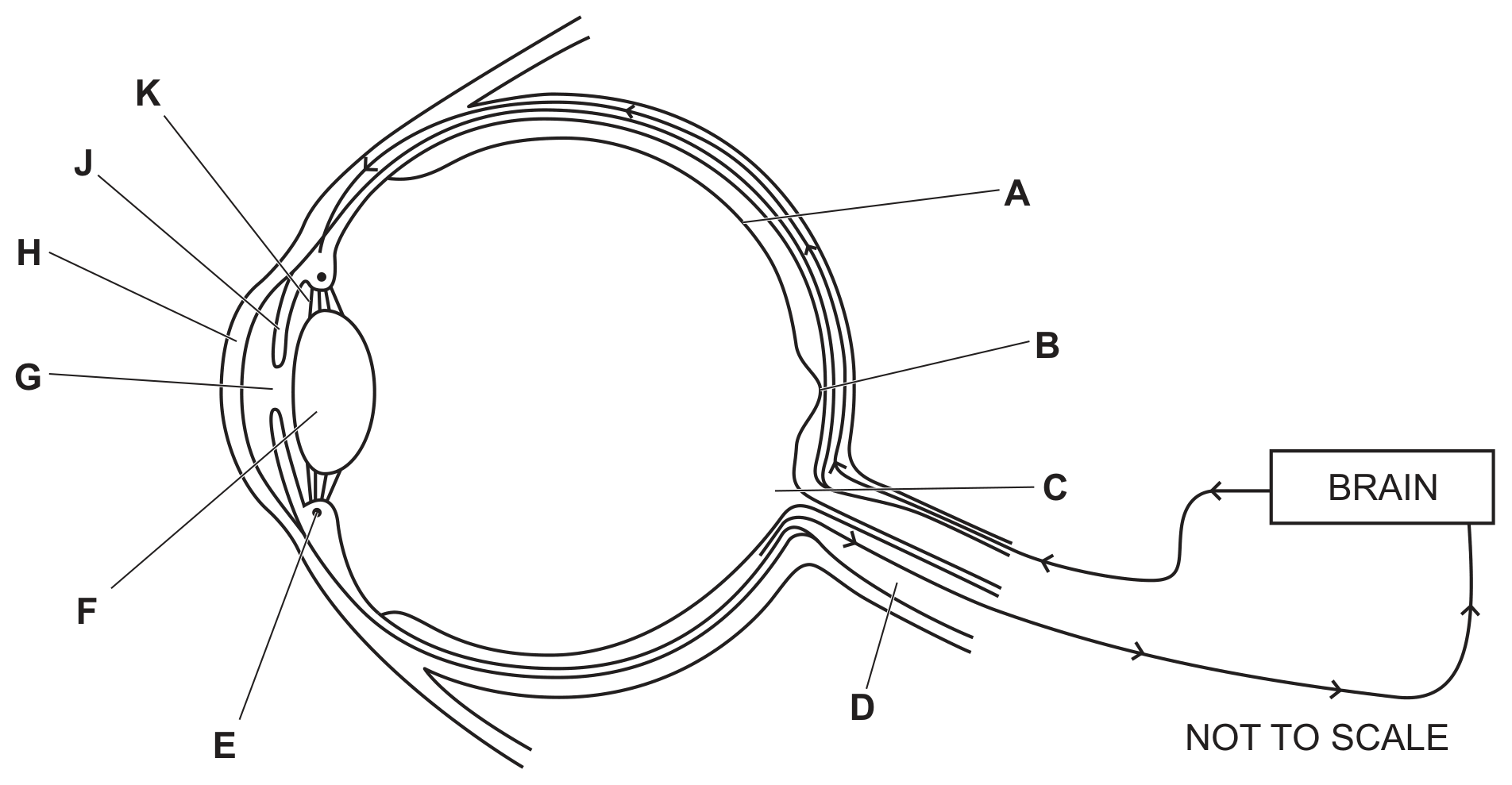
Fig. 2.1 shows the structure of the eye. It also shows the pathway taken by nerve impulses which help bring about changes in the eye in order to bring light to a focus.

Fig. 2.1

Fig. 2.1

Describe how the events that occur at a synapse generate an impulse in the next neurone.

Question 3(d)(ii)

[Maximum number: 3]

Describe how impulses are transmitted across a synapse.

Question 3(c)

[Maximum number: 6]

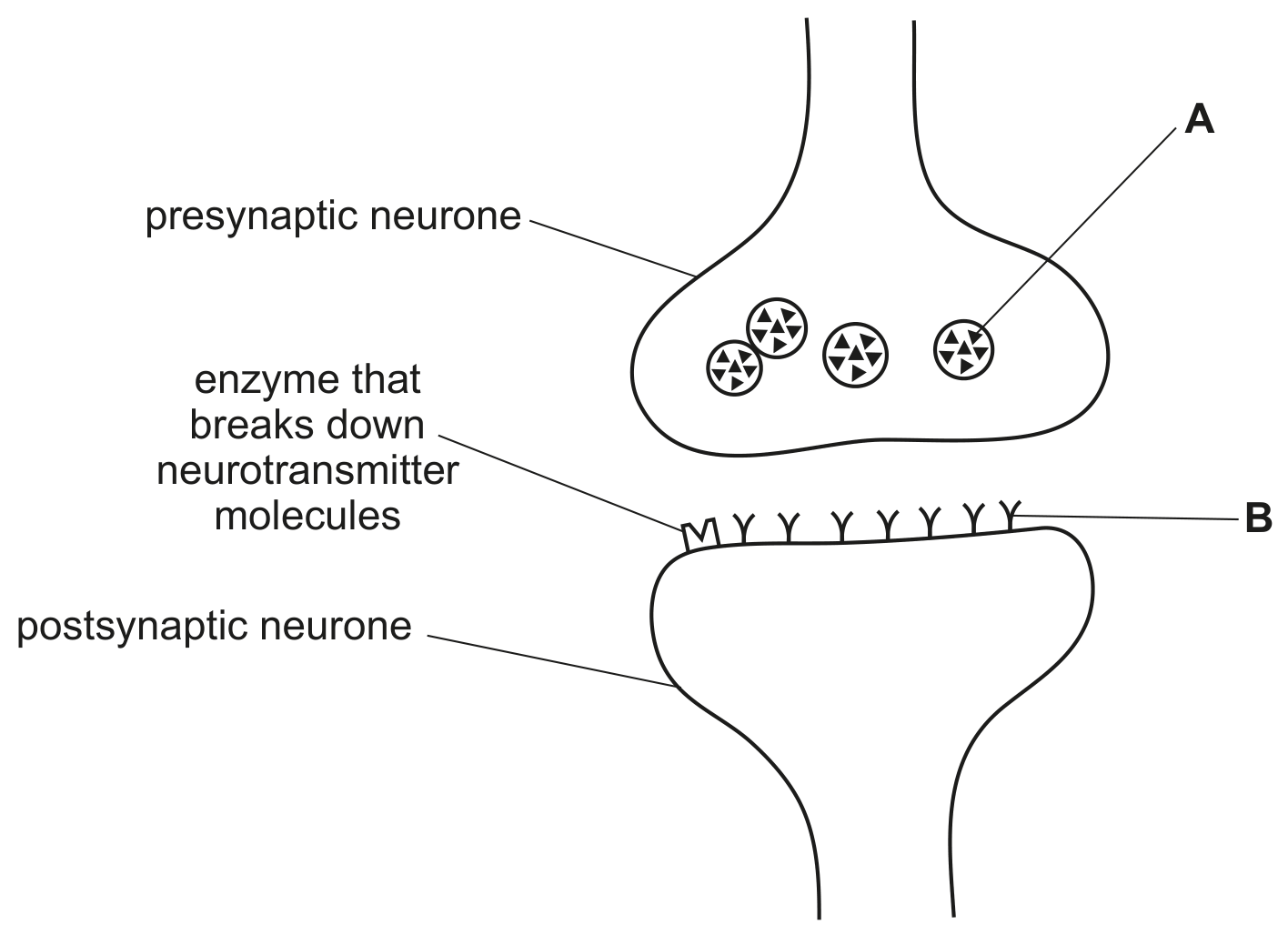
Fig. 3.1 shows the junction between two neurones.

Fig. 3.1

Fig. 3.1

Many drugs interfere with the action of neurotransmitters at the junctions between neurones.
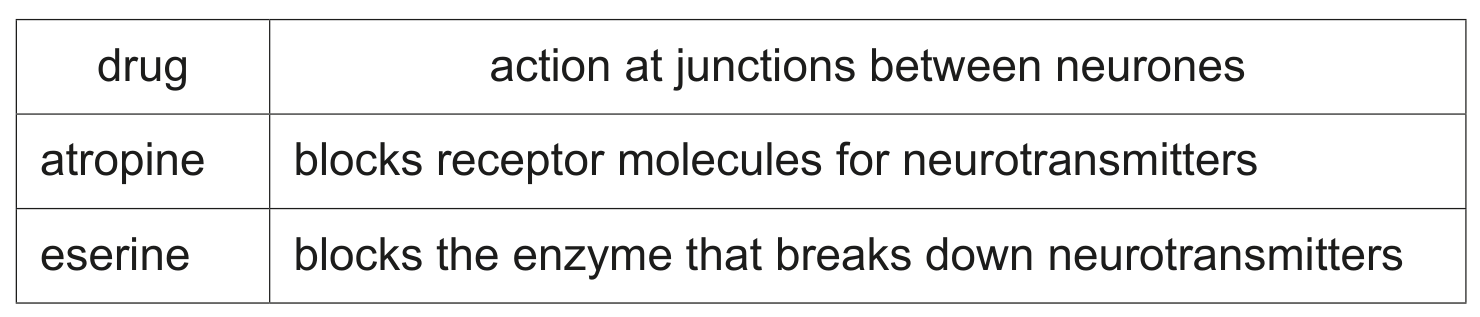
Two drugs that influence the transmission of impulses between neurones are atropine and eserine. The actions of these drugs are shown in Table 3.1.

Table 3.1

Table 3.1

Explain the effects of these two drugs on the nervous system using the information in Fig. 3.1 and Table 3.1.

Question 3(d)(ii)

[Maximum number: 3]

Describe how impulses are transmitted across a synapse.

Question 3(d)

[Maximum number: 3]

Heroin is a drug that acts on the nervous system.

When an impulse arrives along sensory neurone B, a different neurotransmitter is released. This prevents the production of an impulse in the relay neurone.

Molecules of heroin have a similar shape to the neurotransmitter released from these neurones.

Explain how heroin affects the function of the synapse.

Question 3(b)

[Maximum number: 5]

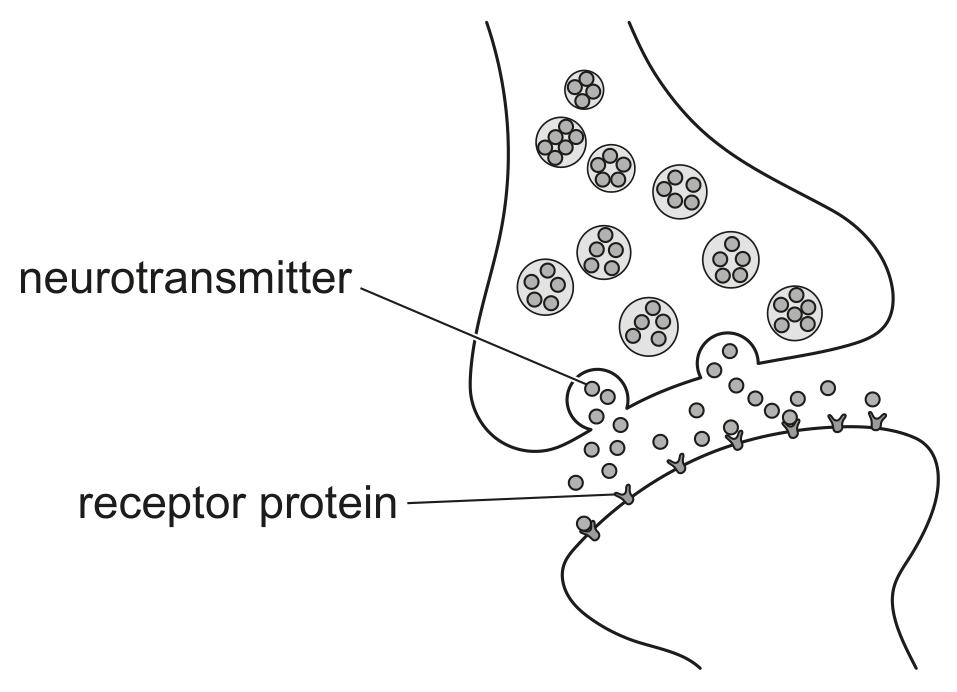
Fig. 3.1 is a diagram of the junction between two neurones in a healthy person.
Fig. 3.2 is a diagram of the junction between the same two neurones in a person who has Parkinson's disease. This disease affects the nervous system.

Fig. 3.1

Fig. 3.1

Fig. 3.2

Fig. 3.2

Parkinson's disease affects neurones in the brain that are responsible for movement.

Using the information in Fig. 3.1 and Fig. 3.2, suggest and explain the effect of Parkinson's disease on a person's movement.

Question 3(b)

[Maximum number: 4]

Reflexes are simple responses that protect the body.

Impulses travel along neurones.

Describe how impulses pass from one neurone to another neurone across a synapse.

Question 24

[Maximum number: 1]

The events listed involve neurotransmitter molecules at a synapse.
1 They bind with receptor proteins.
2 They diffuse across the synaptic gap.
3 They enter the synaptic gap.
4 They are released from vesicles.
What is the sequence of events that occur when an impulse arrives at the synapse?

A

32143 \rightarrow 2 \rightarrow 1 \rightarrow 4

B

43124 \rightarrow 3 \rightarrow 1 \rightarrow 2

C

34123 \rightarrow 4 \rightarrow 1 \rightarrow 2

D

43214 \rightarrow 3 \rightarrow 2 \rightarrow 1

0 selected