EduNinja

IGCSE Biology Extended14.1.4—Sensory, relay and motor neuronesTopic Practice

14.1.4—Sensory, relay and motor neurones

• Identify in diagrams and images sensory, relay and motor neurones

Question 1(b)(i)

[Maximum number: 1]

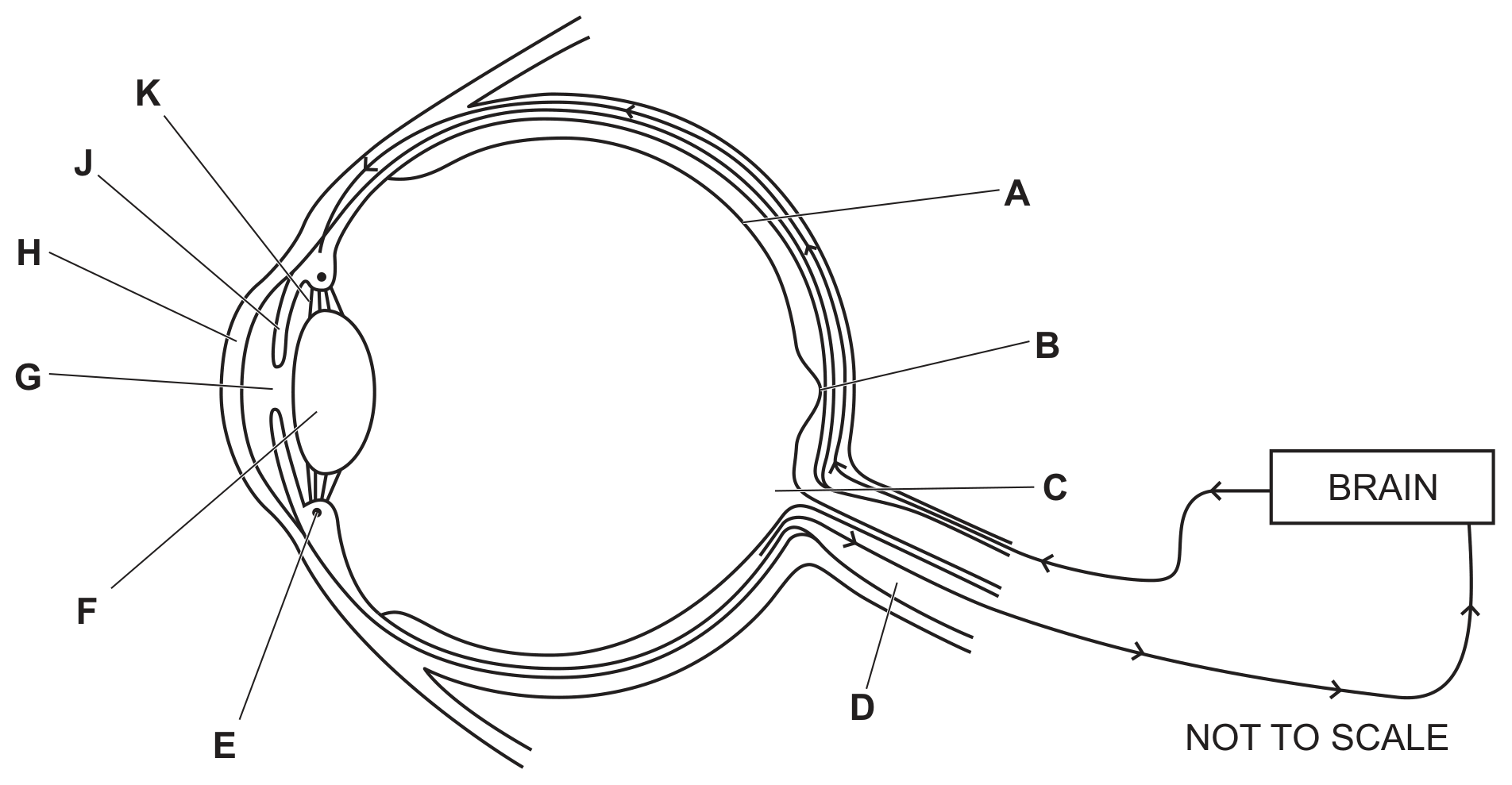
Fig. 1.1 shows part of a human eye and three neurones that conduct electrical impulses between the eye and the brain. These neurones are involved in the pupil reflex.
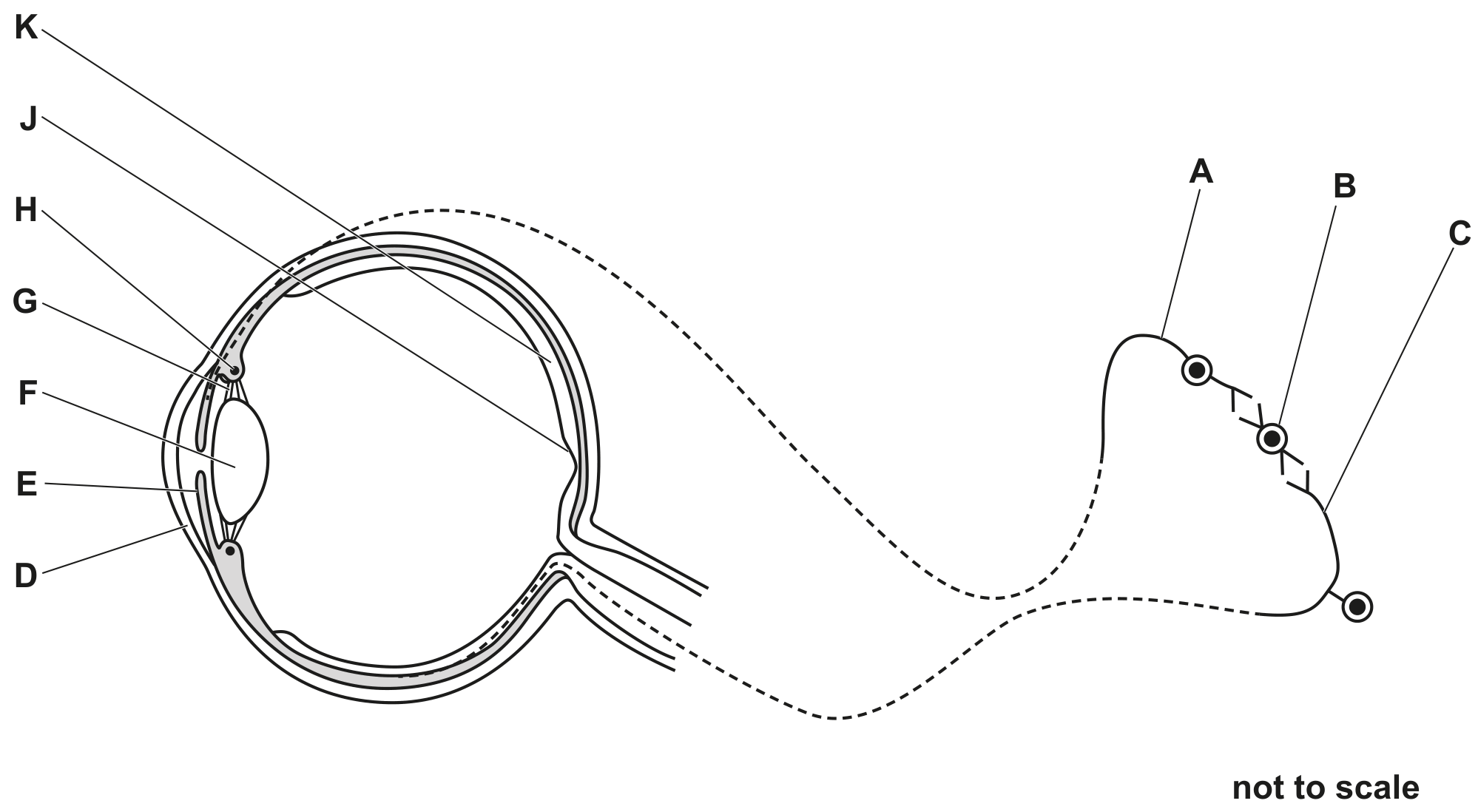
Fig. 1.1

Fig. 1.1

State the type of neurone identified as A in Fig. 1.1.
Question 2(f)(i)

[Maximum number: 4]

Pregnancy can occur after the fusion of a male gamete and a female gamete.

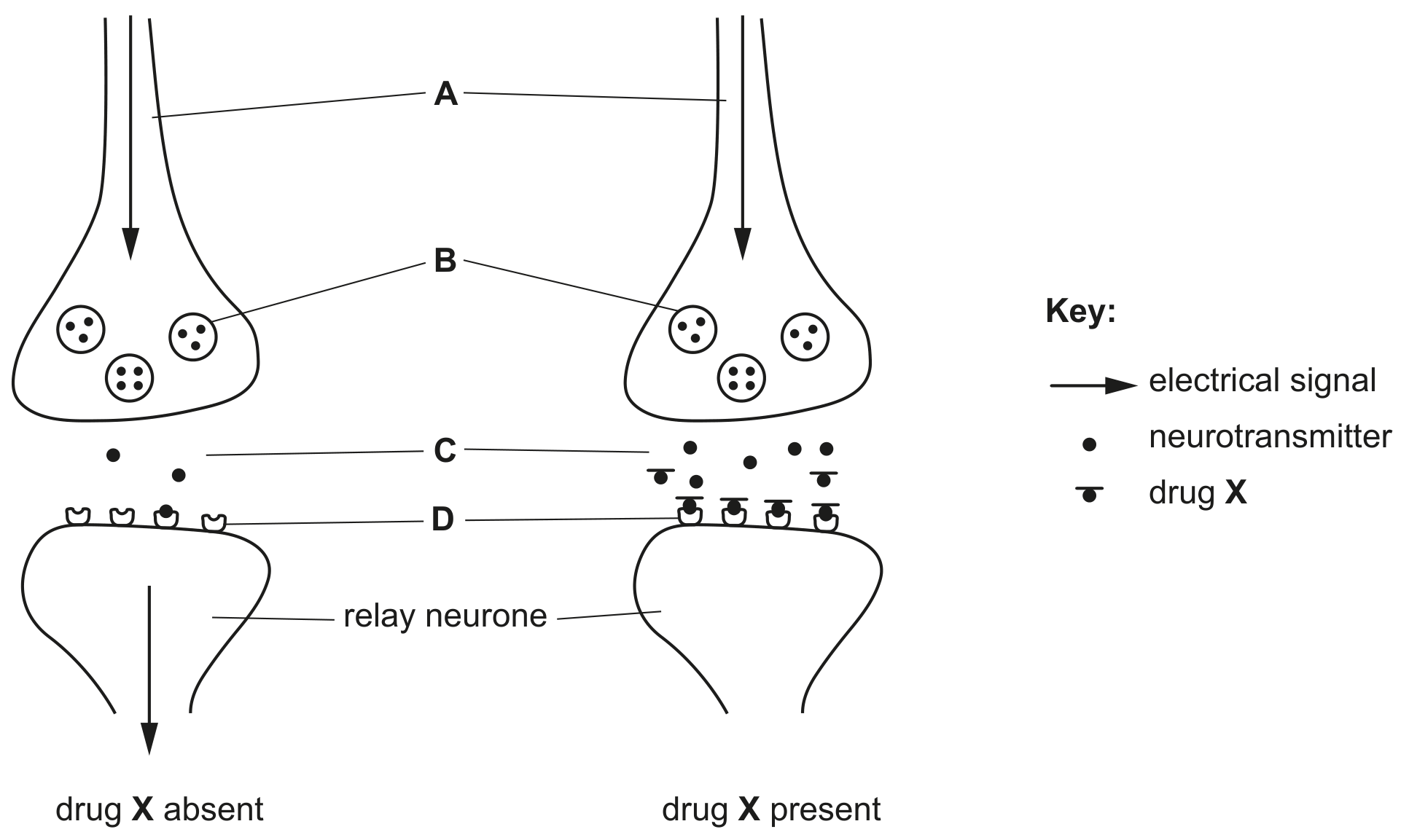
Fig. 2.2 shows the junction between two neurones with drug X absent and two neurones with drug X present, immediately after a painful stimulus.

Fig. 2.2

Fig. 2.2

State the names of A, B, C and D in Fig. 2.2.

A

B

C

D

Question 2(a)(iii)

[Maximum number: 1]

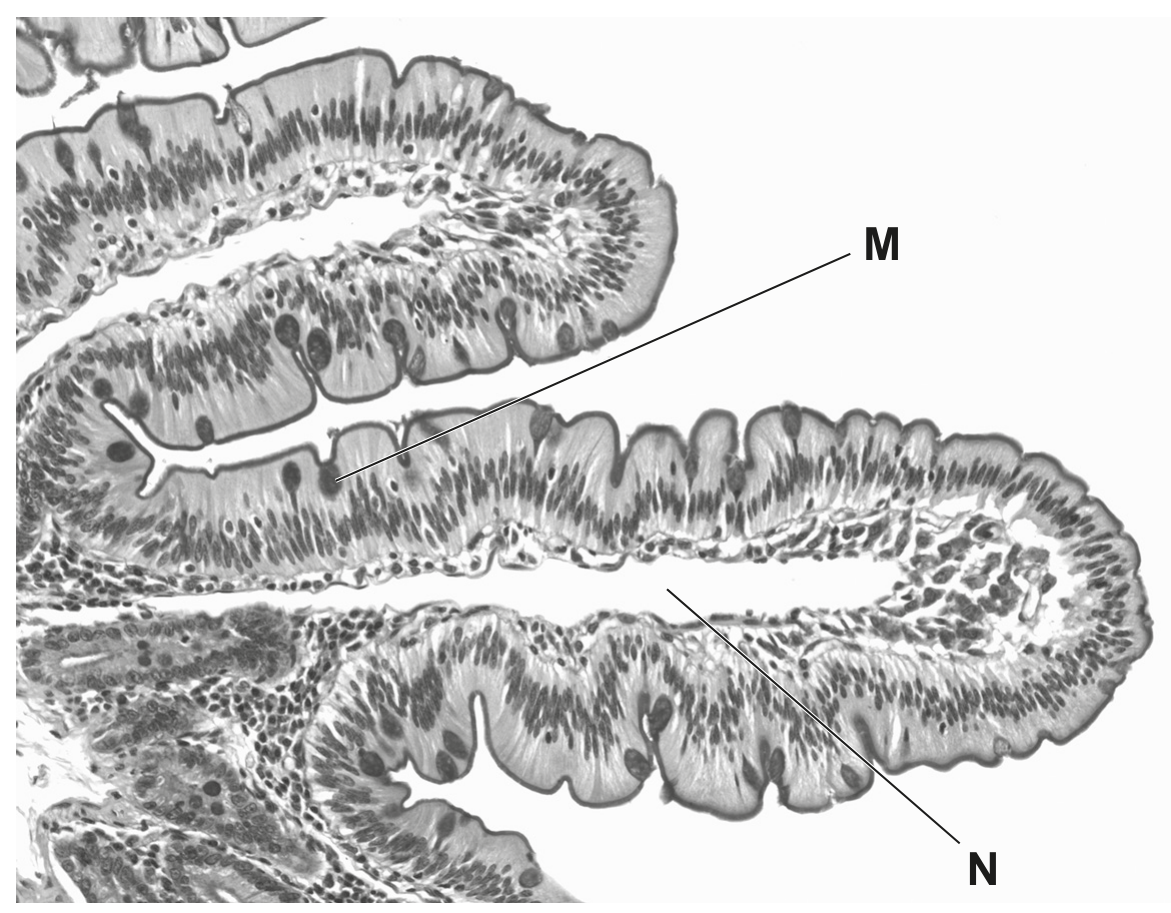
The small intestine is lined with many villi and is adapted to absorb glucose.
Fig. 2.1 shows two villi from the lining of the small intestine.

Fig. 2.1

Fig. 2.1

State one other place in the body where mucus secreting cells are found.

Question 2(b)(i)

[Maximum number: 1]

Fig. 2.1 shows the structure of the eye. It also shows the pathway taken by nerve impulses which help bring about changes in the eye in order to bring light to a focus.

Fig. 2.1

Fig. 2.1

Draw a label line and a letter X on Fig. 2.1 to identify a motor neurone.

Question 3(b)

[Maximum number: 3]
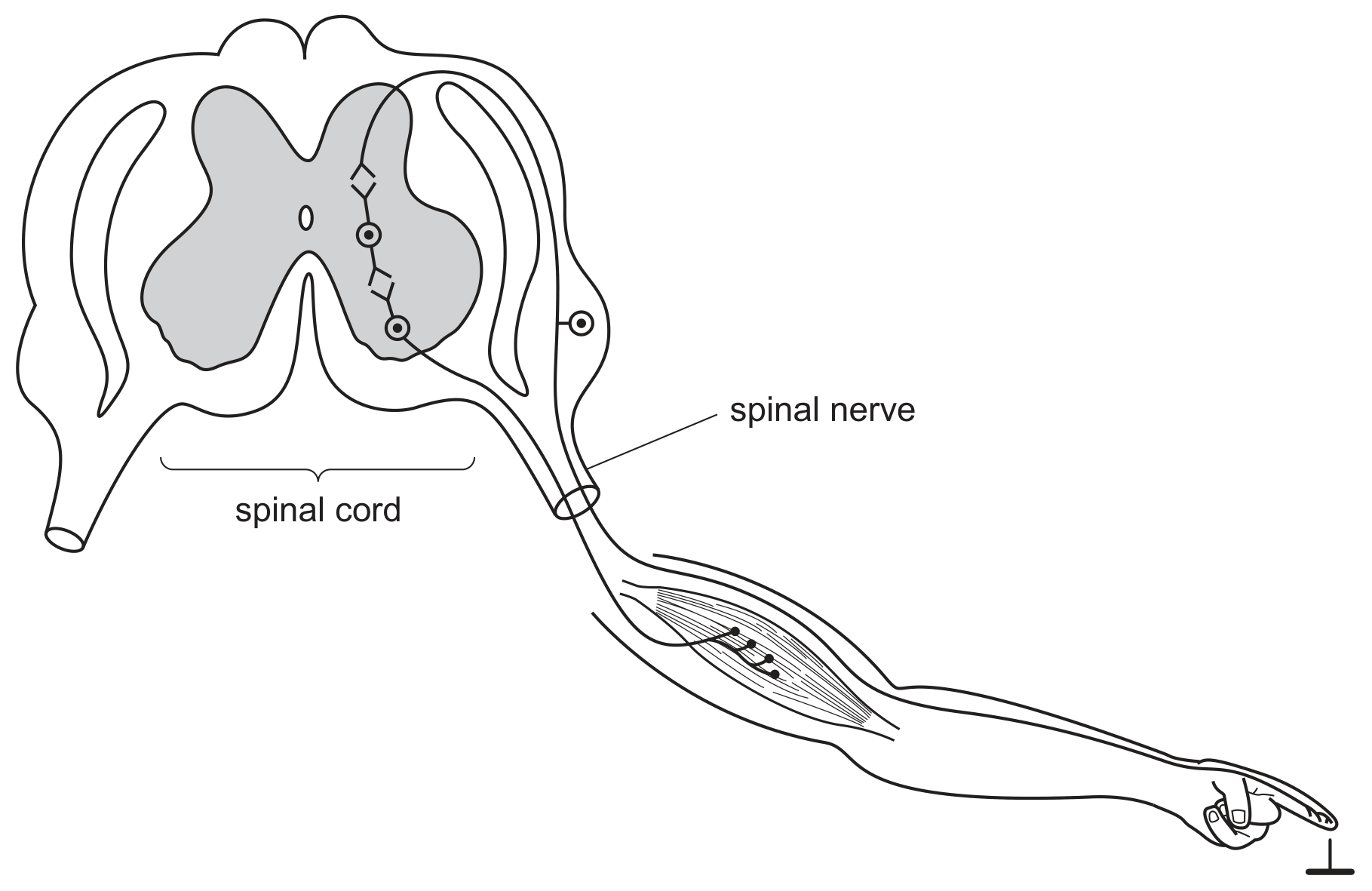
Fig. 3.1 shows the reflex arc involved in a simple reflex action.

Fig. 3.1 shows the reflex arc involved in a simple reflex action.

On Fig. 3.1 use label lines to identify and name the three types of neurone shown.

Question 3(b)

[Maximum number: 3]
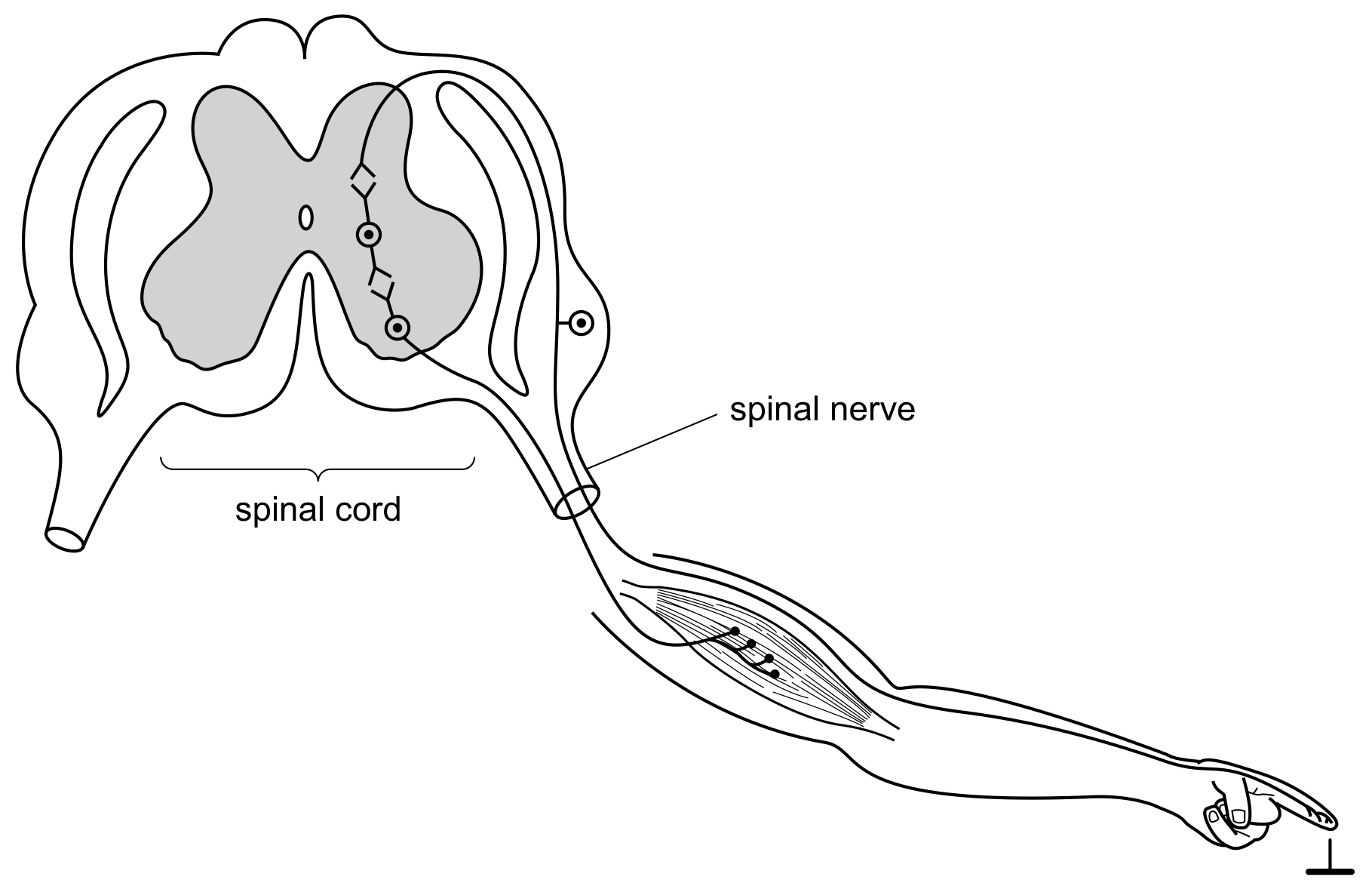
Fig. 3.1 shows the reflex arc involved in a simple reflex action.

Fig. 3.1 shows the reflex arc involved in a simple reflex action.

On Fig. 3.1 use label lines to identify and name the three types of neurone shown.

Question 23

[Maximum number: 1]

Which structure contains relay neurones?

A

gland

B

muscle

C

spinal cord

D

synapse

Question 23

[Maximum number: 1]

Sensory neurones conduct impulses from

A

the brain and spinal cord to muscles.

B

one sense organ to another sense organ.

C

sense organs to the brain and spinal cord.

D

muscles to sense organs.

Question 4(b)(iii)

[Maximum number: 1]

The responses of the human body to danger are coordinated by the nervous and endocrine systems.

Fig. 4.1 shows the sequence of events that occurs in response to a dangerous situation that is detected by the eyes.

Fig. 4.1

Fig. 4.1

State the type of neurone that conducts impulses from the eye to the brain.

Question 4

[Maximum number: 2]

A neurone is a type of specialised animal cell.

Question 4(b)

(a)

Some neurones connect to effector organs.

[ 2 ]

Question 4(b)(i)

(i)

State the name of the type of neurone that connects to an effector organ.

[ 1 ]

Question 4(b)(ii)

(ii)

State one example of an effector organ.

[ 1 ]
0 selected