EduNinja

IGCSE Biology Extended14.1.8—Structure of a synapseTopic Practice

14.1.8—Structure of a synapse

• Describe the structure of a synapse, including the presence of vesicles containing neurotransmitter molecules, the synaptic gap and receptor proteins

Question 3(b)

[Maximum number: 4]

Heroin is a drug that acts on the nervous system.

There are pain receptors in the skin. These receptors transmit impulses along sensory neurones to the spinal cord.

Fig. 3.1 shows the synapses between sensory neurone A and a relay neurone and sensory neurone B and a relay neurone, in the spinal cord.

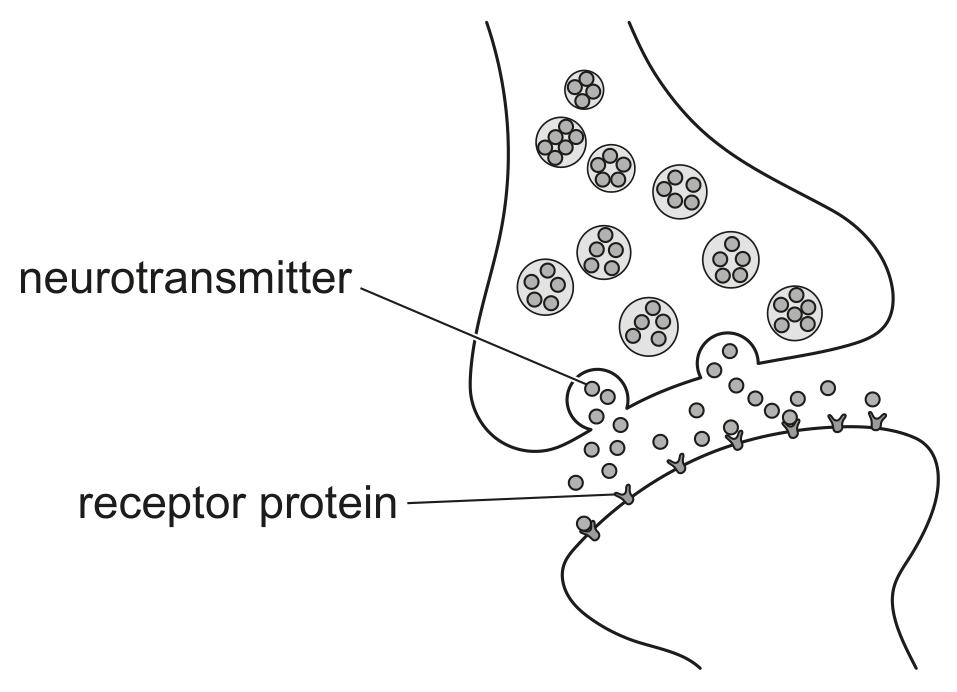
Fig. 3.2 is an enlarged view of the synapse between sensory neurone A and the relay neurone, as indicated by the circle on Fig. 3.1.
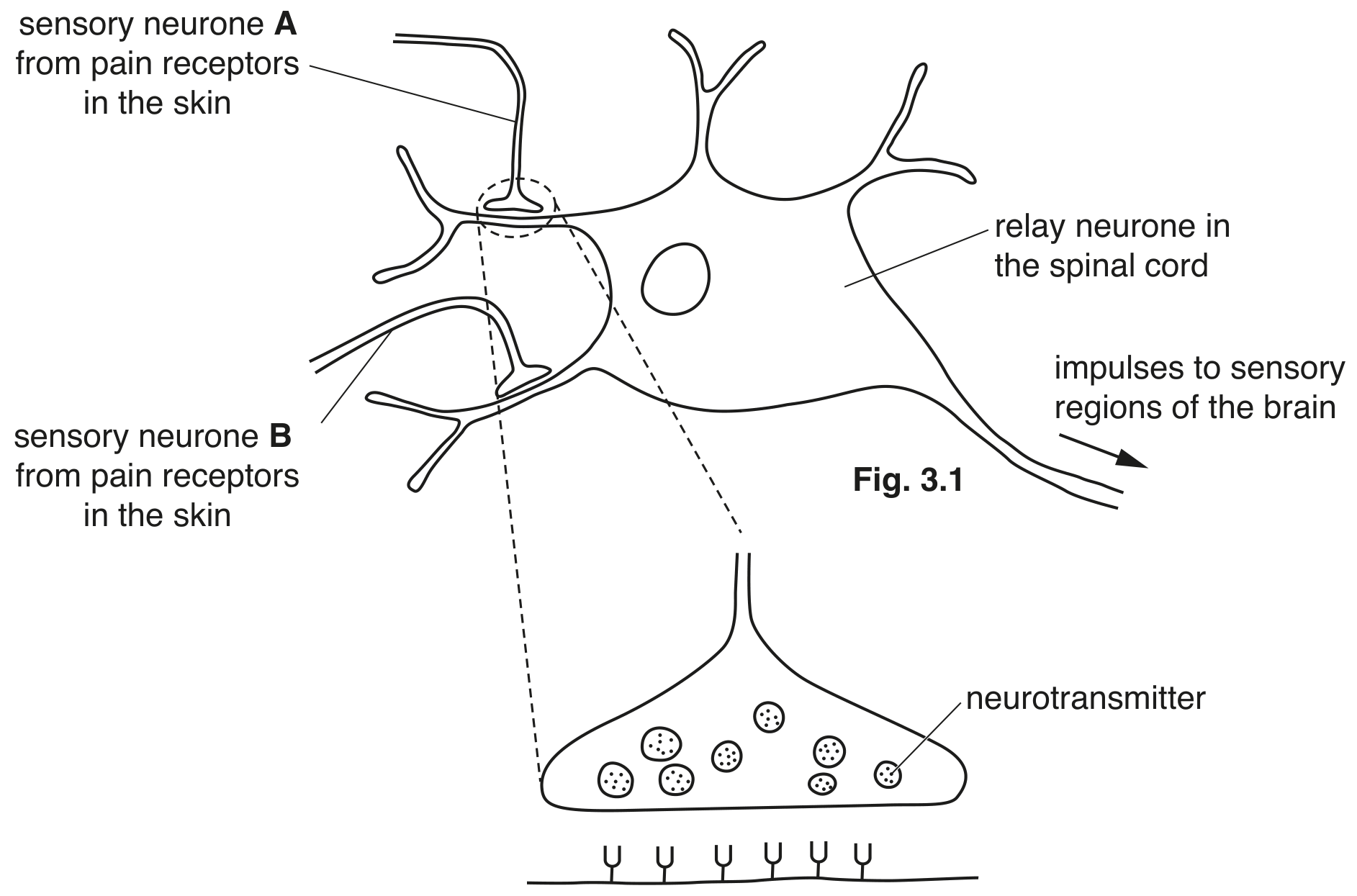
Fig. 3.2

Fig. 3.2

Describe how impulses are transmitted across the synapse.
Question 3(a)

[Maximum number: 2]

Fig. 3.1 is a diagram of the junction between two neurones in a healthy person.
Fig. 3.2 is a diagram of the junction between the same two neurones in a person who has Parkinson's disease. This disease affects the nervous system.

Fig. 3.1

Fig. 3.1

Fig. 3.2

Fig. 3.2

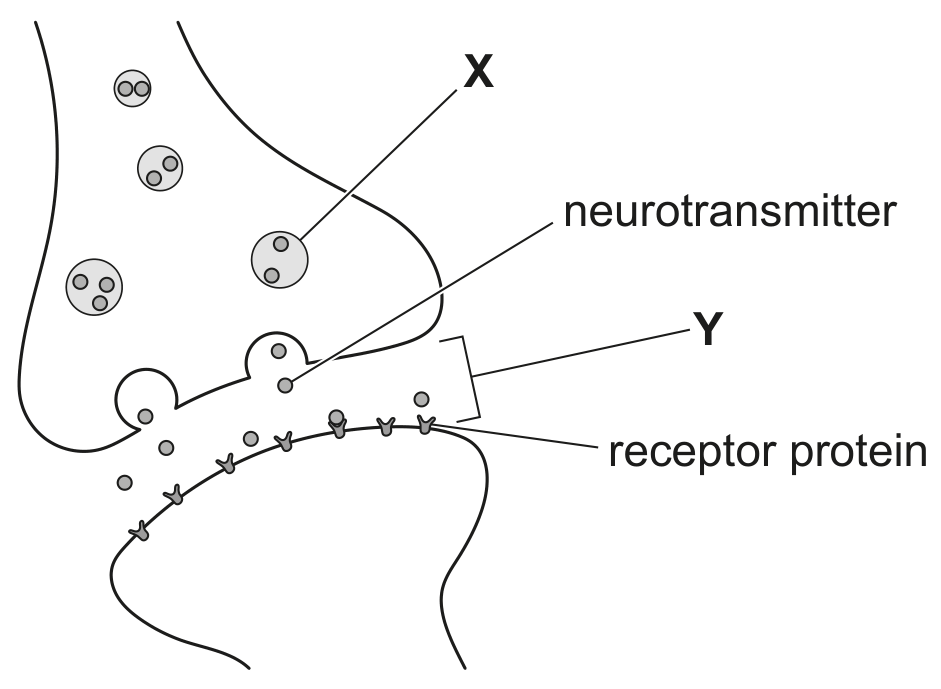
Identify the parts labelled X and Y in Fig. 3.2.

X Y

Question 22

[Maximum number: 1]

The neurones at synapses contain vesicles.
Which type of substance is found inside the vesicles?

A

enzyme

B

chromosomes

C

neurotransmitter

D

steroid

Question 22

[Maximum number: 1]

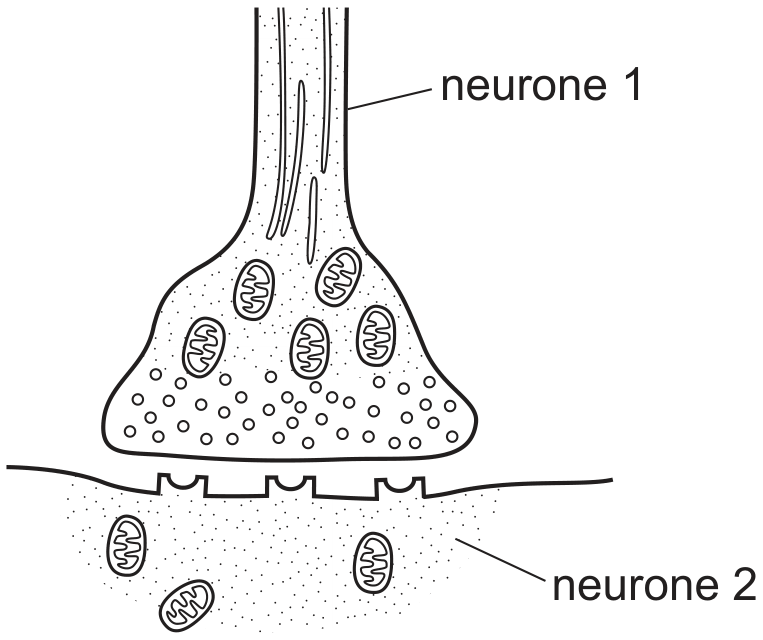
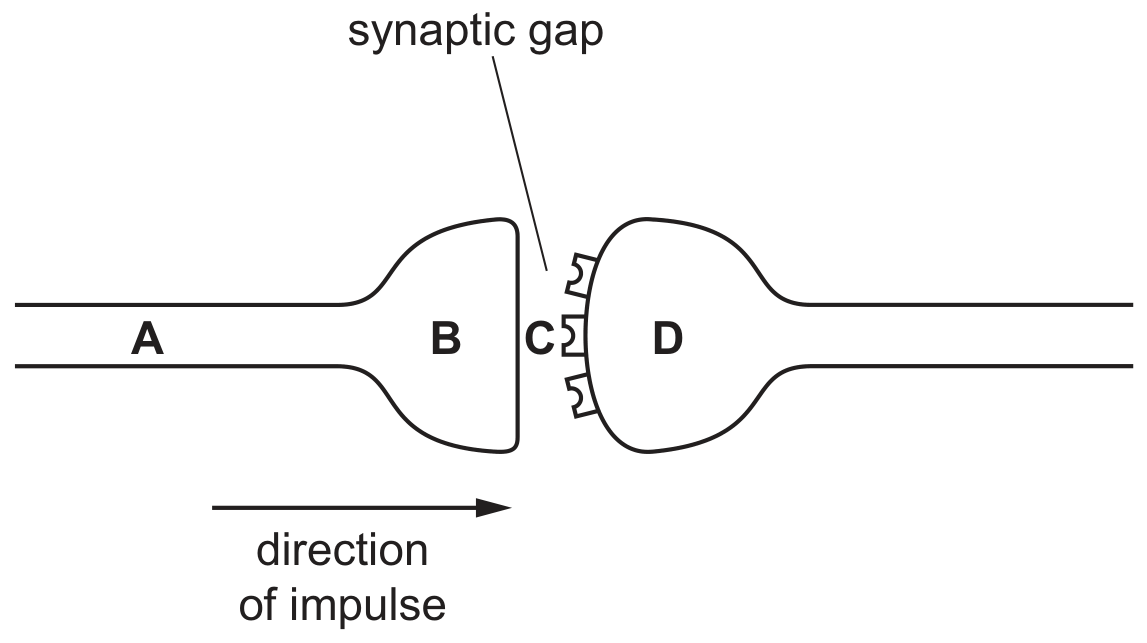
The diagram shows a synapse.

Question image

Heroin is a drug that can bind with receptors in a synapse.
What is the most likely effect heroin will have on the synapse?

A

cause the impulse to travel back along neurone 1

B

prevent neurotransmitter binding with receptors on neurone 2

C

stop the impulse being generated in neurone 1

D

transfer the impulse to a different neurone other than neurone 2

Question 23

[Maximum number: 1]

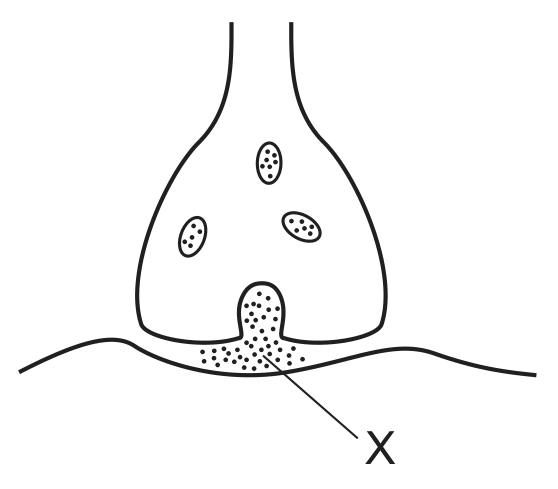
The diagram shows a synapse.

Question image

What do the dots at X represent?

A

neurotransmitter

B

receptor molecule

C

synaptic cleft

D

vesicle

Question 24

[Maximum number: 1]

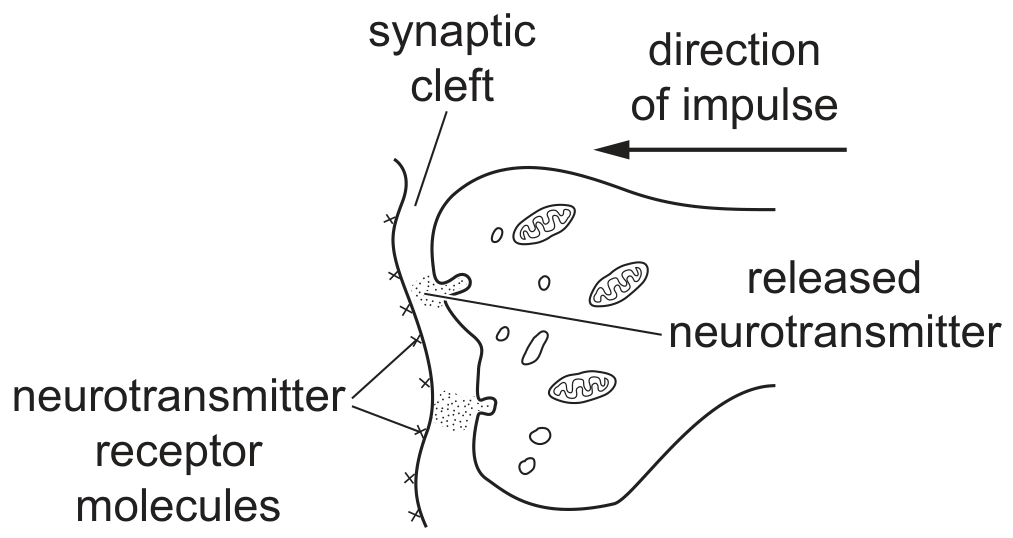
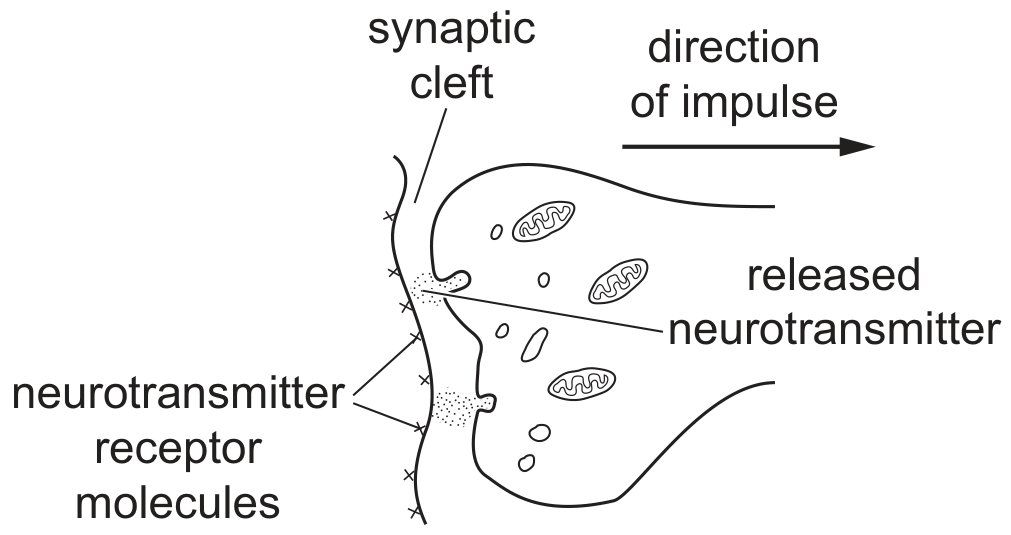
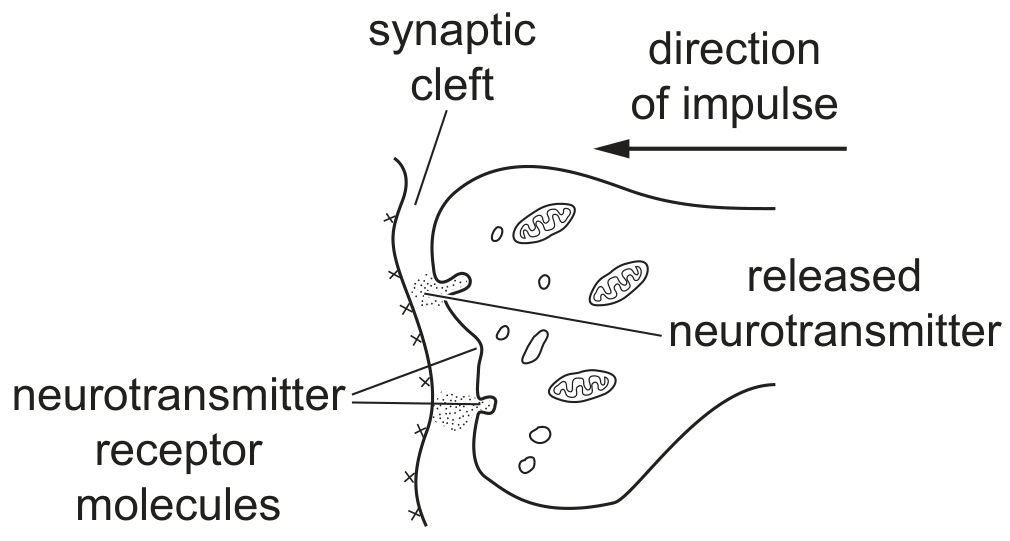
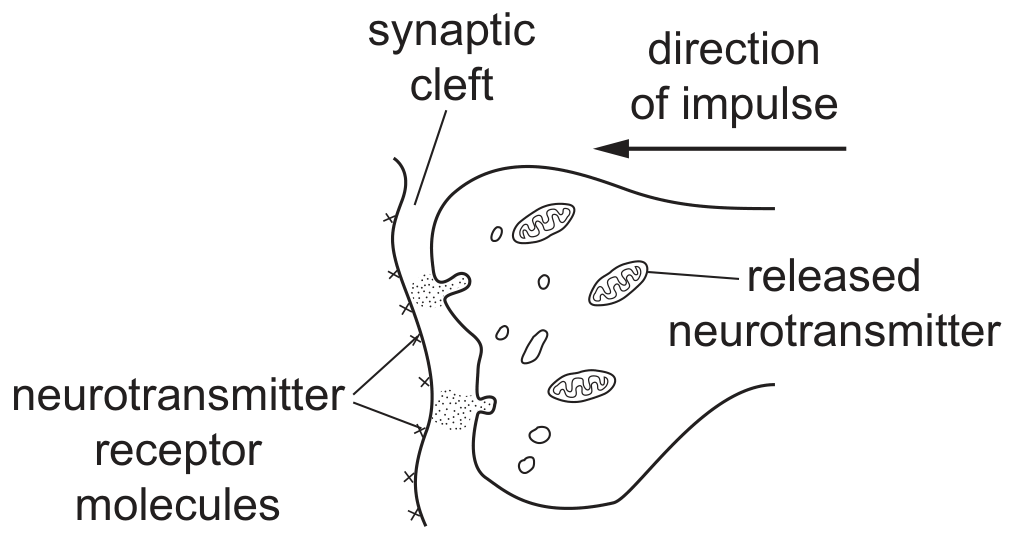
The diagrams show the structures on each side of a synaptic cleft.
Which diagram is correctly labelled?

A
Question image
B
Question image
C
Question image
D
Question image

Question 26

[Maximum number: 1]

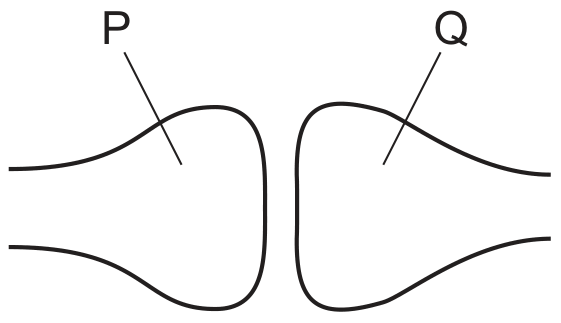
The diagram shows a synapse in a reflex arc.

Question image

What are the identities of the two neurones and in which direction does the neurotransmitter pass?

neurone P

neurone Q

direction of passage
of neurotransmitter

motor

relay

PQ\mathrm{P} \rightarrow \mathrm{Q}

motor

sensory

PQ\mathrm{P} \rightarrow \mathrm{Q}

relay

motor

QPQ \rightarrow P

relay

sensory

QP\mathrm{Q} \rightarrow \mathrm{P}

Question 26

[Maximum number: 1]

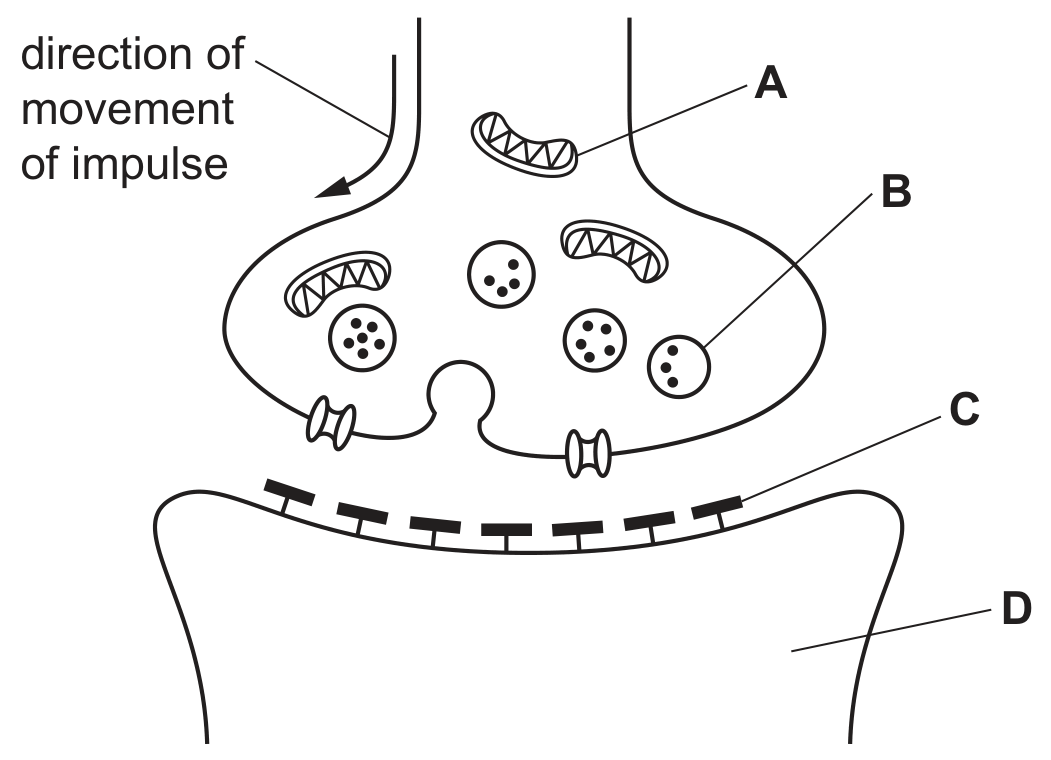
The diagram shows a synapse.
Where are vesicles containing neurotransmitter molecules found?

Question image

Question 28

The diagram shows a synapse.
Heroin affects the neurone.
Which labelled part does the heroin directly affect?

Question image

Question 28

[Maximum number: 1]

A toxin that is the same shape as a neurotransmitter prevents muscle contraction.

Which statement explains why the toxin prevents muscle contraction?

A

The toxin blocks the binding of neurotransmitters to receptors on motor neurones.

B

The toxin increases the release of neurotransmitters from relay neurones.

C

The toxin increases the release of neurotransmitters from sensory neurones.

D

The toxin stimulates impulses in motor neurones.

0 selected