IB Physics SL A.1.9 Fluid resistance on projectiles
Track how drag changes a projectile's forces and path so you can predict acceleration, terminal speed and trajectory changes.
- Syllabus
- First assessment 2025
- Objective
- —
- Level
- SL
Track how drag changes a projectile's forces and path so you can predict acceleration, terminal speed and trajectory changes.
This question is about kinematics.
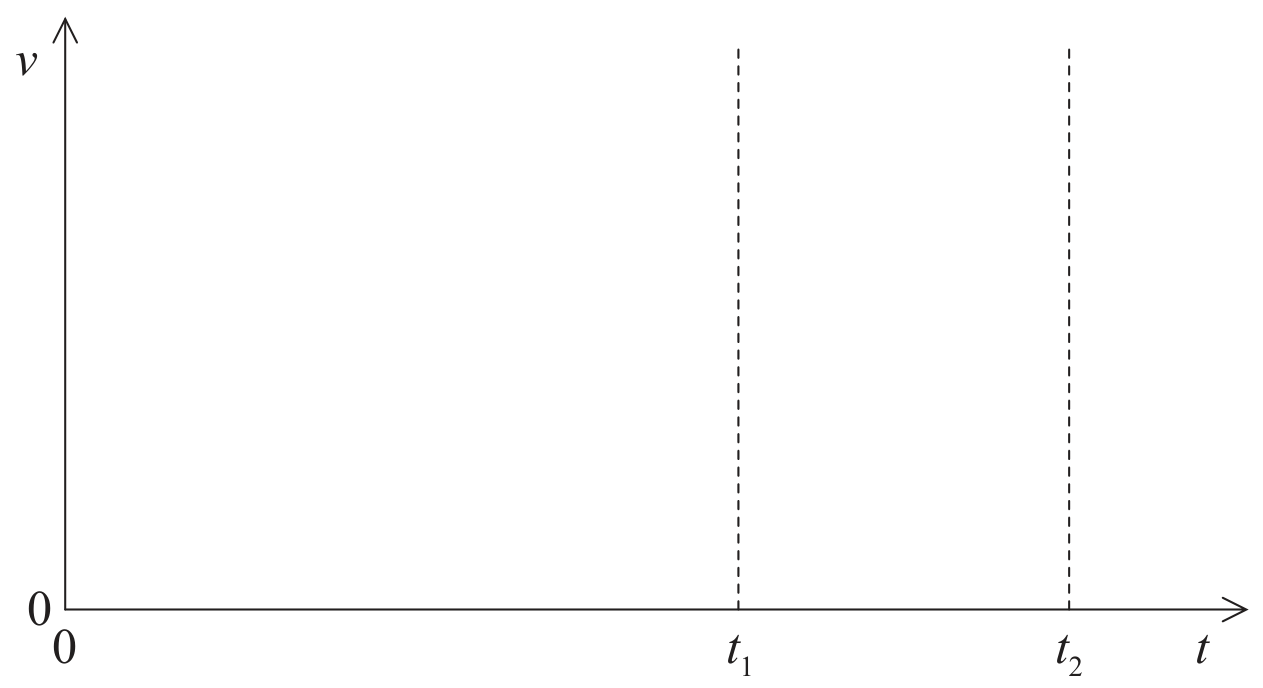
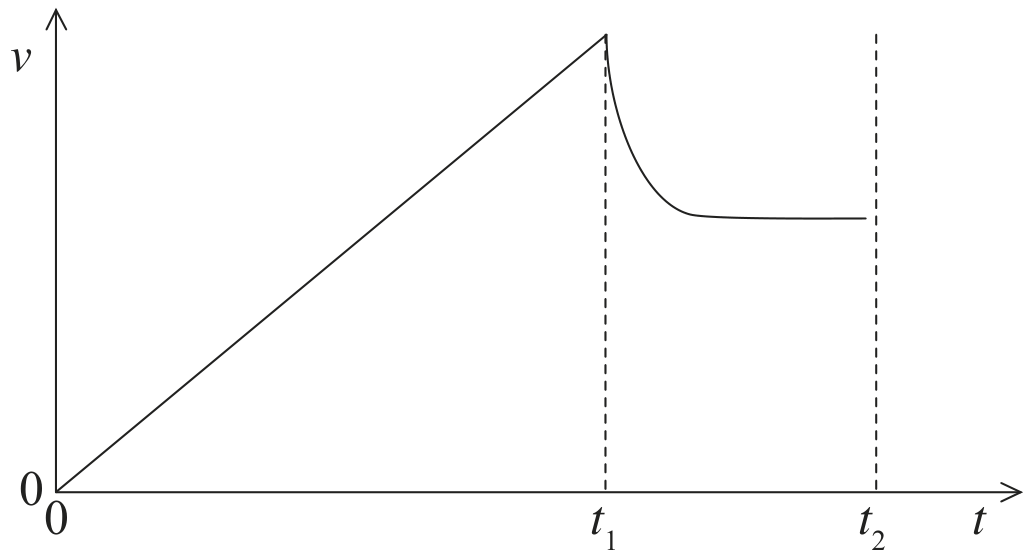
After the stone in (a) hits the water surface it rapidly reaches a terminal speed as it falls through the water. The stone leaves Fiona's hand at time t=0. It hits the water surface at and it comes to rest at the bottom of the water at . Using the axes below, sketch a graph to show how the speed v of the stone varies from time t=0 to just before . (There is no need to add any values to the axes.)