EduNinja

IGCSE Physics(d) Electric chargeTopic Practice

(d) Electric charge

Edexcel IGCSE Physics (d) Electric charge question practice helps you revise this syllabus point with the course map in view. Use this page to focus on one topic, check the style of questions available, and connect each attempt back to the knowledge area it is testing.

EduNinja keeps Physics practice aligned to Edexcel, so you can move from topic review into exam-style question bank work without losing the syllabus structure. Start with a small set, mark the weak steps, then return to nearby topic links when a definition, graph, calculation, or explanation needs repair.

Question 1

[Maximum number: 5]

This question is about electrostatics.

Question 1(a)

(a)

A student uses a plastic rod to investigate electrostatics.
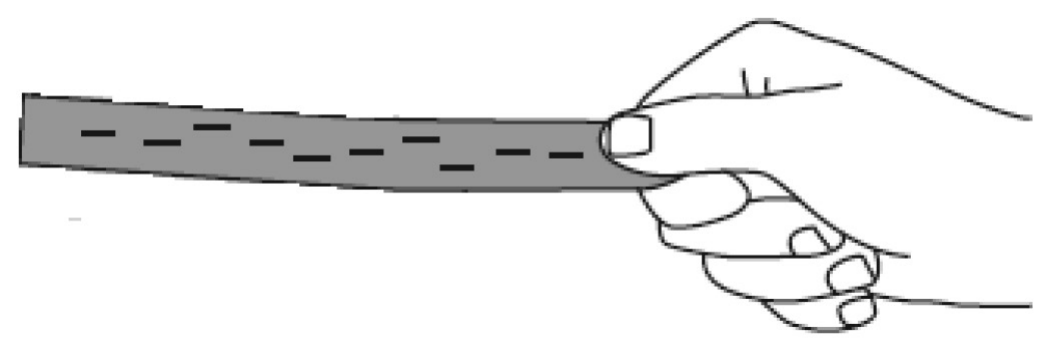
Question image
[ 5 ]

Question 1(a)(i)

(i)

Describe how the student could have charged the plastic rod.

[ 2 ]

Question 1(a)(iii)

(ii)

The rod is negatively charged.

Which statement correctly explains why the rod is negatively charged?

A

the rod has gained negatively charged electrons

B

the rod has gained positively charged electrons

C

the rod has lost negatively charged electrons

D

the rod has lost positively charged electrons

[ 1 ]

Question 1(a)(iv)

(iii)

Using a meter is one method of demonstrating that the rod is charged.

Describe another method of demonstrating that the rod is charged.

[ 2 ]
Question 1

[Maximum number: 5]

The photograph shows a person using a roll of plastic wrapping to cover a plate of food.

The plastic wrapping sticks to the plate due to electrostatic charges.

(Source: goffkein.pro/Shutterstock)
The passage explains why the plastic wrapping sticks to the plate.

Use words from the box to complete the passage.
Each word may be used once, more than once, or not at all.

attractelectronsnegativeneutral
neutronspositiveprotonsrepel

The person pulls a layer of plastic wrapping from the roll.
Forces between the layers of wrapping transfer particles called ............ from one layer to another layer.

The layer gaining these particles acquires a ............ charge.

The layer losing these particles acquires a ............ charge.

The negatively charged layer of wrapping repels ............ in the plate, leaving a positive charge in the plate where it touches the plastic wrapping.

The wrapping and plate ............ due to them having opposite charges.

Question 1

[Maximum number: 6]

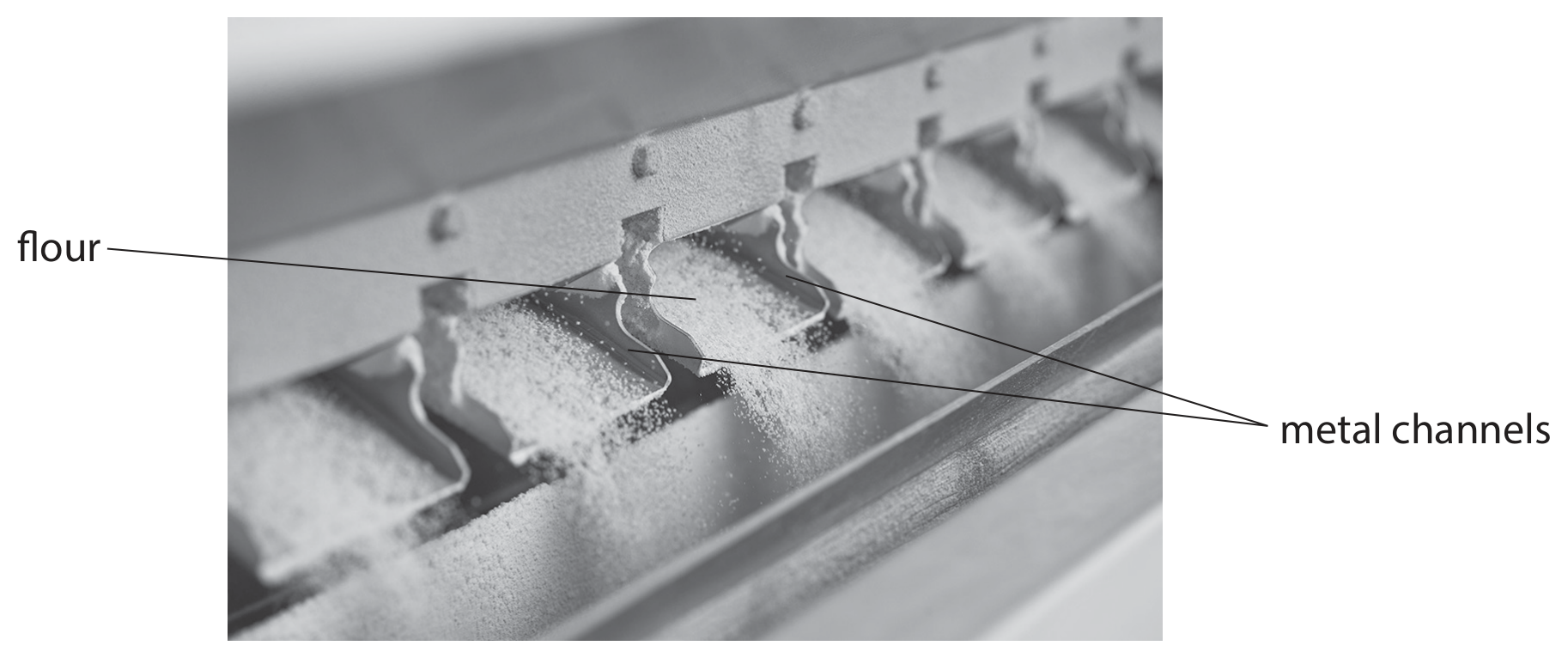
A flour mill is a factory where flour is produced.
The photograph shows some flour moving through metal channels in the flour mill.

Question image

Question 1(a)

(a)

The flour particles can become charged as they move through the metal channels.

[ 4 ]

Question 1(a)(i)

(i)

Explain how the flour particles can become charged.

[ 2 ]

Question 1(a)(ii)

(ii)

The charged flour particles move away from each other as they fall from the end of each channel.

Complete the passage by writing a suitable word or words in each blank space.

Flour particles move away from each other because they have ............ charges. This causes the flour particles to exert ............ forces on each other.

[ 2 ]

Question 1(b)

(b)

The dust created by producing flour in a flour mill is dangerous because the dust is flammable. This creates a risk of an explosion.

Explain why connecting the metal channels to earth reduces the risk of an explosion in a flour mill.

[ 2 ]

Question 1(a)

[Maximum number: 1]

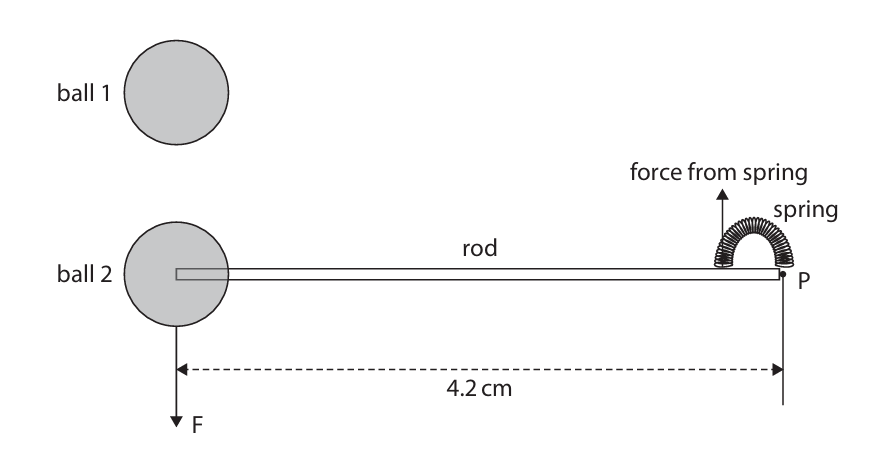
The diagram shows the apparatus used to investigate electric charge.
The equipment is viewed from above.
- ball 1 and ball 2 have a positive charge
- ball 1 is fixed in place
- ball 2 is attached to a rod that can rotate about point P
- ball 2 does not move
ball 1

Question image

State, in terms of charged particles, how the balls have become positively charged.

Question 3

[Maximum number: 4]

The SPS is a particle accelerator in Geneva.
The SPS can accelerate sulfur particles to speeds almost as fast as the speed of light.

Question 3(a)

(a)

Neutral sulfur particles can become positively charged sulfur particles.

Describe the difference between a neutral sulfur particle and a positively charged sulfur particle.

[ 2 ]

Question 3(b)

(b)

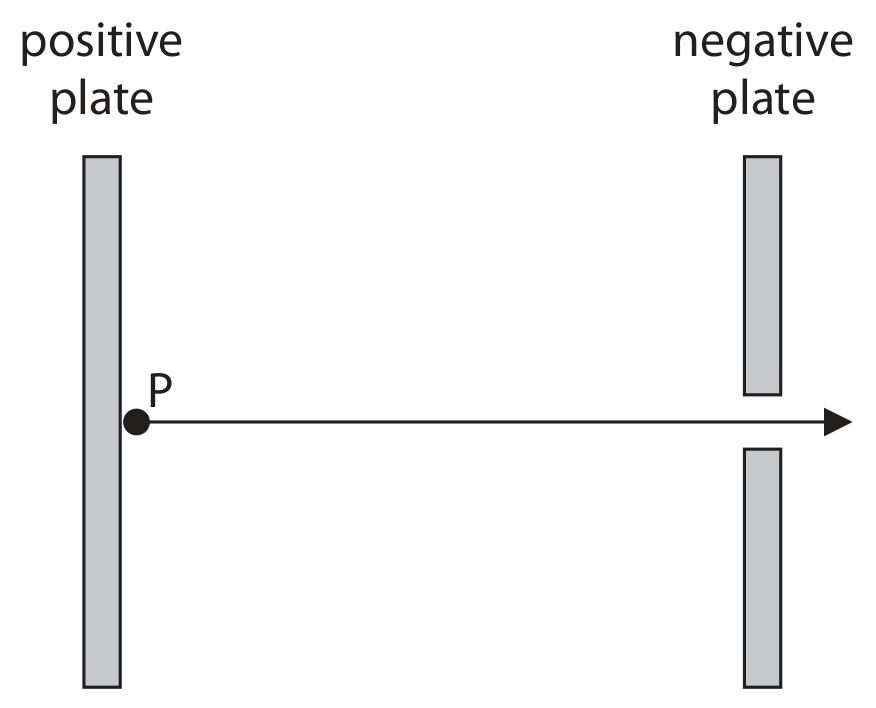
Diagram 1 shows a section of the SPS.

Question image

Diagram 1

Positively charged sulfur particles are introduced at point P and accelerate to the right.

Explain why the positively charged sulfur particles accelerate.

[ 2 ]

Question 3

[Maximum number: 6]

A tumble dryer is a household device that dries clothes.
The clothes rotate in a heated cylinder.
Clothes often stick together when they are dry because they become electrostatically charged.

A student investigates how different materials charge electrostatically in a model tumble dryer.

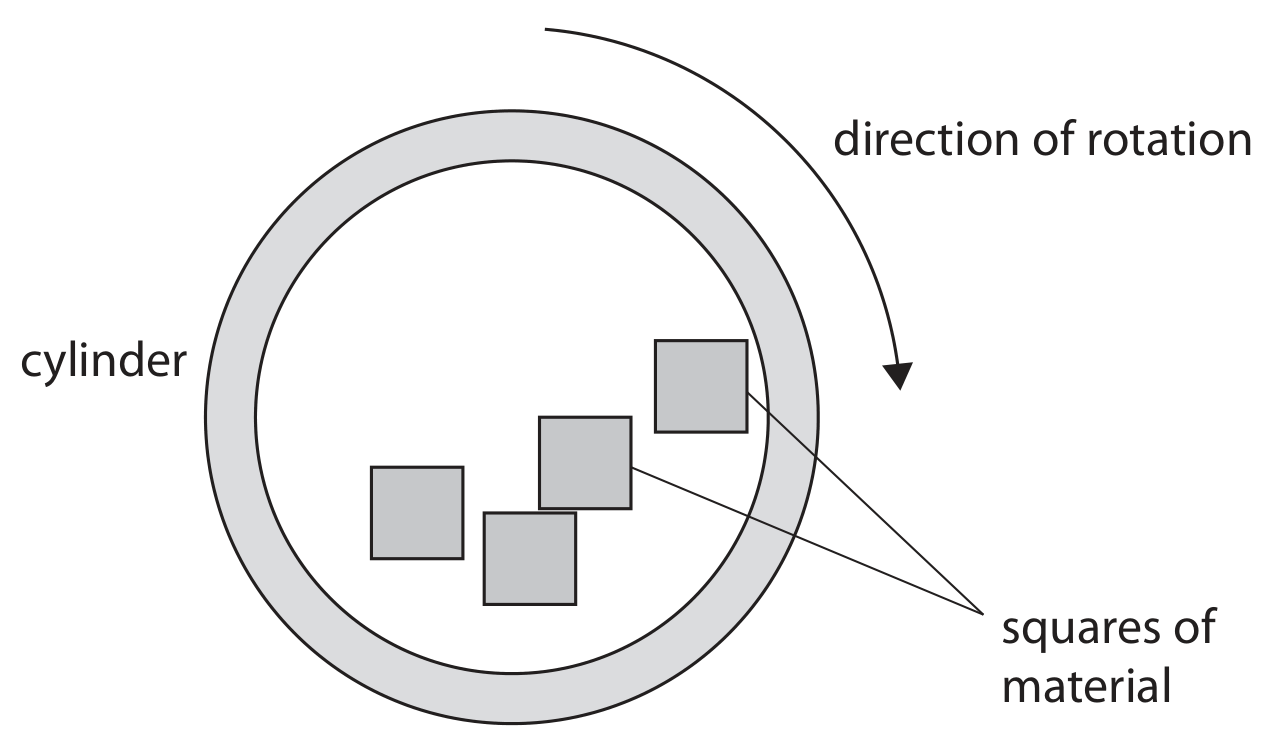
The diagram shows the model tumble dryer.

Question image

This is the student's method.
- put four dry squares of the same material into the cylinder
- rotate the cylinder at constant speed for three minutes
- remove any squares that are stuck together
- measure the force needed to pull the squares apart
- repeat this for squares of different material

Question 3(a)(ii)

(a)

State the independent and dependent variables in this investigation.
independent
dependent

[ 2 ]

Question 3(a)(iii)

(b)

State a control variable in this investigation.

[ 1 ]

Question 3(b)

(c)

Explain how the squares of material stick together.

Use ideas about electrostatic charge in your answer.

[ 3 ]

Question 4

[Maximum number: 9]

This question is about electrostatics.

Question 4(a)

(a)

A polythene rod is rubbed with a cloth, which causes both the rod and the cloth to become charged.

[ 2 ]

Question 4(a)(i)

(i)

Which of these is the force that causes the rod and the cloth to become charged?

A

friction

B

gravitational

C

magnetic

D

tension

[ 1 ]

Question 4(a)(ii)

(ii)

The polythene rod becomes negatively charged.

Which of these statements explains how the rod has become negatively charged?

A

the rod gains electrons

B

the rod loses electrons

C

the rod gains protons

D

the rod loses protons

[ 1 ]

Question 4(b)

(b)

A student has rods made from different materials.

The student rubs each rod the same way with a cloth.
The student measures the charge gained by each rod three times.
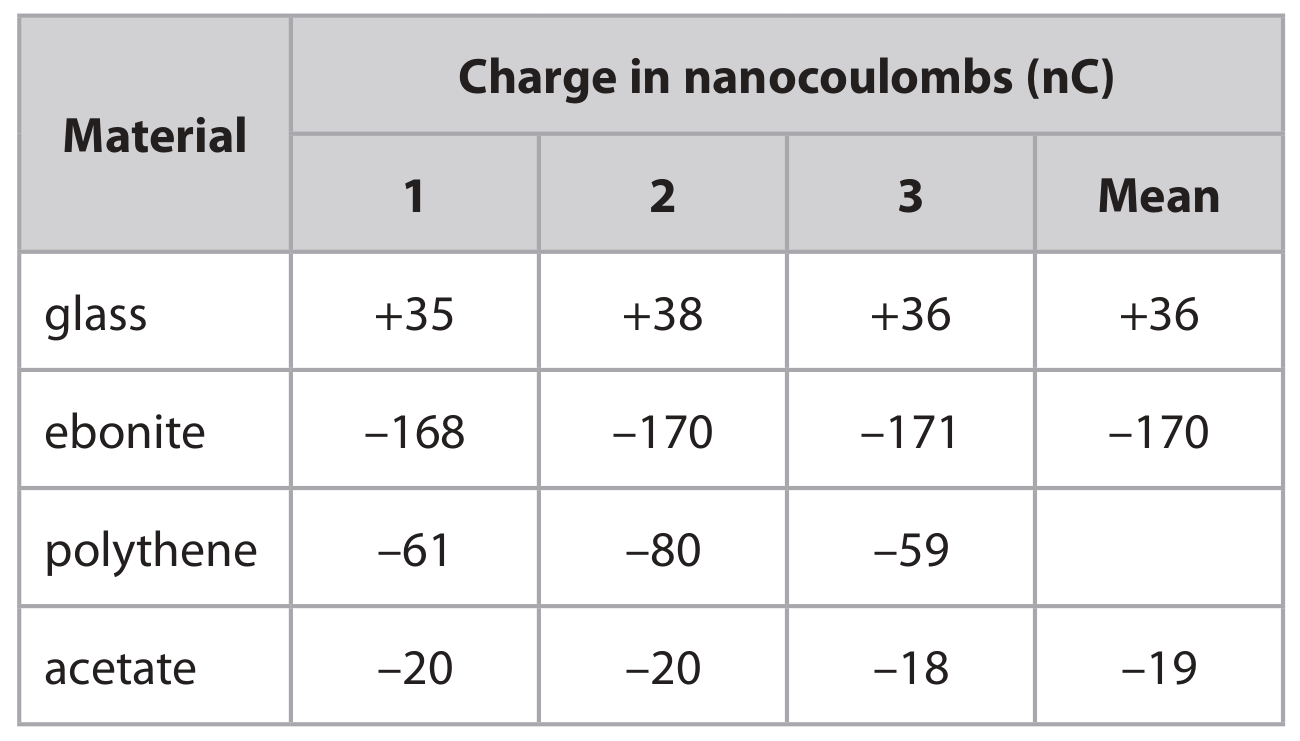
The table shows the results.

Table
[ 7 ]

Question 4(b)(i)

(i)

One of the readings for the polythene rod is anomalous.

Circle the anomalous result in the results table.

[ 1 ]

Question 4(b)(ii)

(ii)

State how the student should deal with the anomalous result.

[ 1 ]

Question 4(b)(iii)

(iii)

Calculate the mean charge for the polythene rod.

mean charge = ............ nC

[ 2 ]

Question 4(b)(iv)

(iv)

Describe how the student could use the rods to demonstrate that there are two different types of electric charge.

[ 3 ]

Question 3

[Maximum number: 6]

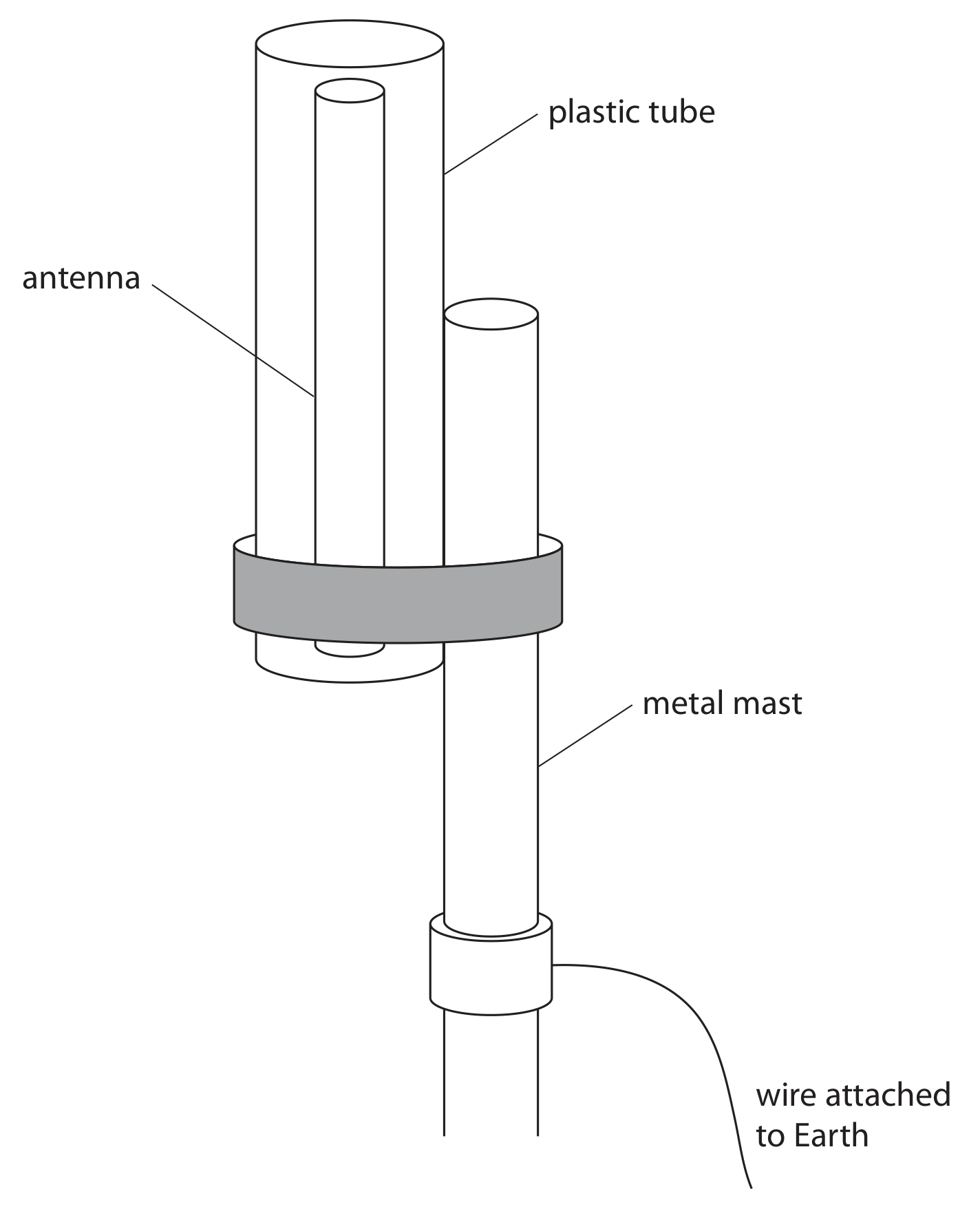
The diagram shows part of a radio antenna.
The plastic tube protects the radio antenna from bad weather.
Dust particles carried by the wind rub against the plastic tube.
After some time, the dust particles cause the tube to become positively charged.

Question image

Question 3(a)

(a)

State the property of plastic that allows it to become electrostatically charged.

[ 1 ]

Question 3(b)

(b)

Explain how the plastic tube becomes positively charged.

[ 2 ]

Question 3(c)

(c)

The plastic tube is attached to a metal mast.

This would cause the metal mast to become positively charged.
Explain why there is a wire connecting the metal mast to the Earth.

[ 3 ]

Question 3

Question 3(a)

(a)

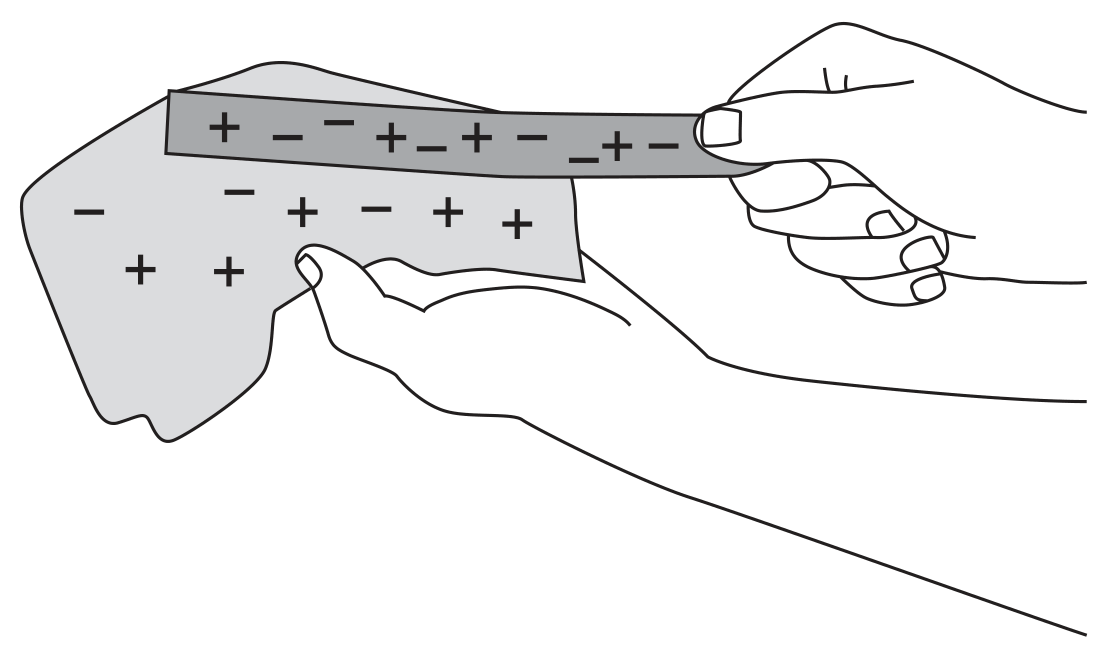
A student charges a plastic rod by rubbing it with a cloth.

Question image
[ 2 ]

Question 3(a)(ii)

(i)

Describe how the student could demonstrate that the rod is charged.

[ 2 ]
Question 3(b)

(b)

The student has several other rods made from different kinds of plastic.

Some rods can be charged positively and some can be charged negatively.
Describe an experiment to show that different rods have different types of charge.
You may draw a diagram to help your answer.

[ 3 ]

Question 4

[Maximum number: 8]

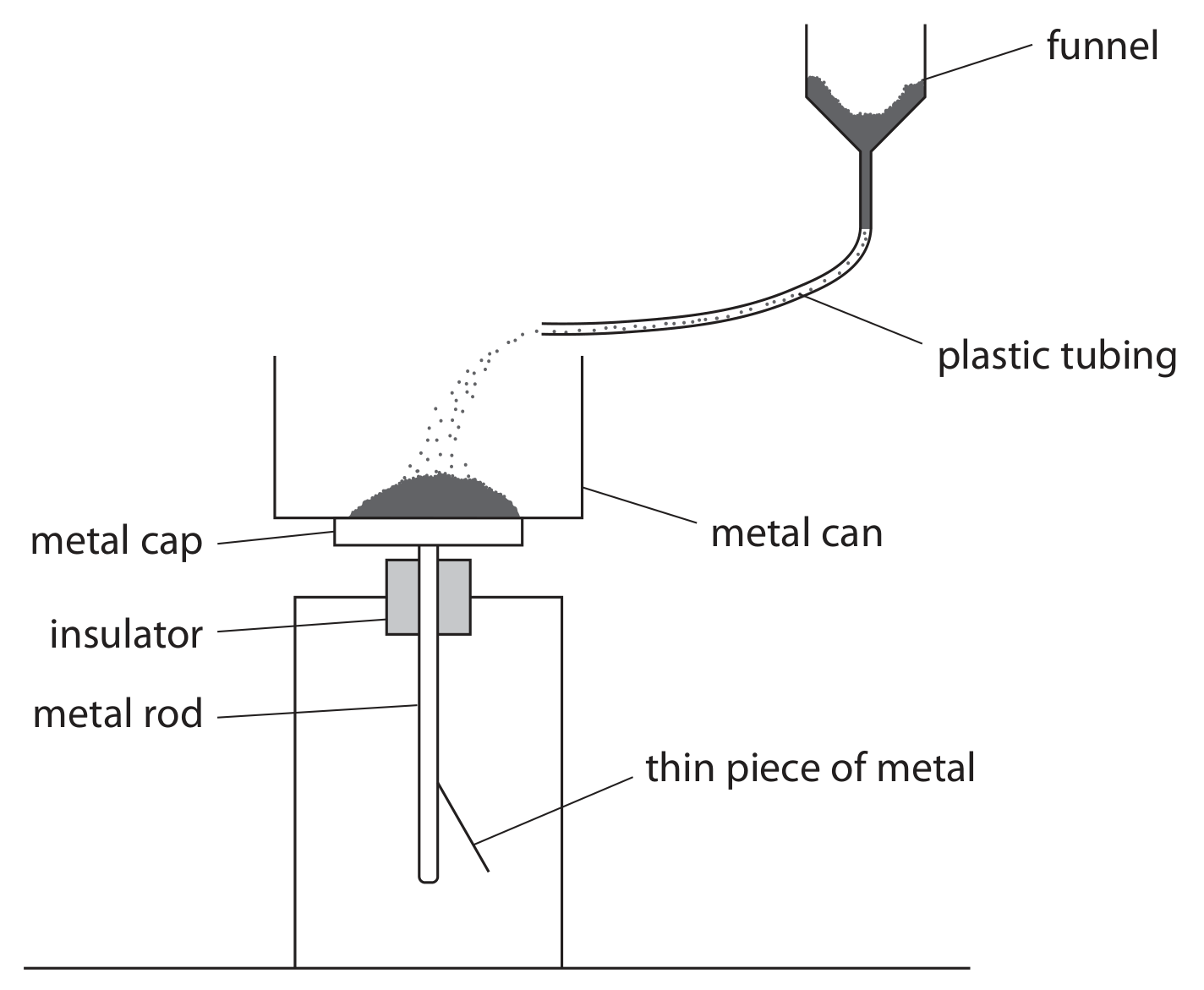
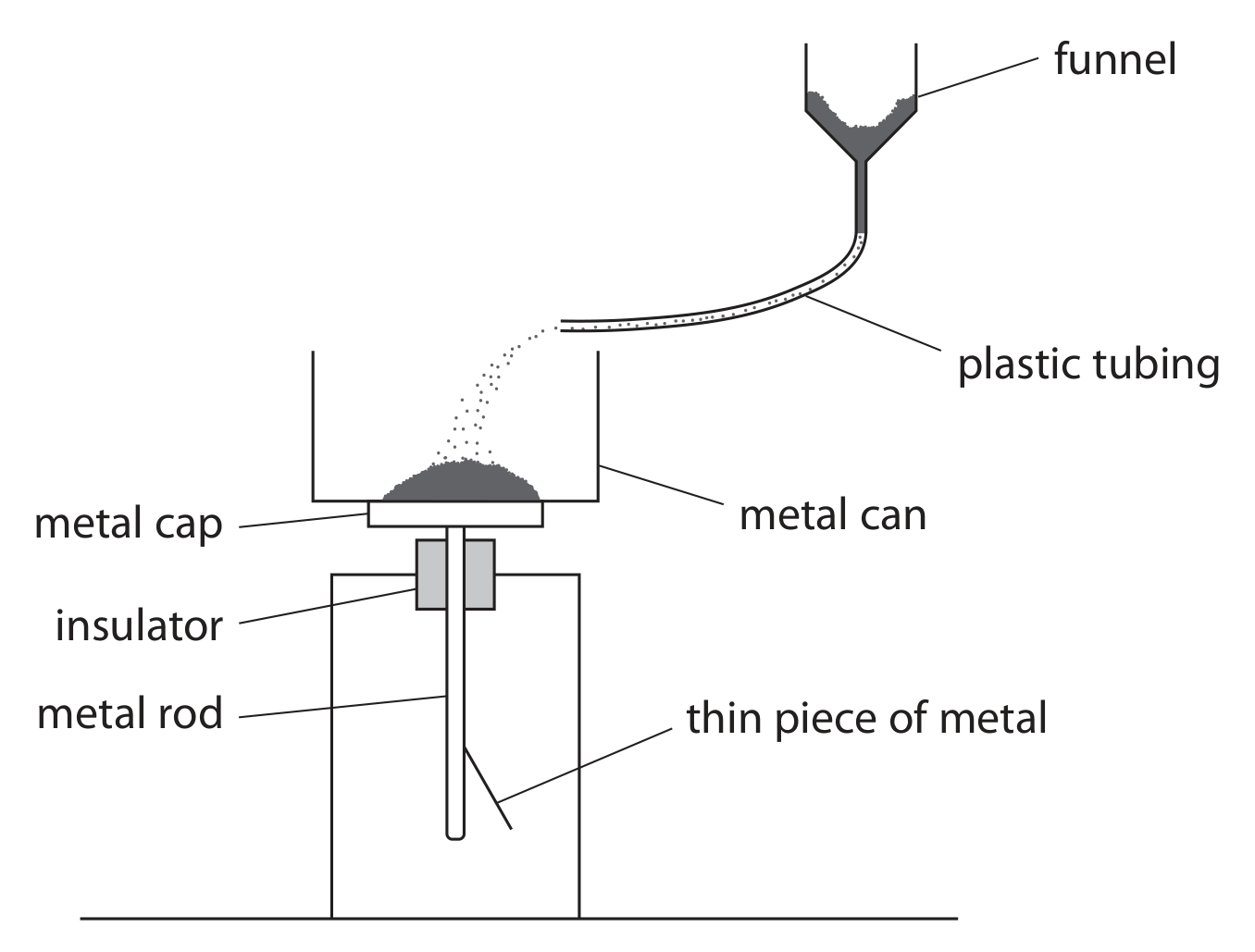
A student uses this apparatus to demonstrate the effect of electric charge.

Question image

He pours some fine powder into a funnel.
The fine powder moves through a length of plastic tubing and falls into a metal can.
The metal can rests on a metal cap.
The metal cap is connected to a thin piece of metal via a metal rod.
When the powder lands in the can, the thin piece of metal moves away from the metal rod.

Question 4(a)

(a)

Explain why the thin piece of metal moves away from the metal rod.

[ 4 ]

Question 4(b)

(b)

A coulombmeter measures electric charge.

The student connects a coulombmeter to the metal can.
When all the powder has landed in the can, the coulombmeter shows a reading of −9.4×10⁻⁹C-9.4 \times 10^{-9} \mathrm{C}.

[ 1 ]

Question 4(b)(i)

(i)

Which statement is true for the metal can?

A

it gains negatively charged electrons

B

it loses negatively charged electrons

C

it gains positively charged electrons

D

it loses positively charged electrons

[ 1 ]

Question 4(c)

(c)

The student suggests that this demonstration is similar to refuelling an aircraft.

The powder represents the fuel and the metal can represents the fuel tank in the aircraft.

Question image

Explain how the student should modify this apparatus to demonstrate how to minimise the dangers when refuelling an aircraft.

You may add to the diagram to help your answer.

[ 3 ]
0 selected