Question 1(a)(i)
[Maximum number: 2]
This question is about electrostatics.
A student uses a plastic rod to investigate electrostatics.
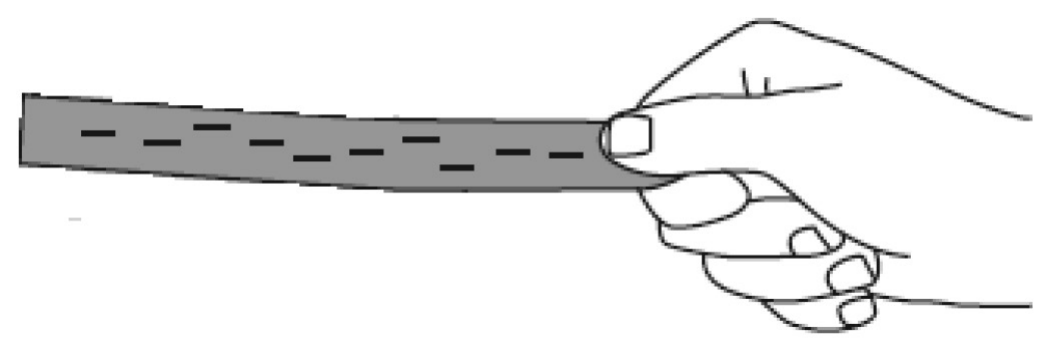
Describe how the student could have charged the plastic rod.
 EduNinja
Practical: investigate how insulating materials can be charged by friction
This question is about electrostatics.
A student uses a plastic rod to investigate electrostatics.
Describe how the student could have charged the plastic rod.
A tumble dryer is a household device that dries clothes.
The clothes rotate in a heated cylinder.
Clothes often stick together when they are dry because they become electrostatically charged.
A student investigates how different materials charge electrostatically in a model tumble dryer.
The diagram shows the model tumble dryer.
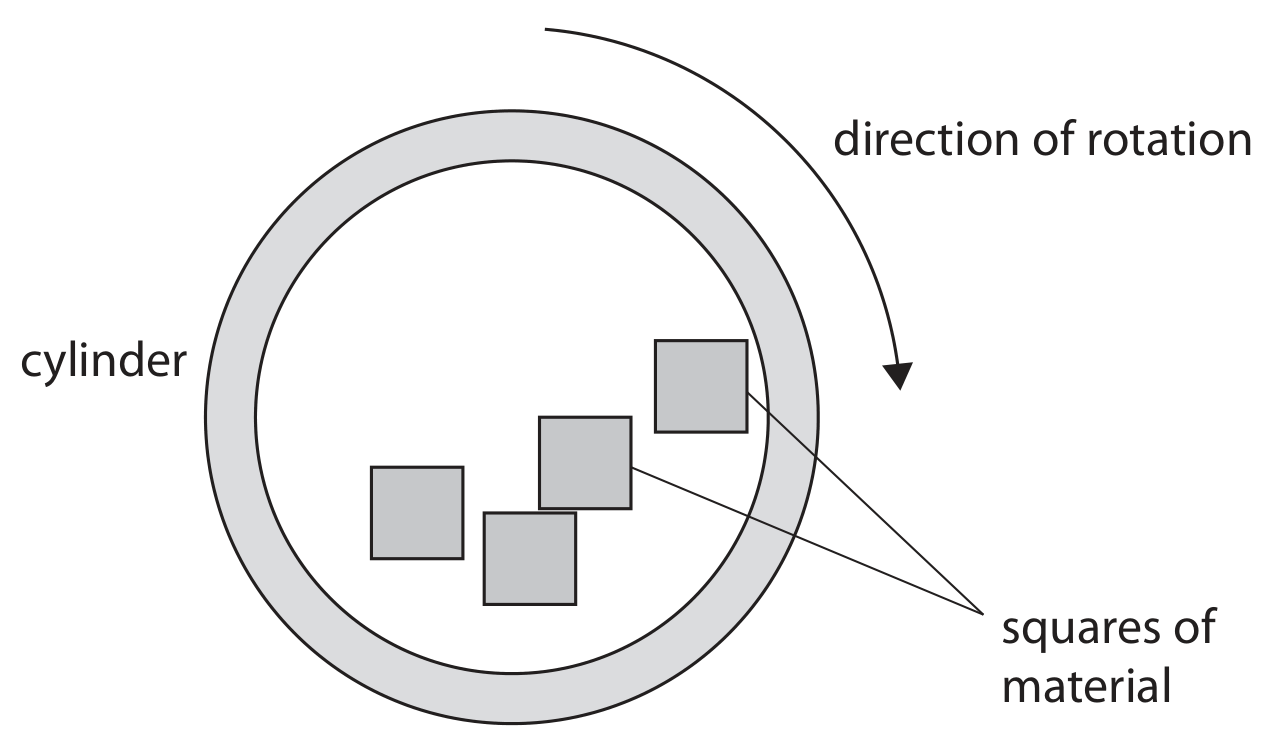
This is the student's method.
- put four dry squares of the same material into the cylinder
- rotate the cylinder at constant speed for three minutes
- remove any squares that are stuck together
- measure the force needed to pull the squares apart
- repeat this for squares of different material
State the independent and dependent variables in this investigation.
independent
dependent
State a control variable in this investigation.
This question is about electrostatics.
A polythene rod is rubbed with a cloth, which causes both the rod and the cloth to become charged.
Which of these is the force that causes the rod and the cloth to become charged?
friction
gravitational
magnetic
tension
A student has rods made from different materials.
The student rubs each rod the same way with a cloth.
The student measures the charge gained by each rod three times.
The table shows the results.
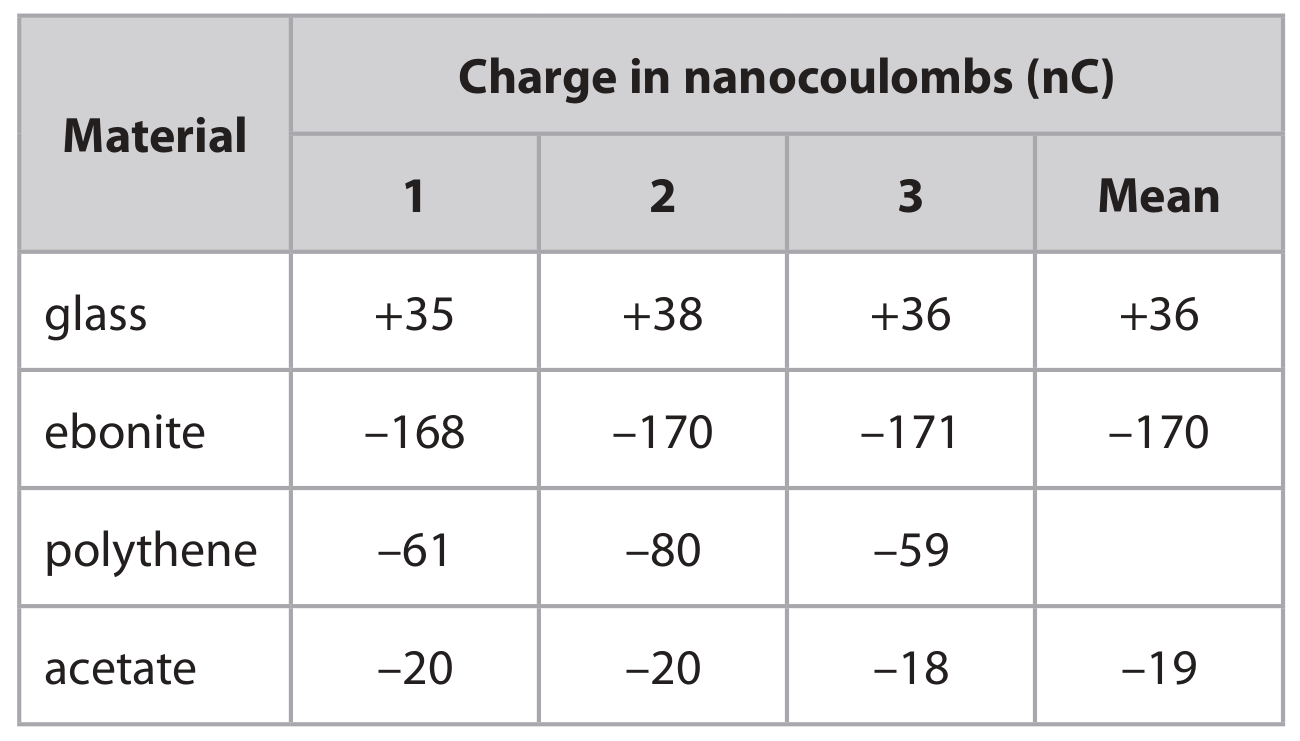
One of the readings for the polythene rod is anomalous.
Circle the anomalous result in the results table.
State how the student should deal with the anomalous result.
Calculate the mean charge for the polythene rod.
mean charge = ............ nC
A student uses this apparatus to investigate static electricity.
The positively charged ball is suspended vertically on a long length of string.
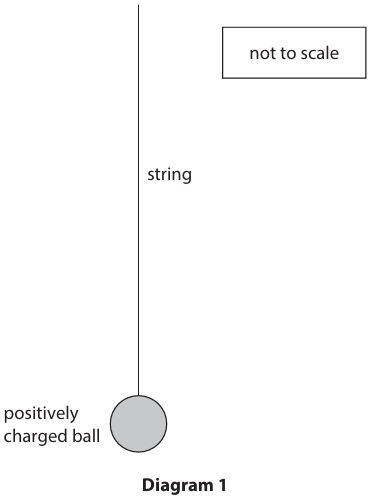
The student extends the investigation by measuring the reading on the scale for rods made from different materials.
As a control variable, the student charges each rod by rubbing it with a cloth the same number of times.
Give two other control variables for the student's investigation.
1 ............
2 ............