Question 1(g)
Read the source material carefully before answering Question 1.
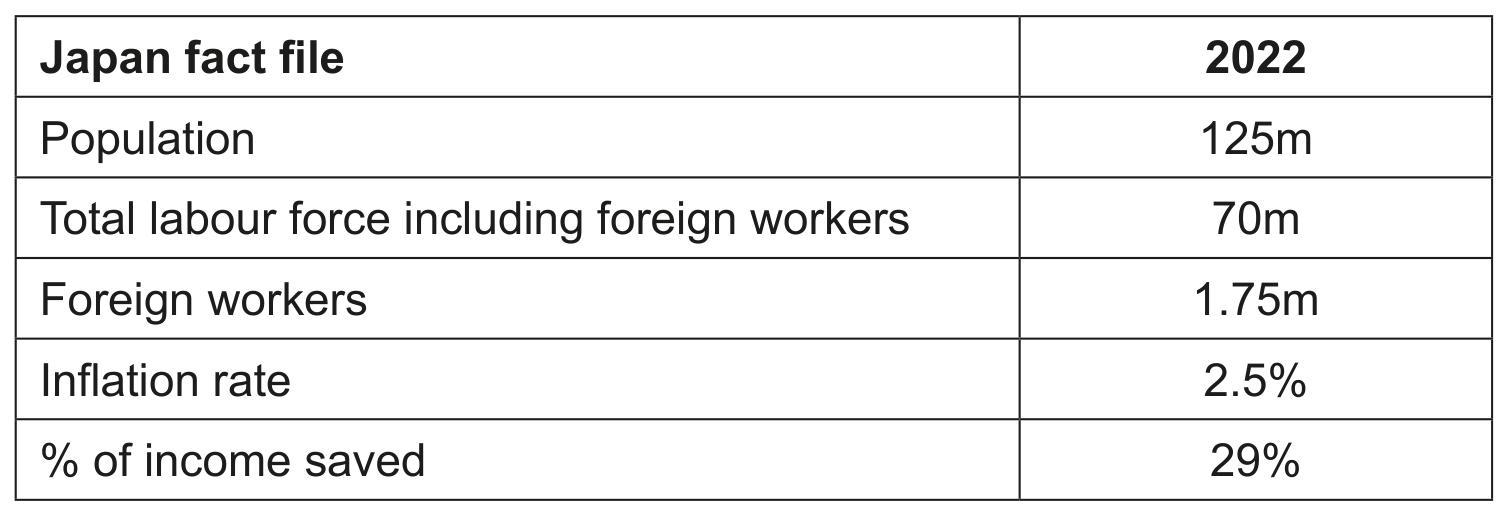
Source material: Labour shortages in Japan
Japan has a high average age of population and a varied economic performance. It has a low birth rate, low inflation rate, good healthcare, high life expectancy and low unemployment rate. Fewer Japanese people enter the labour force each year. It is predicted that Japan's labour force will fall by 10 million by 2040. Many young Japanese people emigrate to Australia, Canada and the US in search of higher wages. However, Japan now experiences net immigration although foreign workers are currently only a small proportion of Japan's labour force.
To achieve an annual economic growth rate of , it has been estimated that the number of foreign workers would have to increase to 7 million by 2040. Some foreign workers are discouraged from working in Japan due to the requirement to pass a Japanese language test. Only the most skilled are allowed to stay for more than 5 years and to bring their families with them.
Many Japanese industries are affected by labour shortages and the country's decline in population. For example, the fall in population has affected the quantity of furniture traded. It has also influenced the country's air transport industry. Air travel is the most important method of transport in Japan for foreign travel and long-distance internal travel. Japan's air passenger numbers follow a similar pattern to global air passenger numbers. Table 1.1 shows global GDP per head and global air passenger numbers between 2016 and 2022.
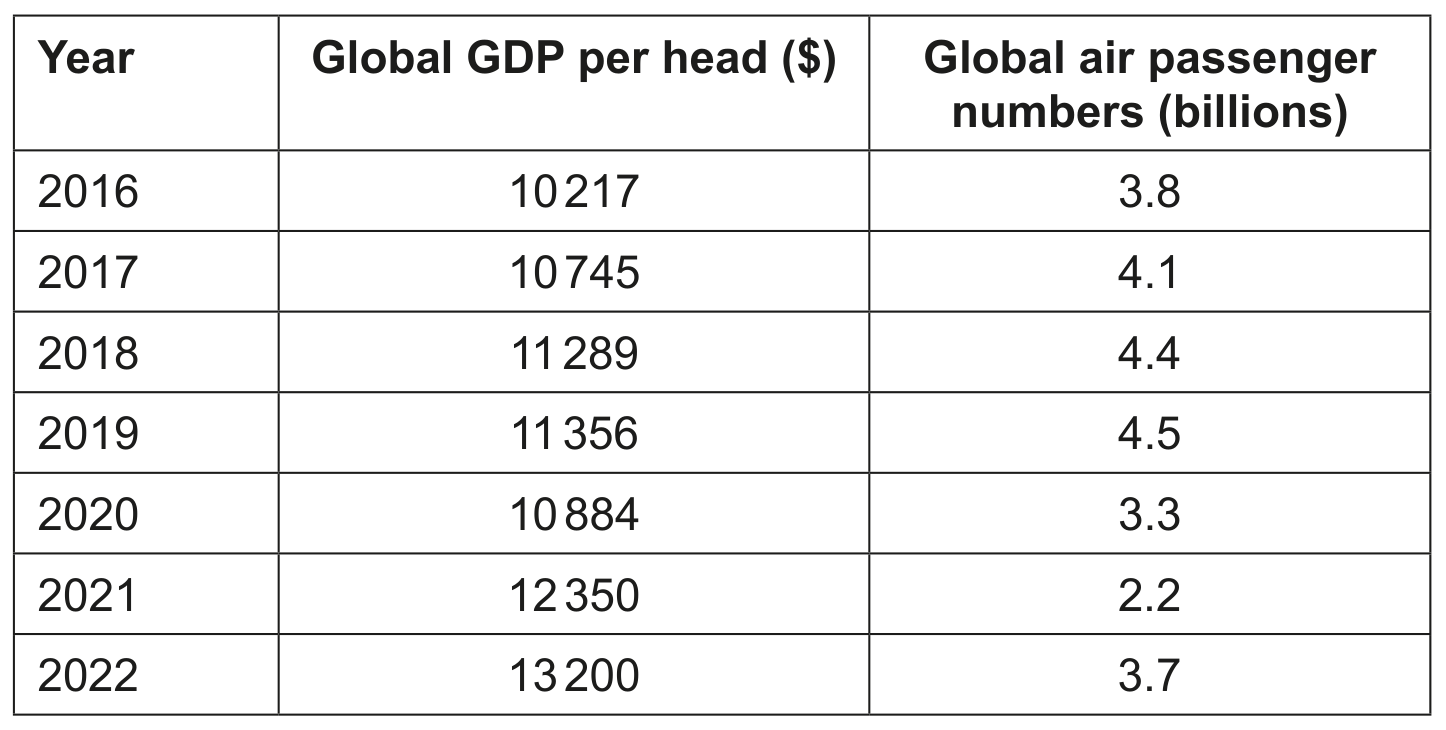
Table 1.1 Global GDP per head and global air passenger numbers 2016-2022
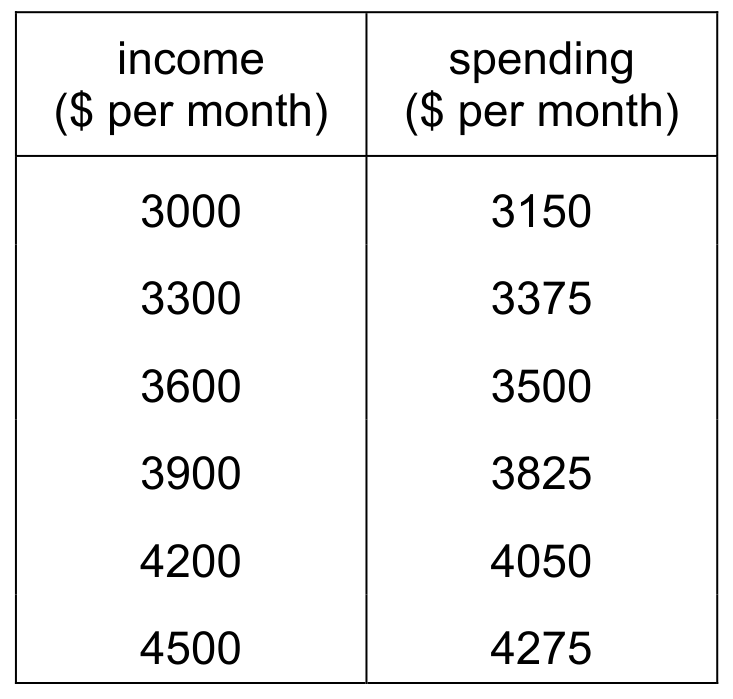
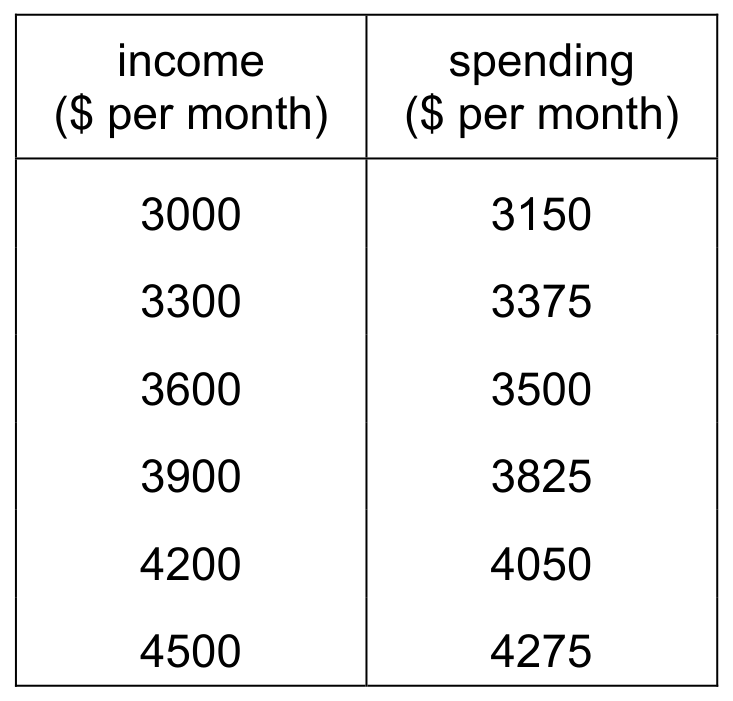
Demand for goods and services, including air travel, is influenced by how much people save. Japanese people save a relatively high proportion of their income. This has affected the country's inflation rate, current account balance of the balance of payments and its economic growth rate.
Japan's macroeconomic performance is also influenced by the mobility of its labour force. There are several reasons why the mobility of Japan's labour force may change in the future. These include its ageing labour force and possible changes in education and training, house prices and the quality and price of transport.
Discuss whether or not a high savings rate is likely to benefit Japan.