EduNinja

IGCSE Biology Extended19.4.4—Factors affecting the rateTopic Practice

19.4.4—Factors affecting the rate

• Identify and state the factors affecting the rate of population growth for a population of an organism, limited to food supply, competition, predation and disease

Question 2(a)

[Maximum number: 6]

A study estimated the number of people with chronic obstructive pulmonary disease (COPD) in India. Data were collected from two groups of people, those who lived in cities and those who lived in villages.
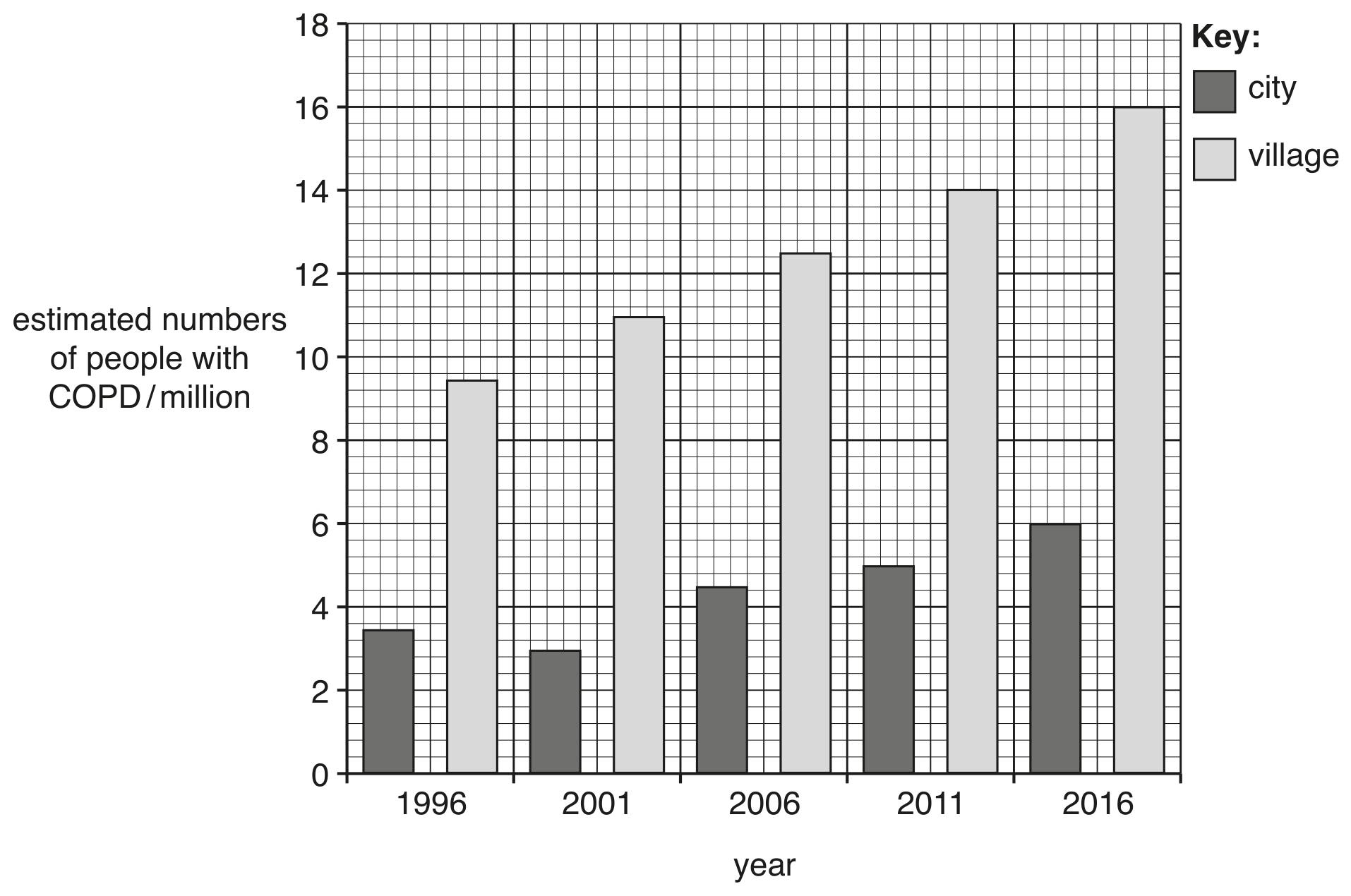
Fig. 2.1 shows the results.

Fig. 2.1 shows the results.

Compare the number of people with COPD in cities with the number of people with COPD in villages and suggest reasons for the differences.

Use the data in Fig. 2.1 to support your answer.
Question 2(a)(ii)

[Maximum number: 3]

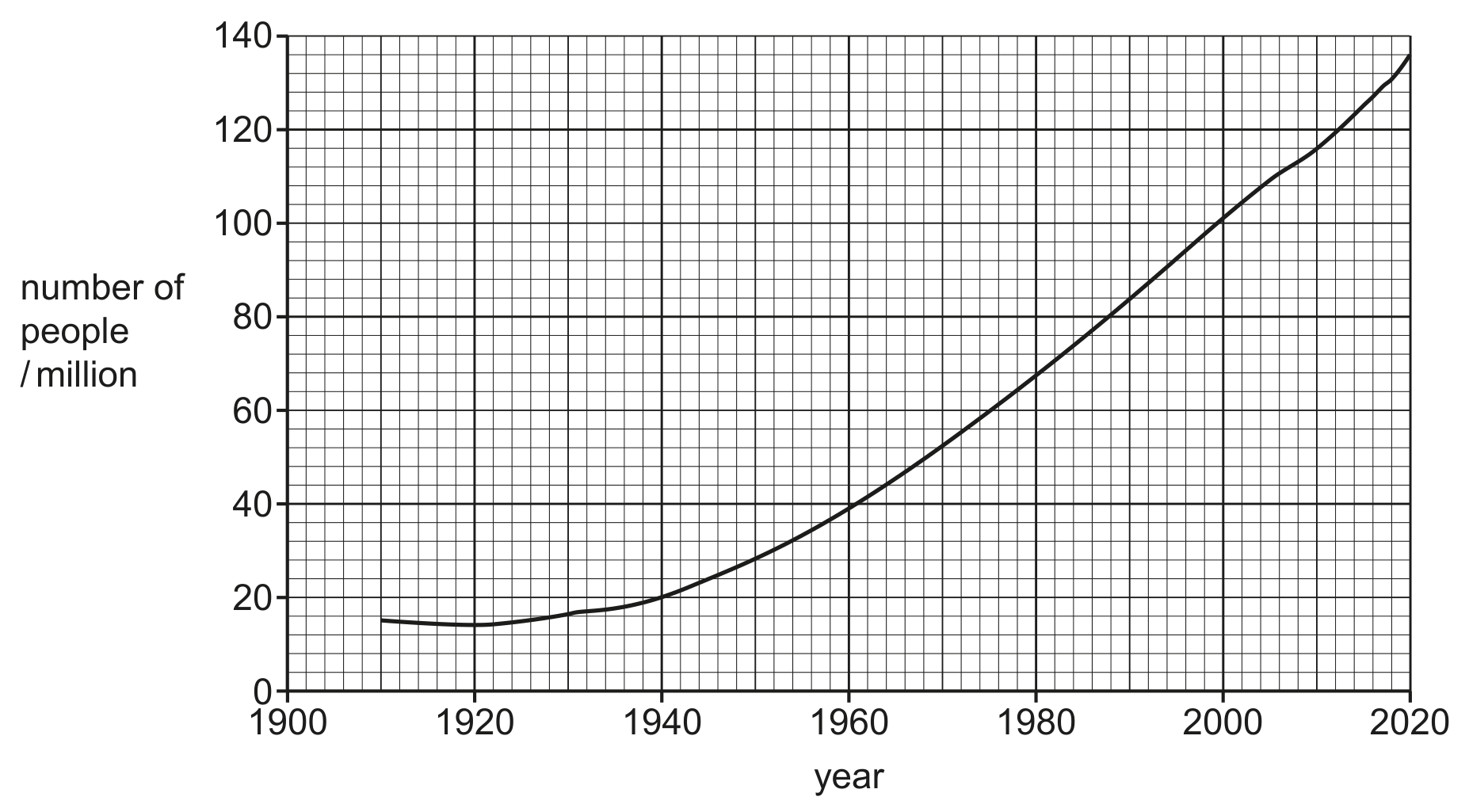
Fig. 2.1 shows the human population of a country between 1910 and 2020.

Fig. 2.1

Fig. 2.1

Describe the factors that could cause the change in the population size between 1940 and 2020, shown in Fig. 2.1.

Question 3(c)

[Maximum number: 2]

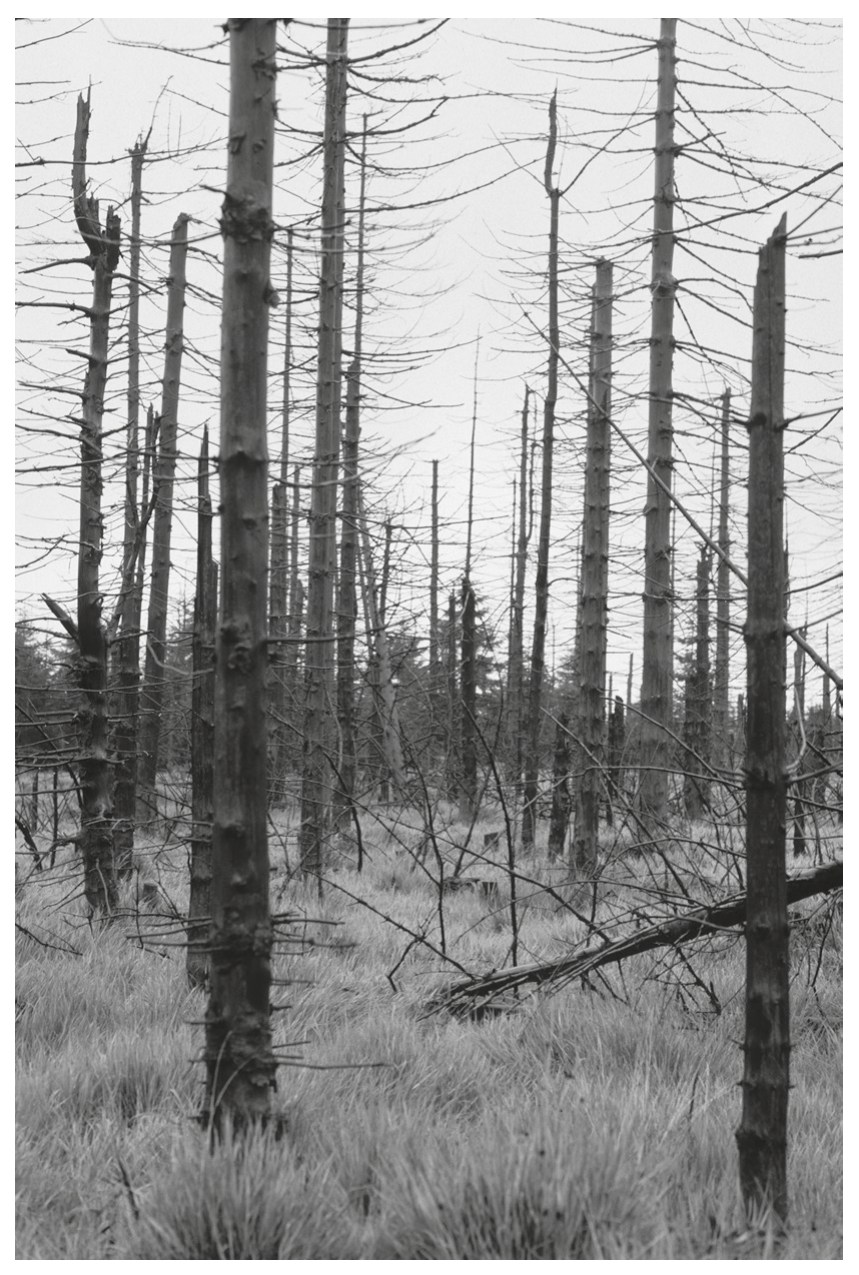
Acid rain has destroyed many forests including the forest shown in Fig. 3.1.

Fig. 3.1

Fig. 3.1

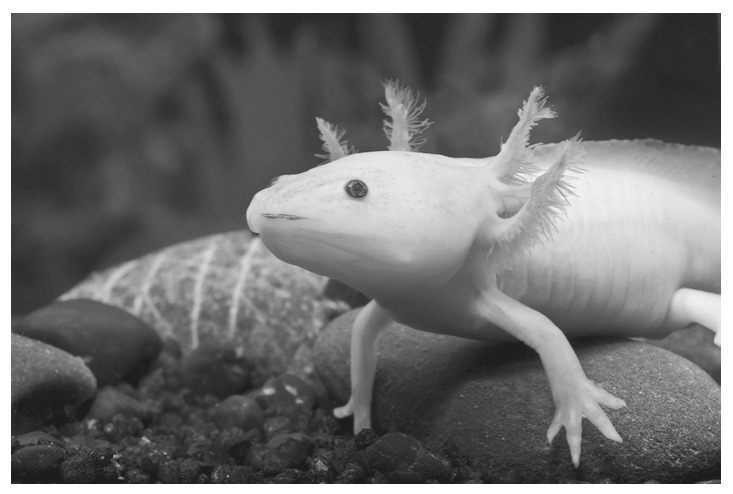
Acid rain can also damage aquatic organisms such as the amphibian shown in Fig. 3.2.

Fig. 3.2

Fig. 3.2

Suggest why amphibians are vulnerable to pollutants such as acid rain.

Question 4(b)

[Maximum number: 2]

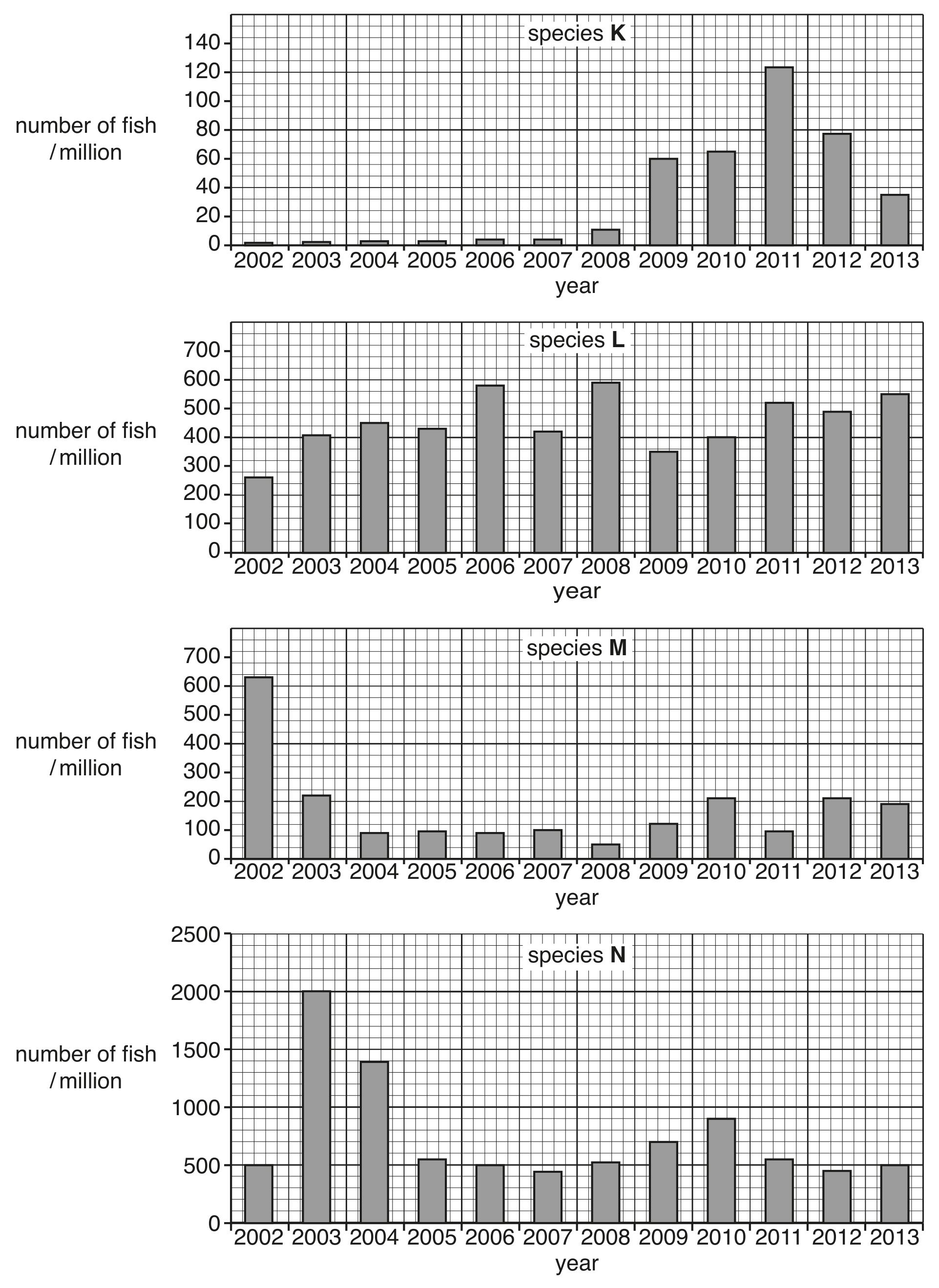
The Canadian Government were concerned about overfishing at the Grand Banks in the Atlantic Ocean.

As a result, commercial fish stocks were monitored from 2002 until 2013.
The population data for four species of fish are shown in Fig. 4.1.

Fig. 4.1

Fig. 4.1

Overfishing is a possible reason for the decrease of the population of species M between 2002 and 2003.

State two other reasons that could have caused this decrease.

1

2

Question 5(a)(ii)

[Maximum number: 4]

A researcher investigated the population growth of fish for fish farming. The researcher stocked a farmer's lake with a small number of these fish and recorded the number of fish over the next five years. The researcher's results showed that the population of fish had increased exponentially.

Explain why the population of fish increased exponentially.

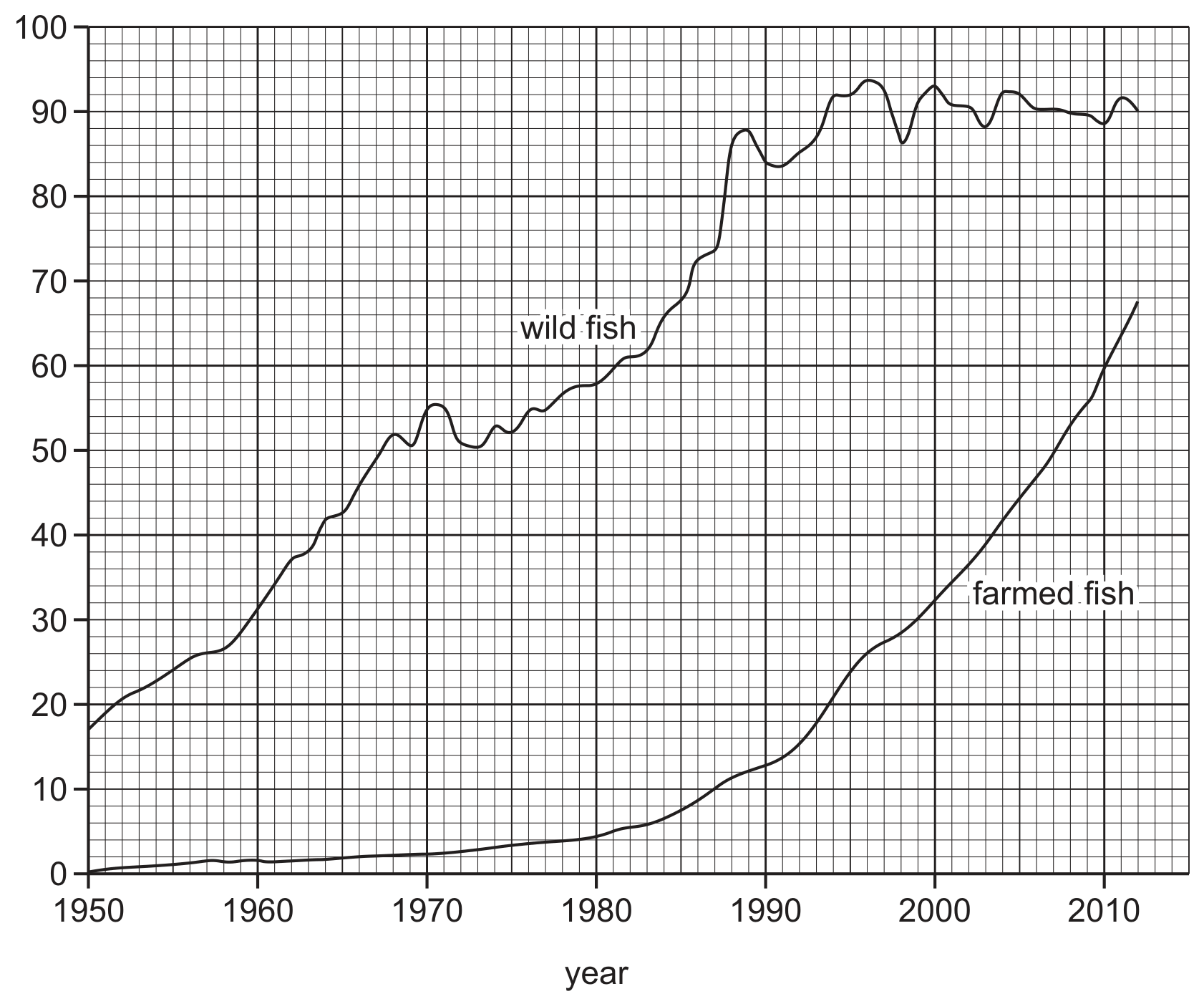
Fig. 5.1 shows the total mass of wild fish caught worldwide between 1950 and 2012 and the mass of farmed fish produced worldwide over the same period.
mass of fish /millions of tonnes

Fig. 5.1

Fig. 5.1

Question 5(b)(iii)

[Maximum number: 3]

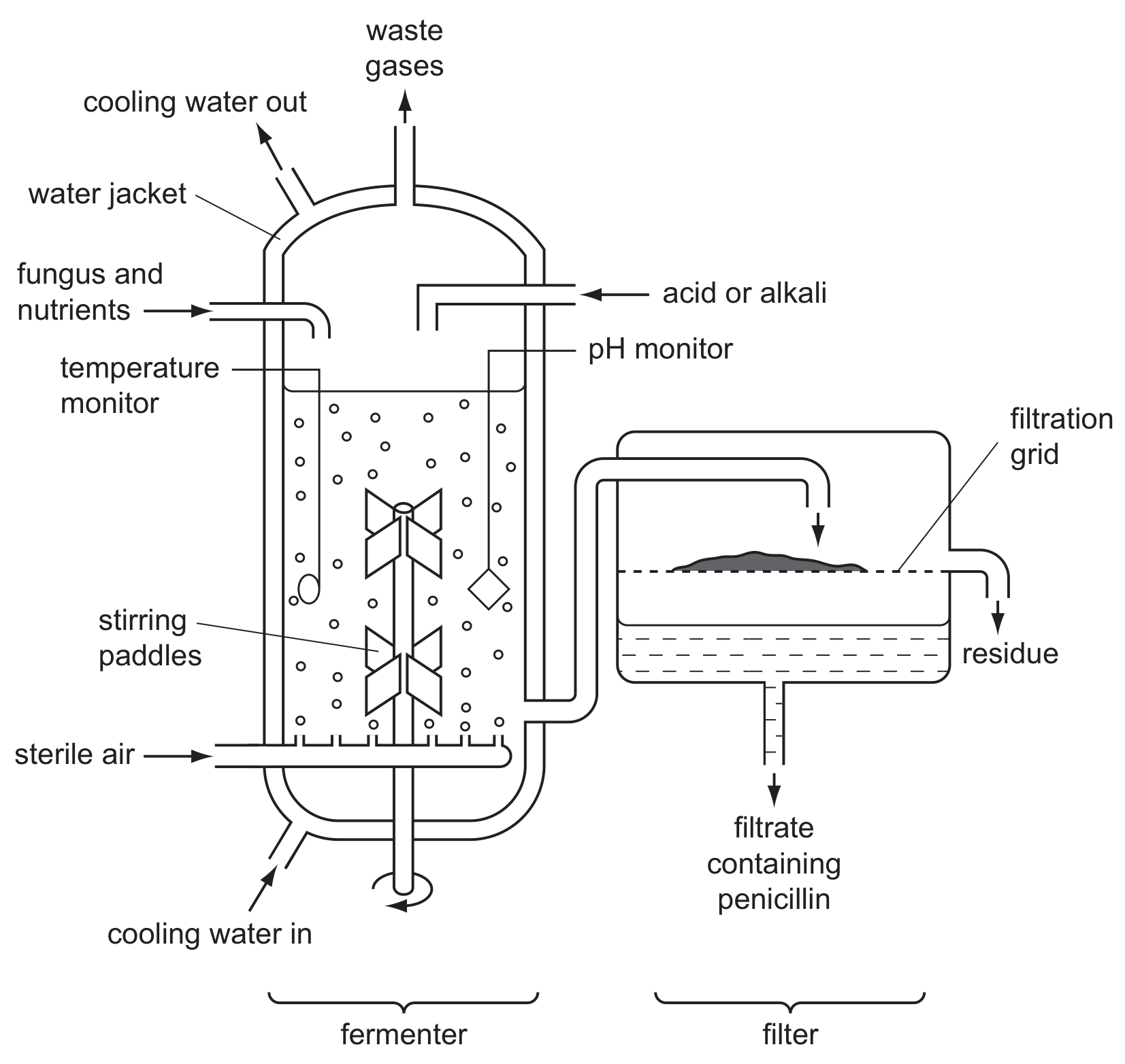
Penicillin is an antibiotic produced by the fungus Penicillium chrysogenum.

Fig. 5.1 shows the process used to produce penicillin.

Fig. 5.1 shows the process used to produce penicillin.

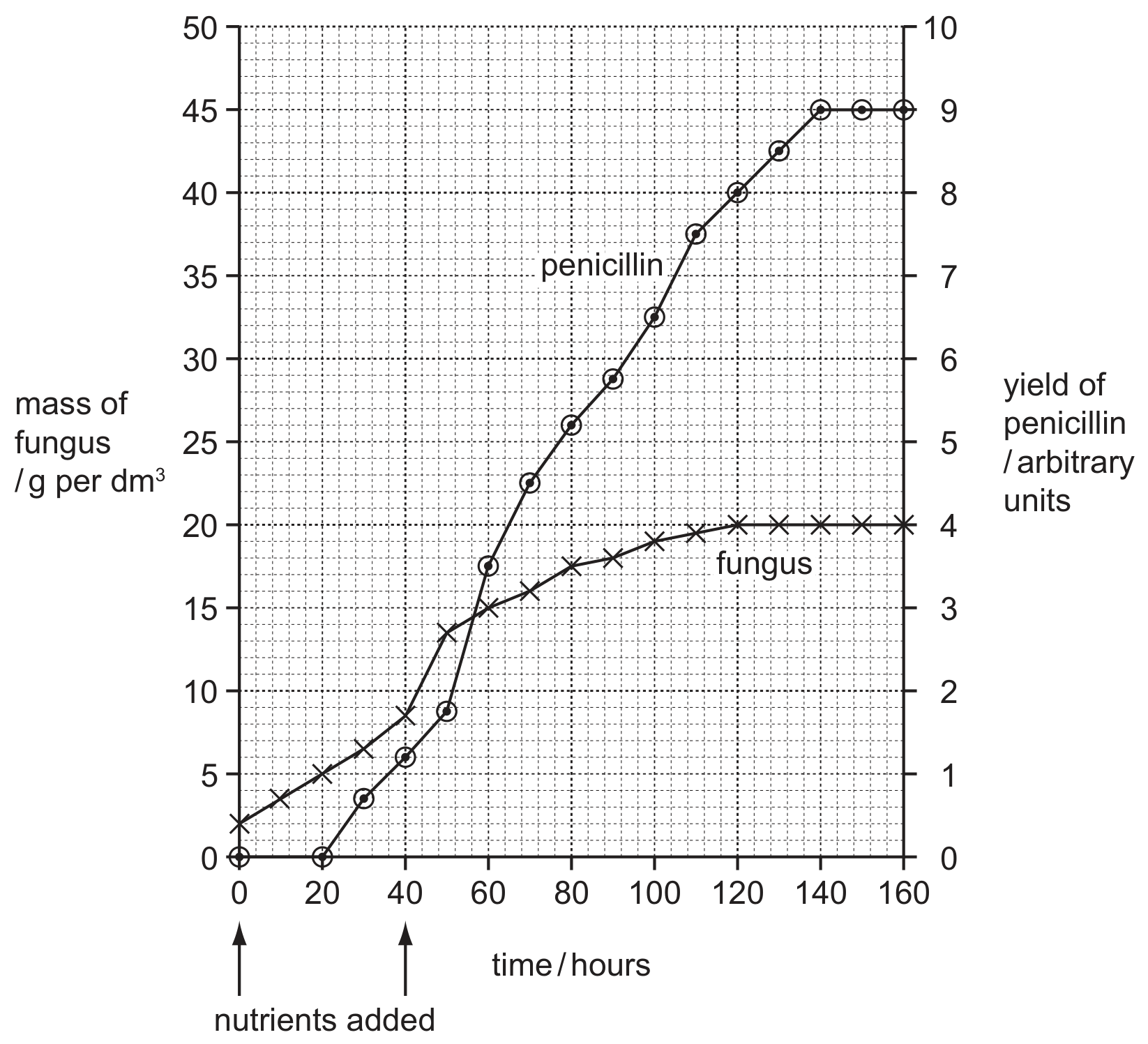
Fig. 5.2 shows the mass of fungus and the yield of penicillin during the fermentation process.

Fig. 5.2

Fig. 5.2

Explain why the growth of the fungus slows down and stops.

Question 5(c)

[Maximum number: 2]

An investigation studied the effect of fertilisers on grass yield and species diversity in a grassland ecosystem.

Some plots within the grassland were treated with fertilisers containing nitrogen, magnesium and phosphate.

The control plots did not have any added fertiliser.
The average yields were:
- plots with fertiliser 1733gm21733 \mathrm{gm}^{-2} year 1^{-1}
- plots without fertiliser (control plots) 1009 g m21009 \mathrm{~g} \mathrm{~m}^{-2} year-1

Suggest why some species of plants survive in grassland and others do not.

Question 7(b)(iii)

[Maximum number: 1]

Fig. 7.1 is a flowchart showing the stages of eutrophication.

A scientist obtained a sample of the bacterial decomposers and grew them in a flask. The resources available for bacterial growth in the flask became limiting.

The size of the bacterial population was estimated during the investigation and these data were plotted on a graph.

State one factor, other than a lack of resources, that would cause bacteria to die during the death phase.

0 selected