
Question 1(e)
Malaysia's uncertain economic prospects
Malaysia is an emerging middle-income country. Its increasing population is an important factor in promoting future economic growth. The country, however, faces two underlying problems. First, the fertility rate, the average number of children a woman can expect to give birth to, has fallen consistently as Malaysia's economy has developed. This rate is now below the critical level where a population replaces itself. Second, Malaysia has an ageing population, with an increasing proportion of its population over 65 years of age. In 2015 the average age of Malaysia's population was 28.2 years; in 2030 it is forecast to reach 34.1 years. Malaysia's forecast total population to 2027 and its ageing population from 2017 to 2022 are shown in Figs. 1.1 and 1.2 below.
Content removed due to copyright restrictions.
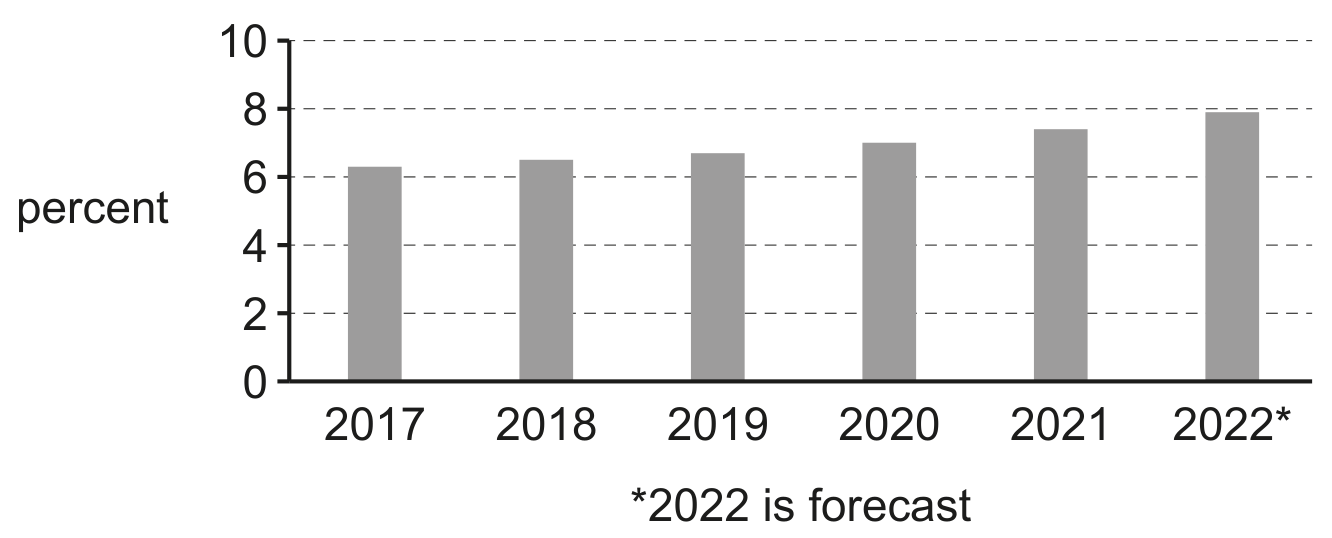
Fig. 1.1 Total population of Malaysia, 2017 to 2027
The key issue for Malaysia's government is whether it is prepared for this fundamental shift in its population. There is plenty of scope for optimism. The economy appears to have recovered from the shock of the COVID-19 pandemic. Its growth rate in 2021 and the 2022 forecast was above the government's target of , with substantial growth in exports of electrical and electronic goods, palm oil, gas and oil supplies. Unemployment is below 4\% and the current account of the balance of payments was projected to have a record surplus in 2022.
Economists, however, fear that Malaysia's government and its people are not ready to meet the challenges of an ageing population. In a recent survey, of respondents felt it was the duty of the young to take care of the elderly, but they were also concerned that the economy could not cope with the pressure on its human capital and other resources. More resources will have to be allocated to meet the needs of the elderly.
It was further argued that Malaysia needed a proper plan for dealing with this situation. According to one economist, free childcare for working parents was essential and tax incentives should be used to keep more elderly workers in employment.
Excluding net exports, assess the likely impact of the change in Malaysia's total population on aggregate demand.
Answer one question.
EITHER