EduNinja

IGCSE Biology Extended7.3.1—Physical digestion as the breakdownTopic Practice

7.3.1—Physical digestion as the breakdown

• Describe physical digestion as the breakdown of food into smaller pieces without chemical change to the food molecules

Question 1(a)(ii)

[Maximum number: 1]

Red pandas, Ailurus fulgens, and humans have a similar arrangement of teeth.
Fig. 1.1 shows a section through one tooth of a red panda. Fig. 1.2 shows the side view of the lower jaw of a red panda.
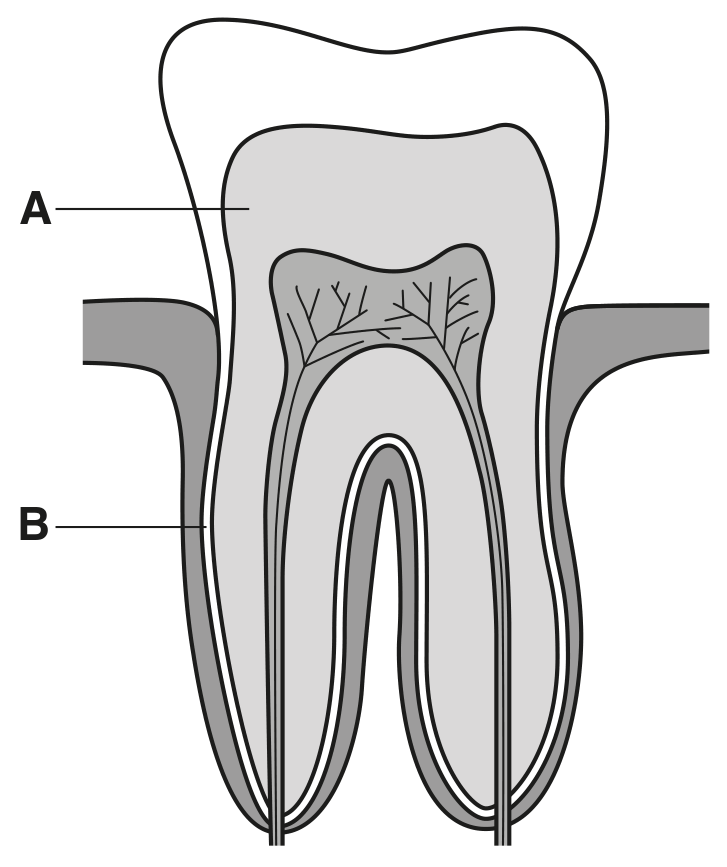
Fig. 1.1
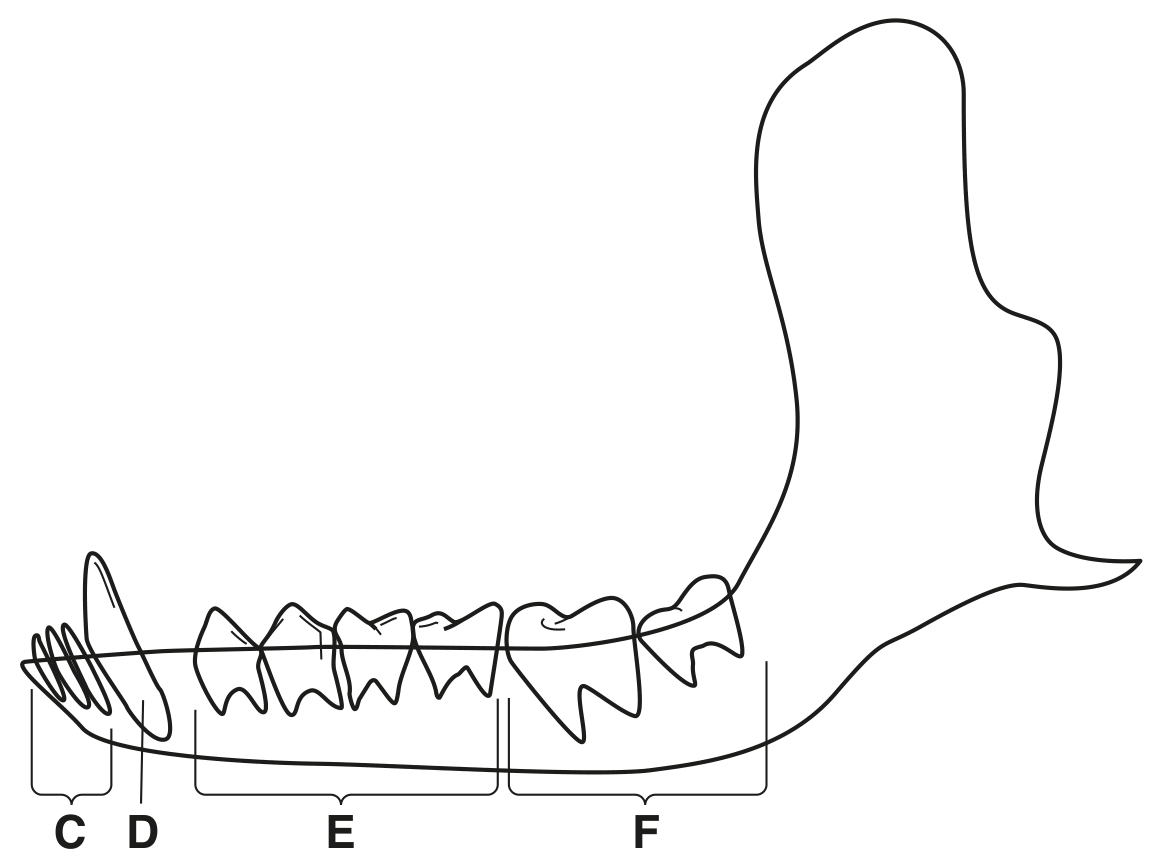
Fig. 1.1

Fig. 1.2

Fig. 1.2

State the type of digestion that breaks down large pieces of food.
Question 2(d)

[Maximum number: 6]

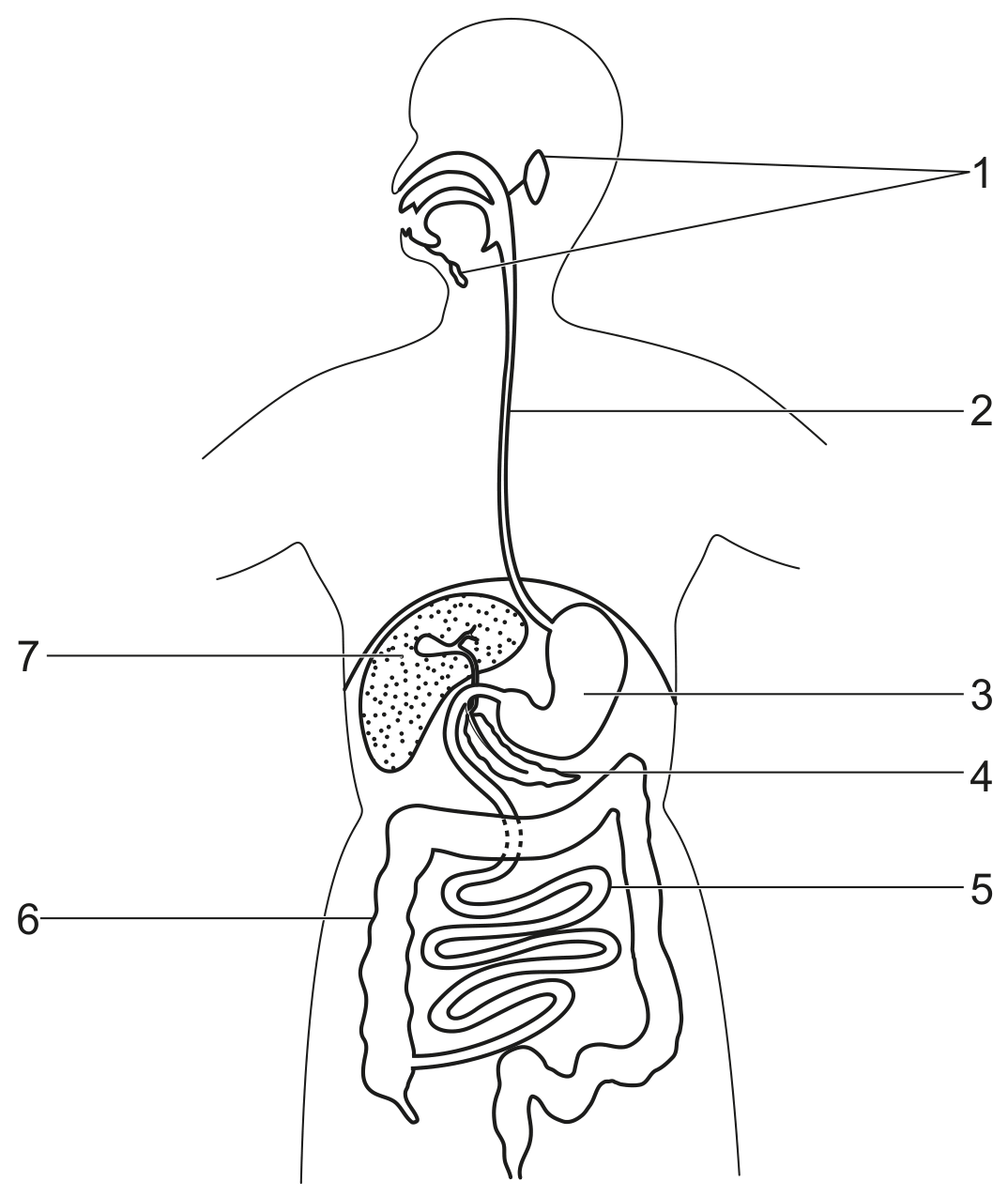
Fig. 2.1 is a diagram of the human alimentary canal and associated organs.

Fig. 2.1

Fig. 2.1

Describe how food eaten by humans is reduced to smaller pieces and explain how this makes chemical digestion more efficient.

You may refer to Fig. 2.1 in your answer.

Question 12

[Maximum number: 1]

In which part of the body of a mammal does mechanical digestion occur?

A

gall bladder

B

liver

C

mouth

D

pancreas

Question 13

[Maximum number: 1]

Why does chewing food speed up digestion?

A

Bacteria in the food are killed.

B

Food is mixed with protease.

C

The surface area of the food is increased.

D

The taste of food is improved.

Question 14

[Maximum number: 1]

In which part of the body of a mammal does physical digestion occur?

A

gall bladder

B

liver

C

mouth

D

pancreas

Question 14

[Maximum number: 1]

Which statement about physical digestion is correct?

A

It increases the surface area of food.

B

It involves enzymes.

C

It takes place in the mouth only.

D

It produces smaller molecules.

Question 6(b)

[Maximum number: 3]

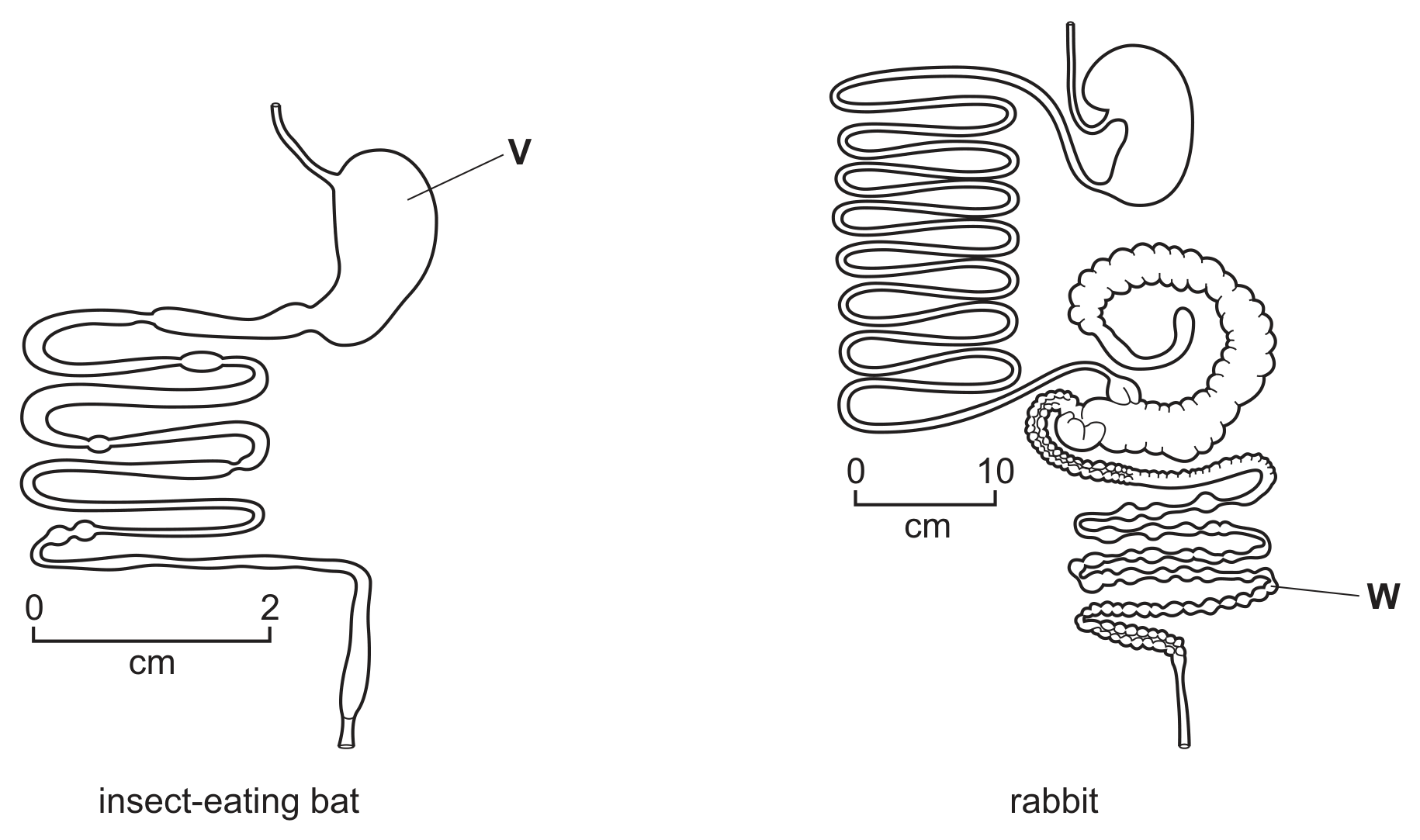
Fig. 6.1 shows the alimentary canals of two mammals, an insect-eating bat, which is a carnivore, and a rabbit, which is a herbivore.

Fig. 6.1

Fig. 6.1

Explain the role of mechanical digestion.

0 selected