EduNinja

IGCSE Biology Extended18.2.3—Adaptive features of hydrophytesTopic Practice

18.2.3—Adaptive features of hydrophytes

• Explain the adaptive features of hydrophytes and xerophytes to their environments

Question 2

Question 2(b)

(a)

Rodents are the most common mammals in many hot deserts.

Fig. 2.1 shows the lesser Egyptian jerboa, Jaculus jaculus, which lives in North Africa and the Middle East in areas that have high daytime temperatures and very little rainfall.
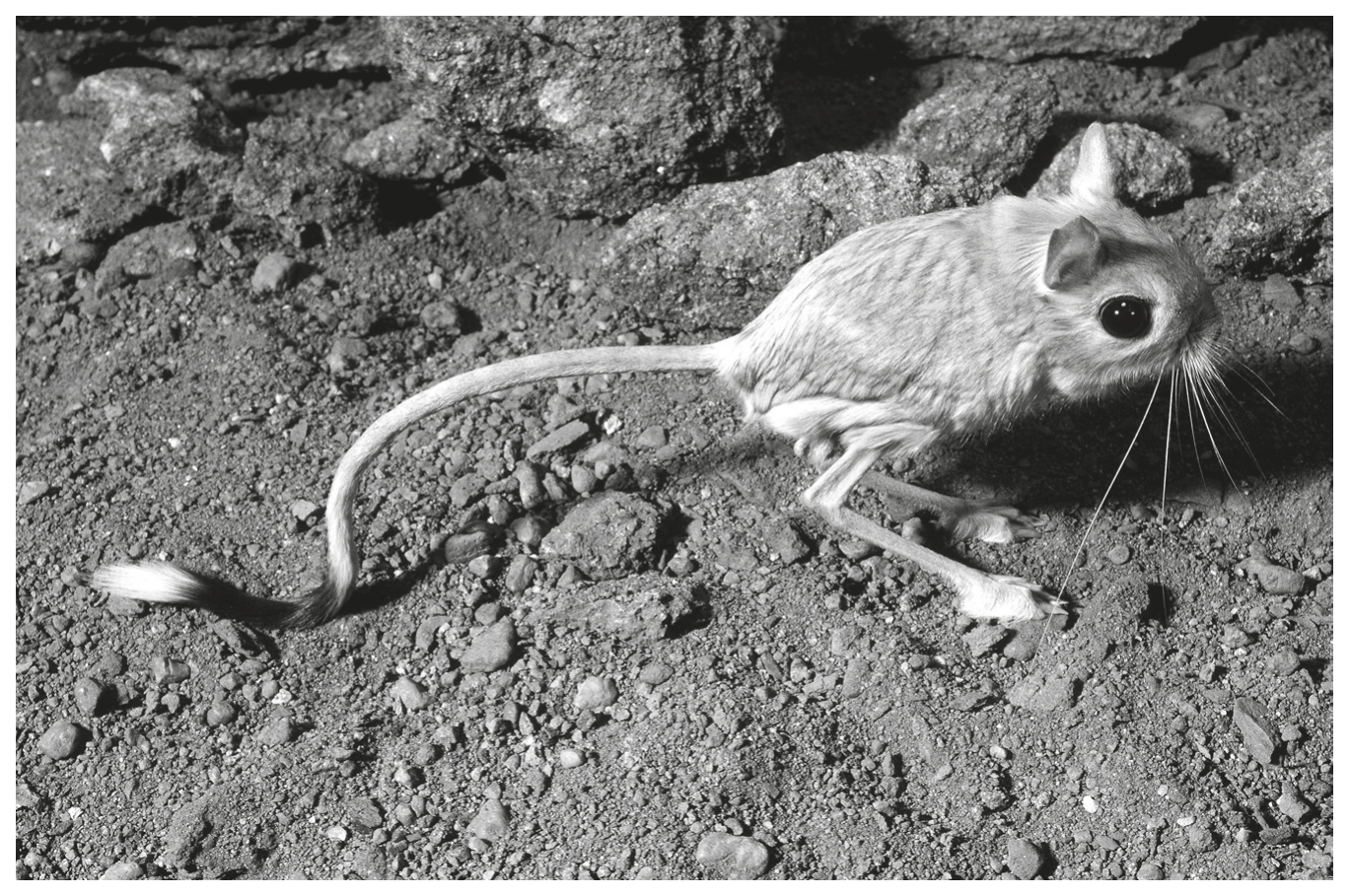
Fig. 2.1

Fig. 2.1

Like many desert-living mammals, jerboas are active at night.
Suggest two features of J. jaculus that adapt it to each of the following challenges of living in desert ecosystems:

[ 4 ]

Question 2(b)(i)

(i)

very high daytime temperatures

1

2

[ 2 ]

Question 2(b)(ii)

(ii)

very little or no light at night

1
2

[ 2 ]
Question 2(a)(ii)

[Maximum number: 2]

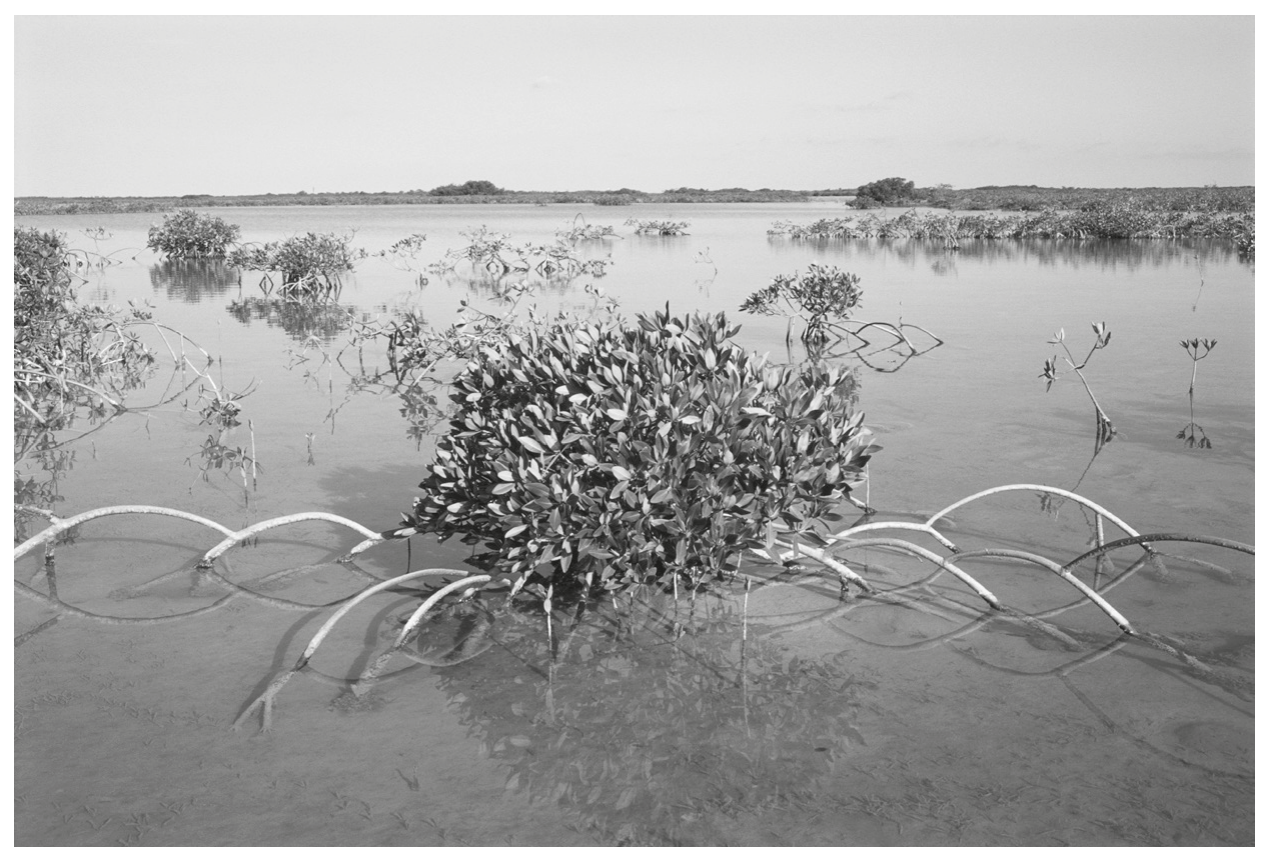
Mangrove trees are hydrophytes because they grow in water.
Fig. 2.1 shows a young mangrove tree.

Fig. 2.1

Fig. 2.1

An adaptive feature is a feature that increases the fitness of an organism.

Mangrove trees have many aerial roots and floating seeds.

Suggest how these adaptive features allow mangrove trees to survive in water. many aerial roots
floating seeds

Question 2(c)(i)

[Maximum number: 5]

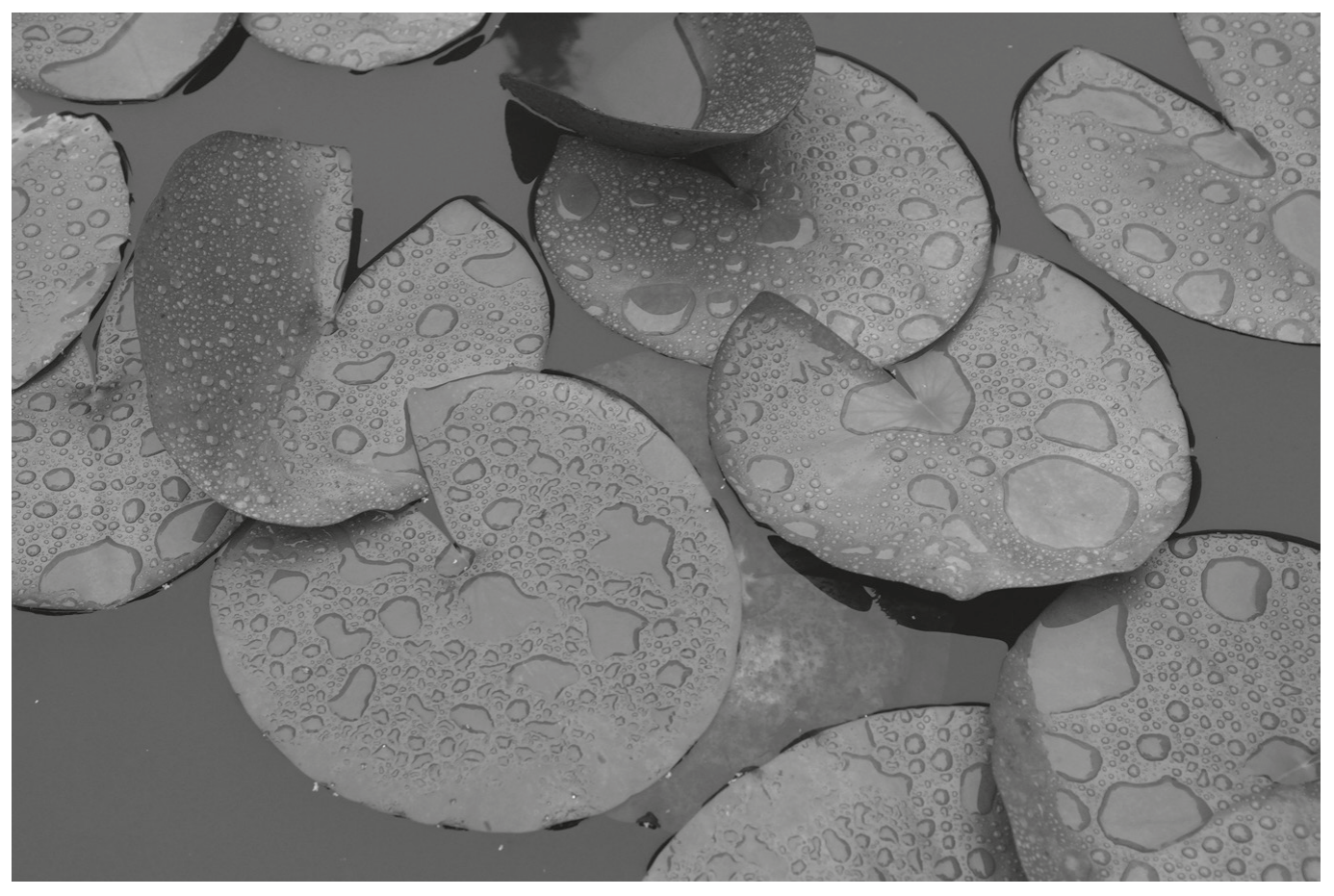
Fig. 2.1 is a photograph of some leaves of a water lily, which is a hydrophyte. The water lily has adaptive features that are found in many different hydrophytes.

Fig. 2.1

Fig. 2.1

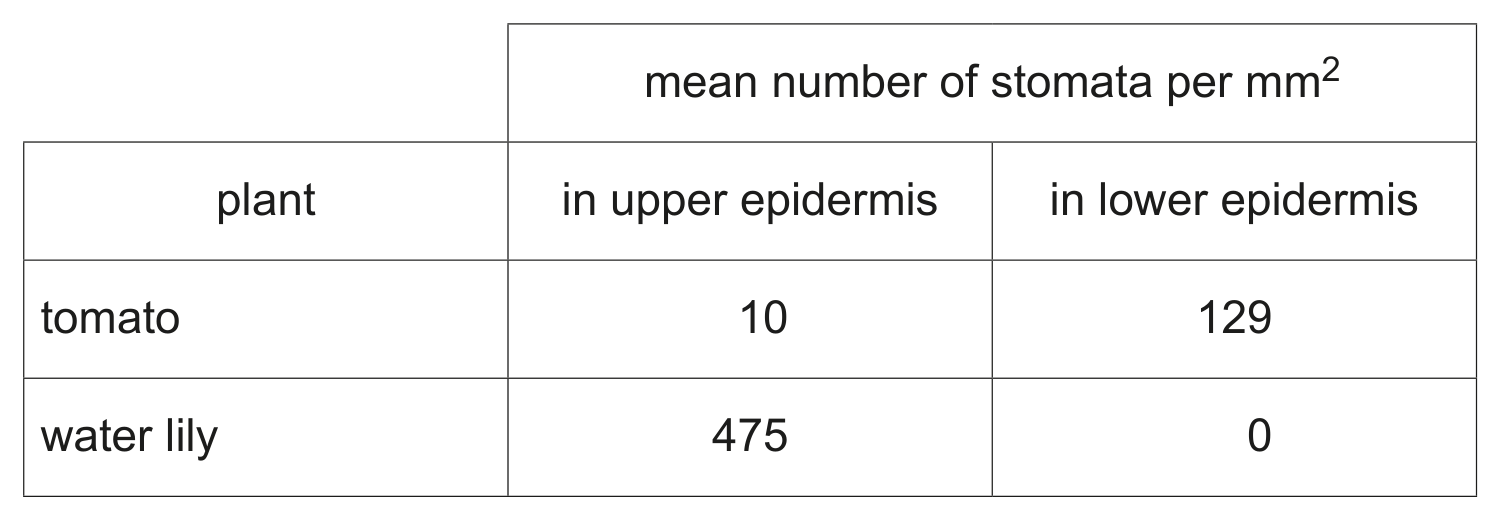
A scientist calculated the mean number of stomata per mm2\mathrm{mm}^{2} in the upper and lower epidermis in tomato plants and water lily plants. Tomato plants are a type of terrestrial plant.

Table 2.1 shows the results.

Table 2.1

Table 2.1

Compare and explain the differences in the mean number of stomata in a tomato plant and in a water lily plant.

Question 11

[Maximum number: 1]

Which feature is a leaf adaptation for living in the desert?

A

large size

B

many stomata

C

rolled along its length

D

thin waxy cuticle

Question 3

Question 3(b)

(a)

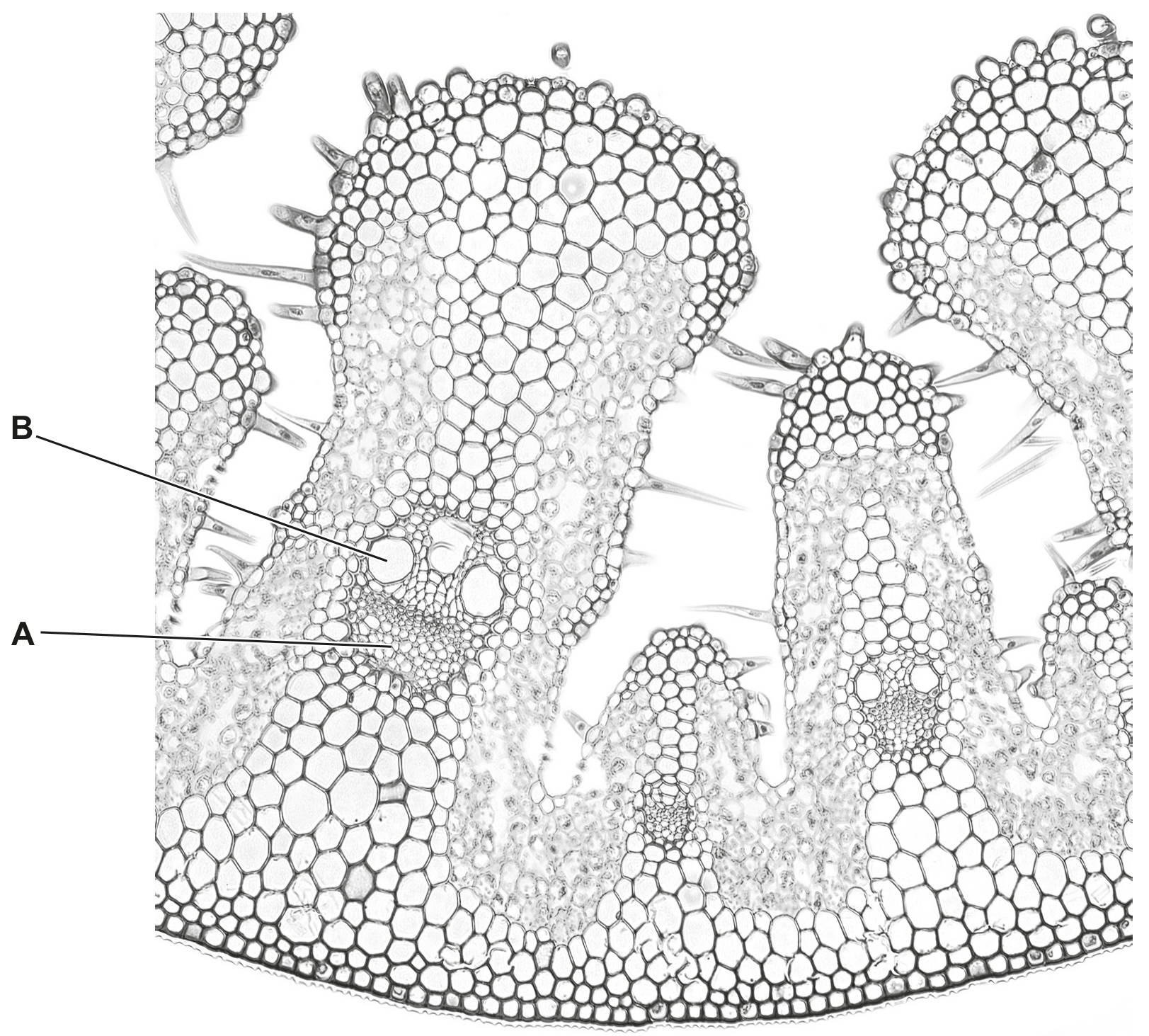
Fig. 3.3 is a photomicrograph of a cross-section of part of a xerophyte leaf.

Fig. 3.3

Fig. 3.3

[ 2 ]

Question 3(b)(iii)

(i)

Describe one way the leaves of xerophytes are adapted to their environment.

[ 1 ]

Question 3(b)(iv)

(ii)

Describe one way the roots of xerophytes are adapted to their environment.

[ 1 ]

Question 15

[Maximum number: 1]

Samphire is a plant that grows in coastal areas. It has adaptations that enable it to live in areas with high salt concentration in the soil and strong winds.

Which adaptations would samphire possess to minimise water loss from root cells by osmosis and leaves by evaporation?

salt concentration

in root cells

leaf surface area

high

high

high

low

low

high

low

low

Question 4

[Maximum number: 4]

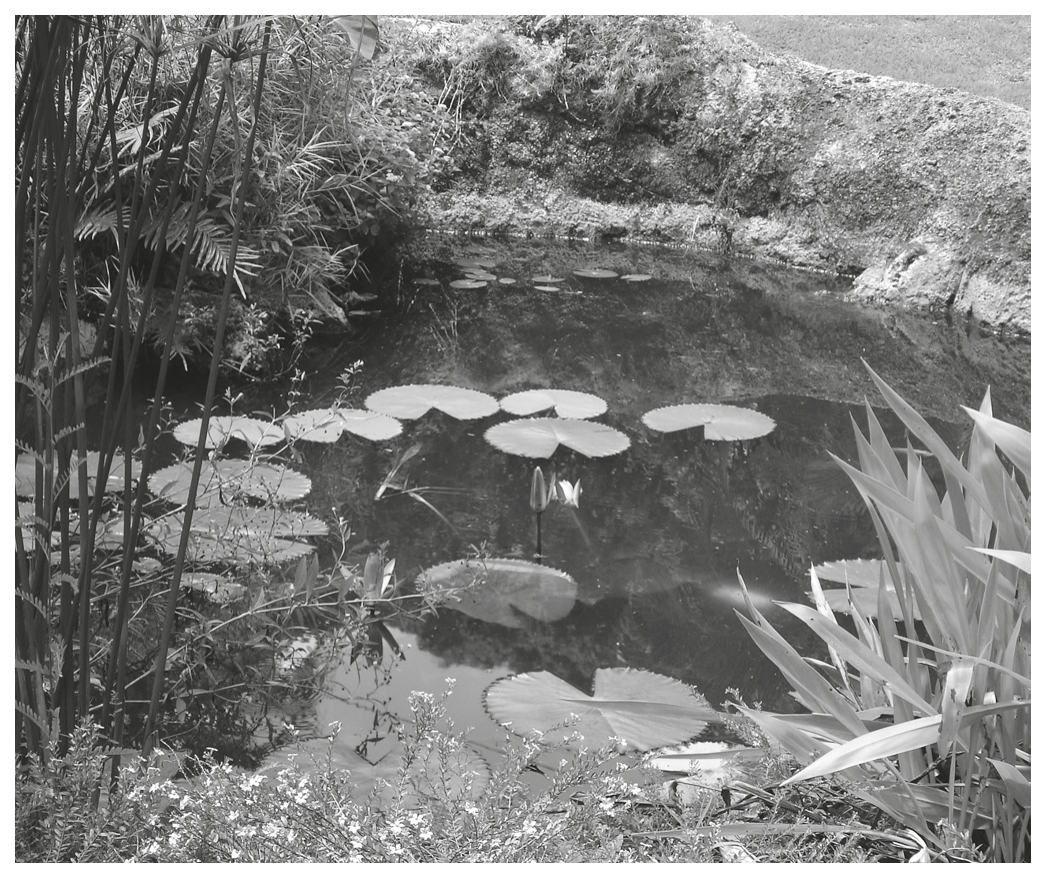
Hydrophytes are plants that show many adaptive features for life in aquatic habitats.
Fig. 4.1 shows several species of hydrophyte growing in freshwater.

Fig. 4.1

Fig. 4.1

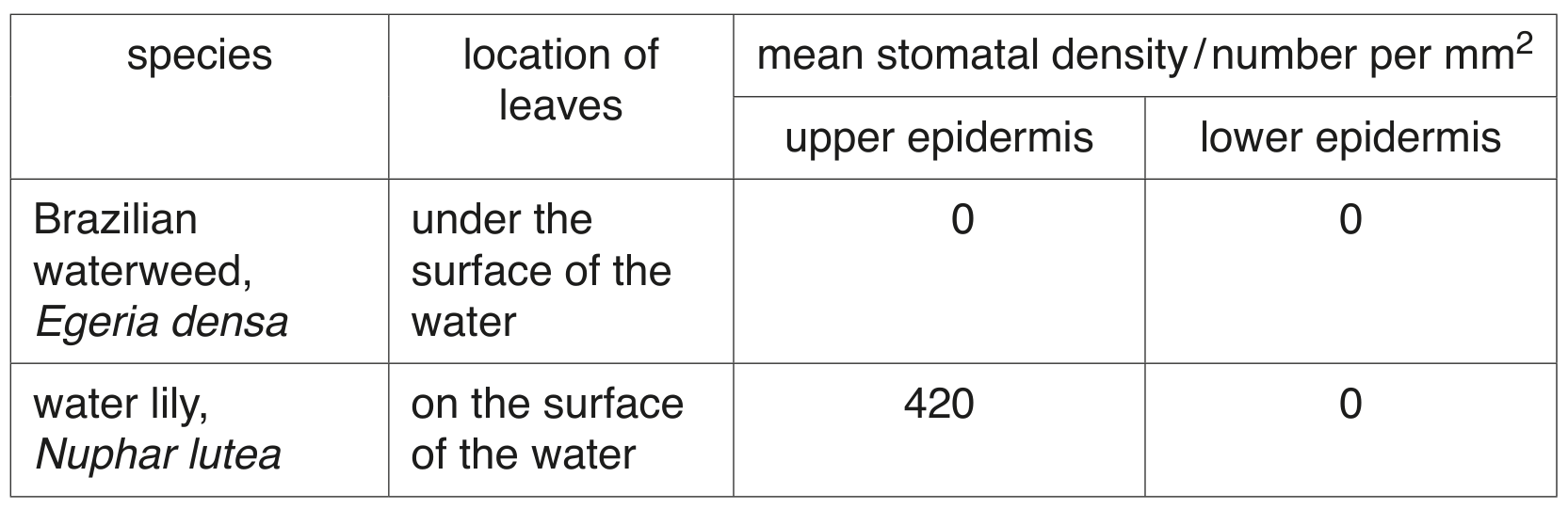
A student investigated the density of stomata on the leaves of two different species of freshwater hydrophyte.

Table 4.1 shows the results.

Table 4.1

Table 4.1

Question 4(b)

(a)

Suggest reasons for the difference between the results for the two species.

[ 2 ]

Question 4(d)

(b)

The large air spaces are an adaptation of water lily leaves. Suggest why.

[ 2 ]

Question 4

[Maximum number: 7]

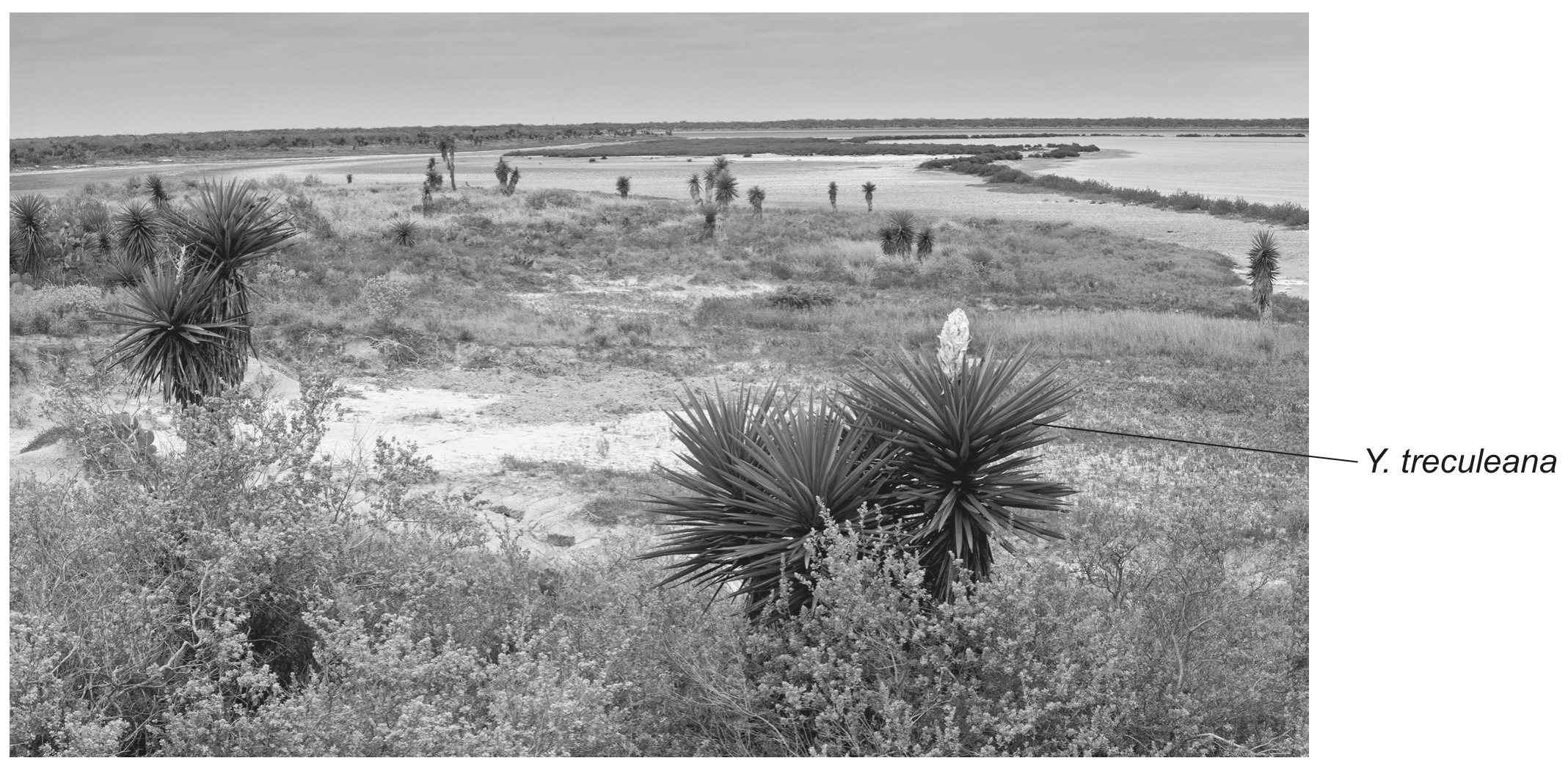
Xerophytes grow in habitats with low rainfall and soils that often have high concentrations of salts. Fig. 4.1 shows the xerophyte Yucca treculeana growing on salt flats.

Fig. 4.1

Fig. 4.1

Question 4(a)(i)

(a)

Explain how xerophytes, such as Y. treculeana, are adapted to absorb sufficient water in the conditions in which they live.

[ 4 ]

Question 4(a)(ii)

(b)

Explain how xerophytes are adapted to reduce water loss to the atmosphere.

[ 3 ]

Question 5(b)

[Maximum number: 2]

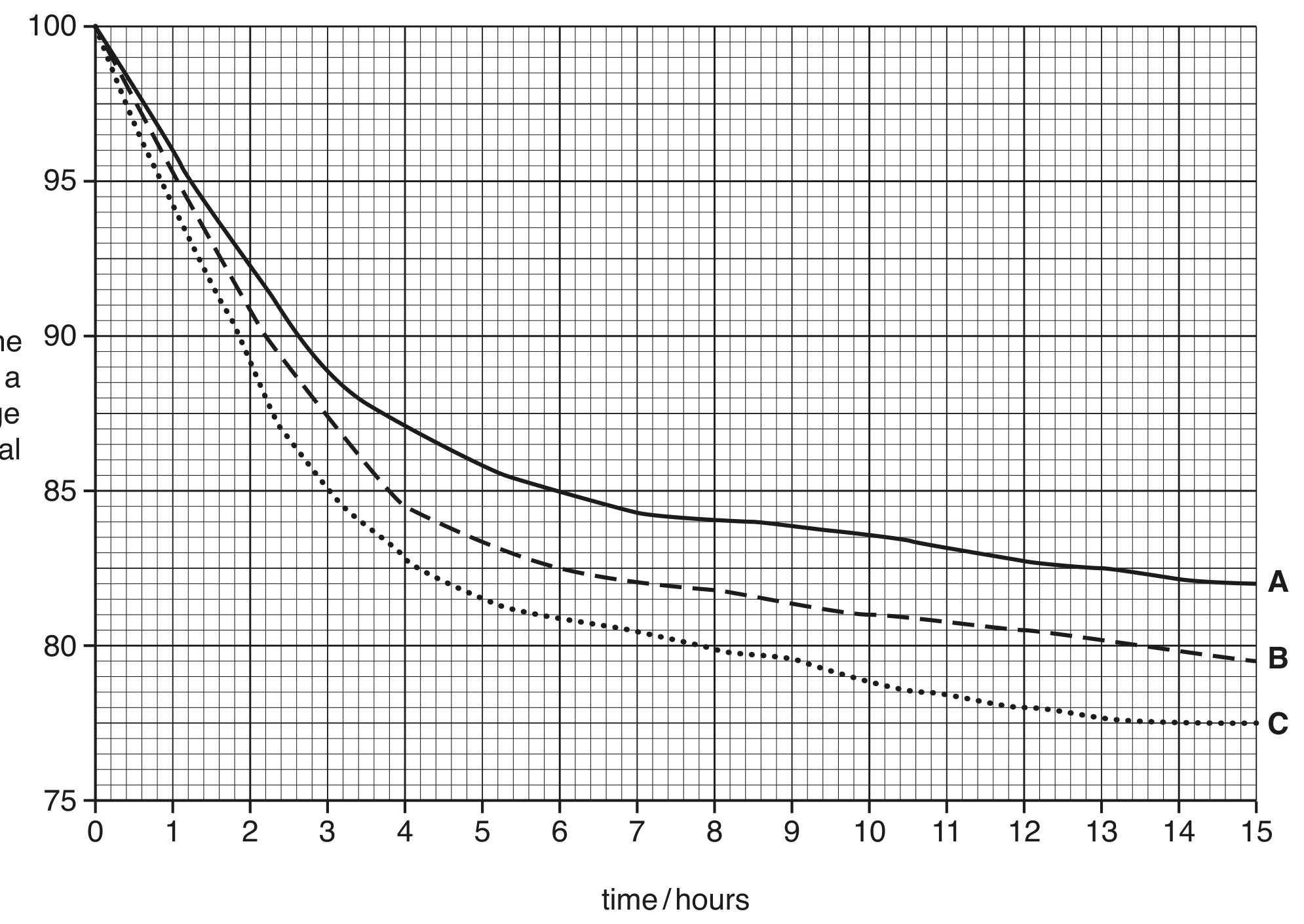
Scientists investigated the effect of cuticle thickness on water loss from the leaves of the balsam fir tree, Abies balsamea.

The leaves were divided into three groups:

A - thick cuticle

B - medium cuticle

C - thin cuticle Samples of leaves from each group were weighed. The leaves were placed on a tray in dry air at 20C20^{\circ} \mathrm{C}. The samples of leaves were reweighed, at intervals, over 15 hours. The scientists calculated the mass of each sample of leaves as a percentage of the initial mass. mass of the leaves as a percentage of the initial mass

Fig. 5.1 shows the results.

Fig. 5.1 shows the results.

The leaves of pine trees show xerophytic features. Stems and roots also show xerophytic adaptations.

State one adaptation of the stem and one adaptation of the root in xerophytes.
stem
root

Question 32

[Maximum number: 1]

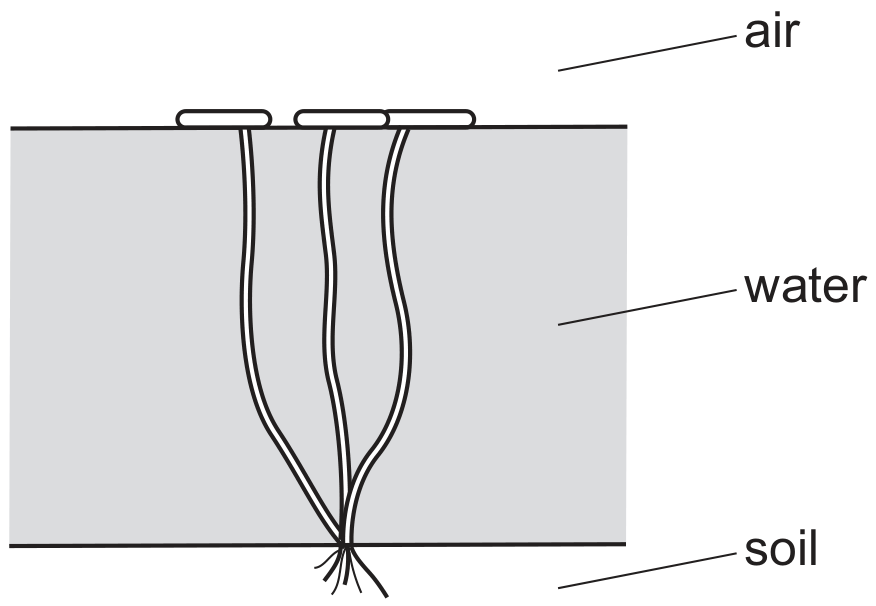
The diagram shows a hydrophyte.

Question image

What is an adaptive feature of this hydrophyte?

A

no stomata on the upper surface or the lower surface of the leaves

B

a network of large air spaces inside the leaves

C

leaf stalks containing many xylem vessels for support

D

a thick waxy cuticle on the lower surface of the leaves

0 selected