EduNinja

IGCSE Biology Extended18.2.1—Adaptive feature as an inheritedTopic Practice

18.2.1—Adaptive feature as an inherited

• Describe an adaptive feature as an inherited feature that helps an organism to survive and reproduce in its environment

Question 1(b)(ii)

[Maximum number: 3]

The Hawaiian happy-face spider, Theridion grallator, is found on several of the Hawaiian islands. Some of the spiders have a very distinctive pattern on their bodies as shown in Fig. 1.3.
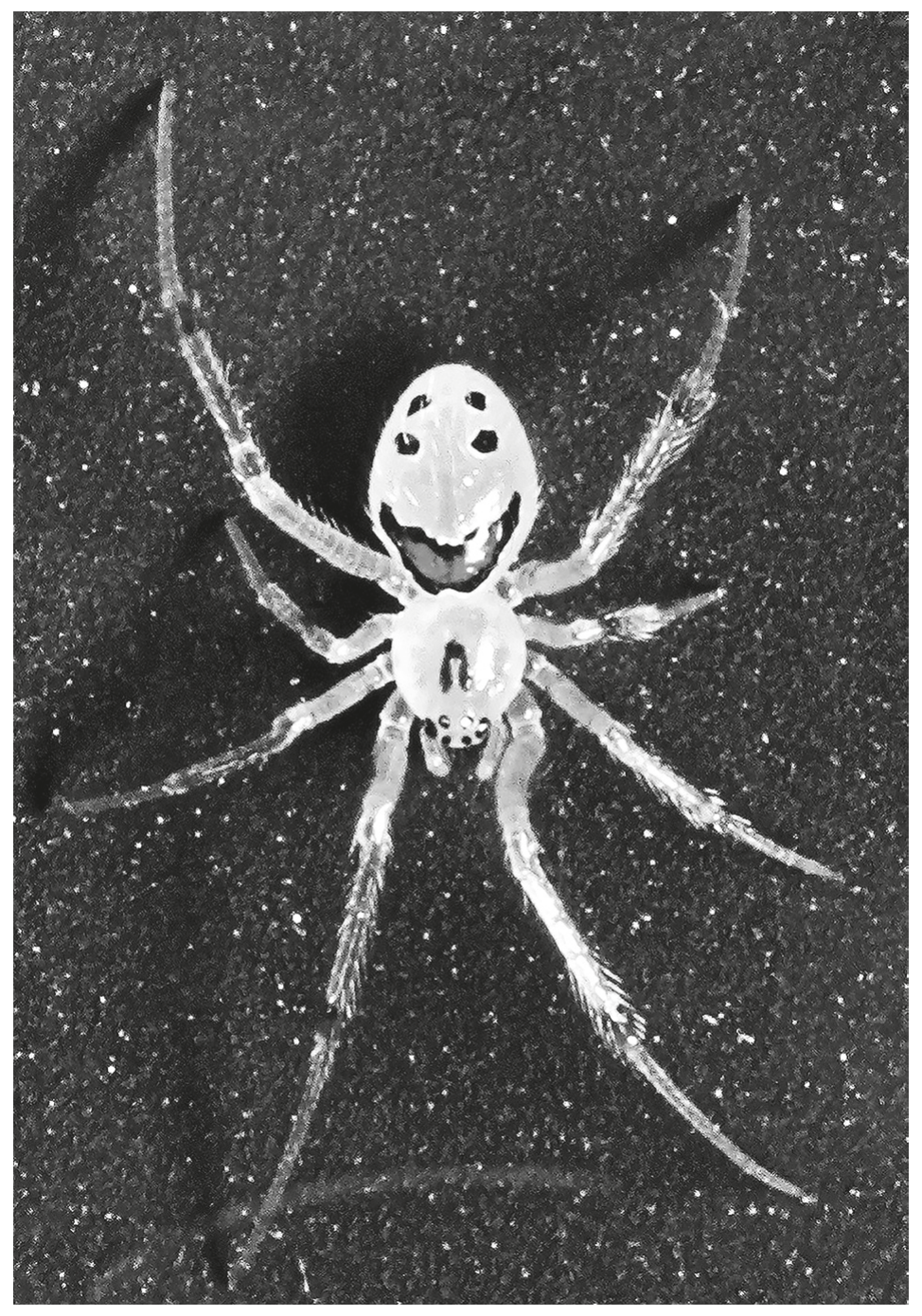
Fig. 1.3

Fig. 1.3

Scientists think that the pattern on the bodies of the spiders is an adaptive feature. Explain the term adaptive feature with reference to this pattern.
Question 2(a)

[Maximum number: 1]

Adaptive features are defined as the inherited features of an organism that increase its fitness. State what is meant by fitness in this context.

Question 2(a)(i)

[Maximum number: 1]

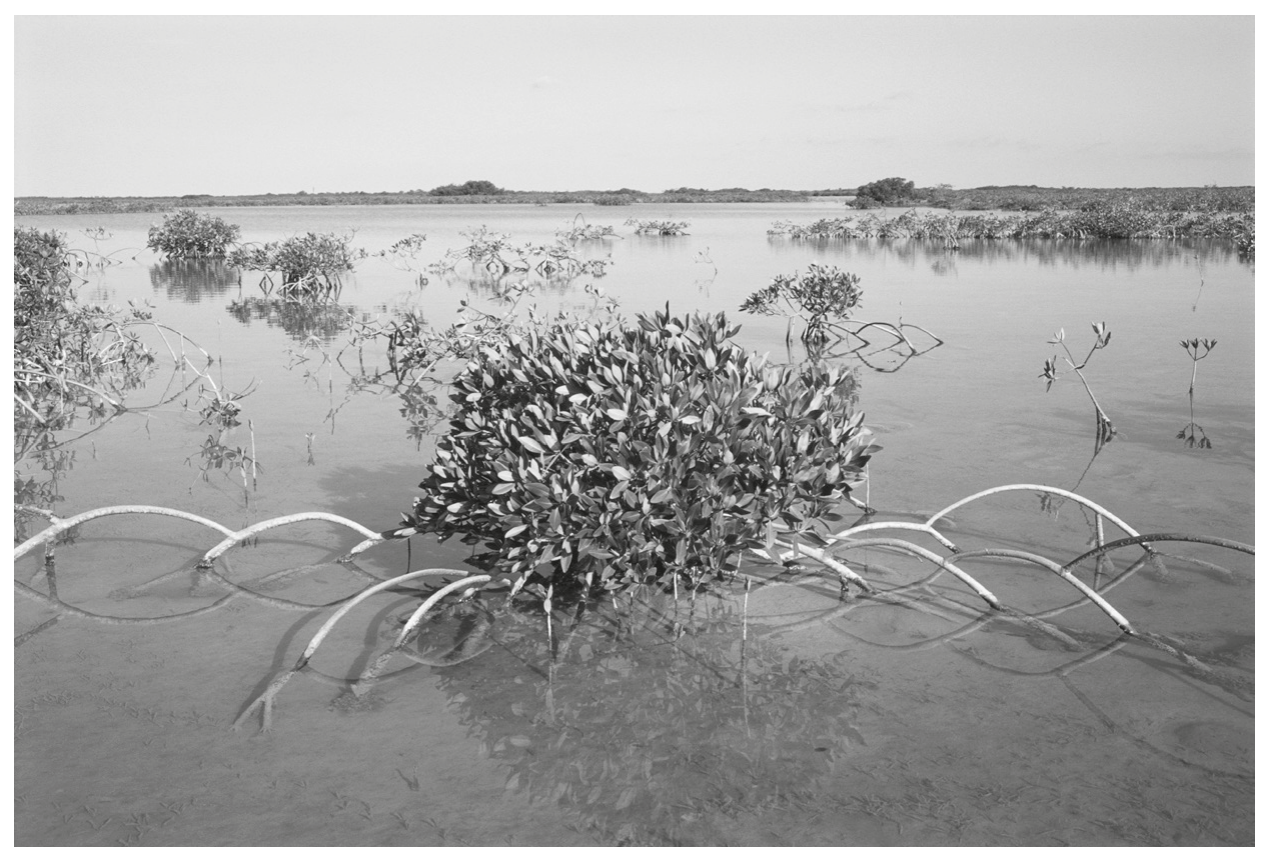
Mangrove trees are hydrophytes because they grow in water.
Fig. 2.1 shows a young mangrove tree.

Fig. 2.1

Fig. 2.1

An adaptive feature is a feature that increases the fitness of an organism.

Define the term fitness.

Question 2(a)

[Maximum number: 2]

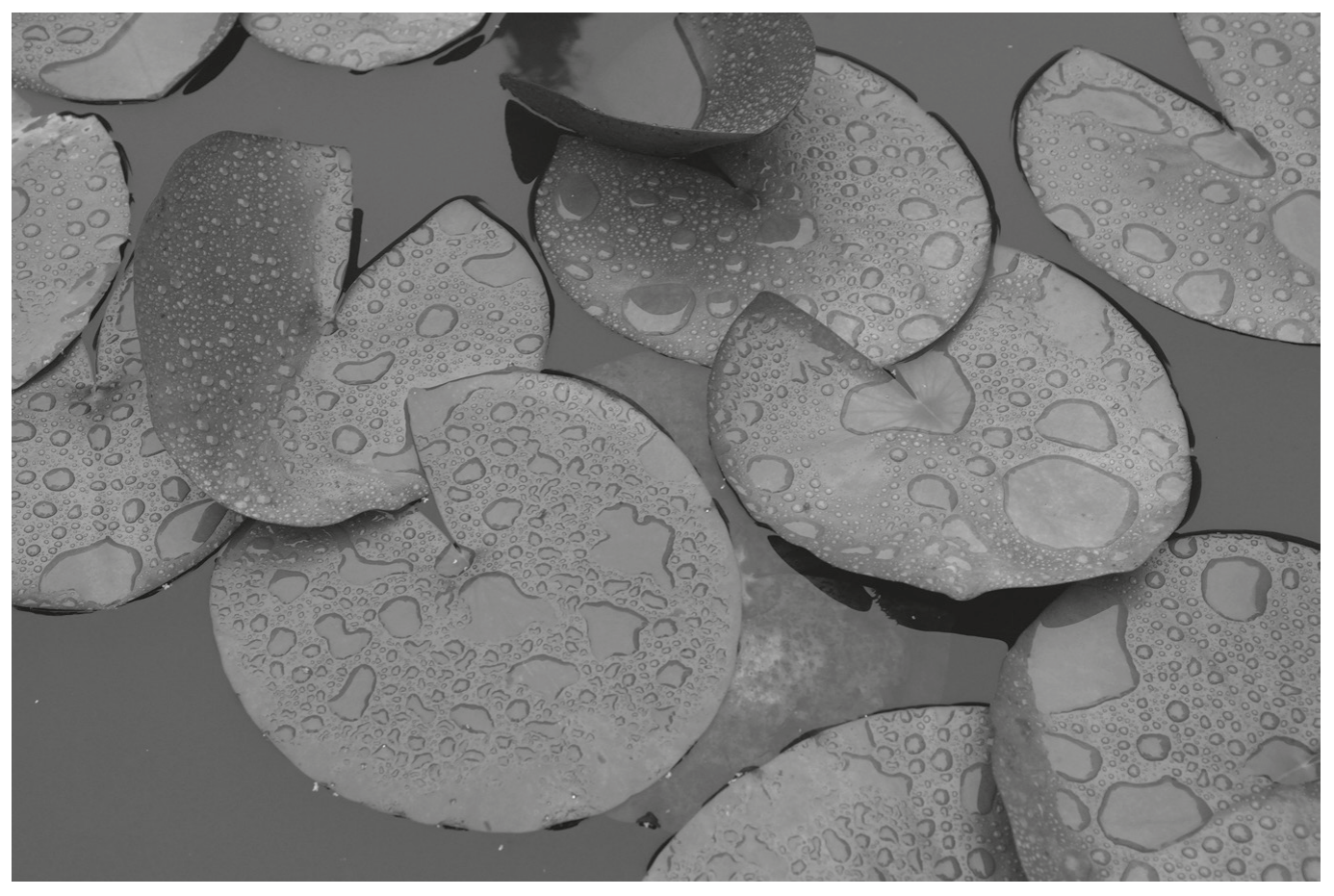
Fig. 2.1 is a photograph of some leaves of a water lily, which is a hydrophyte. The water lily has adaptive features that are found in many different hydrophytes.

Fig. 2.1

Fig. 2.1

Describe what is meant by an adaptive feature.

Question 3(a)

[Maximum number: 2]

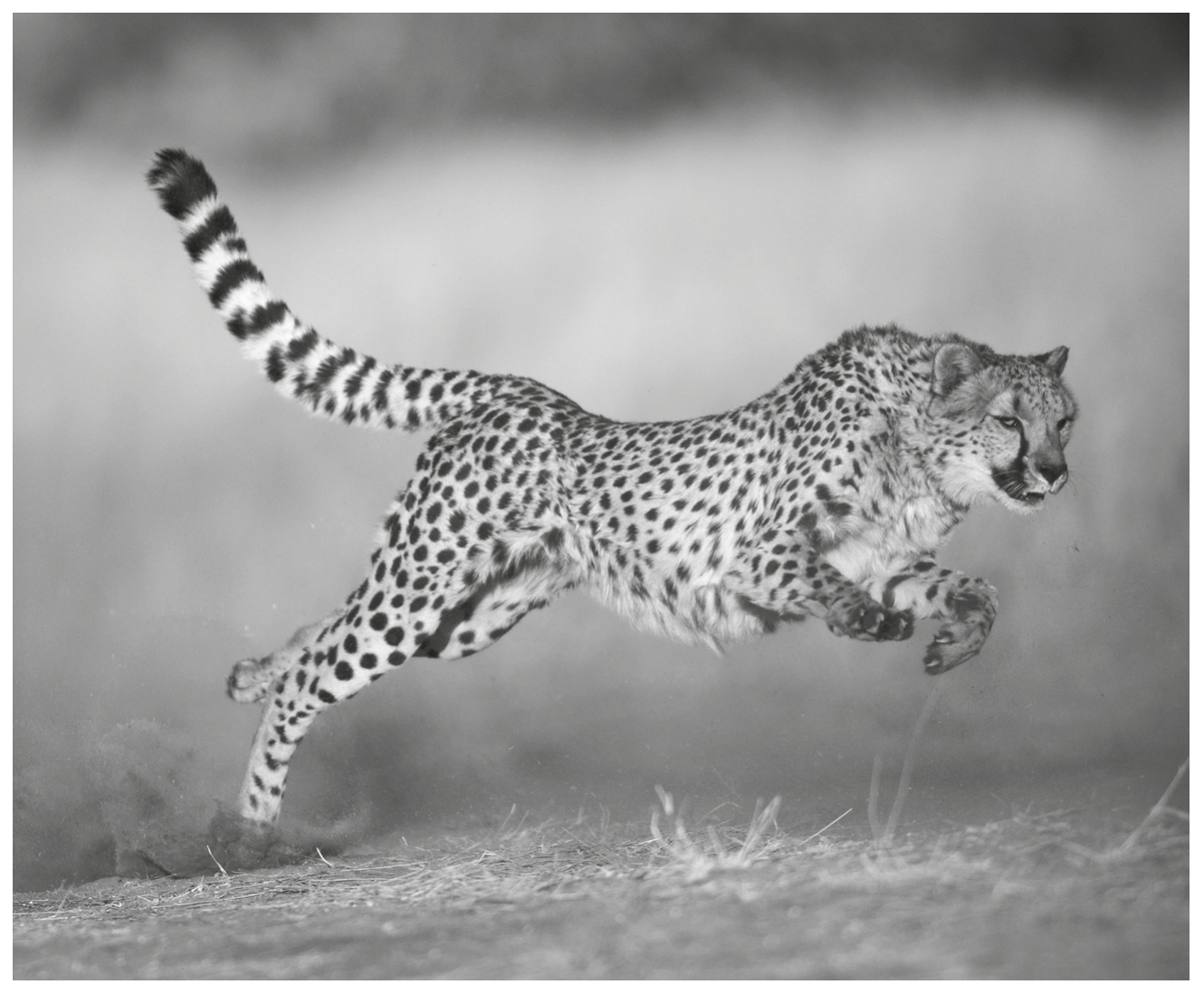
Cheetahs, Acinonyx jubatus, are carnivores found in the dry grasslands and woodlands of southern Africa. Cheetahs hunt for food during the day. They eat deer and antelope.

The cheetah is the fastest mammal on land but can only run at high speed (sprint) over a short distance. Its hunting strategy is to creep up on prey and then sprint to catch them.

Fig. 3.1 is a photograph of a cheetah in its natural habitat.

Fig. 3.1

Fig. 3.1

Suggest how these adaptive features enable cheetahs to survive in their natural environment. fur colouring
streamlined body shape

Question 4(b)(i)

[Maximum number: 1]

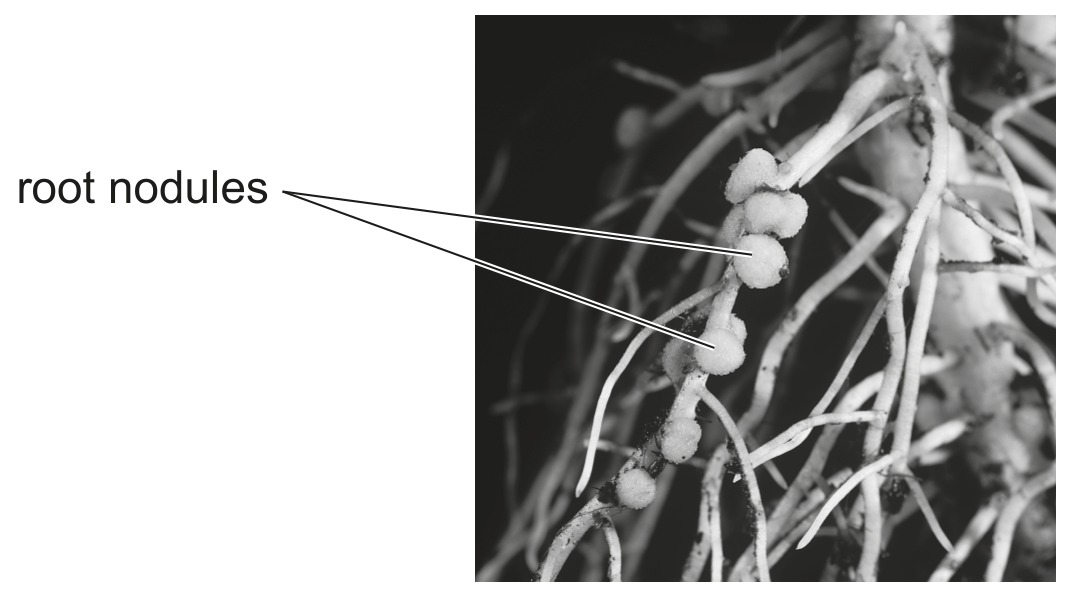
Researchers investigated the effect of adding cattle manure (cattle faeces) to fields where snap bean plants, Phaseolus vulgaris, were grown. Cattle manure contains some protein.

Snap bean plants are legumes which have root nodules that contain nitrogen-fixing bacteria.

Fig. 4.1 shows some root nodules.

Fig. 4.1

Fig. 4.1

Suggest the advantage to farmers of having snap bean plants that have a large number of root nodules.

Question 4

[Maximum number: 3]

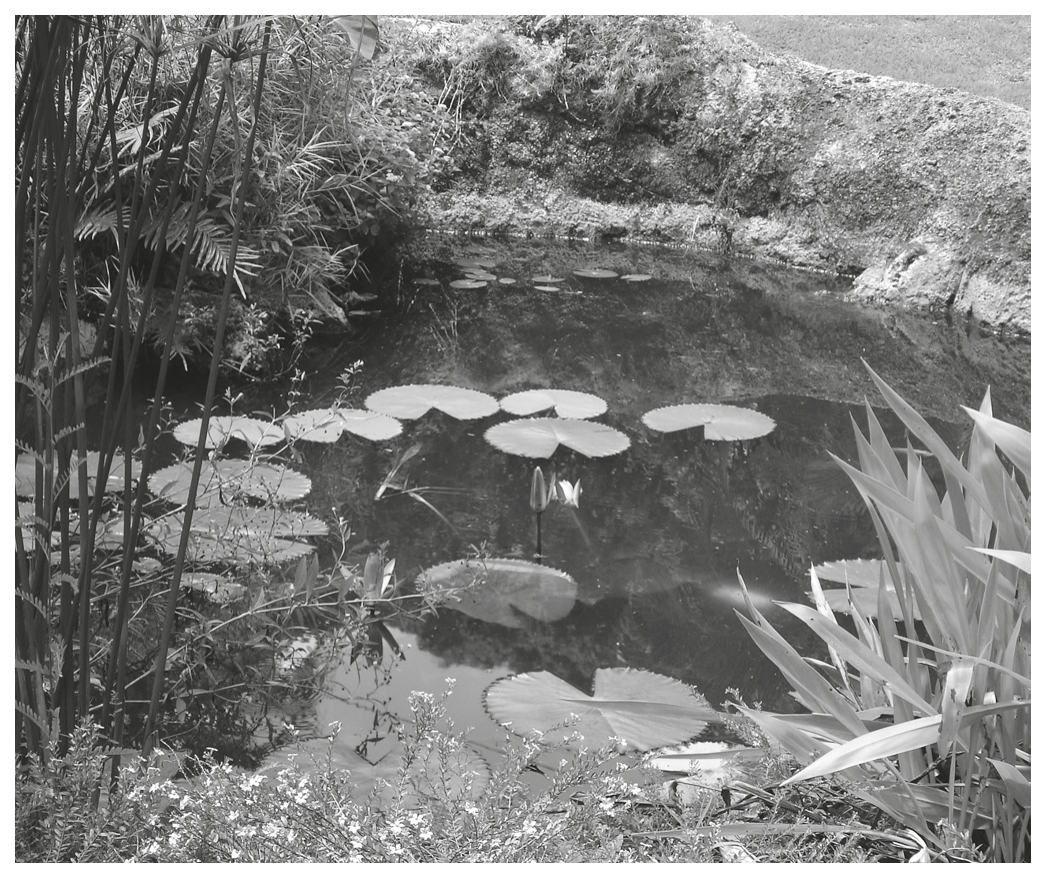
Hydrophytes are plants that show many adaptive features for life in aquatic habitats.
Fig. 4.1 shows several species of hydrophyte growing in freshwater.

Fig. 4.1

Fig. 4.1

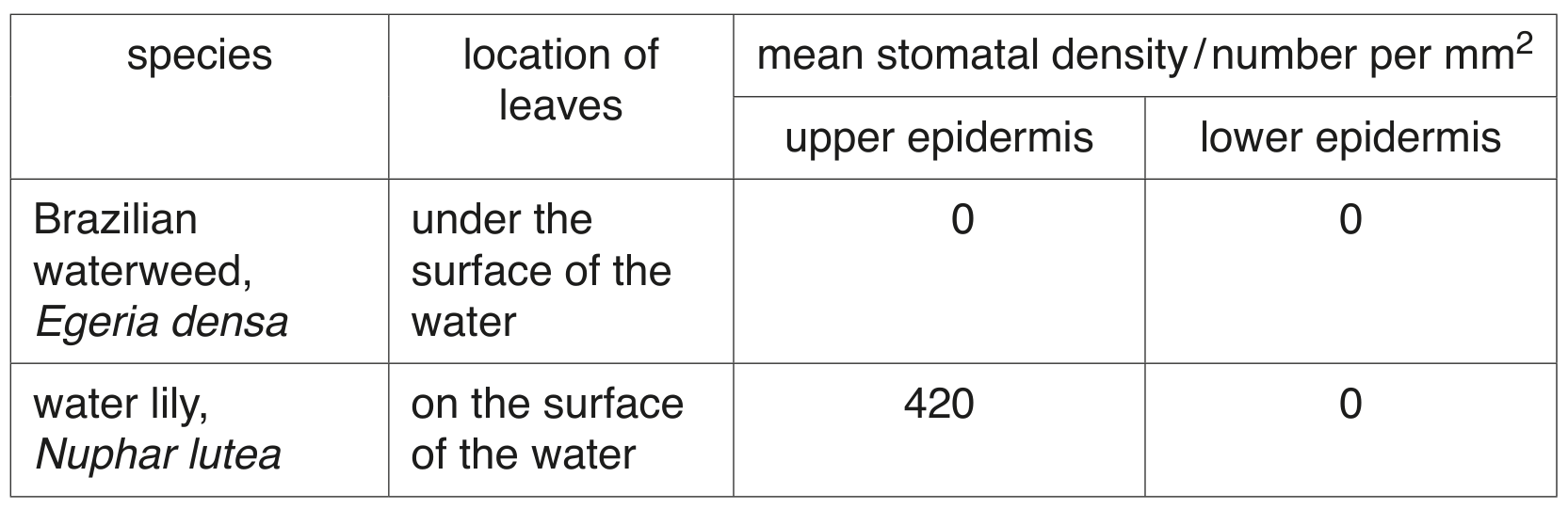
A student investigated the density of stomata on the leaves of two different species of freshwater hydrophyte.

Table 4.1 shows the results.

Table 4.1

Table 4.1

Question 4(e)

(a)

Hydrophytes are adapted to aquatic habitats.

State the name used for plants that are adapted to dry habitats.

[ 1 ]

Question 4(f)

(b)

Explain what is meant by the term adaptive feature.

[ 2 ]

Question 4(a)(iii)

[Maximum number: 2]

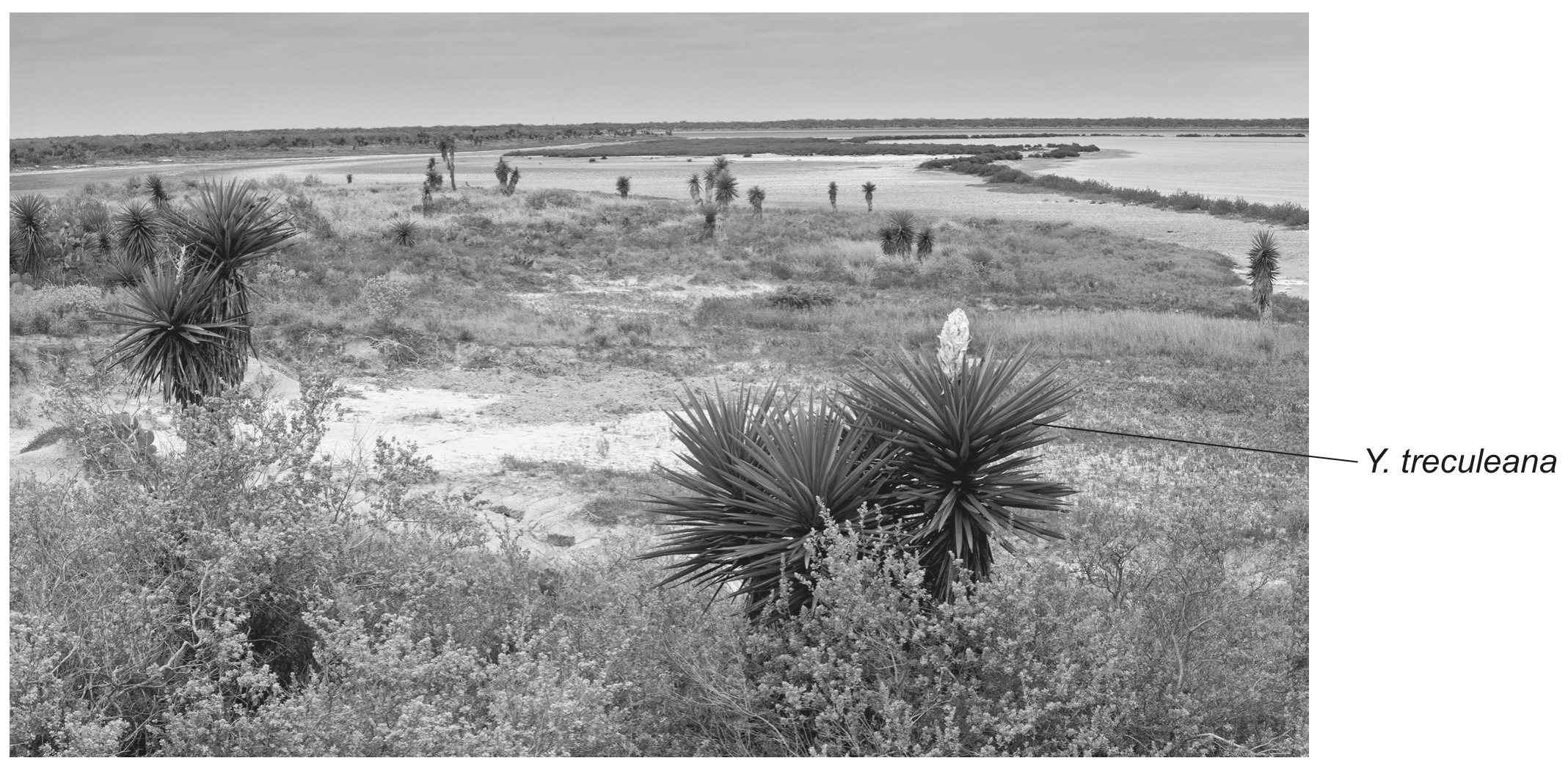
Xerophytes grow in habitats with low rainfall and soils that often have high concentrations of salts. Fig. 4.1 shows the xerophyte Yucca treculeana growing on salt flats.

Fig. 4.1

Fig. 4.1

Xerophytes often have many defence mechanisms that reduce or prevent herbivores eating them.

Suggest how xerophytes protect themselves against herbivores.

Question 5(a)

[Maximum number: 1]

An ecologist studied variation in a species of xerophyte.

Xerophytes are adapted to a particular type of environment.

State this type of environment.

Question 36

[Maximum number: 1]

Adaptive features are inherited features that increase fitness.
What is the definition of fitness?

A

artificial selection to improve organisms

B

the change in adaptive features of a population over time

C

the probability of an organism surviving and reproducing in the environment in which it is found

D

the probability of variation in a population

0 selected