EduNinja

IGCSE Biology Extended17.1.5—Sequence of bases in a gene determinesTopic Practice

17.1.5—Sequence of bases in a gene determines

• State that the sequence of bases in a gene determines the sequence of amino acids used to make a specific protein (knowledge of the details of nucleotide structure is not required)

Question 2(d)(ii)

[Maximum number: 1]

Red blood cells contain the protein haemoglobin.

Fig. 2.2 and Fig. 2.3 are maps showing some of the different regions in a country. Scientists studied the distribution of the HbS\mathbf{H b}^{\mathbf{S}} allele in the country.

Fig. 2.2 shows the estimated frequency of the allele within the population.
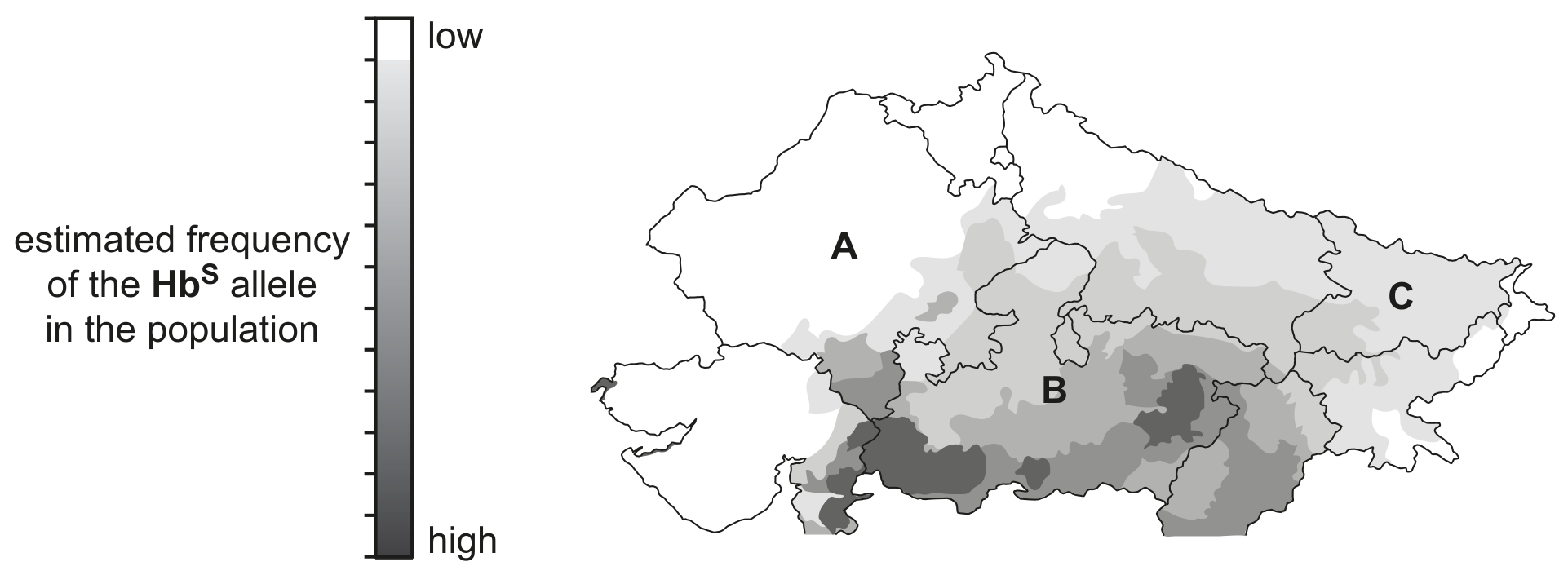
Fig. 2.3 shows the estimated number of babies born with sickle cell anaemia in each region.
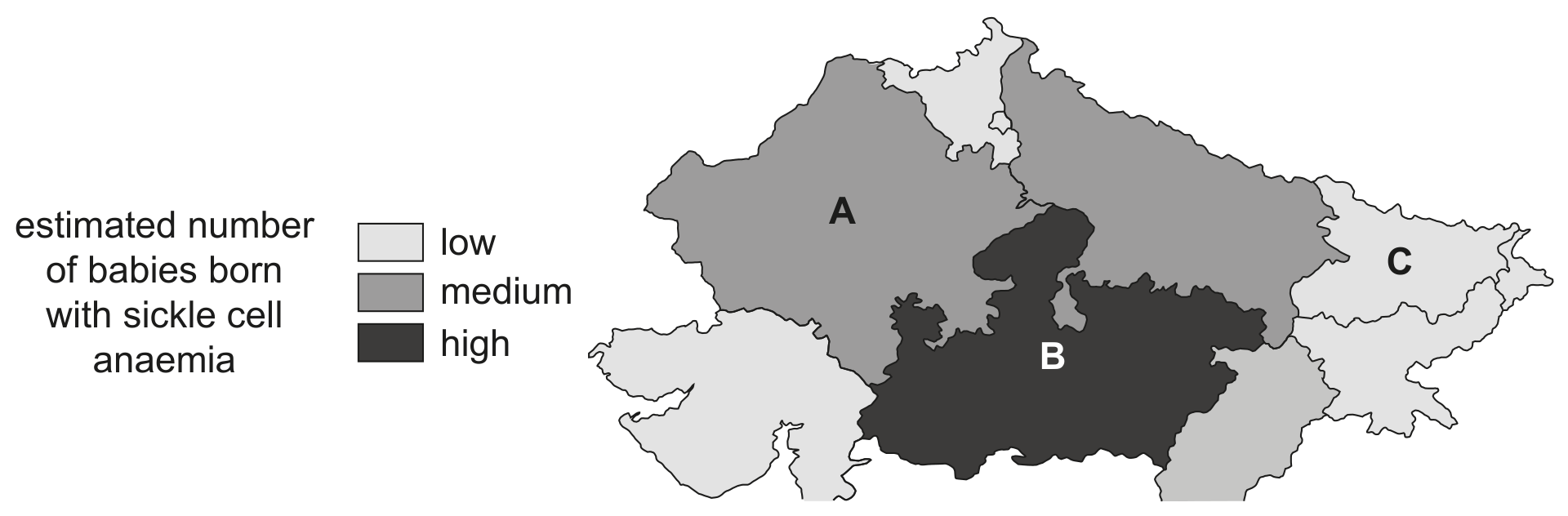
Fig. 2.3 shows the estimated number of babies born with sickle cell anaemia in each region.

Fig. 2.3

Fig. 2.3

The scientists made a statement:
'There is a relationship between the frequency of the HbS\mathbf{H b}^{\mathbf{S}} allele and the number of babies born with sickle cell anaemia in regions A, B and C.'

Suggest how the scientists would identify the presence of the HbS\mathbf{H b}^{\mathbf{S}} allele in tissue samples.

Question 3(d)(i)

[Maximum number: 2]

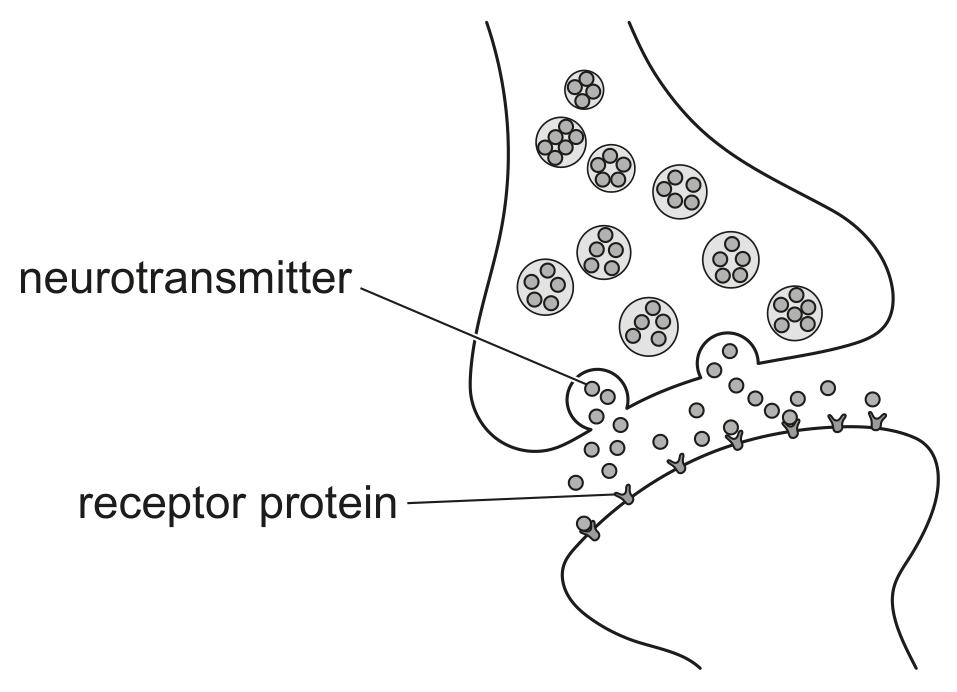
Fig. 3.1 is a diagram of the junction between two neurones in a healthy person.
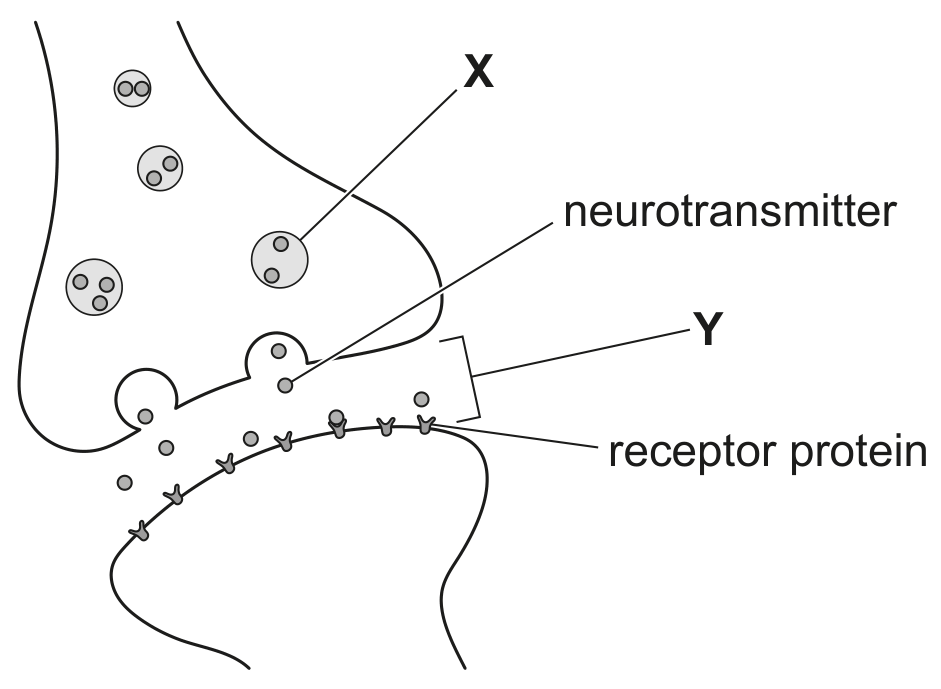
Fig. 3.2 is a diagram of the junction between the same two neurones in a person who has Parkinson's disease. This disease affects the nervous system.

Fig. 3.1

Fig. 3.1

Fig. 3.2

Fig. 3.2

The shape of the receptor proteins shown in Fig. 3.1 and Fig. 3.2 is important for their function.

Explain how the shape of the receptor proteins is determined.

Question 3(c)(i)

[Maximum number: 2]

The American writer Ernest Hemingway lived on the island of Key West in Florida, USA in the 1930s. During this time he was given a male cat by a sea captain.

The cat had more toes than usual. This inherited condition is called polydactyly. The allele for polydactyly is dominant.

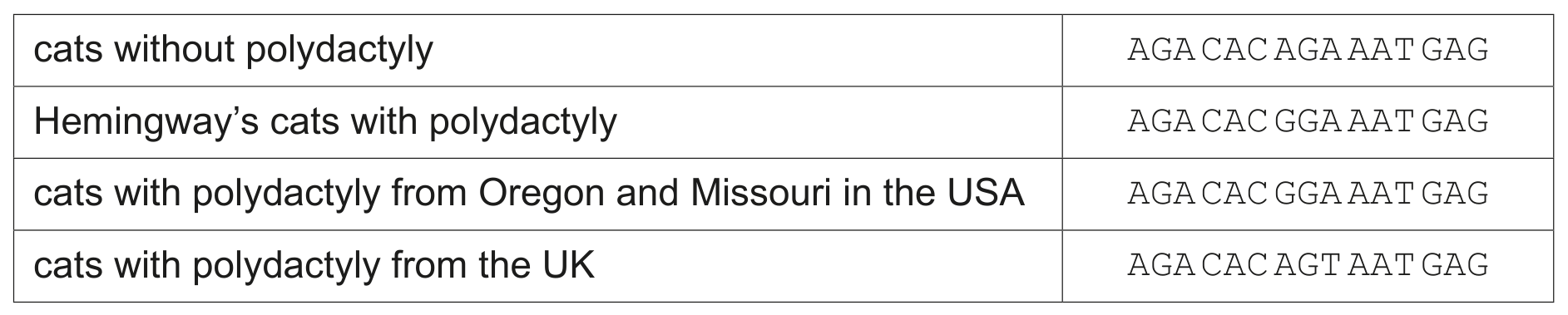
Scientists published the results of an investigation into the DNA of cats with and without polydactyly. They compared the base sequence from a particular region of DNA that controls the development of the limbs.

Table 3.1 shows the base sequences.

Table 3.1

Table 3.1

Describe how the base sequences of the cats with polydactyly differ from the base sequence of cats without polydactyly.

Question 3(b)(v)

[Maximum number: 1]

Cheetahs, Acinonyx jubatus, are carnivores found in the dry grasslands and woodlands of southern Africa. Cheetahs hunt for food during the day. They eat deer and antelope.

The cheetah is the fastest mammal on land but can only run at high speed (sprint) over a short distance. Its hunting strategy is to creep up on prey and then sprint to catch them.

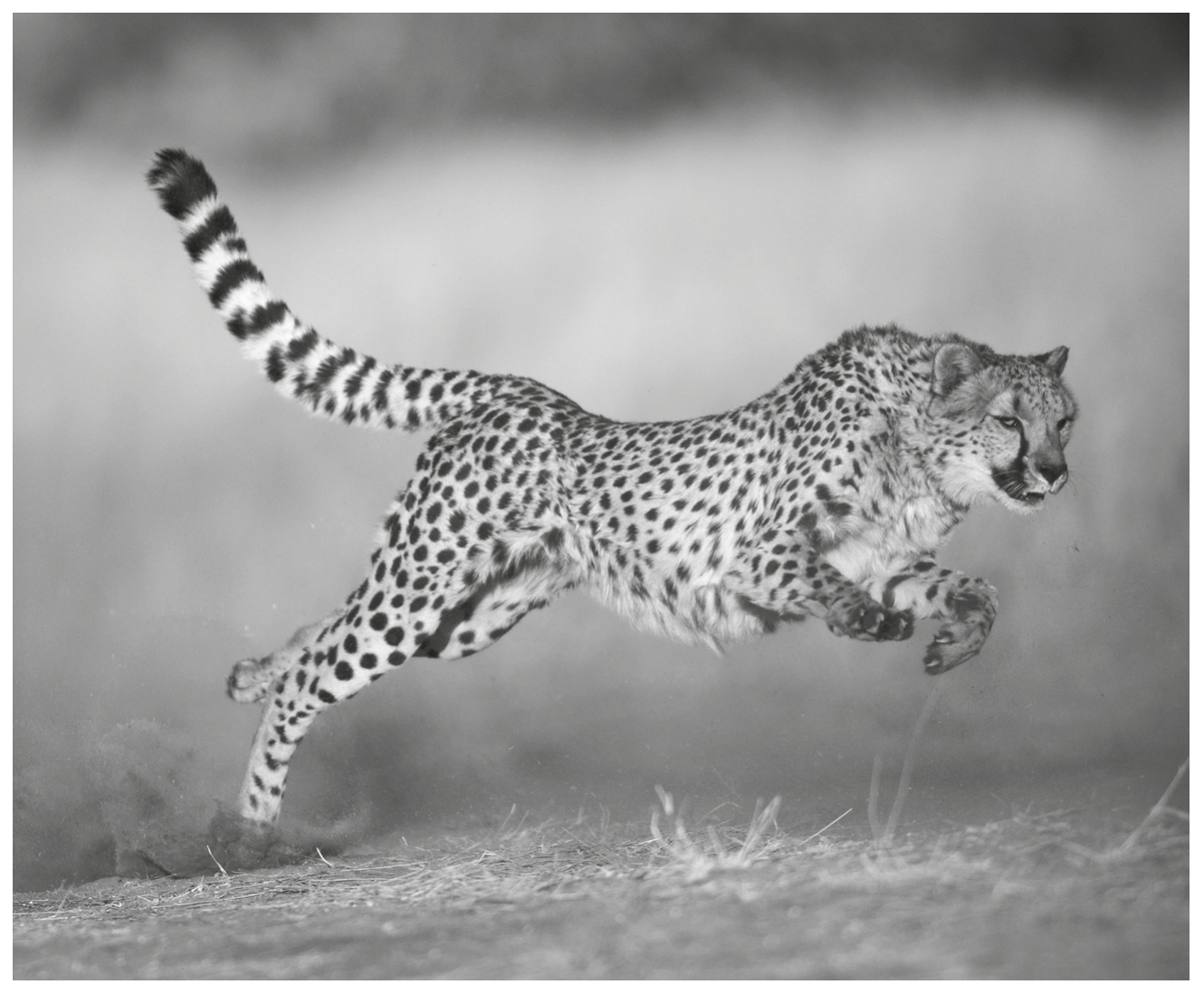
Fig. 3.1 is a photograph of a cheetah in its natural habitat.

Fig. 3.1

Fig. 3.1

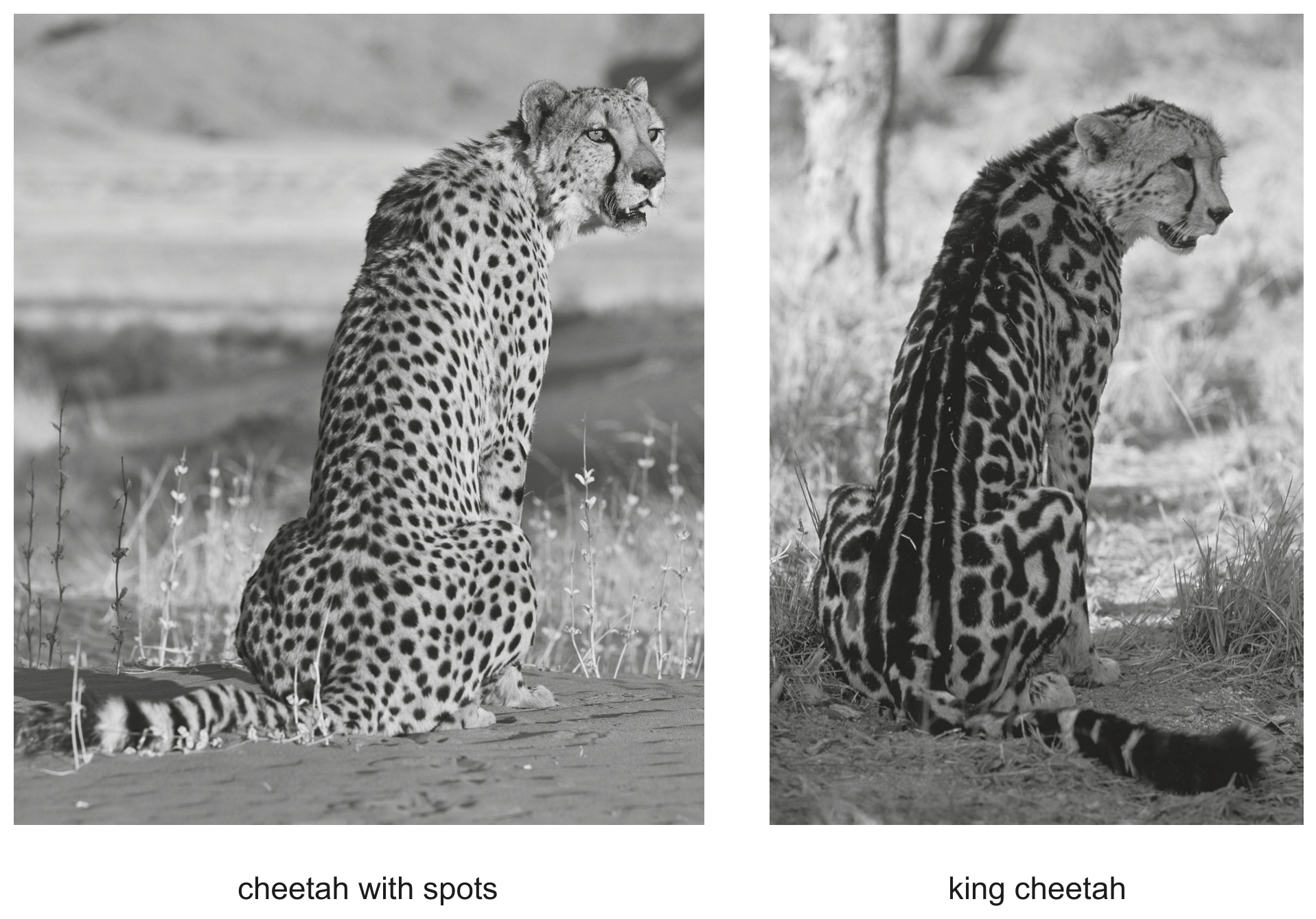
The king cheetah is a rare variety of A. jubatus that has inherited striped fur markings.

Fig. 3.2 shows a cheetah with spots and a king cheetah.

Fig. 3.2 shows a cheetah with spots and a king cheetah.

When the king cheetah was first discovered it was thought that it was a new species.

Pedigree diagrams of cheetahs proved it was not a new species.
Suggest one type of evidence, other than pedigree diagrams, that can be used to determine how closely related organisms are.

Question 5(a)(ii)

[Maximum number: 1]

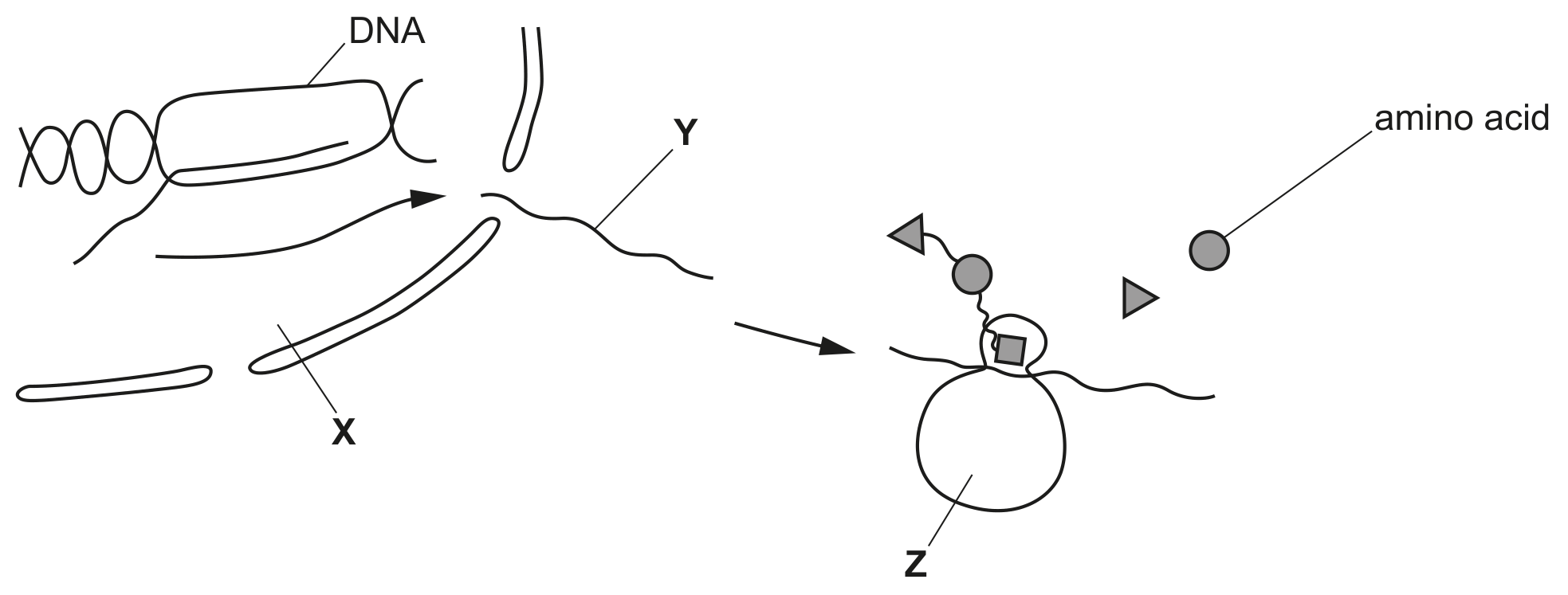
Fig. 5.1 shows the stages involved in protein synthesis.

Fig. 5.1

Fig. 5.1

State what determines the sequence of the amino acids in the protein that is produced.

0 selected