Question 2(a)
[Maximum number: 2]
Many researchers are studying the structure and function of genes.
Define the term gene.
 EduNinja
• Define a gene as a length of DNA that codes for a protein
Many researchers are studying the structure and function of genes.
Define the term gene.
Fig. 2.1 is a diagram of part of a DNA molecule.
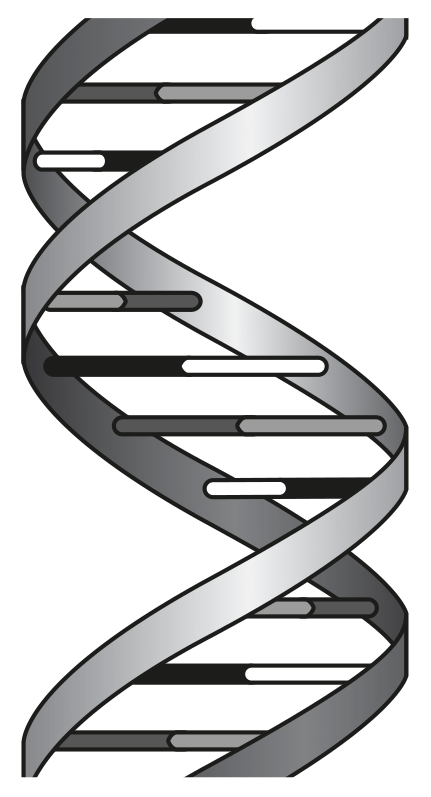
Fig. 2.1
State the name given to a length of DNA that codes for a protein.
Quinoa, Chenopodium quinoa, is a dicotyledonous plant that produces seeds that resemble those of cereals, such as rice.
During seed development, amino acids are converted into storage proteins and proteases.
Protease molecules become active when the seed absorbs water at the start of germination.
Fig. 2.1 shows the formation of a storage protein and a protease in developing quinoa seeds and the action of protease on the storage protein during germination.
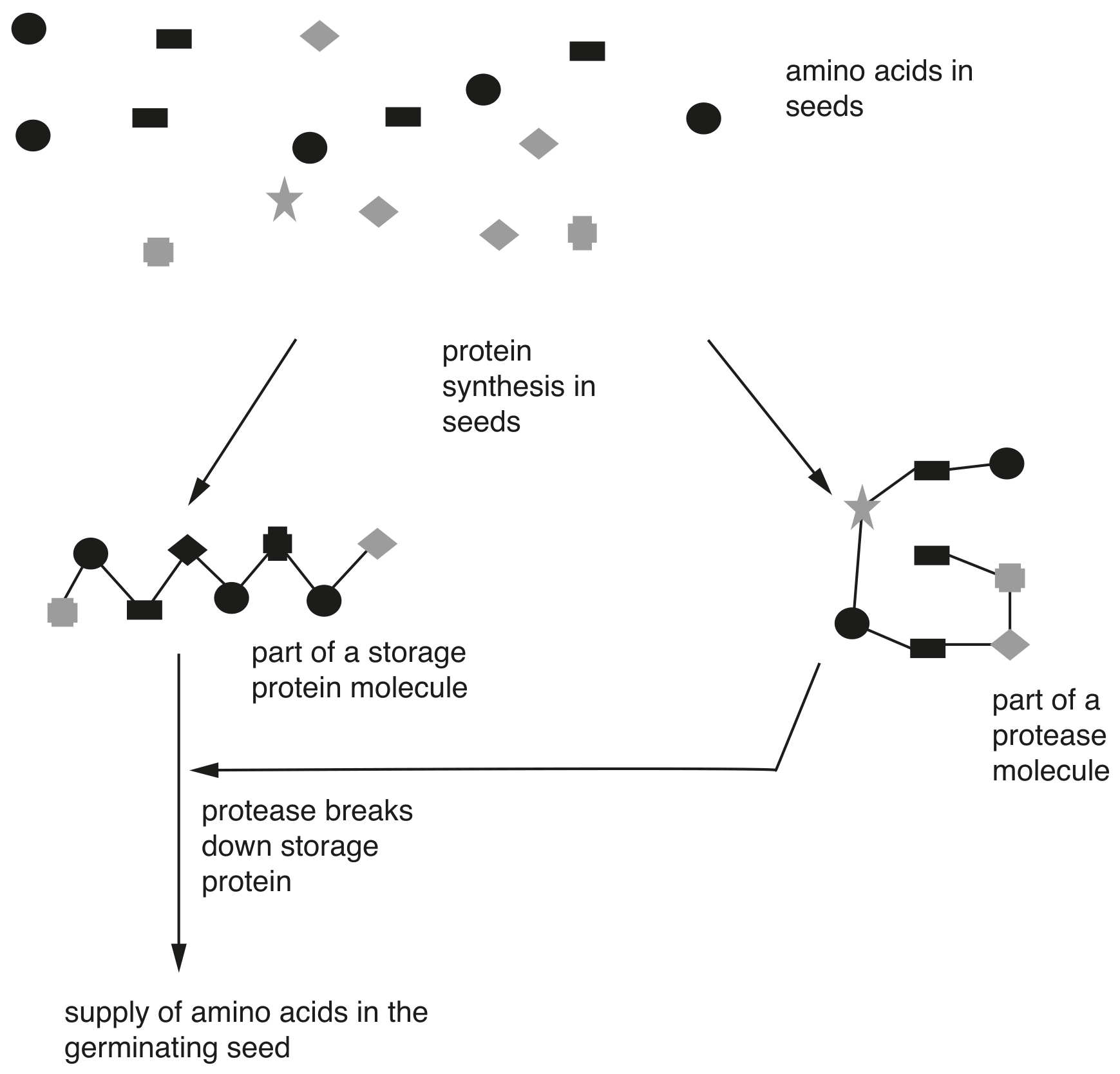
Fig. 2.1
During seed development in quinoa some genes are 'switched on'.
Define the term gene.
The genes for antibodies are only active in lymphocytes.
Define the term gene.
Insulin is a protein made by cells in the pancreas.
Fig. 2.1 shows how insulin is made in a pancreatic cell.
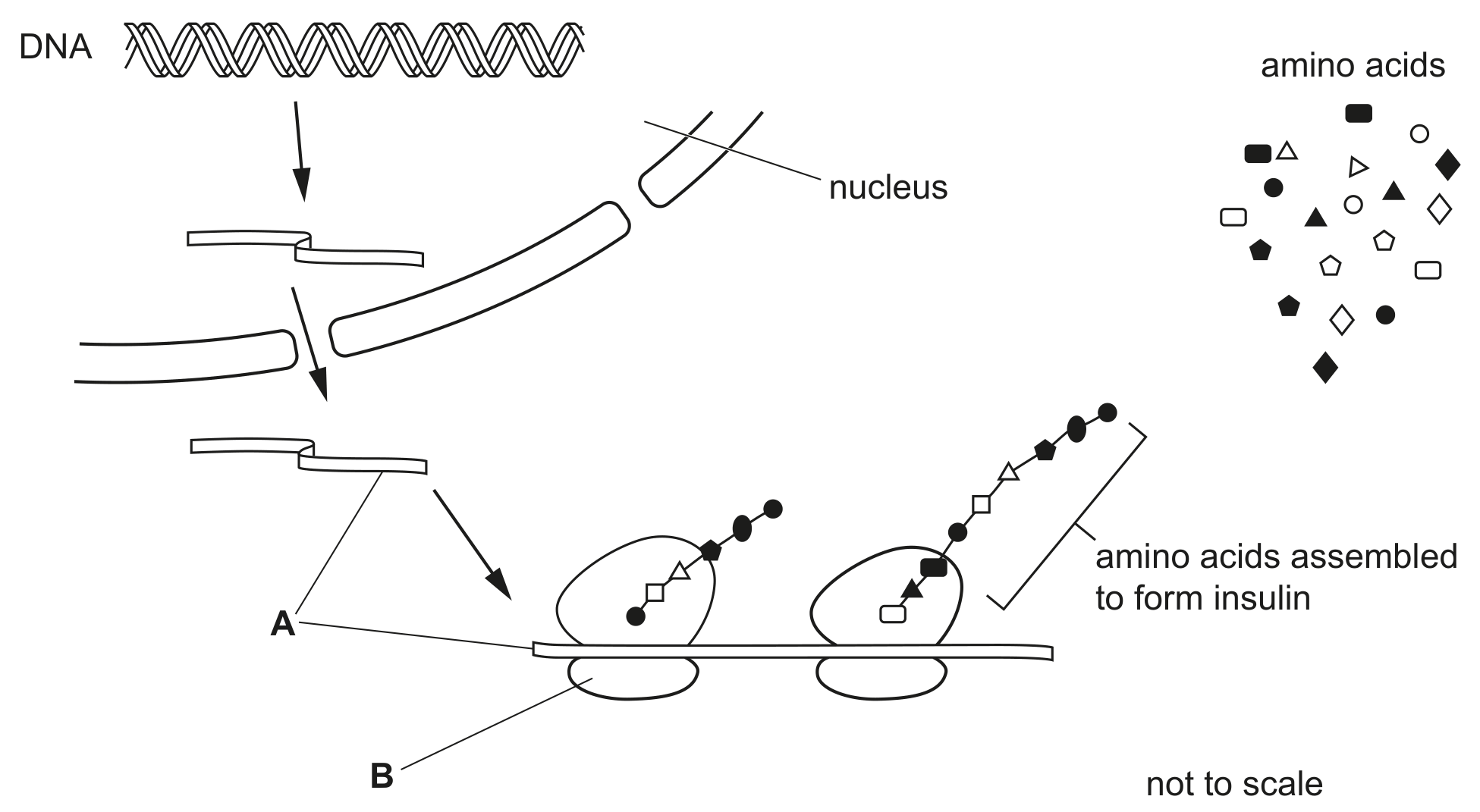
Fig. 2.1
State the name of molecule A in Fig. 2.1.
Catalase is an enzyme that breaks down hydrogen peroxide inside cells. Red blood cells contain catalase.
Some dogs have an inherited condition in which catalase is not produced. This condition is known as acatalasia and it is caused by a mutation in the gene for catalase.
Define the terms gene and gene mutation.
gene
gene mutation
A gene is involved in the production of the enzyme alcohol dehydrogenase.
Define the term gene.
State the function of a gene.
Which term is defined as a length of DNA that codes for a protein?
amino acid
chromosome
gene
mutation
Outline the roles of DNA in a cell.