EduNinja

IGCSE Biology Extended14.4.3—Concept of homeostatic controlTopic Practice

14.4.3—Concept of homeostatic control

• Explain the concept of homeostatic control by negative feedback with reference to a set point

Question 2(a)(ii)

[Maximum number: 6]

Fig. 2.1 shows the internal body temperature of a human and the external environmental temperature during six hours in one day.
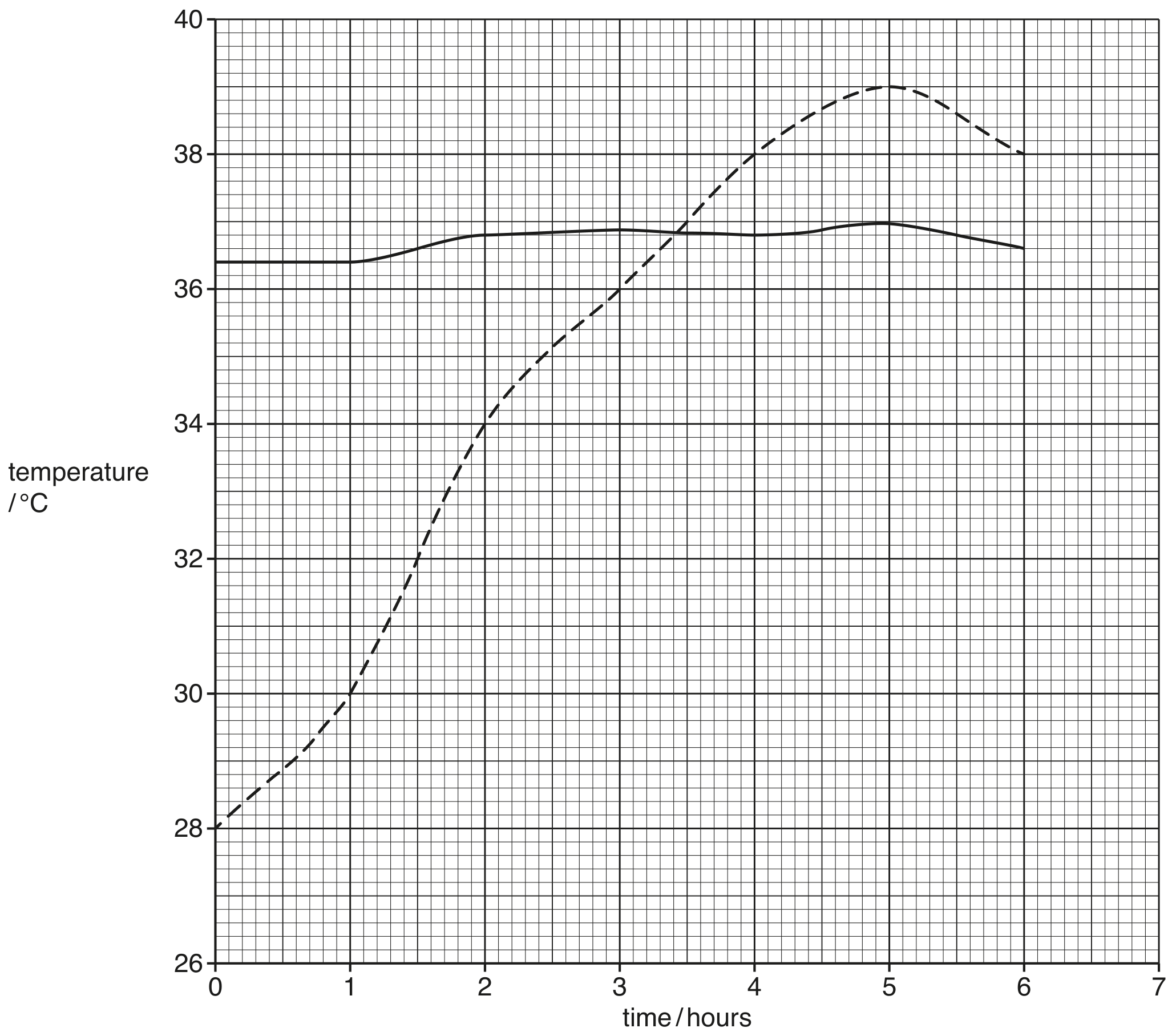
Fig. 2.1

Fig. 2.1

key: internal body temperature
- - - external environmental temperature

Explain the results for the internal body temperature shown in Fig. 2.1.
Question 3(a)(iii)

[Maximum number: 2]

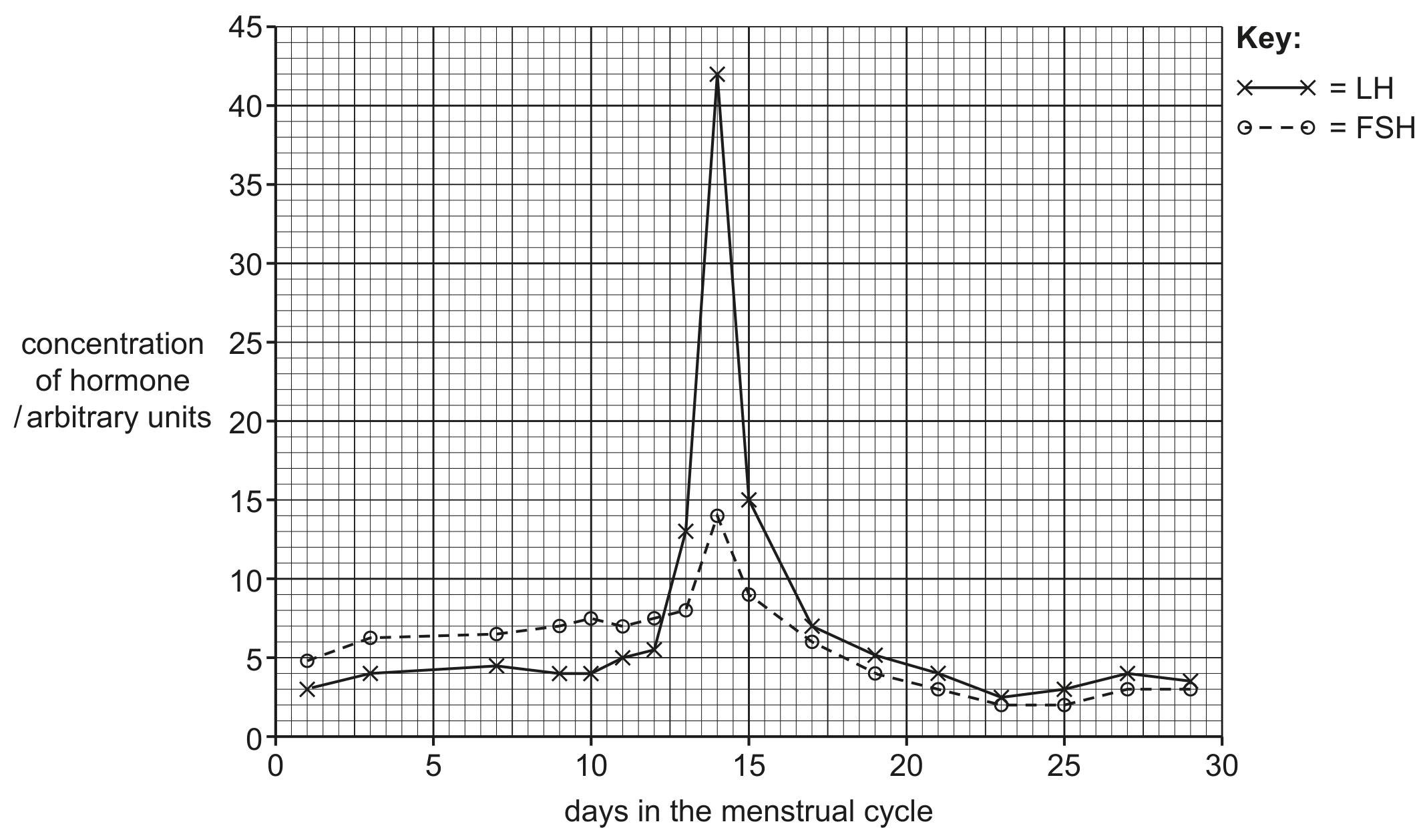
Fig. 3.1 shows the changes in the concentrations of the hormones FSH and LH during a menstrual cycle.

Fig. 3.1

Fig. 3.1

Describe the relationship shown by the two hormones in Fig. 3.1.

Question 4(a)

[Maximum number: 2]

Complete the sentences about the control of body temperature.

The human body maintains a constant internal temperature. This is an example of When the temperature moves away from the set point, the mechanism of returns the temperature to the set point.

Question 26

[Maximum number: 1]

Which process is a response of the body that is part of a negative feedback process?

A

release of insulin in response to low blood glucose concentration

B

vasoconstriction in response to an increase in blood temperature

C

synthesis of glycogen in response to increase in blood glucose concentration

D

sweating in response to a decrease in blood temperature

Question 6(a)(iii)

[Maximum number: 1]

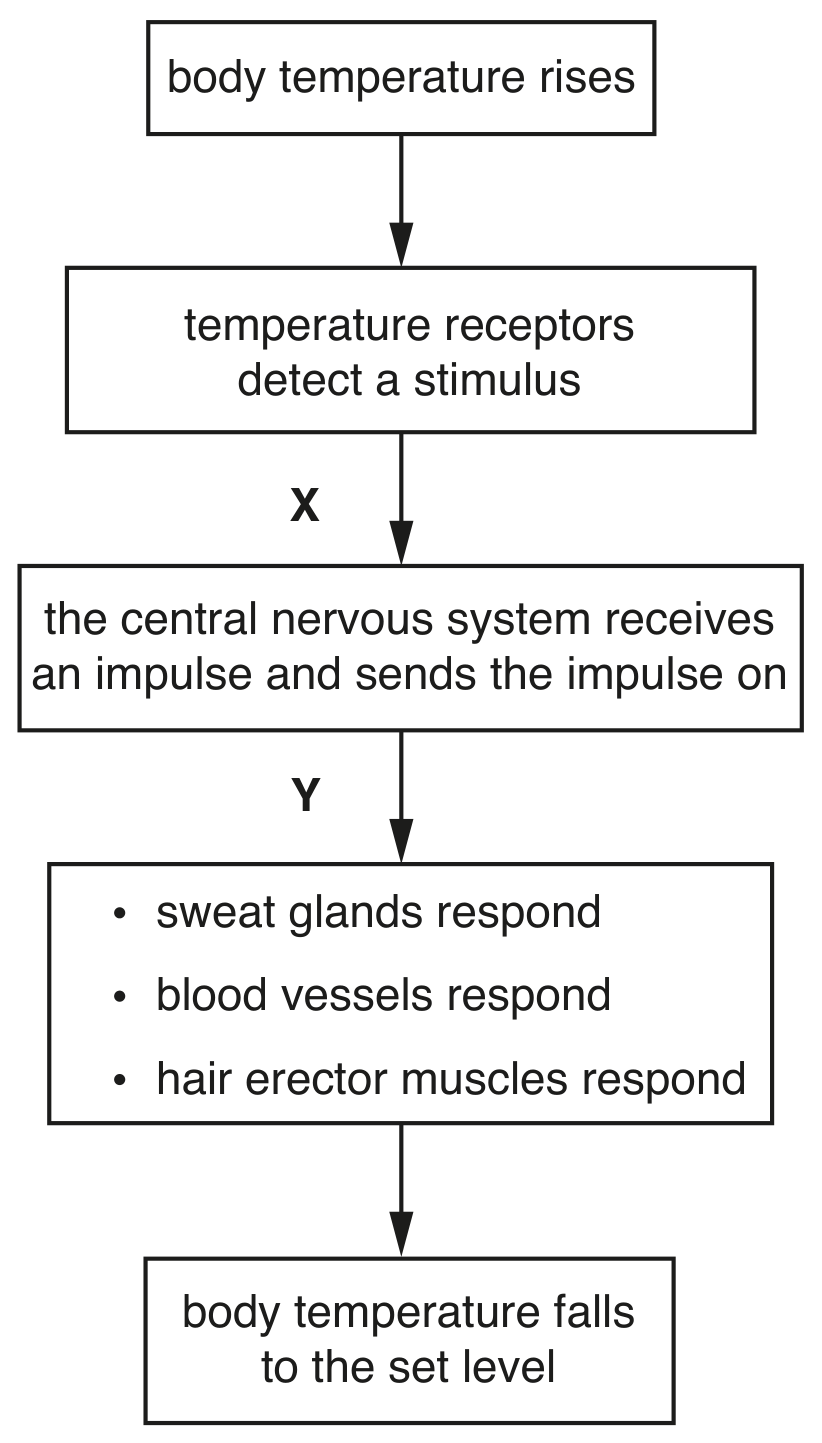
Fig. 6.1 is a flow chart of some of the events that occur to maintain a constant body temperature.

Fig. 6.1

Fig. 6.1

State the name of the mechanism that controls homeostasis which is represented by the flowchart in Fig. 6.1.

0 selected