
Question 1(a)
[Maximum number: 10]
Explain two non-price determinants that could increase the market supply of a good.
 EduNinja
Students practise applying supply theory across contexts: interpreting slopes, linking production assumptions to cost curves, and evaluating real-world supply shifts.
Explain two non-price determinants that could increase the market supply of a good.
Figure 1 illustrates the production possibilities for rice and pencils in Country H. Resources in Country H are fully employed.
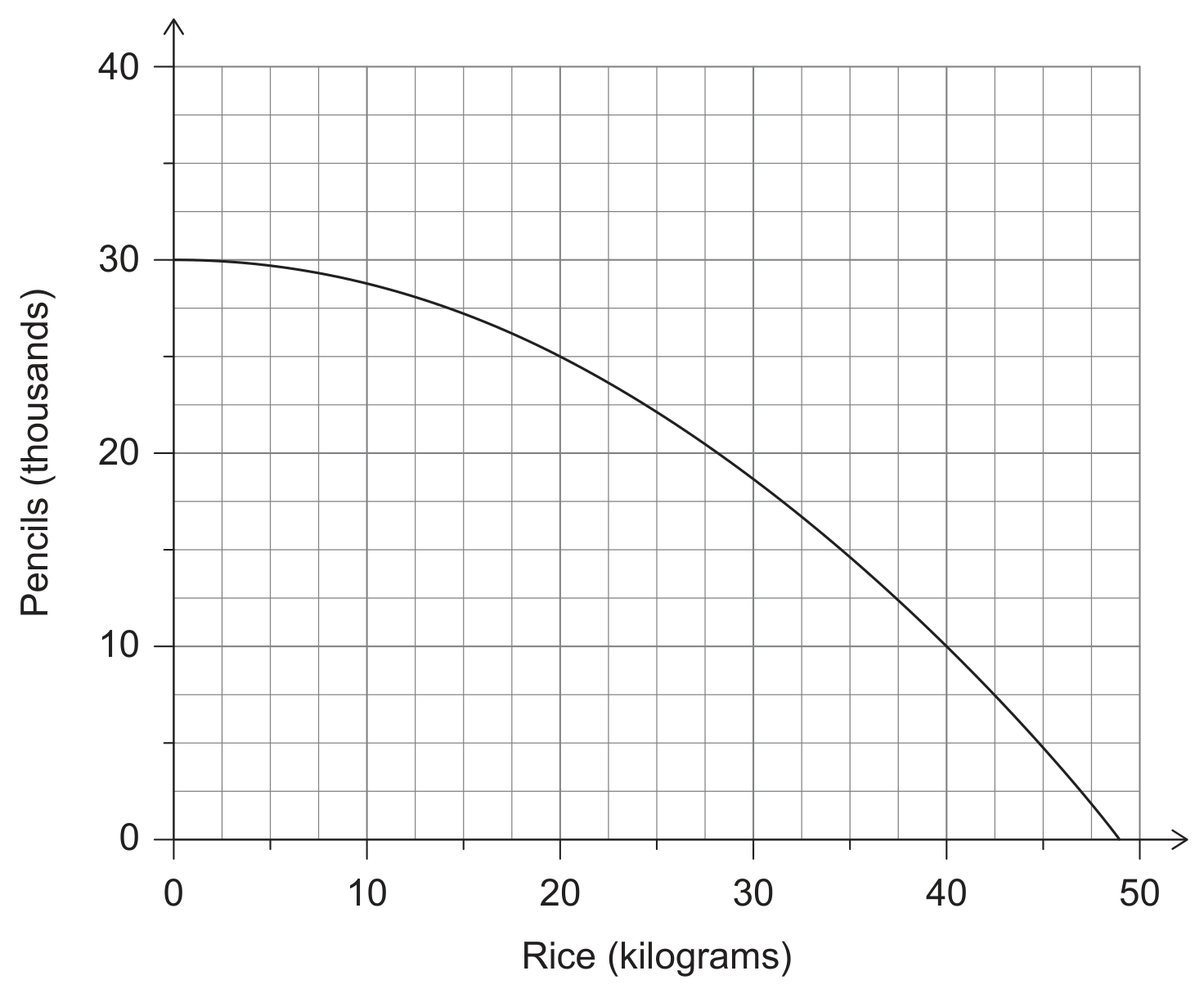
Figure 1
Using a diagram to support your answer, explain the impact on the market for Good B of an increase in the price of Good A.
Figure 2 illustrates Islandia's demand ( D ) for and supply ( S ) of rice.
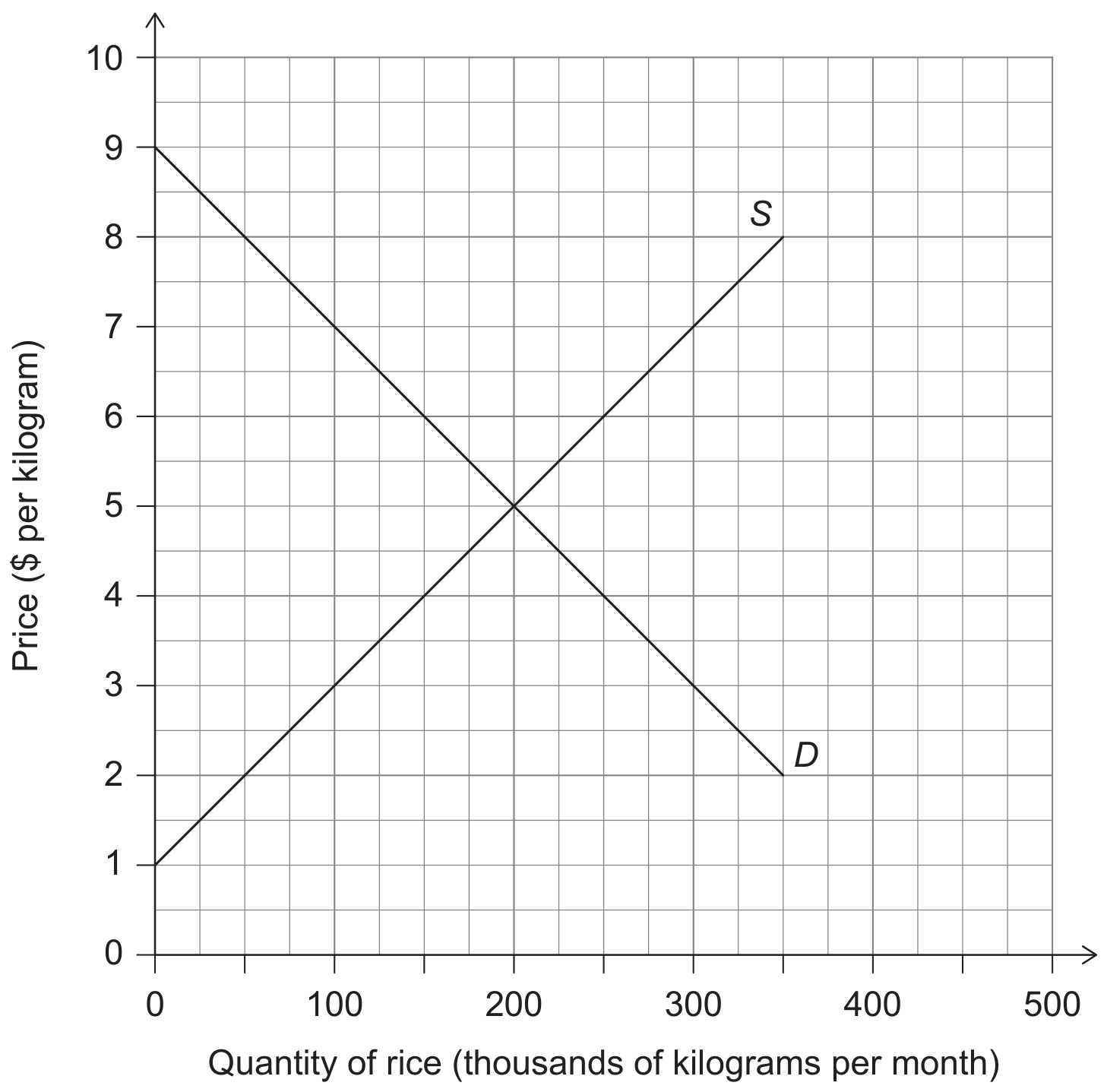
Figure 2
The government of Islandia wants to reduce the price of rice by 40 % in order to enable low-income households to buy enough rice to meet their needs. The government decides to achieve this by imposing a maximum price.
Study the following extract and answer the questions that follow.
China's trade reforms
(1) The Chinese government has announced a set of free trade measures, including lower import tariffs on cars, soybeans and pharmaceuticals, in an attempt to end a trade war with the United States (US).
(2) The US government has long accused China of engaging in unfair trade practices to maintain their current account surplus. The trade dispute between the two largest economies intensified when the US said it would impose anti-dumping tariffs on Chinese steel and aluminium.
(3) The trade war with the US comes at a bad time given the slowdown in China's domestic demand. In recent years, China's economic growth has relied less on investment and exports and more on consumption expenditure.
(4) Producers of many Chinese manufactured goods currently benefit from protectionist measures. In particular, imports of industrial equipment, medical devices, tractors and vehicles are subject to high tariffs.
5 Automobile production capacity in China is growing. However, the domestic market is becoming oversupplied, with more cars being offered for sale than Chinese consumers want to buy. For this reason, Chinese car manufacturers are seeking to export their cars to other markets. They are therefore eager to see reduced trade tensions as increased US tariffs would make it harder to export Chinese cars to the US.
(6) Some Chinese car manufacturers are already focusing on adding advanced capabilities to their cars in order to be more competitive in global markets. China is increasing its efforts to become a world leader in self-driving cars. These will be intelligent cars that will improve transport efficiency and meet energy-saving and emission-reduction targets. Many believe that Chinese companies are so innovative that they no longer require protection from international enterprises.
(7) However, many Chinese firms remain dependent on imported factors of production. Approximately 30 % of Chinese exports are manufactured using imported equipment and components. The reduction of tariffs would therefore lower prices not only for producers but also for consumers of Chinese goods.
Using a demand and supply diagram, explain how reduced tariffs on "imported factors of production" would affect the price of Chinese goods (paragraph (7).
Read the extracts and answer the questions that follow.
Text D - Overview of Bhutan
(1) Bhutan is a lower-middle income country in southern Asia. It is mountainous, water is plentiful, and 60 % of the territory is protected forest. Since 2008, Bhutan has measured its economic development by changes in its "Gross National Happiness" (GNH) index. The index considers factors such as income inequality, environmental conservation, sustainable development and gender equality, in addition to the components of the Human Development Index (HDI).
(2) The pursuit of GNH has involved using government programmes to spread the benefits of economic growth across all social groups. An example of this is the construction of large hydropower plants, not only for the export of electricity but also to ensure that remote communities can buy power at low prices. Hydropower is a renewable method of producing electricity using the natural flow of water. With these new plants, all rural and urban areas had access to electricity by 2019.
(3) Government intervention in the market for electricity has been necessary due to the high cost of resources. Both the production and distribution of electricity are therefore controlled by state-owned enterprises. Bhutan's government has relied on India for grants and loans to finance hydropower projects.
(4) Sales of surplus electricity to India, amounting to over 70 % of electricity generation in 2021, have increased the funds available to the government for investment in healthcare and education. These revenues have also helped to finance the expansion of essential infrastructure, particularly road networks. The government's aim has been to reduce poverty and to improve well-being, especially in rural areas.
(5) Hydropower has proved to be an important source of economic development. However, the private sector faces a lack of investment for multiple reasons, including high transport costs and a small domestic market. This has limited the creation of new private sector jobs. Furthermore, a sustainability tax of 100 USA dollars (USD) per night for tourists helps with Bhutan's conservation efforts. The tax reduces Bhutan's competitiveness as a tourist destination.
(6) Agriculture is vital to Bhutan's largely rural population. This sector employed 55 % of the workforce in 2021. However, most agricultural produce, such as rice, is consumed by farming households rather than sold in the market. By 2021, the country was importing about 50 % of its food. The growing food demands of urban areas could have negative consequences for the balance of payments.
(7) Agricultural output is constrained by many factors, including a lack of machinery, irrigation and affordable credit. Bhutan's partnership with the United Nations International Fund for Agricultural Development has provided funds for investment in the agricultural sector, such as irrigation systems, roads connecting farms to markets, and storage facilities. However, the GNH emphasis on sustainability could restrict growth in this sector. For example, to preserve biodiversity there are restrictions on the use of chemical fertilizers.
Text E - Youth unemployment in Bhutan*
(1) The youth unemployment rate for Bhutan in 2021 was 20.9 %. However, youth unemployment in towns was much higher than in rural areas. Approximately 60 % of the total unemployed youth were female.
(2) There is a mismatch between the needs of employers and the skills of young people. Apart from this problem, the private sector requires government assistance in creating job opportunities so that young people can find employment outside of the public sector. Moreover, a lack of finance discourages the youth from entrepreneurship, further reducing their work prospects and the growth of Bhutan's economy.
Text F - Bhutan's trade relations with India
Bhutan has a free trade agreement with India, removing all tariffs between the two countries. In 2021-2022, about 80 % of Bhutan's international trade was with India. India's top imports from Bhutan include electricity, metals, and cement. Bhutan relies on India for goods such as fuel, cars, and rice. Transactions between the two countries are straightforward, as the central bank of Bhutan ensures the ngultrum (Bhutan's currency, BTN) is fixed to the rupee (India's currency, INR) at the exchange rate of 1 BTN=1 INR.
* aged between 15 and 24
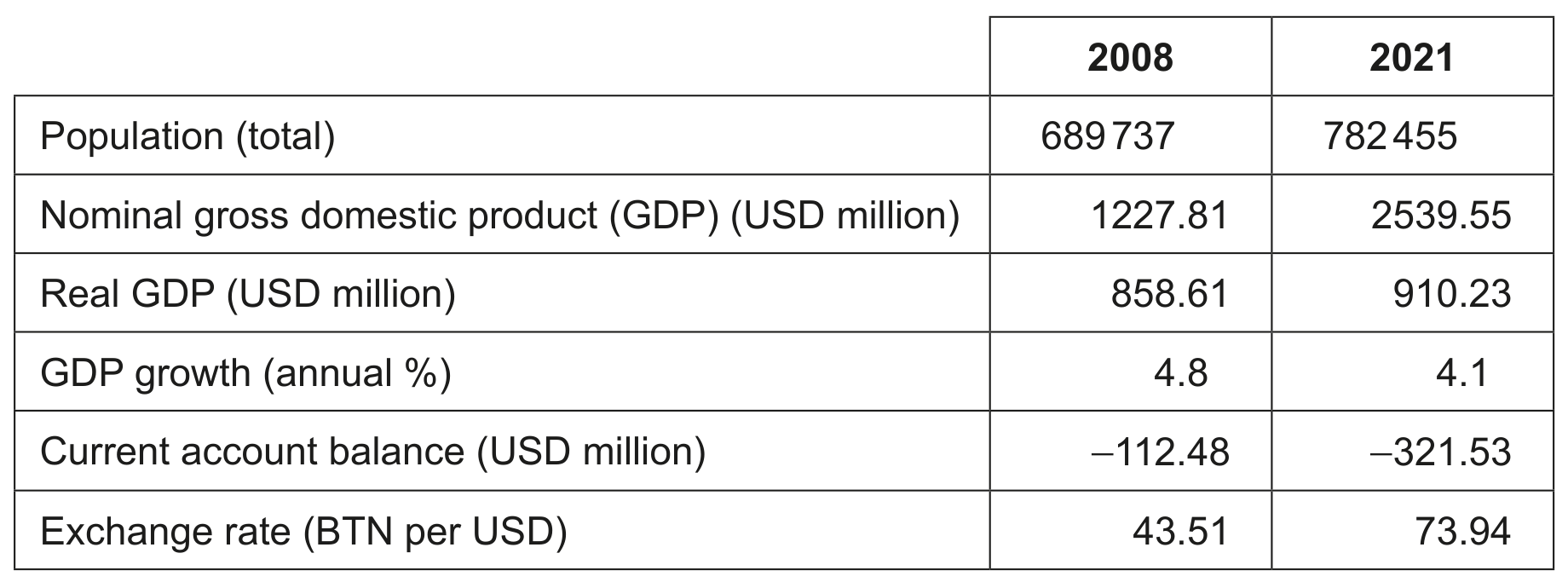
Table 4: Economic data for Bhutan
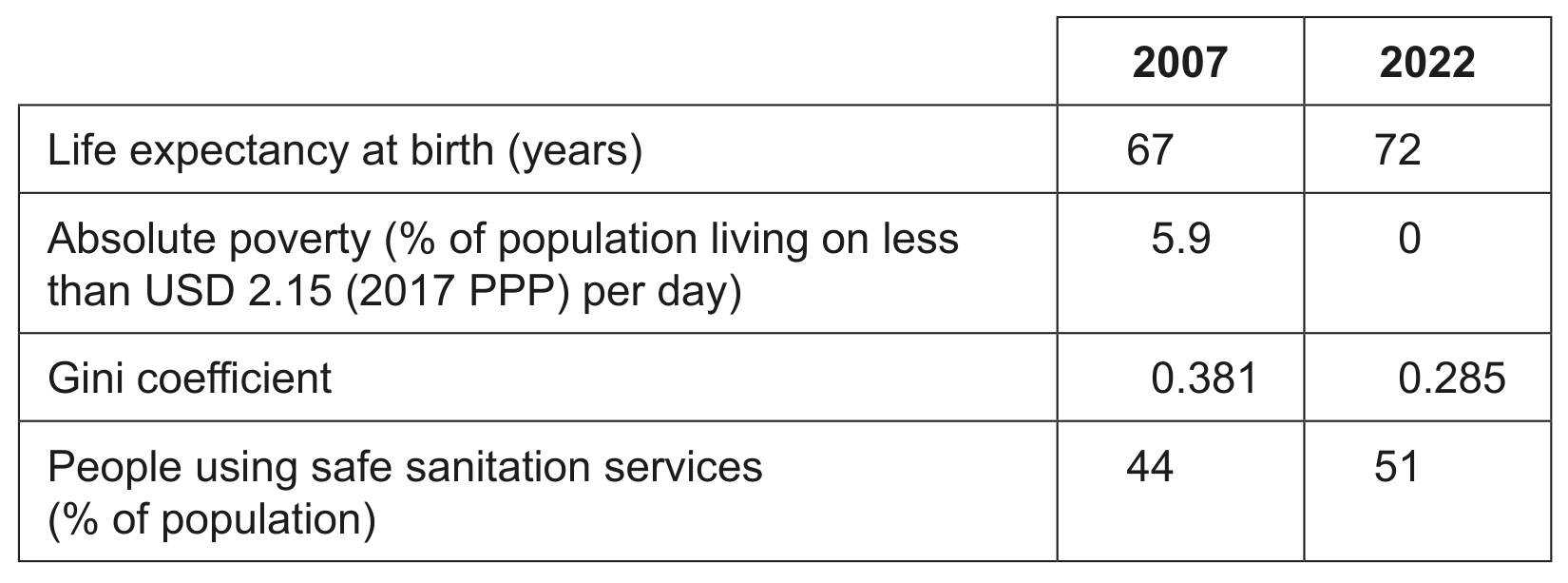
Table 5: Development data for Bhutan
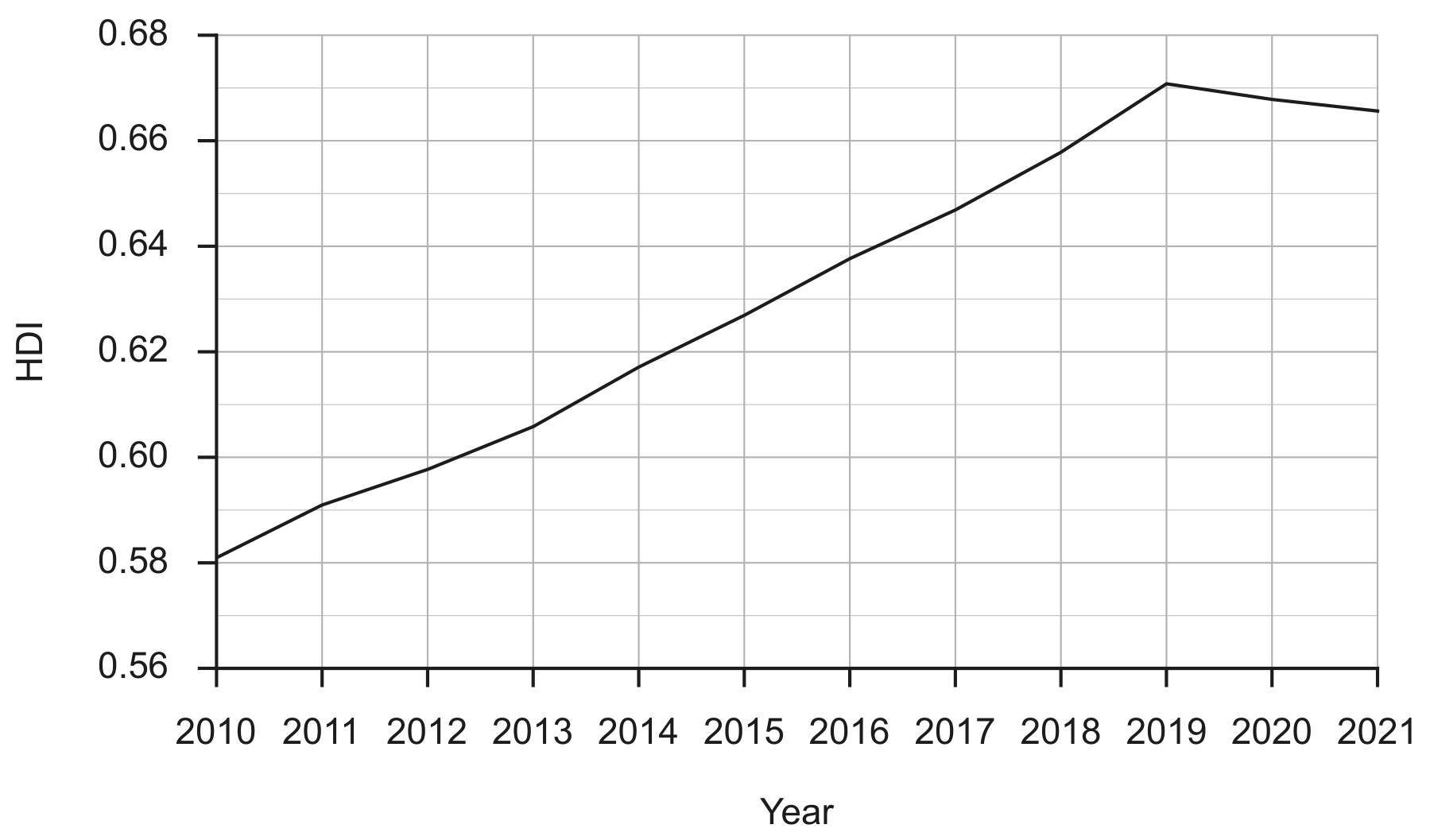
Figure 1: HDI for Bhutan from 2010 to 2021
Using a demand and supply diagram, explain the likely effect of increased use of farm machinery on the price of agricultural goods, such as rice, in Bhutan (Text D, paragraph 7).
Read the extracts and answer the questions that follow.
Text D - Overview of Bhutan
(1) Bhutan is a lower-middle income country in southern Asia. It is mountainous, water is plentiful, and 60 % of the territory is protected forest. Since 2008, Bhutan has measured its economic development by changes in its "Gross National Happiness" (GNH) index. The index considers factors such as income inequality, environmental conservation, sustainable development, and gender equality, in addition to the components of the Human Development Index (HDI).
(2) The pursuit of GNH has involved using government programmes to spread the benefits of economic growth across all social groups. An example of this is the construction of large hydropower plants, not only for the export of electricity but also to ensure that remote communities can buy power at low prices. Hydropower is a renewable method of producing electricity using the natural flow of water. With these new plants, all rural and urban areas had access to electricity by 2019.
(3) Government intervention in the market for electricity has been necessary due to the high cost of resources. Both the production and distribution of electricity are therefore controlled by state
owned enterprises. Bhutan's government has relied on India for grants and loans to finance hydropower projects.
(4) Sales of surplus electricity to India, amounting to over 70 % of electricity generation in 2021, have increased the funds available to the government for investment in healthcare and education. These revenues have also helped to finance the expansion of essential infrastructure, particularly road networks. The government's aim has been to reduce poverty and to improve well-being, especially in rural areas.
(5) Hydropower has proved to be an important source of economic development. However, the private sector faces a lack of investment for multiple reasons, including high transport costs and a small domestic market. This has limited the creation of new private-sector jobs. Furthermore, a sustainability tax of 100 USA dollars (USD) per night for tourists helps with Bhutan's conservation efforts. The tax reduces Bhutan's competitiveness as a tourist destination.
(6) Agriculture is vital to Bhutan's largely rural population. This sector employed 55 % of the workforce in 2021. However, most agricultural produce, such as rice, is consumed by farming households rather than sold in the market. By 2021, the country was importing about 50 % of its food. The growing food demands of urban areas could have negative consequences for the balance of payments.
(7) Agricultural output is constrained by many factors, including a lack of machinery, irrigation and affordable credit. Bhutan's partnership with the United Nations International Fund for Agricultural Development has provided funds for investment in the agricultural sector, such as irrigation systems, roads connecting farms to markets, and storage facilities. However, the GNH emphasis on sustainability could restrict growth in this sector. For example, to preserve biodiversity, there are restrictions on the use of chemical fertilizers.
Text E - Youth unemployment in Bhutan*
(1) The youth unemployment rate for Bhutan in 2021 was 20.9 %. However, youth unemployment in towns was much higher than in rural areas. Approximately 60 % of the total unemployed youth were female.
(2) There is a mismatch between the needs of employers and the skills of young people. Apart from this problem, the private sector requires government assistance in creating job opportunities so that young people can find employment outside of the public sector. Moreover, a lack of finance discourages the youth from entrepreneurship, further reducing their work prospects and the growth of Bhutan's economy.
Text F - Bhutan's trade relations with India
Bhutan has a free trade agreement with India, removing all tariffs between the two countries. In 2021-2022, about 80 % of Bhutan's international trade was with India. India's top imports from Bhutan include electricity, metals, and cement. Bhutan relies on India for goods such as fuel, cars, and rice. Transactions between the two countries are straightforward, as the central bank of Bhutan ensures the ngultrum (Bhutan's currency, BTN) is fixed to the rupee (India's currency, INR) at the exchange rate of 1 BTN=1 INR.
* aged between 15 and 24
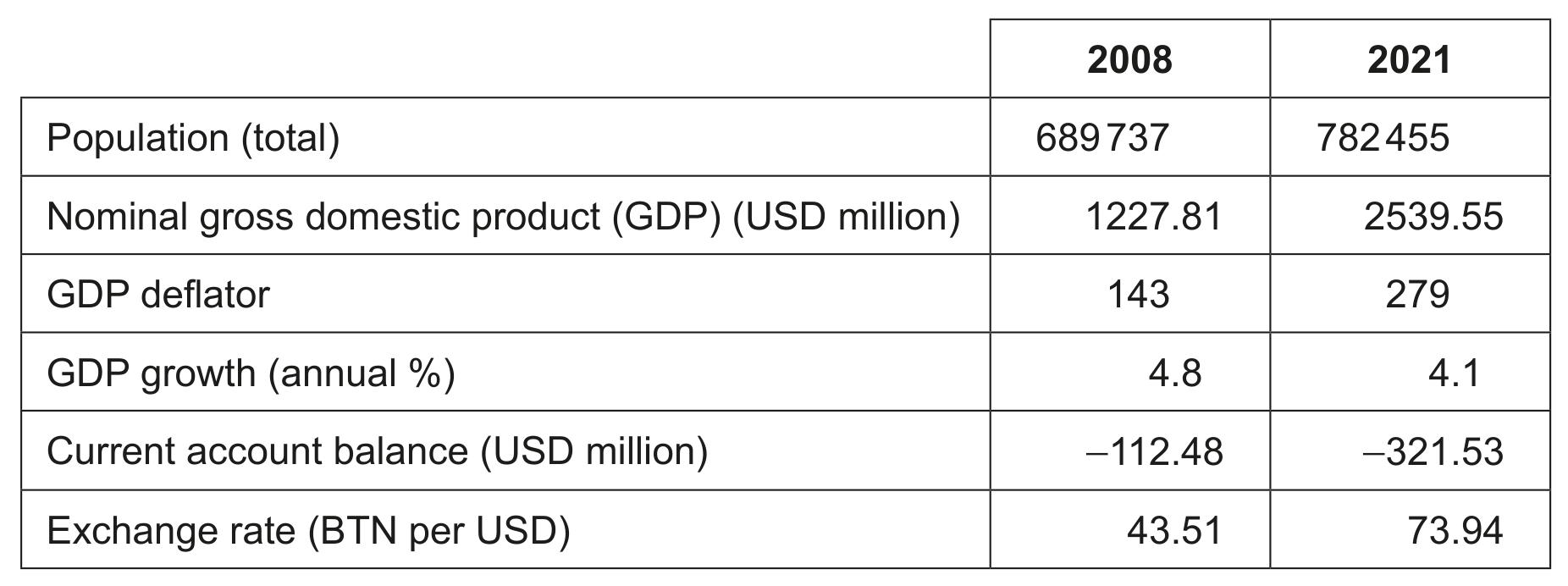
Table 4: Economic data for Bhutan
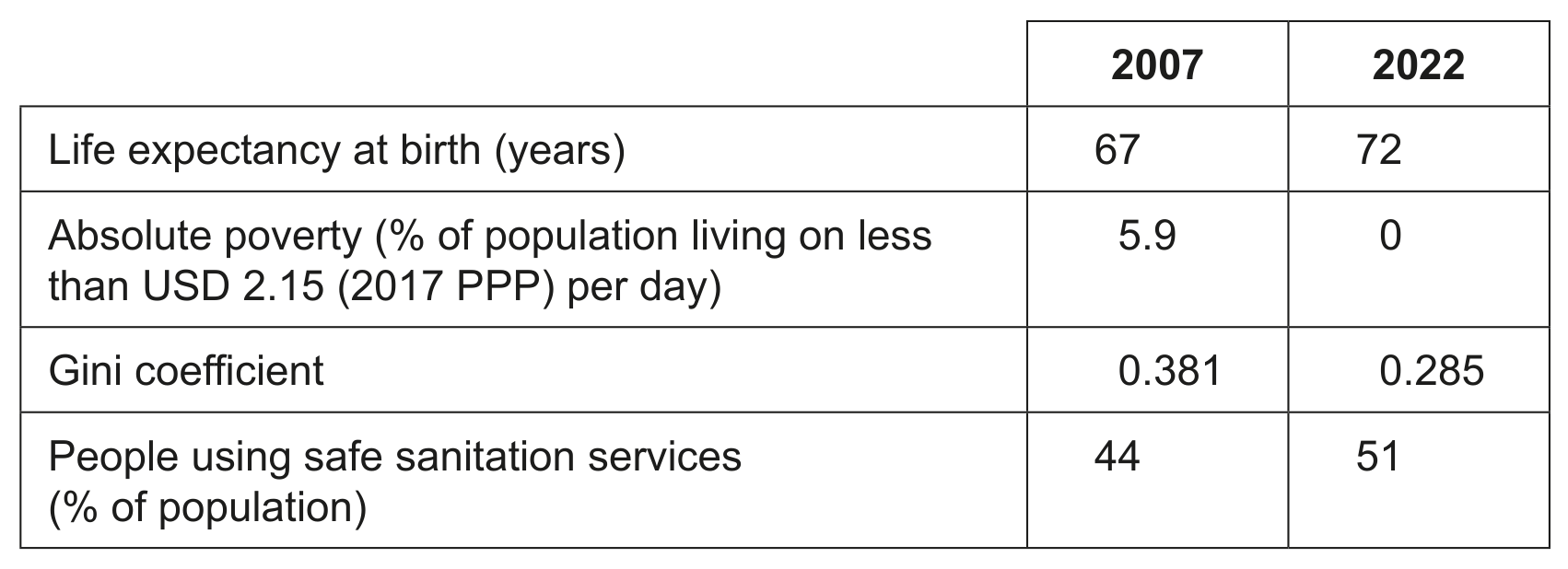
Table 5: Development data for Bhutan
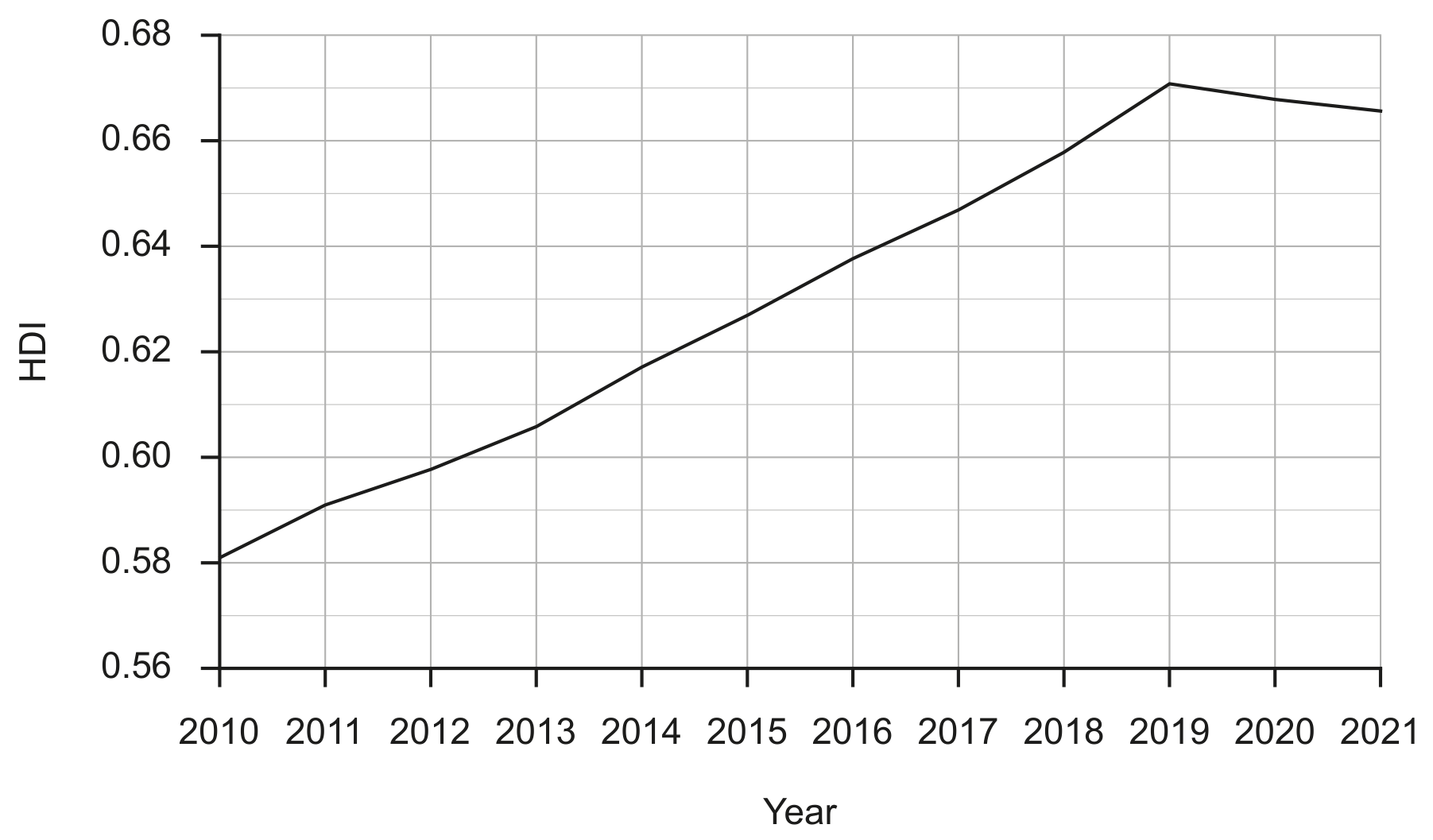
Figure 1: HDI for Bhutan from 2010 to 2021
Using a demand and supply diagram, explain how more affordable credit for investment in farming technology could affect the price of agricultural goods such as rice in Bhutan (Text D, paragraph 7).
Read the extracts and answer the questions that follow.
Text D - Overview of Sierra Leone
(1) Sierra Leone is located on the west coast of Africa. Economic activity is concentrated on agriculture and mining, which together contribute 70 % of gross domestic product (GDP) and 77 % of export revenue.
(2) Economic growth rates fluctuated from +20.1 % in 2013 to -21.5 % in 2015. The economic slowdown in China contributed to a significant drop in mining activities and a fall in Sierra Leone's export revenue. China is Sierra Leone's largest market for exported minerals.
(3) Economic growth rates in Sierra Leone have improved in recent years due to increased activity in agriculture, mining and construction. Increased employment in these labour-intensive sectors could help reduce poverty, which remains widespread in the country. Sierra Leone's ranking in the Inequality adjusted Human Development Index (IHDI) is very low.
(4) The fall in export revenue has led to a 50 % depreciation of the leone (Sierra Leone's currency) over the past five years. Even recent increases in the price of commodities have not been sufficient to offset the high import expenditure on food, medication, cars and capital equipment.
(5) The depreciation of the leone has led to inflationary pressures. The removal of a fuel subsidy resulted in an increase in the price of fuel and pushed the inflation rate from 16.8 % in 2018 to 17.2 \% in 2019.
(6) To make matters worse, access to essential, life-saving health care services in Sierra Leone is often disrupted by regional conflicts. Healthcare in Sierra Leone is generally charged for and is provided by a mixture of government, private and non-governmental organizations (NGOs). NGOs are relied on to protect the health and wellbeing of citizens. NGOs help to achieve this by distributing medicine and teaching families about hygiene and proper sanitation.
(7) Another area of concern is the government debt, which stood at 62 % of GDP in 2019. The government has reduced its budget deficit from 5.7 % to 3.4 % of GDP by minimizing non-payment of taxes and implementing cost-saving measures such as the automation of some government services.
(8) The newly elected government has made good progress in its fight against corruption, but it is facing many macroeconomic challenges. Foreign aid has been reduced, infrastructure is inadequate and many economic activities remain untaxed. Youth unemployment is also high due to low literacy rates and a lack of skills required in the job market.
Text E - Sierra Leone's new development plan
(1) In 2019, the government of Sierra Leone introduced a new five-year development plan. The plan includes policies aimed at increasing the welfare of Sierra Leone's citizens by working towards the Sustainable Development Goals.
(2) The development plan ensures access to free primary and secondary education in all public schools. The cost of education is the main reason that many households are not sending their children, particularly girls, to school. For those paying private education fees, switching to public education would allow more of their household income to be spent on other essential services and farming equipment.
(3) The expected increase in human capital should facilitate economic activities and lead to investment. Schools now teach modern farming practices, such as those involving the use of farm machinery and fertilizers. These would benefit rice farmers and help achieve food security (ensuring people have access to enough food).
(4) The provision of technical education should not only increase agricultural output but also allow for the diversification of the economy. The manufacturing sector contributes only 2 % of the country's GDP and could provide an alternative source of employment. The five-year plan also addresses the lack of infrastructure, in particular for electricity generation, which has so far restricted the development of the manufacturing sector.
Text F - Investment in Sierra Leone
(1) The World Bank ranked Sierra Leone 160th among 190 countries in 2018 for the ease of doing business, citing difficulties in accessing electricity and in obtaining loans and business permits. Government borrowing from the banking sector has increased in recent years, resulting in high interest rates and limited credit availability for the private sector. Foreign investors, however, usually bring capital from abroad.
(2) Despite the challenges, Sierra Leone offers significant opportunities for investment. Foreign investors are involved in the energy sector, infrastructure, agriculture, tourism, and natural resources. Reduced tax rates on corporate income are offered for investments in agriculture and tourism.
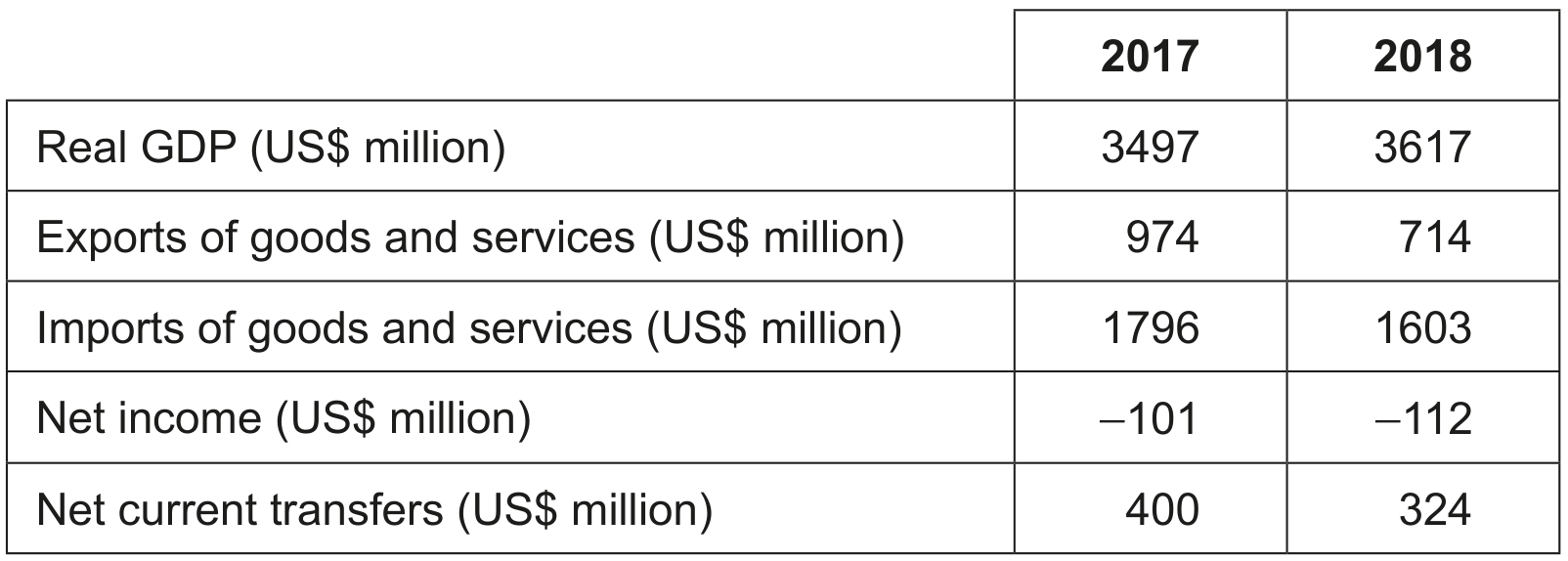
Table 3: Economic data for Sierra Leone
Using a demand and supply diagram, explain how modern farming practices could affect the market for rice (Text E, paragraph 3 ).
Note that a widget is an imaginary product.
In the country of Laurania, the widget industry operates as an oligopoly. The Minister for Finance is worried that the firms in the industry might abuse their power by acting together as a monopoly, and has said that the industry's concentration ratio is cause for concern.
Outline the law of diminishing returns.
A firm operates under conditions of diminishing returns.
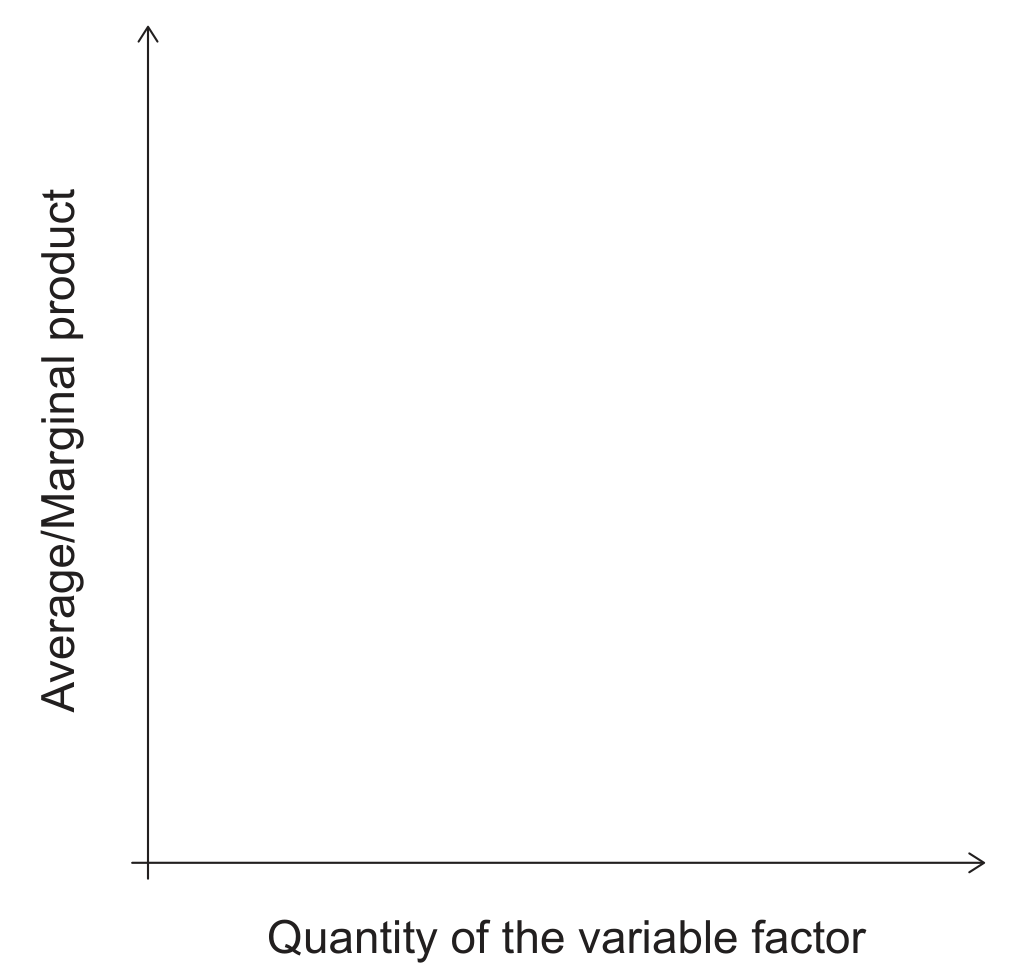
Sketch the marginal product ( M P ) and average product ( A P ) curves for this firm.
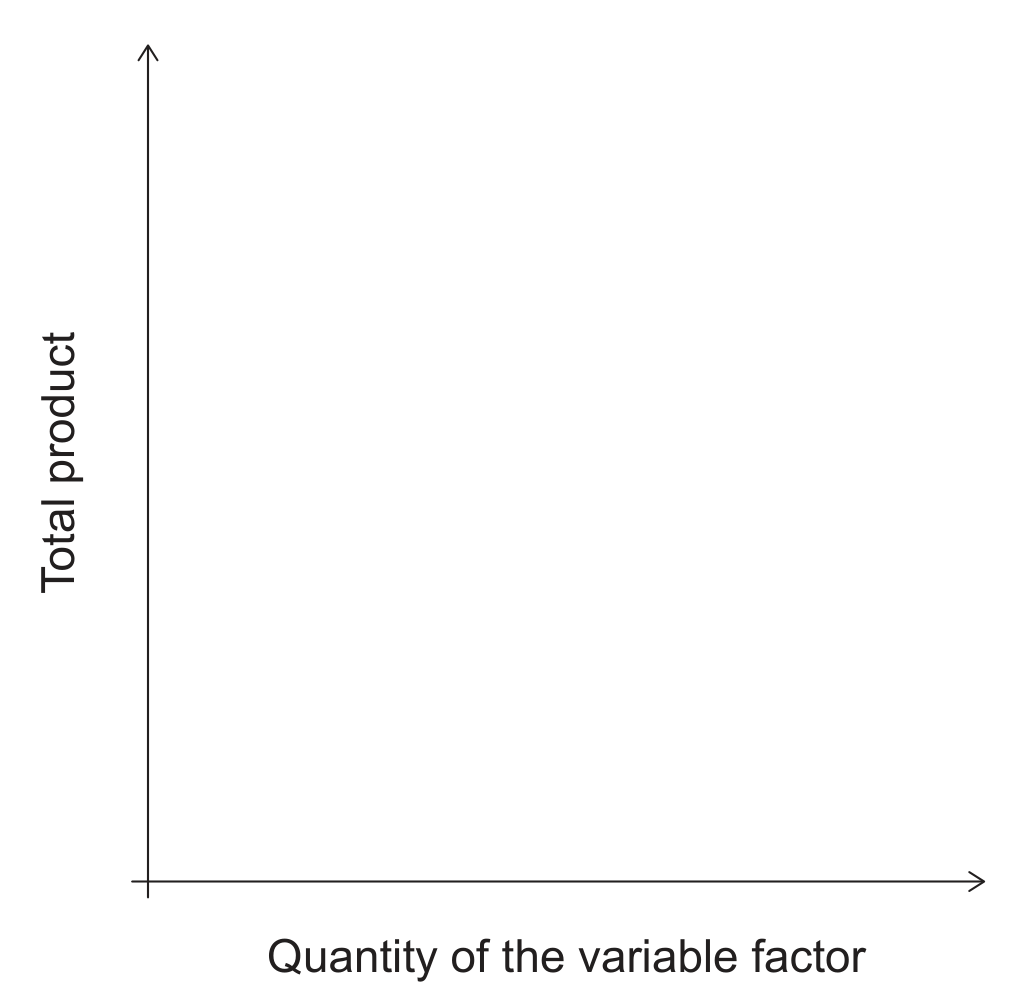
Sketch the total product (TP) curve for this firm.
The demand curve faced by firms in the widget industry is downward sloping.