Question 1(c)
Read the passage below. Use the information in the passage and your own knowledge to answer the questions that follow.
Physic Gardens
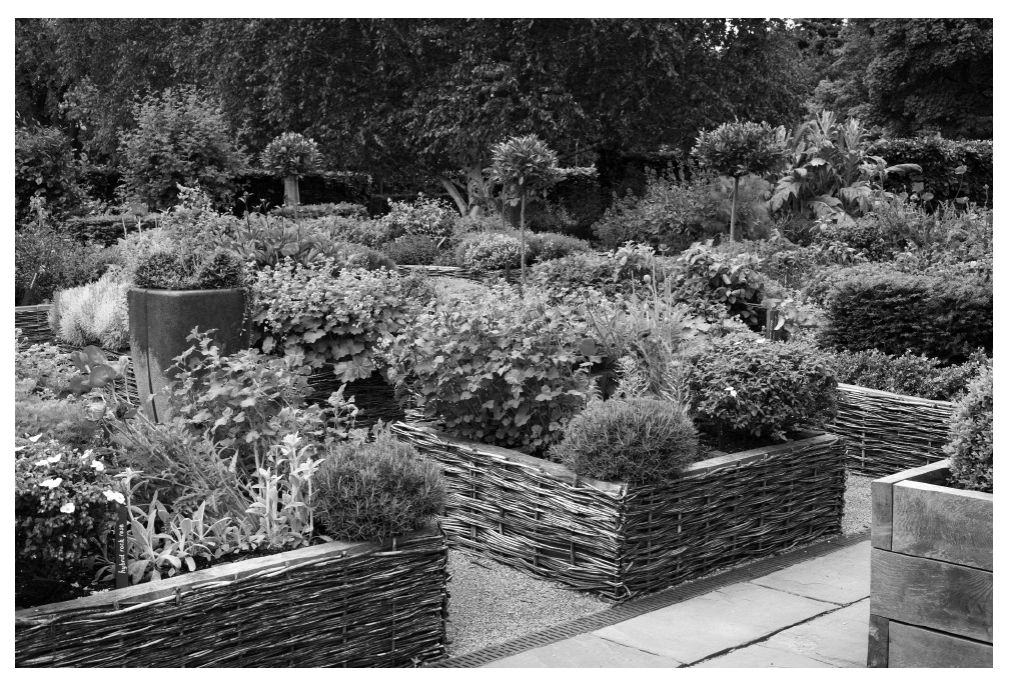
The photograph shows a physic garden. Physic gardens are places where people grow many types of plants that produce medicinal drugs.
People have grown medicinal plants in physic gardens for thousands of years. It was estimated in 2016 that out of 30000 plant species that are known to be useful to humans, 17000 of these plant species have medicinal uses.
Medicinal plants produce a wide range of types of drugs including alkaloids, glycosides, terpenes and polyphenols.
Alkaloids are bitter-tasting, alkaline chemicals found in many different plant species. Alkaloids are often toxic in high doses so care needs to be taken when using them. Examples of alkaloids are caffeine and quinine. Caffeine, found in tea and coffee, can stimulate the adrenal glands. Quinine from the bark of the cinchona tree has been used for many centuries to kill the parasite that causes malaria.
An example of a glycoside drug is senna. This drug is extracted from the Senna plant and is used to treat constipation. The drug affects muscles in the intestine.
Terpenes are chemicals that often have strong smells. Terpenes are thought to have evolved to prevent herbivore animals from eating certain plants. An example of a plant that produces terpenes is thyme. The terpenes in thyme have an antiseptic effect which means they can be used to sterilise wounds.
Phytoestrogens are molecules found in plants such as angelica and have been used for many years to treat problems with human fertility. Examples of polyphenols are phytoestrogens, taxol and curcumin. Polyphenols have many roles within plants and many are used as medicines. Taxol is a drug extracted from yew trees and is used to prevent cell division in human body cell tumours.
25 Curcumin is a drug produced by the turmeric plant. Curcumin can help widen the airways to the lungs so can help people with asthma breathe.
Scientists are looking to reproduce many of these drugs artificially. They are developing genetically modified bacteria containing genes that will allow these drugs to be mass produced in fermenters.
Explain how the drug senna helps to reduce constipation (lines 14 to 15).