EduNinja

IB Biology HLD3.3 HomeostasisQuestion Bank

Question 1

[Maximum number: 1]

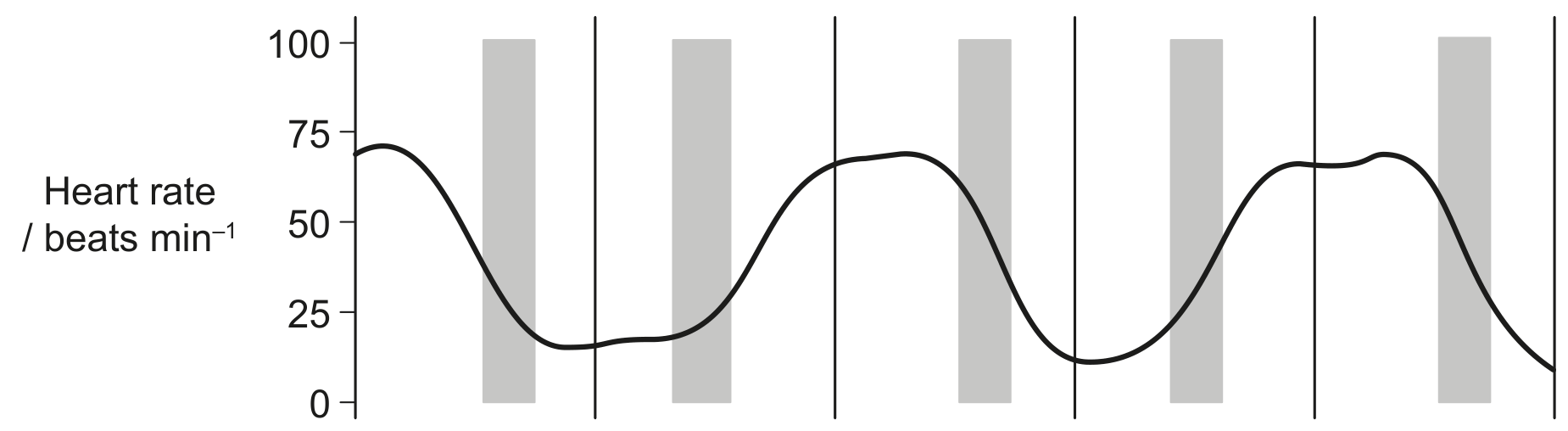
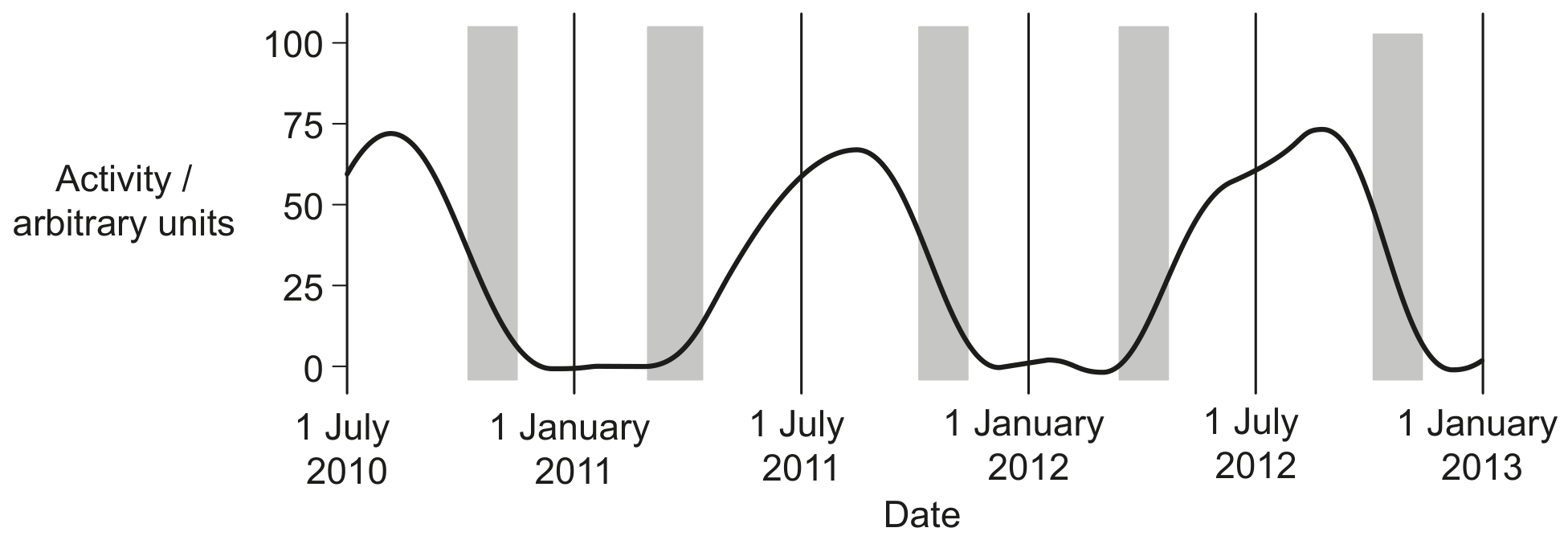
In winter when temperatures drop, brown bears (Ursus arctos) enter a cave and hibernate. The graph shows the mean values for the body temperature, heart rate and activity of 14 brown bears throughout the year. The grey shaded areas indicate the periods when the bears are in transition between hibernation and normal activity.
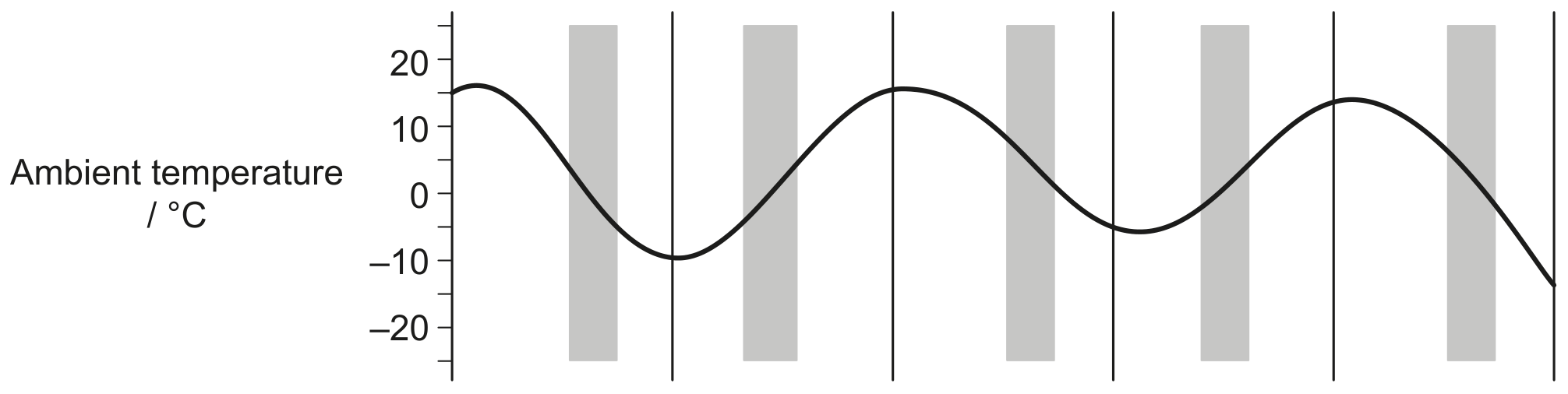
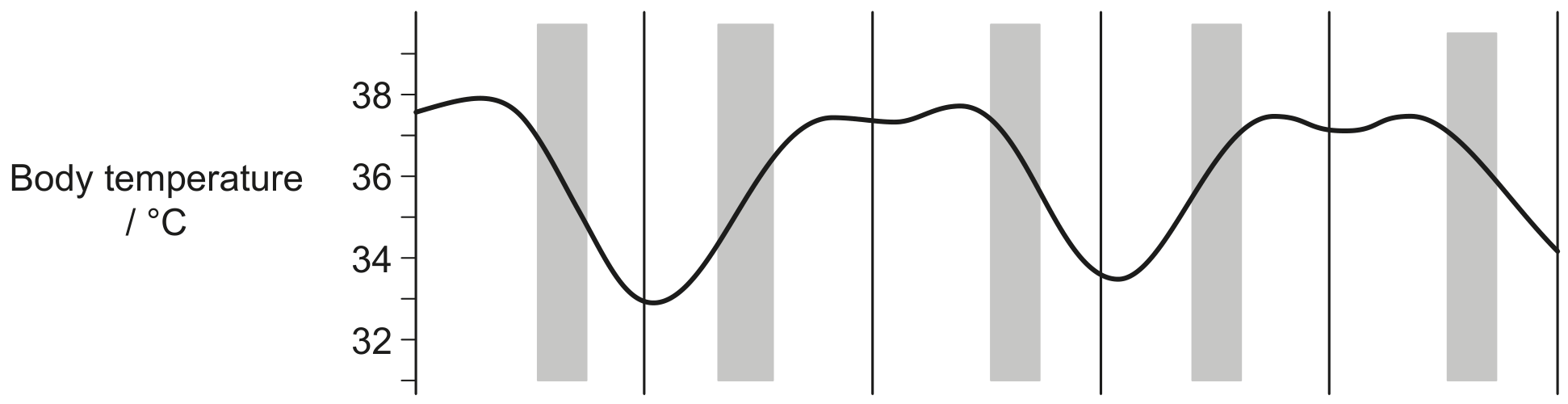
Question image
Question image
Question image
Question image

Question 1(a)

(a)

Estimate the difference between the highest and lowest mean body temperatures.

[ 1 ]
Question 1

[Maximum number: 1]

Tobacco smoke contains a number of mutagens that are known to induce lung tumours in rodents, including NNK, a nitrosamine. The graph shows the relationship between NNK and lung tumour incidence in male rats. NNK was administered by subcutaneous injection for 20 weeks. Data points on the graph show percentage incidence of lung cancer in treatment groups of between 20 and 80 rats.

Graph removed for copyright reasons

Question 1(d)

Question 1(d)(i)

(a)
(i)

Deduce, with a reason, whether the concentrations of cotinine and NNAL-Gluc would be higher in the urine or in the blood plasma of a smoker.

[ 1 ]

Question 1

[Maximum number: 4]

Type I diabetes is a leading cause of death in advanced countries and is associated with various severe or fatal complications, including blindness, kidney failure, heart disease, stroke, neuropathy, and amputations. Embryonic stem cells are considered to be a powerful tool in the treatment of diabetes.

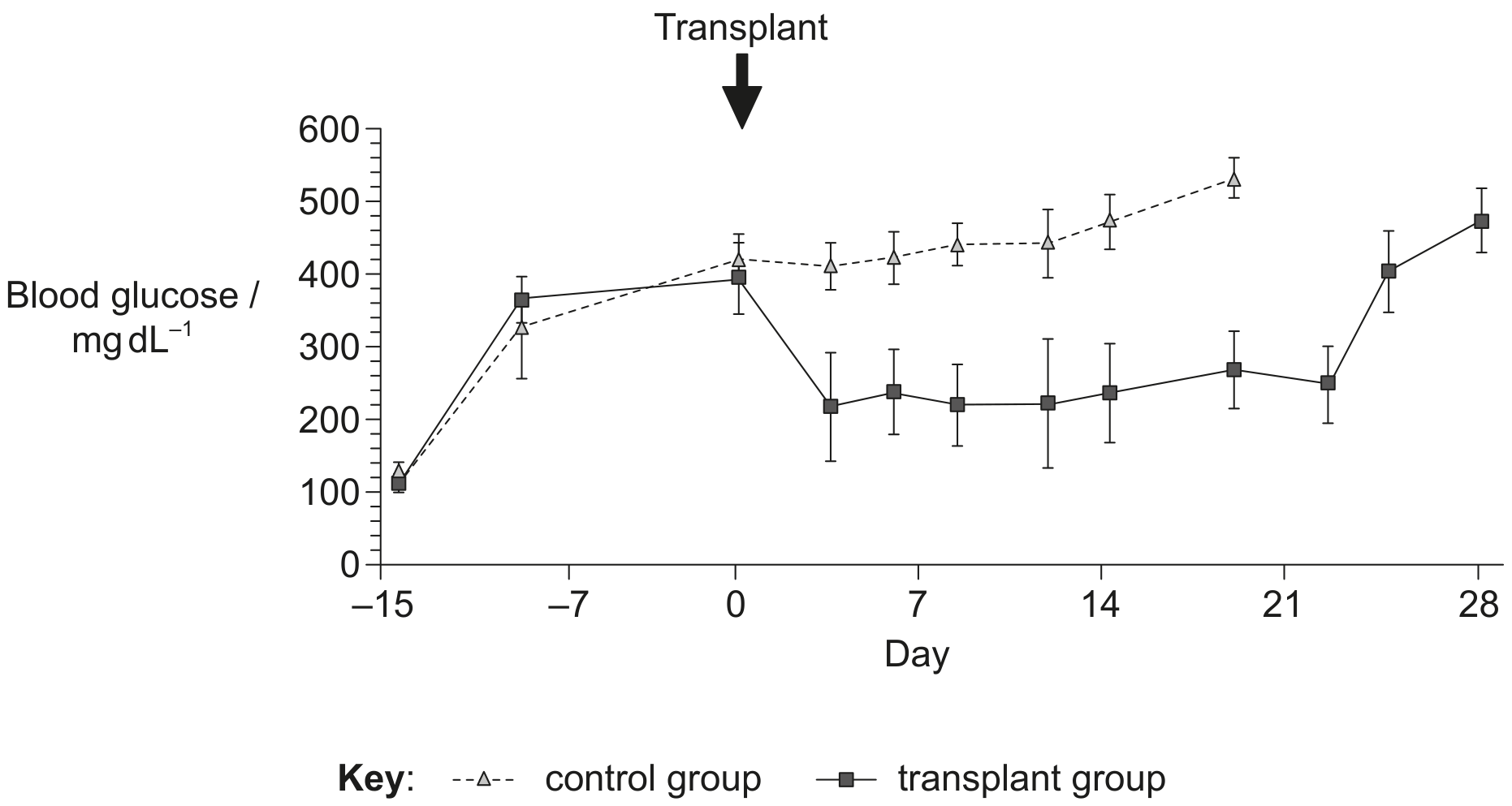
In a study, embryonic stem cells were grown in culture and tested for insulin mRNA. A drug was injected into two groups of healthy mice in order to simulate type I diabetes 15 days prior to the transplant of embryonic stem cells. The mice in the transplant group received embryonic stem cells that produce insulin mRNA. The control group did not receive the transplant. The graph shows the blood glucose concentration in both groups.

Question image

Question 1(b)

(a)

Outline the cause of type I diabetes in humans.

[ 1 ]

Question 1(c)

(b)

Describe the reason for testing for insulin mRNA in the embryonic stem cell cultures.

[ 1 ]

Question 1(d)

(c)

Compare and contrast the concentration of blood glucose resulting from the embryonic stem cell transplant with the control.

[ 2 ]

Question 1

[Maximum number: 5]

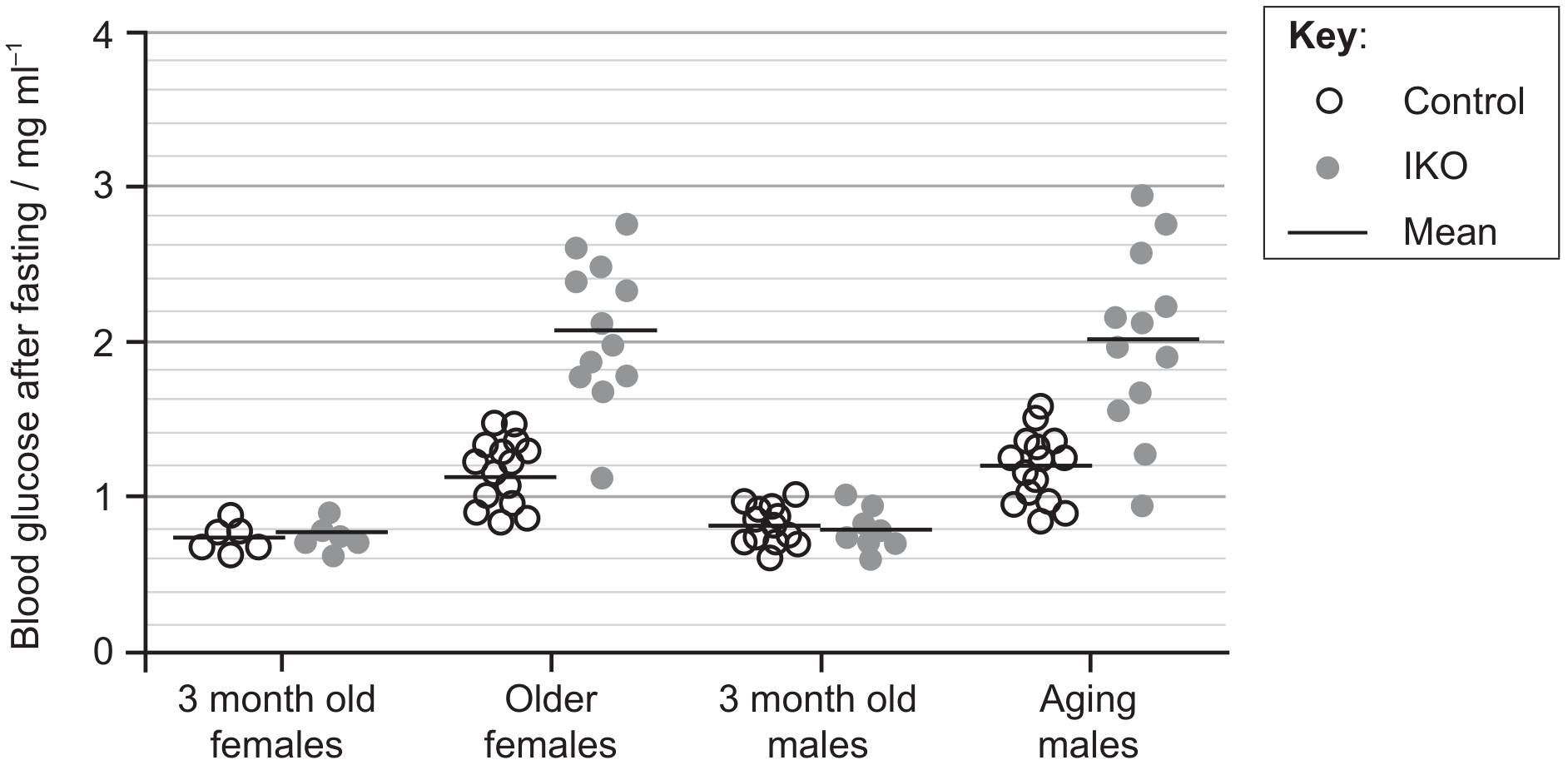
Diabetes is often associated with the failure of the β\beta (beta) cells in the pancreas, but it is unclear what actually causes this failure. FoxO1 is a protein which acts as a transcription factor to regulate the expression of genes involved in cell growth. FoxO1 also regulates increase in number and differentiation in cells such as pancreatic β\beta cells.

A study was conducted using mice lacking the gene for FoxO1 in β\beta cells (IKO) as well as normal (control) mice. Blood glucose levels after fasting were compared for four groups of mice: young ( 3 months old) male mice, young ( 3 months old) female mice, older females (who have had several pregnancies) and aging males (16-20 months).

Question image

Question 1(b)

(a)

Aging and having pregnancies are considered to be physiological stresses.

Deduce the effect of stress on blood glucose levels.

[ 2 ]

Question 1(c)

(b)

Outline the relationship between blood glucose levels after fasting and lack of FoxO1 in the mice studied.

[ 2 ]

Question 1(e)

(c)

State the correlation between lack of FoxO1 and pancreatic hormones in mice.

[ 1 ]

Question 1

[Maximum number: 2]

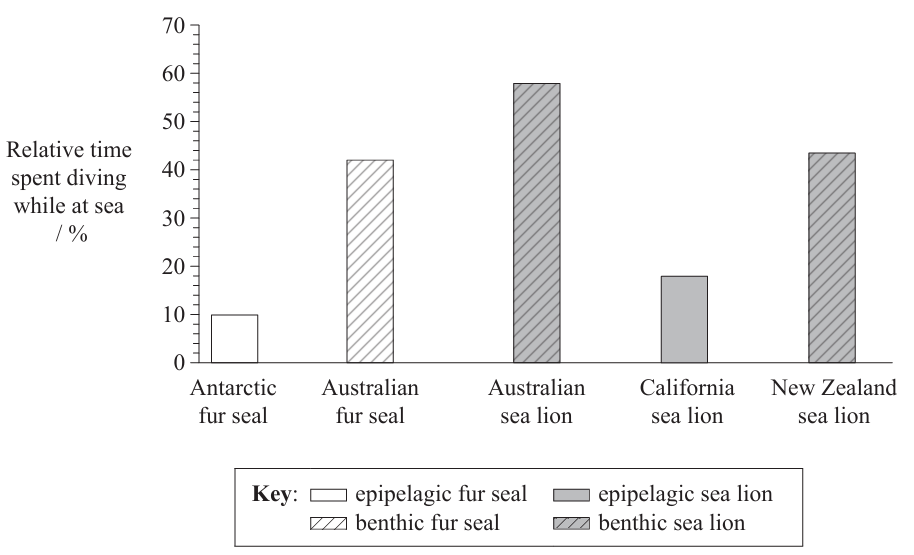
Pinnipeds are marine mammals with fins or flippers and include fur seals and sea lions. Some pinnipeds forage for prey near the surface (epipelagic) while others forage on the bottom of the sea (benthic). The graph shows the foraging behaviour and the relative time spent diving while at sea for five pinniped species.

Question image

Question 1(f)

(a)

Explain two mechanisms or adaptations used in mammals to maintain a constant body temperature in cold environments that could be used by pinnipeds.

[ 2 ]

Question 1

[Maximum number: 4]

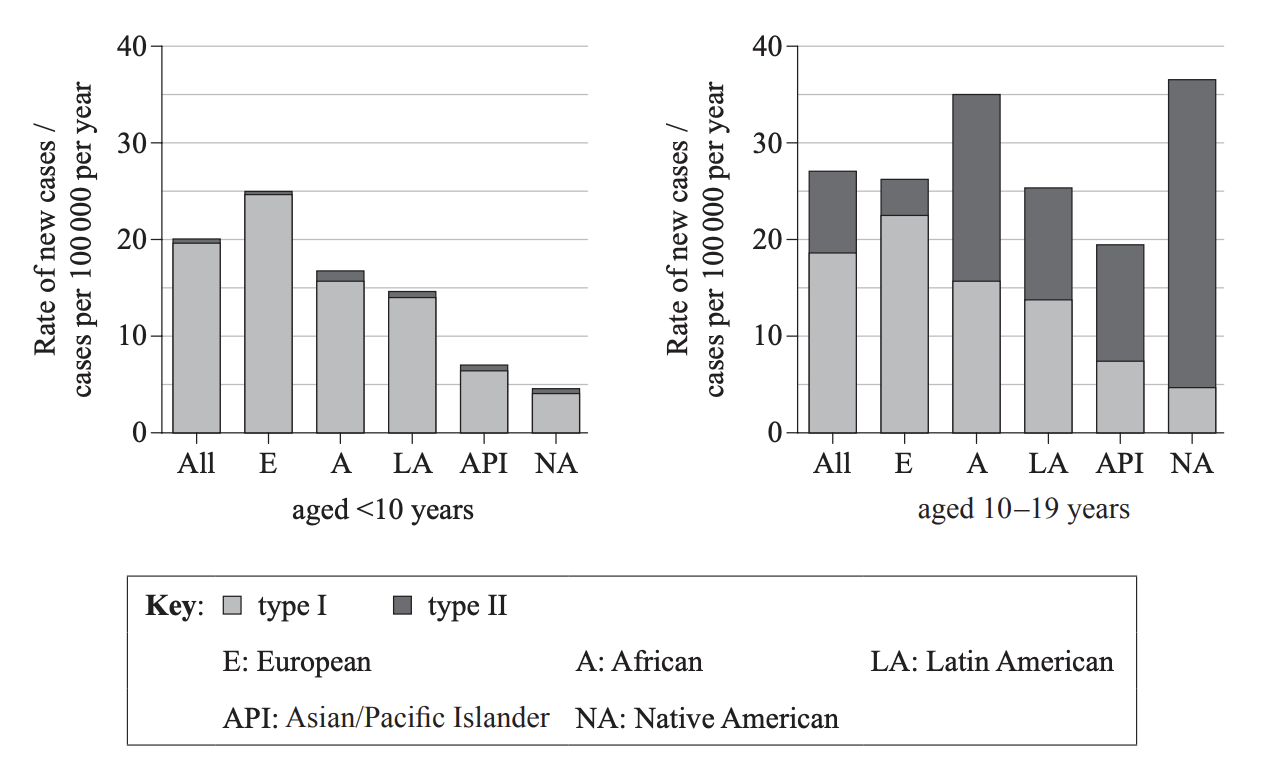
Diabetes in Youth is a study that examined diabetes (type I and type II) among children and adolescents in the United States. The graphs show the rate per year of new cases of type I and type II diabetes among young people (aged less than 20 years) by ethnicity between 2002-2005.

Question image

Question 1(h)

(a)

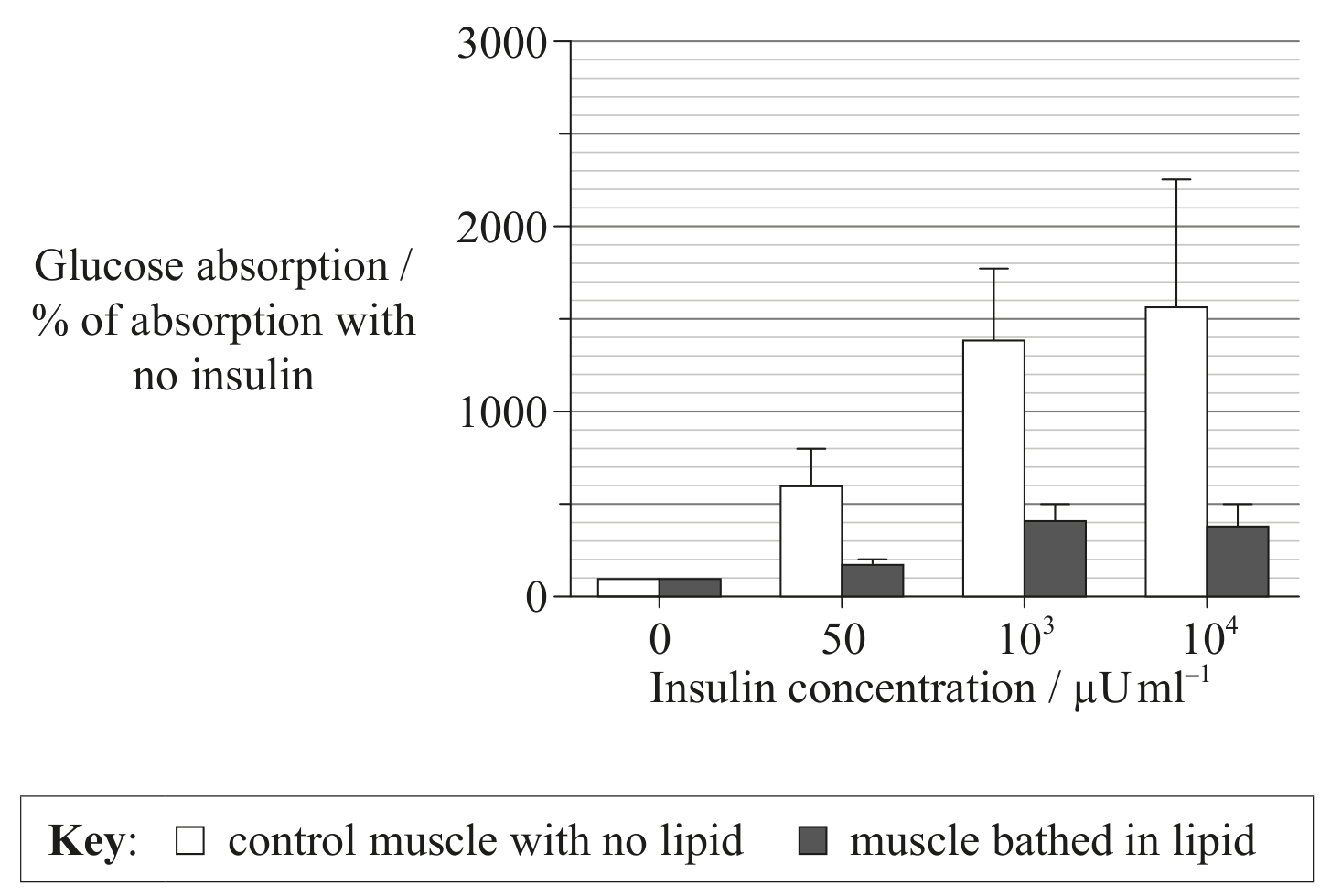
A further study was undertaken to look at the effect of increasing the concentration of insulin on glucose absorption in muscle bathed in lipids. A wide range of insulin concentrations were used in the same type of muscle. Glucose absorption was then measured after 5 hours.

Question image

Comment on the effect of increased insulin concentration on glucose absorption in the muscle bathed in lipid.

[ 2 ]

Question 1(i)

(b)

Some investigators suggest that there is a strong relationship between high lipid diet and the body's response to insulin. Using the data provided, evaluate this hypothesis.

[ 2 ]

Question 1

[Maximum number: 2]

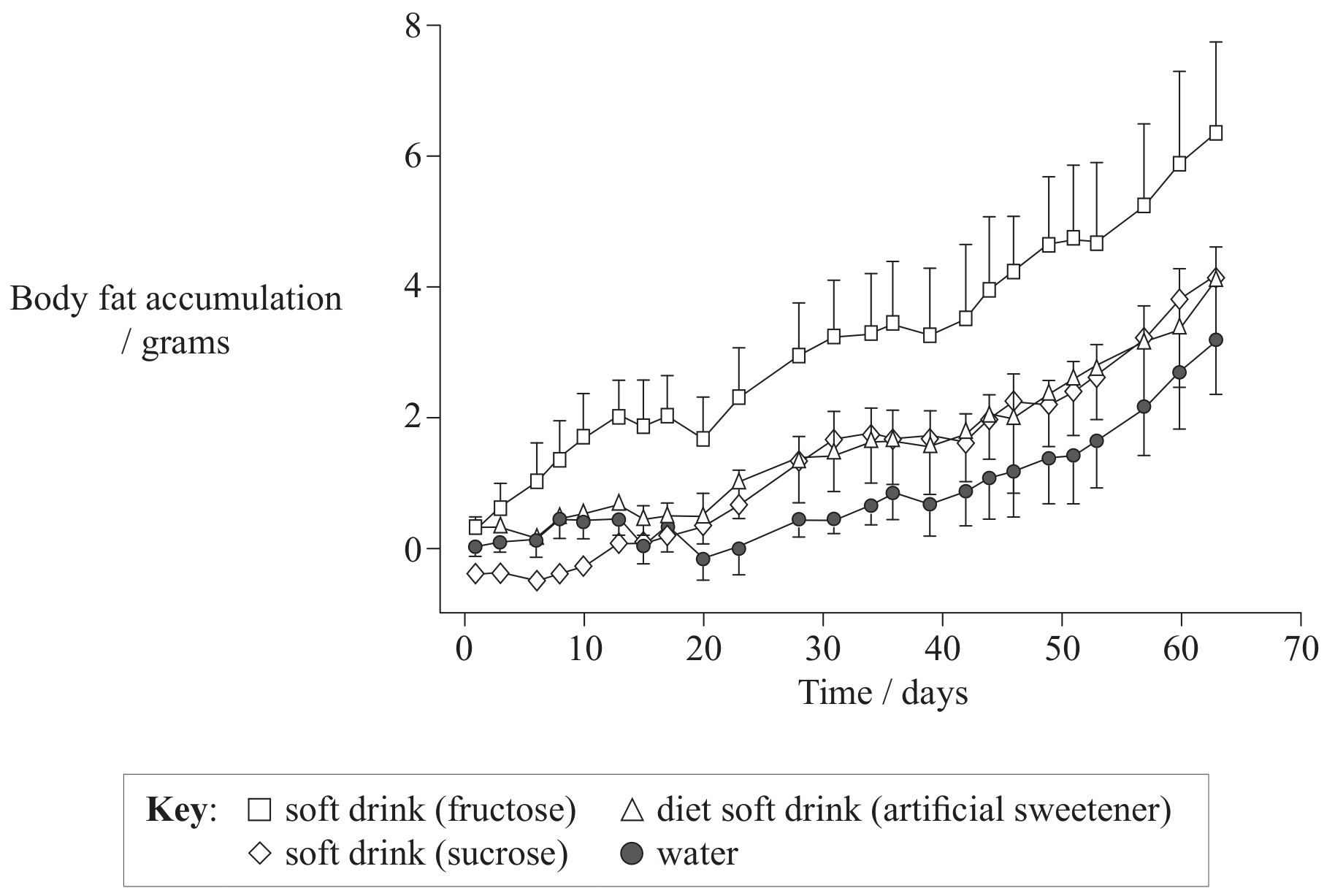
Obesity (excessive weight) is recognized as a global health problem and has been correlated with a large number of health issues, diseases and deaths. The increased consumption of fructose, now widely used as a sweetener, has been associated with the increase in obesity.

In a study, mice were divided into four groups. Each group was given the same amount of food and either a soft drink with a different sweetener or water.

Question image

Question 1(d)

(a)

Describe possible effects of the reduction of insulin sensitivity.

[ 2 ]

Question 1

[Maximum number: 3]

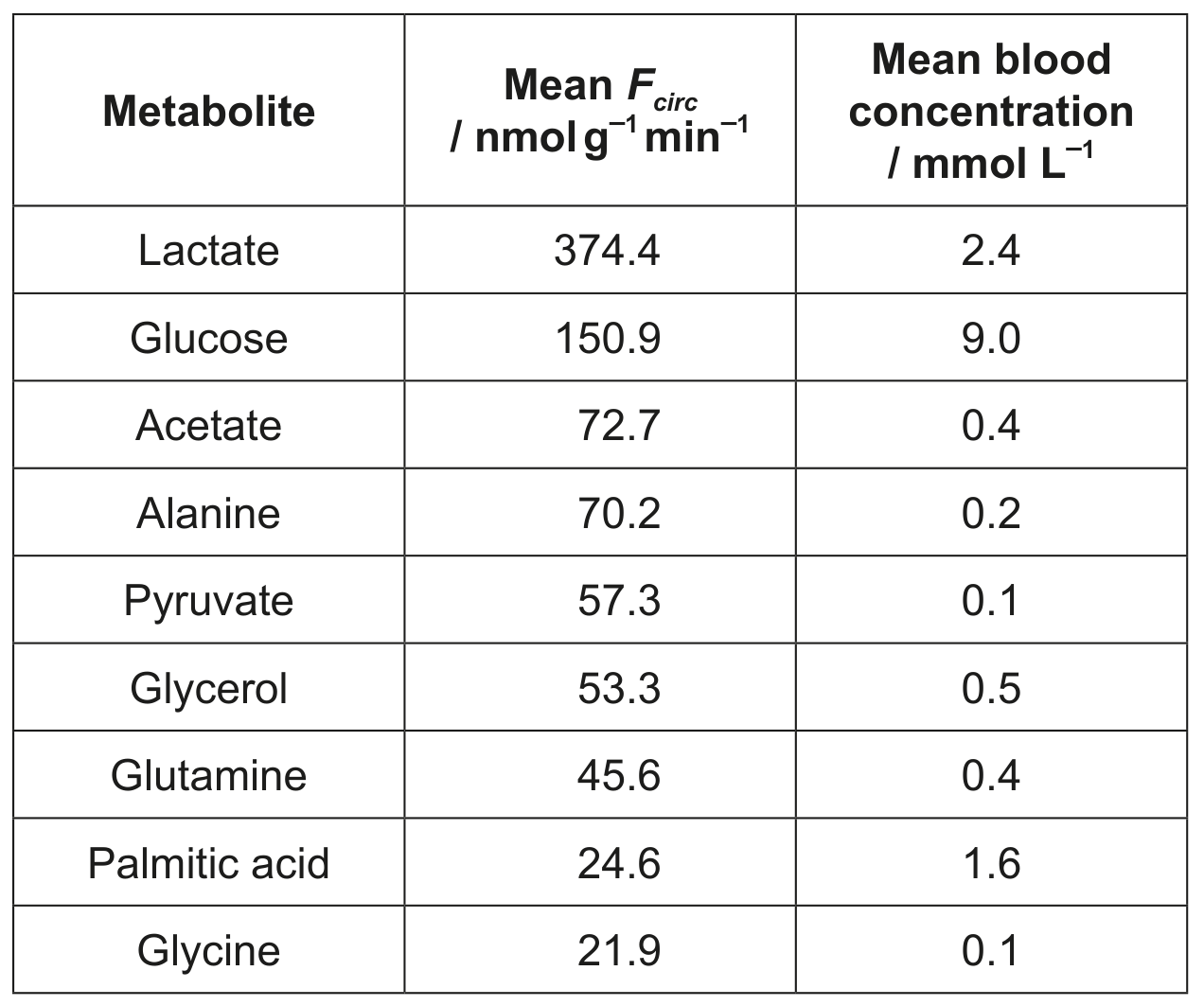
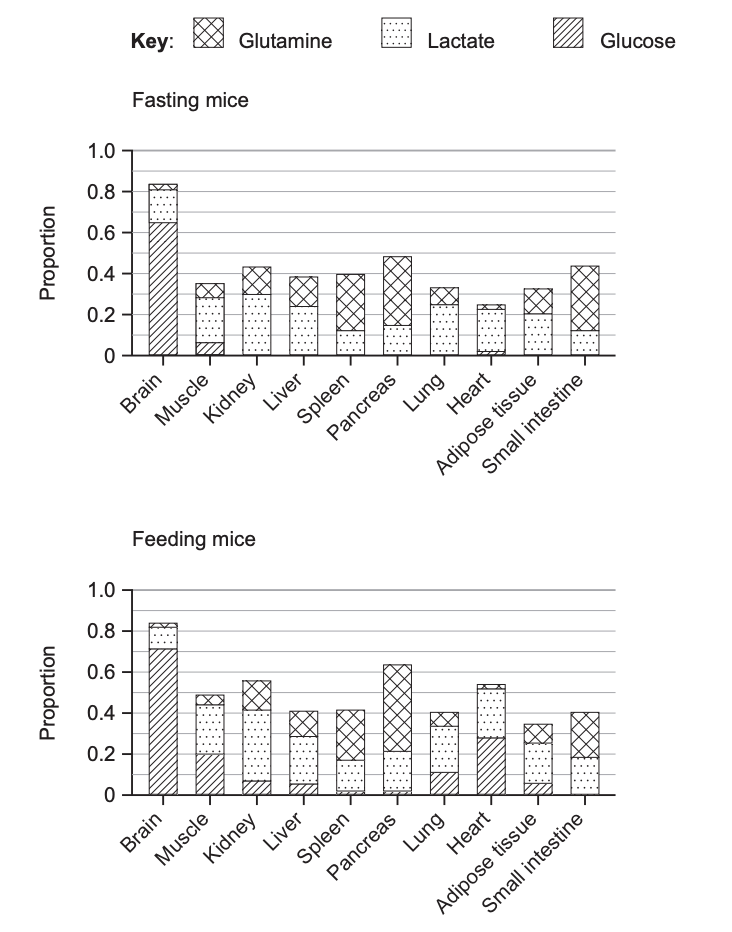
Mammalian tissues use circulating nutrients including glucose, amino acids and various intermediate metabolites for respiration. The concentration in the blood of glucose and other metabolites is regulated as a part of homeostasis. The concentration of a metabolite remains constant if it is absorbed from arterial blood and consumed by metabolism at the same rate as it is produced by metabolism and released into venous blood.

Circulatory turnover flux ( Fcirc F_{\text {circ }} ) is the rate at which a metabolite in the blood is both consumed and produced, with the concentration in the blood remaining constant.

Circulatory turnover fluxes were measured in fasting mice that had not fed for 8 hours. The table shows data for metabolites that had the highest circulatory turnover fluxes. Alanine, glutamine and glycine are amino acids.

Table

Question 1(e)

(a)

Using your understanding of insulin secretion, explain the change in glucose circulatory turnover flux between feeding and fasting mice.

Groups of fasting and feeding mice were infused with radioactively labelled lactate, glucose or glutamine. Radioactive labelling of Krebs cycle intermediates (such as malate and succinate) was then monitored, to determine the relative quantities of the three metabolites that were being absorbed from blood and used in the Krebs cycle.

The bar charts show the contribution of each metabolite to carbon entering the Krebs cycle as a proportion of the total, in different parts of the body.

Fasting mice

Fasting mice

[ 3 ]

Question 2

[Maximum number: 1]

Average human internal (core) body temperature is 36.4C36.4^{\circ} \mathrm{C}, with slight variations between day and night. The average surface temperature of the Earth in the 20th century was 13.9C13.9^{\circ} \mathrm{C}. It has now risen to 14.8C14.8^{\circ} \mathrm{C}.

Question 2(a)

Question 2(a)(i)

(a)
(i)

Outline one change that happens in the human body in response to a rise in body temperature above 36.4C36.4^{\circ} \mathrm{C}.

[ 1 ]

Question 2

[Maximum number: 3]

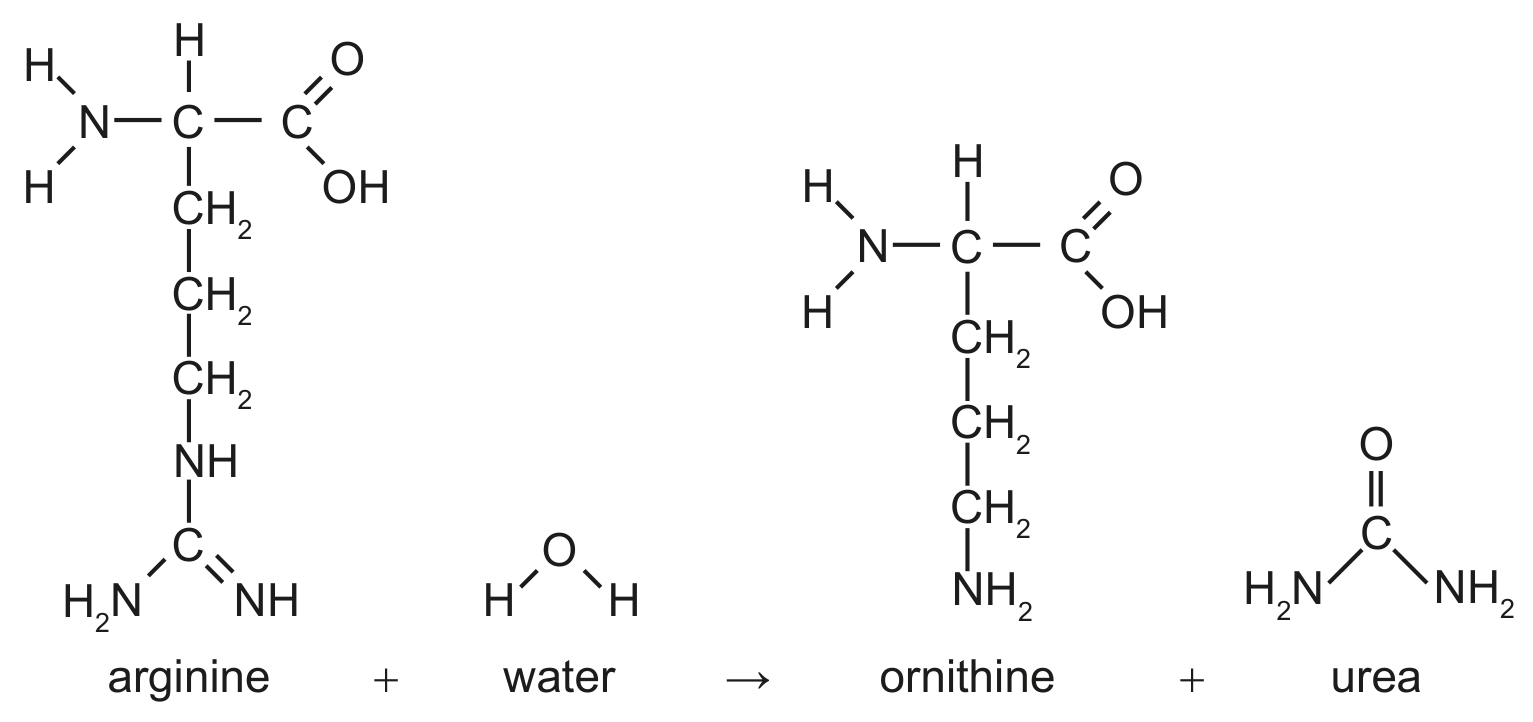
The reaction that produces urea in liver cells is shown.

Question image

Question 2(d)

(a)

The concentration of urea in blood plasma is typically about 30 mg per 100 ml . In urine it can be as high as 1800 mg per 100 ml . Explain how this increase in concentration is achieved.

[ 3 ]
0 selected