Question 2
Question 2(c)
(a)
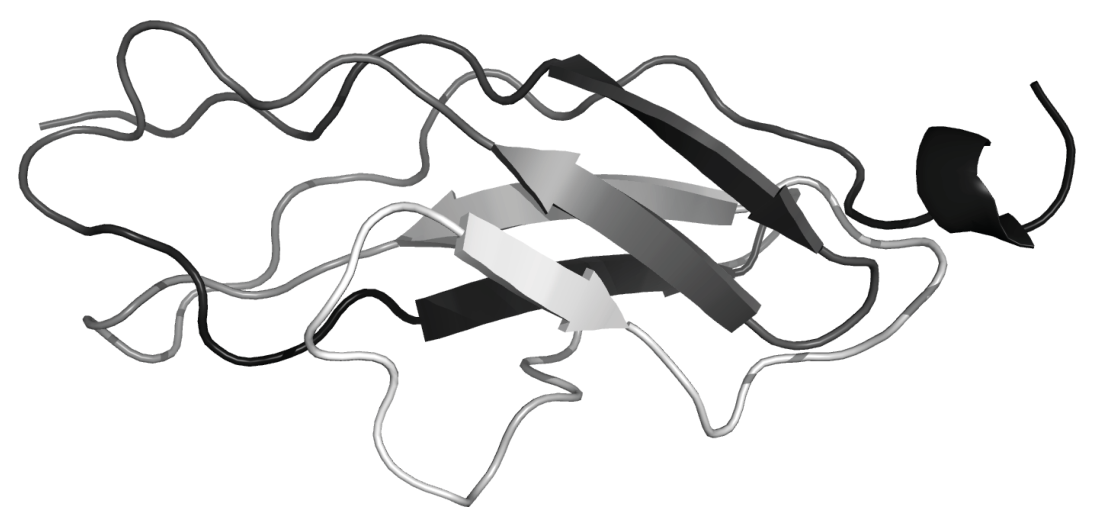
Titin is the longest protein in the human body, consisting of a single strand of over 34000 amino acids.
[ 2 ]
Question 2(c)(ii)
(i)
Explain the role of titin in sarcomeres.
[ 2 ]
 EduNinja
Titin is the longest protein in the human body, consisting of a single strand of over 34000 amino acids.
Explain the role of titin in sarcomeres.
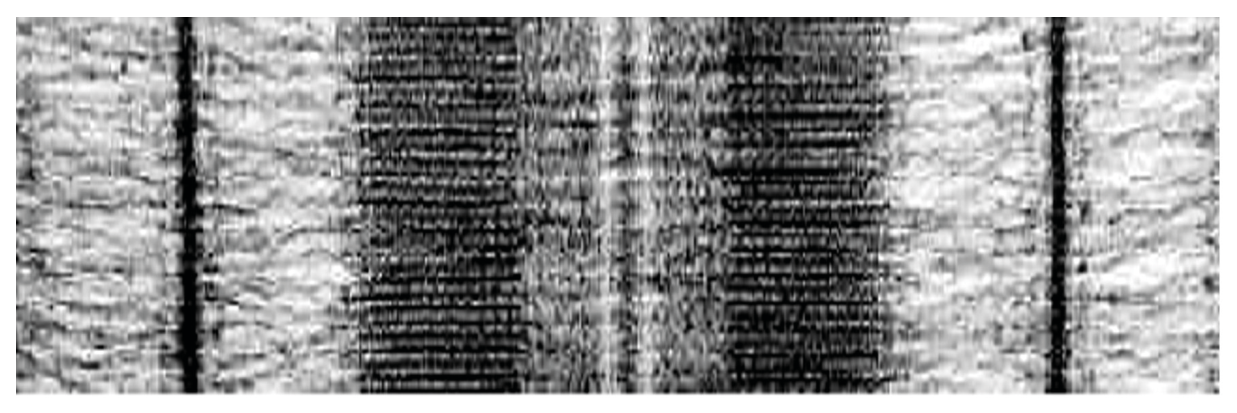
The electron micrographs show sections of muscle fibre in two different states.
I
II
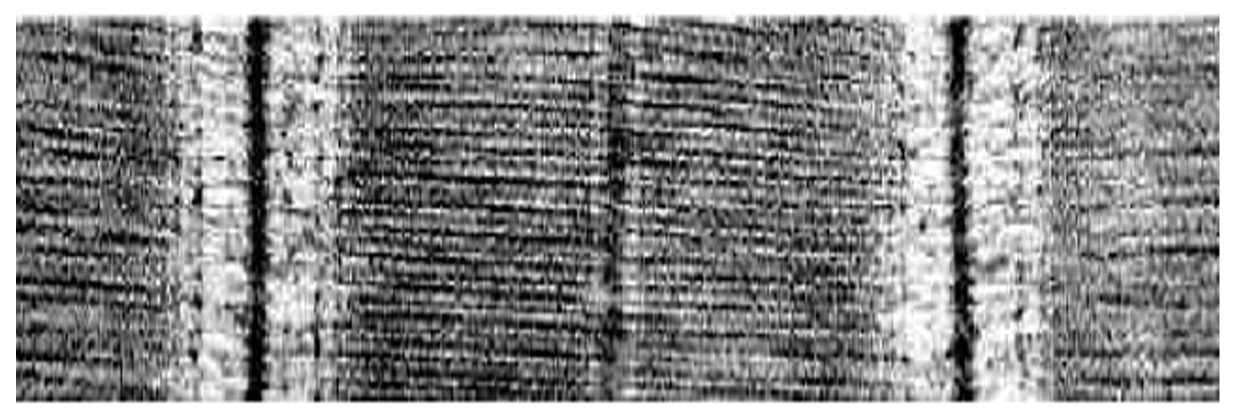
Label a sarcomere on electron micrograph I.
Deduce what events occur in muscle fibres to change them from the state shown in electron micrograph I to the state shown in electron micrograph II.
(a) (i) Label the structures indicated on the X-ray of a human elbow.
State the role of tendons.
Explain the function of actin and myosin in the sarcomeres of muscle fibres.
Explain the role of the protein titin in muscle relaxation.
Actin and myosin are two proteins found in muscles. Explain how skeletal muscle contracts, including the interaction of these proteins.
What is a role of one of the structures at a synovial joint such as the hip?
Ligaments attach muscle to bone.
Tendons transmit force of contraction to bone.
Cartilage holds bones together at the joint.
Muscles stretch and contract to move bones.
A titinopathy is a muscle disorder caused by titin abnormalities. What could be a consequence of abnormal titin in muscles?
Muscles would detach from tendons.
Muscles would stretch too much during relaxation.
Muscles would have less ATP for contraction.
Antagonistic muscles would contract the same time.
What happens when an action potential reaches motor end plates?
Calcium ions are absorbed by the muscle fibres.
The sarcomeres relax.
Neurotransmitter is released.
Action potential is passed to the neuron.
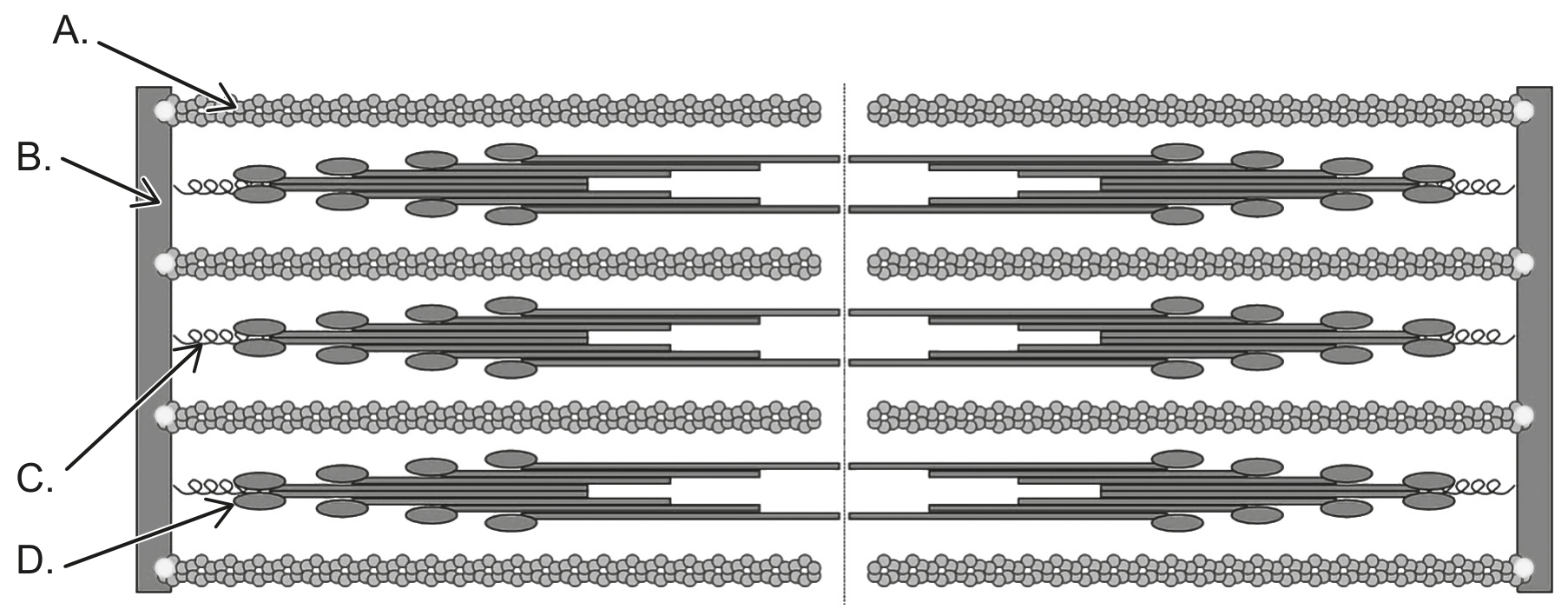
The diagram shows a contracted sarcomere. Which part will vary in length in response to relaxation of a muscle?
What is the difference between movement of the knee joint and hip joint?
The knee only allows flexion whereas the hip allows flexion and extension.
The knee allows more rotation than the hip.
The knee is used to walk forwards whereas the hip is used for running around corners.
The knee allows movement in one plane whereas the hip allows movement in three planes.