EduNinja

IB Biology HLA3.2 Classification and cladistics [HL only]Question Bank

Question 1

[Maximum number: 1]

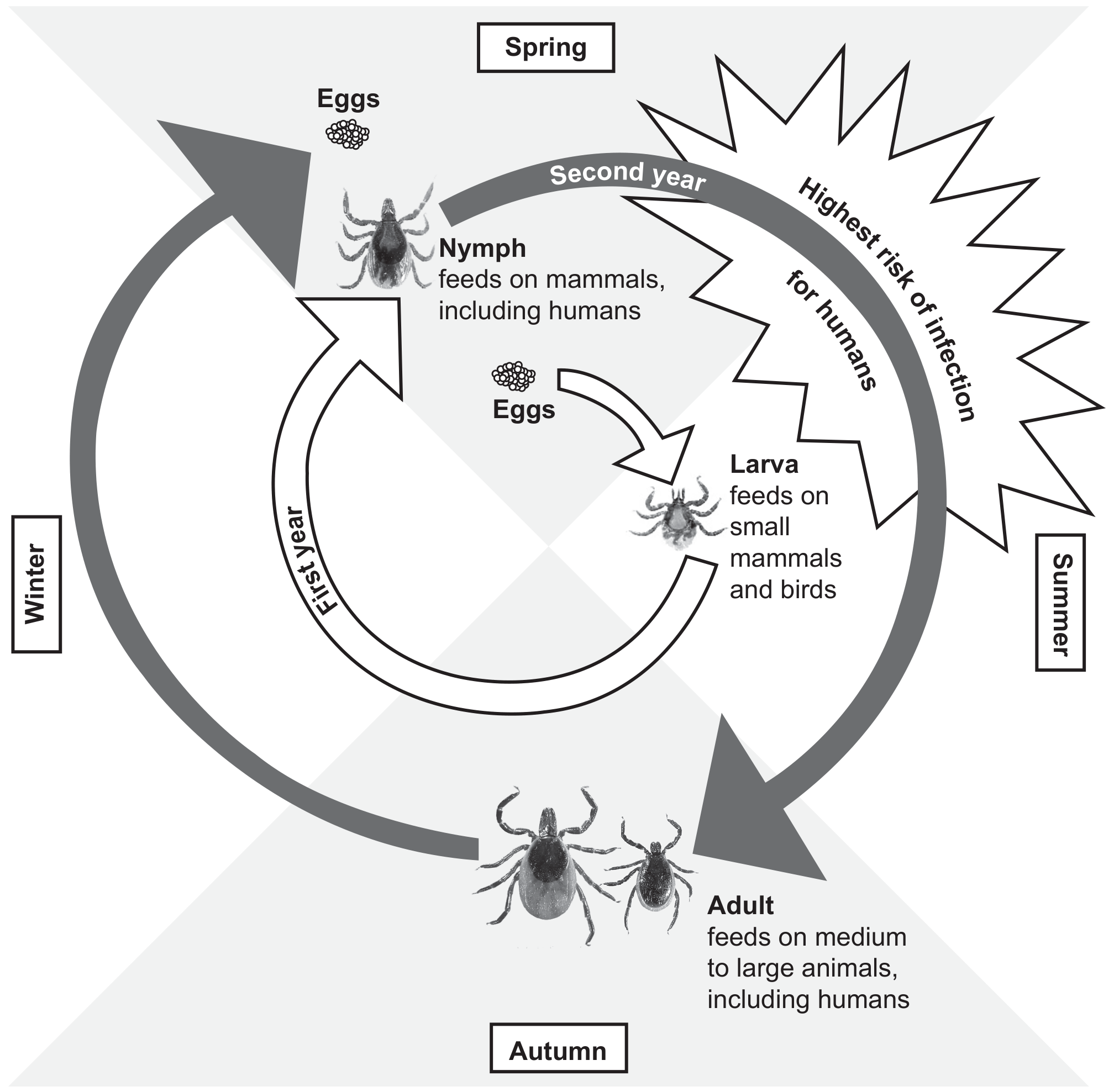
The black-legged tick (lxodes scapularis) is an arthropod which sucks blood from humans and other mammals. It is encountered mainly in wooded and semi-wooded areas.

Some ticks can be infected by the bacterium Borrelia burgdorferi. When a tick bites a human, the bacterium is often introduced, causing Lyme disease. Lyme disease is a public health problem in North America and, if left untreated, can cause important neurological impairment. The diagram represents the two-year life cycle of a tick.
Question image

Question 1(a)

(a)

State the domain into which ticks are classified.

[ 1 ]
Question 2

Question 2(c)

(a)

Define clade.

[ 1 ]

Question 2

Question 2(a)

(a)

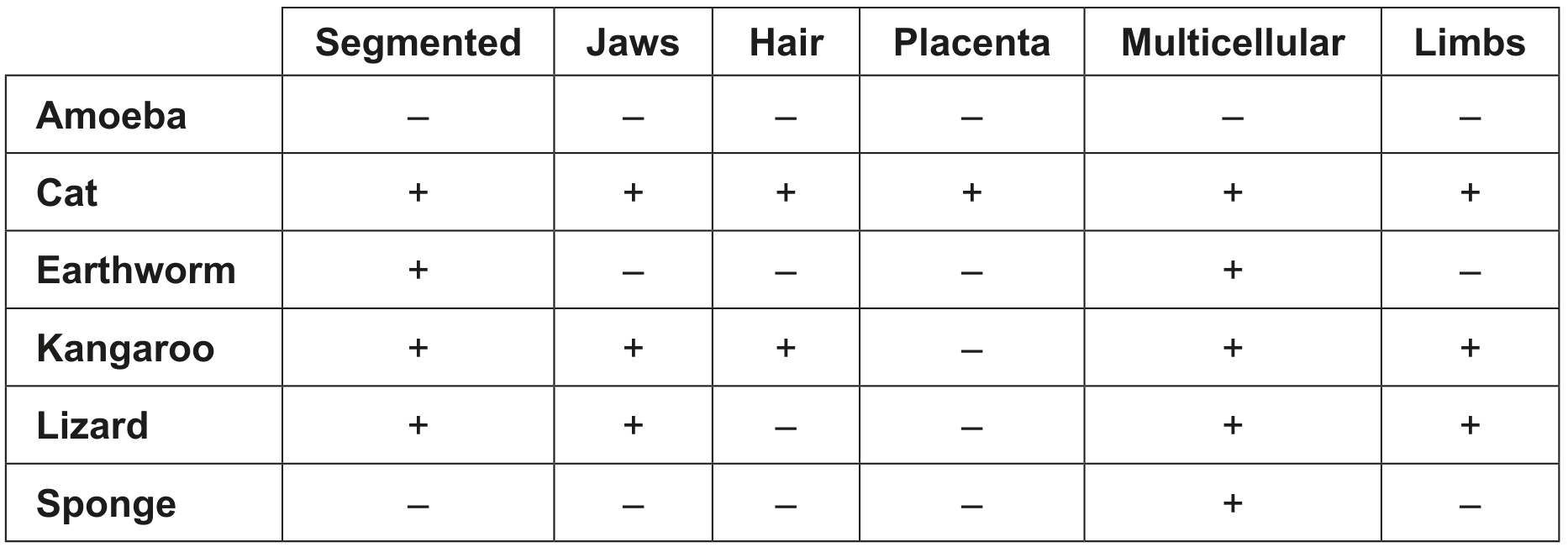
The table shows certain characteristics present (+) or absent (-) in six organisms.

Table

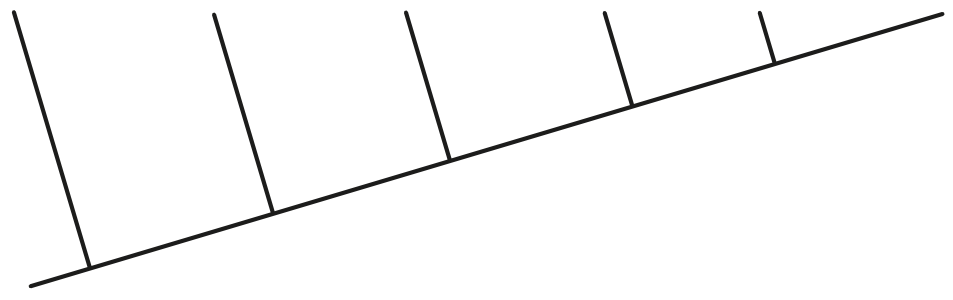
Using the data, label the cladogram with the names of the organisms.

Question image
[ 3 ]

Question 2

Question 2(b)

(a)

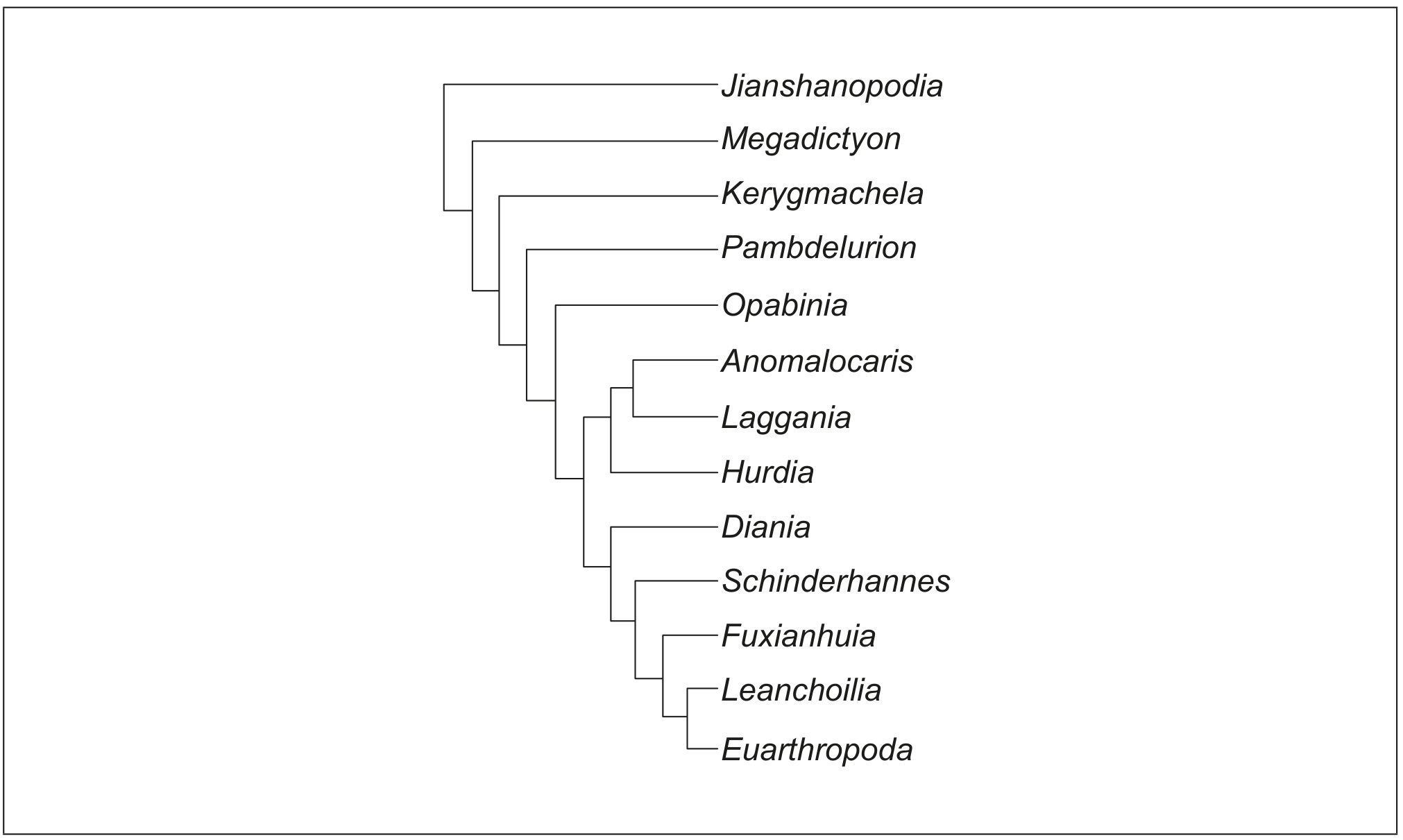
The diagram shows part of a cladogram for invertebrate species from the Cambrian age.

Question image
[ 2 ]

Question 2(b)(i)

(i)

On the cladogram, label with the letter C the point that shows the most recent common ancestor of Pambdelurion and Fuxianhuia.

[ 1 ]

Question 2(b)(ii)

(ii)

Identify which two species evolved most recently.

[ 1 ]

Question 2

[Maximum number: 4]

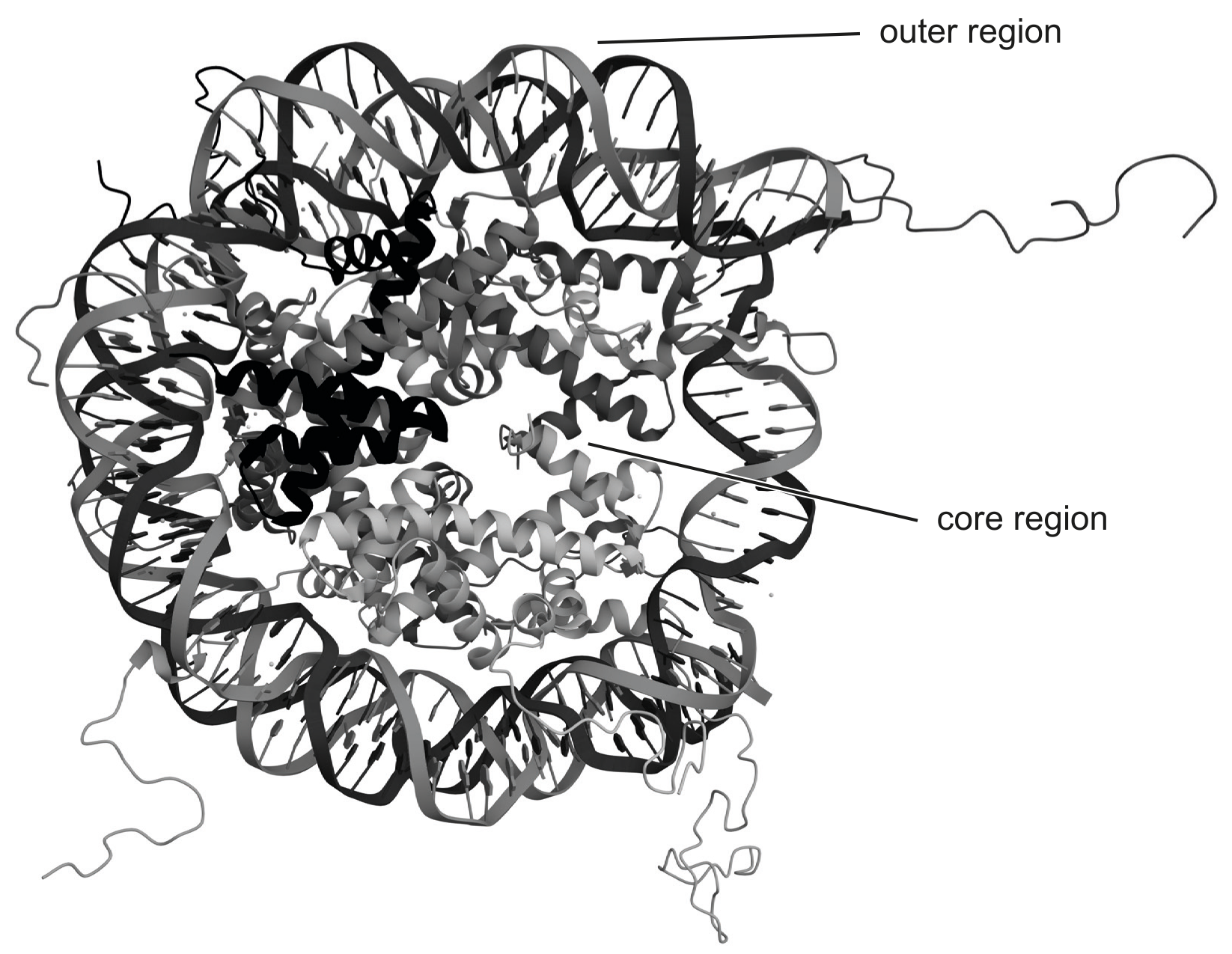
Molecular visualization software was used to produce the representation of a human nucleosome.

Question image

Question 2(c)

(a)

Explain how DNA can be used in cladistics.

[ 4 ]

Question D3

[Maximum number: 6]

Discuss the use of cladograms in phylogenetic studies.

Question 3

[Maximum number: 6]

Discuss the use of cladograms in classification and research into the evolutionary origins of living organisms.

Question 3

[Maximum number: 6]

Explain cladistics as a method of classifying organisms.

Question 17

[Maximum number: 1]

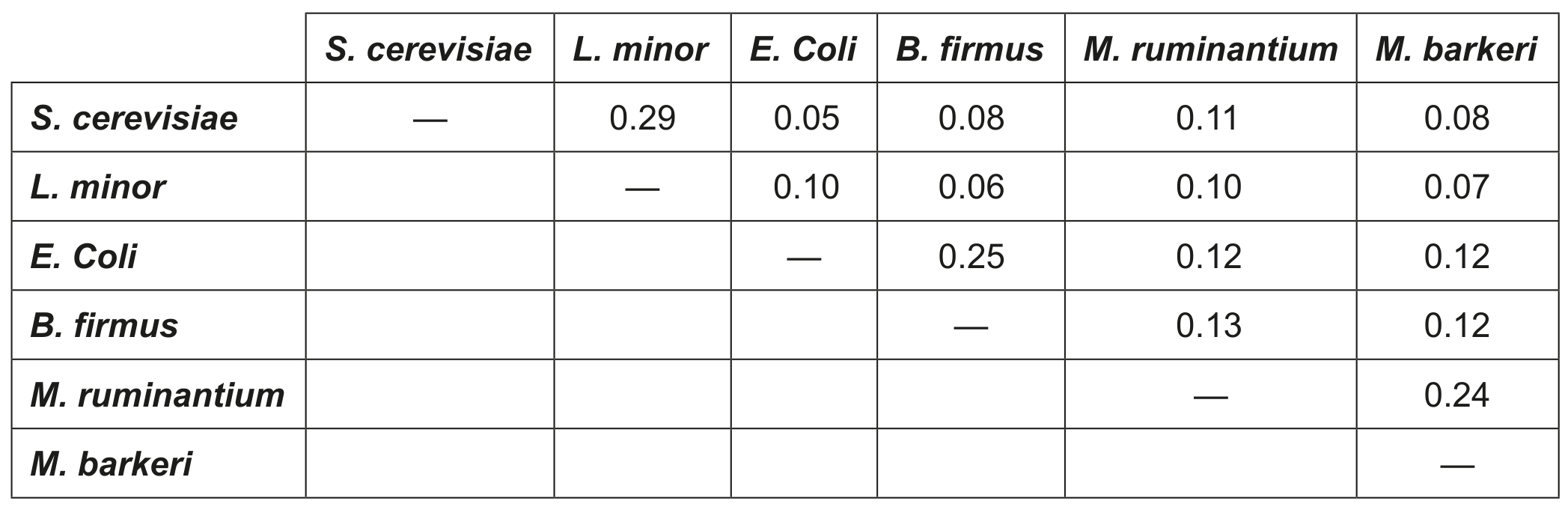
The table compares ribosomal RNA (rRNA) sequences of two organisms from each of the three domains by showing an association coefficient. The more similar the rRNA sequences of the organisms, the larger the coefficient.

Table

What can be concluded from the data?

A

L. minor and E. coli are both eubacteria.

B

S. cerevisiae and M. barkeri are in the same domain.

C

M. ruminantium is an archaean, therefore so is B. firmus.

D

E. coli and B. firmus are in the same domain.

Question 17

[Maximum number: 1]

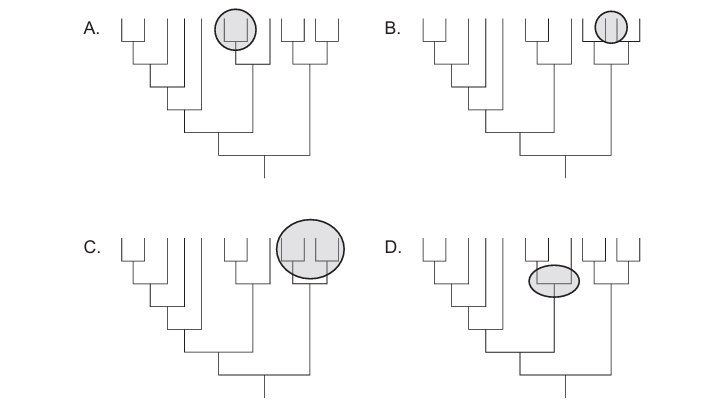
Which encircled area shows a clade?

Question image
0 selected