EduNinja

IB Biology HLA2.3 Viruses [HL only]Question Bank

Question 1

[Maximum number: 1]

The image shows an electron micrograph of virus particles known to infect the bacterium Vibrio parahaemolyticus, which is associated with gastroenteritis, wound infections and septicemia in humans and animals.
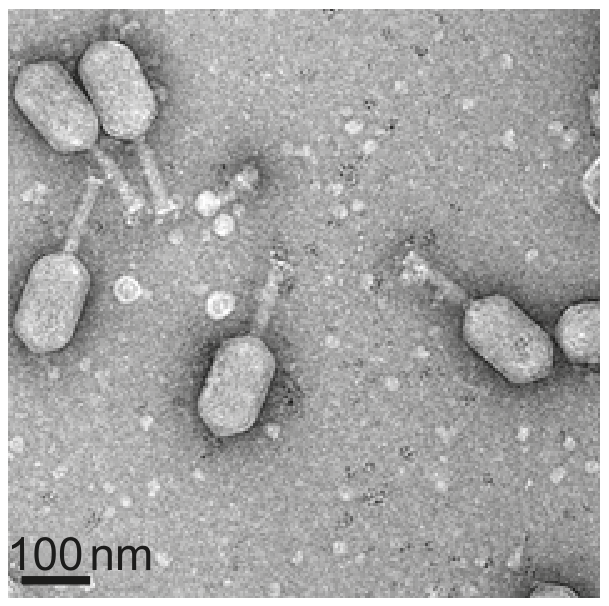
Question image

What does a virus have in common with a living cell?

A

70 S ribosomes

B

Genetic material

C

Reproduction by binary fission

D

Anaerobic respiration
Question 1

[Maximum number: 3]

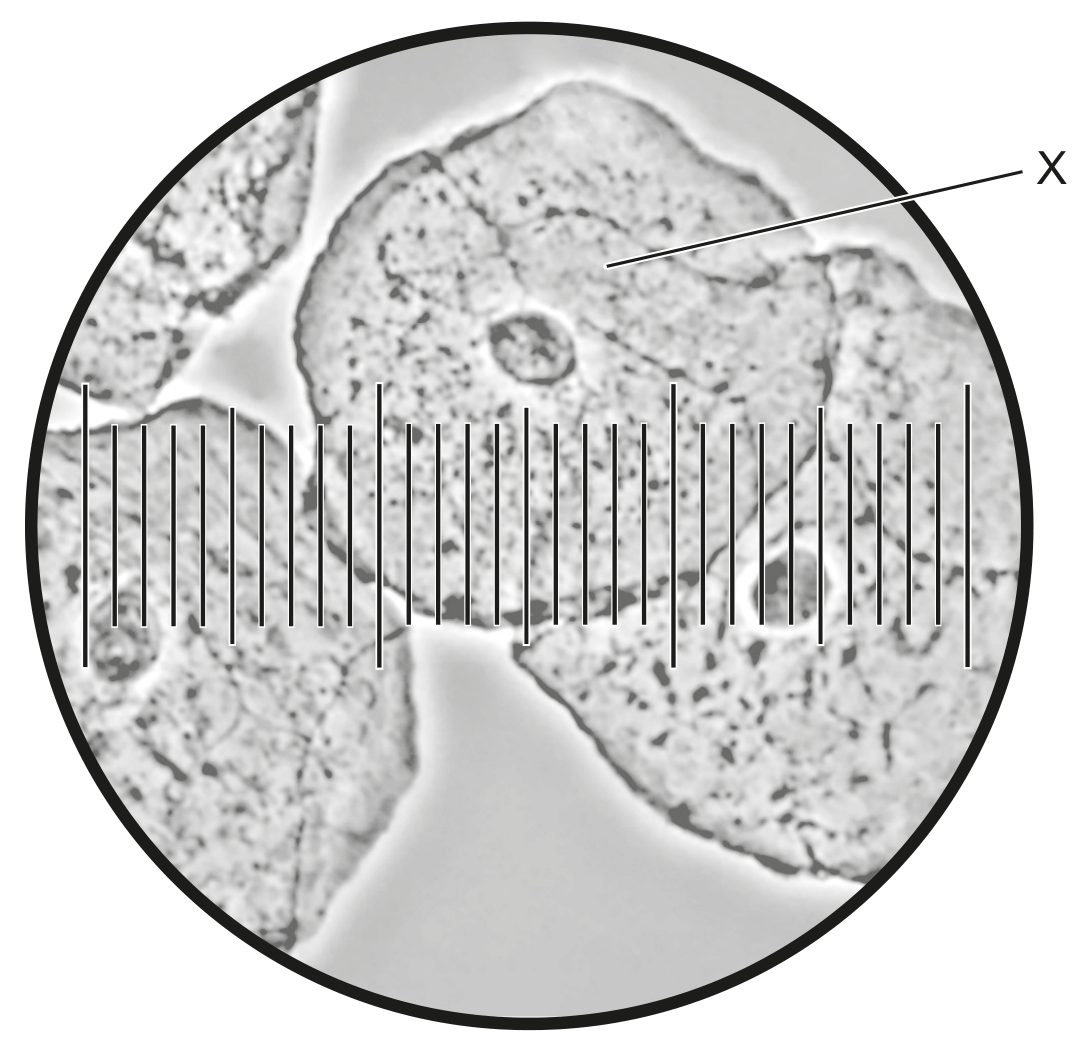
The micrograph is an image of human cheek cells viewed with a light microscope.

Question image

Question 1(d)

(a)

Viruses depend on living cells to reproduce. Compare and contrast the lysogenic and lytic cycles of the bacteriophage lambda.

[ 3 ]

Question 1

[Maximum number: 1]

The table shows the number of amino acids that are different in the sequences of the protein FOXP2 from a human compared with four other primate species.

Table

Question 1(d)

(a)

Some infectious diseases in humans are caused by viruses that originated in other primates.

[ 1 ]

Question 1(d)(i)

(i)

State one structural feature of a virus.

[ 1 ]

Question 2

[Maximum number: 2]

Pathogens are disease-causing organisms.

Question 2(b)

(a)

Outline two reasons for the very rapid rates of evolution in some viruses.

[ 2 ]

Question 12

[Maximum number: 1]

What mode of existence do viruses exhibit?

A

Obligate parasite

B

Facultative parasite

C

Obligate heterotroph

D

Predator

Question 13

[Maximum number: 1]

Which feature is common to all viruses?

A

Has a capsid

B

Contains RNA

C

Contains cytoplasm

D

Enveloped in host cell membrane

Question 13

[Maximum number: 1]

What is a difference between the lytic and the lysogenic cycle of the bacteriophage lambda?

A

Only in the lytic cycle is lambda DNA inserted into the host DNA.

B

Only in the lysogenic cycle is the host metabolism used to replicate.

C

Only in the lytic cycle is the host metabolism used to replicate.

D

Only in the lysogenic cycle is lambda DNA inserted into the host DNA.

Question 4

[Maximum number: 5]

The diagram shows the structure of a bacteriophage lambda virus.

Question image

Question 4(a)

(a)

On the image, label the capsid.

[ 1 ]

Question 4(b)

(b)

Describe one reason that viruses are not considered to be living.

[ 1 ]

Question 4(c)

(c)

Explain how the bacteriophage lambda reproduces in the lysogenic cycle.

[ 3 ]

Question 5

[Maximum number: 2]

Adaptive immunity leads to cells that are infected by viruses being killed, resulting in immune memory which is the basis of vaccination.

Question 5(c)

(a)

Different types of vaccine are used to prevent viral diseases. Justify this statement in terms of the structure of viruses.

[ 2 ]

Question 8

Question 8(a)

(a)

Outline how the nucleic acids used as the genetic material in viruses may vary.

[ 2 ]
0 selected