EduNinja

IB Biology HLD1.1 DNA replicationQuestion Bank

Question 1

[Maximum number: 5]

A polymerase chain reaction (PCR) was performed to amplify a small amount of DNA. Eight tubes were prepared as shown in the table.
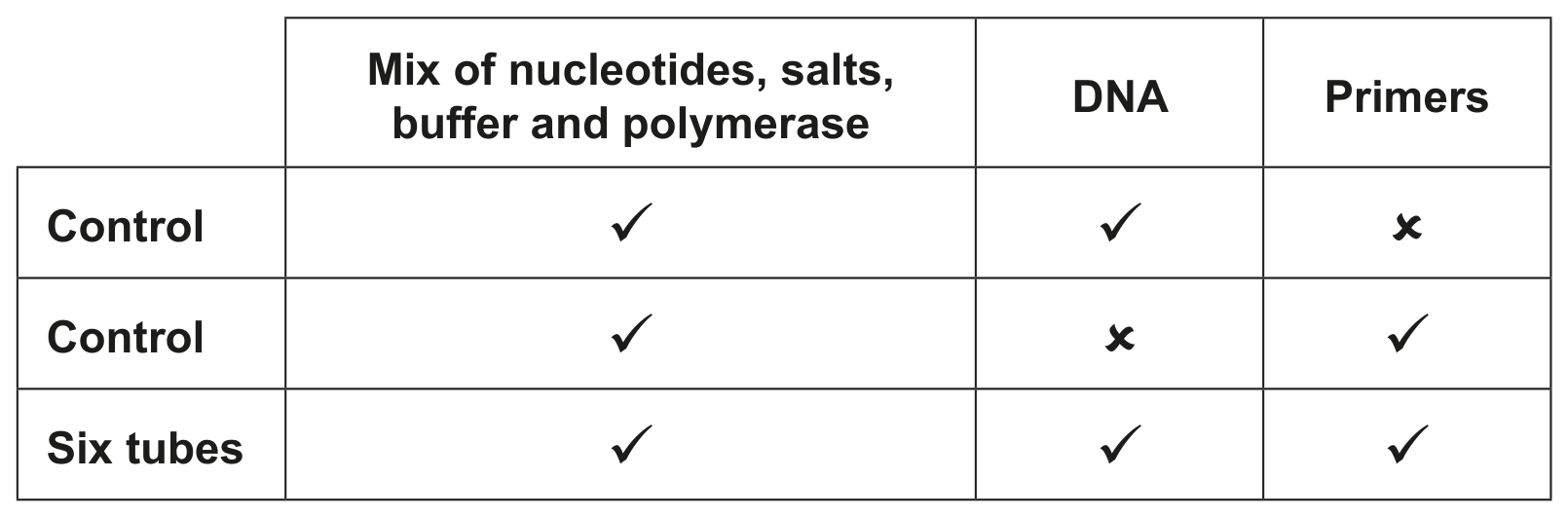
Table

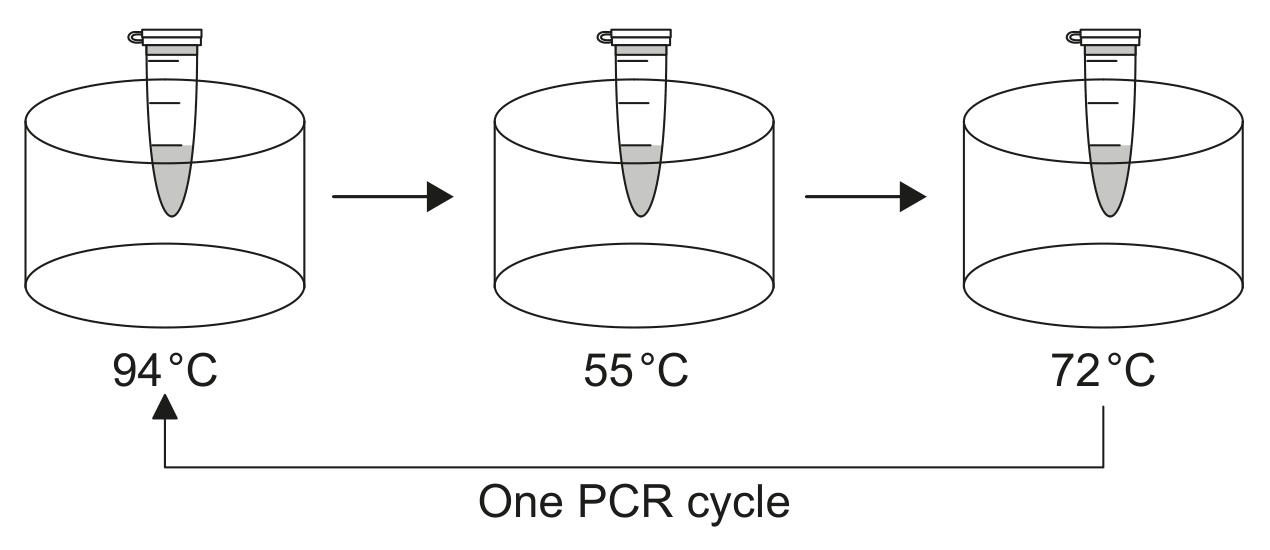
The tubes were placed in a thermal cycler with the temperatures shown in the diagram and run for 25 cycles.
Question image

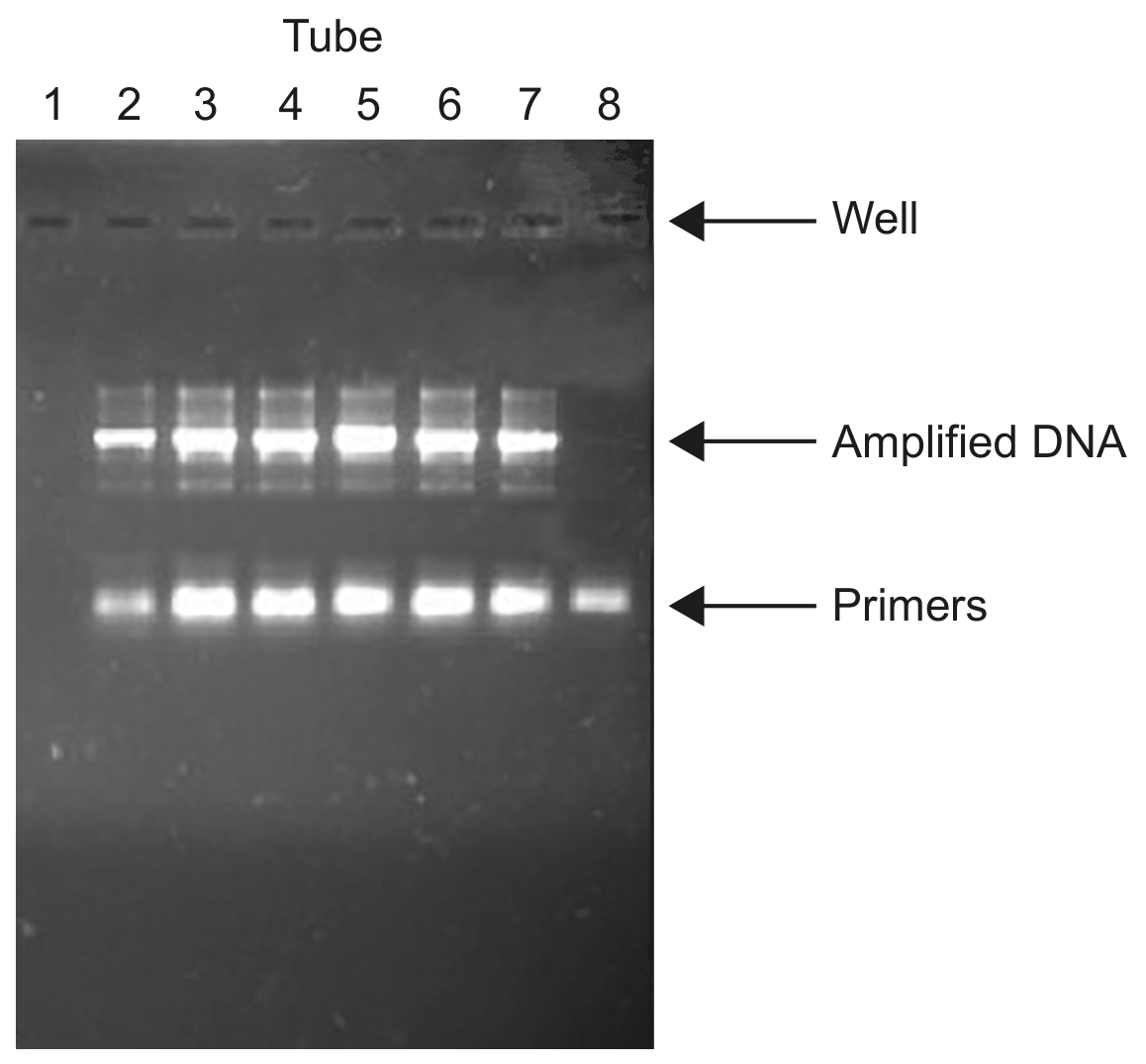
The image shows the result of gel electrophoresis on the eight samples.
Question image

Question 1(a)

(a)

State the number of the tube used as a control without DNA.

[ 1 ]

Question 1(b)

(b)

Deduce, with a reason, whether the primers are smaller or larger than the amplified DNA.

[ 1 ]

Question 1(c)

(c)

Explain the reason for changing the temperature during each cycle.

[ 2 ]

Question 1(d)

(d)

Predict the result that would be obtained if fewer cycles were used in this PCR process.

[ 1 ]
Question 1

[Maximum number: 1]

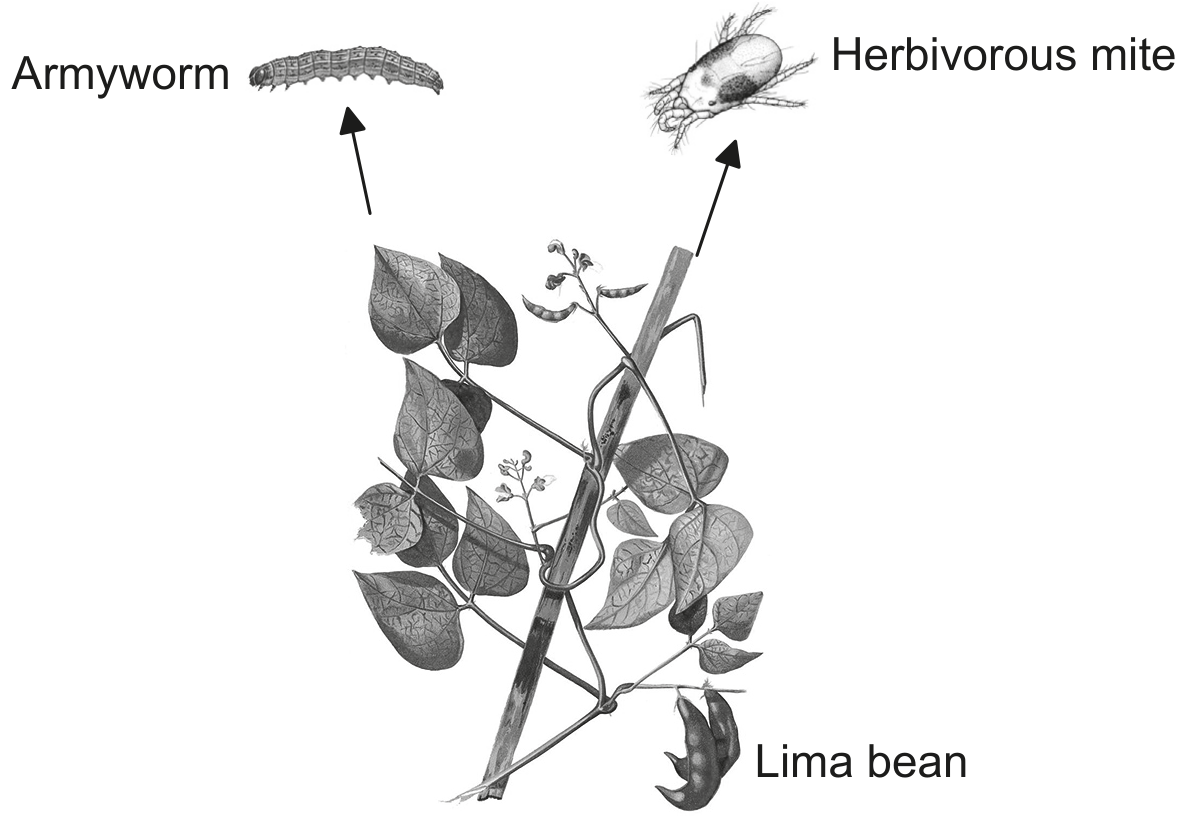
Organisms often release chemicals when attacked as part of their defence system. Scientists studied lima bean plants (Phaseolus lunatus) infested with either an armyworm, Spodoptera exigua, or a herbivorous mite, Tetranychus urticae. Both organisms feed on lima bean leaves, causing the leaves to release chemicals.

Question image

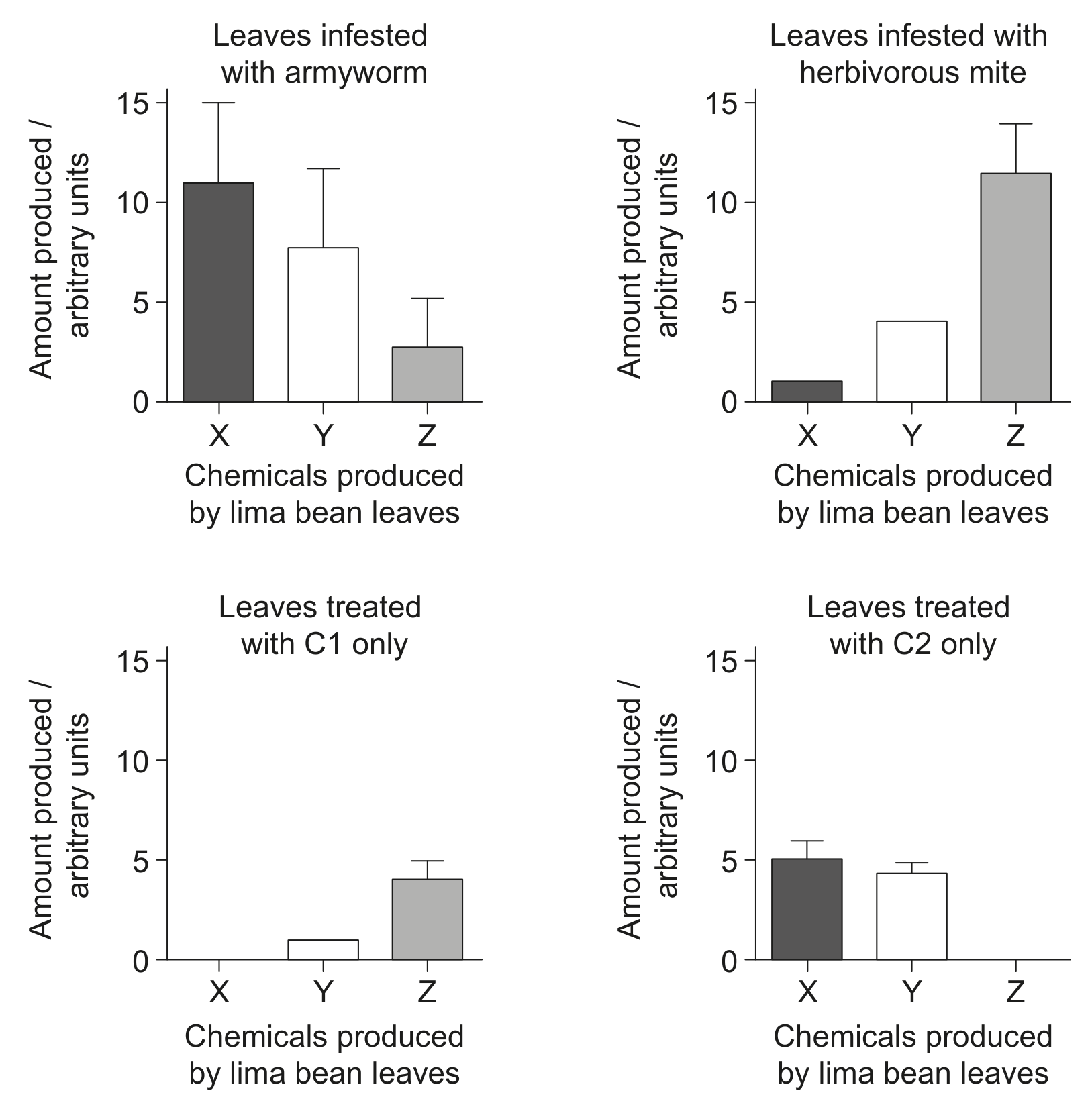
The study was conducted to see which defence chemicals were produced by lima bean leaves when infested by armyworms or herbivorous mites. The scientists identified a mixture of compounds ( C ) released by the plant when attacked. Two of the chemicals in this mixture were identified (C1 and C2).

The scientists hypothesized that the defence chemicals in C act as signals to produce other chemicals ( X, Y and Z ) that are also involved in the defence of the plant.

The graphs show the amounts of chemicals X, Y and Z produced when the plants were infested by either one of the two herbivores or treated with the different chemicals C1 or C2.

Question image

Question 1(c)

(a)

Identify the process that was used to amplify the targeted genes.

[ 1 ]

Question 5

[Maximum number: 1]

What is the function of the primers in the polymerase chain reaction (PCR)?

A

To separate the two strands of DNA

B

To bind to the complementary strands of DNA

C

To determine the region of DNA that will be copied

D

To activate the Taq DNA polymerase

Question 6

[Maximum number: 1]

How is the sequence of DNA conserved?

A

Unwinding of the double helix by helicase during DNA replication

B

Separation of sister chromatids to opposite poles during mitosis

C

Transcription into complementary RNA for protein synthesis

D

Complementary base pair matching during DNA replication

Question 7

[Maximum number: 1]

Which sequence of DNA would be suitable in DNA profiling?

A

---ATTCGTGAATCAGCC---

B

---ATTCGTGAATTTGCC---

C

---ATTCGTGATTGCAGC---

D

---ATTCGTGATTCGTGA---

Question 7

[Maximum number: 1]

What is the reason for Taq DNA polymerase being used in the polymerase chain reaction (PCR)?

A

It does not denature at high temperatures.

B

It produces Okazaki fragments more rapidly.

C

It allows translation to proceed rapidly.

D

It works efficiently with helicase in PCR.

Question 2

[Maximum number: 1]

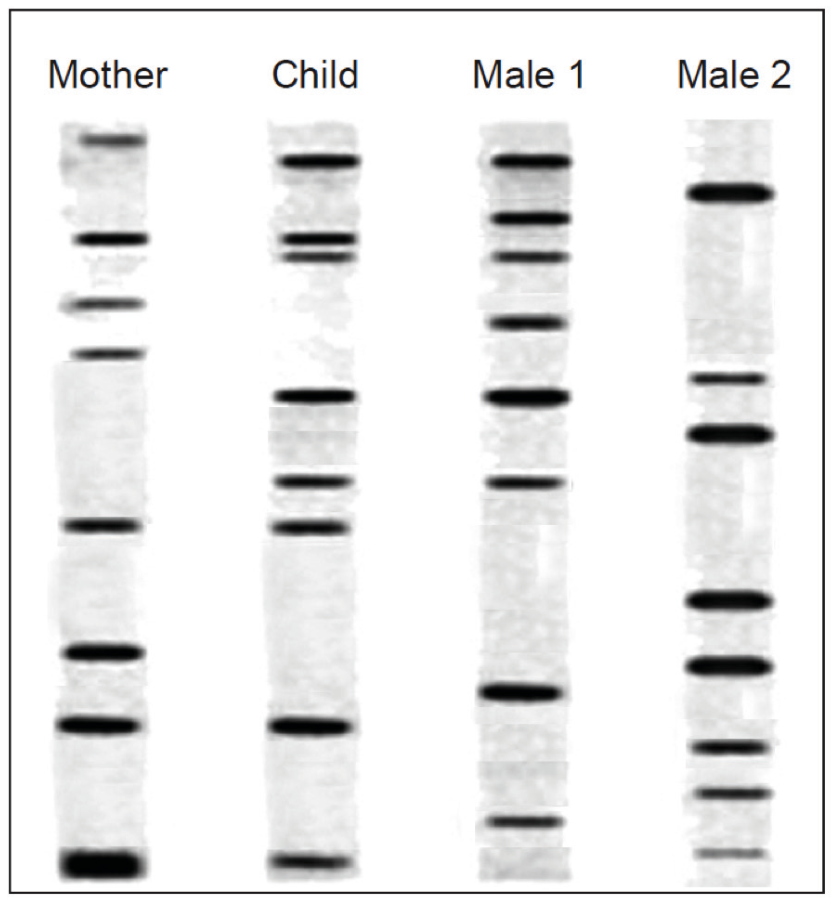
The image shows data collected in order to determine the paternity of a child.

Question image

Question 2(b)

(a)

Determine, with a reason, which male is the father of the child.

[ 1 ]

Question 9

[Maximum number: 1]

Which enzyme is associated with proofreading during DNA replication?

A

DNA primase

B

DNA helicase

C

DNA polymerase III

D

DNA ligase

Question 9

[Maximum number: 1]

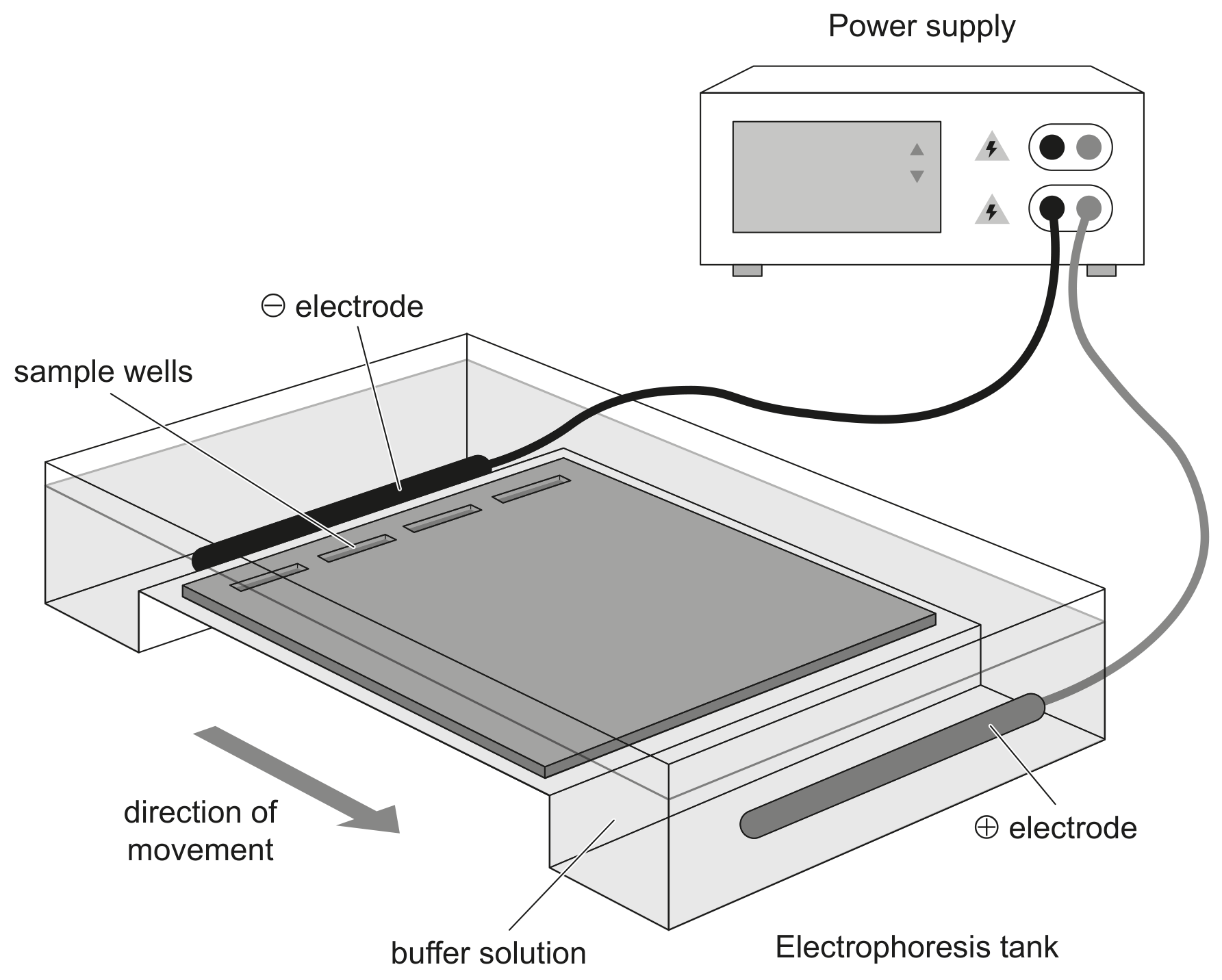
Samples of DNA can be separated by gel electrophoresis.

Question image

Which fragments of DNA would travel the furthest on the gel?

Fragment size / k B

Fragment charge

4

negative

10

negative

10

positive

2

positive

Question 10

[Maximum number: 1]

During replication of the DNA lagging strand, which enzyme is responsible for removing RNA primers and replacing them with DNA?

A

Helicase

B

DNA polymerase I

C

DNA polymerase III

D

RNA primase

0 selected