EduNinja

IB Biology HLC3.2 Defence against diseaseQuestion Bank

Question 1

[Maximum number: 3]

Ebola virus disease (EVD) is the disease in humans and other primates that is caused by the Ebola virus. Fruit bats are the reservoir for the virus and are able to spread the disease without being affected. Humans can become infected by contact with fruit bats or with people infected by the virus, their body fluids or equipment used to treat them.

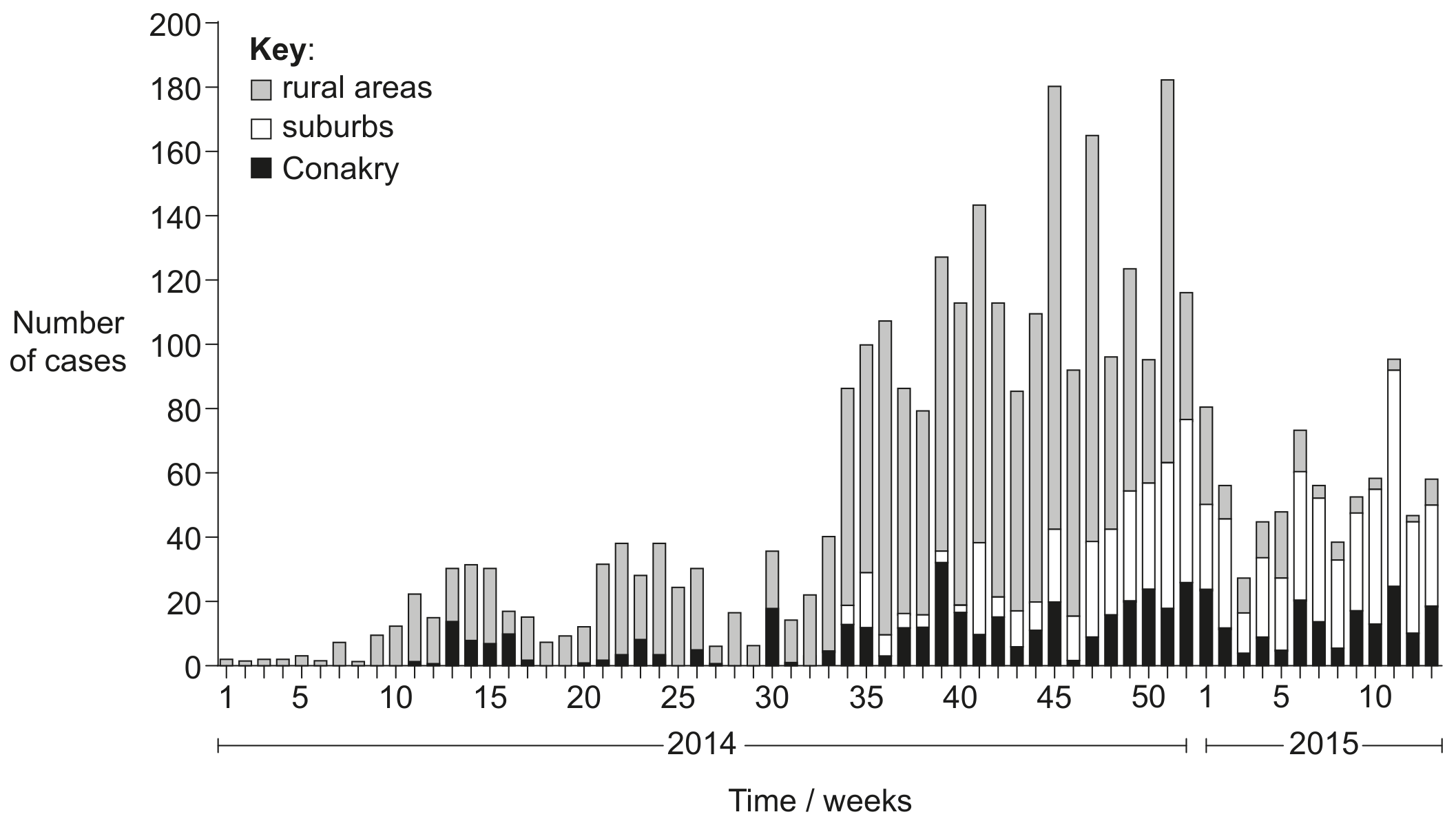
The stacked bar graph shows the epidemiological data for the EVD cases in Conakry, the capital city of Guinea, surrounding suburbs and rural areas in Guinea from the beginning of January 2014 to the end of March 2015.
Question image

Question 1(g)

(a)

Explain how vaccination can lead to the production of B cells specific to the Ebola virus.

[ 3 ]
Question 1

[Maximum number: 8]

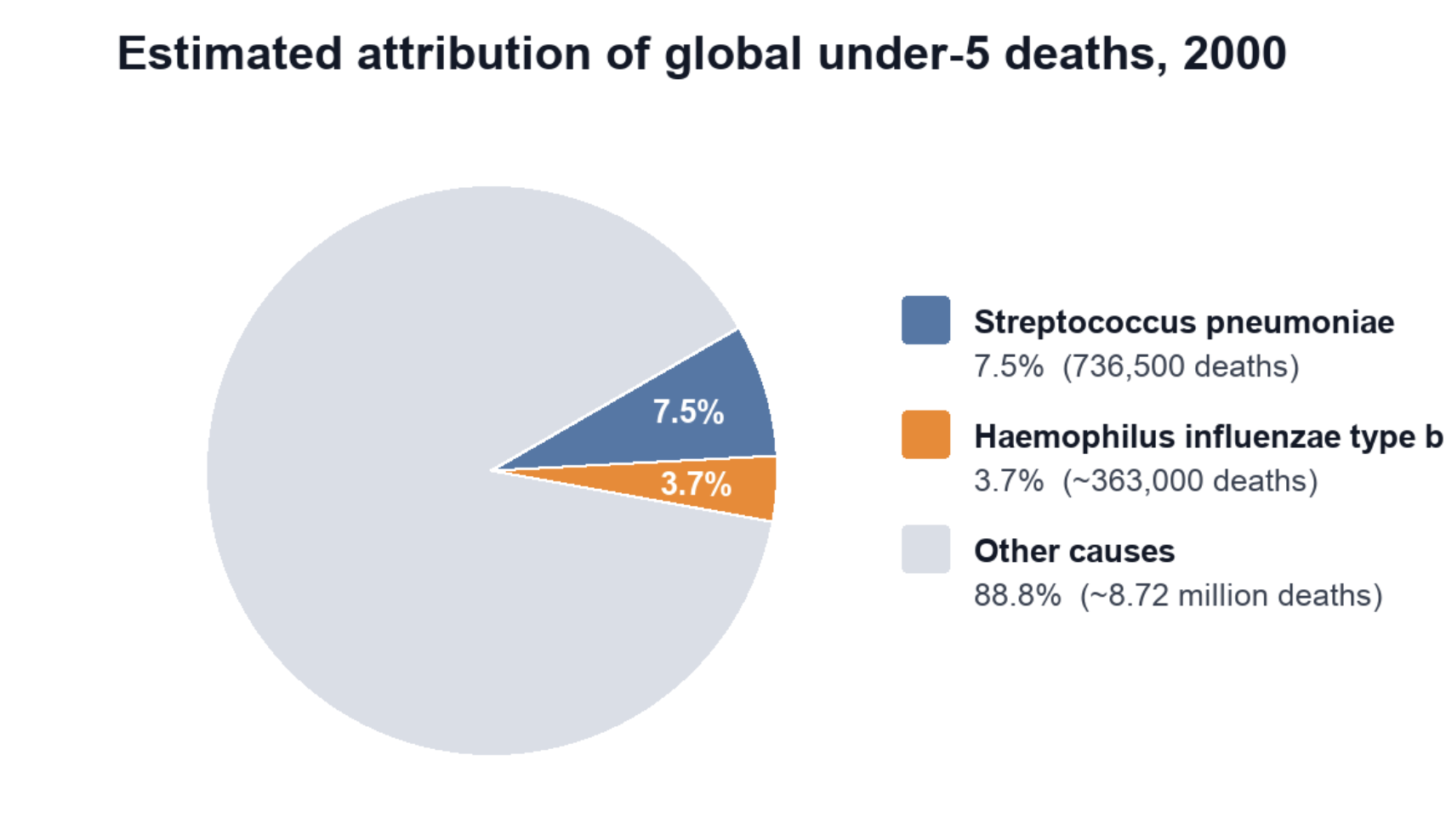
According to the UN Inter-agency Group for Child Mortality Estimation, in the year 2000 there were 9.82 million deaths of children under the age of 5 . Many of these deaths were caused by infectious diseases. The pie chart shows estimates for the percentages of deaths that were attributable to two of the most frequent pathogens, Streptococcus pneumoniae and Haemophilus influenzae.

Question image

Question 1(c)

(a)

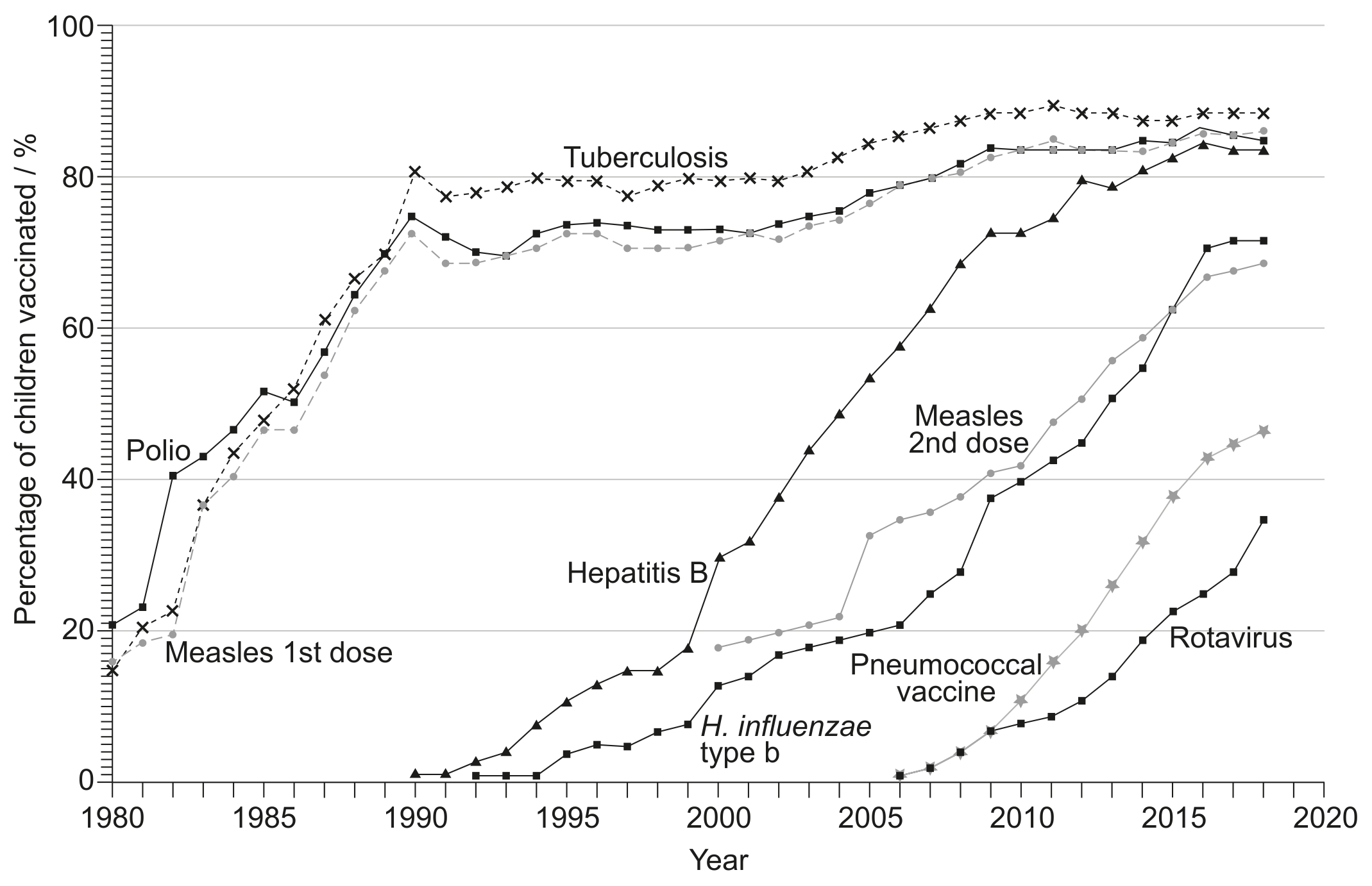
Vaccination programmes have led to decreases in child mortality. The graph shows global trends between 1980 and 2018 in the vaccination of children against seven different pathogens in the first year of their lives.

Question image
[ 2 ]

Question 1(c)(i)

(i)

Using the graph, identify the percentage who had received the tuberculosis vaccine in 2012.

[ 1 ]

Question 1(c)(ii)

(ii)

Calculate the difference in time between 40 % of children receiving the hepatitis B vaccine and 40 % receiving the pneumococcal vaccine.

[ 1 ]

Question 1(d)

(b)

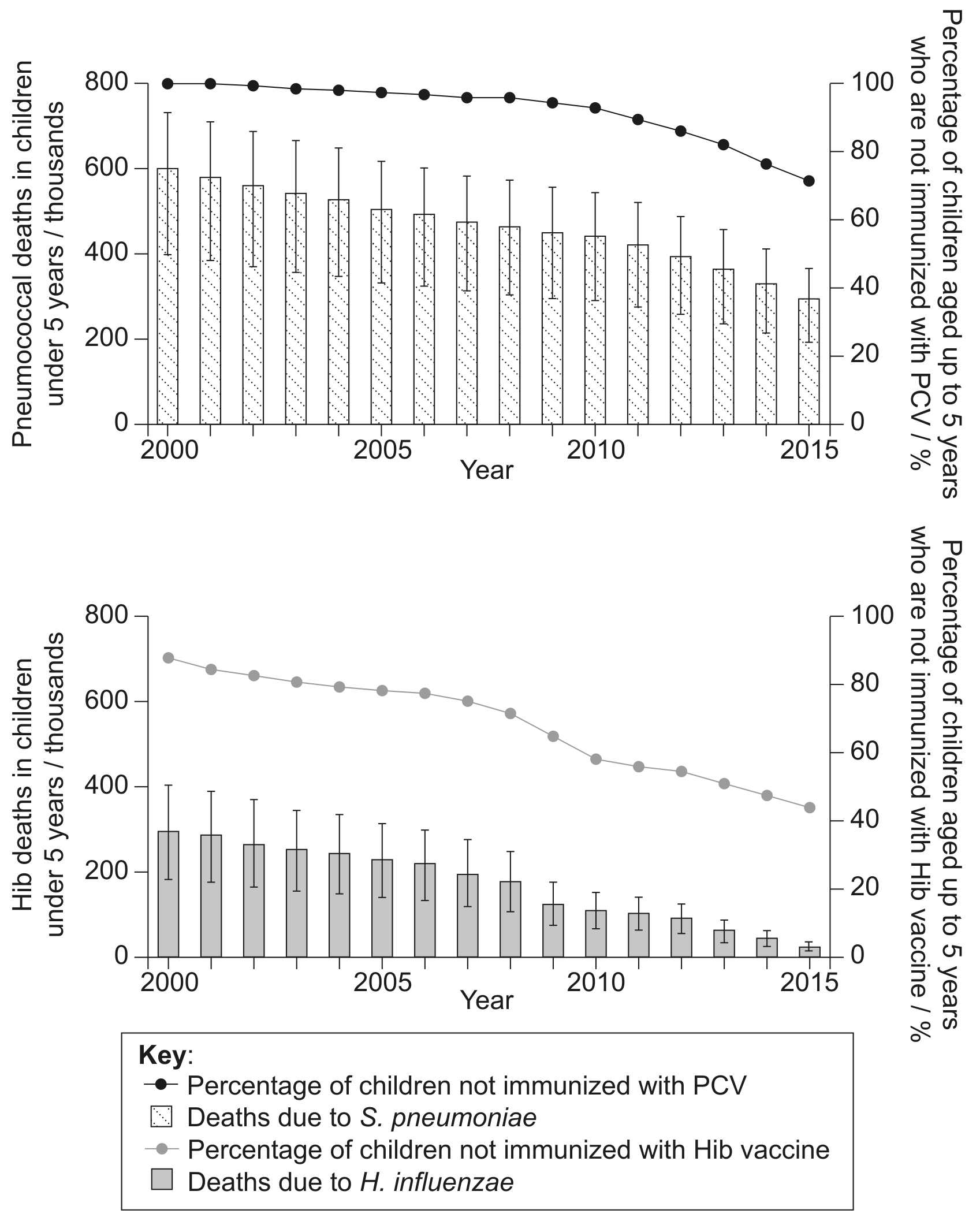
Children are immunized against diseases caused by Streptococcus pneumoniae with pneumococcal conjugate vaccine (PCV) and against diseases caused by Haemophilus influenzae with Haemophilus influenzae type b (Hib) vaccine.

The graphs show the estimated global percentages of children not vaccinated against S. pneumoniae and H. influenzae by the age of 5 and the estimated global death rates in children under 5 years, due to these pathogens, between 2000 and 2015.

Question image

Outline the conclusions that can be drawn from the graph showing data for PCV and S. pneumoniae.

[ 2 ]

Question 1(e)

(c)

Suggest reasons for the difference between the data for S. pneumoniae and H. influenzae.

[ 2 ]

Question 1(j)

(d)

Outline likely health benefits of universal PCV vaccination of children, other than reducing the incidence of ARI.

[ 2 ]

Question 1

[Maximum number: 3]

The black-legged tick (lxodes scapularis) is an arthropod which sucks blood from humans and other mammals. It is encountered mainly in wooded and semi-wooded areas.

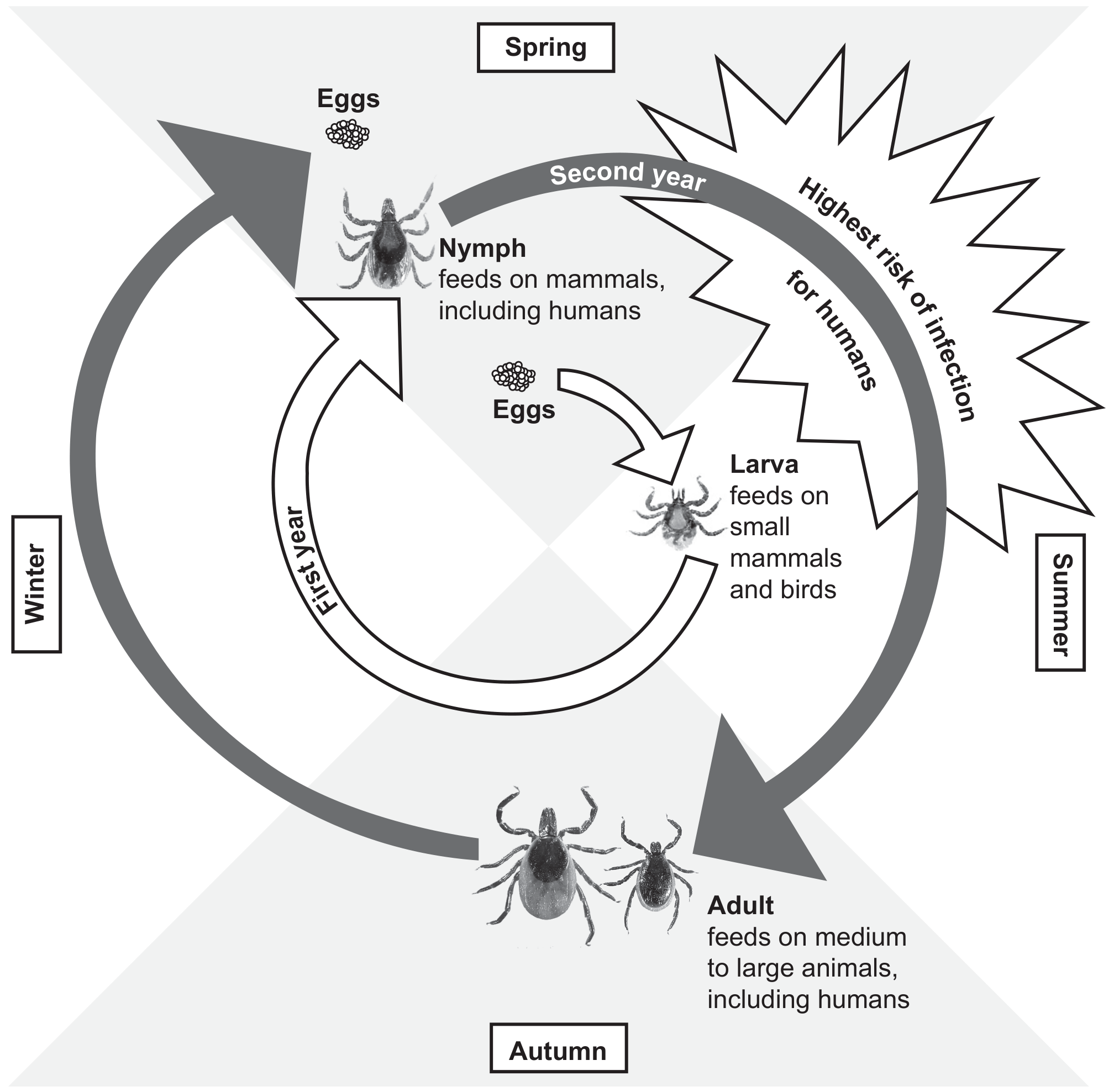
Some ticks can be infected by the bacterium Borrelia burgdorferi. When a tick bites a human, the bacterium is often introduced, causing Lyme disease. Lyme disease is a public health problem in North America and, if left untreated, can cause important neurological impairment. The diagram represents the two-year life cycle of a tick.

Question image

Question 1(f)

(a)

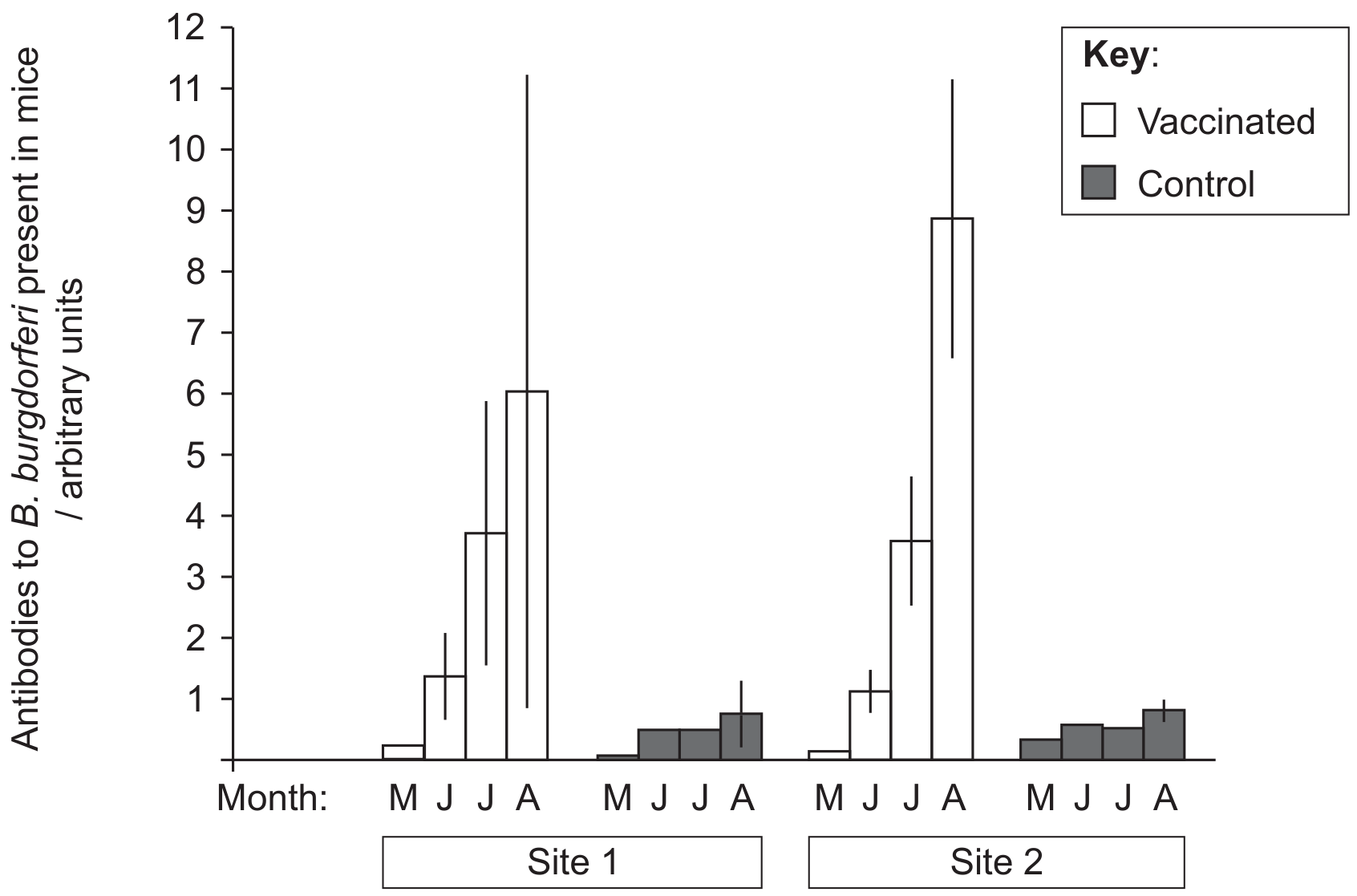
White-footed mice (Peromyscus leucopus) in eastern North America's wooded areas often host B. burgdorferi bacteria. To determine whether bacterial transmission from mice to tick nymphs could be prevented, mice were vaccinated with antigens from Lyme disease-causing B. burgdorferi. Scientists captured wild mice at two different sites in the woods once a month, over 4 months. Each time, they measured the levels of antibodies to B. burgdorferi present in the captured and re-captured mice, inoculated all of them, and released them into the woods. The control group was not vaccinated with B. burgdorferi antigen.

Question image
[ 3 ]

Question 1(f)(ii)

(i)

Suggest possible reasons for the observed pattern of presence of antibodies in vaccinated mice.

The summer after vaccination, the prevalence of B. burgdorferi infection in tick nymphs collected on mice from the two sites was measured.

Table
[ 3 ]

Question 1

[Maximum number: 1]

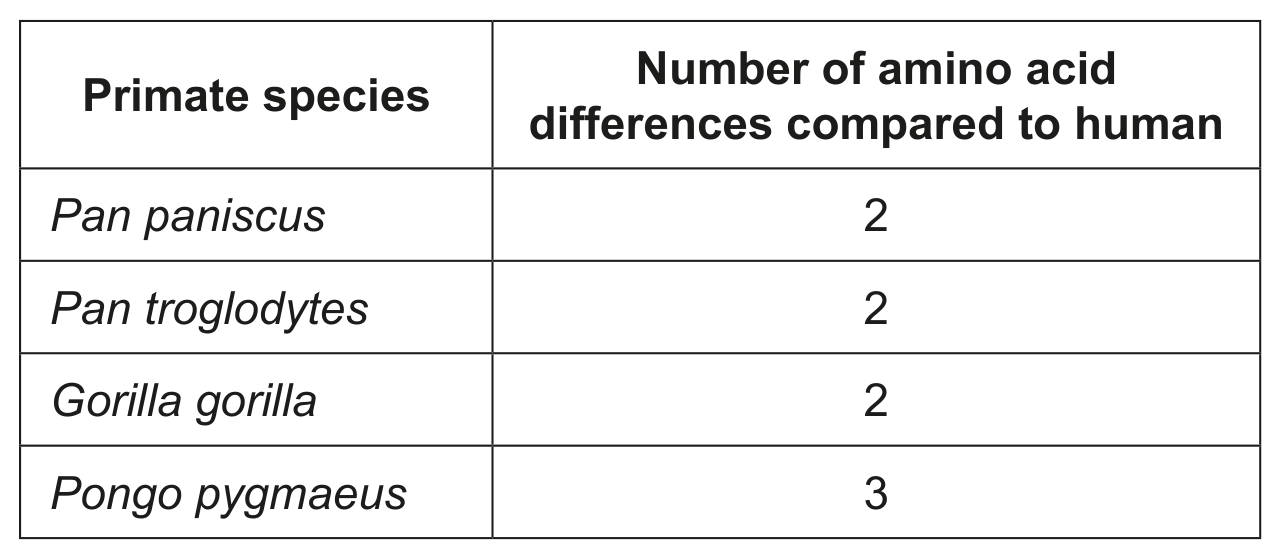
The table shows the number of amino acids that are different in the sequences of the protein FOXP2 from a human compared with four other primate species.

Table

Question 1(d)

(a)

Some infectious diseases in humans are caused by viruses that originated in other primates.

[ 1 ]

Question 1(d)(ii)

(i)

State the term used for an infectious disease that can transfer from other species to humans.

[ 1 ]

Question 2

[Maximum number: 2]

Pathogens are disease-causing organisms.

Question 2(a)

(a)

State two of the body's primary defences to pathogens.

[ 2 ]

Question 2

[Maximum number: 3]

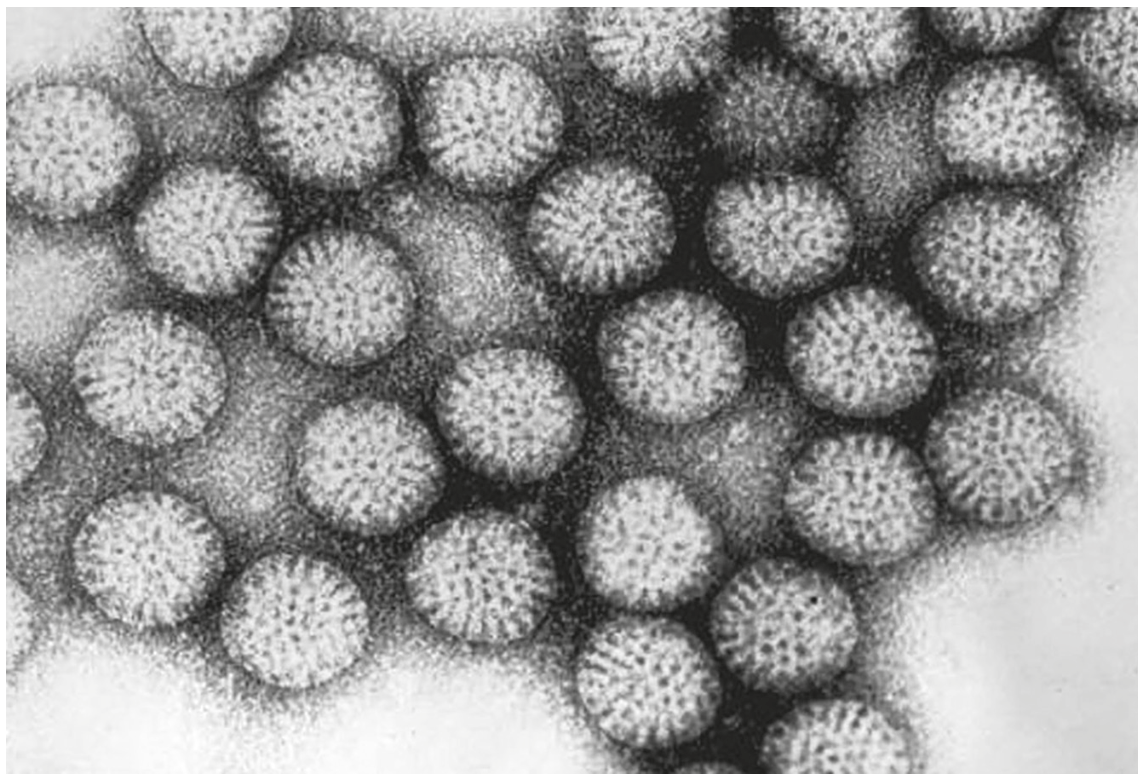
The figure shows a transmission electron micrograph of rotavirus particles. Each rotavirus is about 70 nanometres in diameter.

Question image

Question 2(b)

(a)

Rotavirus causes diarrhea and vomiting. Explain why viral diseases cannot be treated using antibiotics.

[ 2 ]

Question 2(c)

(b)

State the role of plasma cells in the immune system.

[ 1 ]

Question 3

[Maximum number: 2]

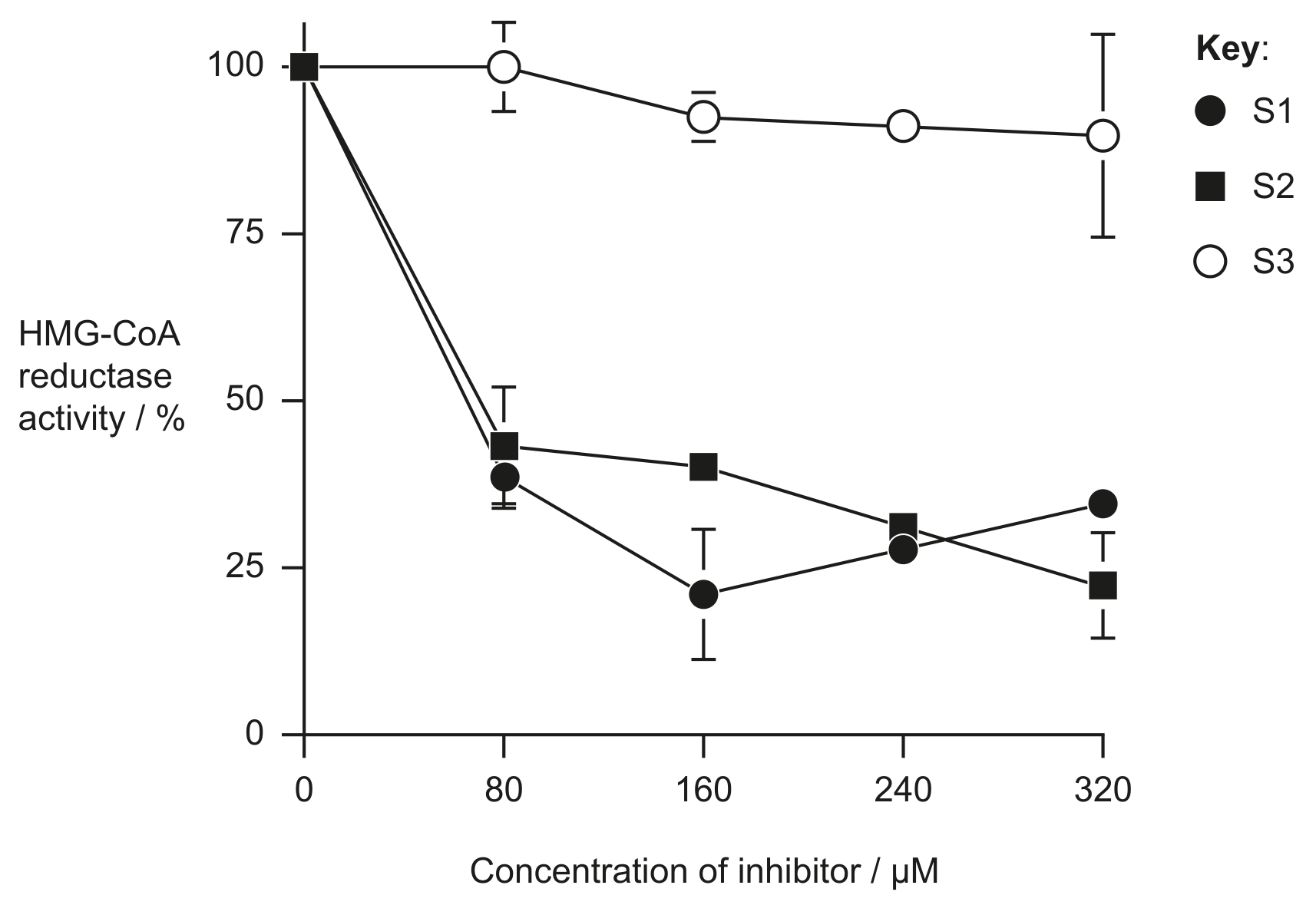
The inhibitory effect of three different statins ( S1, S2\mathrm{S} 1, \mathrm{~S} 2 and S 3 ) on the activity of HMG-CoA reductase, an enzyme involved in cholesterol metabolism in the liver, was investigated.

Question image

Question 3(e)

(a)

Describe the role of enzymes in one named process that prevents infections in the human body.

[ 2 ]

Question 15

[Maximum number: 1]

How does overuse of antibiotics make them less effective?

A

It makes patients develop antibiotic resistance.

B

It can cause a mutation in bacteria.

C

It causes antibiotics to change due to natural selection.

D

It increases the number of bacteria better adapted for survival.

Question 3

Question 3(b)

(a)

Outline the actions taken by the body to avoid infection when the skin is cut.

[ 3 ]

Question 3

[Maximum number: 6]

Antibiotics such as penicillin are secreted by fungi and other microorganisms in soil. By secreting them, a microorganism can inhibit the growth of a competitor.

In research published in 2014, nearly 3000 antibiotic resistance genes were discovered in soil microorganisms, giving resistance to 18 different antibiotics. The types of antibiotic resistance gene varied between soil types.

Question 3(a)

(a)

Explain how natural selection could increase the prevalence of an antibiotic resistance gene in a species of soil bacterium.

[ 3 ]

Question 3(b)

(b)

(i) There are viruses in soils that are pathogens of animals. Outline a reason for antibiotics in soil not eliminating these viruses.

[ 3 ]

Question 3(b)(i)

(i)

There are viruses in soils that are pathogens of animals. Outline a reason for antibiotics in soil not eliminating these viruses.

[ 1 ]

Question 3(b)(ii)

(ii)

Explain the reasons for antibiotics secreted into soil not harming insects or other animals in the soil.

[ 2 ]
0 selected