EduNinja

IB Biology HLC3.1 Integration of body systemsQuestion Bank

Question 1

[Maximum number: 6]

Auxin can be used to promote the development of roots from stem and leafy cuttings in some plants. In a study into the distribution of auxin in the development of these roots, scientists measured the amount of auxin in different leaves of a shoot tip of Petunia hybrida.

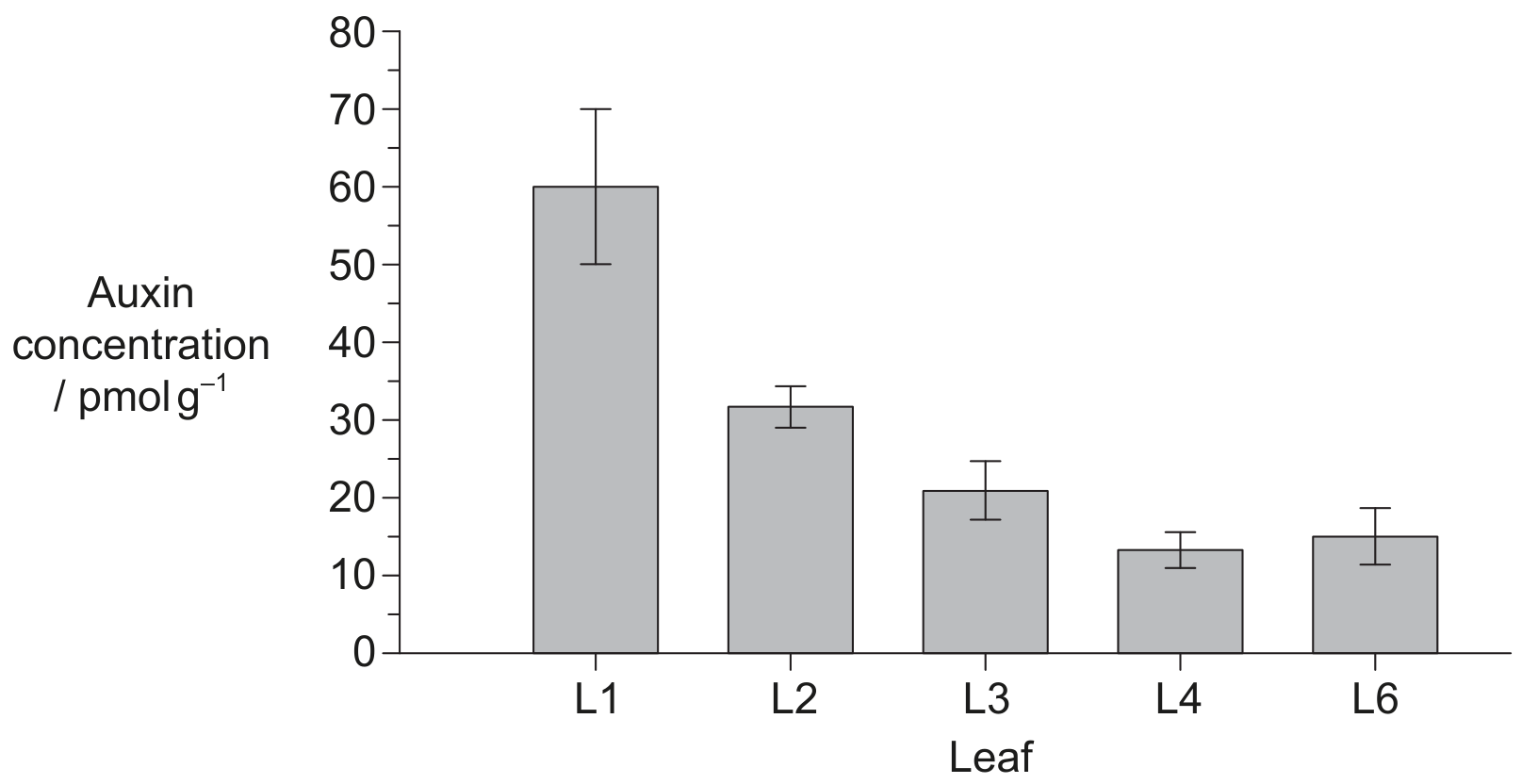
The figure indicates the numbering of leaves on the shoot, from L1 as the youngest and smallest to L6 as the largest and oldest leaf. The developmental stage of L5 and L6 was very similar, so L5 was not analysed. The stem base is the lowest part of the cutting where roots may form.
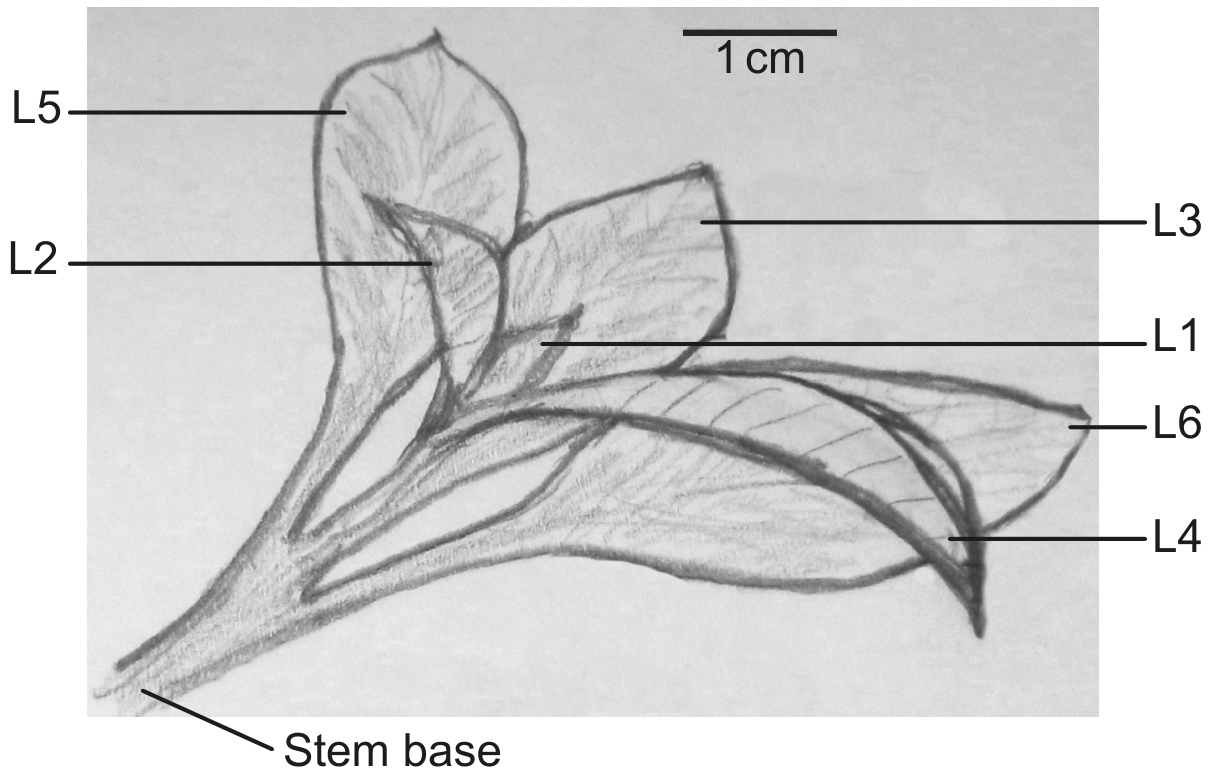
Question image

The graph shows the auxin concentration in the different leaves.
Question image

Question 1(c)

(a)

N-1-naphthylphthalamic acid (NPA) is an inhibitor used to block auxin transport. NPA was sprayed onto the leaves of a set of cuttings for 14 days. Development of the roots in control (non-treated) and NPA-treated cuttings was measured 14 days after taking the cuttings. The table shows the influence of NPA on rooting.

Question image

Analyse the effect of NPA on the formation of roots.

[ 2 ]

Question 1(d)

(b)

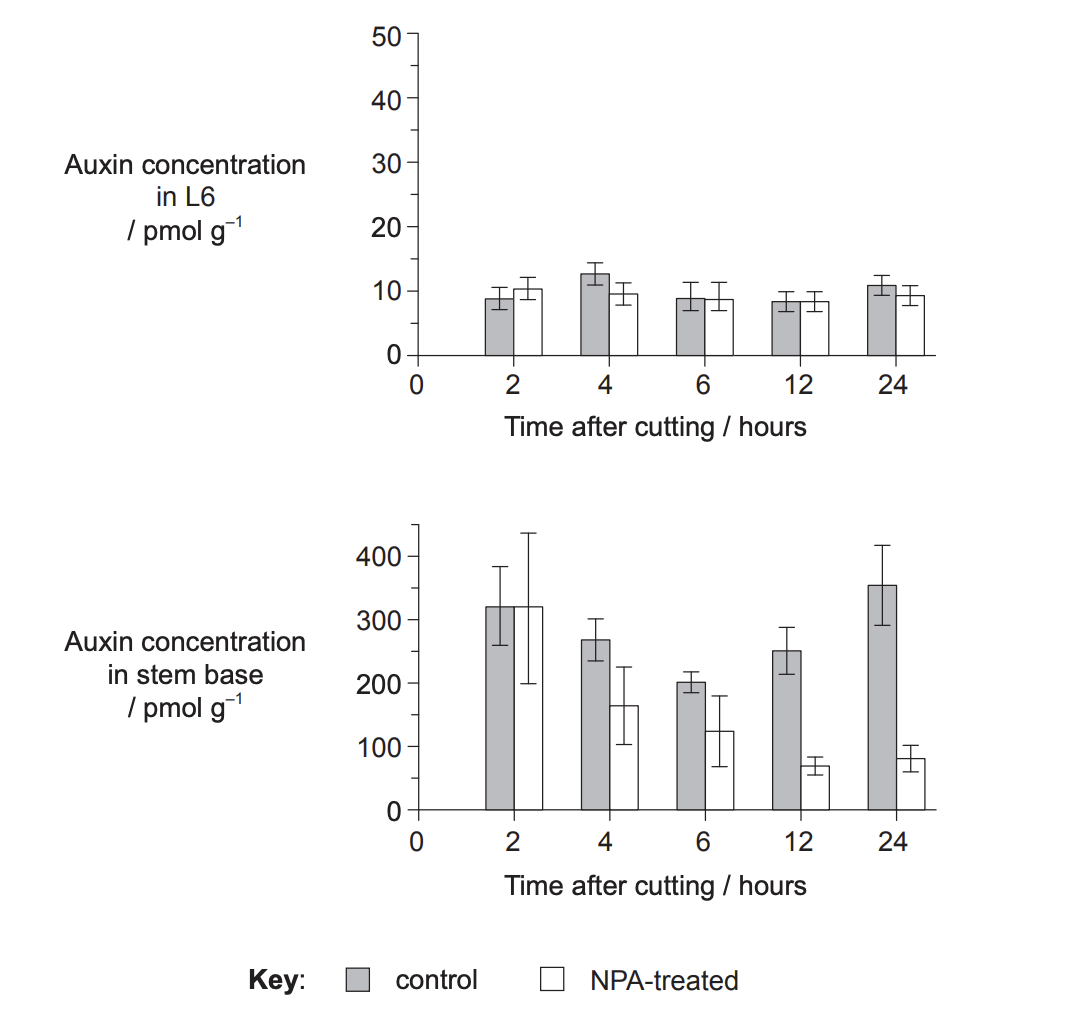
The scientists also measured the changes in auxin concentration in L6 and the stem base during the early period of root formation. They recorded the concentration in the control and NPA-treated cuttings for 24 hours after taking the cuttings.
Question image
[ 4 ]

Question 1(d)(i)

(i)

Compare and contrast the changes in auxin concentration in the stem base over time for the control and NPA-treated cuttings.

[ 2 ]

Question 1(d)(ii)

(ii)

Deduce the effect of NPA on auxin transport between L6 and the stem base.
[ 2 ]

Question 2

[Maximum number: 1]

Though a single nerve cell does not think, millions of them organized as a brain result in thinking. What kind of property does thinking represent?

A

Anatomical

B

Adaptive

C

Extracellular

D

Emergent

Question 3

[Maximum number: 3]

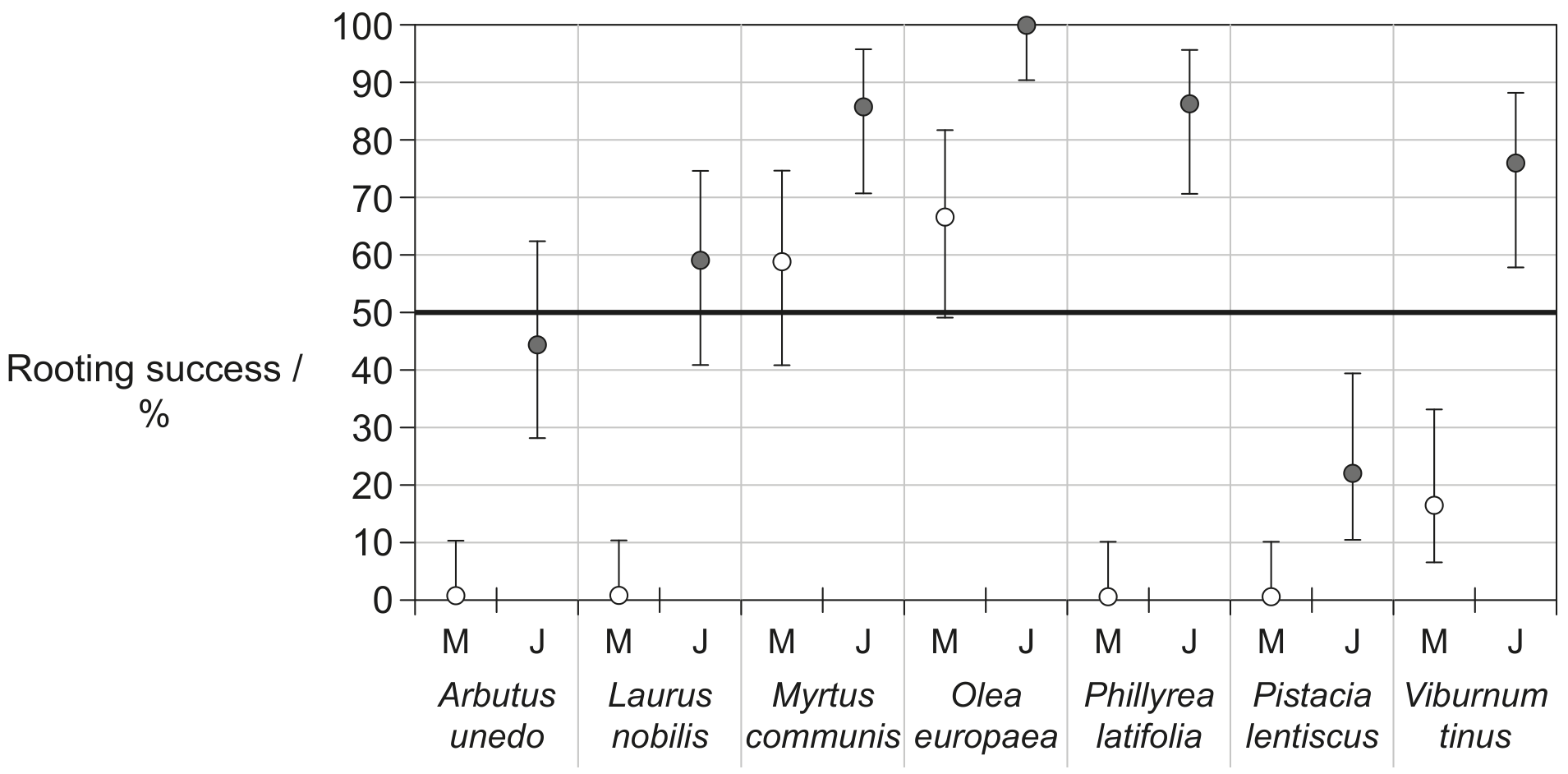
Achieving successful rooting of cuttings is difficult in some shrub species. An experiment was undertaken to determine whether juvenile shoots (J) of shrubs root more successfully than mature shoots (M).

Question image

Key: ○ mature shoots (M) ○ juvenile shoots (J)

Question 3(d)

(a)

Auxin is a hormone that can be applied to improve the percentage success of rooting in those study plants with poor rooting success. Explain the effects of auxin on plant cells.

[ 3 ]

Question 2

[Maximum number: 2]

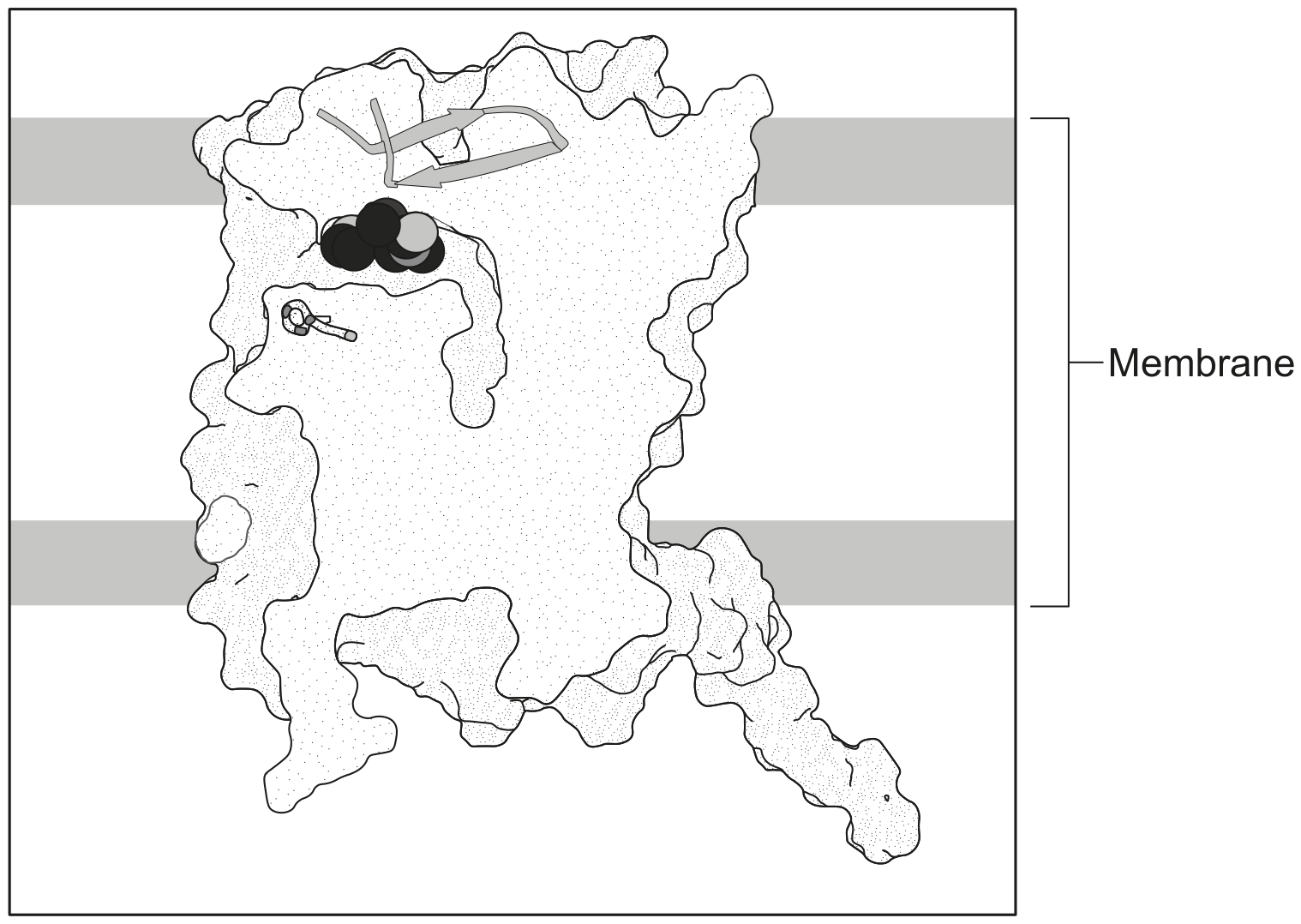
The diagram shows a section through the melatonin receptor, with melatonin attached to its binding site. Darker grey areas show the surface of the protein and paler areas are internal. The membrane in which this receptor is located is also shown.

Question image

Question 2(d)

(a)

Outline the role of melatonin in humans.

[ 2 ]

Question 4

[Maximum number: 3]

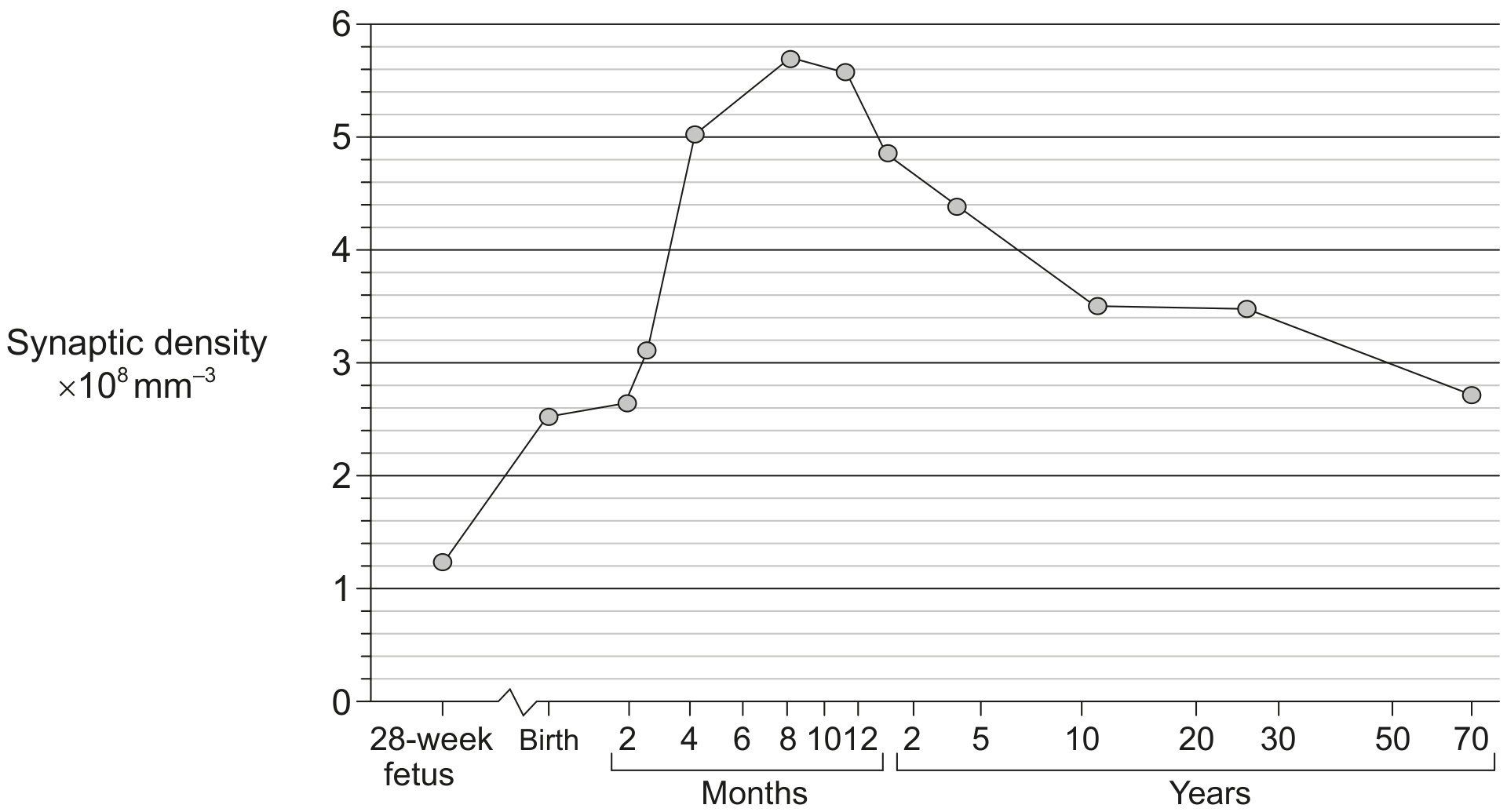
Synaptic density is the number of synapses per unit volume. The graph shows the synaptic density for a 28 -week-old fetus, and from birth to age 70.

Question image

Question 4(b)

(a)

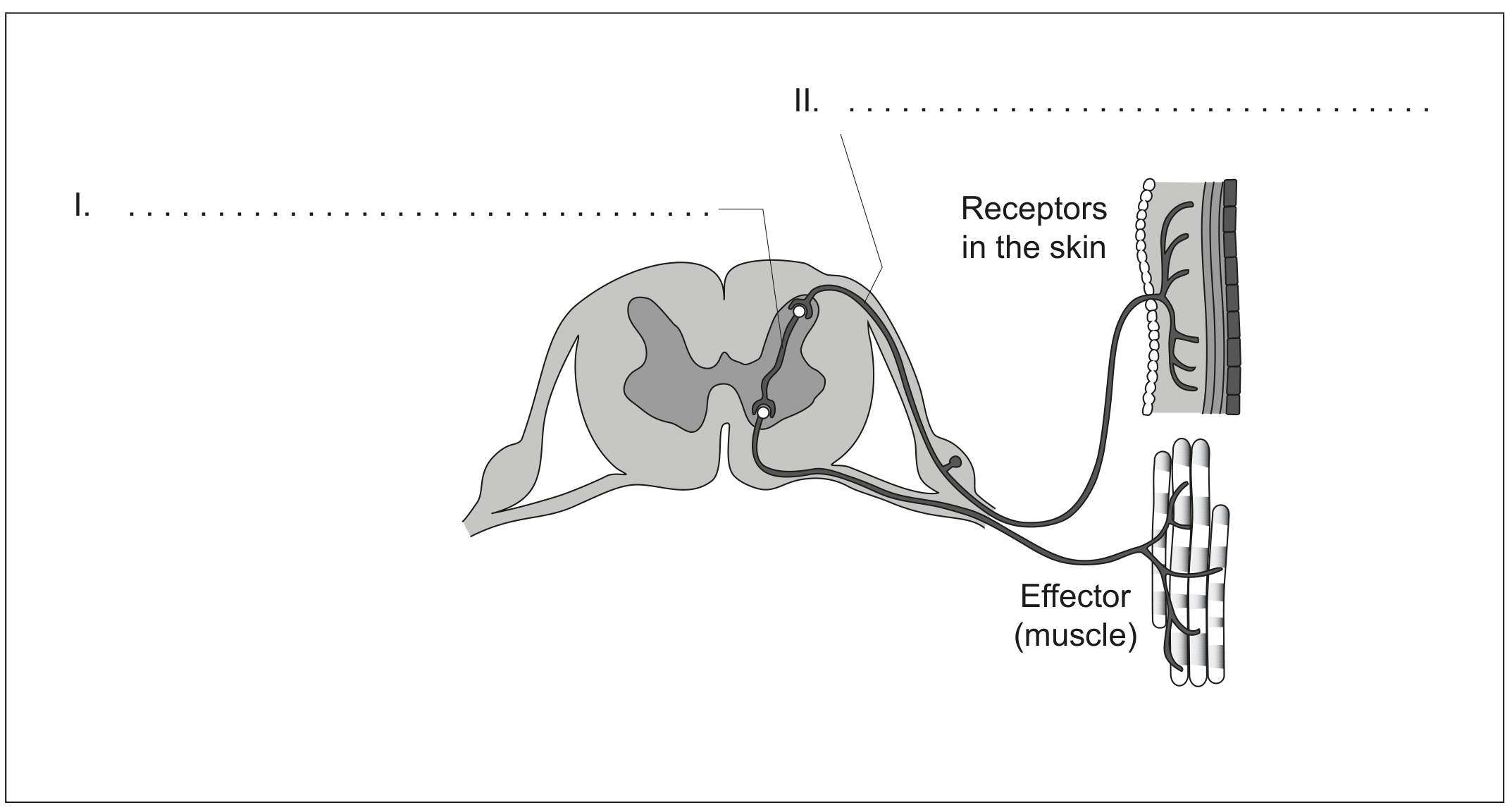
Label the diagram of the reflex arc with the names of the neurons indicated.

Question image
[ 2 ]

Question 4(c)

(b)

Draw an arrow on the diagram of the reflex arc to show the direction of impulses.

[ 1 ]

Question 4

[Maximum number: 1]

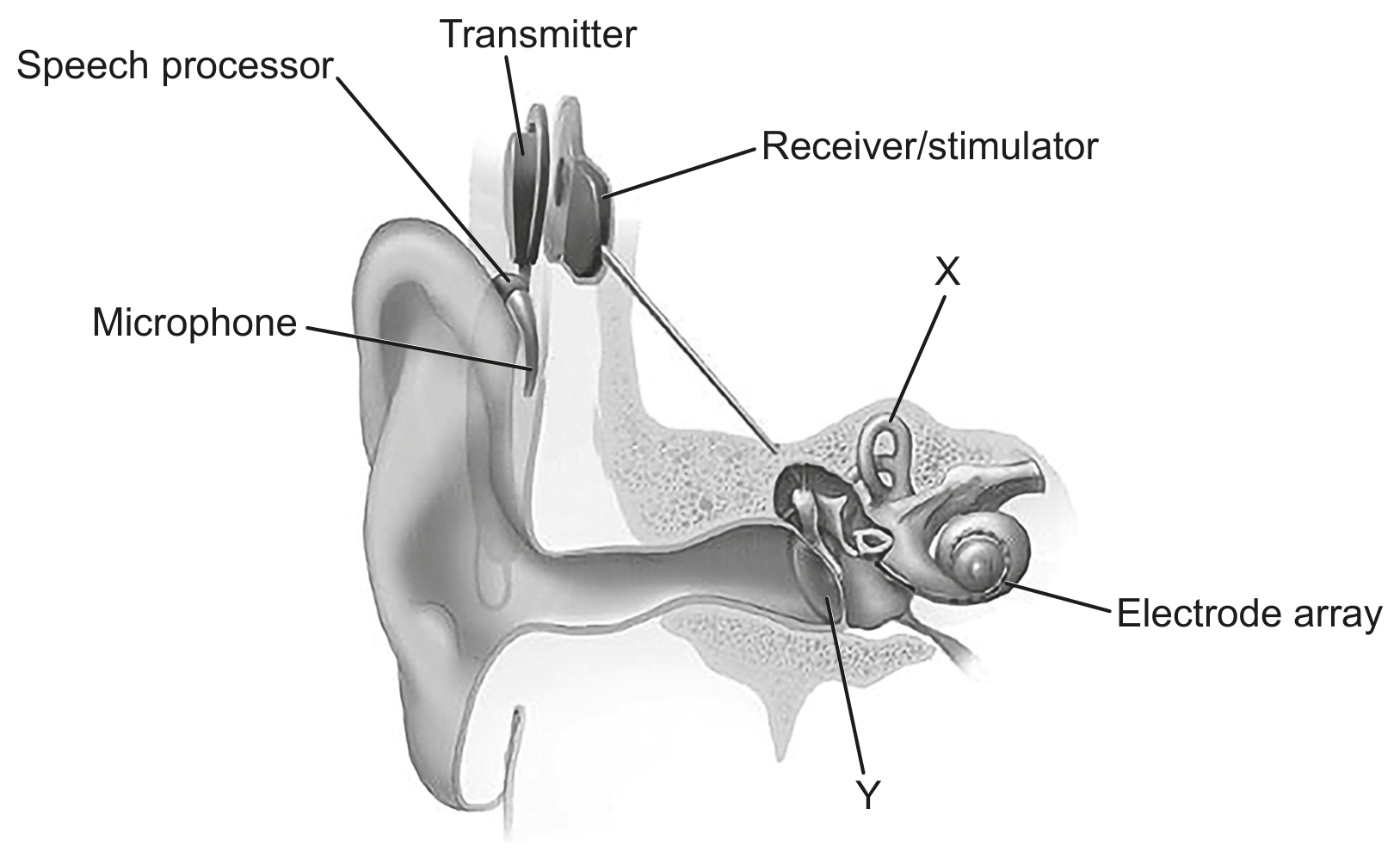
Hearing loss can range from mild to severe. Cochlear implants have been used in those with profound hearing loss such as children who are born deaf. The image shows a cross section of the ear with a cochlear implant.

Question image

Question 4(b)

(a)

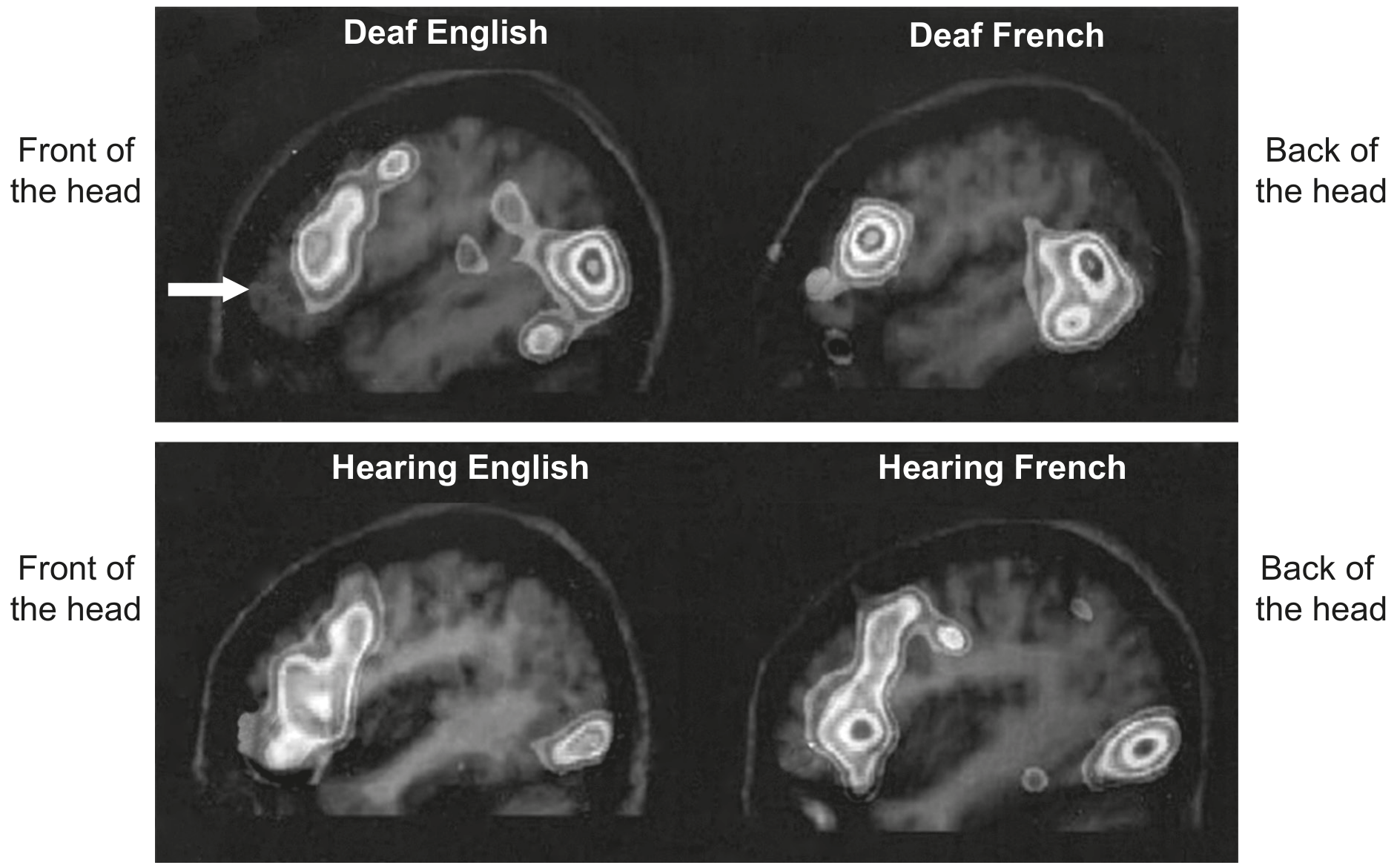
People who are deaf often learn to communicate using sign language. In a study, brain imaging was carried out using functional magnetic resonance imaging (fMRI) of profoundly deaf and hearing people who were processing the same aspects of language. The deaf individuals in the study used either an English sign language or a French sign language.

Question image
[ 1 ]

Question 4(b)(ii)

(i)

Compare the general patterns of activation in the brain shown when all of the individuals in the study processed language.

[ 1 ]

Question 5

[Maximum number: 1]

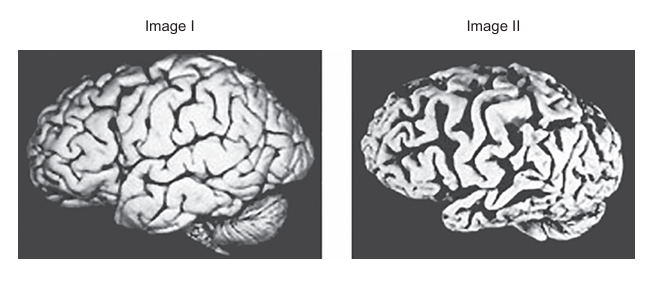
The images show differences in structure between the brain of a person without Alzheimer's disease (image I) and the brain of a patient with Alzheimer's disease (image II).

Question image

Question 5(a)

Question 5(a)(ii)

(a)
(i)

State one function of the cerebellum.

[ 1 ]

Question 4

[Maximum number: 1]

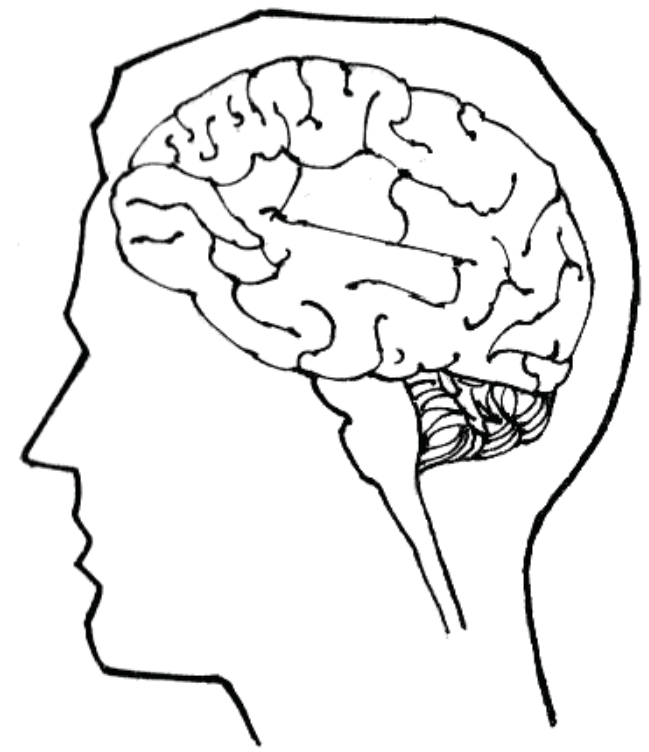
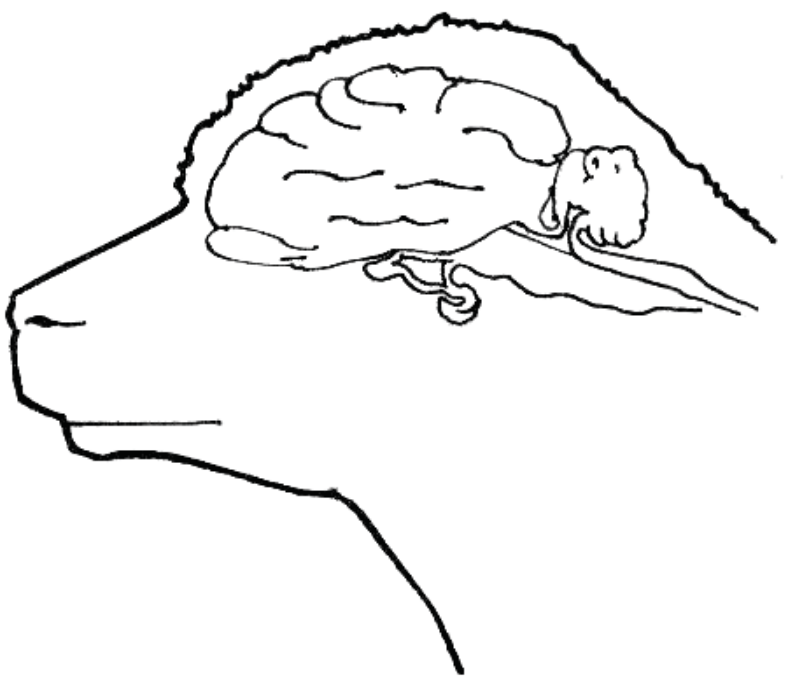
The figures below show a human and a sheep brain.

Human brain

Human brain

Sheep brain

Sheep brain

Question 4(c)

(a)

State the name of the part of the brain that controls breathing rate.

[ 1 ]

Question 5

[Maximum number: 2]

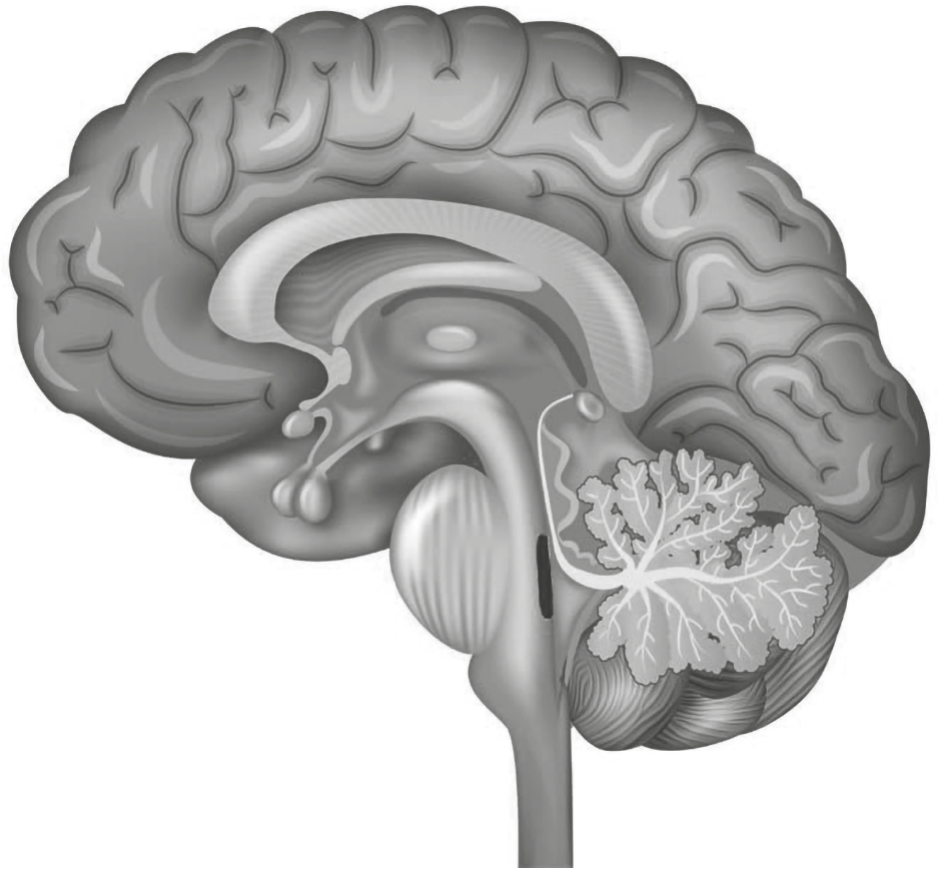
The drawing shows a vertical section through the brain.

Question image

Question 5(a)

Question 5(a)(ii)

(a)
(i)

State a function of the cerebellum.

[ 1 ]

Question 5(b)

(b)

On the diagram, label one named structure that produces hormones.

[ 1 ]

Question E2

Question E2(a)

(a)

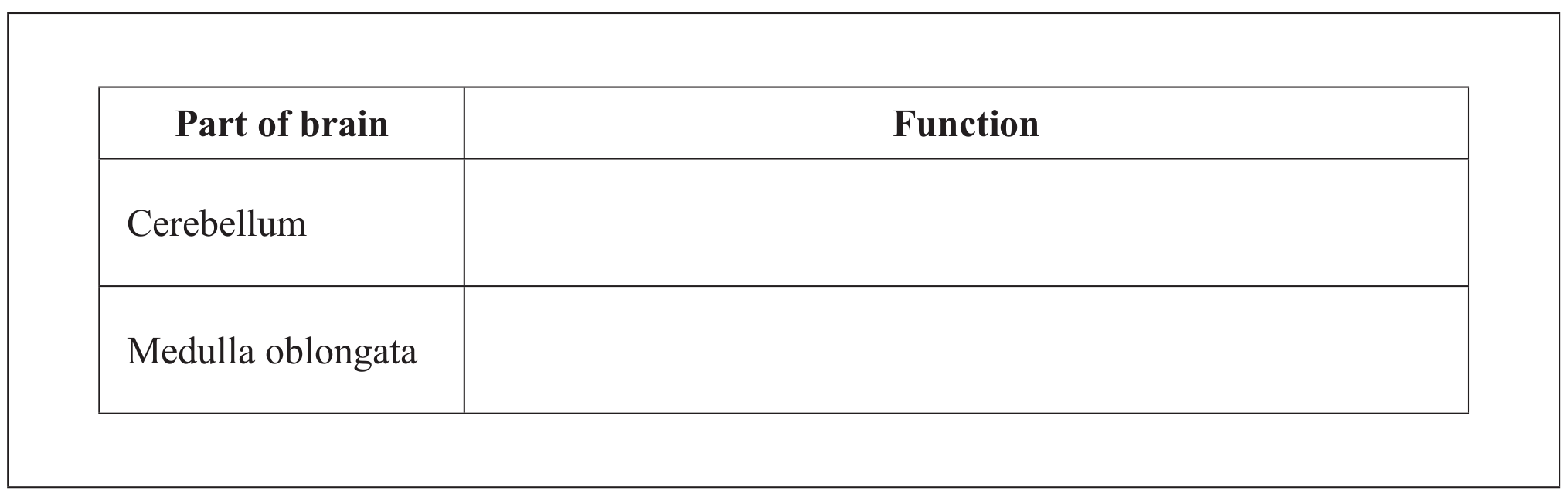
Outline one function for each of the following parts of the brain.

Table
[ 2 ]

Question E2(b)

(b)

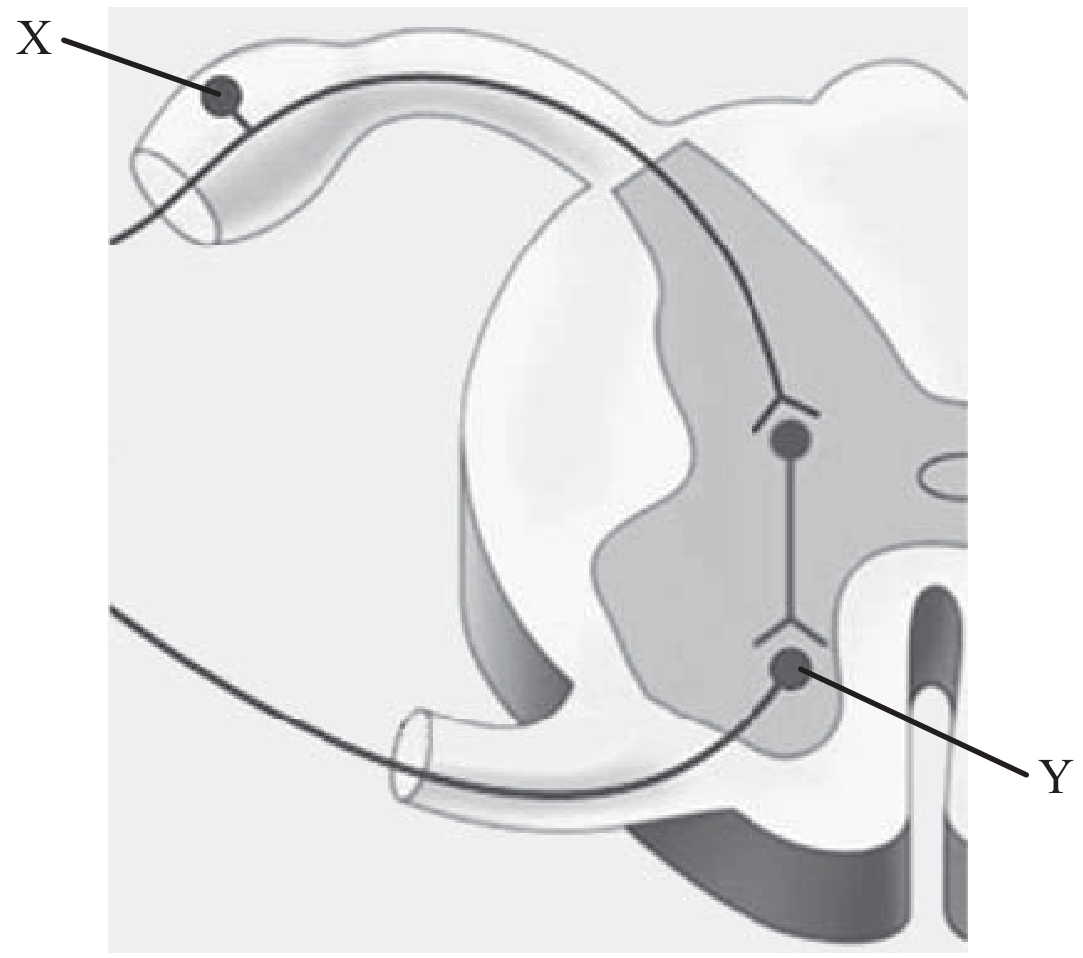
The following diagram shows a section through the spinal cord.

Question image
[ 1 ]

Question E2(b)(iii)

(i)

Define the term reflex.

[ 1 ]
0 selected