EduNinja

IB Biology HLB4.1 Adaptation to environmentQuestion Bank

Question 1

[Maximum number: 3]

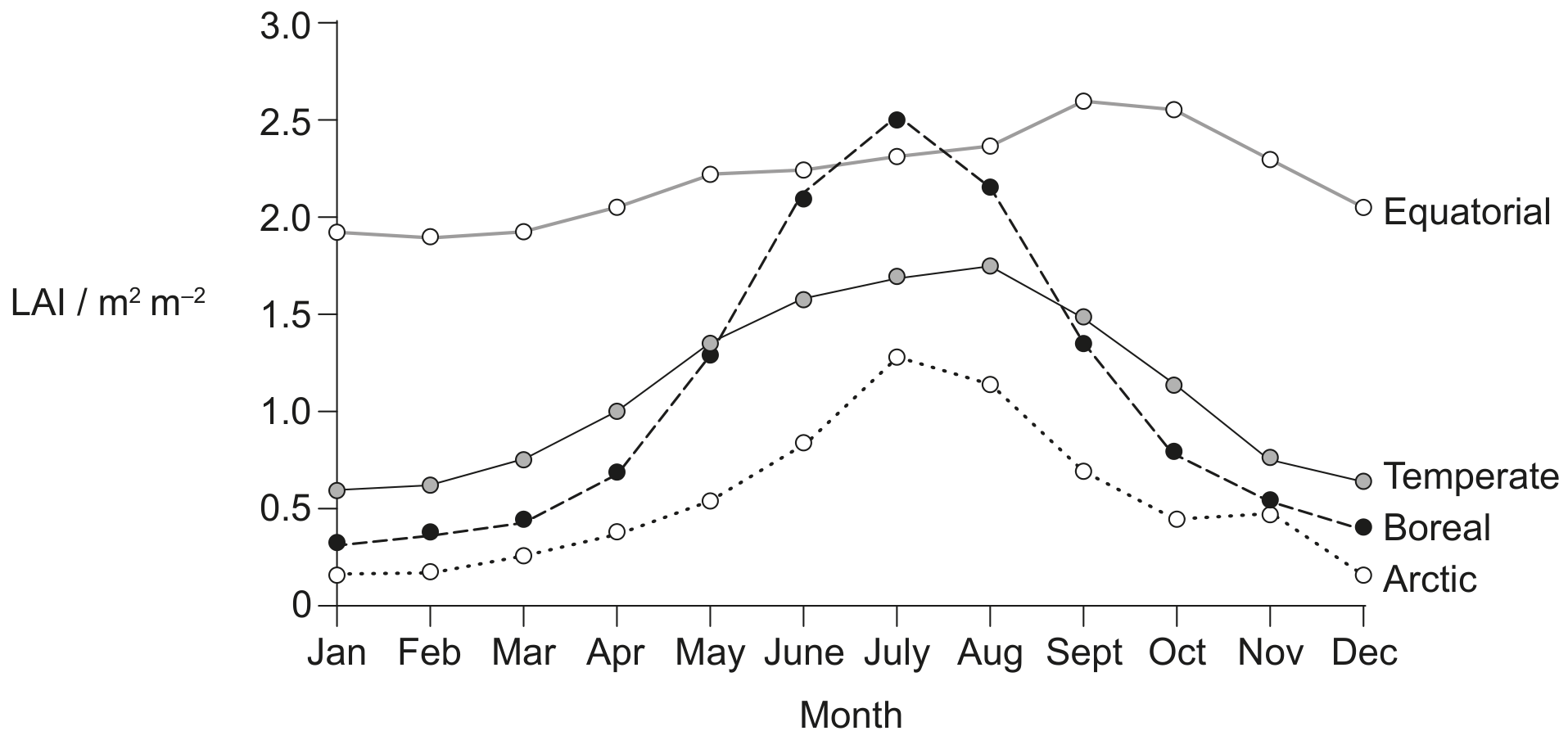
Remote sensing satellites are used to monitor the Earth's ecosystems. One measure of ecosystem status is leaf area index (LAI), which is the total area of leaves in square metres per square metre ( m2 m2\mathrm{m}^{2} \mathrm{~m}^{-2} ) of the Earth's surface. The graph shows LAI estimates, calculated using data from the Global Inventory Monitoring and Modelling System (GIMMS), during the period from 1981 to 2011. The data points are monthly averages in four latitudinal zones in the northern hemisphere.
Question image

Question 1(b)

(a)

Suggest reasons for the differences in LAI between the boreal and equatorial zones.

[ 3 ]
Question 1

[Maximum number: 2]

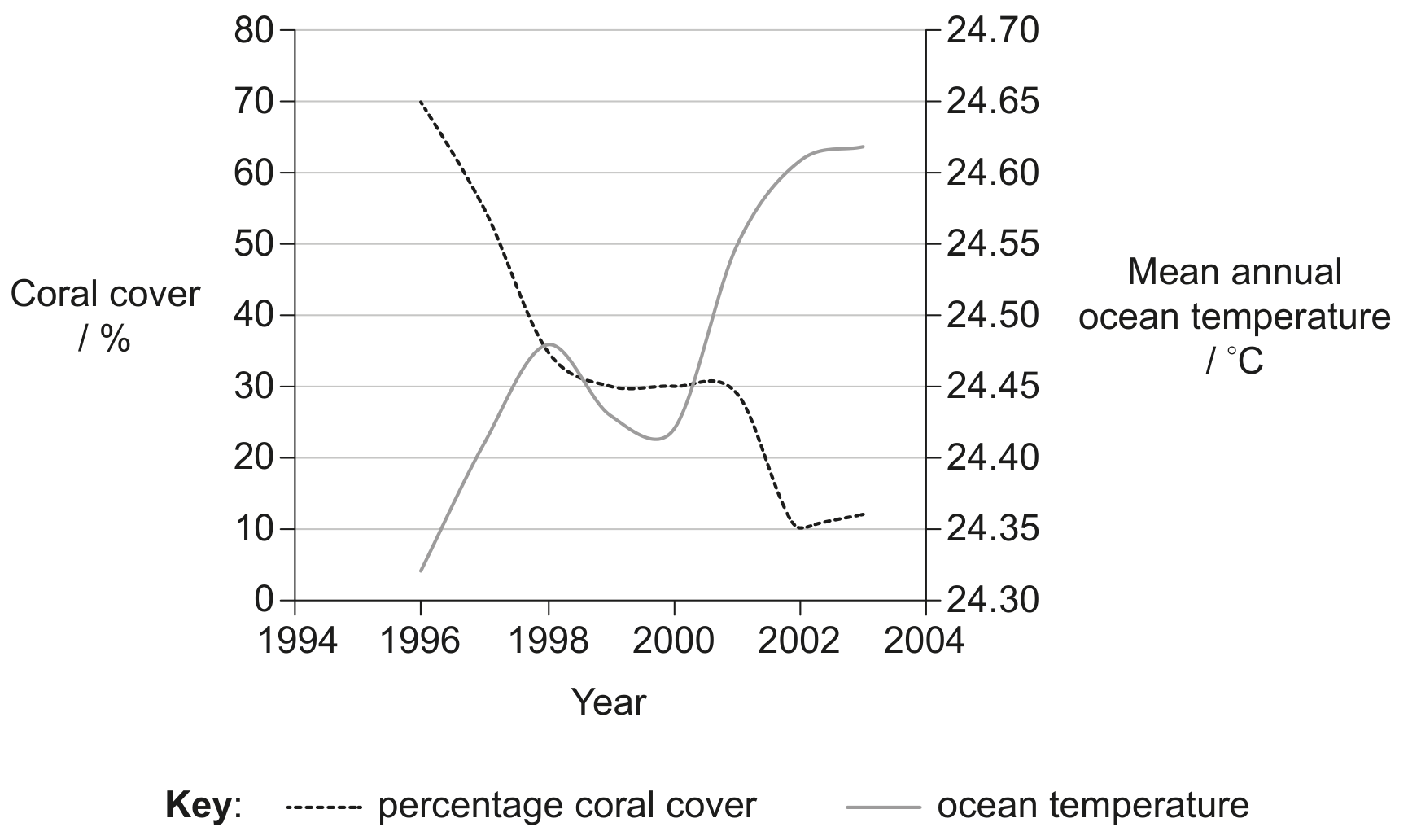
Coral reefs are among the most spectacular ecosystems on Earth. They support a rich diversity of life and provide economic benefits to the people who use them. In Papua New Guinea in the Pacific Ocean north of Australia the following data were collected. Coral cover is the percentage of the reef surface covered by live hard coral.

Question image

Question 1(b)

(a)

Describe the evidence that the ocean temperature has an effect on coral cover.

[ 2 ]

Question 1

[Maximum number: 2]

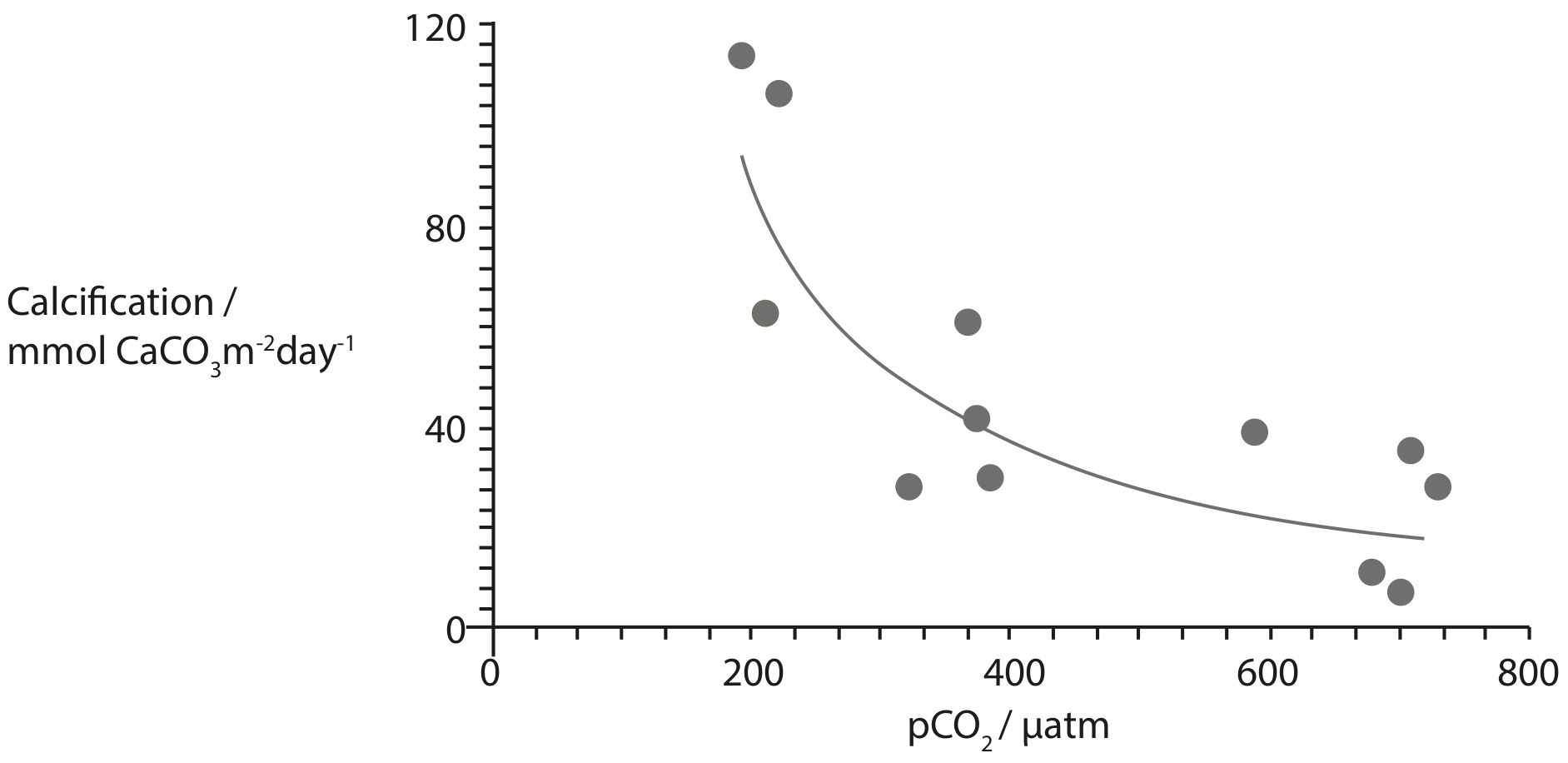
Increasing carbon dioxide concentration in the atmosphere leads to acidification of the ocean. This in turn reduces the amount of dissolved calcium carbonate. A study was undertaken to investigate the effect of increasing the concentration of atmospheric carbon dioxide on the calcification rate of marine organisms. Calcification is the uptake of calcium into the bodies and shells of marine organisms. The study was undertaken inside Biosphere-2, a large-scale closed mesocosm. The graph shows the results of the data collection.

Question image

Question 1(c)

(a)

Outline one way in which reef-building corals are affected by increasing atmospheric carbon dioxide.

[ 2 ]

Question 1

[Maximum number: 5]

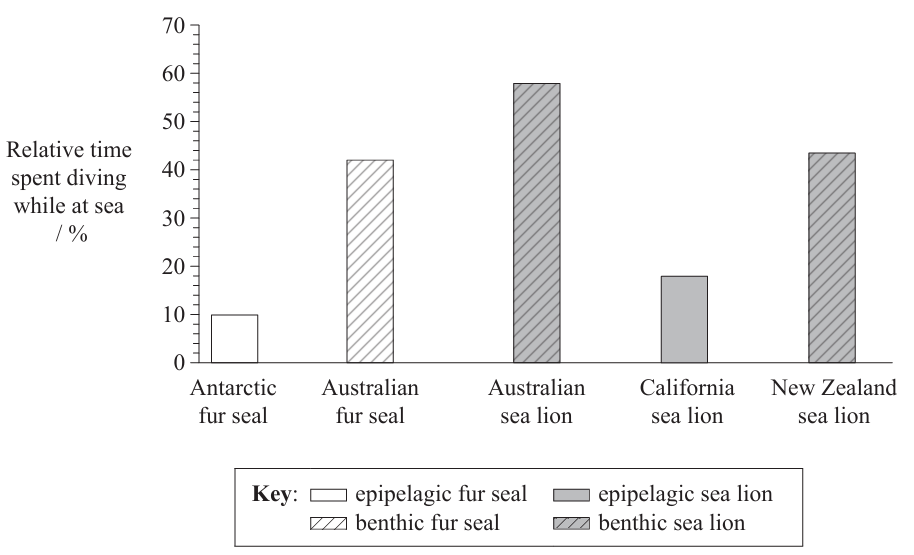
Pinnipeds are marine mammals with fins or flippers and include fur seals and sea lions. Some pinnipeds forage for prey near the surface (epipelagic) while others forage on the bottom of the sea (benthic). The graph shows the foraging behaviour and the relative time spent diving while at sea for five pinniped species.

Question image

Question 1(c)

(a)

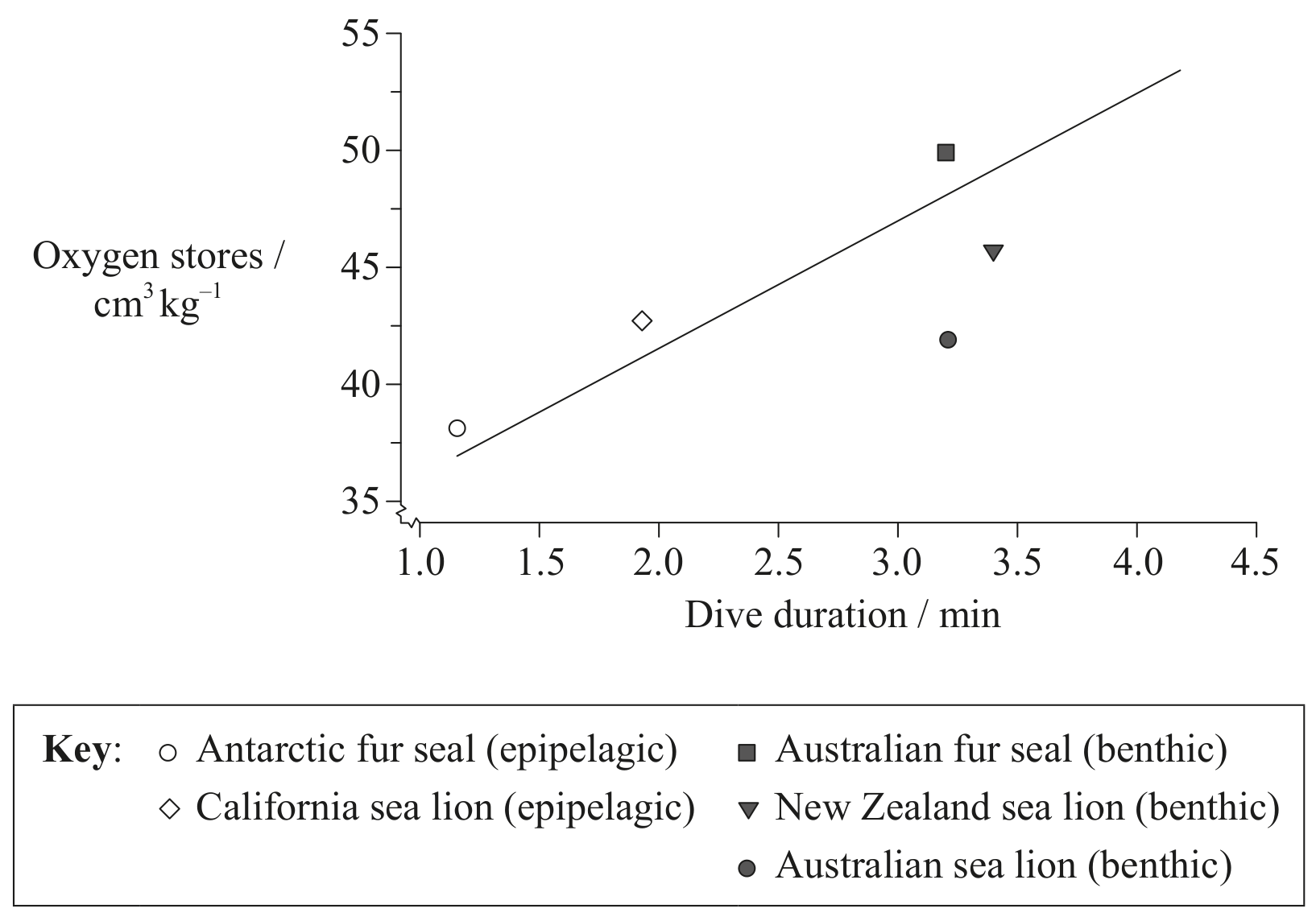
Different species are able to store different amounts of oxygen in their muscle tissues in preparation for diving. The graph shows the relationship between typical dive duration and oxygen storage in tissues in the same five species.

Question image

State the oxygen stores for a New Zealand sea lion for a dive of 3.4 minutes.
cm3 kg1\mathrm{cm}^{3} \mathrm{~kg}^{-1}

[ 1 ]

Question 1(e)

(b)

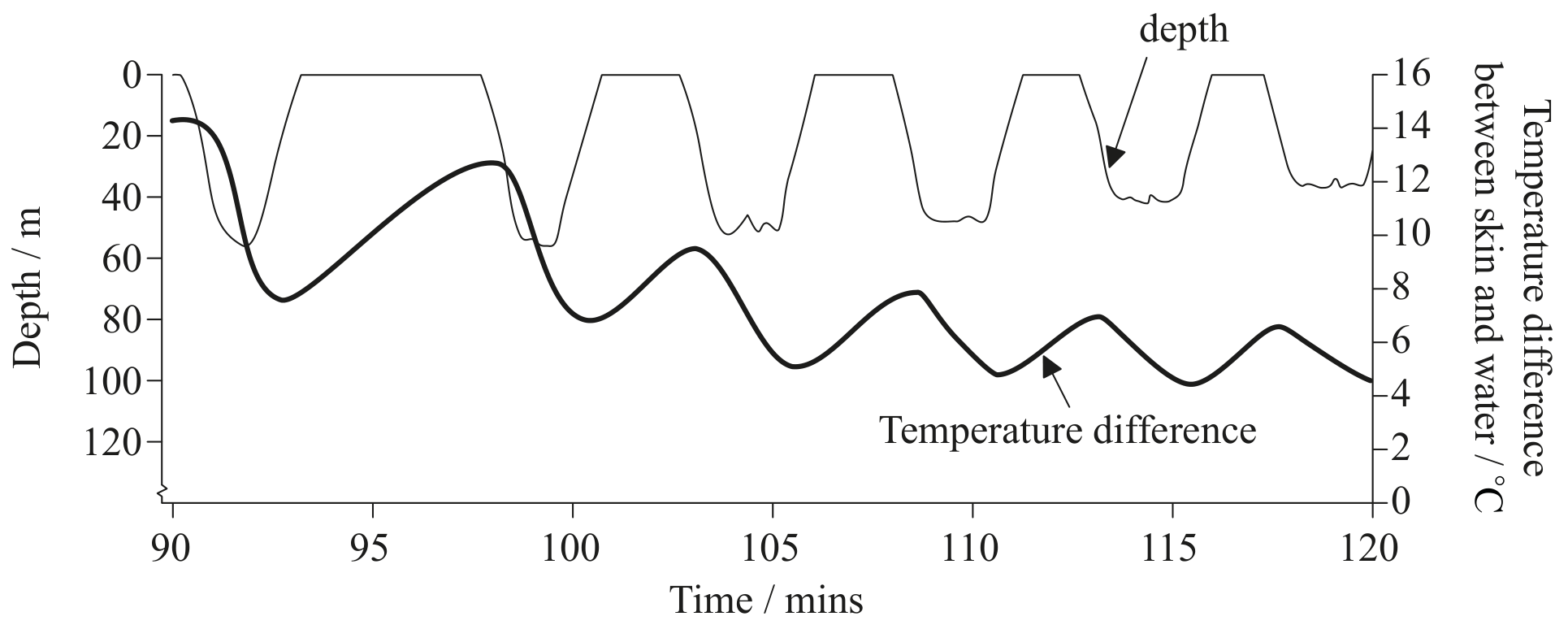
In another study on the Antarctic fur seal (epipelagic), scientists measured the temperature difference between the skin of diving seals and the water at all depths of the dives. The data shown is for one fur seal during one period of dives.

Question image

Describe the variations in the

[ 4 ]

Question 1(e)(i)

(i)

Describe the variations in the characteristics of each successive dive during the period investigated.

[ 2 ]

Question 1(e)(ii)

(ii)

Describe the variations in the difference between the temperature of the skin and the water during the period investigated.

[ 2 ]

Question 1

[Maximum number: 2]

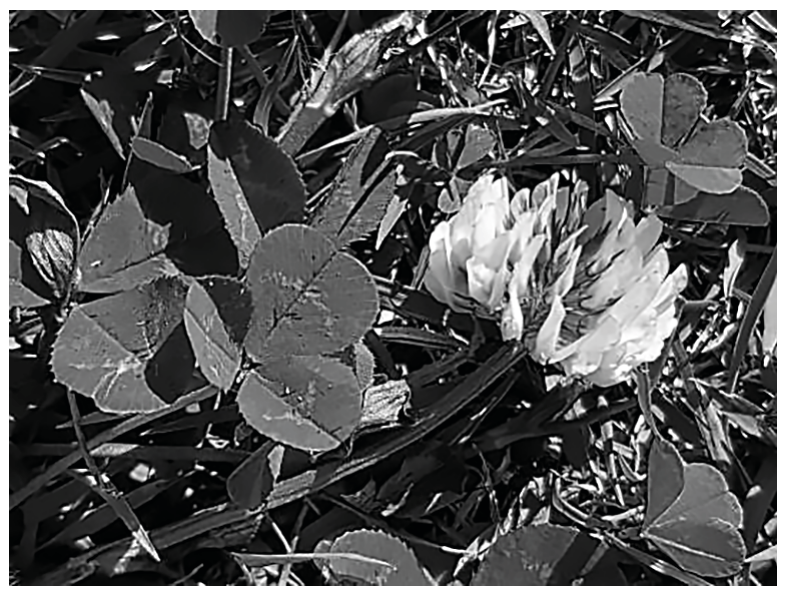
White clover (Trifolium repens) is native to Eurasia but is now a common plant found worldwide in lawns, next to roads, in pastures and similar habitats.

Question image

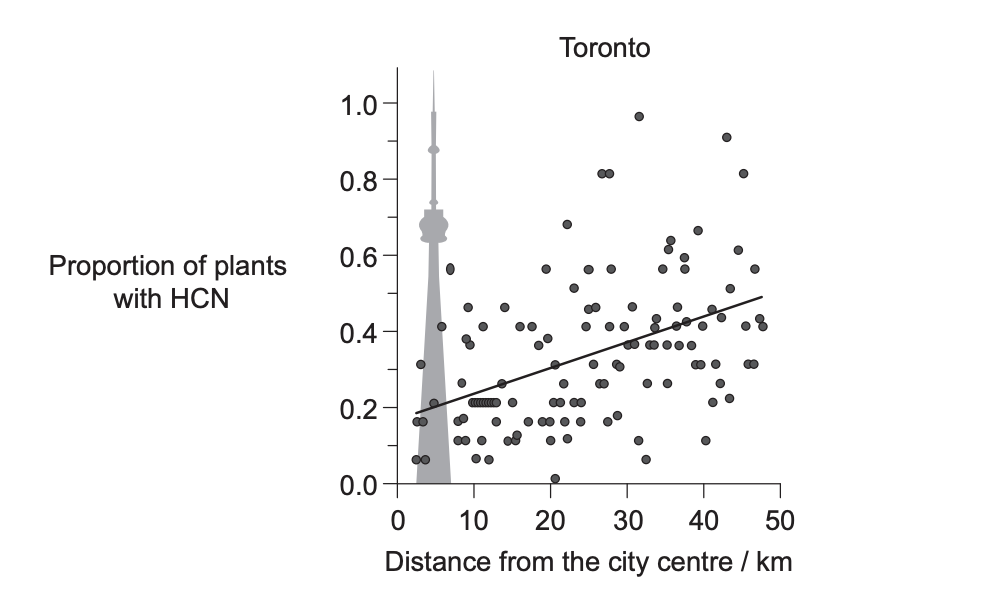
Some T. repens plants are able to produce the toxin hydrogen cyanide (HCN) by cyanogenesis. A study at 128 sites ( 2509 plants) in Toronto (Canada) looked at the proportion of T. repens plants producing HCN. The sites were at regular intervals from the city centre towards rural areas.

Question image

Question 1(d)

(a)

The researchers then investigated a possible correlation between cyanogenesis and exposure to freezing conditions. It had been proposed that when a cyanogenic plant freezes, its cells burst, releasing HCN which is toxic to the plant. Snow can insulate the ground and plants from freezing temperatures. However, snow is more likely to melt in cities, which then exposes plants to freezing temperatures.

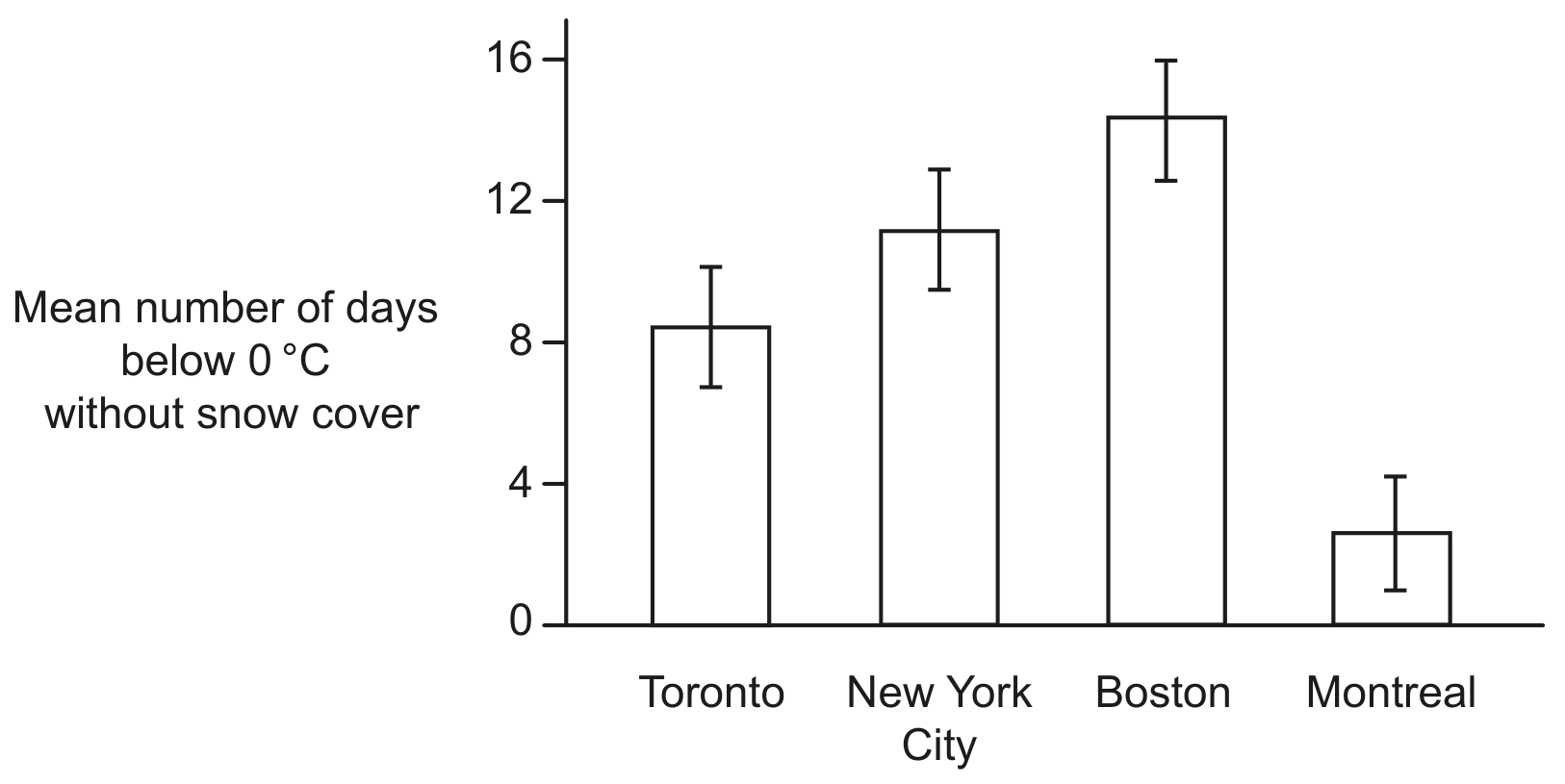
All four of the cities studied receive below freezing temperatures and winter snowfall. Researchers looked at the number of days below freezing (0C)\left(0^{\circ} \mathrm{C}\right) that did not have snow cover in these cities.

Question image
[ 2 ]

Question 1(d)(ii)

(i)

Using all of the data so far, suggest whether exposure to freezing temperatures in the four cities is supported as a reason for the differences in HCN production in T. repens.

[ 2 ]

Question 1

[Maximum number: 2]

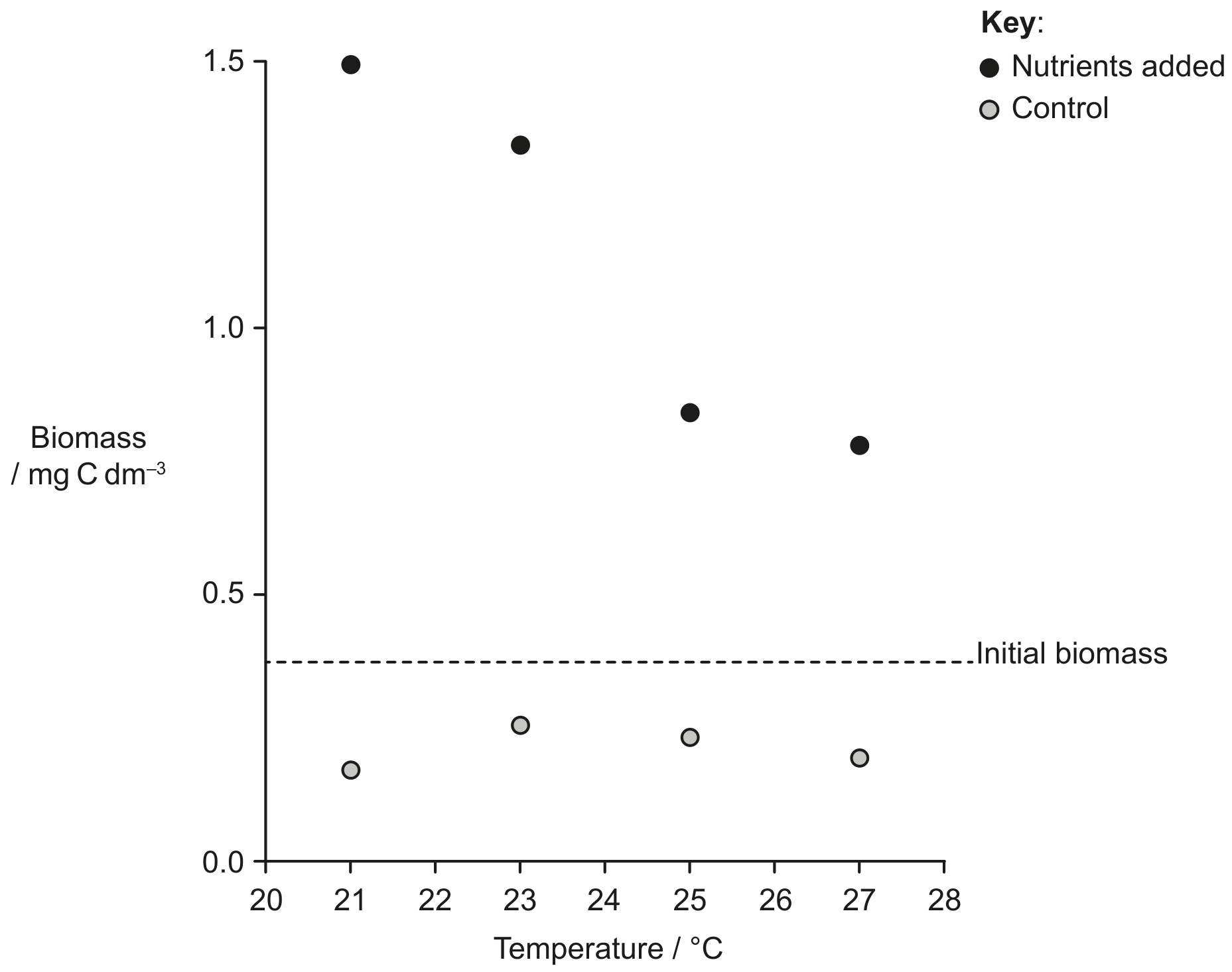
A community living in the water of an estuary was used to investigate how climate change may affect ecological systems. The food web in this community included phytoplankton (producers), zooplankton (consumers) and saprotrophic bacteria. Small plastic mesocosms were set up with water from the estuary containing only these three groups of organisms. The mesocosms were subjected to four different temperatures and two nutrient levels (control and nutrients added) to replicate local variations of the conditions in the estuary during springtime warming.

The graph shows the biomass of the community for each of the eight mesocosms at the end of the experimental period. Biomass was measured in terms of the amount of carbon present. The horizontal line indicates the initial biomass.

Question image

Question 1(f)

(a)

Suggest two abiotic factors, other than temperature and nutrient supply, that may affect the production of biomass of the grasslands.

[ 2 ]

Question 1

[Maximum number: 2]

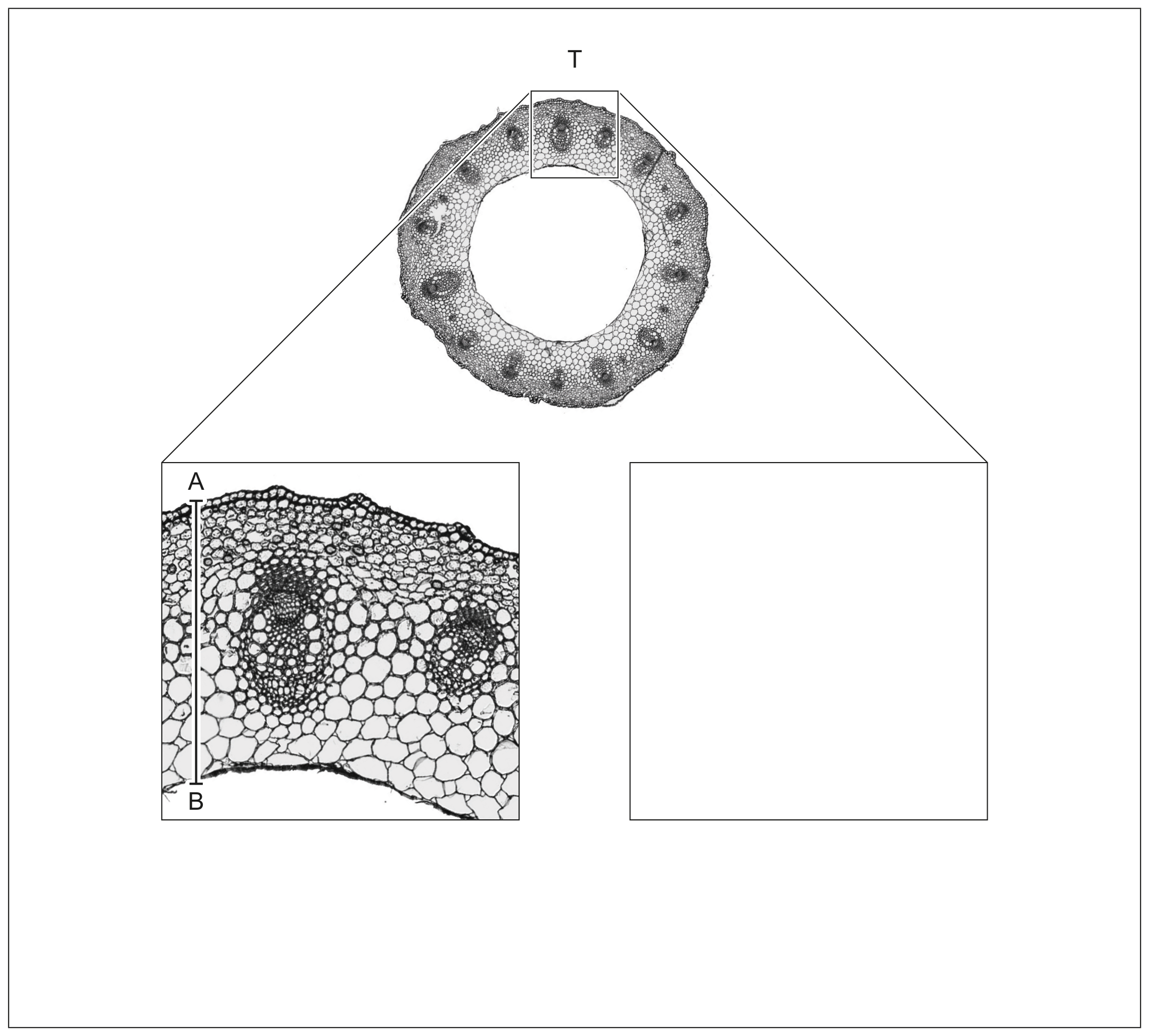
The micrograph shows a buttercup (Ranunculus bulbosus) stem in transverse section. Region T has been highlighted to show more detail.

Question image

Question 1(d)

(a)

Explain two adaptations of leaves that allow plants to live in hot deserts.

[ 2 ]

Question 1

[Maximum number: 2]

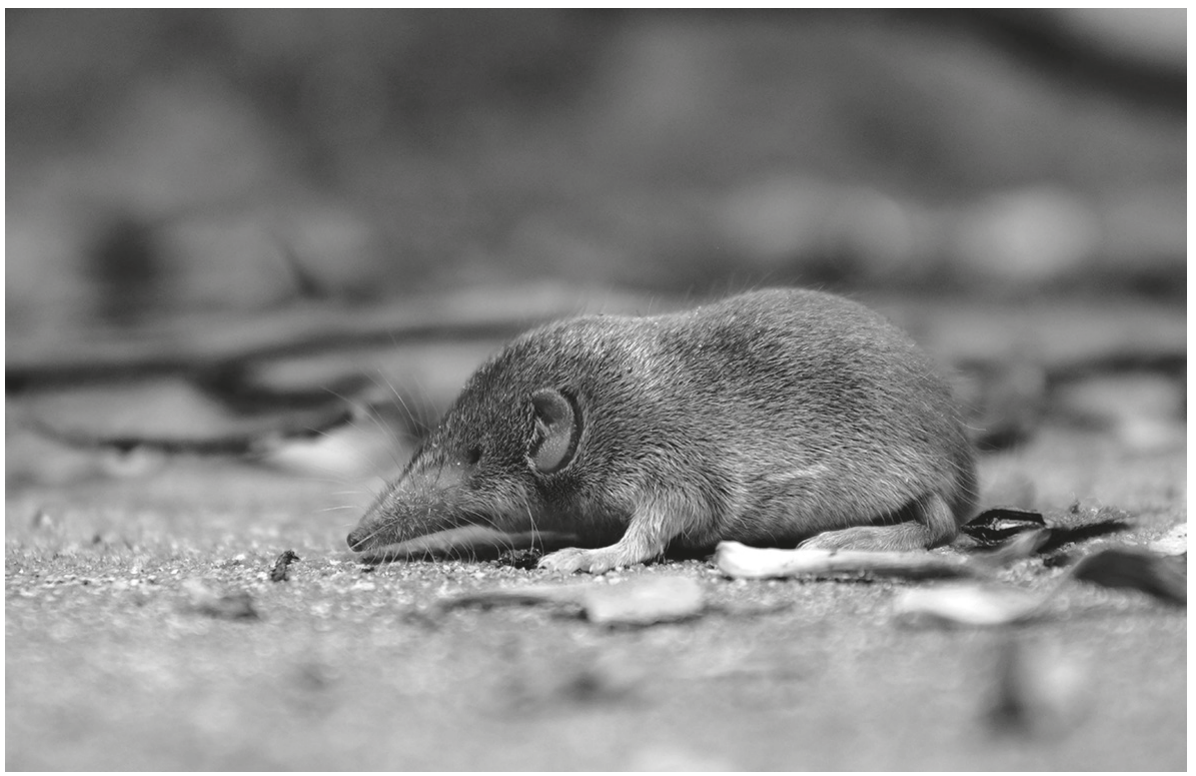
Common shrews (Sorex araneus) are small mammals found in Northern Europe. Their diet includes insects, slugs, spiders, worms and amphibians. They do not hibernate in winter because their bodies are too small to store sufficient fat reserves.

Question image

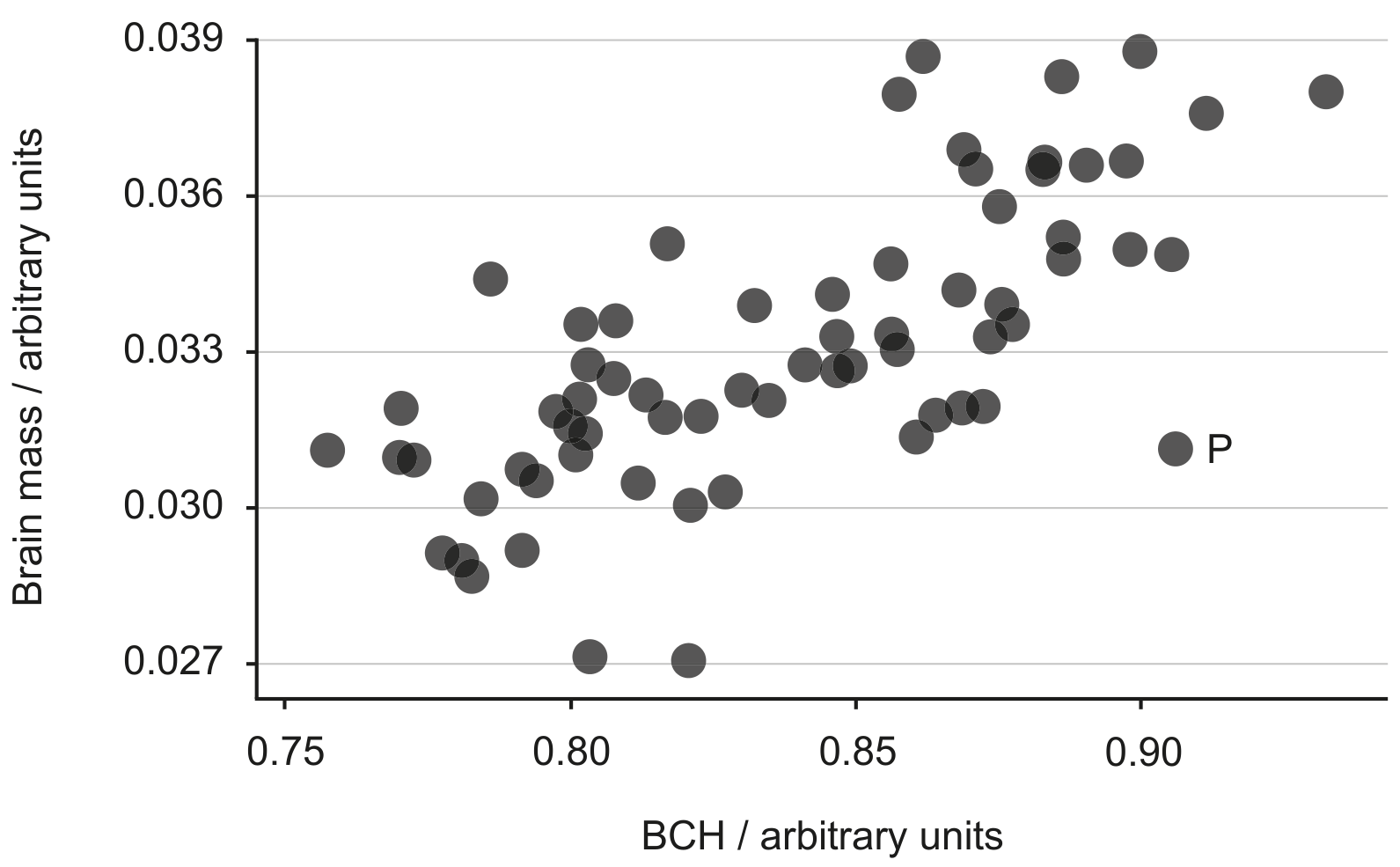
To study brain size in shrews, researchers anesthetize them, X-ray their skulls and measure the height of the braincase (BCH) where the brain is located. The graph shows the relationship between BCH and the brain mass of individual adult shrews.

Question image

Question 1(e)

(a)

Compare and contrast the results for winter and spring.

[ 2 ]

Question 4

[Maximum number: 2]

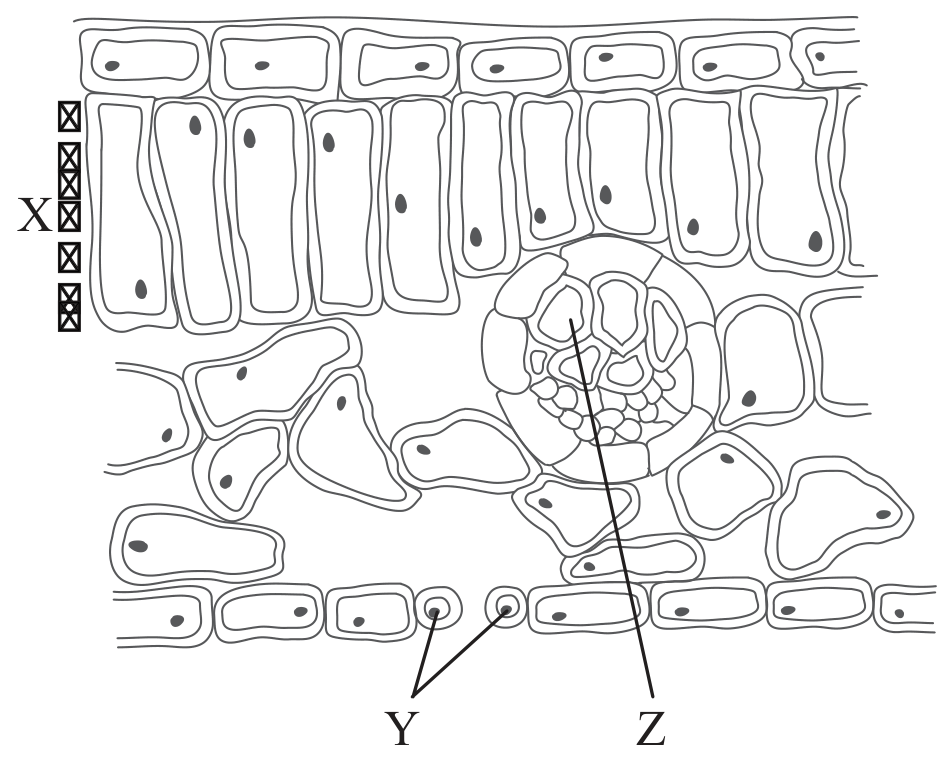
The diagram shows a cross section of a leaf.

Question image

Question 4(b)

(a)

Outline two adaptations of xerophytes that help to reduce transpiration from the leaves.
1.
2.

[ 2 ]

Question 5

Question 5(b)

(a)

Explain how some plant species are able to respond to changes in their abiotic environment and flower at a precise time of the year.

[ 3 ]
0 selected