EduNinja

IB Biology HLB3.2 TransportQuestion Bank

Question 1

[Maximum number: 2]

Hypertension (blood pressure exceeding 140 mmHg ) affects millions of people worldwide. Many modern societies consume more sodium in the form of salt (NaCl) than is required for normal physiology. The effect of changing the levels of dietary sodium has been studied in various organisms.

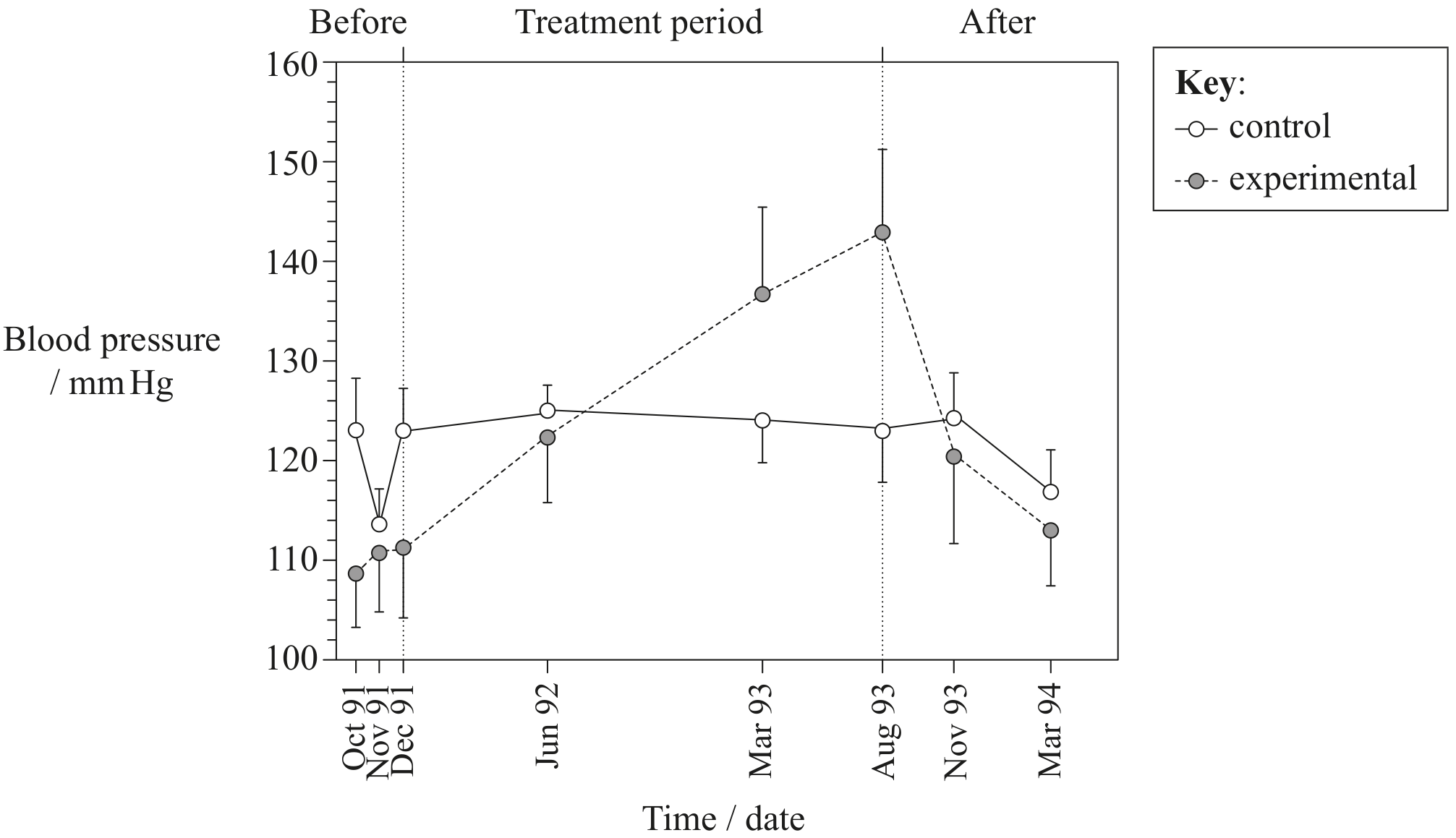
Scientists recorded the blood pressure changes in chimpanzees (Pan troglodytes) fed a diet without added sodium (control) or a sodium supplemented diet (experimental) as follows
- 5 grams of salt per day from December 1991 until May 1992
- 10 grams of salt per day until June 1992
- 15 grams of salt per day until August 1993
after which no more salt was added to the diet until the experiment ended.
Question image

Question 1(c)

(a)

Blood pressure is measured in the arteries. Explain how arteries are adapted to withstand increases in blood pressure.
[ 2 ]

Question 2

[Maximum number: 3]

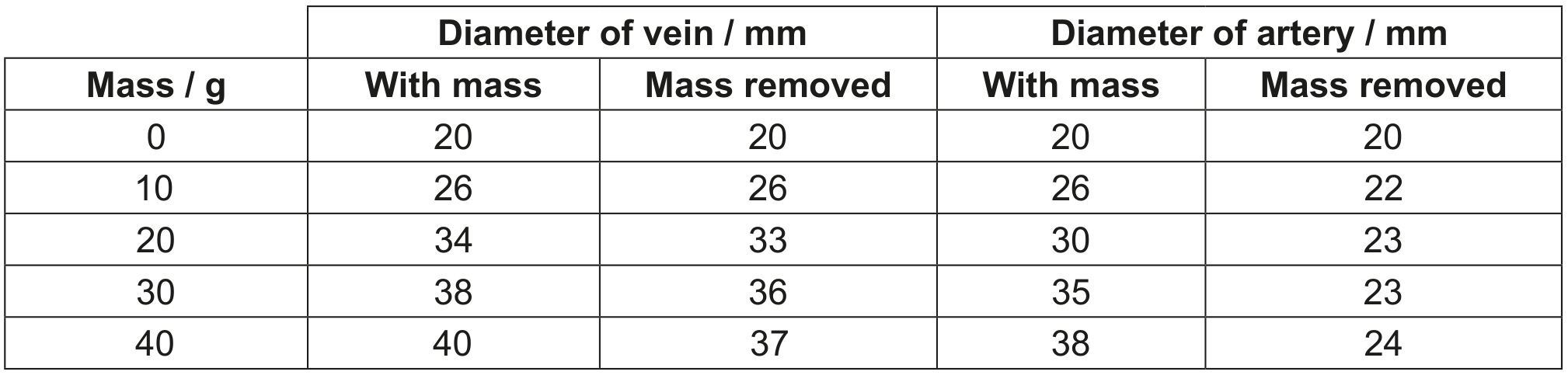
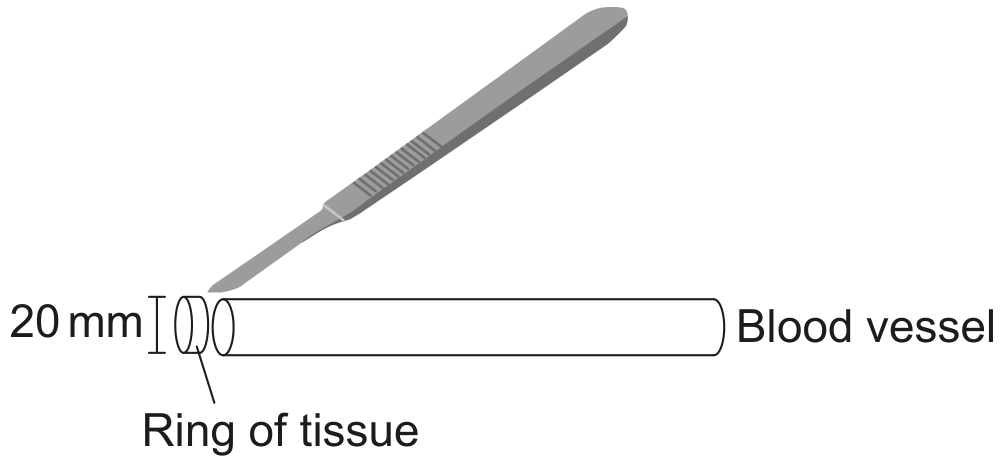
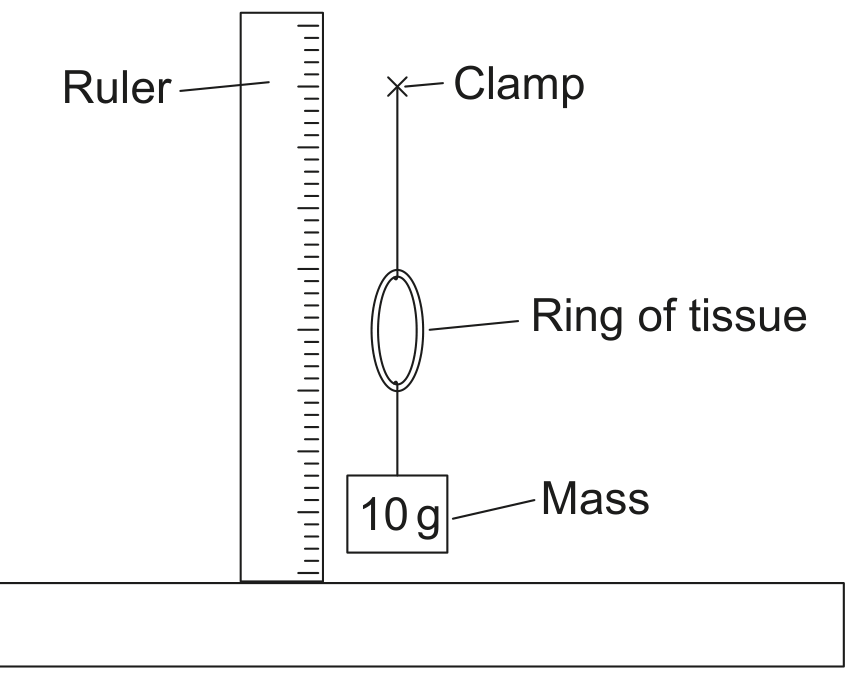
In an investigation to compare the elasticity of arteries and veins, rings of the same diameter (20 mm)(20 \mathrm{~mm}) of artery and vein tissue were cut from blood vessels obtained from a mammal.

Question image

Each ring was attached to a clamp. Multiple masses of 10 g were added and removed. The vertical diameter of the artery and the vein was measured, both with the mass and once the mass had been removed.

Question image

The results are shown in the table.

Table

Question 2(c)

(a)

Explain the differences between the results shown for vein and artery.

[ 3 ]

Question 2

[Maximum number: 1]

The image shows a severed aphid stylet embedded in plant tissue.

Question 2(b)

(a)

Outline one piece of evidence that the tissue labelled I is phloem tissue.

[ 1 ]

Question 2

[Maximum number: 1]

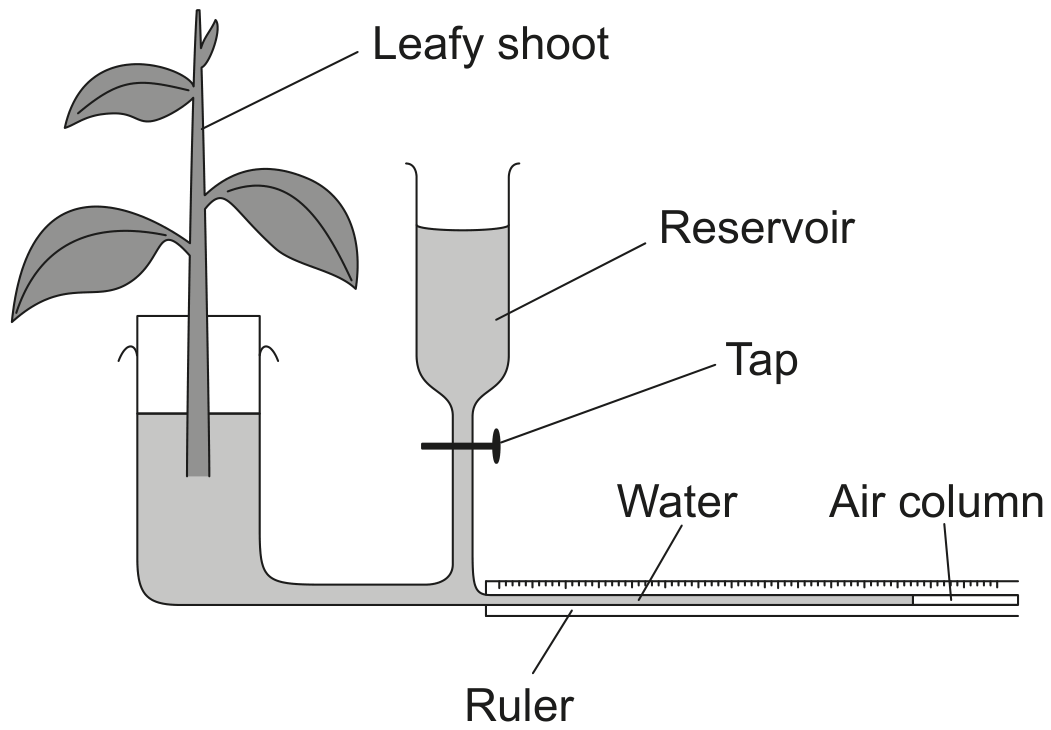
A leafy shoot was cut from a plant and connected to a potometer to measure the transpiration rate. The length of the air column in the glass tube was measured using the ruler.

Question image

Question 2(d)

(a)

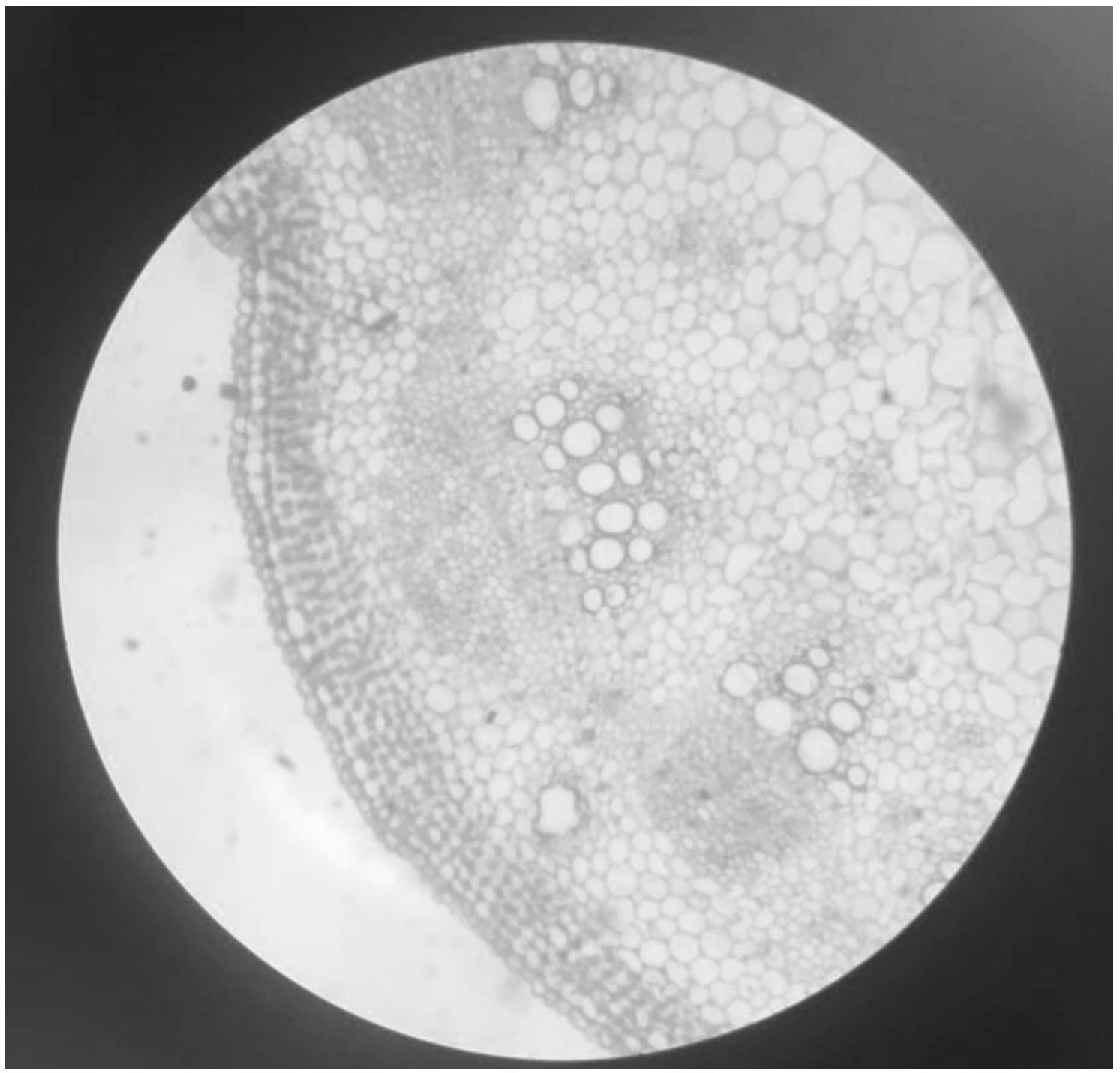
Red dye was added to the water in the potometer. A cross section of the stem was observed under the light microscope.

Question image
[ 1 ]

Question 2(d)(ii)

(i)

Label with a C the tissue where organic compounds are transported.

[ 1 ]

Question 2

[Maximum number: 4]

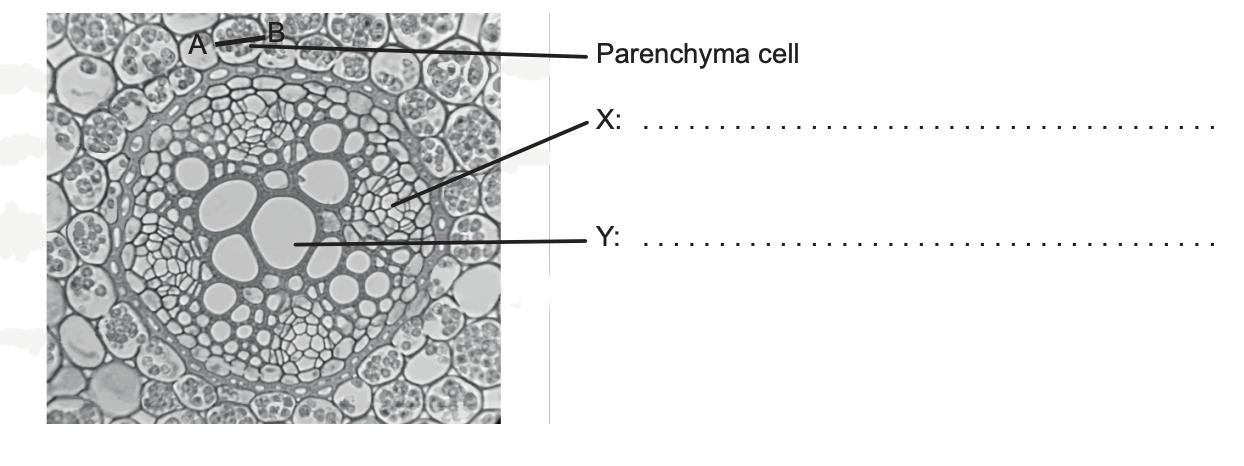
The micrograph shows a section through the root of a dicotyledonous plant (×400)(\times 400).

Question image

Question 2(a)

(a)

Label tissues X and Y .

[ 2 ]

Question 2(c)

(b)

Describe the distribution of vascular tissues in the stem of dicotyledonous plants.

[ 2 ]

Question 3

Question 3(c)

(a)

Explain how the structure of capillaries relates to their functions.

[ 3 ]

Question 6

[Maximum number: 1]

The relationship between body mass index (BMI) and total blood cholesterol was investigated in children with Smith-Magenis Syndrome, a rare genetic disorder which may lead to high blood cholesterol levels.

What can be deduced from the graph?

Question image
A

High BMI causes high blood cholesterol.

B

High BMI correlates with high blood cholesterol.

C

Low BMI is always associated with low blood cholesterol.

D

Low BMI is caused by low blood cholesterol.

Question 2

[Maximum number: 3]

Ehlers-Danlos syndrome (EDS) causes joint hypermobility, where joint movement extends well beyond the normal range. Researchers used two different methods to measure angles of movement at a joint of the smallest (fifth) finger.

Question 2(f)

(a)

Joints are part of the musculoskeletal system of animals, which provides support and movement to the body. Xylem provides support in plants and also transports water and minerals. Explain the adaptations of xylem for its functions.

[ 3 ]

Question 2

[Maximum number: 3]

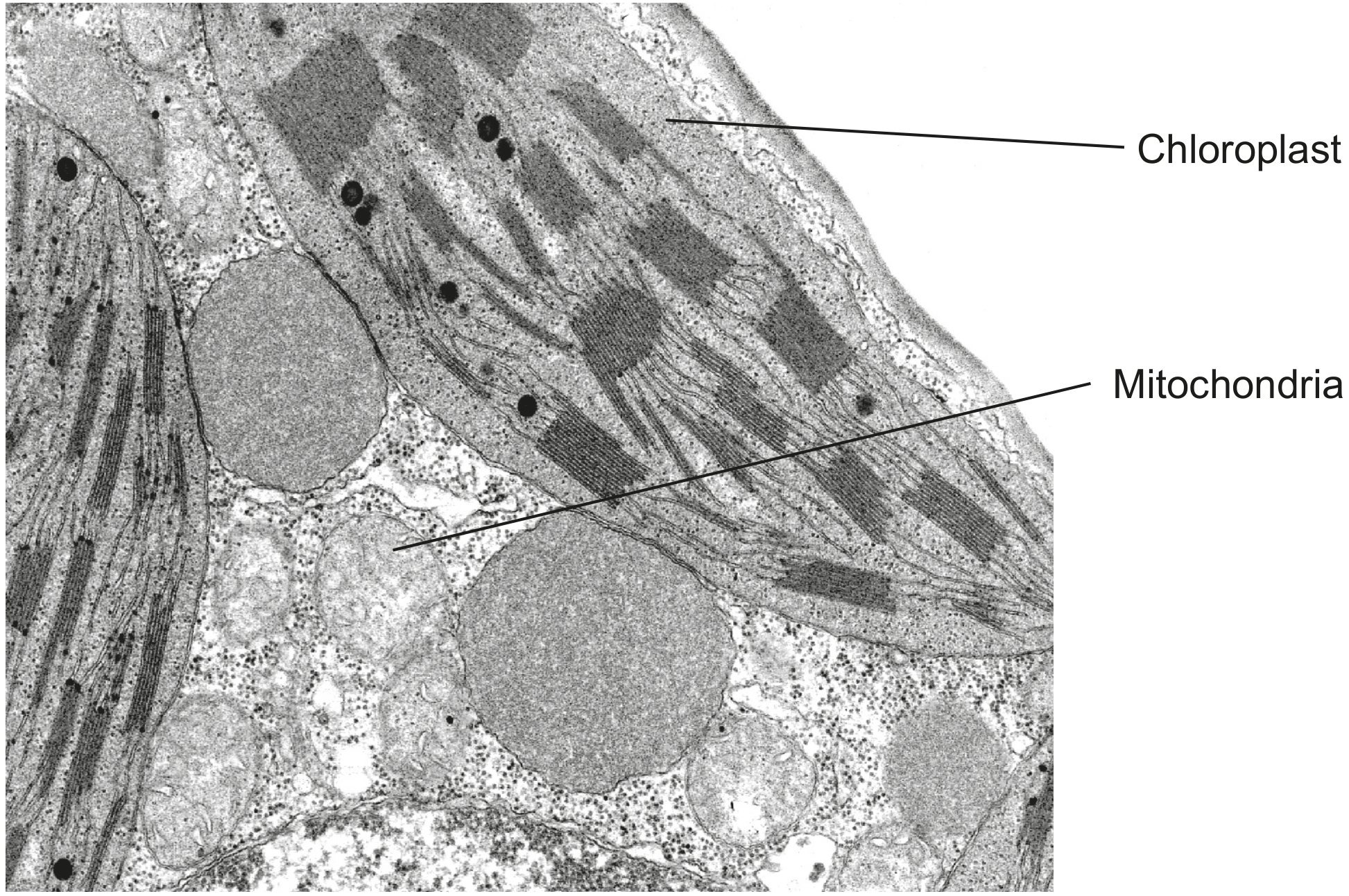
The image shows part of a plant cell with a chloroplast in close proximity to mitochondria.

Question image

Question 2(c)

(a)

Outline how the compounds produced by chloroplasts are distributed throughout the plant.

[ 3 ]

Question 3

[Maximum number: 2]

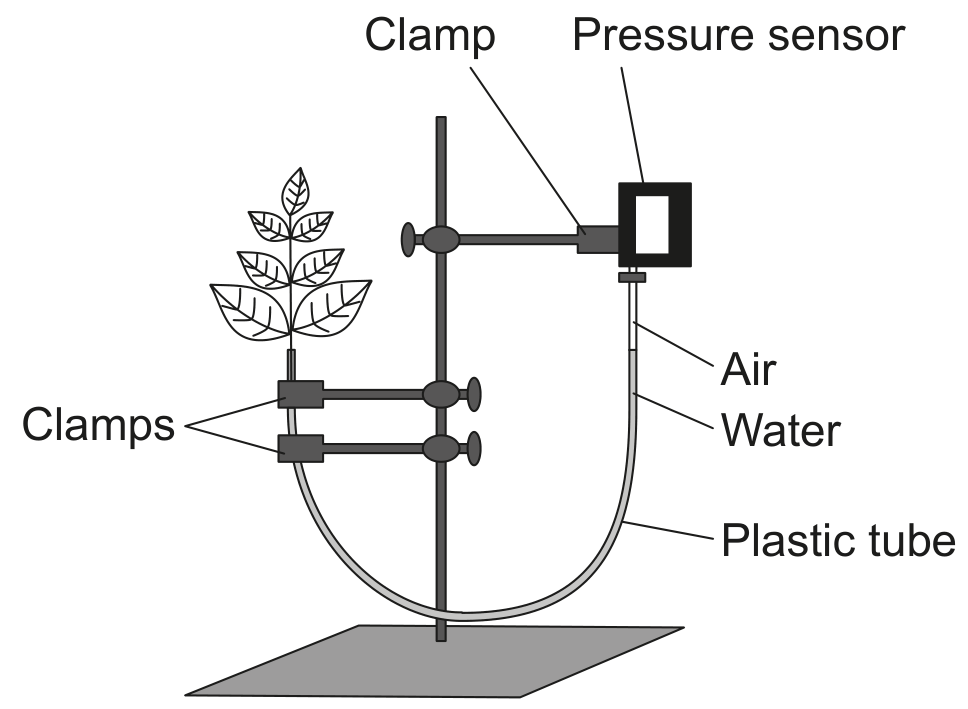
The rate of transpiration can be measured using a data-logging pressure sensor connected to a plant cutting via a plastic tube. In an experiment, a control set-up was connected to the tube and placed in a well-lit room with normal humidity levels.

Question image

Question 3(b)

(a)

Predict, with a reason, what will happen to the pressure in this tube as transpiration occurs.

[ 2 ]
0 selected