EduNinja

IB Biology HLB3.1 Gas exchangeQuestion Bank

Question 1

[Maximum number: 1]

A study was carried out to explore the impact of various sports on pulmonary functions in professional athletes.

The forced vital capacity (FVC) is the maximum volume of air a person can expel from the lungs after full inspiration. Forced expiratory volume in one second (FEV) is the volume of air that can forcibly be blown out in one second, after full inspiration.

The table below summarizes the mean results for the different sports including the standard deviation.

Removed for copyright reasons

Question 1(a)

Question 1(a)(i)

(a)
(i)

State one type of apparatus that could be used to measure lung capacity.

[ 1 ]
Question 1

[Maximum number: 1]

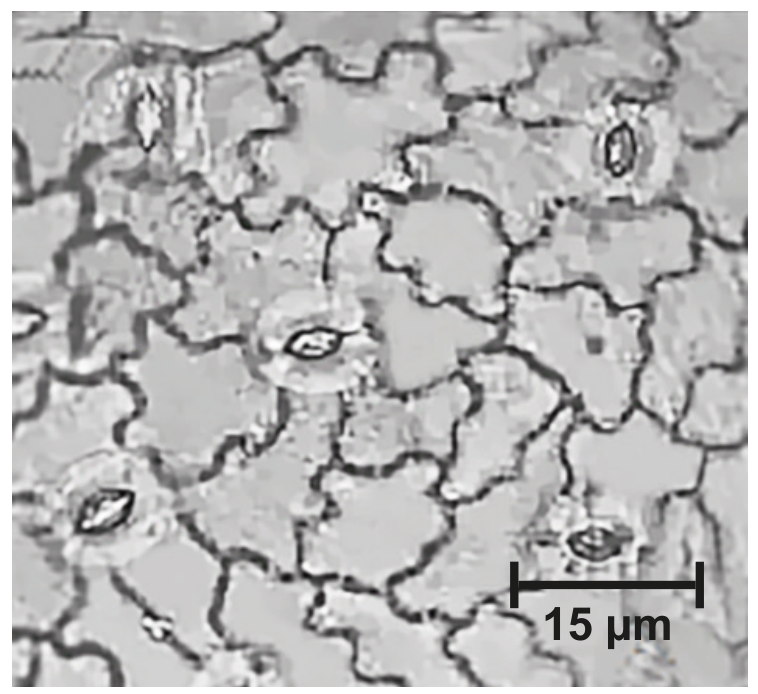
The stomatal density is the number of stomata per area of leaf epidermis. A study was done on the stomatal density of the lower epidermis of leaves from Protium decandrum, a tree found in the Amazon forest.

The image shows the epidermis stripped from the lower surface of a leaf.

Question image

Question 1(b)

(a)

The mean stomatal density for the lower epidermis of P. decandrum was around 600 per mm2\mathrm{mm}^{2}. Predict how the stomatal density for the upper epidermis would compare.

[ 1 ]

Question 1

[Maximum number: 5]

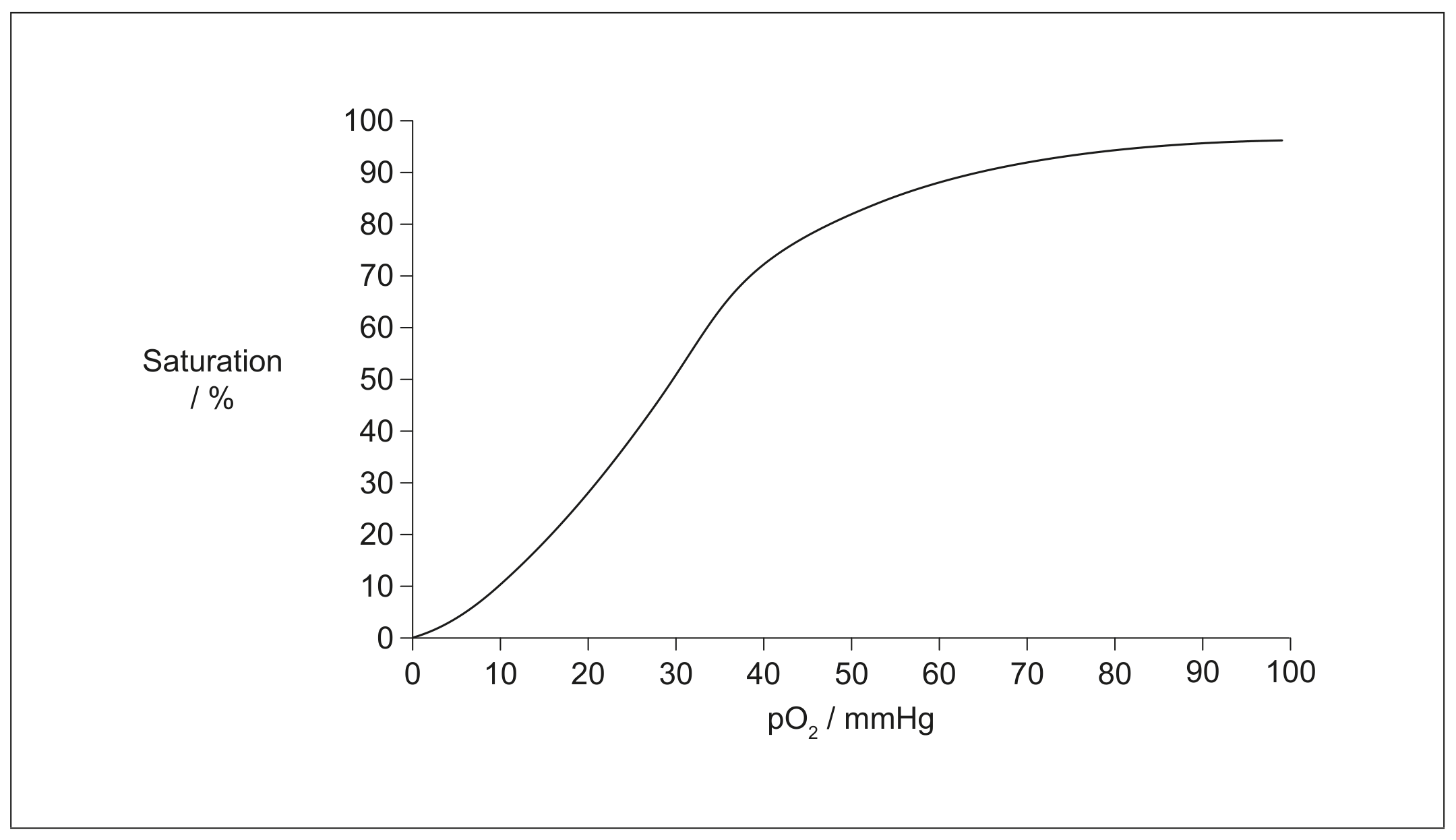
Oxygen dissociation curves show the percentage of oxygen saturation of adult haemoglobin (Hb) at different oxygen concentrations, as measured in partial pressure of oxygen ( pO2\mathrm{pO}_{2} ).

Question image

Question 1(a)

(a)

Identify the percentage of oxygen saturation of haemoglobin at a partial pressure of 40 mmHg .

[ 1 ]

Question 1(b)

(b)

Describe the relationship between partial pressure of oxygen ( pO2\mathrm{pO}_{2} ) and percent saturation of haemoglobin.

[ 2 ]

Question 1(c)

(c)

On the graph, sketch an oxygen dissociation curve for foetal haemoglobin.

[ 1 ]

Question 1(d)

(d)

Describe an adaptation of haemoglobin for the transport of oxygen.

[ 1 ]

Question 1

[Maximum number: 4]

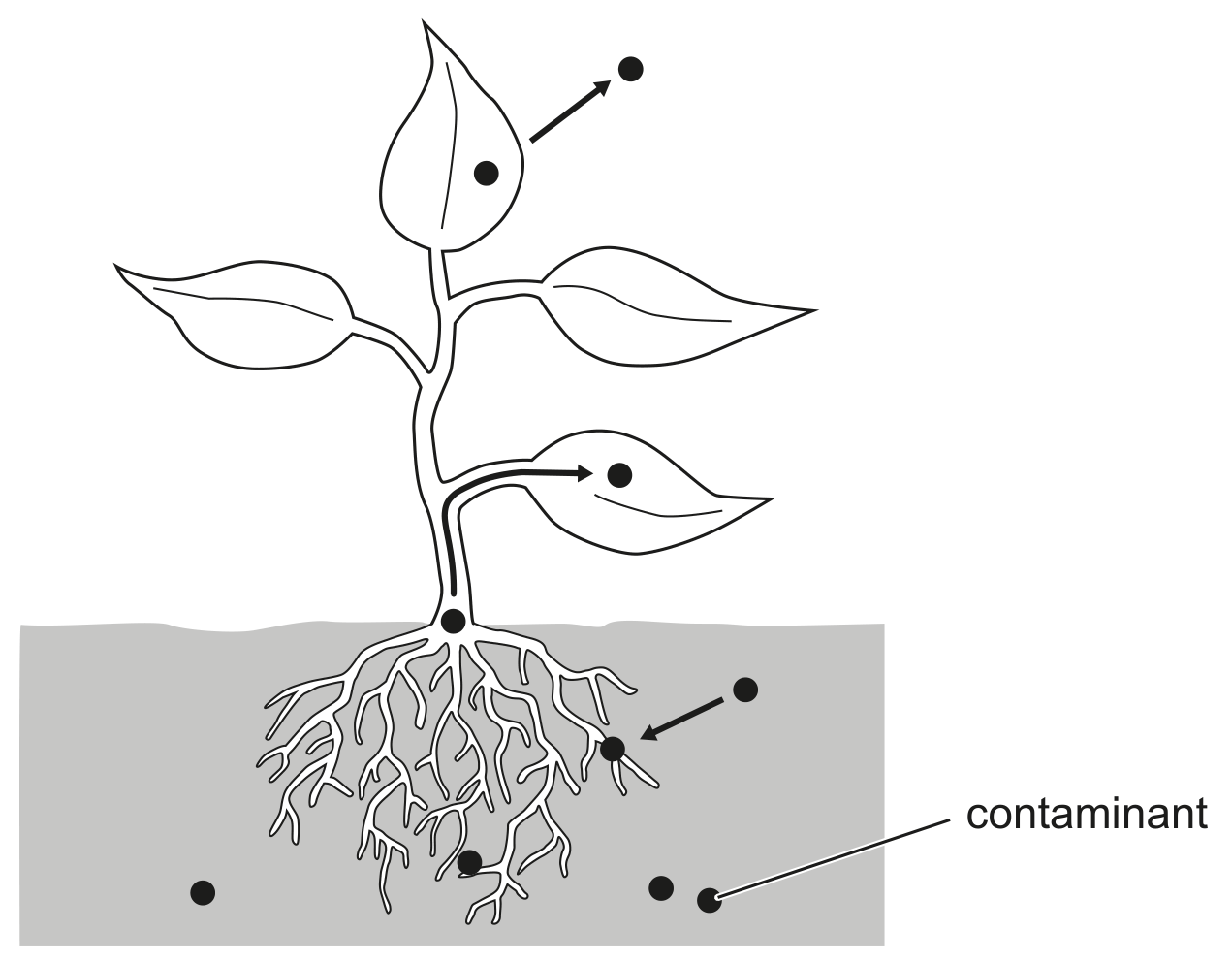
Phytoremediation is the use of plants to extract and remove contaminants or lower their bioavailability (amount available to organisms) in soil. Tree species are used because they have deep root systems and fast growth rates that enable them to take up contaminants in larger amounts than plants such as grasses. The diagram shows the steps in phytoremediation in plants.

Question image

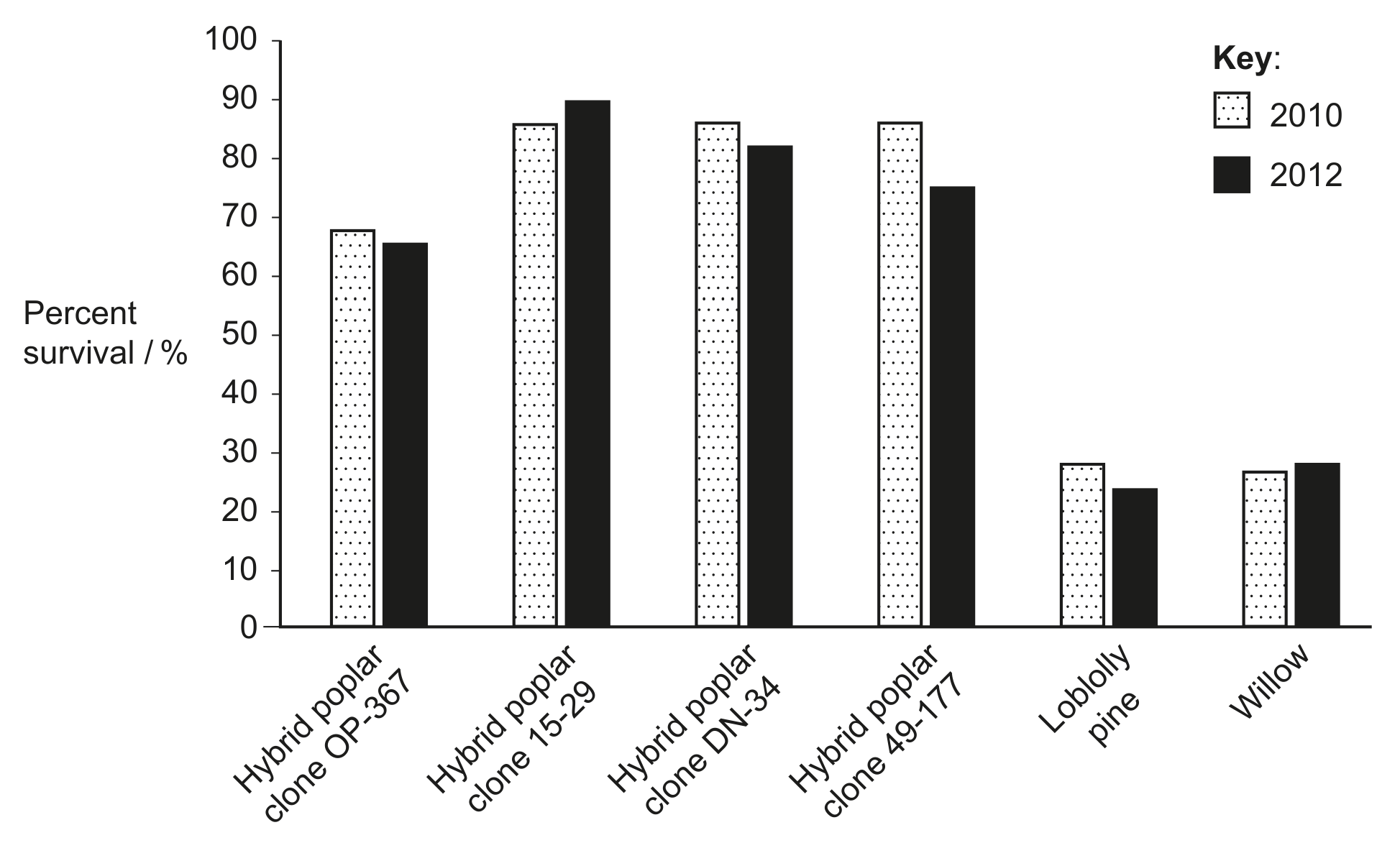
A study in North Carolina, USA, used different tree species for phytoremediation of groundwater contaminated by leaked petrochemicals. Four types of hybrid poplar clones (Populus sp.), loblolly pine (Pinus taeda) and willow (Salix sp.) were planted from 2006 to 2008, and measurements were made of trees in 2010 and 2012. The graph shows percent survival of hybrid poplar clones, loblolly pine and willow trees on the phytoremediation site.

Question image

Question 1(d)

(a)

Compare and contrast the effect of fuel concentration on the hybrid poplar clone OP-367 and willow cuttings.

[ 2 ]

Question 1(i)

(b)

Explain the difference in results for immersed cuttings and leafless control.

[ 2 ]

Question 1

[Maximum number: 1]

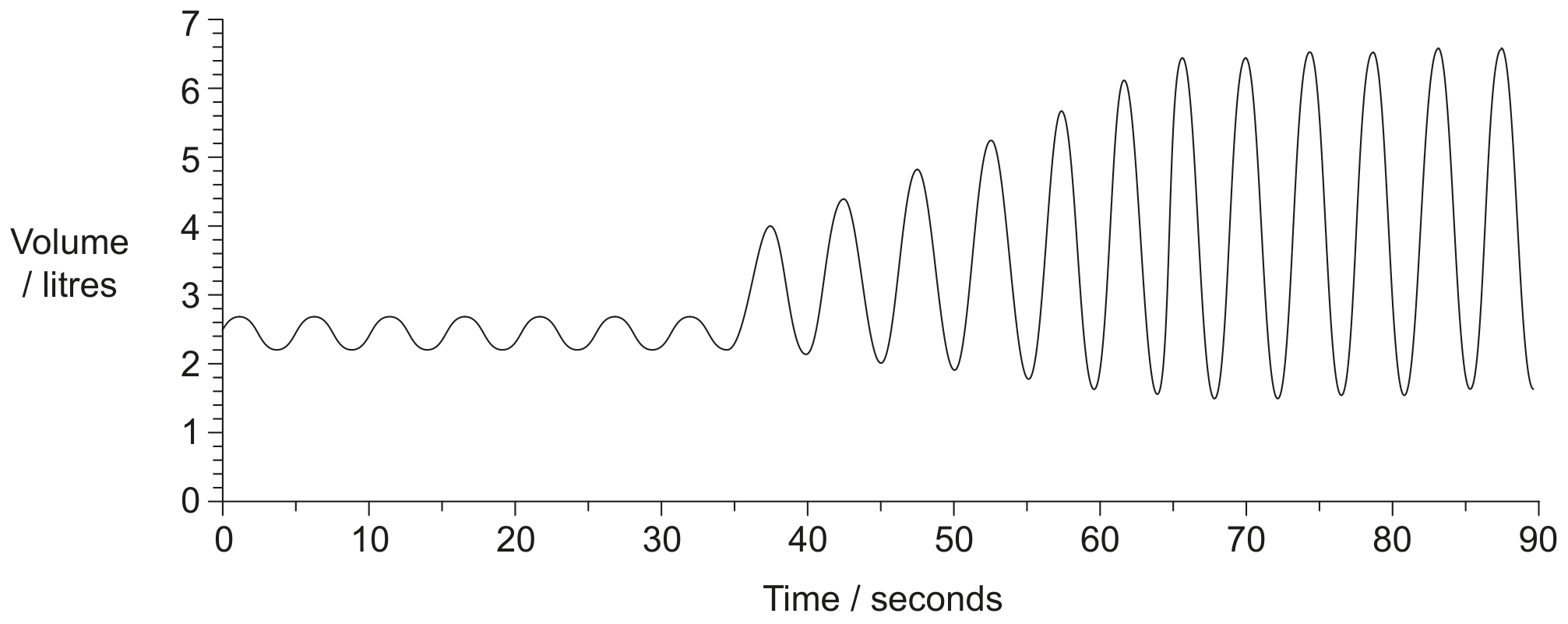
Measurements of the lung capacity of a student were recorded using a spirometer and displayed with a data logger. Initially the student was at rest, then changed to carrying out strenuous exercise. The results are displayed in the graph.

Question image

Question 1(a)

(a)

Calculate the ventilation rate at rest, giving the units.

[ 1 ]

Question 1

[Maximum number: 1]

Increases in the frequency and severity of drought are part of climate change in many areas of the world. Drought represents one of the major threats to food security as it can drastically decrease crop yield.

Water stress occurs when the demand for water exceeds its availability. A water stress index of 0.0 indicates non-water-stressed plants with normal transpiration and 1.0 is maximum water stress with much less transpiration.

Question 1(a)

(a)

Define transpiration.

[ 1 ]

Question 2

[Maximum number: 5]

The graph shows the ventilation rate and tidal volume of a well-trained runner during exercise on a treadmill. The tidal volume is the volume of air being moved in and out of the lungs in each breath.
- Ventilation rate volume 50 Tidal

Question 2(a)

(a)

State the apparatus used to measure the tidal volume.

[ 1 ]

Question 2(b)

(b)

Calculate the total volume of air inhaled during one minute during the highest velocity of the treadmill in this test, giving the units.

[ 2 ]

Question 2(c)

(c)

Compare and contrast the effect of increasing treadmill speed on the ventilation rate and tidal volume in this runner.

[ 2 ]

Question 2

[Maximum number: 2]

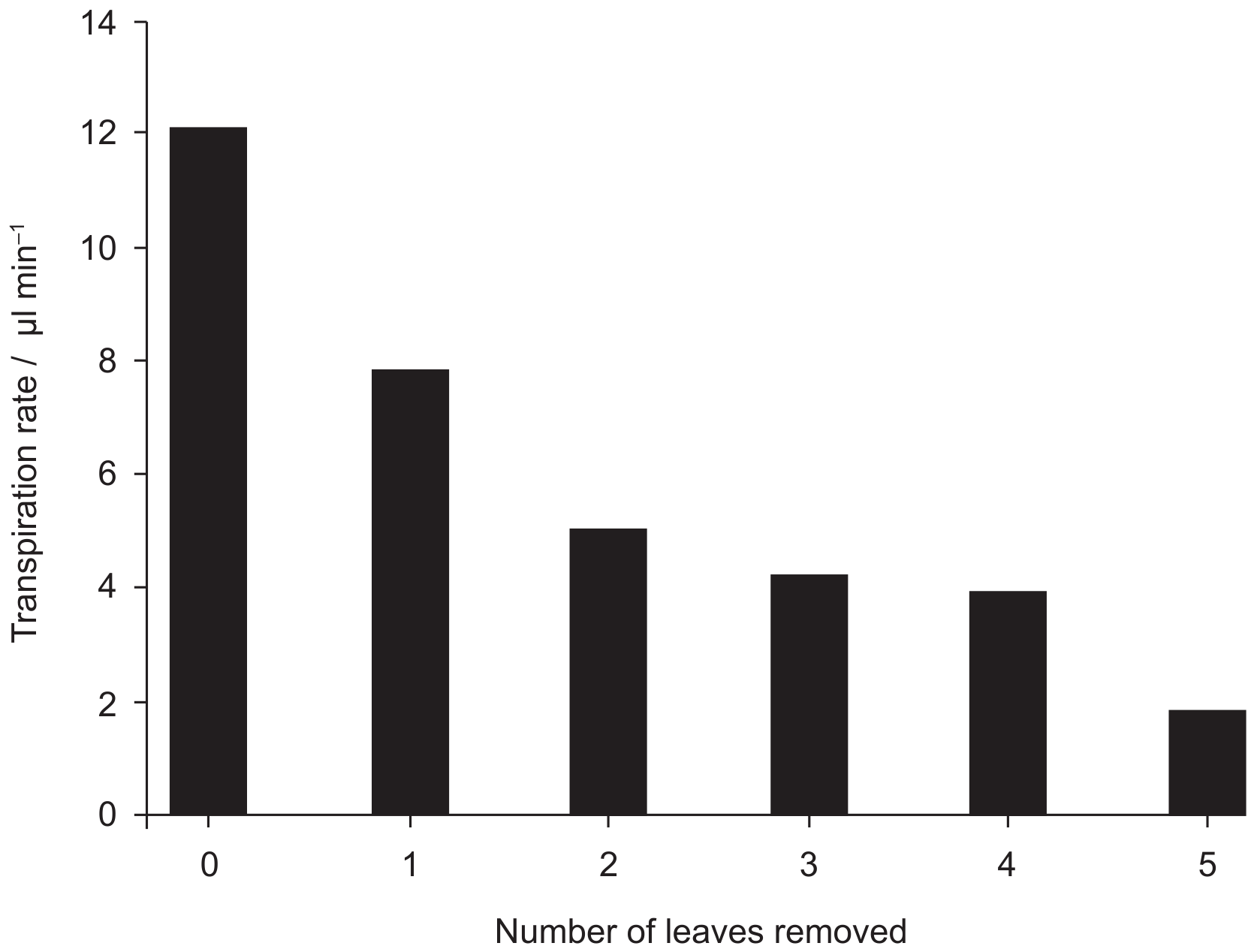
A student designed an experiment to study the transpiration through the leaves of a tomato plant (Solanum lycopersicum). Measurements were taken in the initial conditions with five leaves on a tomato shoot and then again after each of the five leaves was removed.

Question image

Question 2(a)

Question 2(a)(ii)

(a)
(i)

Transpiration continued after the fifth leaf had been removed. Suggest what can be concluded.

[ 1 ]

Question 2(b)

(b)

State the independent variable in this investigation.

[ 1 ]

Question 3

Question 3(b)

(a)

Describe three features of alveoli that adapt them to gas exchange.

[ 3 ]

Question 3

[Maximum number: 2]

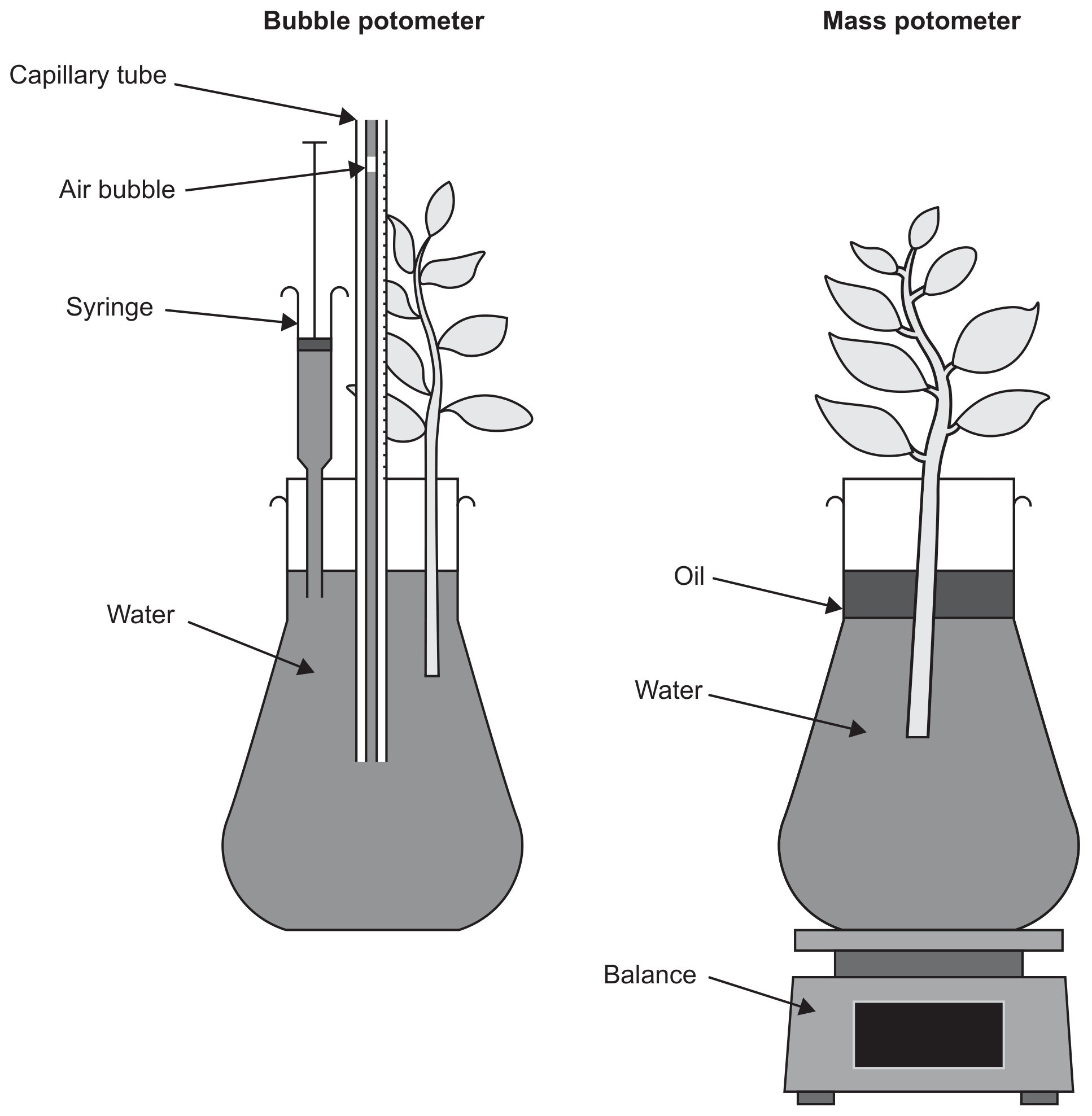
Transpiration in plants can be measured using a bubble potometer or a mass potometer.

Question image

Question 3(a)

(a)

Suggest a possible research question that could be investigated using a potometer.

[ 2 ]
0 selected