EduNinja

IB Biology HLB2.1 Membranes and membrane transportQuestion Bank

Question 1

[Maximum number: 1]

Hypertension (blood pressure exceeding 140 mmHg ) affects millions of people worldwide. Many modern societies consume more sodium in the form of salt (NaCl) than is required for normal physiology. The effect of changing the levels of dietary sodium has been studied in various organisms.

Scientists recorded the blood pressure changes in chimpanzees (Pan troglodytes) fed a diet without added sodium (control) or a sodium supplemented diet (experimental) as follows
- 5 grams of salt per day from December 1991 until May 1992
- 10 grams of salt per day until June 1992
- 15 grams of salt per day until August 1993
after which no more salt was added to the diet until the experiment ended.
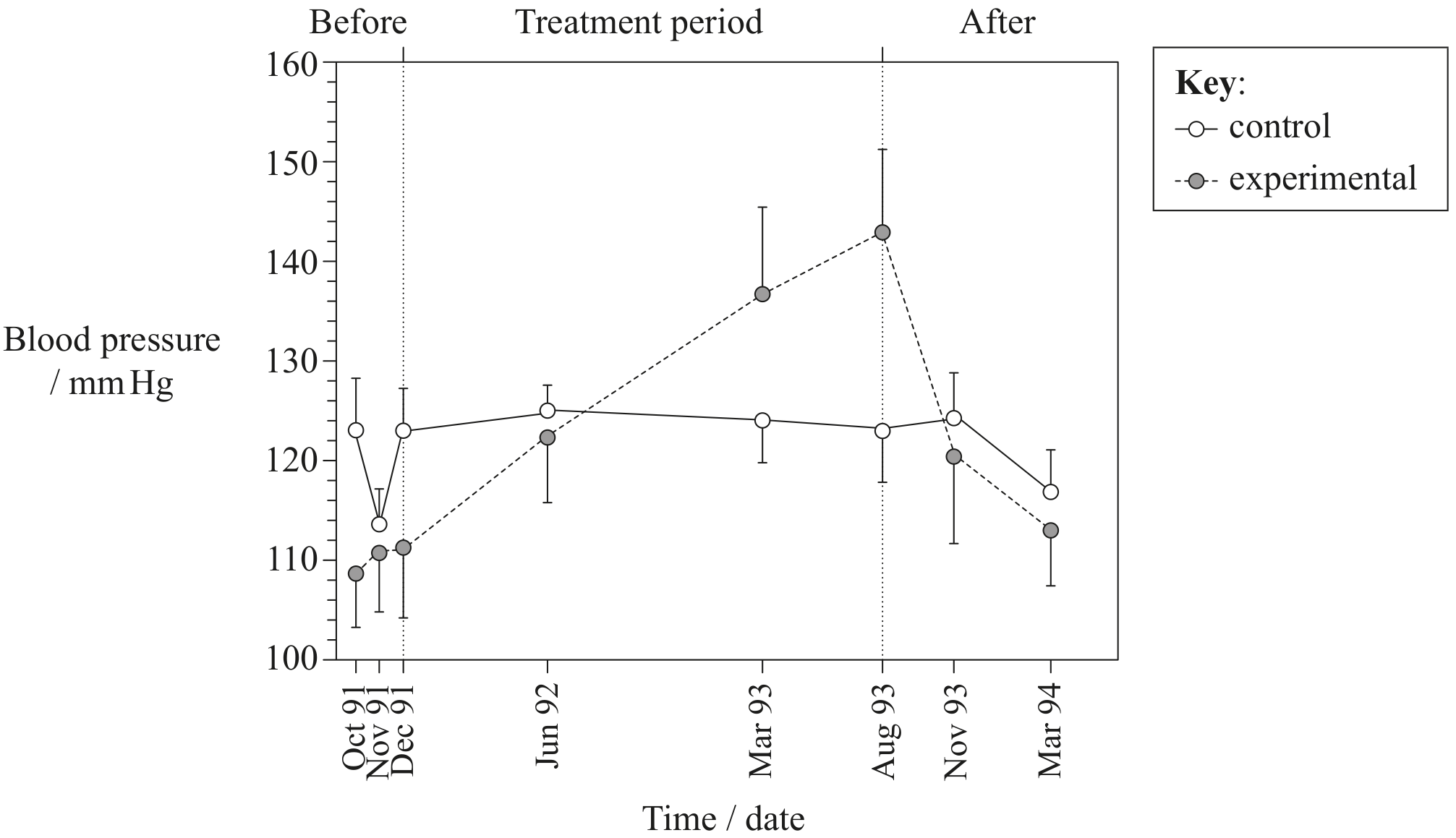
Question image

Question 1(h)

(a)

Suggest how sodium-potassium pumps in the membranes of nephron cells in the kidney could allow blood sodium concentrations to be reduced, if there is sufficient potassium in the diet.
[ 1 ]

Question 1

[Maximum number: 1]

How is facilitated diffusion in axons similar to active transport?

A

They both require the energy of ATP.

B

They both move substances against a concentration gradient.

C

They both use sodium-potassium pumps.

D

They are both carried out by proteins embedded in the axon membrane.

Question 1

[Maximum number: 3]

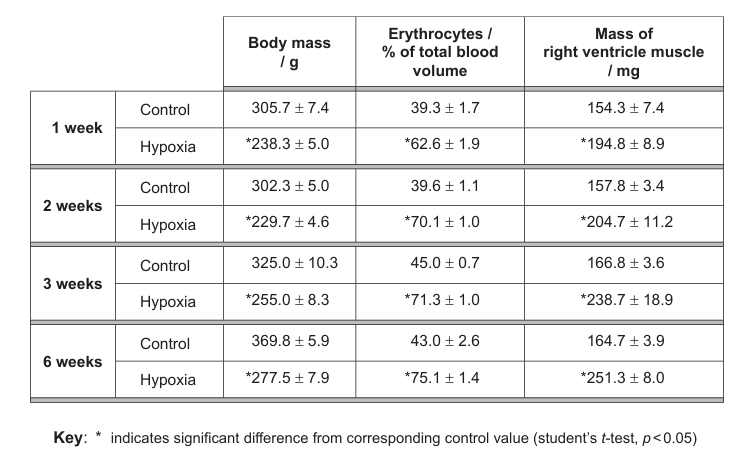
Hypoxia is a condition in which tissues of the body are deprived of an adequate oxygen supply. A study was carried out in rats to examine the effects of continuing hypoxia on the structure of the diaphragm, and to determine whether nitric oxide is implicated in adaptation of the diaphragm to hypoxia. The diaphragm helps to supply oxygen to tissues and organs in the body by ventilating the lungs.

A group of 36 adult male rats were kept for 6 weeks in low oxygen while 36 adult male rats were kept in normal oxygen levels.

Question image

Question 1(d)

(a)

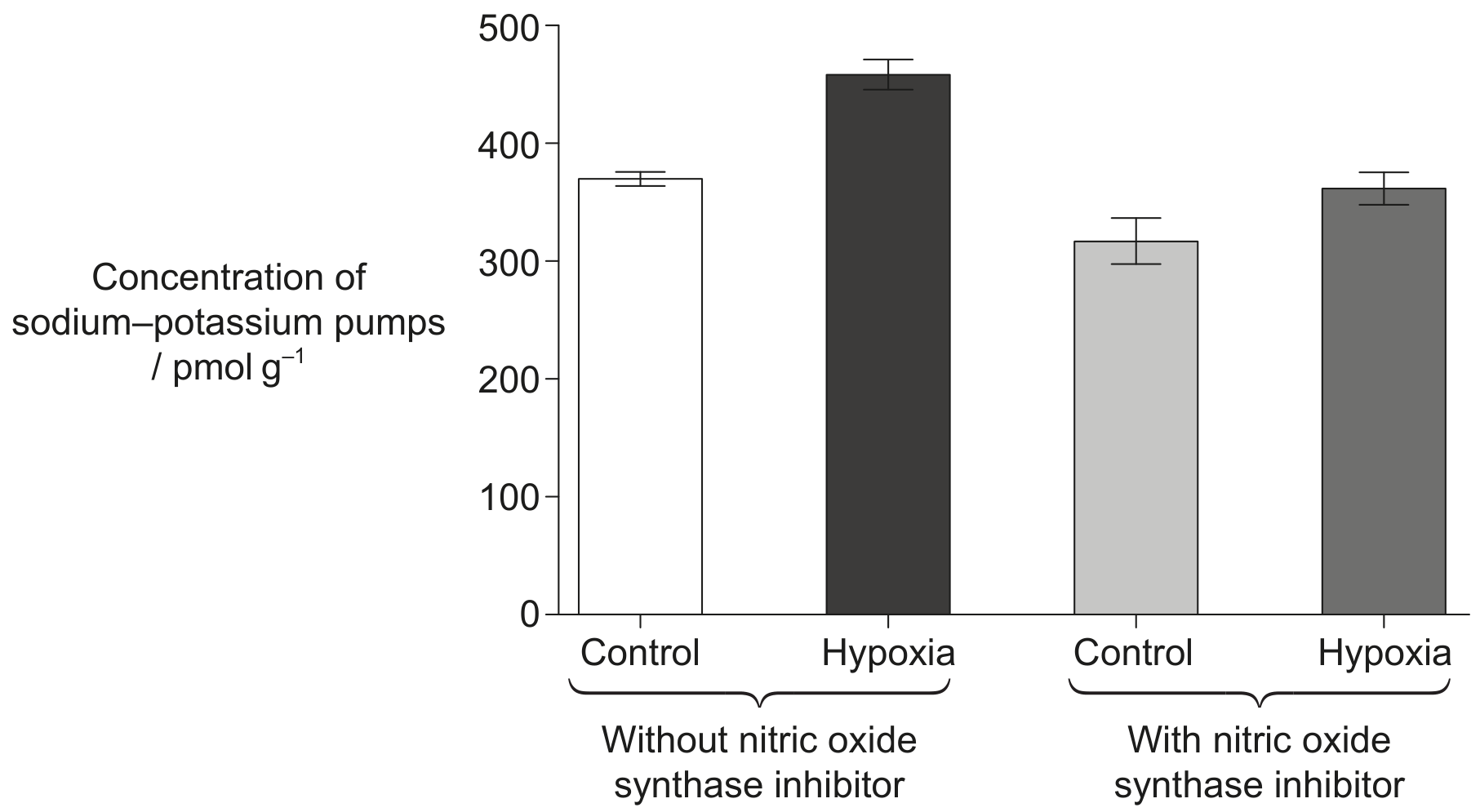
The sodium-potassium pump plays a role in muscle activity. Nitric oxide may have a role in the recovery of hypoxic muscles. The production of nitric oxide can be blocked with an inhibitor of the enzyme nitric oxide synthase. The graph shows the concentration of sodium-potassium pumps in the diaphragm of control and hypoxic rats without and with nitric oxide synthase inhibitor.

Question image
[ 3 ]

Question 1(d)(i)

(i)

Analyse the graph to obtain two conclusions about the concentration of sodium-potassium pumps.
1.
2.

[ 2 ]

Question 1(d)(ii)

(ii)

Muscle fibres are stimulated to contract by the binding of acetylcholine to receptors in their membranes and the subsequent depolarization. Suggest a reason for increasing the concentration of sodium-potassium pumps in the membranes of diaphragm muscle fibres.

[ 1 ]

Question 2

[Maximum number: 1]

What is a function of cholesterol in the cell membrane?

A

To regulate fluidity

B

To store energy

C

To provide a channel for transport

D

To hold adjacent cells together

Question 2

[Maximum number: 1]

By which process do potassium ions move through potassium channels in axons?

A

Active transport

B

Exocytosis

C

Facilitated diffusion

D

Simple diffusion

Question 2

[Maximum number: 1]

Cholinergic synapses use acetylcholine as their neurotransmitter. They are widespread in the body, passing on signals to muscle cells. These synapses are affected by neonicotinoid pesticides.

The diagrams, which are not drawn to scale, show the synapse between two neurons and a detail of the synaptic cleft.

Question image

Question 2(a)

(a)

On the diagrams, label:

[ 1 ]

Question 2(a)(ii)

(i)

On the diagrams, label with a letter E a vesicle involved in exocytosis.

[ 1 ]

Question 2

[Maximum number: 1]

More than 90 % of cellular cholesterol is located in the cell's plasma membrane. What is the main role of cholesterol in the plasma membranes of mammalian cells?

A

To regulate membrane fluidity

B

To increase membrane solubility

C

To increase membrane permeability

D

To regulate membrane temperature

Question 2

[Maximum number: 1]

The drawings are from two original papers that proposed a structure of the cell membrane.

For what reason is the Singer-Nicolson model considered a better representation of the cell membrane than the Davson-Danielli model?

A

It has extrinsic proteins.

B

It shows how the phospholipid bilayer is arranged.

C

It helps in the understanding of the fluidity of the cell membrane.

D

It shows how oxygen can diffuse into the cell.

Question 3

[Maximum number: 1]

Which molecule regulates the fluidity of cell membranes?

A

Phospholipid

B

Cholesterol

C

Glycoprotein

D

Peripheral protein

Question 3

[Maximum number: 1]

The cell membrane model proposed by Davson-Danielli was a phospholipid bilayer sandwiched between two layers of globular protein. Which evidence led to the acceptance of the Singer-Nicolson model?

A

The orientation of the hydrophilic phospholipid heads towards the proteins

B

The formation of a hydrophobic region on the surface of the membrane

C

The placement of integral and peripheral proteins in the membrane

D

The interactions due to amphipathic properties of phospholipids

0 selected