
Question 5(c)(ii)
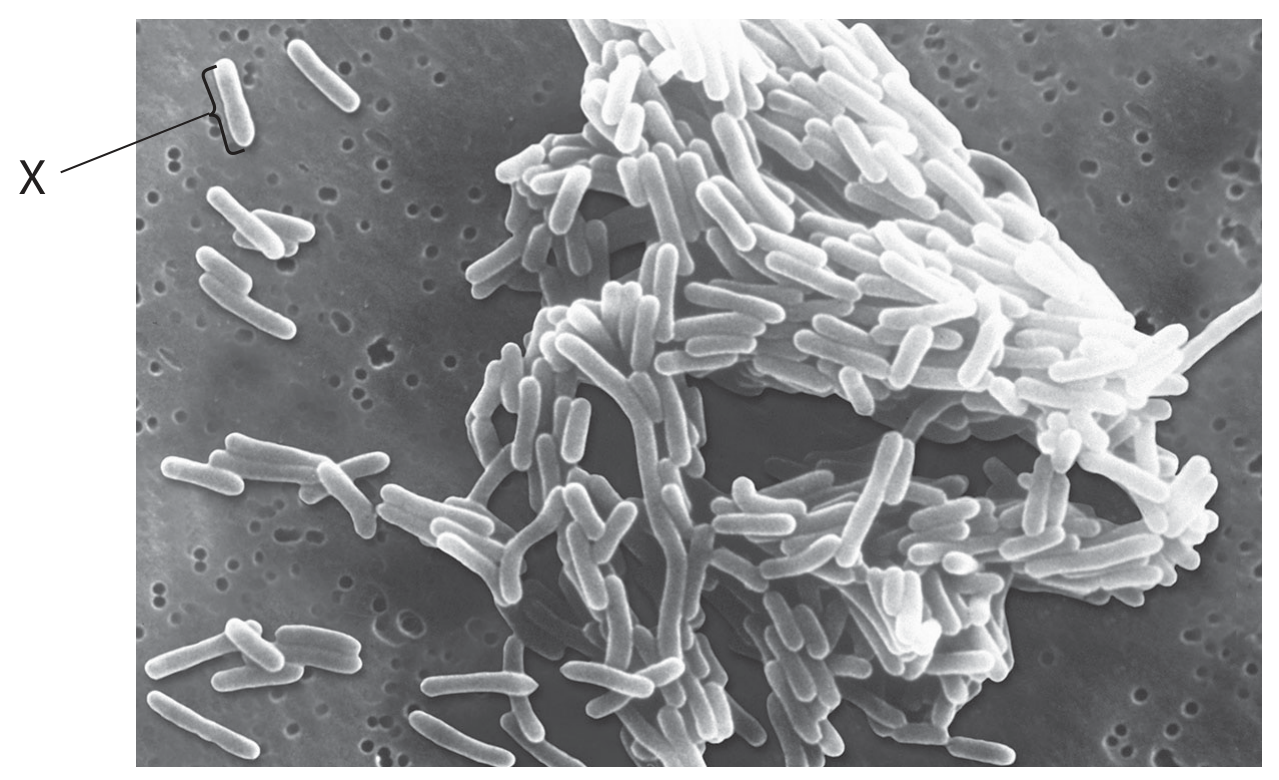
Listeria monocytogenes is a bacterium that contaminates food and causes the disease listeriosis.
The photograph shows a colony of these bacteria, as seen using an electron microscope.
The photograph shows green algae called sea lettuce (Ulva lactuca).
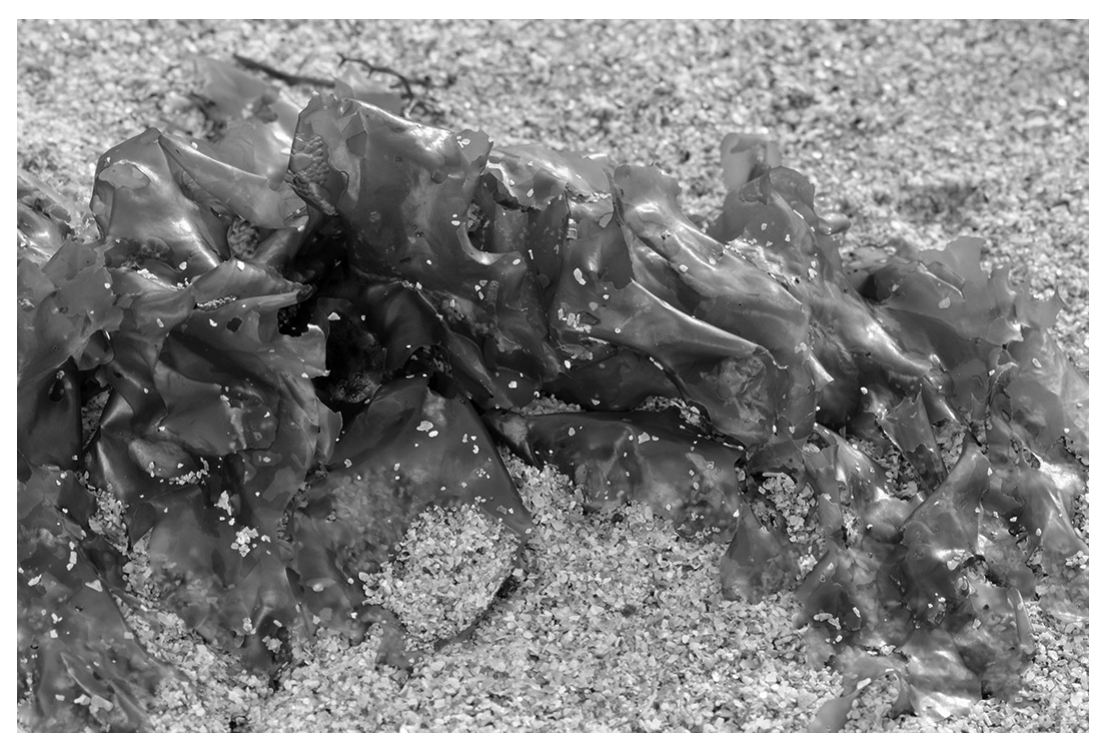
Sea lettuce contains chemicals called fucoxanthins that have antimicrobial properties.
The antimicrobial properties of these chemicals were investigated.
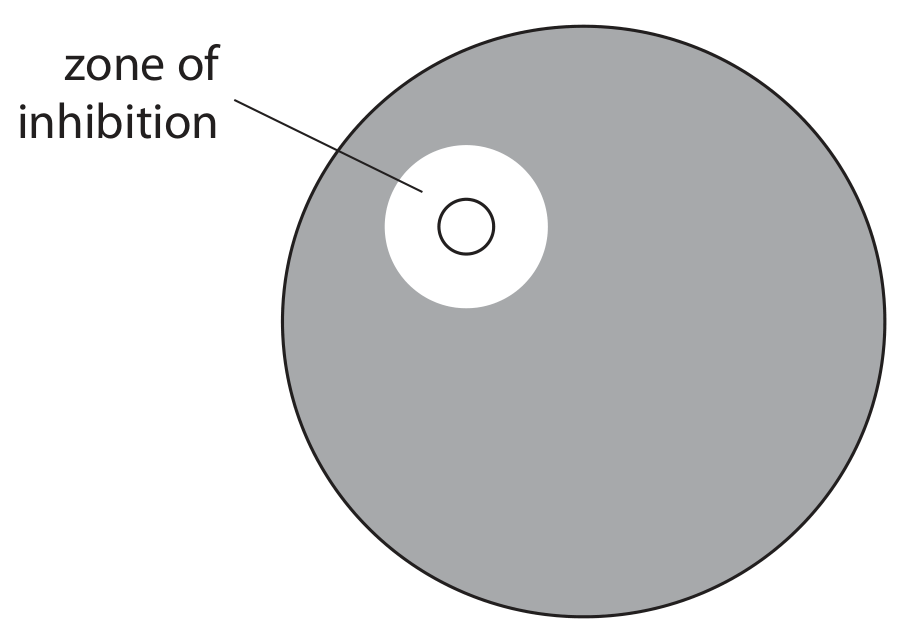
Discs containing fucoxanthin chemical were placed onto four agar plates each seeded with a different type of bacteria.
These plates were then incubated for 24 hours at and the zone of inhibition measured.
The diagram shows the zone of inhibition.
The table shows the results of this investigation.
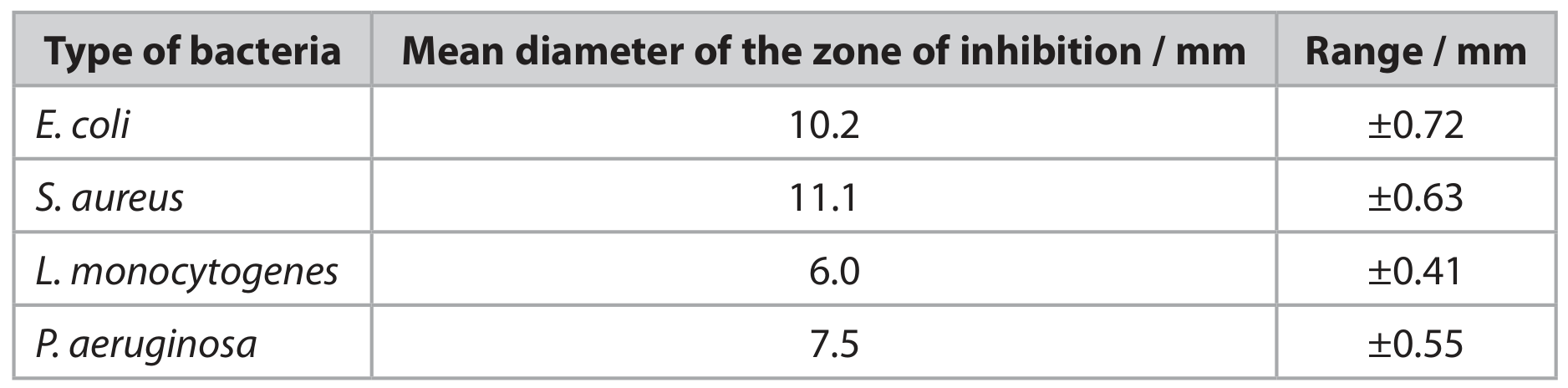
The table shows the mean and the range of the diameter of the zone of inhibition for each type of bacteria.
Calculate the maximum difference in the diameter of the largest and smallest zones of inhibition.
Answer mm