
EduNinja

Edexcel IAL Biology AS Topic 3 Cell Structure, Reproduction and Development

Edexcel IAL Biology AS Topic 3 Cell Structure, Reproduction and Development
Pearson Edexcel IAL Biology syllabusBiology YBI11First assessment 2019

Identify the cell, organelle or developmental process first, then use scale, structure, chromosome or expression evidence to justify the biological conclusion.

Exam points

  • Identify cells and organelles from light or electron micrographs and labelled diagrams.
  • Calculate actual size, magnification or resolution from calibrated image evidence.
  • Explain reproduction and differentiation through chromosomes and gene expression.

Question 1

[Maximum number: 3]

A plant contains several types of cells, tissues and organs.

Question 1(a)

(a)

State what is meant by the term organ.
(1)

[ 1 ]

Question 1(b)

(b)

The photograph shows part of a cell.
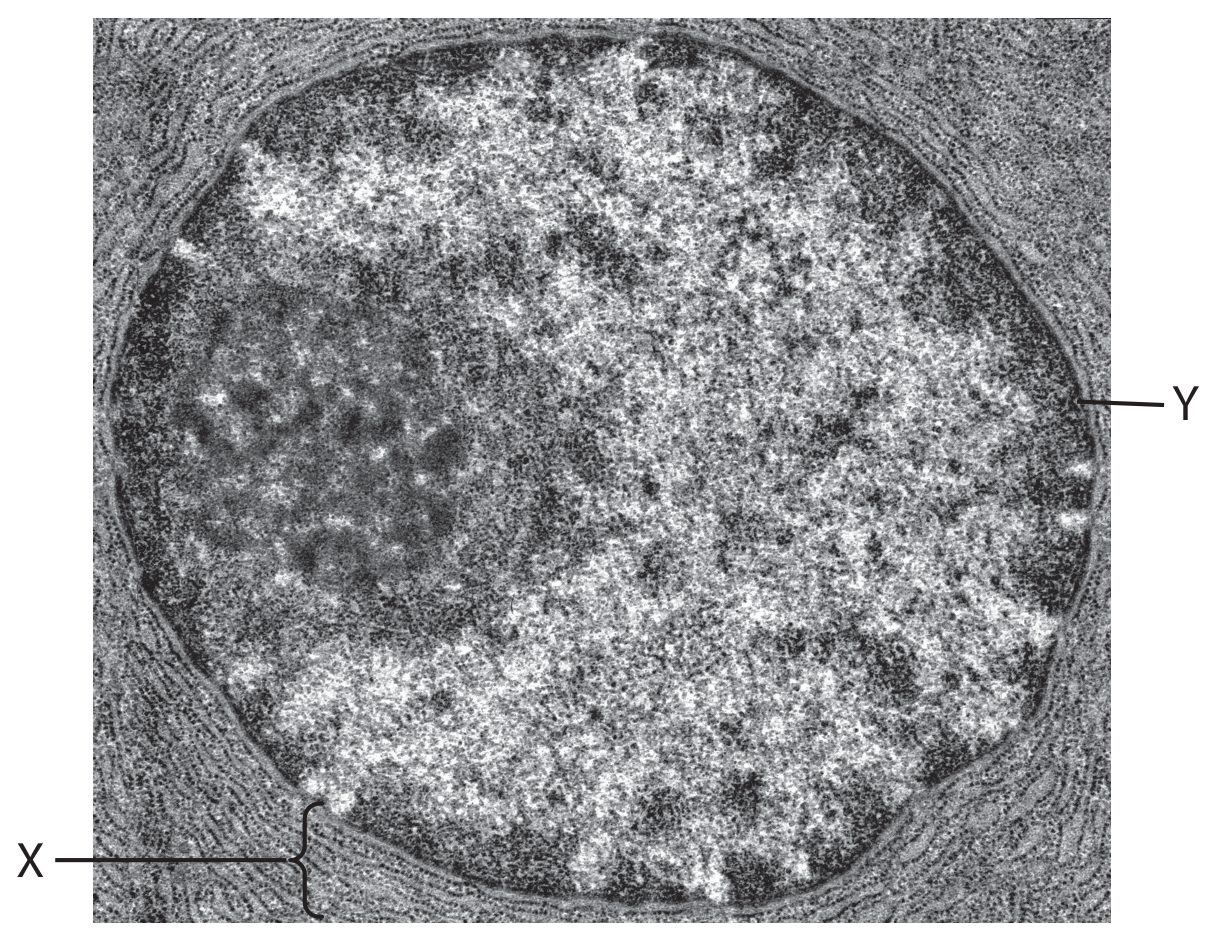
Figure for Question 1(b) — Edexcel A-Level Biology AS

© Jose Calvo / Alamy Stock Photo

[ 2 ]

Question 1(b)(ii)

(i)

The organelle surrounded by the membrane labelled Y contains the nucleolus.

Give the name and function of the organelle that contains the nucleolus.

Name

Function

[ 1 ]

Question 1(b)(iii)

(ii)

Which of the following are functions of the nucleolus?
1. production of ribosomes
2. synthesis of DNA
3. synthesis of RNA

A

1 and 2 only

B

1 and 3 only

C

2 and 3 only

D

1, 2 and 3

[ 1 ]
Question 2

[Maximum number: 6]

Interphase and mitosis are parts of the cell cycle.

Question 2(a)

(a)

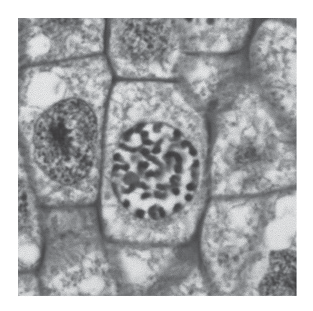
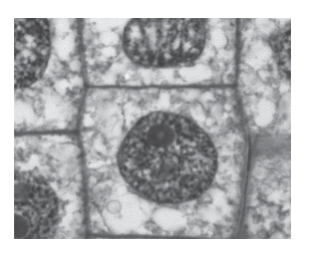
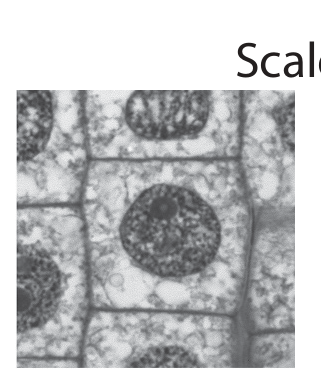
The photograph shows a plant cell in interphase.

© J. L. Carson, Ph.D./SCIENCE PHOTO LIBRARY

© J. L. Carson, Ph.D./SCIENCE PHOTO LIBRARY

[ 1 ]

Question 2(a)(i)

(i)

Interphase is the part of the cell cycle when mitosis is not taking place.

Which of the following processes occur during interphase?
1. cell growth
2. genetic material is replicated
3. organelles are synthesised

A

1 only

B

1 and 2 only

C

2 and 3 only

D

1, 2 and 3

[ 1 ]
Question 2(a)(ii)

(ii)

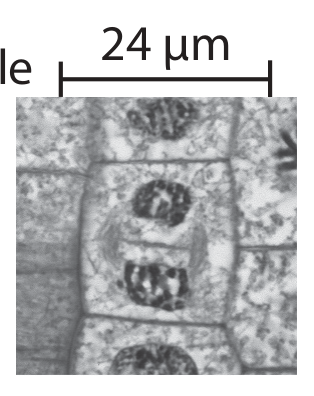
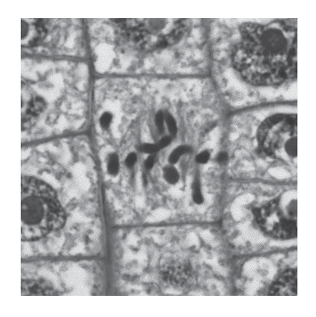
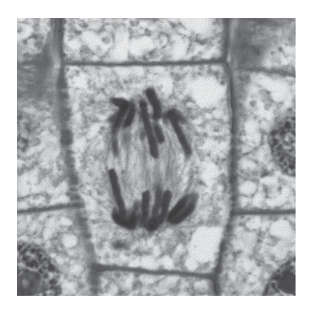
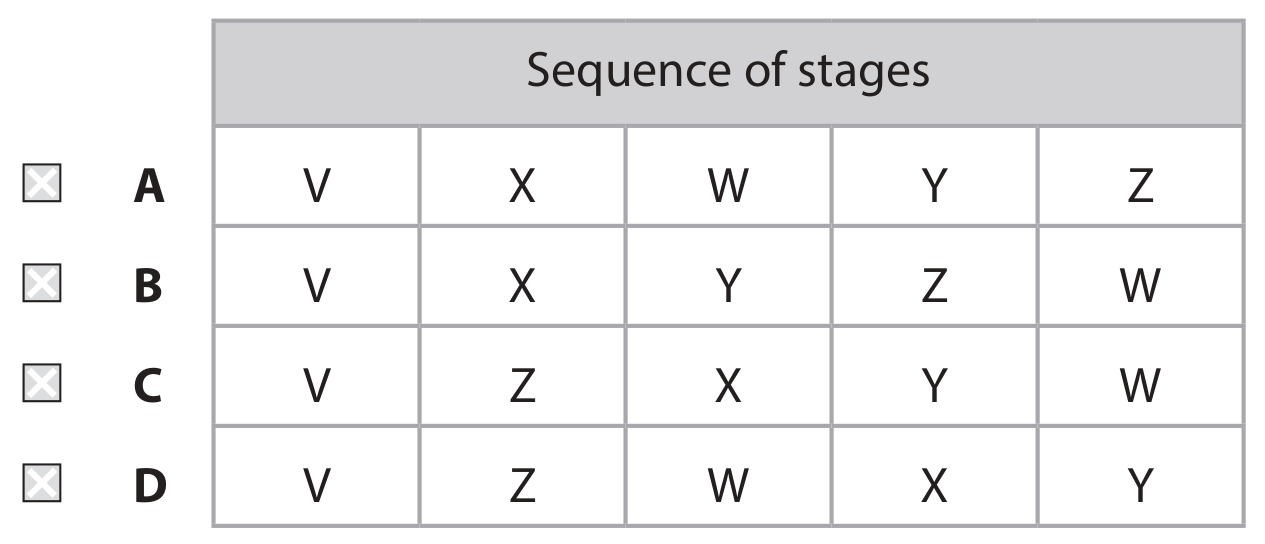
The photographs show some stages in the cell cycle.

V

V

W

W

X

X

Y

Y

Z

Z

© J. L. Carson, Ph.D./SCIENCE PHOTO LIBRARY
Which row shows the correct sequence of these stages in the cell cycle?

Table for Question 2(a)(ii) — Edexcel A-Level Biology AS

Question 2(b)

(b)

The mitotic index of a tissue was calculated.

The tissue had 450 cells in mitosis and the mitotic index was 37.5\%.
Calculate the number of cells in this tissue that were in interphase.

Answer

[ 2 ]

Question 2(c)

(c)

Describe the events that occur during prophase of mitosis.

[ 2 ]

Question 2(d)

(d)

Some new cells produced by mitosis are used for repairing damaged tissues.

Some new cells produced by mitosis are used for growth of tissues.

[ 1 ]

Question 2(d)(ii)

(i)

Give one role, other than for growth or repair, for new cells produced by mitosis.

[ 1 ]

Question 3

[Maximum number: 3]

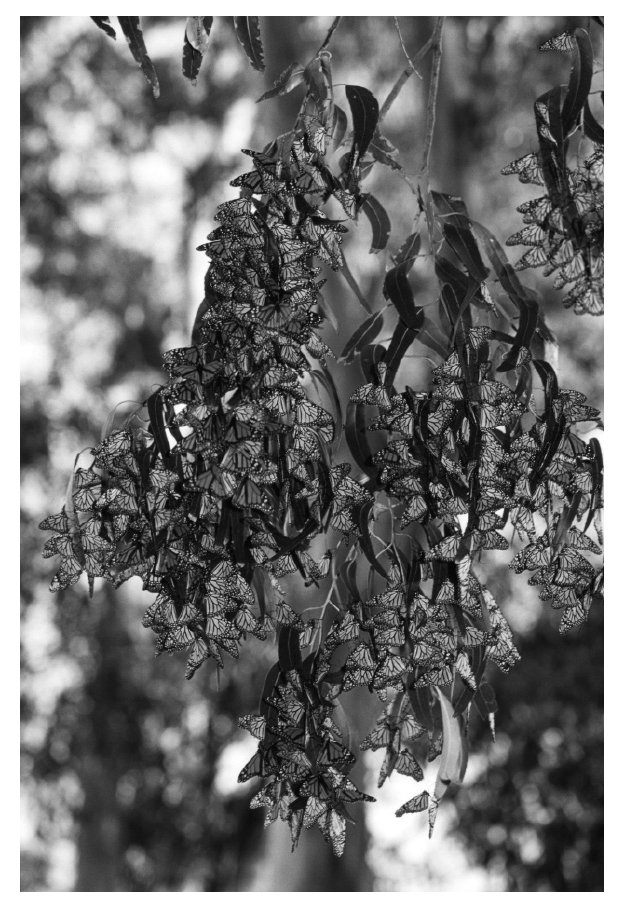
Migration is when many individuals of a species move from one geographical region to another.

Monarch butterflies migrate from Canada and North America to Mexico each autumn.
The photograph shows a cluster of migrating Monarch butterflies on a branch of a tree.

Figure for Question 3 — Edexcel A-Level Biology AS

Question 3(c)

(a)

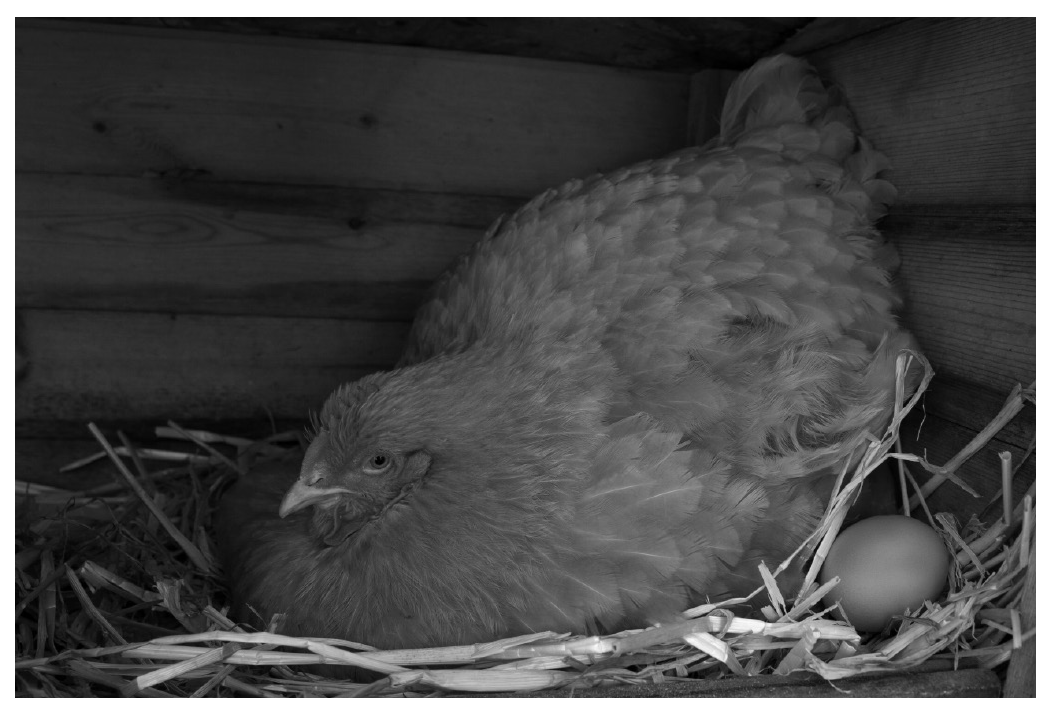
The photograph shows a hen (female chicken) that has just laid an egg.

Figure for Question 3(c) — Edexcel A-Level Biology AS

The rate of egg laying by hens is an example of polygenic inheritance.
This phenotype shows continuous variation.

[ 3 ]

Question 3(c)(i)

(i)

State what is meant by polygenic inheritance with reference to this phenotype.

[ 1 ]

Question 3(c)(ii)

(ii)

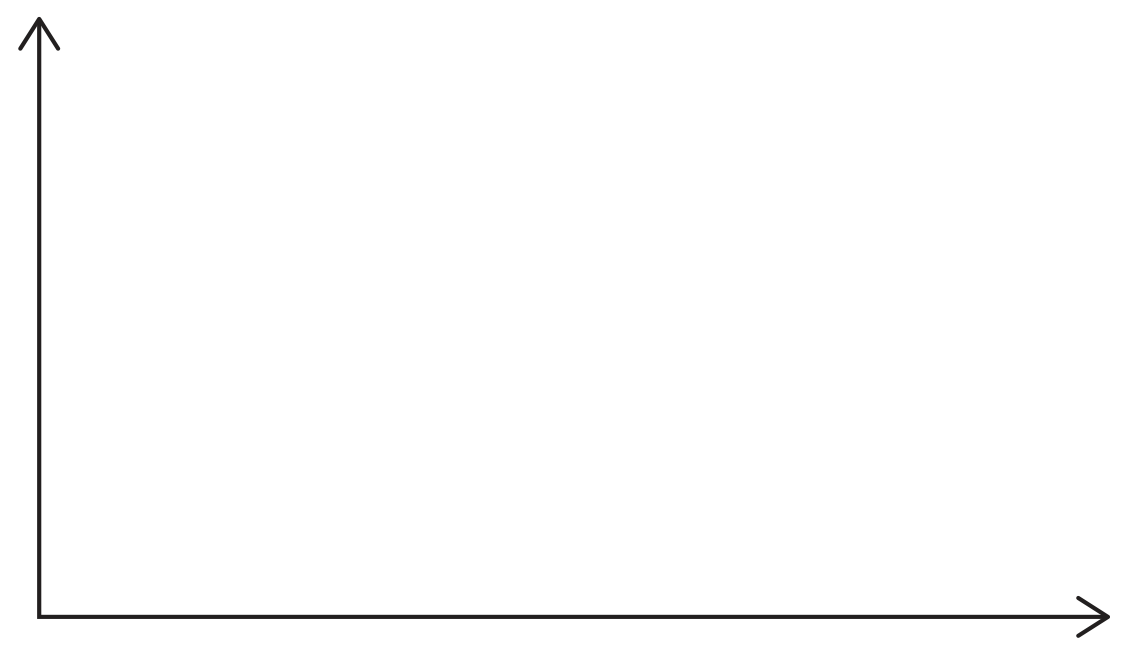
Sketch a labelled graph to show the expected egg laying rate for a population of hens.
(2)

Figure for Question 3(c)(ii) — Edexcel A-Level Biology AS
[ 2 ]

Question 4

[Maximum number: 7]

All living organisms are made of cells.
Some cells are specialised for their function.

Question 4(a)

(a)

One specialised cell is the sperm cell.

Draw a mammalian sperm cell showing the acrosome, the nucleus and a mitochondrion.

Label the acrosome, nucleus and mitochondrion.

[ 3 ]

Question 4(b)

(b)

A human egg cell is another example of a specialised cell.

[ 3 ]

Question 4(b)(iii)

(i)

Explain three ways in which a mammalian egg cell is specialised for its functions.
(3)

[ 3 ]

Question 4(c)

(c)

A fertilised egg cell develops into a morula and then a blastocyst.

Which of the following are correct statements?
1. A blastocyst contains pluripotent stem cells.
2. A blastocyst is a hollow ball of cells whereas a morula is not.
3. Both of these structures contain cells which divide by meiosis.
□ A 1 and 2 only
□ B 1 and 3 only
□ C 2 and 3 only
□ D 1, 2 and 3

[ 1 ]

Question 5

[Maximum number: 5]

Small variations in DNA sequences and activation of genes can explain why individuals respond differently to diseases and the drugs used to treat them.

Question 5(b)

(a)

Epigenetic modification can have an effect on the activity of genes in a cell.

[ 2 ]

Question 5(b)(i)

(i)

Which is the role of histones in the cell?

A

act as a transcription factor

B

form pores in the nuclear membrane

C

give structural support for DNA molecules

D

produce RNA polymerase

[ 1 ]

Question 5(b)(ii)

(ii)

Which is the process that regulates gene expression?

A

crossing over

B

epigenetic changes

C

post-transcriptional changes

D

post-translational changes

[ 1 ]

Question 5(c)

(b)

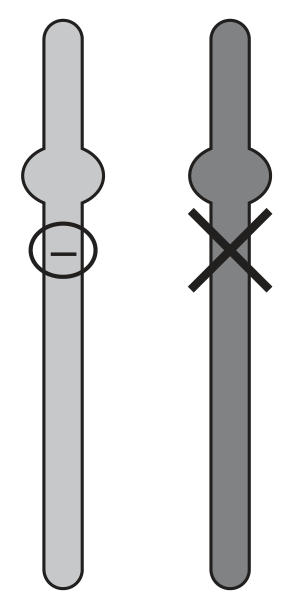
Prader-Willi syndrome is an inherited genetic disorder that involves changes on chromosome 15.

The chromosome inherited from the father has genetic deletions.
The chromosome inherited from the mother has DNA methylated bases.
The diagram shows these chromosomes for an individual with Prader-Willi syndrome.
region of DNA methylation

Figure for Question 5(c) — Edexcel A-Level Biology AS

region of genetic deletion

[ 3 ]

Question 5(c)(i)

(i)

Explain why these changes in the chromosome of this individual would cause Prader-Willi syndrome.

[ 3 ]

Question 5

[Maximum number: 10]

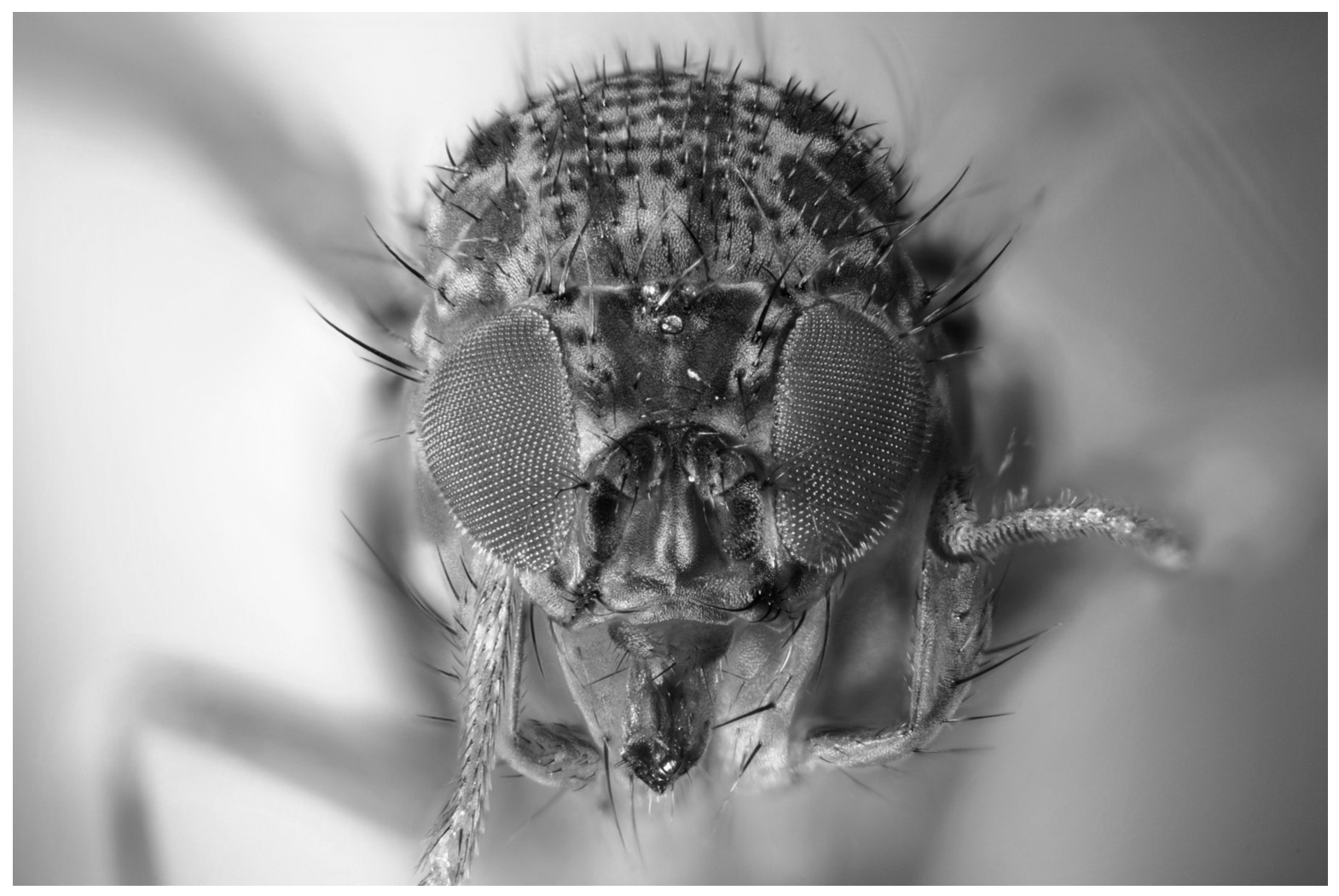
The photograph shows a fruit fly.

Figure for Question 5 — Edexcel A-Level Biology AS

© Nature Picture Library / Alamy Stock Photo

Question 5(a)

(a)

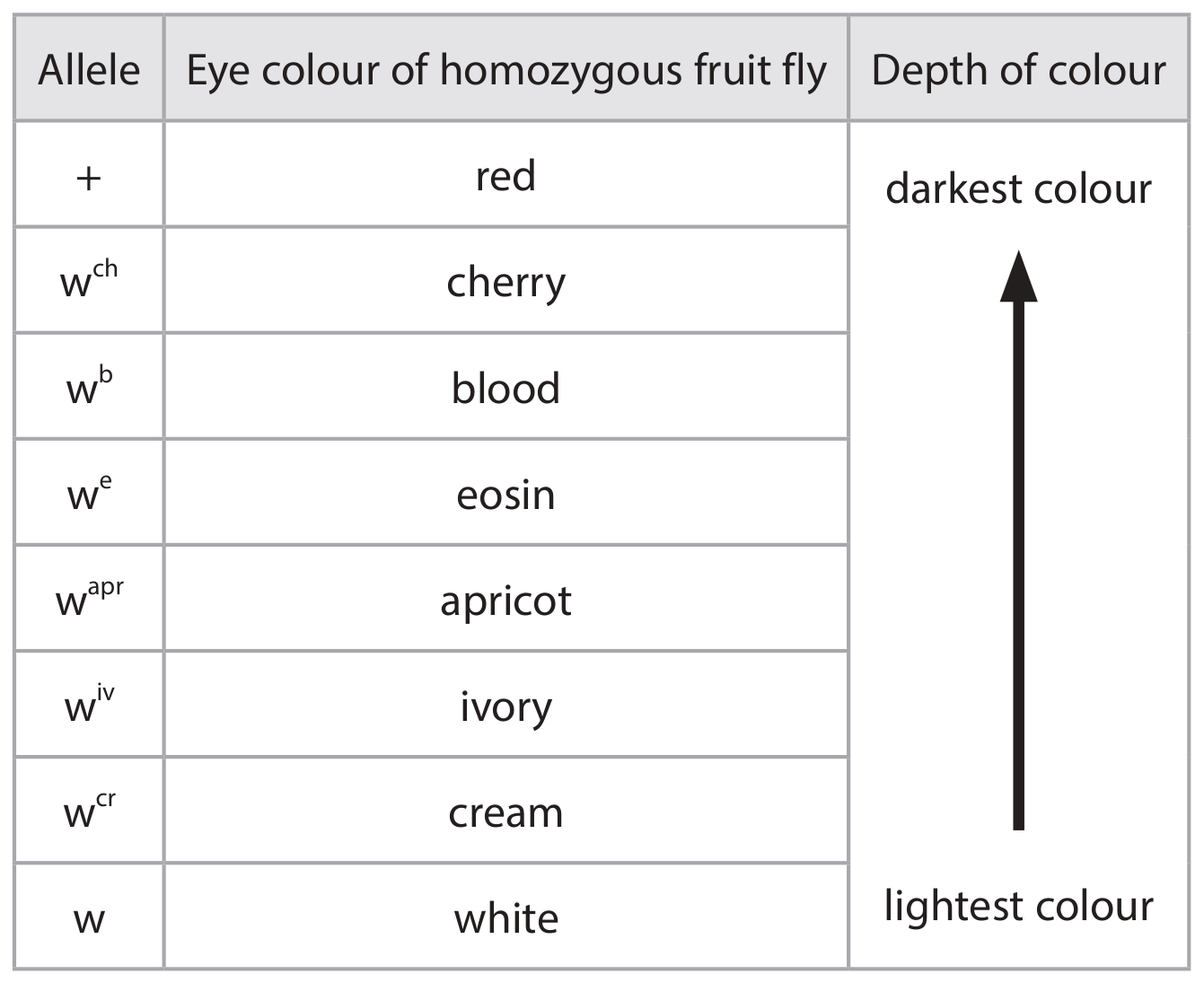
The gene for eye colour in this species of fruit fly has multiple alleles.

Homozygous fruit flies have two identical alleles for eye colour.
The table gives some information about these alleles.

Table for Question 5(a) — Edexcel A-Level Biology AS
[ 1 ]

Question 5(a)(i)

(i)

These alleles are found at the same locus.

State what is meant by the term locus.
(1)

[ 1 ]

Question 5(b)

(b)

The development of an embryo into either a female or a male fruit fly is determined by two different proteins.

The female specific Dsx-F protein leads to the development of a female fly and the male specific Dsx-M protein results in a male fly.

Both proteins are the product of the same gene.
Explain how this gene can give rise to either a female or a male fly.
(4)

[ 4 ]

Question 5(c)

(c)

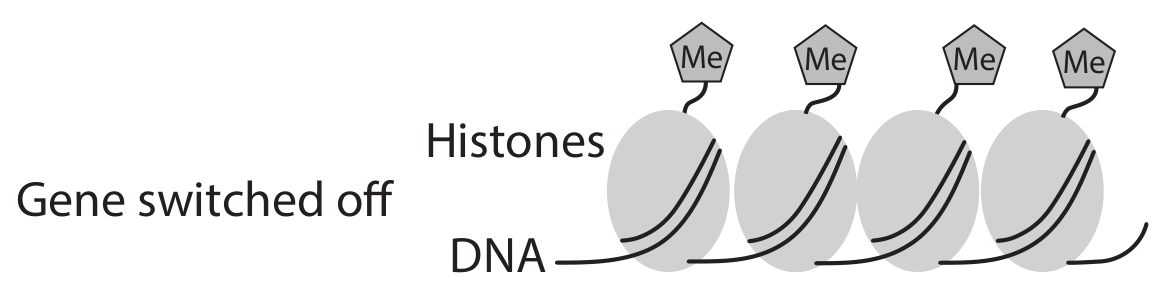
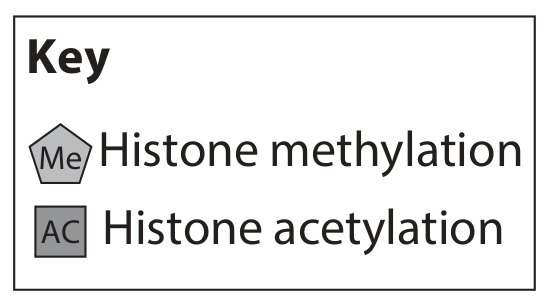
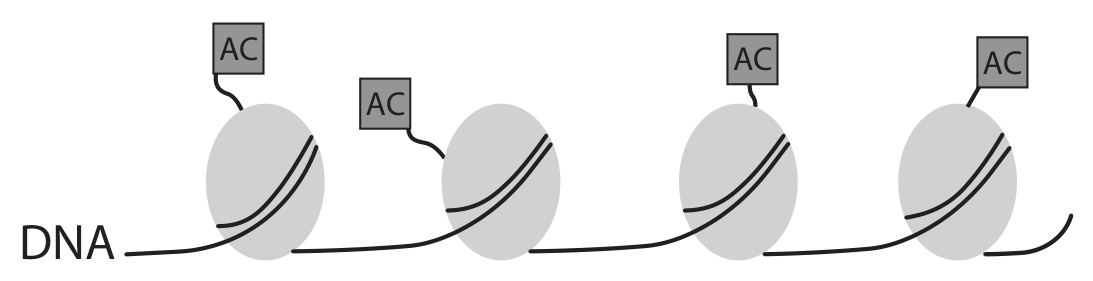
Histone modification can affect gene expression, as shown in the diagram.

Figure for Question 5(c) — Edexcel A-Level Biology AS
Table for Question 5(c) — Edexcel A-Level Biology AS

Gene switched on

Figure for Question 5(c) — Edexcel A-Level Biology AS

Explain how histone modification can affect gene expression.
Use the diagram to support your answer.

[ 5 ]

Question 8(a)

[Maximum number: 3]

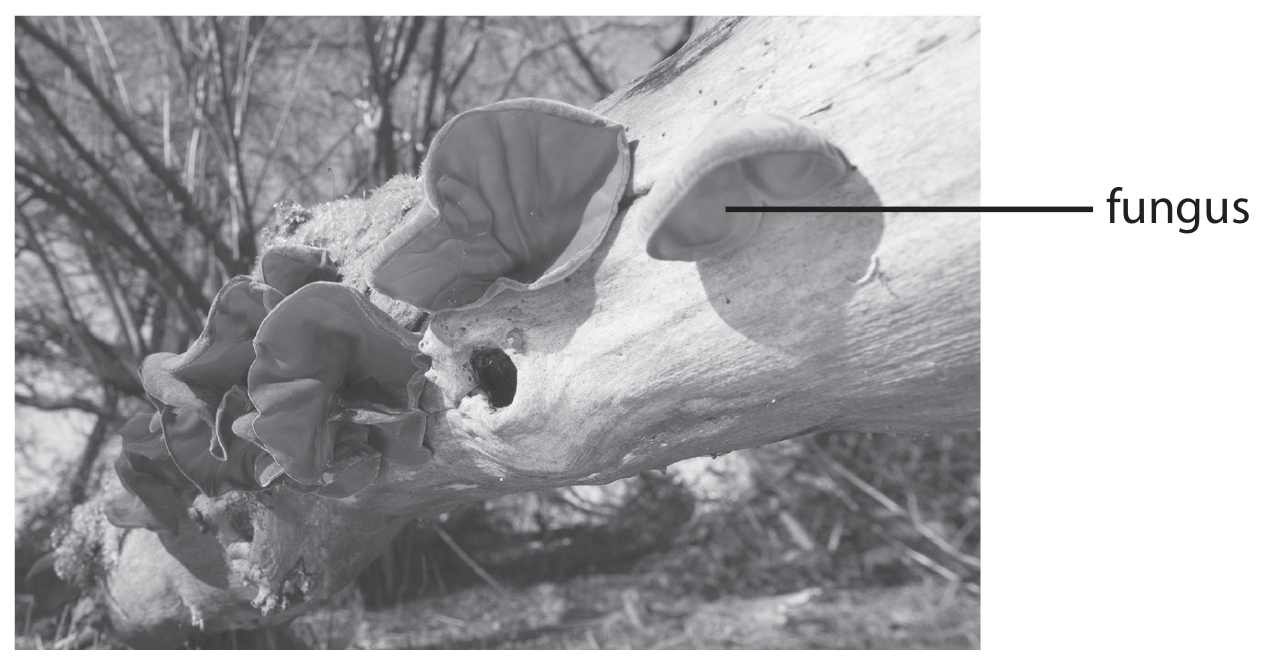
The photograph shows a species of fungus growing on a dead tree in a woodland habitat.

Figure for Question 8(a) — Edexcel A-Level Biology AS

© www.pqpictures.co.uk / Alamy Stock Photo
Wood contains a high proportion of lignin and cellulose.
Fungi can break down molecules in wood by releasing extracellular enzymes.

Describe the role of the rough endoplasmic reticulum in the formation of extracellular enzymes.
(3)