CAIE A-Level Business 2.2.3 Motivation theories
Practise using Maslow, McClelland and other motivation theories to analyse employee needs and evaluate management choices.
- Syllabus
- 2026–2028
- Objective
- 2.2.3
- Level
- —
Practise using Maslow, McClelland and other motivation theories to analyse employee needs and evaluate management choices.
Premium Homes (PH)
PH owns student rental accommodation in all the major cities in country Y. PH used demographic segmentation in its market research. This research identified that university students would pay a premium for high specification rental accommodation.
PH has specialist teams focused on sales, maintenance, customer service and finance. There is little opportunity for internal promotion. PH pays low salaries, however, it offers profit sharing to motivate its 150 employees. This has been effective as PH has had low labour turnover.
In the last two years, profit levels have fallen by 75%. In 2024, 45 employees left PH. Complaints about maintenance and customer service have increased due to the lack of experienced employees in PH.
The Finance Director is reviewing PH's existing sources of finance, shown in Fig 2.1.
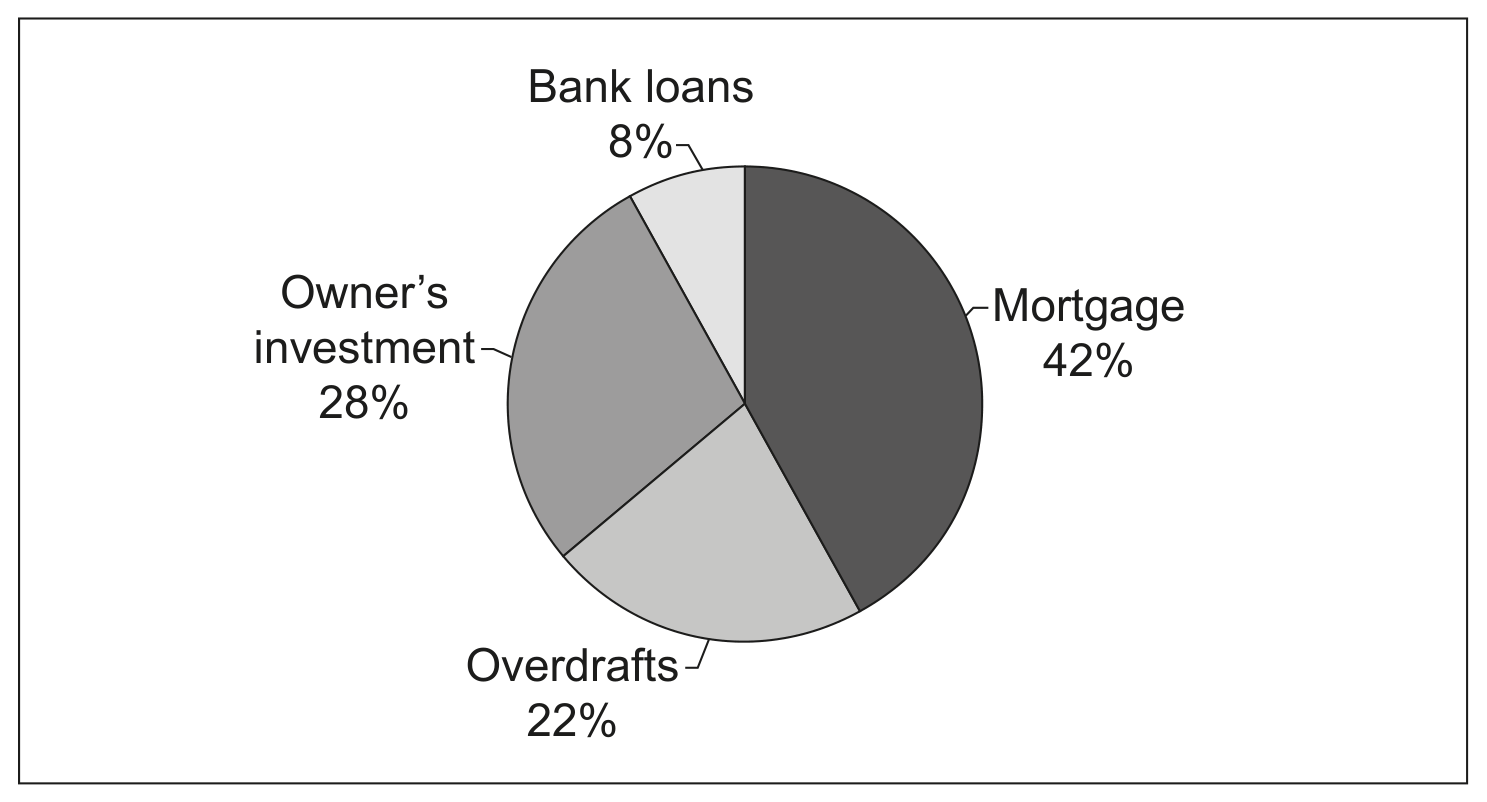
Fig 2.1 PH's sources of finance
Frank, the Operations Director, wants to improve the sustainability of PH's operations. He plans to:
- stop renting out accommodation in some lower-income cities, and sell these buildings 15
- upgrade accommodation in high-income cities
- reduce the size of the workforce.
Explain one way in which PH could use Maslow's Hierarchy of Needs.